Mammals · 17 species guides
Rodents: Mice, Squirrels & Beavers
Rodents are the largest mammal order, defined by a single pair of continuously growing incisors in each jaw that must be worn down by gnawing, and include mice, rats, squirrels, beavers, porcupines, hamsters, guinea pigs, capybaras, prairie dogs and naked mole-rats; they occupy nearly every terrestrial habitat and range from shrew-sized mice to the capybara, the world's largest rodent.
- Incisors
- All rodents have one pair of prominent front teeth in each jaw, typically orange or yellowish from enamel patterning. The teeth grow continuously — gnaw marks on wood or nuts are often the first sign of rodent presence.
- Tail shape
- Rats have scaly tails longer than the body; mice have thinner, often hairy tails. Squirrels have bushy tails. Beaver tails are broad, flat and scaly. Porcupine tails vary but the quills are the immediate identifier.
- Size and habitat
- Mice are small with large ears relative to the head. Rats are heavier-bodied. Squirrels are arboreal or ground-dwelling with sharp claws. Beavers are aquatic with webbed hind feet and a flattened tail.
- Defensive adaptations
- Porcupines cannot shoot quills — a persistent myth — but quills detach on contact. Prairie dogs give alarm calls from burrow entrances. Naked mole-rats are hairless, pink and live entirely underground in colonies.
Rodents are the most species-rich mammal order on Earth — roughly two in five mammal species is a rodent. The defining feature is dental: one pair of ever-growing incisors in the upper and lower jaws, separated from the cheek teeth by a gap called the diastema. Those incisors must be worn down constantly by gnawing, which is why rodents chew wood, seeds, bark and — in human environments — wiring and stored food.
The everyday view of rodents is dominated by mice, rats and squirrels, but the order's range is much wider. Beavers reshape entire river systems with dams; porcupines defend themselves with barbed quills; prairie dogs maintain complex underground towns; naked mole-rats live in insect-like colonies underground. Capybaras — the largest rodent — graze in South American wetlands. Understanding rodents as a group matters ecologically: they are prey for most predators, seed dispersers for many plants, and disease reservoirs in some contexts — roles that vary sharply by species.
Key facts
- Rodents are the most species-rich mammal order, defined by ever-growing incisors that must be worn down by constant gnawing.
- Roughly two in five mammal species is a rodent — they occupy nearly every terrestrial habitat on Earth.
- The capybara is the largest living rodent, reaching the size of a large dog and grazing in South American wetlands.
- Beavers are ecosystem engineers — their dams create wetlands that support a wide range of other species.
- Porcupines cannot shoot their quills; quills detach on contact and embed in skin with backward-facing barbs.
- Naked mole-rats are one of the few mammal species with a eusocial colony structure, more like ants than typical mammals.
How to recognise them
The features that separate this group in the field, in the order they are usually most useful.
- Incisors
- All rodents have one pair of prominent front teeth in each jaw, typically orange or yellowish from enamel patterning. The teeth grow continuously — gnaw marks on wood or nuts are often the first sign of rodent presence.
- Tail shape
- Rats have scaly tails longer than the body; mice have thinner, often hairy tails. Squirrels have bushy tails. Beaver tails are broad, flat and scaly. Porcupine tails vary but the quills are the immediate identifier.
- Size and habitat
- Mice are small with large ears relative to the head. Rats are heavier-bodied. Squirrels are arboreal or ground-dwelling with sharp claws. Beavers are aquatic with webbed hind feet and a flattened tail.
- Defensive adaptations
- Porcupines cannot shoot quills — a persistent myth — but quills detach on contact. Prairie dogs give alarm calls from burrow entrances. Naked mole-rats are hairless, pink and live entirely underground in colonies.
- The confusion pairs
- Mouse versus rat: rats are larger and heavier with scaly tails; mice are smaller with finer features. Squirrel versus rat: bushy tail and arboreal posture versus scaly tail and ground-running habit. Guinea pig versus capybara: both lack a visible tail, but capybaras are vastly larger and semi-aquatic. Gopher versus prairie dog: prairie dogs are social with obvious colony burrows on open grassland — gopher is not in this list, but groundhogs are similar burrowers with a more solitary habit.
17 rodents guides
Search or filter by conservation status. Every guide carries sourced facts, IUCN status and FAQs.
Common names, scientific names and places are searchable.
Showing 1–17 of 17 guides
Mammals
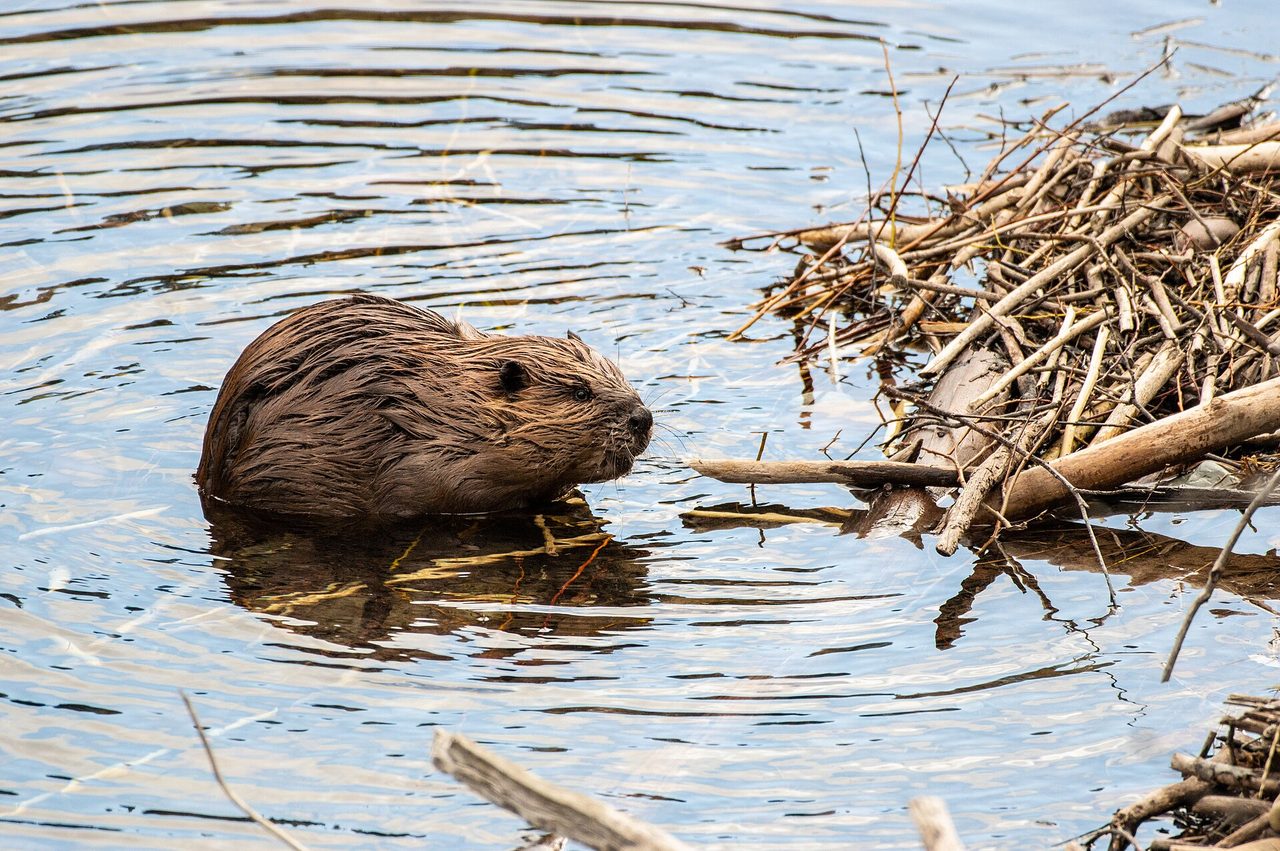
BBeaver
Castor fiber (Linnaeus, 1758) and Castor canadensis (Kuhl, 1820)
Nature's engineers — dam builders whose wetlands sustain entire ecosystems.
Europe · North America
Open guide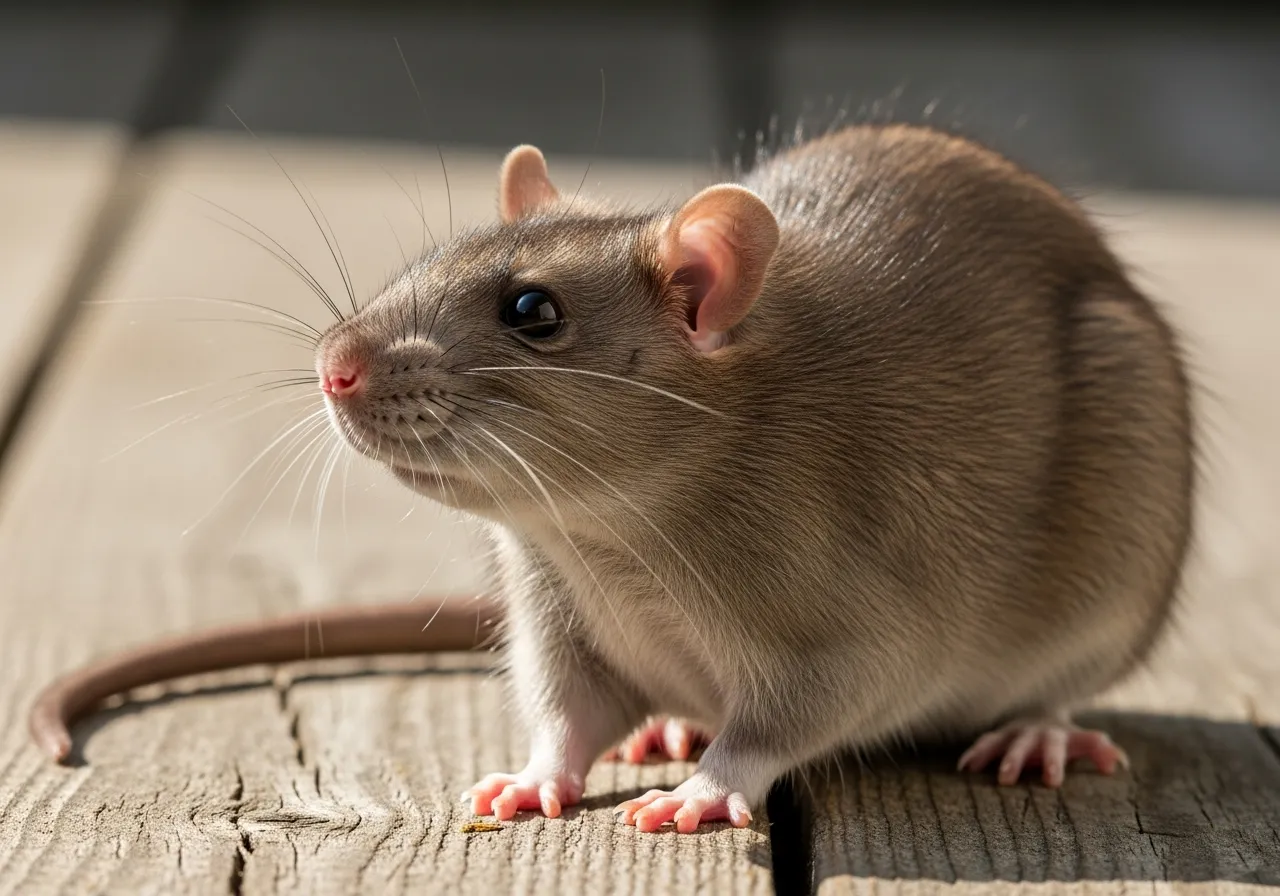
Mammals
BBrown Rat
Rattus norvegicus
One of the planet's most successful mammals, living quietly alongside us almost everywhere people do.
Worldwide (all continents except Antarctica) · Europe
Open guide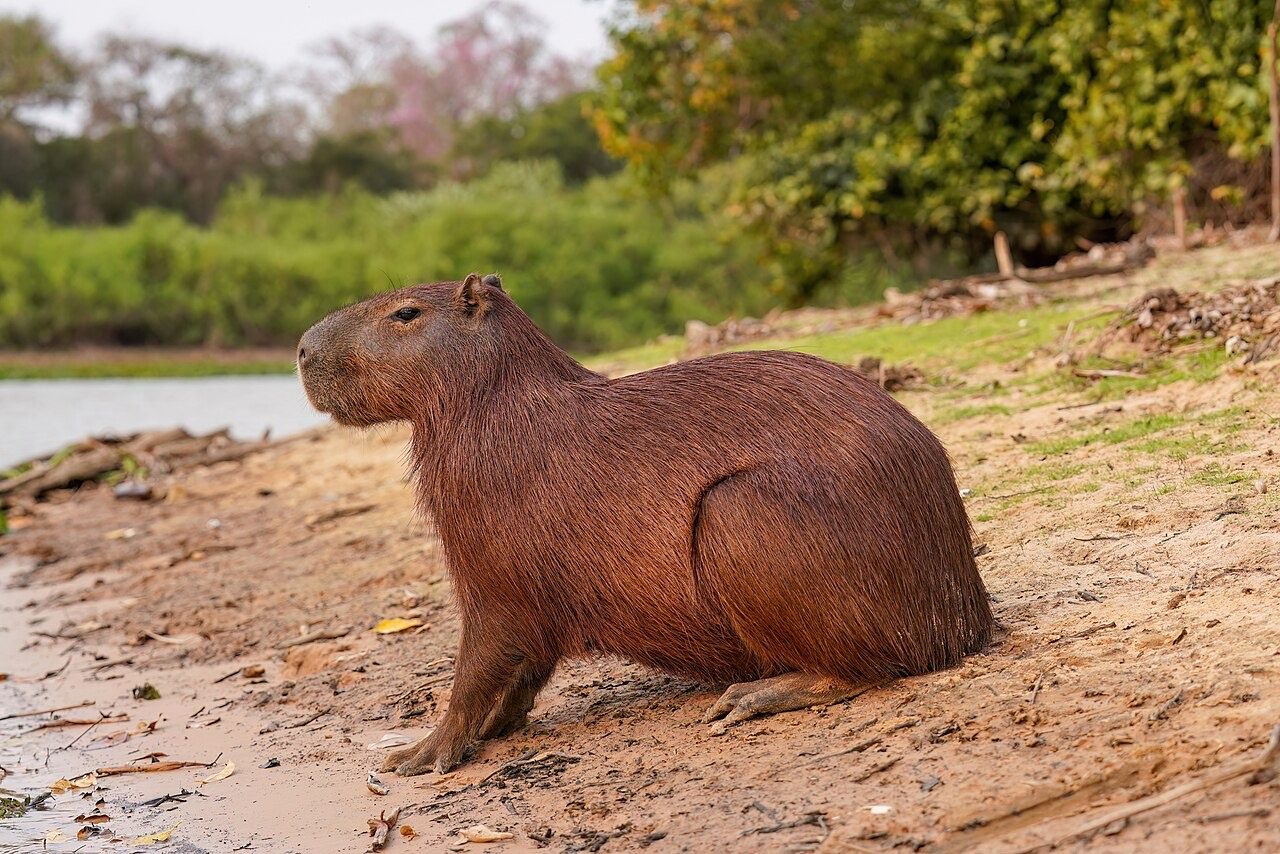
Mammals
CCapybara
Hydrochoerus hydrochaeris
The world's largest rodent — a gentle, water-loving giant of South America's wetlands.
Brazil · Colombia
Open guide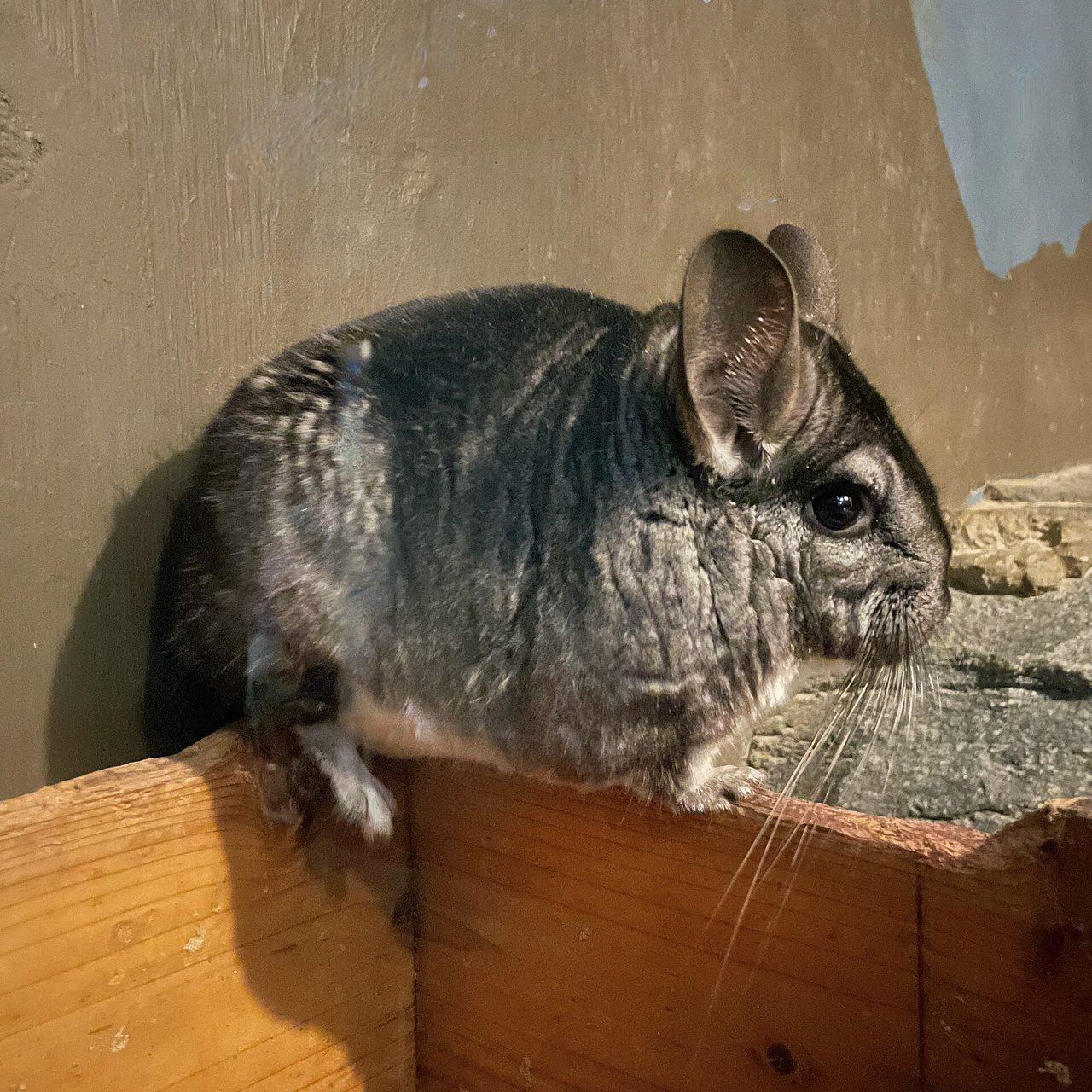
Mammals
CChinchilla
Chinchilla (genus)
The Andes' velvet-furred rodent — endangered in the wild, beloved as a pet.
South America · Andes
Open guide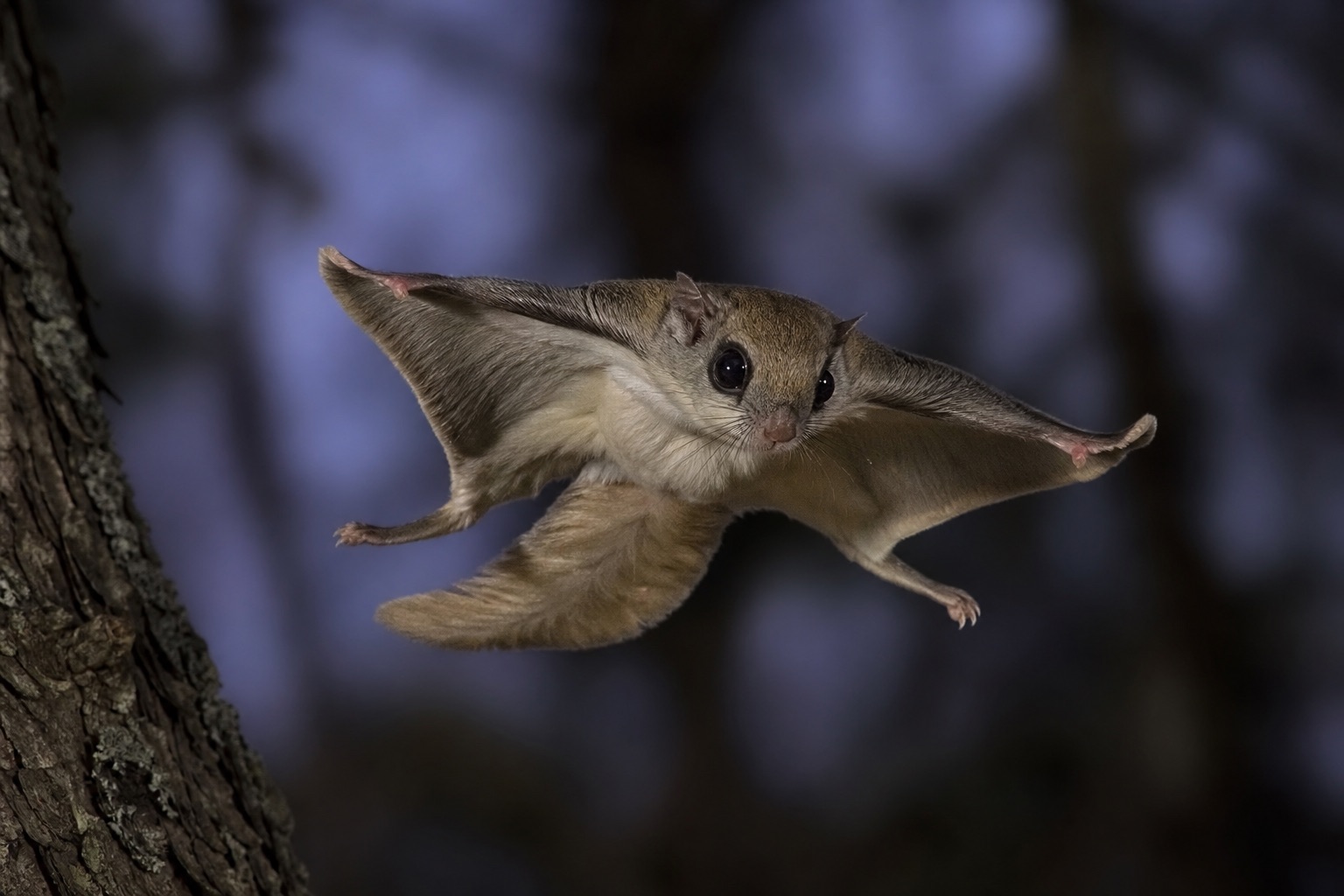
Mammals
FFlying Squirrel
Tribe Pteromyini — over 50 species in the squirrel family Sciuridae
They do not fly — they glide. And under ultraviolet light, North American species glow pink.
North America, Europe and Asia · Tropical and temperate forests
Open guide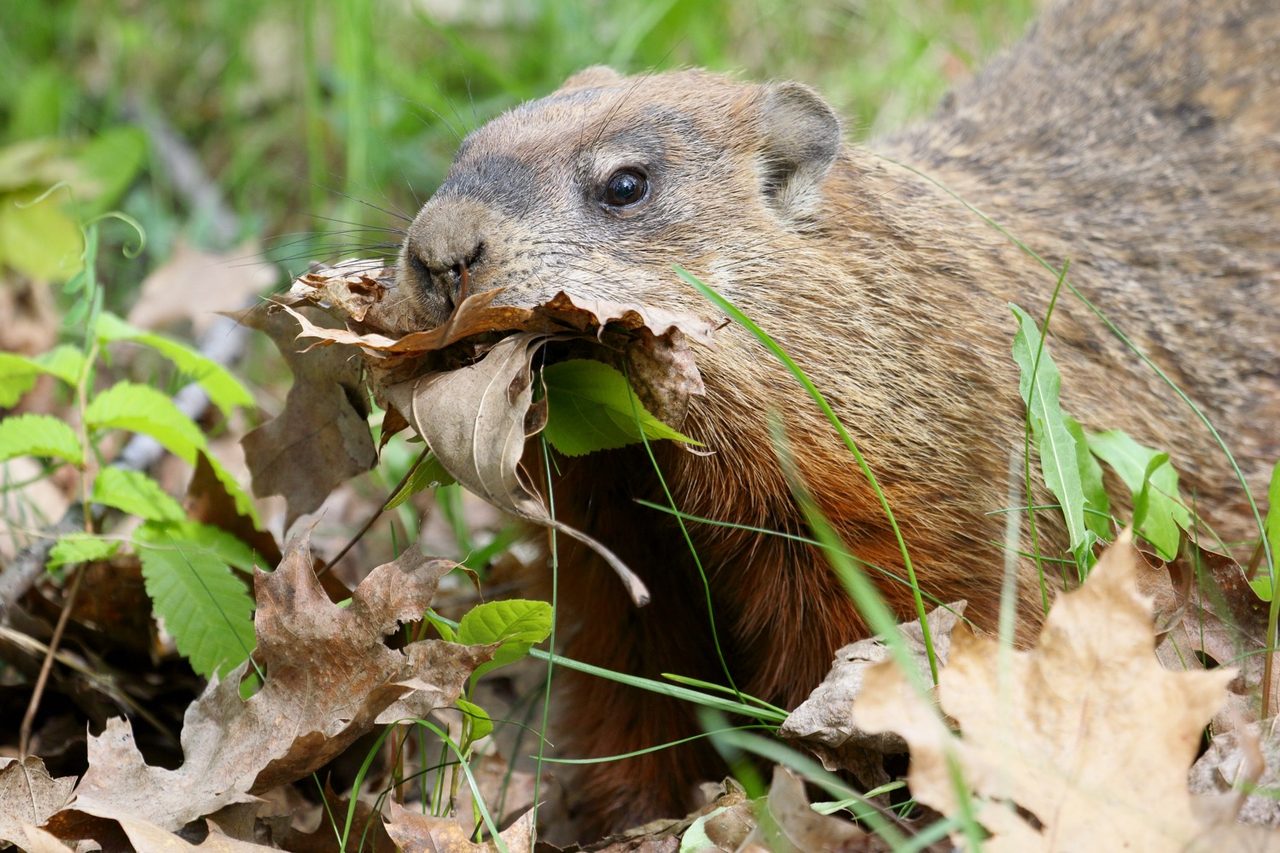
Mammals
GGroundhog
Marmota monax
North America's burrowing marmot and the star of Groundhog Day.
North America · Eastern United States
Open guide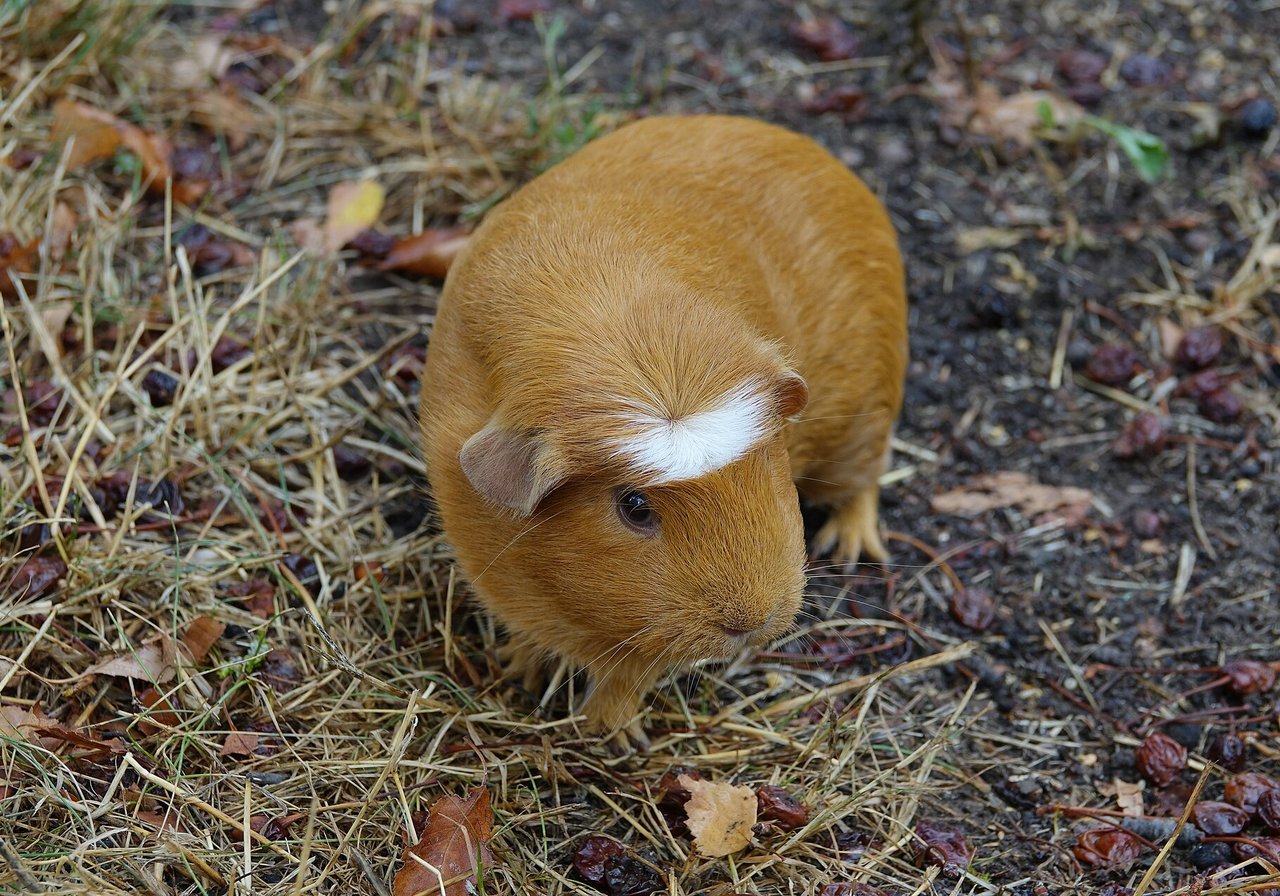
Mammals
GGuinea Pig
Cavia porcellus (Linnaeus, 1758)
The gentle cavy of the Andes — a social companion that needs company, space and daily vitamin C.
Worldwide — domestic; wild ancestor in South America
Open guide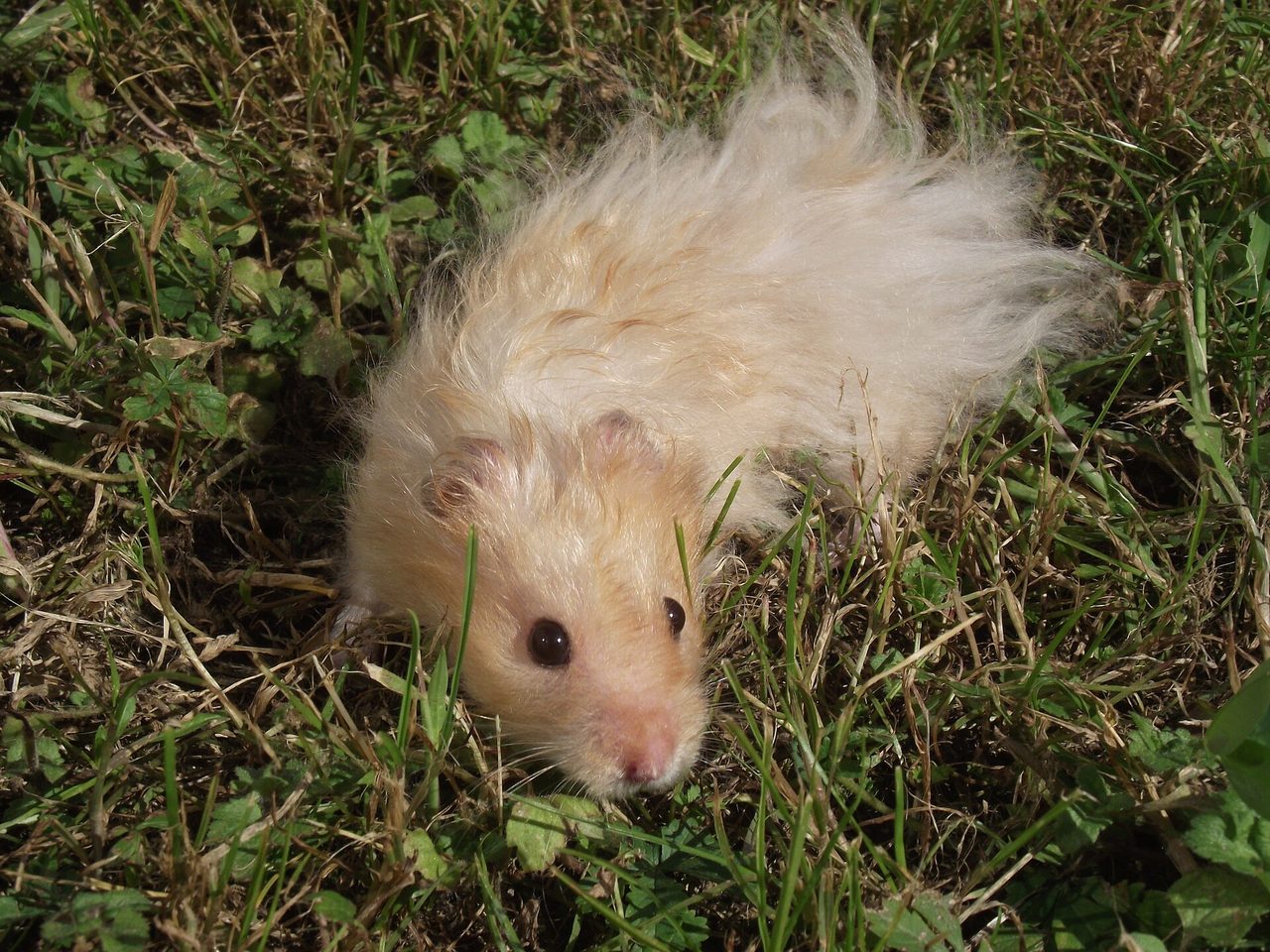
Mammals
HHamster
Multiple species — Mesocricetus auratus (Syrian), Phodopus spp. (dwarf) and others
Nocturnal burrowers of the steppe — solitary Syrians and sociable dwarfs with species-specific rules.
Worldwide — domestic; wild species in Europe and Central Asia
Open guide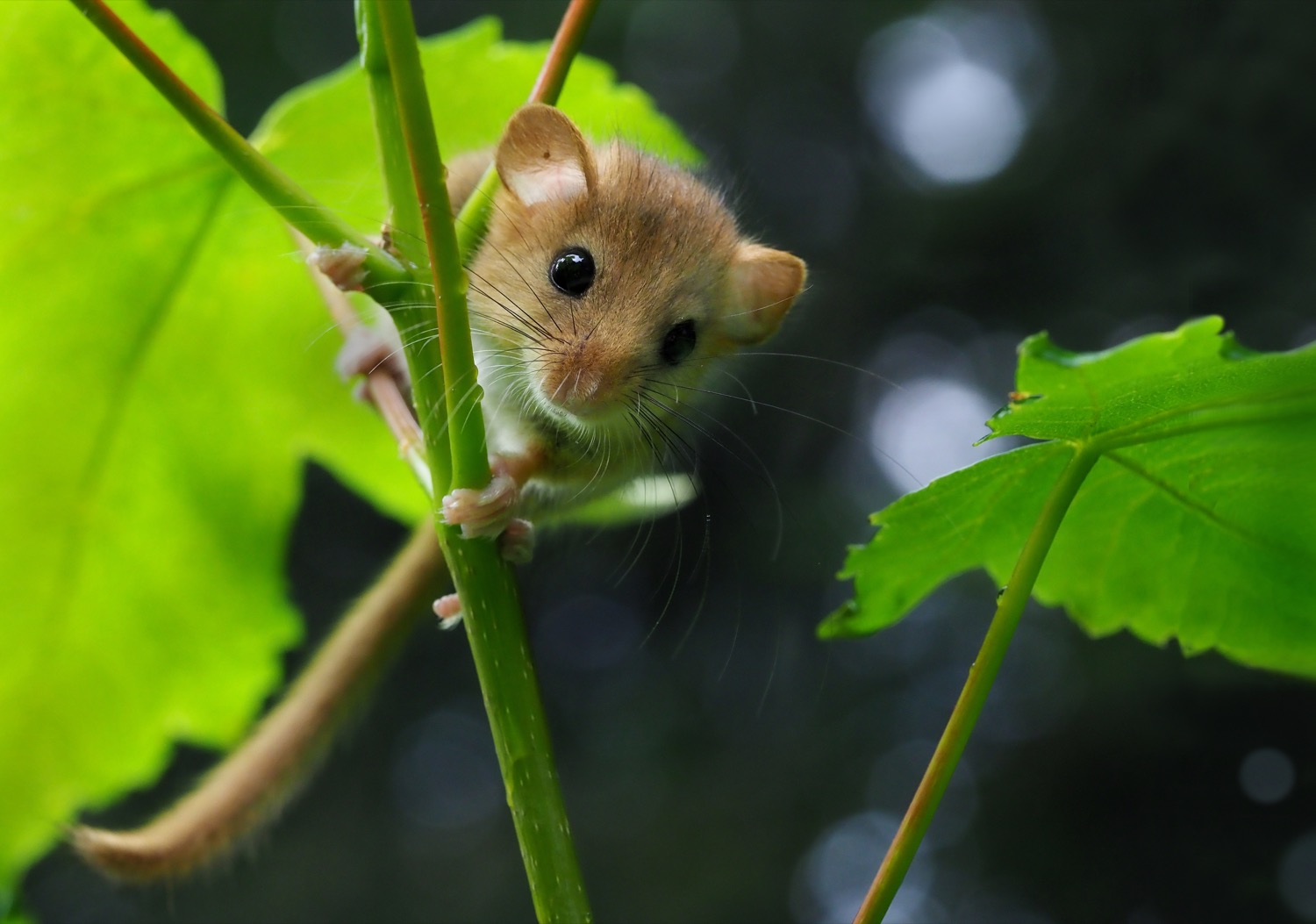
Mammals
HHazel Dormouse
Muscardinus avellanarius
The sleepy golden rodent of Europe's hedgerows, asleep for half the year.
Britain and Ireland · Western Europe
Open guide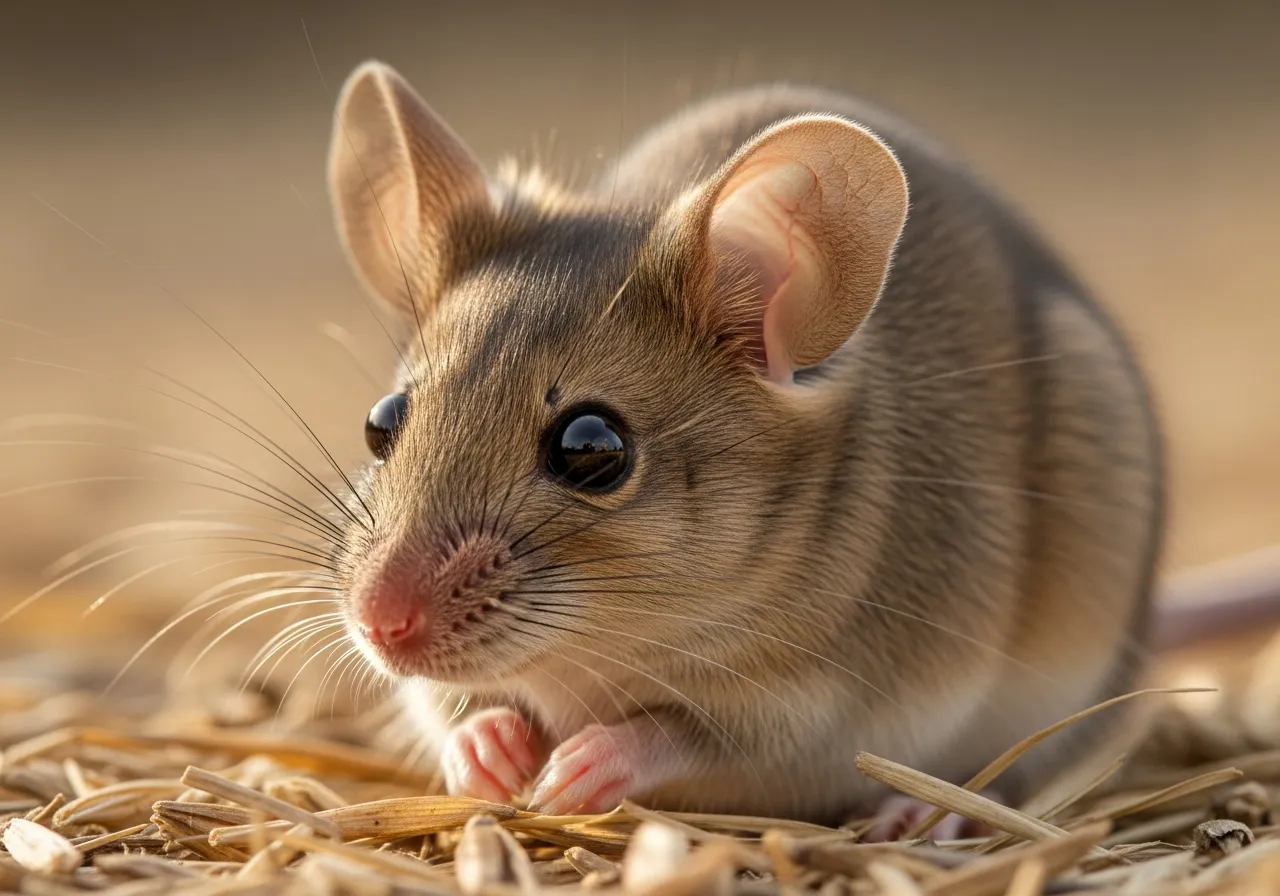
Mammals
HHouse Mouse
Mus musculus
The small, adaptable rodent that lives wherever people do — and ancestor of every pet and laboratory mouse.
Worldwide (alongside humans) · Europe
Open guide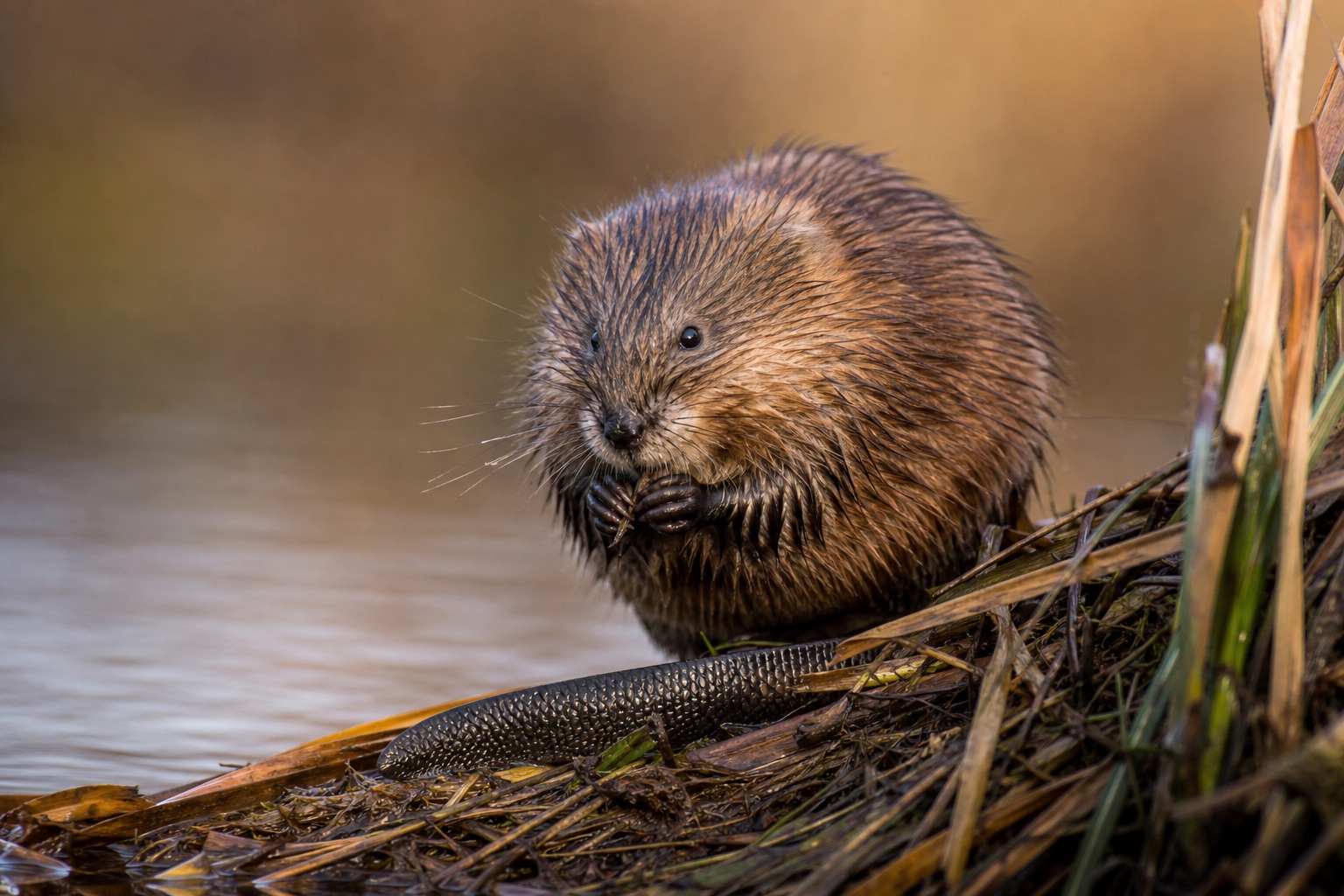
Mammals
MMuskrat
Ondatra zibethicus (Linnaeus, 1766) — family Cricetidae
A wetland engineer in North America — a burrowing pest in European dikes.
Native: North America · Introduced: Europe, Asia, South America
Open guide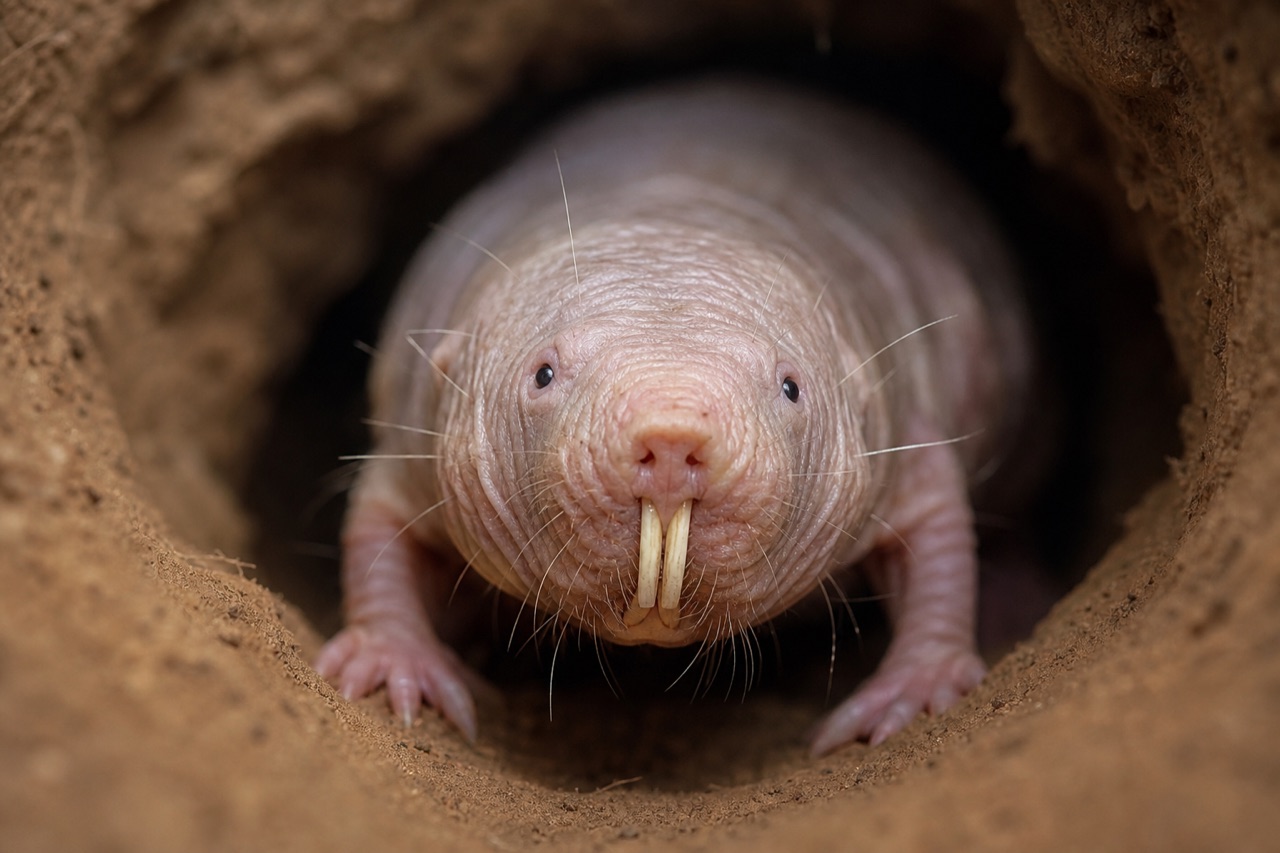
Mammals
NNaked Mole-Rat
Heterocephalus glaber (Rüppell, 1842) — family Heterocephalidae
A cold-blooded mammal that feels no acid pain, barely gets cancer, and lives like an ant.
East Africa — Kenya, Somalia and Ethiopia · Semi-arid savanna and grassland
Open guide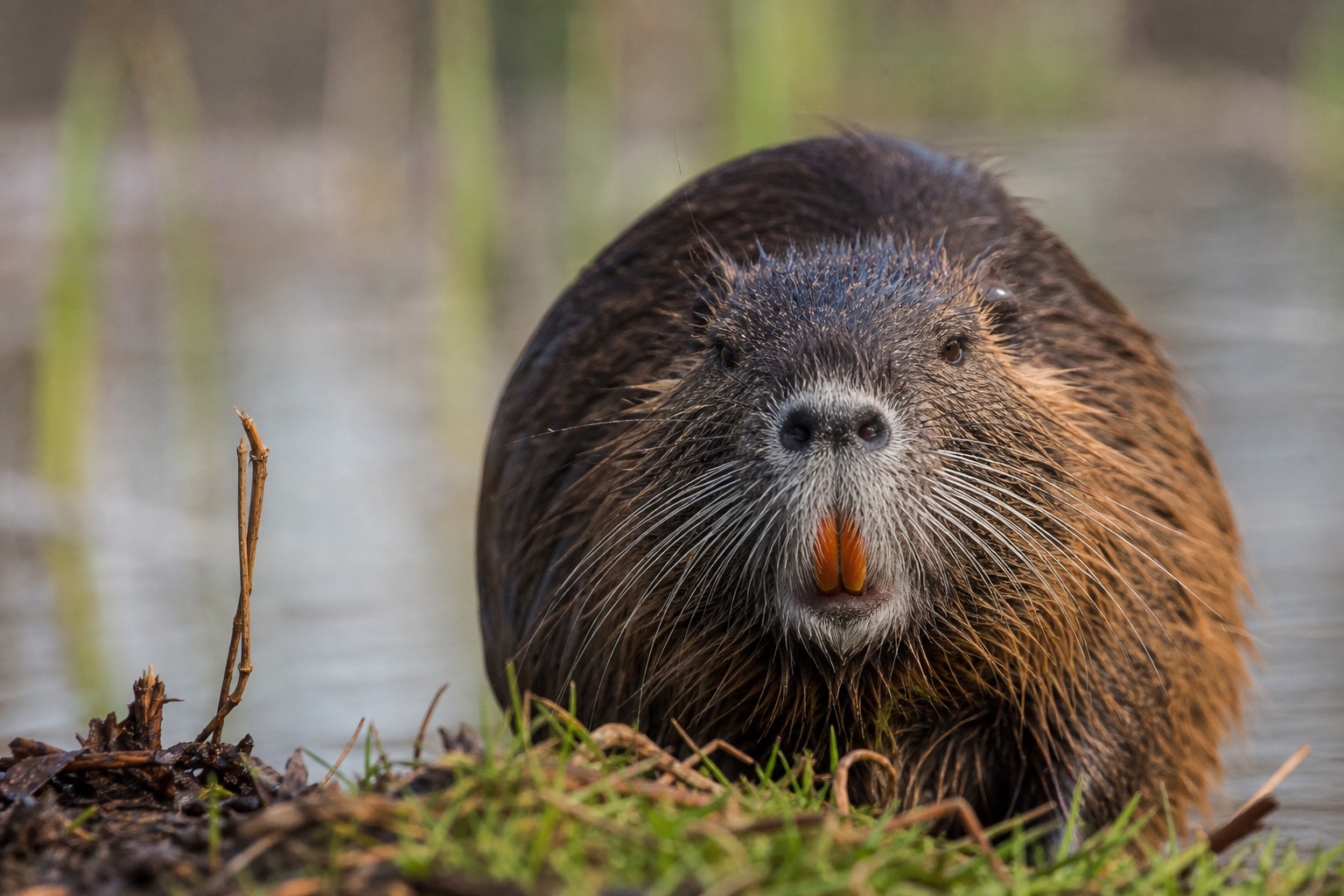
Mammals
NNutria
Myocastor coypus (Molina, 1782) — family Myocastoridae
Least Concern in the Pantanal — a wetland wrecking ball everywhere fur farmers released it.
Native: South America · Invasive: North America, Europe, Asia and Africa
Open guide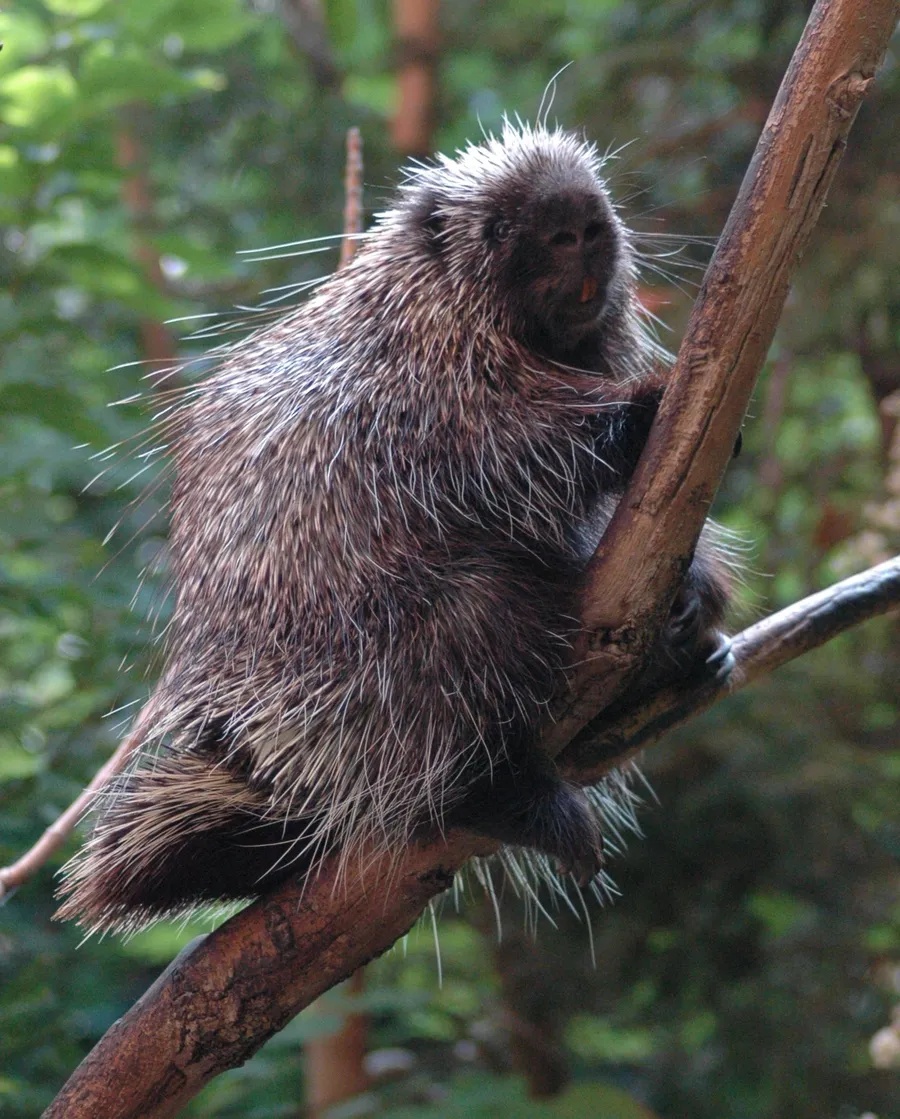
Mammals
PPorcupine
Hystricidae (Old World) & Erethizontidae (New World)
The world's prickliest rodents, armoured head to tail in detachable quills.
Africa · Asia
Open guide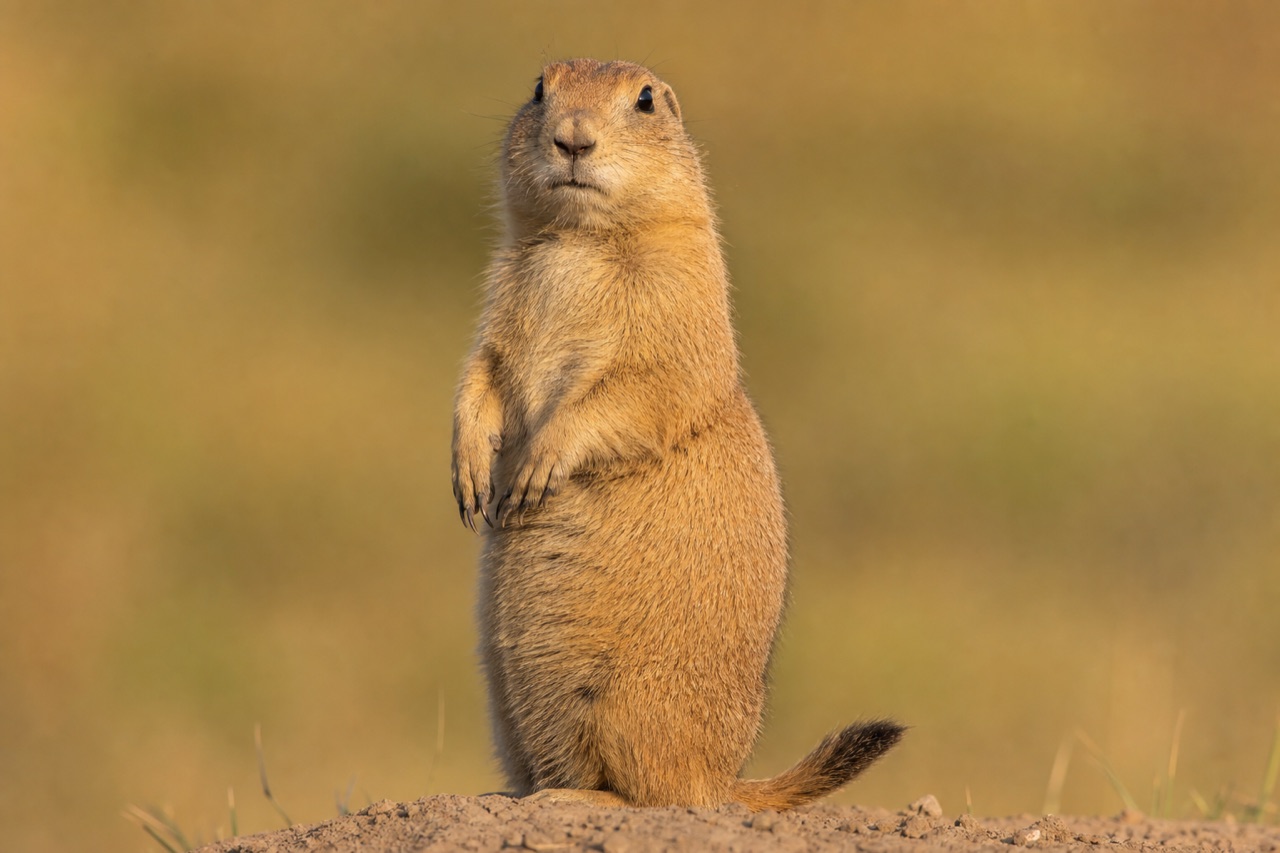
Mammals
PPrairie Dog
Genus Cynomys — five species of North American ground squirrel
Keystone burrowers of the Great Plains — eaten, plague-hit and shot as pests.
Great Plains of North America · Short-grass and mixed-grass prairie from Canada to Mexico
Open guide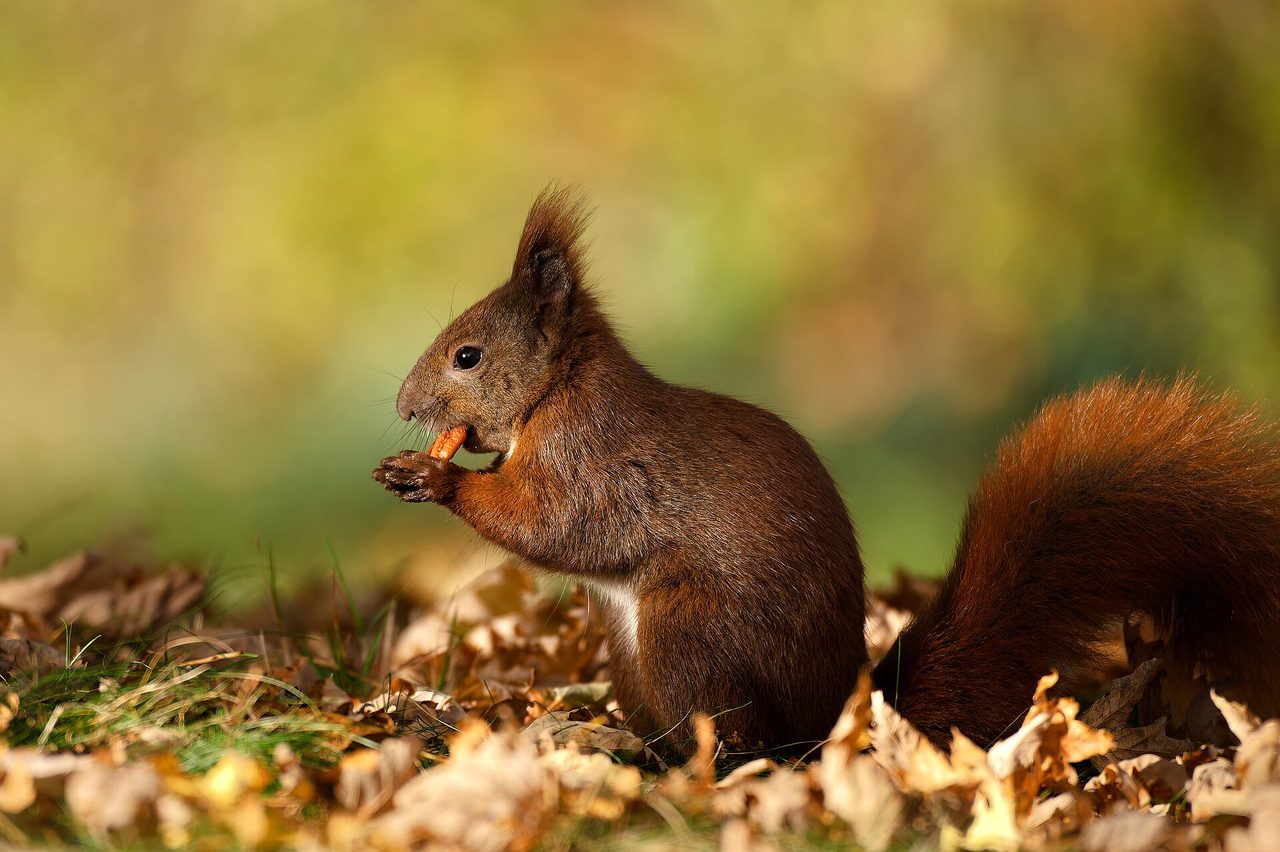
Mammals
SSquirrel
Sciuridae
A worldwide family of more than 280 rodents, from familiar tree squirrels to ground squirrels and gliding flying squirrels.
Worldwide
Open guide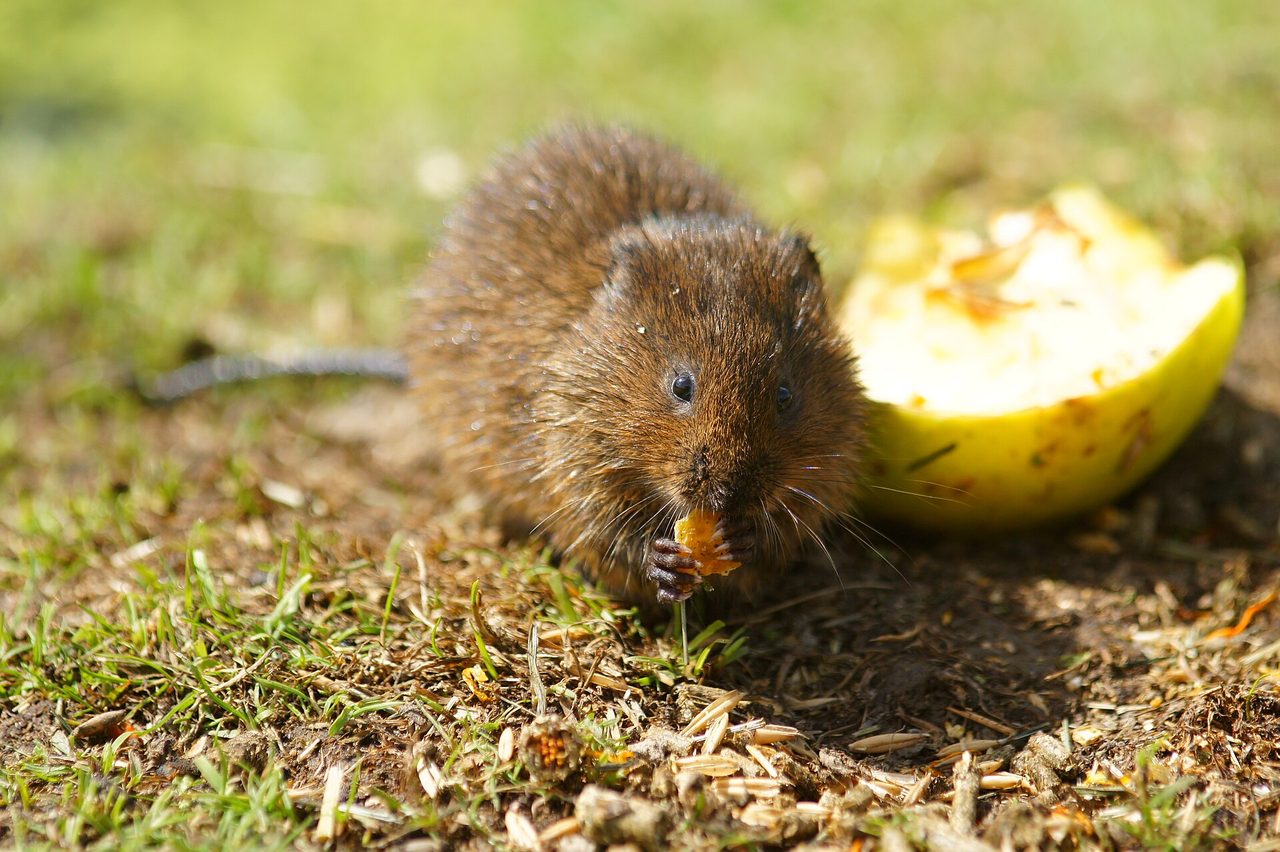
Mammals
WWater Vole
Arvicola amphibius
The riverbank's "Ratty" — a chubby, plop-diving vole, not a rat, and one of Britain's fastest-vanishing mammals.
Europe · Russia
Open guideConservation: what this group faces
Most rodent species are not conservation priorities individually — their high reproductive rates and broad diets help them persist. Exceptions matter: prairie dog colonies have declined across North America through poisoning and habitat conversion, with knock-on effects for black-footed ferrets and raptors that depend on them. Water voles — Britain's largest native vole — have declined sharply through habitat loss and mink predation. Chinchillas were hunted close to extinction for fur before commercial breeding reduced pressure on wild populations. Invasive rodents on islands remain one of the highest-impact threats to seabirds and reptiles worldwide.
Rodents: frequently asked questions
What makes an animal a rodent?
What is the largest rodent?
What is the difference between a mouse and a rat?
Can porcupines shoot their quills?
What do beavers do for ecosystems?
Are rodents pests or important wildlife?
Other types of mammal
-
Big cats
Large predatory cats — tigers, lions, leopards, jaguars, cheetahs and their close relatives.
-
Bears
Heavy-bodied omnivores — from polar bears on sea ice to pandas in bamboo forest.
-
Primates
Apes, monkeys, lemurs and lorises — the order that includes our closest living relatives.
-
Marine mammals
Whales, dolphins, seals, sea lions, walruses, manatees and otters tied to the sea.
-
Hoofed animals
Deer, elephants, rhinos, horses, cattle, antelope and other ungulates — grazers and browsers on hoof.
-
Bats
The only mammals capable of true powered flight — from insect-hunting pipistrelles to fruit bats.
-
Marsupials
Pouched mammals — kangaroos, koalas, opossums and gliders from Australia and the Americas.
-
Canids
Dogs, wolves, foxes, jackals and their wild relatives — the dog family.
-
Small carnivores
Stoats, badgers, otters, mongooses, raccoons and other compact hunters and scavengers.