Horse Breed · United States
Mustang
Feral horses of the American West — symbols of freedom with Spanish roots.
By WARN Research & Conservation TeamLast updated
In brief
The Mustang is a feral horse of the American West descended from Spanish and domestic stock — hardy, intelligent and spirited. Its defining trait is survival-honed toughness and strong herd instincts, requiring patient training when adopted into domestic life.
What are the key facts about a Mustang?
The Mustang is a horse breed from United States: varies (13–15 hands typical), hardy, intelligent, spirited. Feral horses of the American West — symbols of freedom with Spanish roots.
| Origin | United States |
|---|---|
| Size | Varies (13–15 hands typical) |
| Typical weight | 360–450 kg (790–990 lb); typically 13–15 hands, highly variable |
| Lifespan | 25–30 years |
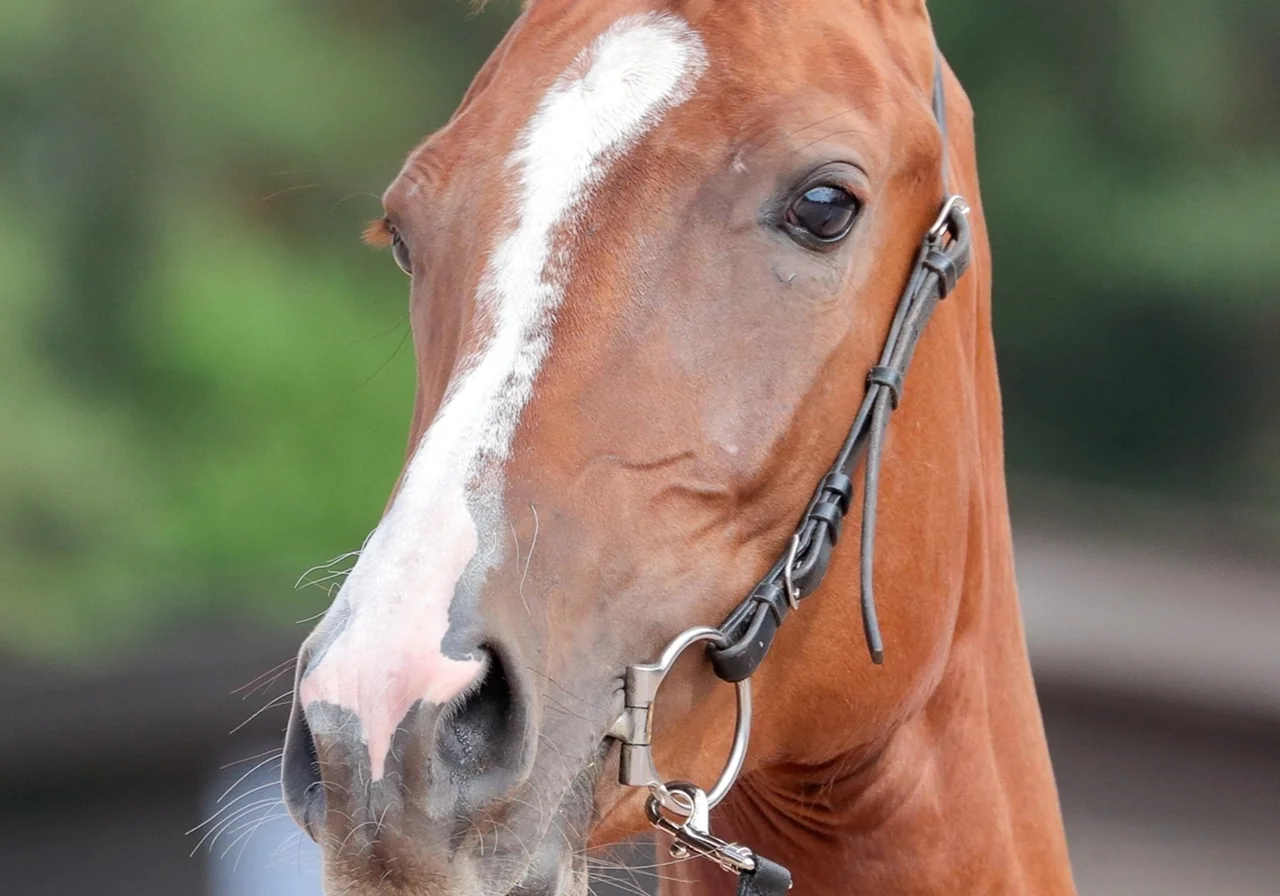
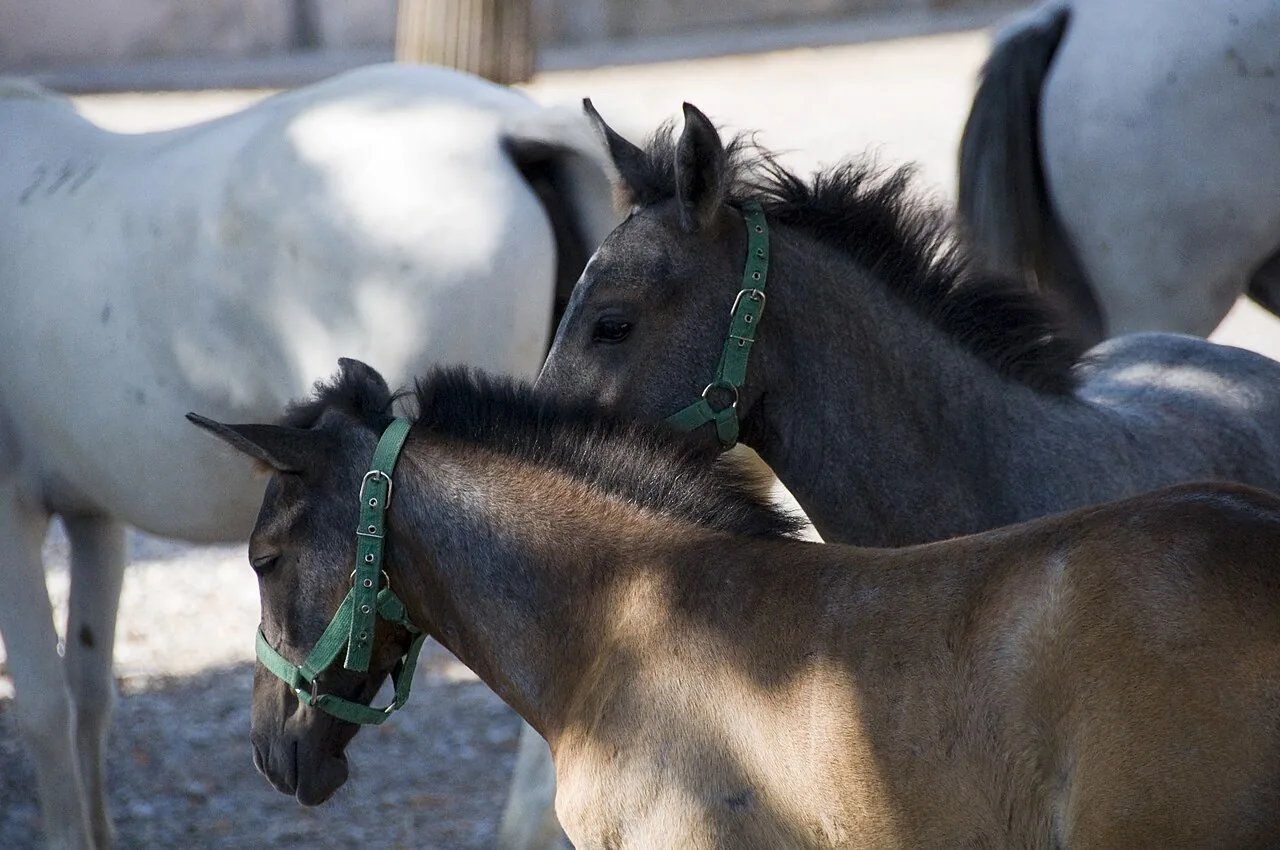
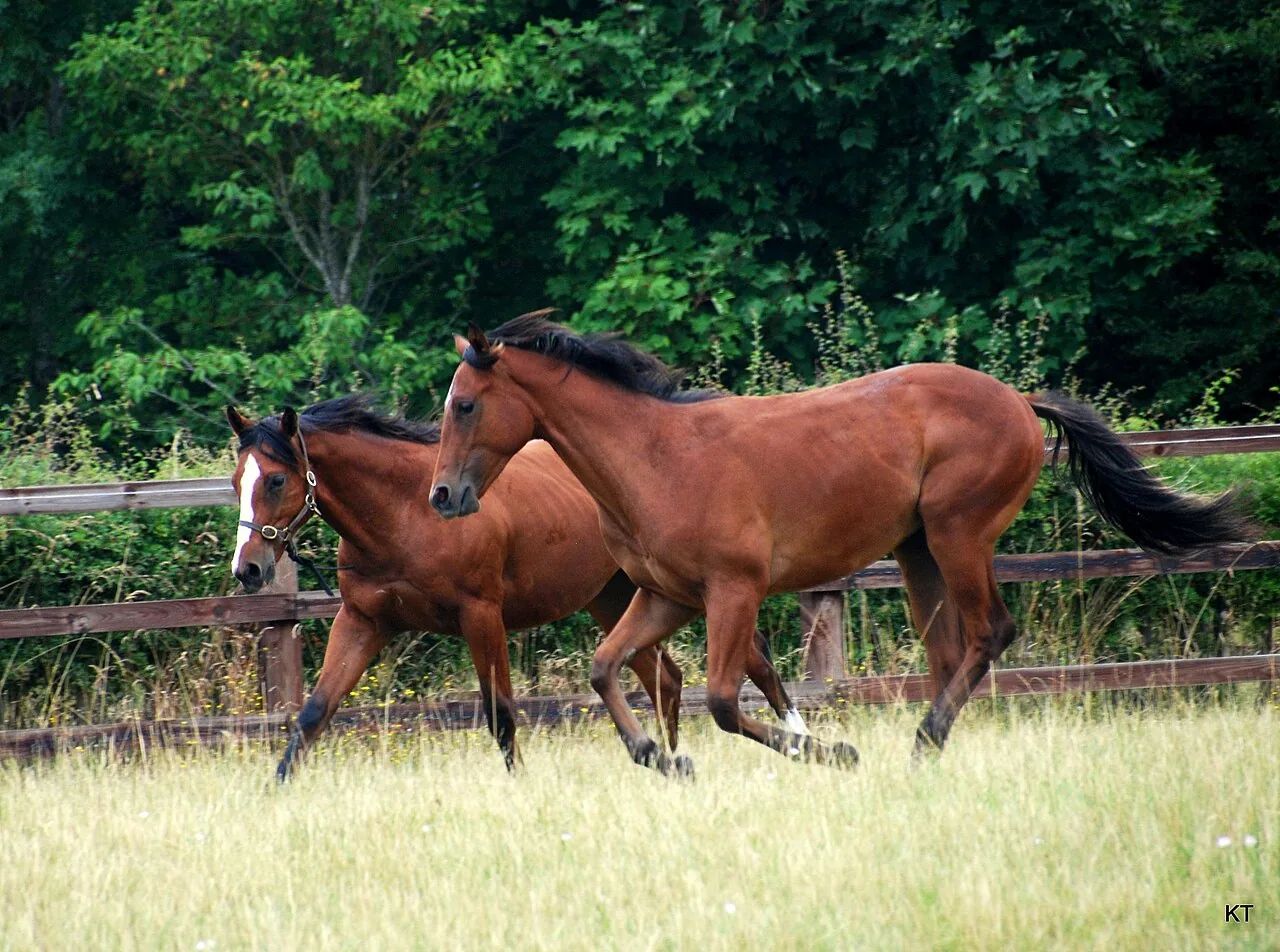
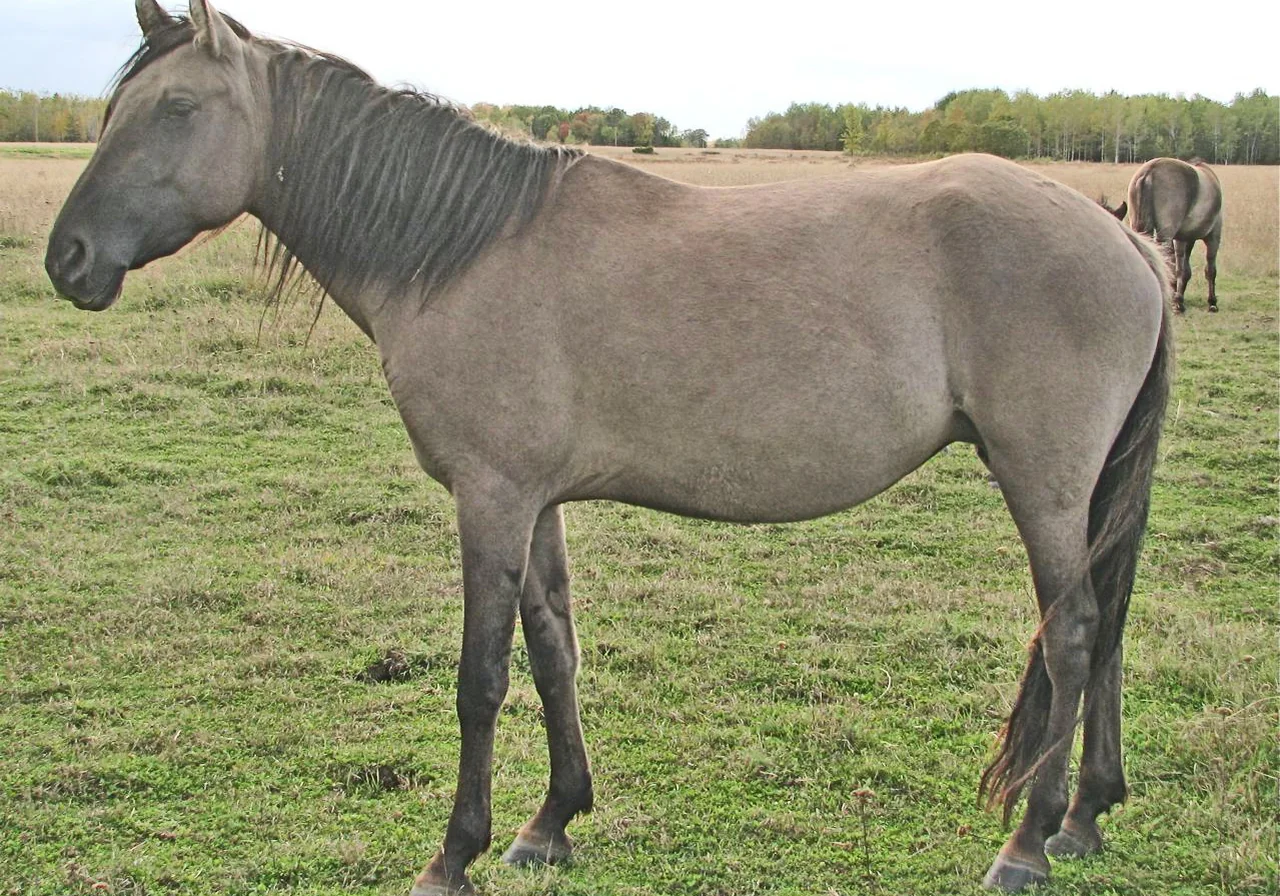
| Coat & colours | Short, dense coat in every equine colour including dun, grulla, roan and appaloosa patterns. Mustangs grow substantial winter hair in harsh ranges. Grooming builds trust during gentling: regular brushing, hoof handling and mane detangling accompany training. Coat condition reflects forage quality on range or in adoption facilities. |
| Temperament | Hardy, intelligent, spirited |
| Best suited to | Best suited to experienced handlers willing to gentle or retrain horses through adoption programmes such as the BLM Wild Horse and Burro Program. Mustangs reward patient, consistent work with deep loyalty but are rarely suitable for complete beginners without professional help. They need secure fencing, herd-aware management and gradual domestication after range life. |
Is a Mustang a good horse for you?
A Mustang can be a good horse for the right rider — hardy, intelligent, spirited, varies (13–15 hands typical), from United States — but it is not a lawn ornament. You need land, a farrier, a vet, and a budget that survives winter.
Match the horse to the job. The Mustang was shaped in United States as a Varies (13–15 hands typical) type. Mustangs descend from horses brought to the Americas by Spanish explorers from the 16th century onward, mixed with escaped or released ranch and cavalry stock. That history still shows in daily handling: this is a large, long-lived animal (25–30 years), not a seasonal hobby.
First-time owners should not buy from a photo. Try the horse with an instructor, get a pre-purchase vet exam, and be honest about whether you can keep a Mustang in work rather than bored in a paddock.
What is a Mustang?
Feral horses of the American West — symbols of freedom with Spanish roots. Origin is United States; coat or markings are described as Short, dense coat in every equine colour including dun, grulla, roan and appaloosa patterns. Mustangs grow substantial winter hair in harsh ranges. Grooming builds trust during gentling: regular brushing, hoof handling and mane detangling accompany training. Coat condition reflects forage quality on range or in adoption facilities..
Kennel and registry labels describe a type. Individual Mustangs still vary, and rescue animals may be mixes.
Where does the Mustang come from?
Mustangs come from United States. Mustangs descend from horses brought to the Americas by Spanish explorers from the 16th century onward, mixed with escaped or released ranch and cavalry stock.
Free-roaming herds established across the Great Basin and western ranges. Federal management began with the Wild Free-Roaming Horses and Burros Act of 1971, protecting herds on public land while controlling numbers through adoption. Mustangs symbolise the American frontier and remain central to debates over rangeland ecology and humane management.
That origin still shows. A Mustang is varies (13–15 hands typical) and hardy, intelligent, spirited, typically living 25–30 years. Use the history as context for care and conservation, not as folklore to repeat without sources.
How much care does a Mustang need?
A Mustang needs daily forage, hoof care, dental checks and a job. This United States horse is varies (13–15 hands typical) (360–450 kg (790–990 lb); typically 13–15 hands, highly variable) and typically lives 25–30 years.
Budget for farrier, vet, feed, fencing and winter. A hardy, intelligent, spirited Mustang still colics, still founds, and still suffers in a small, muddy paddock with no shelter.
Grooming and coat (Short, dense coat in every equine colour including dun, grulla, roan and appaloosa patterns. Mustangs grow substantial winter hair in harsh ranges. Grooming builds trust during gentling: regular brushing, hoof handling and mane detangling accompany training. Coat condition reflects forage quality on range or in adoption facilities.) are the easy part. The hard part is consistent work so a large horse does not become dangerous from boredom.
What surprises people about the Mustang?
A few details about the breed, alongside the practical care information in this guide.
- Spanish colonial horses form the core ancestry of many Mustang herds.
- The word Mustang comes from the Spanish mesteño, meaning stray or wild.
- Adopted Mustangs can excel in endurance, trail riding and dressage when properly trained.
- Herd management by the BLM places thousands of horses into private care each year.
What health issues should you know about in a Mustang?
Health concerns to discuss with your vet, including changes to watch for and everyday care. This is general guidance, not veterinary advice — always speak to your vet.
Hoof care in domestication
Range-hardened hooves may crack or abscess when diet and footing change abruptly after adoption. Transition requires gradual farrier care.
Care: Schedule regular trims with a farrier familiar with Mustangs. Allow hooves to adjust to domestic footing without over-trimming initially.
Parasites
Wild and newly adopted horses may carry high internal parasite burdens from communal range grazing. Weight loss and poor coat can result.
Care: Faecal egg counts and vet-directed deworming after adoption. Avoid blanket treatment without testing to reduce resistance.
Nutrition transition issues
Sudden access to rich hay or concentrates after sparse range forage can trigger colic or laminitis. Metabolic shock is a real risk.
Care: Introduce quality forage gradually over several weeks. Your vet can outline a safe refeeding plan for thin or stressed adoptees.
Who should skip a Mustang?
Skip a Mustang if you are owners who wanted a low-exercise companion. This United States horse is varies (13–15 hands typical) and hardy, intelligent, spirited — the mismatch is usually lifestyle, not a missing accessory.
This page is allowed to say no. Skip if you are owners who wanted a low-exercise companion. Skip if you are anyone without land, zoning permission, and a vet.
A different horse breed on this site may fit. Wanting “a Mustang” after a film or a colour photo is not a reason to ignore the skip list.
What are the hidden catches with a Mustang?
The hidden cost of a Mustang is usually not the purchase price. It is years of care, the health list on this page, and the mismatch between a hardy, intelligent, spirited animal and a busy home.
The impulse-buy catch
A Mustang from United States is often sold on looks. Coat, colour and size are not a temperament test. Meet the adult animal, ask about health screening, and walk away from pressure sales.
The hoof care in domestication catch
Range-hardened hooves may crack or abscess when diet and footing change abruptly after adoption. Transition requires gradual farrier care. Schedule regular trims with a farrier familiar with Mustangs. Allow hooves to adjust to domestic footing without over-trimming initially.
The parasites catch
Wild and newly adopted horses may carry high internal parasite burdens from communal range grazing. Weight loss and poor coat can result. Faecal egg counts and vet-directed deworming after adoption. Avoid blanket treatment without testing to reduce resistance.
How does a Mustang compare with Akhal-Teke and Lipizzan?
A Mustang is not interchangeable with Akhal-Teke and Lipizzan. Compare origin, size, lifespan and temperament before you choose — those four lines prevent most regret.
| Horse fact | Mustang | Akhal-Teke | Lipizzan |
|---|---|---|---|
| Origin | United States | Turkmenistan | Austria |
| Size | Varies (13–15 hands typical) | Light (14.2–16 hands) | Light (15–16.1 hands) |
| Lifespan | 25–30 years | 25–30 years | 25–30 years |
| Temperament | Hardy, intelligent, spirited | Enduring, loyal, hot-blooded | Classical, agile, baroque |
What is the verdict on the Mustang?
Choose a Mustang only if the care, skip-if and health sections still look like your life after a week of thinking. Otherwise pick a different horse or wait. Rescue is usually the better first door than a waiting-list puppy or kitten.
If the match is real, budget for 25–30 years of vet care and do not skip health screening. If it is not, walking away is the kind choice — for you and for the animal.
Working horses need better welfare
Millions of horses worldwide still haul loads, plough fields and carry families to work. WARN publishes these guides to raise awareness of working-equine welfare — and we encourage supporters who want to help horses directly to give where evidence-based equine programmes operate.