Horse Breed · United States
Standardbred
The harness-racing breed — pacing and trotting stars of the track.
By WARN Research & Conservation TeamLast updated
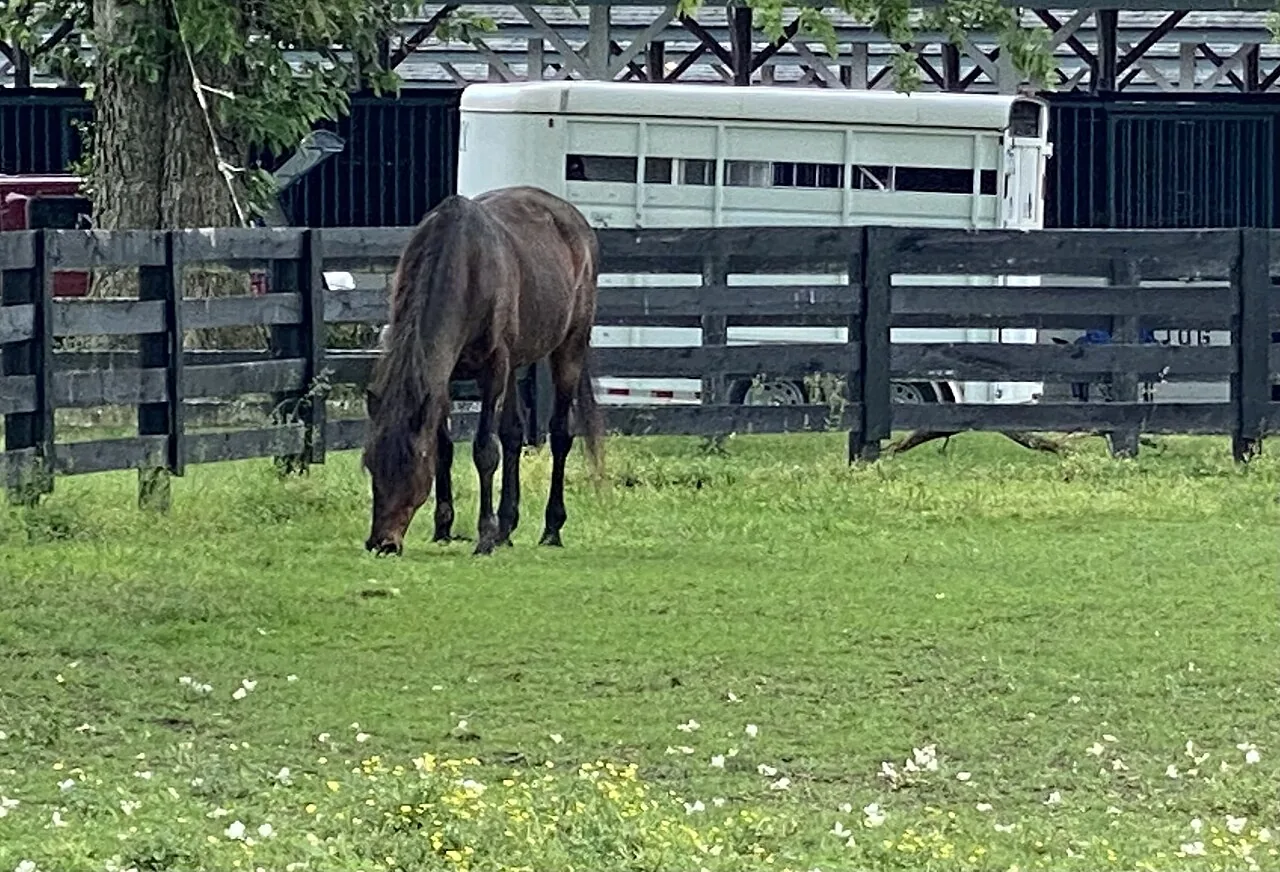
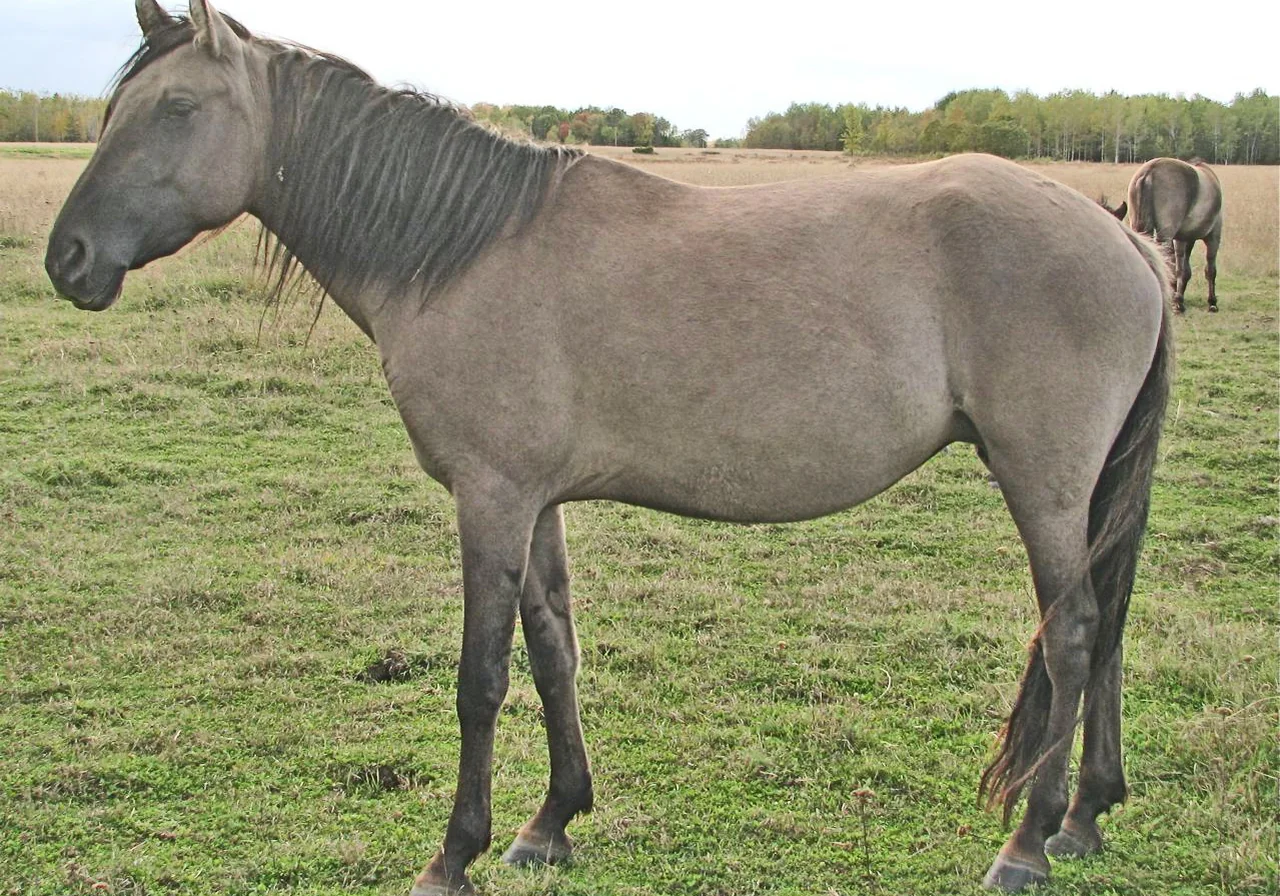
Photo: Wikimedia Commons — File:Standardbred Hunter.jpg
In brief
The Standardbred is America's harness-racing breed — bred to trot or pace a mile within a standard time. Its defining trait is sensible, durable athleticism and ground-covering gaits that also suit pleasure driving and retraining as riding horses.
What are the key facts about a Standardbred?
The Standardbred is a horse breed from United States: light (15–16 hands), sensible, gaited or trotter. The harness-racing breed — pacing and trotting stars of the track.
| Origin | United States |
|---|---|
| Size | Light (15–16 hands) |
| Typical weight | 400–550 kg (880–1,210 lb); typically 15–16 hands |
| Lifespan | 25–30 years |
| Coat & colours | Short, easy-care coat in bay, brown, black and chestnut, often with white markings. Grooming is practical: daily hoof picking, regular brushing and mane management. Retired racehorses may have distinctive musculature from harness work; coat condition reflects nutrition and turnout quality. |
| Temperament | Sensible, gaited or trotter |
| Best suited to | Suits owners interested in harness racing, pleasure driving or retraining off-track Standardbreds as riding horses. They often appeal to sensible riders wanting a trainable, hardy mount at modest cost from adoption programmes. Regular exercise, patient retraining and competent farrier care help ex-racers transition successfully. |
Is a Standardbred a good horse for you?
A Standardbred can be a good horse for the right rider — sensible, gaited or trotter, light (15–16 hands), from United States — but it is not a lawn ornament. You need land, a farrier, a vet, and a budget that survives winter.
Match the horse to the job. The Standardbred was shaped in United States as a Light (15–16 hands) type. Standardbreds trace to the stallion Hambletonian 10, foaled in 1849, whose descendants dominated trotting races in North America. That history still shows in daily handling: this is a large, long-lived animal (25–30 years), not a seasonal hobby.
First-time owners should not buy from a photo. Try the horse with an instructor, get a pre-purchase vet exam, and be honest about whether you can keep a Standardbred in work rather than bored in a paddock.
What is a Standardbred?
The harness-racing breed — pacing and trotting stars of the track. Origin is United States; coat or markings are described as Short, easy-care coat in bay, brown, black and chestnut, often with white markings. Grooming is practical: daily hoof picking, regular brushing and mane management. Retired racehorses may have distinctive musculature from harness work; coat condition reflects nutrition and turnout quality..
Kennel and registry labels describe a type. Individual Standardbreds still vary, and rescue animals may be mixes.
Where does the Standardbred come from?
Standardbreds come from United States. Standardbreds trace to the stallion Hambletonian 10, foaled in 1849, whose descendants dominated trotting races in North America.
The breed name reflects the 'standard' mile time required for registry eligibility in early studbooks. Pacers and trotters compete on tracks worldwide, with the Hambletonian Society maintaining lineage records. Thousands of retired racers retrain each year as riding and driving horses through adoption organisations, giving the breed a second career beyond the track.
That origin still shows. A Standardbred is light (15–16 hands) and sensible, gaited or trotter, typically living 25–30 years. Use the history as context for care and conservation, not as folklore to repeat without sources.
How much care does a Standardbred need?
A Standardbred needs daily forage, hoof care, dental checks and a job. This United States horse is light (15–16 hands) (400–550 kg (880–1,210 lb); typically 15–16 hands) and typically lives 25–30 years.
Budget for farrier, vet, feed, fencing and winter. A sensible, gaited or trotter Standardbred still colics, still founds, and still suffers in a small, muddy paddock with no shelter.
Grooming and coat (Short, easy-care coat in bay, brown, black and chestnut, often with white markings. Grooming is practical: daily hoof picking, regular brushing and mane management. Retired racehorses may have distinctive musculature from harness work; coat condition reflects nutrition and turnout quality.) are the easy part. The hard part is consistent work so a large horse does not become dangerous from boredom.
What surprises people about the Standardbred?
A few details about the breed, alongside the practical care information in this guide.
- Hambletonian 10 appears in the pedigree of virtually every modern Standardbred.
- Some Standardbreds pace; others trot — gait preference is largely genetic.
- Off-track Standardbreds often retrain successfully for trail riding and low-level dressage.
- The breed can sustain racing speeds near 30 mph in harness over a mile.
What health issues should you know about in a Standardbred?
Health concerns to discuss with your vet, including changes to watch for and everyday care. This is general guidance, not veterinary advice — always speak to your vet.
Navicular syndrome
Years of track work on hard surfaces can contribute to heel pain and navicular changes. Lameness may appear after retirement when work patterns change.
Care: Corrective shoeing and veterinary assessment during transition from racing. Monitor for chronic forelimb lameness on firm ground.
Hoof balance issues
Race training shapes hooves for speed in harness; retired horses may need lengthy farrier rehabilitation for balanced riding or driving.
Care: Work with a farrier experienced in Standardbred transitions. Radiographs may guide trimming plans.
Respiratory conditions
Intensive training at speed can contribute to inflammatory airway disease or bleeding in some racehorses. Coughing or poor performance after exercise warrants investigation.
Care: Veterinary scoping and management of dust in hay and bedding. Many horses improve with reduced intensity and improved air quality.
Who should skip a Standardbred?
Skip a Standardbred if you are anyone without land, zoning permission, and a vet. This United States horse is light (15–16 hands) and sensible, gaited or trotter — the mismatch is usually lifestyle, not a missing accessory.
This page is allowed to say no. Skip if you are anyone without land, zoning permission, and a vet.
A different horse breed on this site may fit. Wanting “a Standardbred” after a film or a colour photo is not a reason to ignore the skip list.
What are the hidden catches with a Standardbred?
The hidden cost of a Standardbred is usually not the purchase price. It is years of care, the health list on this page, and the mismatch between a sensible, gaited or trotter animal and a busy home.
The impulse-buy catch
A Standardbred from United States is often sold on looks. Coat, colour and size are not a temperament test. Meet the adult animal, ask about health screening, and walk away from pressure sales.
The navicular syndrome catch
Years of track work on hard surfaces can contribute to heel pain and navicular changes. Lameness may appear after retirement when work patterns change. Corrective shoeing and veterinary assessment during transition from racing. Monitor for chronic forelimb lameness on firm ground.
The hoof balance issues catch
Race training shapes hooves for speed in harness; retired horses may need lengthy farrier rehabilitation for balanced riding or driving. Work with a farrier experienced in Standardbred transitions. Radiographs may guide trimming plans.
How does a Standardbred compare with Mustang and Akhal-Teke?
A Standardbred is not interchangeable with Mustang and Akhal-Teke. Compare origin, size, lifespan and temperament before you choose — those four lines prevent most regret.
| Horse fact | Standardbred | Mustang | Akhal-Teke |
|---|---|---|---|
| Origin | United States | United States | Turkmenistan |
| Size | Light (15–16 hands) | Varies (13–15 hands typical) | Light (14.2–16 hands) |
| Lifespan | 25–30 years | 25–30 years | 25–30 years |
| Temperament | Sensible, gaited or trotter | Hardy, intelligent, spirited | Enduring, loyal, hot-blooded |
What is the verdict on the Standardbred?
Choose a Standardbred only if the care, skip-if and health sections still look like your life after a week of thinking. Otherwise pick a different horse or wait. Rescue is usually the better first door than a waiting-list puppy or kitten.
If the match is real, budget for 25–30 years of vet care and do not skip health screening. If it is not, walking away is the kind choice — for you and for the animal.
Working horses need better welfare
Millions of horses worldwide still haul loads, plough fields and carry families to work. WARN publishes these guides to raise awareness of working-equine welfare — and we encourage supporters who want to help horses directly to give where evidence-based equine programmes operate.