Horse Breed · Austria/Italy
Haflinger
Distinctive chestnut coat with flaxen mane — Alpine all-rounder.
By WARN Research & Conservation TeamLast updated
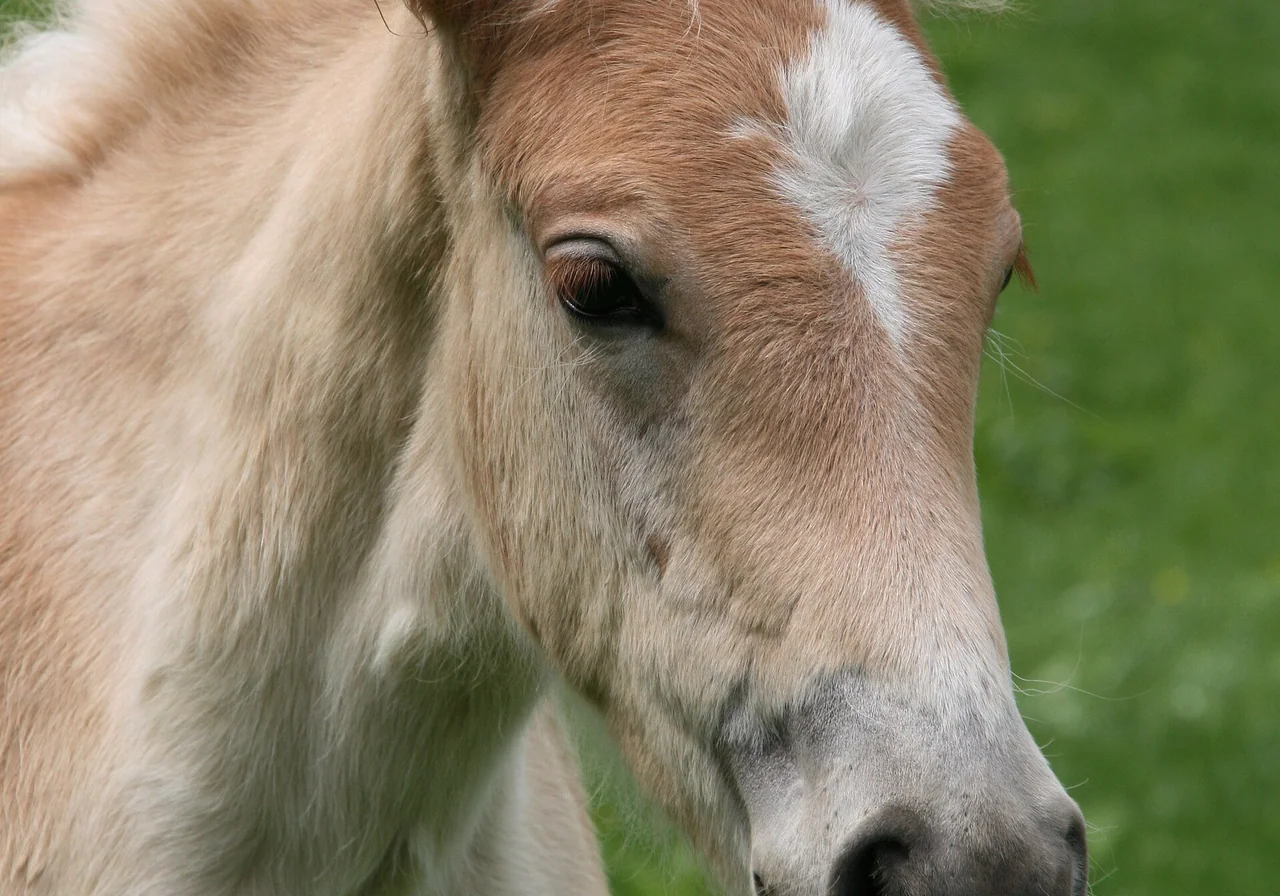
In brief
The Haflinger is an Alpine breed from Austria and northern Italy — chestnut with a flaxen mane, sure-footed and gentle. Its defining trait is a compact, versatile mountain horse suited to riding, driving, therapy work and farm tasks in harsh terrain.
What are the key facts about a Haflinger?
The Haflinger is a horse breed from Austria/Italy: pony (13.2–15 hands), gentle, sure-footed, chestnut. Distinctive chestnut coat with flaxen mane — Alpine all-rounder.
| Origin | Austria/Italy |
|---|---|
| Size | Pony (13.2–15 hands) |
| Typical weight | 380–450 kg (840–990 lb); typically 13.2–15 hands |
| Lifespan | 25–35 years |
| Coat & colours | Always chestnut — ranging from liver to golden — with a contrasting white or flaxen mane and tail. The coat is moderately thick for mountain climates, with lighter feather than draft breeds. Weekly grooming, mane detangling and hoof care suffice for most owners; winter coats shed heavily in spring. |
| Temperament | Gentle, sure-footed, chestnut |
| Best suited to | Excellent for families, therapy programmes and riders wanting a sturdy, friendly pony or small horse. Haflingers tolerate children when trained and suit driving as well as riding. They need regular exercise to prevent obesity, companionship and hoof care on varied terrain; many adapt well to leisure and low-level competition homes. |
Is a Haflinger a good horse for you?
A Haflinger can be a good horse for the right rider — gentle, sure-footed, chestnut, pony (13.2–15 hands), from Austria/Italy — but it is not a lawn ornament. You need land, a farrier, a vet, and a budget that survives winter.
Match the horse to the job. The Haflinger was shaped in Austria/Italy as a Pony (13.2–15 hands) type. Haflingers originated in the Tyrol's Hafling region, bred from native mountain mares and Arabian stallion blood introduced in the 19th century. That history still shows in daily handling: this is a large, long-lived animal (25–35 years), not a seasonal hobby.
First-time owners should not buy from a photo. Try the horse with an instructor, get a pre-purchase vet exam, and be honest about whether you can keep a Haflinger in work rather than bored in a paddock.
What is a Haflinger?
Distinctive chestnut coat with flaxen mane — Alpine all-rounder. Origin is Austria/Italy; coat or markings are described as Always chestnut — ranging from liver to golden — with a contrasting white or flaxen mane and tail. The coat is moderately thick for mountain climates, with lighter feather than draft breeds. Weekly grooming, mane detangling and hoof care suffice for most owners; winter coats shed heavily in spring..
Kennel and registry labels describe a type. Individual Haflingers still vary, and rescue animals may be mixes.
Where does the Haflinger come from?
Haflingers come from Austria/Italy. Haflingers originated in the Tyrol's Hafling region, bred from native mountain mares and Arabian stallion blood introduced in the 19th century.
They carried packs, pulled carts and worked steep Alpine farms. Military use during the World Wars spread the breed before dedicated studbook consolidation in the mid-20th century. Today Haflingers appear in combined driving, therapeutic riding and trekking programmes across Europe and North America.
That origin still shows. A Haflinger is pony (13.2–15 hands) and gentle, sure-footed, chestnut, typically living 25–35 years. Use the history as context for care and conservation, not as folklore to repeat without sources.
How much care does a Haflinger need?
A Haflinger needs daily forage, hoof care, dental checks and a job. This Austria/Italy horse is pony (13.2–15 hands) (380–450 kg (840–990 lb); typically 13.2–15 hands) and typically lives 25–35 years.
Budget for farrier, vet, feed, fencing and winter. A gentle, sure-footed, chestnut Haflinger still colics, still founds, and still suffers in a small, muddy paddock with no shelter.
Grooming and coat (Always chestnut — ranging from liver to golden — with a contrasting white or flaxen mane and tail. The coat is moderately thick for mountain climates, with lighter feather than draft breeds. Weekly grooming, mane detangling and hoof care suffice for most owners; winter coats shed heavily in spring.) are the easy part. The hard part is consistent work so a large horse does not become dangerous from boredom.
What surprises people about the Haflinger?
A few details about the breed, alongside the practical care information in this guide.
- Every registered Haflinger is chestnut with flaxen mane — no other colour is accepted.
- The breed descends partly from a stallion named 249 Folie, foaled in 1874.
- Haflingers are named after the village of Hafling in South Tyrol.
- They are popular therapeutic riding mounts because of calm temperament and broad backs.
What health issues should you know about in a Haflinger?
Health concerns to discuss with your vet, including changes to watch for and everyday care. This is general guidance, not veterinary advice — always speak to your vet.
Laminitis
Native-type metabolism and easy weight gain predispose Haflingers to pasture laminitis, especially in spring.
Care: Restrict grazing, use body condition scoring and consult your vet at first signs of foot soreness.
Equine metabolic syndrome
Insulin dysregulation with obesity and cresty neck increases laminitis risk in middle-aged Haflingers.
Care: Veterinary testing, dietary management and weight reduction under professional guidance control the condition.
Navicular syndrome
Heel pain develops in some Haflingers doing sustained hard work on firm ground. Compact feet still require balanced trimming.
Care: Regular farrier care and veterinary assessment for recurrent forelimb lameness. Adjust workload if heel pain is confirmed.
Who should skip a Haflinger?
Skip a Haflinger if you are anyone without land, zoning permission, and a vet. This Austria/Italy horse is pony (13.2–15 hands) and gentle, sure-footed, chestnut — the mismatch is usually lifestyle, not a missing accessory.
This page is allowed to say no. Skip if you are anyone without land, zoning permission, and a vet.
A different horse breed on this site may fit. Wanting “a Haflinger” after a film or a colour photo is not a reason to ignore the skip list.
What are the hidden catches with a Haflinger?
The hidden cost of a Haflinger is usually not the purchase price. It is years of care, the health list on this page, and the mismatch between a gentle, sure-footed, chestnut animal and a busy home.
The impulse-buy catch
A Haflinger from Austria/Italy is often sold on looks. Coat, colour and size are not a temperament test. Meet the adult animal, ask about health screening, and walk away from pressure sales.
The laminitis catch
Native-type metabolism and easy weight gain predispose Haflingers to pasture laminitis, especially in spring. Restrict grazing, use body condition scoring and consult your vet at first signs of foot soreness.
The equine metabolic syndrome catch
Insulin dysregulation with obesity and cresty neck increases laminitis risk in middle-aged Haflingers. Veterinary testing, dietary management and weight reduction under professional guidance control the condition.
How does a Haflinger compare with Thoroughbred and Arabian?
A Haflinger is not interchangeable with Thoroughbred and Arabian. Compare origin, size, lifespan and temperament before you choose — those four lines prevent most regret.
| Horse fact | Haflinger | Thoroughbred | Arabian |
|---|---|---|---|
| Origin | Austria/Italy | England | Arabian Peninsula |
| Size | Pony (13.2–15 hands) | Light (15.2–17 hands) | Light (14.1–15.1 hands) |
| Lifespan | 25–35 years | 25–30 years | 25–30 years |
| Temperament | Gentle, sure-footed, chestnut | Energetic, sensitive, athletic | Intelligent, spirited, loyal |
What is the verdict on the Haflinger?
Choose a Haflinger only if the care, skip-if and health sections still look like your life after a week of thinking. Otherwise pick a different horse or wait. Rescue is usually the better first door than a waiting-list puppy or kitten.
If the match is real, budget for 25–35 years of vet care and do not skip health screening. If it is not, walking away is the kind choice — for you and for the animal.
Working horses need better welfare
Millions of horses worldwide still haul loads, plough fields and carry families to work. WARN publishes these guides to raise awareness of working-equine welfare — and we encourage supporters who want to help horses directly to give where evidence-based equine programmes operate.