Horse Breed · United States/Europe
Miniature Horse
Horse proportions in a tiny package — popular as companions and driving ponies.
By WARN Research & Conservation TeamLast updated
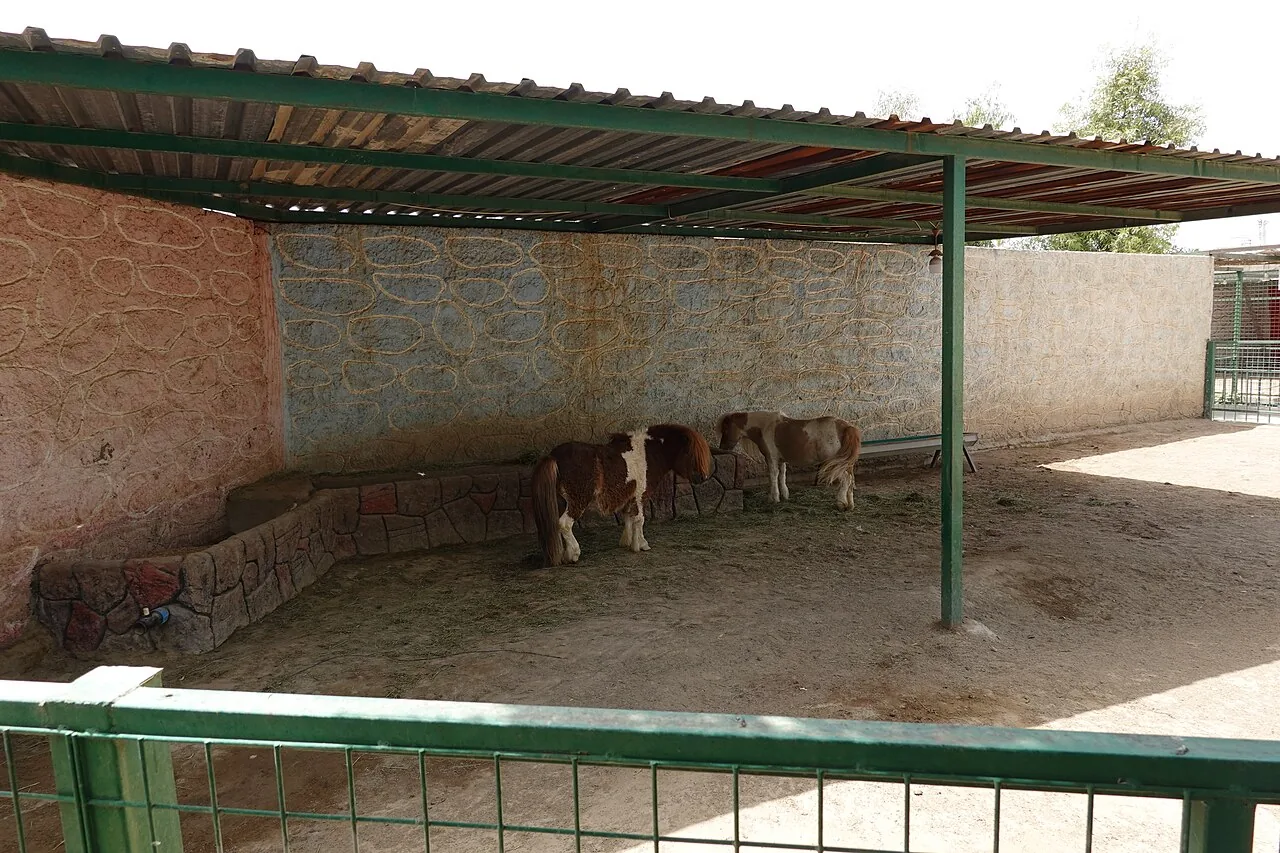
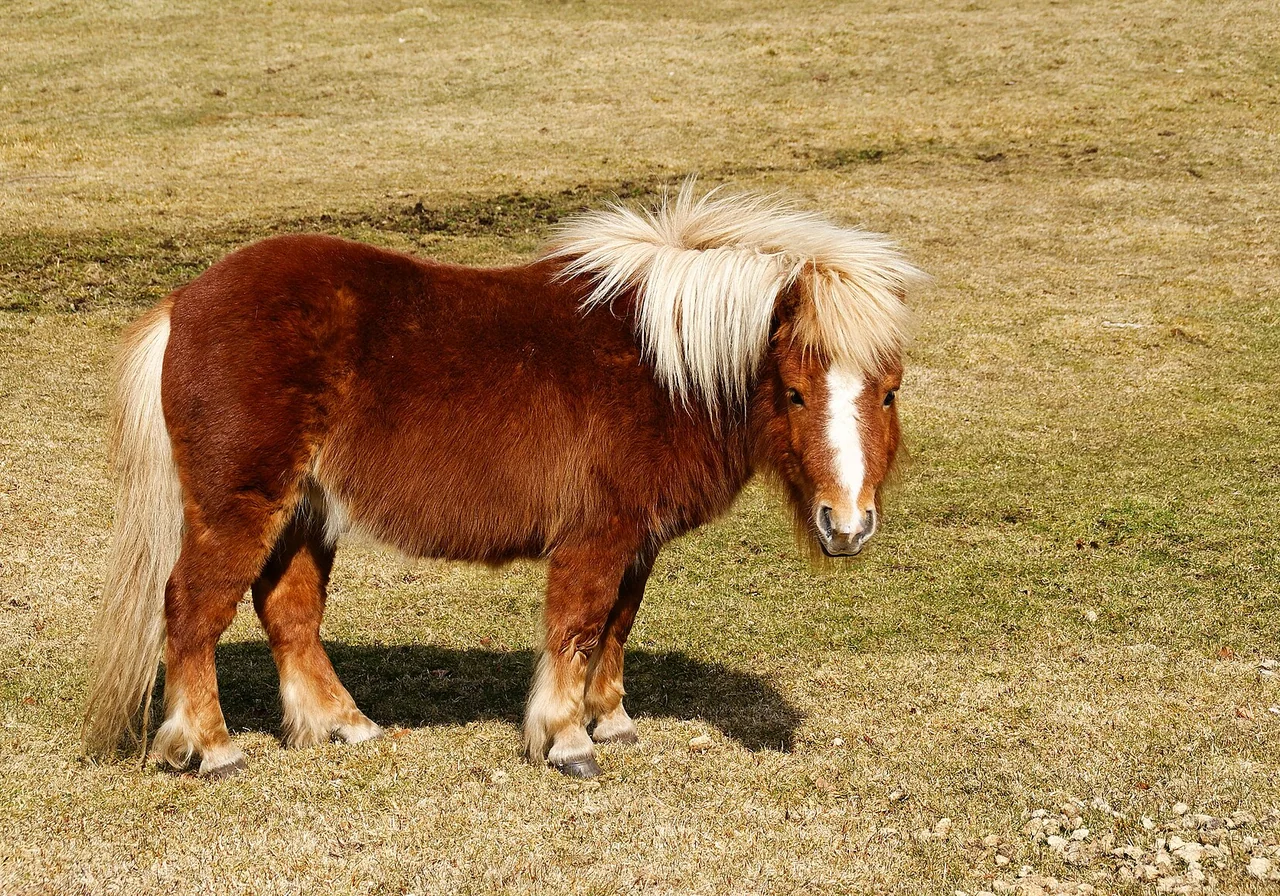
Photo: Wikimedia Commons — File:Miniature Horse.jpg
In brief
The Miniature Horse is a selectively bred small equine kept in horse-like proportions, typically standing no more than 34 inches at the withers. Its defining trait is full horse conformation in miniature — popular as companions, therapy animals and driving ponies.
What are the key facts about a Miniature Horse?
The Miniature Horse is a horse breed from United States/Europe: miniature (up to 34 in at withers), friendly, curious, hardy. Horse proportions in a tiny package — popular as companions and driving ponies.
| Origin | United States/Europe |
|---|---|
| Size | Miniature (up to 34 in at withers) |
| Typical weight | 70–100 kg (155–220 lb); up to 34 inches (86 cm) at the withers |
| Lifespan | 25–35 years |
| Coat & colours | Fine, short to medium coat in virtually every equine colour and pattern, including pinto and appaloosa types. Despite small size, minis grow substantial winter coats in cold climates. Grooming is manageable but important: daily hoof picking, regular brushing and attention to mane and tail prevent mats. Obesity shows quickly on a small frame, so monitor body condition score closely. |
| Temperament | Friendly, curious, hardy |
| Best suited to | Suits owners who want an equine companion without full-sized horse keeping costs, and facilities with secure miniature-safe fencing and shelter. Minis do well in pairs or small herds and excel in driving, in-hand showing and assisted therapy programmes with proper training. They are not suitable as mounts for children — their backs cannot carry riders — and need the same veterinary, dental and farrier care as large horses. |
Is a Miniature Horse a good horse for you?
A Miniature Horse can be a good horse for the right rider — friendly, curious, hardy, miniature (up to 34 in at withers), from United States/Europe — but it is not a lawn ornament. You need land, a farrier, a vet, and a budget that survives winter.
Match the horse to the job. The Miniature Horse was shaped in United States/Europe as a Miniature (up to 34 in at withers) type. Miniature Horses were developed in Europe and North America by breeding down Shetland Ponies and small horses of various types. That history still shows in daily handling: this is a large, long-lived animal (25–35 years), not a seasonal hobby.
First-time owners should not buy from a photo. Try the horse with an instructor, get a pre-purchase vet exam, and be honest about whether you can keep a Miniature Horse in work rather than bored in a paddock.
What is a Miniature Horse?
Horse proportions in a tiny package — popular as companions and driving ponies. Origin is United States/Europe; coat or markings are described as Fine, short to medium coat in virtually every equine colour and pattern, including pinto and appaloosa types. Despite small size, minis grow substantial winter coats in cold climates. Grooming is manageable but important: daily hoof picking, regular brushing and attention to mane and tail prevent mats. Obesity shows quickly on a small frame, so monitor body condition score closely..
Kennel and registry labels describe a type. Individual Miniature Horses still vary, and rescue animals may be mixes.
Where does the Miniature Horse come from?
Miniature Horses come from United States/Europe. Miniature Horses were developed in Europe and North America by breeding down Shetland Ponies and small horses of various types.
Coal-mine ponies and aristocratic 'pit ponies' contributed to some lines. American registries formalised height limits in the mid-20th century, emphasising horse-like proportions rather than pony character. The breed gained popularity as companion animals and therapy partners from the 1970s onward. Today minis compete in driving, obstacle courses and halter classes while serving in therapeutic riding centre programmes as ground companions.
How much care does a Miniature Horse need?
A Miniature Horse needs daily forage, hoof care, dental checks and a job. This United States/Europe horse is miniature (up to 34 in at withers) (70–100 kg (155–220 lb); up to 34 inches (86 cm) at the withers) and typically lives 25–35 years.
Budget for farrier, vet, feed, fencing and winter. A friendly, curious, hardy Miniature Horse still colics, still founds, and still suffers in a small, muddy paddock with no shelter.
Grooming and coat (Fine, short to medium coat in virtually every equine colour and pattern, including pinto and appaloosa types. Despite small size, minis grow substantial winter coats in cold climates. Grooming is manageable but important: daily hoof picking, regular brushing and attention to mane and tail prevent mats. Obesity shows quickly on a small frame, so monitor body condition score closely.) are the easy part. The hard part is consistent work so a large horse does not become dangerous from boredom.
What surprises people about the Miniature Horse?
A few details about the breed, alongside the practical care information in this guide.
- Miniature Horses are measured in inches at the withers, not hands like full-sized horses.
- Despite their size, minis are legally classified as horses rather than ponies in most registries.
- Some minis are trained as guide animals for people with visual impairments.
- A single Miniature Horse can consume roughly one-tenth the forage of a draft horse.
What health issues should you know about in a Miniature Horse?
Health concerns to discuss with your vet, including changes to watch for and everyday care. This is general guidance, not veterinary advice — always speak to your vet.
Dental overcrowding
Small jaws often cannot accommodate full-sized teeth, leading to sharp enamel points, hooks and difficulty chewing. Signs include dropping feed, weight loss and quidding.
Care: Schedule six-monthly dental checks with an equine dentist or vet. Early correction prevents chronic pain and impaction colic.
Obesity
Minis gain weight easily on rich pasture or concentrated feed, increasing laminitis and metabolic disease risk. A cresty neck and fat pads over the tailhead signal problematic weight gain.
Care: Use a grazing muzzle if needed, feed low-calorie forage and weigh or body-condition score regularly. Your vet can advise on safe weight-loss plans.
Colic
Abdominal pain from gas, impaction or displacement occurs in minis as in larger horses. Dental problems and inadequate water intake increase impaction risk.
Care: Ensure constant access to clean water and appropriate forage. Contact your vet immediately if the horse stops eating, rolls repeatedly or shows flank watching.
Who should skip a Miniature Horse?
Skip a Miniature Horse if you are anyone without land, zoning permission, and a vet. This United States/Europe horse is miniature (up to 34 in at withers) and friendly, curious, hardy — the mismatch is usually lifestyle, not a missing accessory.
This page is allowed to say no. Skip if you are anyone without land, zoning permission, and a vet.
A different horse breed on this site may fit. Wanting “a Miniature Horse” after a film or a colour photo is not a reason to ignore the skip list.
What are the hidden catches with a Miniature Horse?
The hidden cost of a Miniature Horse is usually not the purchase price. It is years of care, the health list on this page, and the mismatch between a friendly, curious, hardy animal and a busy home.
The impulse-buy catch
A Miniature Horse from United States/Europe is often sold on looks. Coat, colour and size are not a temperament test. Meet the adult animal, ask about health screening, and walk away from pressure sales.
The dental overcrowding catch
Small jaws often cannot accommodate full-sized teeth, leading to sharp enamel points, hooks and difficulty chewing. Signs include dropping feed, weight loss and quidding. Schedule six-monthly dental checks with an equine dentist or vet. Early correction prevents chronic pain and impaction colic.
The obesity catch
Minis gain weight easily on rich pasture or concentrated feed, increasing laminitis and metabolic disease risk. A cresty neck and fat pads over the tailhead signal problematic weight gain. Use a grazing muzzle if needed, feed low-calorie forage and weigh or body-condition score regularly. Your vet can advise on safe weight-loss plans.
How does a Miniature Horse compare with Shetland Pony and Welsh Pony?
A Miniature Horse is not interchangeable with Shetland Pony and Welsh Pony. Compare origin, size, lifespan and temperament before you choose — those four lines prevent most regret.
| Horse fact | Miniature Horse | Shetland Pony | Welsh Pony |
|---|---|---|---|
| Origin | United States/Europe | Scotland (Shetland Isles) | Wales |
| Size | Miniature (up to 34 in at withers) | Pony (up to 42 in) | Pony (11.2–14.2 hands by section) |
| Lifespan | 25–35 years | 25–35 years | 25–35 years |
| Temperament | Friendly, curious, hardy | Hardy, strong, independent | Active, intelligent, hardy |
What is the verdict on the Miniature Horse?
Choose a Miniature Horse only if the care, skip-if and health sections still look like your life after a week of thinking. Otherwise pick a different horse or wait. Rescue is usually the better first door than a waiting-list puppy or kitten.
If the match is real, budget for 25–35 years of vet care and do not skip health screening. If it is not, walking away is the kind choice — for you and for the animal.
Working horses need better welfare
Millions of horses worldwide still haul loads, plough fields and carry families to work. WARN publishes these guides to raise awareness of working-equine welfare — and we encourage supporters who want to help horses directly to give where evidence-based equine programmes operate.