Horse breeds · Ponies and small breeds

Pony Breeds

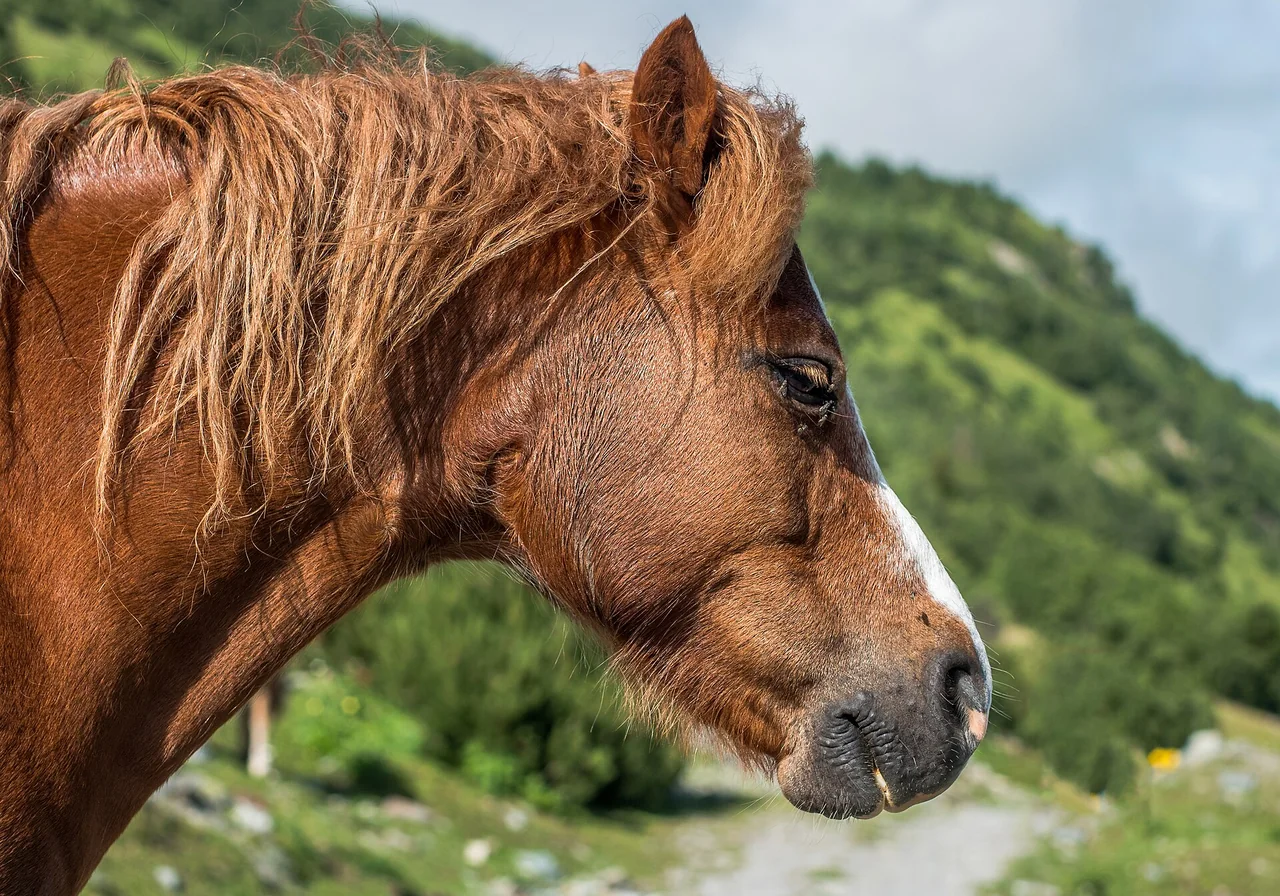
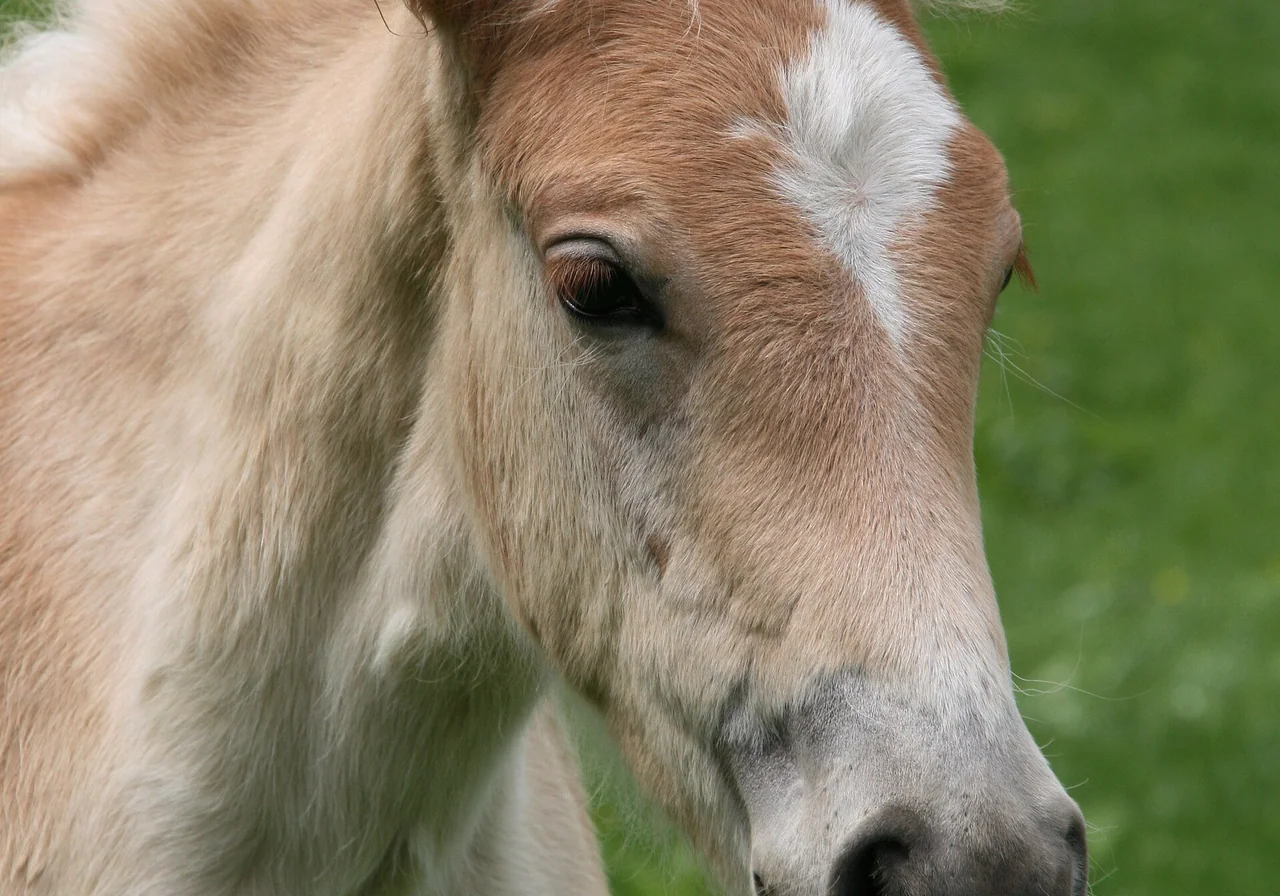
Well-known pony breeds include the Shetland Pony, Welsh Pony, Haflinger and Miniature Horse. A pony is not a young horse — it is an adult under 14.2 hands, with a distinct build, a heavier coat and a metabolism efficient enough that overfeeding is the main welfare risk.

How this list was compiled

Breeds recorded as pony or miniature type in the WARN horse guides. Ordered by popularity rank.

The most common misunderstanding about ponies is that they are small horses, or young ones. They are neither. A pony is an adult equine under 14.2 hands, and the differences go well beyond height: heavier bone in proportion to size, thicker coat and mane, and a metabolism evolved on poor grazing.

That last point is the one that causes harm. A pony turned out on rich pasture and fed like a horse gains weight quickly, and obesity in ponies leads to laminitis — a painful, sometimes fatal condition of the hoof. Most pony welfare problems in the UK are problems of overfeeding rather than neglect.

Pony Breeds at a glance

Breed Size Lifespan Temperament
Miniature Horse Miniature (up to 34 in at withers) 25–35 years Friendly, curious, hardy
Shetland Pony Pony (up to 42 in) 25–35 years Hardy, strong, independent
Welsh Pony Pony (11.2–14.2 hands by section) 25–35 years Active, intelligent, hardy
Haflinger Pony (13.2–15 hands) 25–35 years Gentle, sure-footed, chestnut

Pony Breeds: full profiles

Each entry covers what the breed was bred for, day-to-day needs, and health problems to watch — with a link to the full guide.

Miniature Horse — horse breed guide

01 / United States/Europe

Miniature Horse

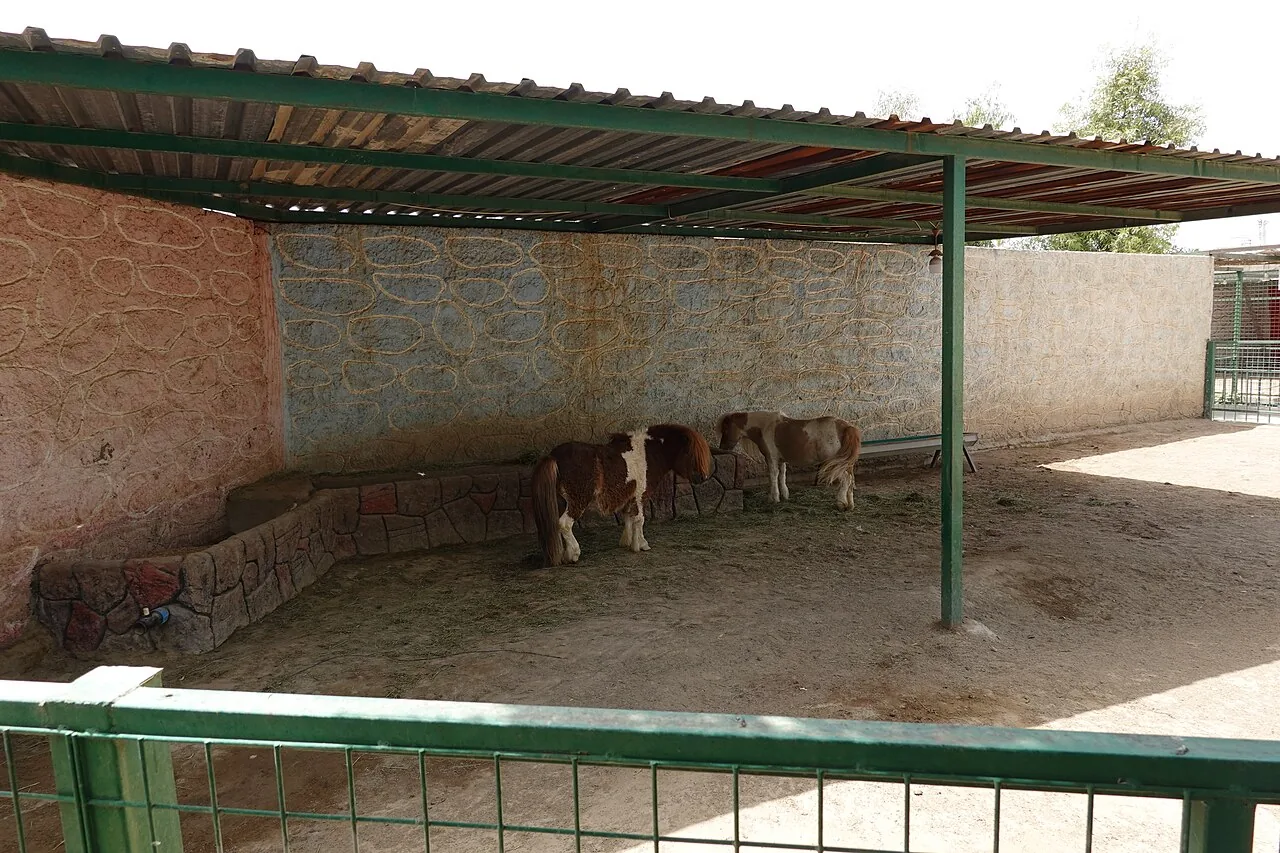
The Miniature Horse is a selectively bred small equine kept in horse-like proportions, typically standing no more than 34 inches at the withers. Its defining trait is full horse conformation in miniature — popular as companions, therapy animals and driving ponies.

Size
Miniature (up to 34 in at withers)
Lifespan
25–35 years
Temperament
Friendly, curious, hardy
Origin
United States/Europe

Coat & grooming — Fine, short to medium coat in virtually every equine colour and pattern, including pinto and appaloosa types. Despite small size, minis grow substantial winter coats in cold climates. Grooming is manageable but important: daily hoof picking, regular brushing and attention to mane and tail prevent mats. Obesity shows quickly on a small frame, so monitor body condition score closely.

Suits — Suits owners who want an equine companion without full-sized horse keeping costs, and facilities with secure miniature-safe fencing and shelter. Minis do well in pairs or small herds and excel in driving, in-hand showing and assisted therapy programmes with proper training. They are not suitable as mounts for children — their backs cannot carry riders — and need the same veterinary, dental and farrier care as large horses.

Health to watch for

  • Dental overcrowding — Small jaws often cannot accommodate full-sized teeth, leading to sharp enamel points, hooks and difficulty chewing. Signs include dropping feed, weight loss and quidding.
  • Obesity — Minis gain weight easily on rich pasture or concentrated feed, increasing laminitis and metabolic disease risk. A cresty neck and fat pads over the tailhead signal problematic weight gain.
  • Colic — Abdominal pain from gas, impaction or displacement occurs in minis as in larger horses. Dental problems and inadequate water intake increase impaction risk.
Full Miniature Horse guide
Shetland Pony — horse breed guide

02 / Scotland (Shetland Isles)

Shetland Pony

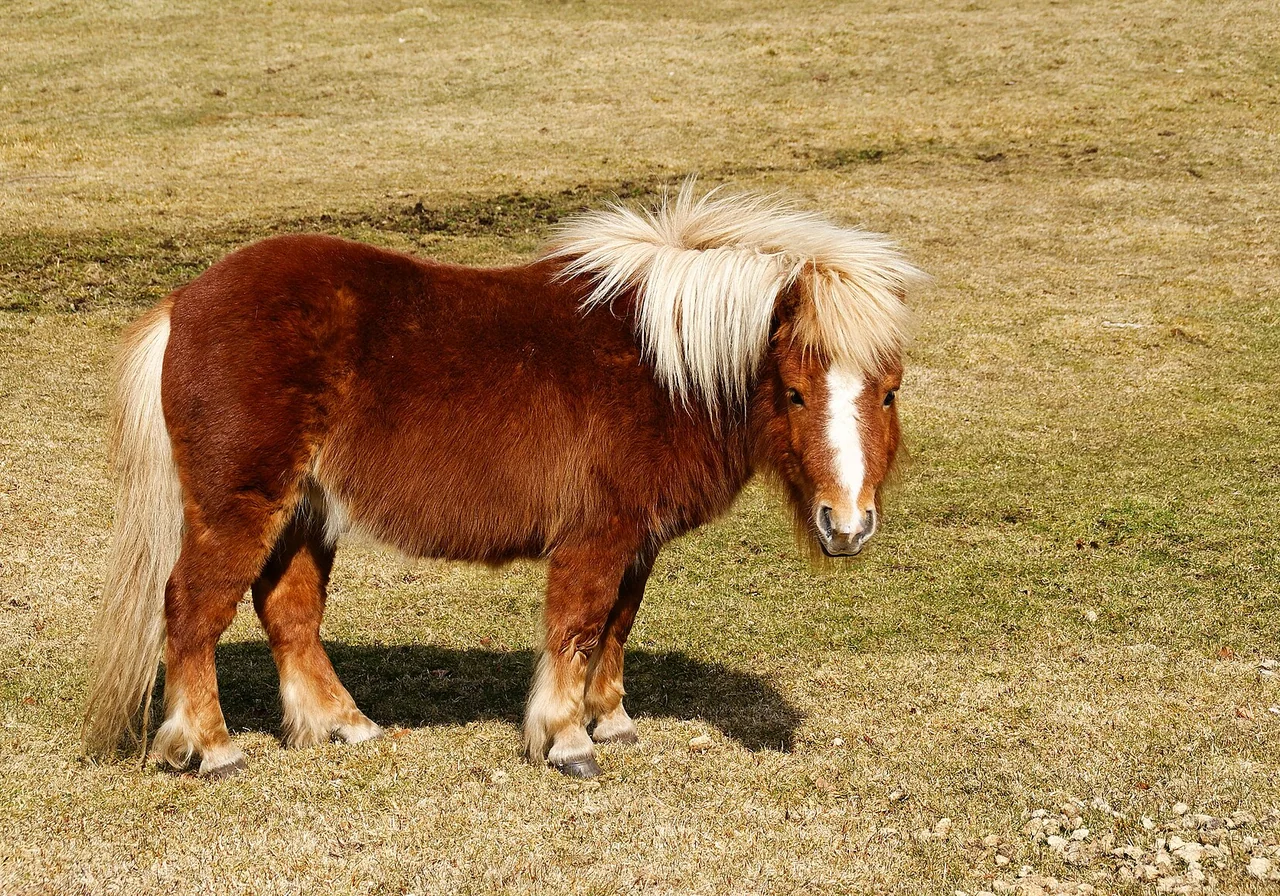
The Shetland Pony is a hardy British breed from the Shetland Isles — compact, exceptionally strong and independent. Its defining trait is remarkable strength relative to size, bred for survival in harsh northern climates and centuries of farm and pit work.

Size
Pony (up to 42 in)
Lifespan
25–35 years
Temperament
Hardy, strong, independent
Origin
Scotland (Shetland Isles)

Coat & grooming — Thick double coat with dense underwool and long outer hairs, especially lush in winter. All colours except spotted are accepted, with black, chestnut and bay common. The heavy coat requires thorough drying after wet weather to prevent skin issues. Summer clipping may help working ponies in warm climates; routine grooming prevents matting behind the ears and in the feathering.

Suits — Best suited to experienced handlers who appreciate a clever, sometimes stubborn pony with clear boundaries. Shetlands suit children's mounts when well trained and appropriately sized, and excel in driving, gymkhana and companion roles. They need firm, kind consistency, secure fencing — they are expert escape artists — and careful grazing management because they gain weight on minimal forage.

Health to watch for

  • Laminitis — Inflammation of the hoof laminae causes excruciating pain and is common in overweight Shetlands on lush grass. Spring flush and founder episodes can recur without management changes.
  • Obesity — Efficient metabolism and small size mean excess calories show quickly as fat deposits and cresty necks. Obesity drives laminitis and joint strain.
  • Dental disease — Sharp enamel points, diastemata and wave mouths develop without regular floating. Older ponies may lose teeth and struggle with long fibre.
Full Shetland Pony guide
Welsh Pony — horse breed guide

03 / Wales

Welsh Pony

The Welsh Pony encompasses several sections of pony and cob from Wales — from the small Mountain Pony to the larger Welsh Cob. Its defining trait is an active, elegant athlete with hardy constitution, widely successful in children's sport, driving and pleasure riding.

Size
Pony (11.2–14.2 hands by section)
Lifespan
25–35 years
Temperament
Active, intelligent, hardy
Origin
Wales

Coat & grooming — Short, dense coat in grey, bay, chestnut, black and roan, with minimal feathering on Mountain types and heavier hair on cob sections. The breed standard emphasises a well-set mane and tail that benefit from regular grooming. Show preparation includes pulling manes for some disciplines; daily hoof care and weekly thorough brushing maintain skin health.

Suits — Excellent for children and teenagers progressing through riding levels, and for adults wanting a versatile pony or small cob for driving and low-level competition. Welsh ponies need confident, consistent handling — they are intelligent and can become sharp if bored. They suit active homes with turnout, companionship and structured exercise rather than weekend-only riding.

Health to watch for

  • Laminitis — Native pony metabolism makes Welsh types susceptible to pasture-associated laminitis, especially in spring or when overweight. Recurrent episodes can cause permanent hoof damage.
  • Navicular syndrome — Heel pain from navicular degeneration occurs in heavier cob sections doing sustained hard work. Lameness may appear gradually on firm ground.
  • Sweet itch — An allergic reaction to Culicoides midge bites causes intense mane and tail rubbing, hair loss and skin damage. Native breeds including Welsh ponies are commonly affected.
Full Welsh Pony guide
Haflinger — horse breed guide

04 / Austria/Italy

Haflinger

The Haflinger is an Alpine breed from Austria and northern Italy — chestnut with a flaxen mane, sure-footed and gentle. Its defining trait is a compact, versatile mountain horse suited to riding, driving, therapy work and farm tasks in harsh terrain.

Size
Pony (13.2–15 hands)
Lifespan
25–35 years
Temperament
Gentle, sure-footed, chestnut
Origin
Austria/Italy

Coat & grooming — Always chestnut — ranging from liver to golden — with a contrasting white or flaxen mane and tail. The coat is moderately thick for mountain climates, with lighter feather than draft breeds. Weekly grooming, mane detangling and hoof care suffice for most owners; winter coats shed heavily in spring.

Suits — Excellent for families, therapy programmes and riders wanting a sturdy, friendly pony or small horse. Haflingers tolerate children when trained and suit driving as well as riding. They need regular exercise to prevent obesity, companionship and hoof care on varied terrain; many adapt well to leisure and low-level competition homes.

Health to watch for

  • Laminitis — Native-type metabolism and easy weight gain predispose Haflingers to pasture laminitis, especially in spring.
  • Equine metabolic syndrome — Insulin dysregulation with obesity and cresty neck increases laminitis risk in middle-aged Haflingers.
  • Navicular syndrome — Heel pain develops in some Haflingers doing sustained hard work on firm ground. Compact feet still require balanced trimming.
Full Haflinger guide

Pony Breeds: frequently asked questions

What is the difference between a horse and a pony?
Height is the formal line — a pony is an adult equine under 14.2 hands (about 147cm) at the withers. But ponies also differ in build, with proportionally heavier bone, thicker coats and manes, and a metabolism adapted to sparse grazing.
Are ponies good for children?
The right pony is, and size is the obvious reason. But native pony breeds are highly intelligent and quick to learn what they can get away with, so a child usually needs a well-schooled older pony and competent supervision rather than a young one to grow up with.
What is the smallest horse breed?
The Miniature Horse, which is bred to stand under about 34 to 38 inches depending on the registry. Falabellas are smaller still. Note that a Miniature Horse is classified as a horse in miniature rather than as a pony, despite the height.
Why do ponies get laminitis?
Because their metabolism evolved on poor grazing and copes badly with rich modern pasture. Excess sugar and starch disrupt the blood supply to the hoof, causing the painful inflammation known as laminitis. Restricted grazing and weight management are the main preventions.

Before you go

Most of the world's horses are working animals

The horses in these guides are kept for sport, showing and pleasure. They are a small minority. Across South Asia, Africa and Latin America, tens of millions of horses, donkeys and mules haul bricks, water and goods every day — usually for families whose income depends entirely on that animal staying sound.

The interventions that change those animals' lives are unglamorous: harness that does not cut, hoof care, rest, water, and treatment for wounds before they become fatal. WARN funds partner-led veterinary and welfare work for working equines, and it helps the owner as much as the horse — a treated animal keeps a family earning.