Horse Breed · United States
Morgan
One of America's oldest breeds — compact power and all-round ability.
By WARN Research & Conservation TeamLast updated
In brief
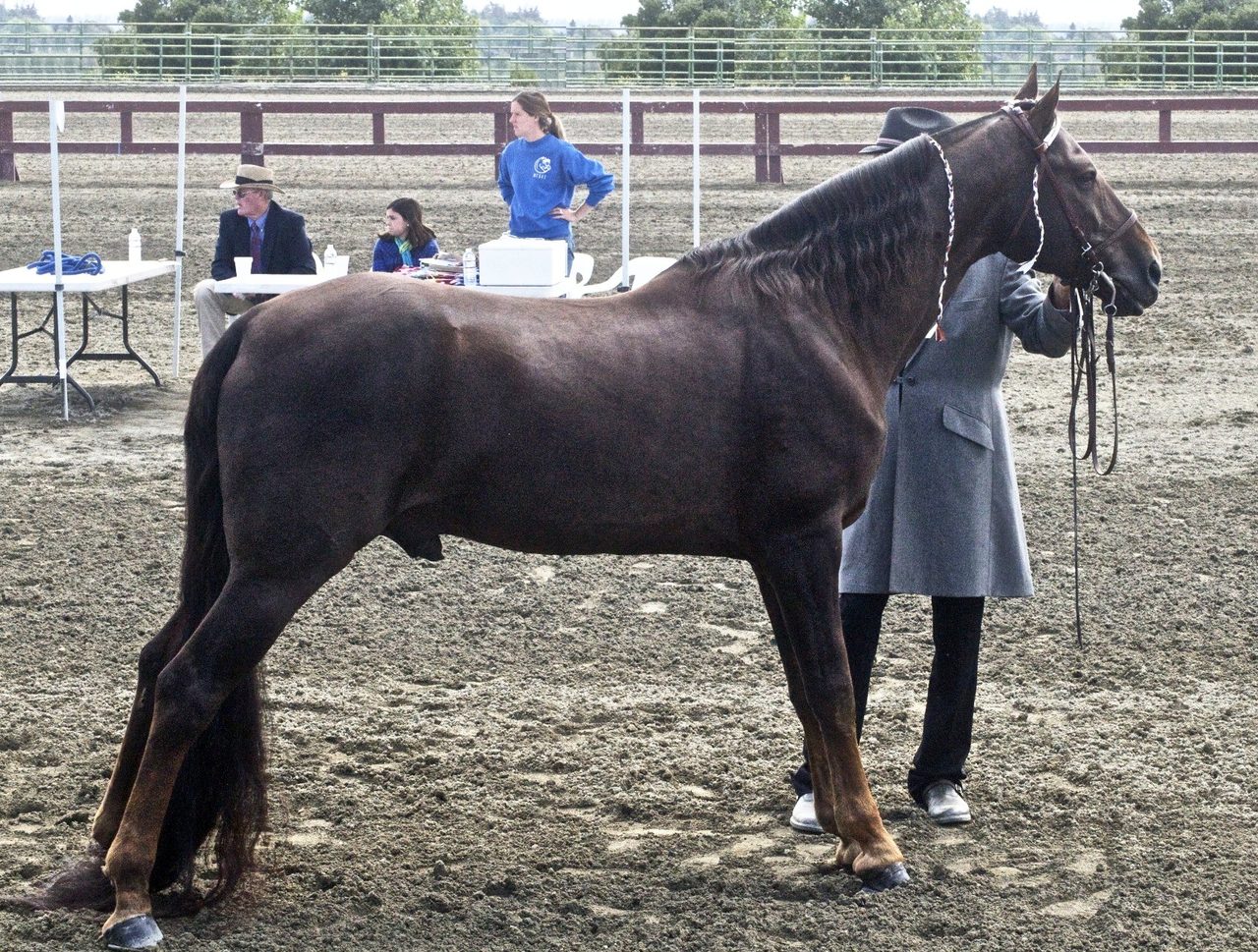
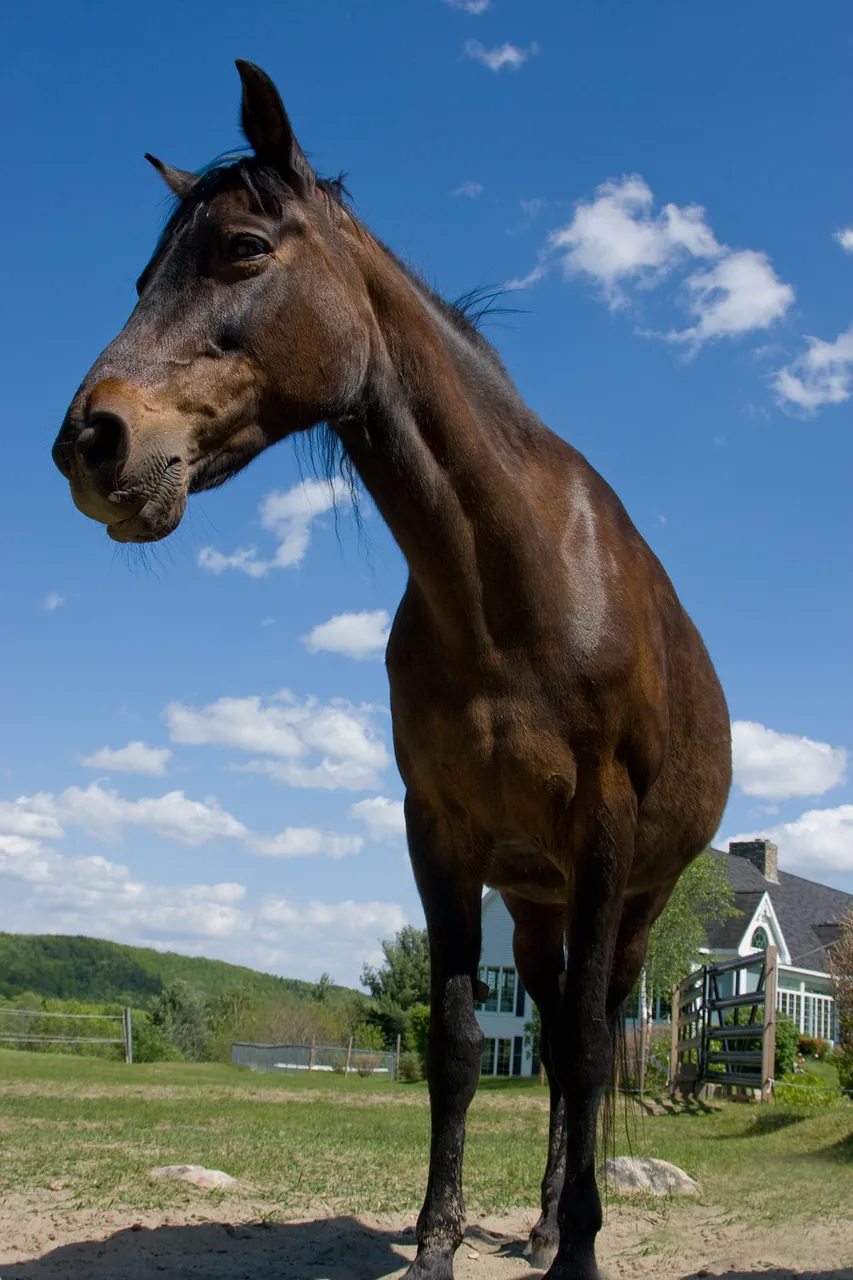
The Morgan is one of America's oldest breeds — a compact, versatile horse descended from a single foundation sire, Figure. Known for strength beyond its size, willing temperament and elegant movement, it suits riding, driving and family equestrian programmes.
What are the key facts about a Morgan?
The Morgan is a horse breed from United States: light (14.1–15.2 hands), versatile, compact, willing. One of America's oldest breeds — compact power and all-round ability.
| Origin | United States |
|---|---|
| Size | Light (14.1–15.2 hands) |
| Typical weight | 400–500 kg (880–1,100 lb); typically 14.1–15.2 hands |
| Lifespan | 25–30 years |
| Coat & colours | Short, fine coat most commonly bay, black or chestnut, with a full mane and tail that benefit from regular brushing. Grooming is straightforward: curry weekly, mane detangling as needed and routine hoof care. Morgans often have a naturally glossy coat when fed appropriate forage and kept in active work. |
| Temperament | Versatile, compact, willing |
| Best suited to | Excellent for riders seeking a sensible, people-oriented horse in a manageable size. Morgans suit dedicated owners from motivated juniors to adults wanting a versatile mount for pleasure, driving or low-level competition. They thrive on attention, consistent training and daily turnout; many tolerate family barn environments well when handled respectfully. |
Is a Morgan a good horse for you?
A Morgan can be a good horse for the right rider — versatile, compact, willing, light (14.1–15.2 hands), from United States — but it is not a lawn ornament. You need land, a farrier, a vet, and a budget that survives winter.
Match the horse to the job. The Morgan was shaped in United States as a Light (14.1–15.2 hands) type. All Morgans trace to the stallion Figure, later known as Justin Morgan, bred in Vermont in the 1790s. That history still shows in daily handling: this is a large, long-lived animal (25–30 years), not a seasonal hobby.
First-time owners should not buy from a photo. Try the horse with an instructor, get a pre-purchase vet exam, and be honest about whether you can keep a Morgan in work rather than bored in a paddock.
What is a Morgan?
One of America's oldest breeds — compact power and all-round ability. Origin is United States; coat or markings are described as Short, fine coat most commonly bay, black or chestnut, with a full mane and tail that benefit from regular brushing. Grooming is straightforward: curry weekly, mane detangling as needed and routine hoof care. Morgans often have a naturally glossy coat when fed appropriate forage and kept in active work..
Kennel and registry labels describe a type. Individual Morgans still vary, and rescue animals may be mixes.
Where does the Morgan come from?
Morgans come from United States. All Morgans trace to the stallion Figure, later known as Justin Morgan, bred in Vermont in the 1790s.
His progeny impressed with trotting speed, endurance and compact power, pulling stagecoaches and ploughs alike. The breed spread across New England and influenced the development of the Standardbred, American Saddlebred and Quarter Horse. Civil War cavalry valued Morgans for stamina and courage. The Morgan Horse Club formed in 1909, and the breed remains a symbol of early American horsemanship.
That origin still shows. A Morgan is light (14.1–15.2 hands) and versatile, compact, willing, typically living 25–30 years. Use the history as context for care and conservation, not as folklore to repeat without sources.
How much care does a Morgan need?
A Morgan needs daily forage, hoof care, dental checks and a job. This United States horse is light (14.1–15.2 hands) (400–500 kg (880–1,100 lb); typically 14.1–15.2 hands) and typically lives 25–30 years.
Budget for farrier, vet, feed, fencing and winter. A versatile, compact, willing Morgan still colics, still founds, and still suffers in a small, muddy paddock with no shelter.
Grooming and coat (Short, fine coat most commonly bay, black or chestnut, with a full mane and tail that benefit from regular brushing. Grooming is straightforward: curry weekly, mane detangling as needed and routine hoof care. Morgans often have a naturally glossy coat when fed appropriate forage and kept in active work.) are the easy part. The hard part is consistent work so a large horse does not become dangerous from boredom.
What surprises people about the Morgan?
A few details about the breed, alongside the practical care information in this guide.
- Every Morgan alive today descends from a single 18th-century stallion named Figure.
- Morgans were used as cavalry mounts during the American Civil War because of their endurance.
- Despite their small stature, Morgans can out-pull many larger horses pound for pound.
- The breed influenced several modern American horse types including the Quarter Horse.
What health issues should you know about in a Morgan?
Health concerns to discuss with your vet, including changes to watch for and everyday care. This is general guidance, not veterinary advice — always speak to your vet.
Polysaccharide storage myopathy (PSSM)
A muscle disorder causing tying-up, stiffness or reluctance to move after exercise, linked to abnormal glycogen storage. Morgans and related breeds show higher prevalence in some lines.
Care: Dietary management with low starch, regular turnout and vet-guided exercise plans are essential. Genetic testing helps identify affected horses before symptoms worsen.
Navicular syndrome
Chronic heel pain from navicular bone and soft-tissue changes produces lameness worse on hard or uneven ground. Compact breeds doing repetitive arena work may be affected.
Care: Work with your vet and farrier on shoeing, footing and pain control. Early intervention preserves rideability.
Cushing's disease (in older horses)
Pituitary dysfunction in ageing horses causes a long curly coat, laminitis risk and muscle wasting. Morgans can develop it as they reach their late teens or twenties.
Care: Veterinary diagnosis and medication such as pergolide, combined with careful grazing management, improve quality of life.
Who should skip a Morgan?
Skip a Morgan if you are anyone without land, zoning permission, and a vet. This United States horse is light (14.1–15.2 hands) and versatile, compact, willing — the mismatch is usually lifestyle, not a missing accessory.
This page is allowed to say no. Skip if you are anyone without land, zoning permission, and a vet.
A different horse breed on this site may fit. Wanting “a Morgan” after a film or a colour photo is not a reason to ignore the skip list.
What are the hidden catches with a Morgan?
The hidden cost of a Morgan is usually not the purchase price. It is years of care, the health list on this page, and the mismatch between a versatile, compact, willing animal and a busy home.
The impulse-buy catch
A Morgan from United States is often sold on looks. Coat, colour and size are not a temperament test. Meet the adult animal, ask about health screening, and walk away from pressure sales.
The polysaccharide storage myopathy (pssm) catch
A muscle disorder causing tying-up, stiffness or reluctance to move after exercise, linked to abnormal glycogen storage. Morgans and related breeds show higher prevalence in some lines. Dietary management with low starch, regular turnout and vet-guided exercise plans are essential. Genetic testing helps identify affected horses before symptoms worsen.
The navicular syndrome catch
Chronic heel pain from navicular bone and soft-tissue changes produces lameness worse on hard or uneven ground. Compact breeds doing repetitive arena work may be affected. Work with your vet and farrier on shoeing, footing and pain control. Early intervention preserves rideability.
How does a Morgan compare with Tennessee Walking Horse and Miniature Horse?
A Morgan is not interchangeable with Tennessee Walking Horse and Miniature Horse. Compare origin, size, lifespan and temperament before you choose — those four lines prevent most regret.
| Horse fact | Morgan | Tennessee Walking Horse | Miniature Horse |
|---|---|---|---|
| Origin | United States | United States | United States/Europe |
| Size | Light (14.1–15.2 hands) | Light (15–17 hands) | Miniature (up to 34 in at withers) |
| Lifespan | 25–30 years | 25–30 years | 25–35 years |
| Temperament | Versatile, compact, willing | Smooth-gaited, gentle, showy | Friendly, curious, hardy |
What is the verdict on the Morgan?
Choose a Morgan only if the care, skip-if and health sections still look like your life after a week of thinking. Otherwise pick a different horse or wait. Rescue is usually the better first door than a waiting-list puppy or kitten.
If the match is real, budget for 25–30 years of vet care and do not skip health screening. If it is not, walking away is the kind choice — for you and for the animal.
Working horses need better welfare
Millions of horses worldwide still haul loads, plough fields and carry families to work. WARN publishes these guides to raise awareness of working-equine welfare — and we encourage supporters who want to help horses directly to give where evidence-based equine programmes operate.