Animal Comparison
Zebra vs Horse
Zebras and horses are related equids. Zebras kept wild social systems and were never fully domesticated; horses were.
By WARN Research & Conservation TeamLast updated
In brief — Zebra vs Horse
Related equids: horses were domesticated; zebras were not, largely because of temperament and social behaviour.
Zebras and horses are both equids, but they are different species with different evolutionary histories. Horses were domesticated thousands of years ago. Zebras retained wild social structures and a stronger fight response that made full domestication impractical, despite repeated historical attempts.
See the difference
Images are shown at different scales. Read each caption for the species, source and context.
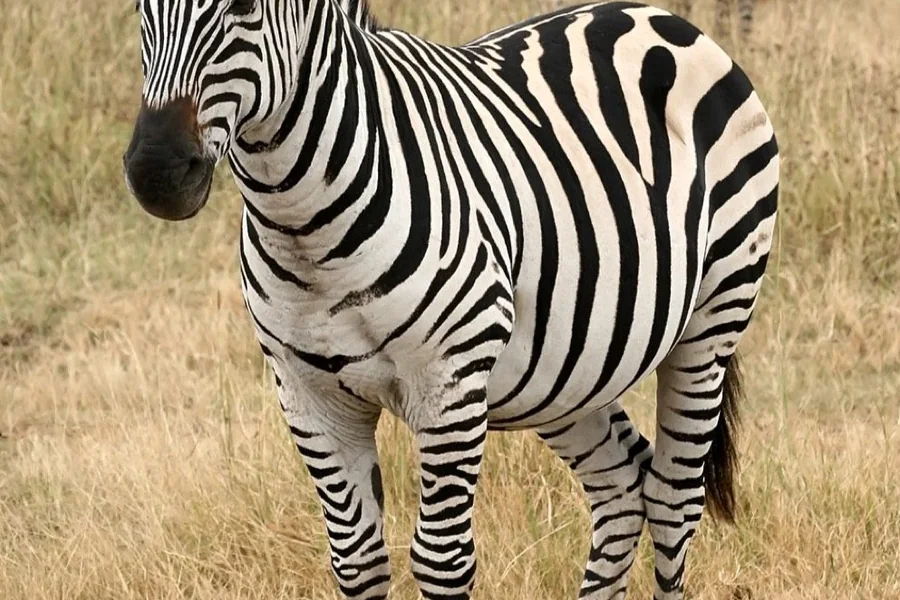
Zebra — striped wild equid
AI-generated educational wildlife portrait — World Animal Rescue Network
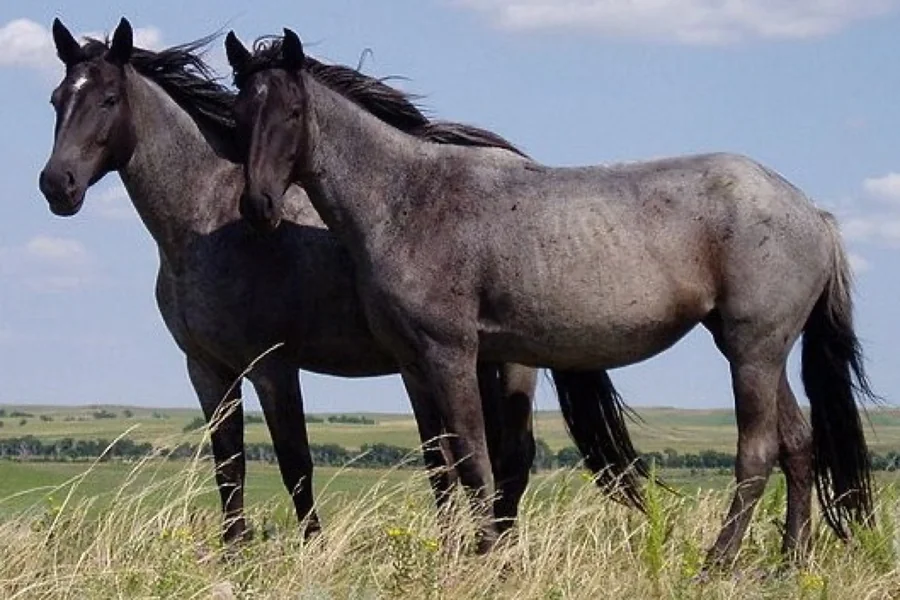
Horse — domesticated equid
AI-generated educational wildlife portrait — World Animal Rescue Network
Zebra vs Horse: At a Glance
| Feature | Zebra | Horse |
|---|---|---|
| Genus | Equus (several zebra species) | Equus ferus caballus |
| Coat | Black-and-white stripes | Solid or patterned; not zebra striping |
| Domestication | Not domesticated as a species | Domesticated millennia ago |
| Typical mass | Plains zebra ~200–300 kg | Riding breeds often ~400–600 kg |
| Social system | Species-specific harems or territories | Feral bands; domestic managed herds |
| Temperament | Strong flight/fight; less tractable | Selected for tractability |
| Habitat | African grasslands and arid zones | Worldwide with humans |
| Mane | Typically stiff and upright | Often longer, falls to one side |
| Conservation | Species vary; some threatened | Domestic abundant; wild horses separate |
| Hybrids | Can hybridise with horses (zebroids) | Can hybridise with zebras |
Size and physical differences
A typical riding horse at 400–600 kg outweighs a plains zebra at roughly 200–300 kg, though horse breeds span a huge range.
Zebras look like horses in striped coats, and the kinship is real — both sit in the genus Equus with asses. The popular puzzle is why humans ride horses and not zebras. The answer is not that zebras are untrainable in every individual case; it is that as a species they did not accept the package of traits domestication needs at scale.
Strip pattern, habitat and species split (plains, mountain, Grevy's) matter for identification. For the comparison people actually type, domestication history and behaviour are the decisive differences.
This comparison sticks to marks you can use without laboratory gear. Ranges are working bands from standard references, not courtroom measurements for every individual.
Why weren't zebras domesticated?
Domestication is a population process, not a stunt with one tame animal. Horses had a social structure and stress profile that, over many generations, allowed selection for animals that tolerate human handling, work and breeding in captivity. Zebras tend to panic more explosively, bite and kick more readily under pressure, and do not form the same workable bond with handlers at herd scale.
Nineteenth- and twentieth-century experiments produced individual riding zebras and hybrids, which proves the point rather than refutes it: anecdotes of trained animals are not domestication. A species that cannot be bred in large numbers under human management while remaining safe and predictable stays wild.
Stripes and species
'Zebra' covers more than one species. Plains zebras are the familiar grassland animals; Grevy's zebras are larger with narrower stripes; mountain zebras have their own pattern and habitat. Stripe functions are still researched — camouflage in motion, social recognition and biting-fly deterrence are among the hypotheses with evidence.
Horses do not share that striped signal. Coat colour in horses is a domestication playground of genes for bay, chestnut, black, grey and spotting.
Size, shape and field marks
Many horse breeds are taller and heavier than plains zebras. Zebras have a more robust neck and typically an erect mane. Ears and muzzle proportions differ by species. Hybrids can look intermediate and confuse casual viewers.
In Africa the identification problem is zebra versus zebra species, not zebra versus horse. Outside zoos, horses and zebras rarely share landscapes in a way that fools people — the confusion is conceptual.
Behaviour and danger
Both can injure people. Domestic horses cause more human injuries worldwide simply because millions more people interact with them. Zebras have a reputation for unpredictable aggression in captivity that matches keeper experience in many institutions.
Neither animal is a villain. Treating a zebra like a striped pony is the mistake. Treating a horse as risk-free because it is domestic is the other mistake.
Conservation and the domestic contrast
Domestic horses are not a conservation problem as livestock; wild equids are another matter. Several zebra populations face habitat loss, fencing and hunting pressure, with status depending on species and subspecies. The IUCN assesses taxa separately — do not assume one zebra status for all.
The horse comparison page is really about evolutionary paths under human selection. Stripes are the visual hook; domestication is the explanation. In practice, people meet these animals in brief glances. Slow down long enough to check the two or three marks in the table above before accepting the first common name that comes to mind. Mislabeling spreads through photos and social posts faster than corrections do, which is why a short, checkable comparison page earns its keep. In practice, people meet these animals in brief glances. Slow down long enough to check the two or three marks in the table above before accepting the first common name that comes to mind. Mislabeling spreads through photos and social posts faster than corrections do, which is why a short, checkable comparison page earns its keep. In practice, people meet these animals in brief glances. Slow down long enough to check the two or three marks in the table above before accepting the first common name that comes to mind. Mislabeling spreads through photos and social posts faster than corrections do, which is why a short, checkable comparison page earns its keep. In practice, people meet these animals in brief glances. Slow down long enough to check the two or three marks in the table above before accepting the first common name that comes to mind. Mislabeling spreads through photos and social posts faster than corrections do, which is why a short, checkable comparison page earns its keep. In practice, people meet these animals in brief glances. Slow down long enough to check the two or three marks in the table above before accepting the first common name that comes to mind. Mislabeling spreads through photos and social posts faster than corrections do, which is why a short, checkable comparison page earns its keep. In practice, people meet these animals in brief glances. Slow down long enough to check the two or three marks in the table above before accepting the first common name that comes to mind. Mislabeling spreads through photos and social posts faster than corrections do, which is why a short, checkable comparison page earns its keep. In practice, people meet these animals in brief glances. Slow down long enough to check the two or three marks in the table above before accepting the first common name that comes to mind. Mislabeling spreads through photos and social posts faster than corrections do, which is why a short, checkable comparison page earns its keep.
Did you know?
Successful one-off zebra riding acts became folklore evidence that zebras could be domesticated — which confuses a trick with a breeding system.
Zebra vs Horse: FAQs
Why can't zebras be domesticated like horses?
Are zebras just striped horses?
Which is bigger?
Can zebras and horses breed?
How many zebra species are there?
Do stripes confuse predators?
Help protect animals
Learning about animals can help more people understand their needs. WARN raises funds for eligible animal-welfare organisations. Read the relevant appeal’s purpose, recipient status and fund terms, or share this free guide to raise awareness.