Horse breeds · Ranked by popularity

Most Popular Horse Breeds

The most popular horse breeds worldwide are the American Quarter Horse, Thoroughbred, Arabian and Paint Horse. Popularity reflects registration volume, which tracks the disciplines a breed is used for — racing, western riding, showing — rather than how easy the horse is to keep or ride.

How this list was compiled

Ordered by our popularity rank across the 24 breeds covered in the WARN horse guides, reflecting international registration volume. Popularity is not a measure of suitability.

Horse breed popularity is driven almost entirely by use. The American Quarter Horse leads global registrations because western riding, ranch work and barrel racing are enormous; the Thoroughbred follows because of racing. Neither ranking says anything about whether the horse suits a first-time owner.

What matters far more when choosing is what the breed was bred to do, because that is what it will want to do. A Thoroughbred bred over centuries for speed is not a relaxing hack, and a draft horse bred to pull is not a competition jumper.

Most Popular Horse Breeds at a glance

# Breed Size Lifespan Temperament
1 Thoroughbred Light (15.2–17 hands) 25–30 years Energetic, sensitive, athletic
2 Arabian Light (14.1–15.1 hands) 25–30 years Intelligent, spirited, loyal
3 American Quarter Horse Stock (14.3–16 hands) 25–30 years Calm, willing, versatile
4 Paint Horse Stock (14.2–16 hands) 25–30 years Intelligent, willing, colourful
5 Appaloosa Stock (14.2–16 hands) 25–30 years Hardy, versatile, spotted
6 Morgan Light (14.1–15.2 hands) 25–30 years Versatile, compact, willing
7 Tennessee Walking Horse Light (15–17 hands) 25–30 years Smooth-gaited, gentle, showy
8 Miniature Horse Miniature (up to 34 in at withers) 25–35 years Friendly, curious, hardy
9 Shetland Pony Pony (up to 42 in) 25–35 years Hardy, strong, independent
10 Welsh Pony Pony (11.2–14.2 hands by section) 25–35 years Active, intelligent, hardy
11 Friesian Light (15–17 hands) 25–30 years Noble, willing, dramatic
12 Andalusian Light (15.1–16.2 hands) 25–30 years Proud, agile, trainable
13 Hanoverian Warmblood (15.3–17 hands) 25–30 years Athletic, balanced, rideable
14 Dutch Warmblood Warmblood (15.3–17 hands) 25–30 years Powerful, scopey, competitive
15 Irish Draught Draft (15.1–16.3 hands) 25–30 years Sensible, strong, versatile
16 Clydesdale Draft (16–18 hands) 25–30 years Gentle, feathered, powerful
17 Shire Draft (16–18 hands) 25–30 years Calm, massive, willing
18 Belgian Draft Draft (16–18 hands) 25–30 years Strong, steady, docile
19 Percheron Draft (15.1–18 hands) 25–30 years Intelligent, active draft
20 Standardbred Light (15–16 hands) 25–30 years Sensible, gaited or trotter
21 Mustang Varies (13–15 hands typical) 25–30 years Hardy, intelligent, spirited
22 Akhal-Teke Light (14.2–16 hands) 25–30 years Enduring, loyal, hot-blooded
23 Lipizzan Light (15–16.1 hands) 25–30 years Classical, agile, baroque
24 Haflinger Pony (13.2–15 hands) 25–35 years Gentle, sure-footed, chestnut

Most Popular Horse Breeds: full profiles

Each entry covers what the breed was bred for, day-to-day needs, and health problems to watch — with a link to the full guide.

Thoroughbred — horse breed guide

01 / Popularity rank 1

Thoroughbred

The Thoroughbred is a lean, athletic horse breed developed in England for flat racing and steeplechasing. Known for speed, stamina and sensitivity, it has influenced most modern sport-horse breeds worldwide.

Size
Light (15.2–17 hands)
Lifespan
25–30 years
Temperament
Energetic, sensitive, athletic
Origin
England

Coat & grooming — Bay, chestnut, black or grey; white markings common on face and legs

Suits — Experienced riders, racing yards, sport-horse producers, active homes

Health to watch for

  • Gastric ulcers — Stress, training and intermittent feeding can erode the stomach lining, causing poor appetite, girthiness or poor performance.
  • Tendon and ligament injuries — Fast work and hard ground strain the lower limbs, leading to swelling, lameness or bowed tendons.
  • Hoof balance problems — Poor shoeing or conformation can cause cracks, bruising or long-term lameness.
Full Thoroughbred guide
Arabian — horse breed guide

02 / Popularity rank 2

Arabian

The Arabian is an ancient horse breed from the Middle East, instantly recognisable by its dished face, large eyes, arched neck and high tail carriage. It excels at endurance riding and has influenced Thoroughbreds, Quarter Horses and many warmbloods.

Size
Light (14.1–15.1 hands)
Lifespan
25–30 years
Temperament
Intelligent, spirited, loyal
Origin
Arabian Peninsula

Coat & grooming — Grey, bay, chestnut or black; roan and sabino patterns occur

Suits — Endurance riders, experienced owners, breeding programmes, attentive handlers

Health to watch for

  • Cerebellar abiotrophy (CA) — An inherited neurological condition affecting coordination in foals from affected lines.
  • Severe combined immunodeficiency (SCID) — A genetic disorder in Arabian foals that prevents normal immune function.
  • Laminitis — Painful inflammation of the hoof laminae, sometimes linked to rich pasture or metabolic disease.
Full Arabian guide
American Quarter Horse — horse breed guide

03 / Popularity rank 3

American Quarter Horse

The American Quarter Horse is the most popular breed in the United States, bred for sprinting a quarter mile and for cattle work. It combines muscular hindquarters, a calm temperament and versatility in western riding, ranching and pleasure disciplines.

Size
Stock (14.3–16 hands)
Lifespan
25–30 years
Temperament
Calm, willing, versatile
Origin
United States

Coat & grooming — All solid colours; sorrel and bay are common

Suits — Ranch work, western riders, families with experience, trail and pleasure riding

Health to watch for

  • Polysaccharide storage myopathy (PSSM) — A muscle disorder causing tying-up, stiffness or reluctance to move after exercise.
  • Navicular syndrome — Heel pain linked to hoof balance and conformation, causing lameness.
  • Hyperkalemic periodic paralysis (HYPP) — A genetic muscle condition in lines tracing to the stallion Impressive.
Full American Quarter Horse guide
Paint Horse — horse breed guide

04 / Popularity rank 5

Paint Horse

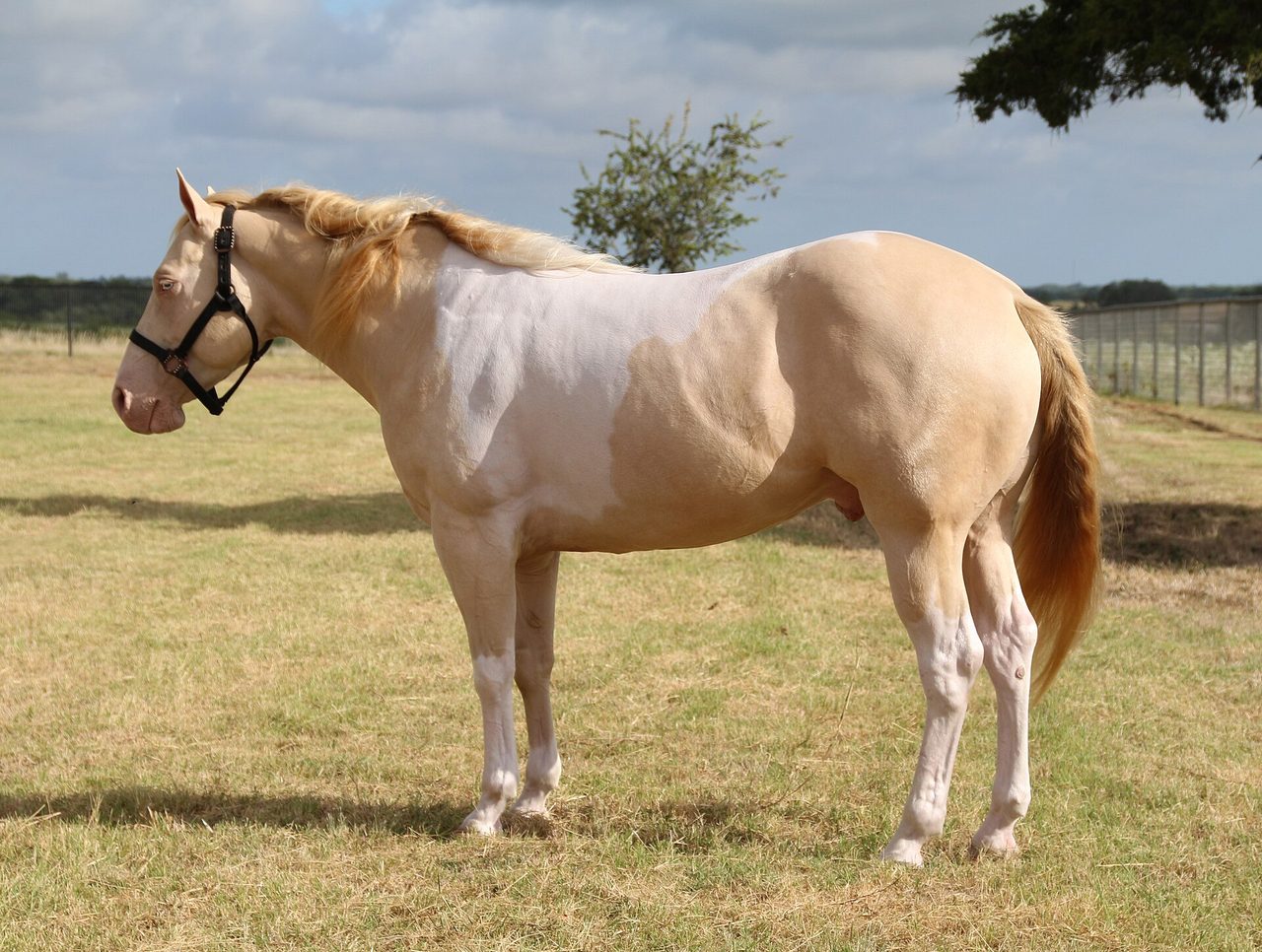
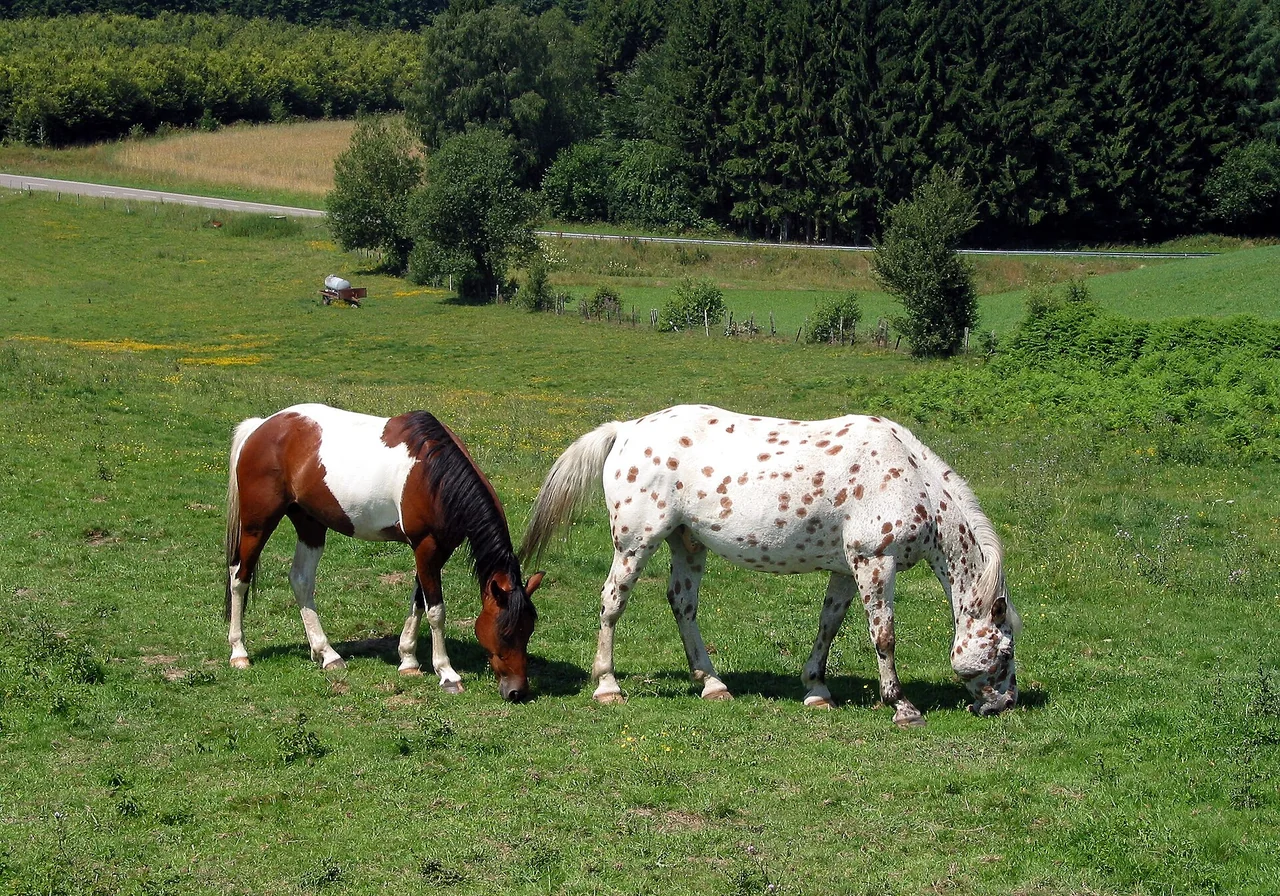
The Paint Horse is an American stock horse breed defined by bold coat patterns — tobiano, overo or tovero — on a muscular Quarter Horse-type frame. Its defining trait is versatility combined with striking colour, making it a popular choice for western riding, trail work and family equestrian programmes.

Size
Stock (14.2–16 hands)
Lifespan
25–30 years
Temperament
Intelligent, willing, colourful
Origin
United States

Coat & grooming — Short, sleek stock-horse coat in any base colour with clearly defined white patterning regulated by breed registry standards. Patterns range from rounded tobiano spots to irregular overo markings; grooming is straightforward with weekly currying and mane or tail detangling. Sun protection may help pink-skinned areas, and coat shine responds well to regular grooming and balanced nutrition.

Suits — Well suited to confident riders and active families who want a calm, willing partner for trail riding, ranch work or youth programmes. Paints generally tolerate children when properly trained and match experienced handlers better than complete novices riding alone. They need regular turnout, a secure paddock and consistent groundwork; most adapt well to herd companions and routine farrier care.

Health to watch for

  • Navicular syndrome — Degeneration of the navicular bone and surrounding structures causes chronic forelimb lameness, often worse on hard ground. Signs include a short, choppy stride and reluctance to turn tightly.
  • Eye conditions — Some lines show increased risk of uveitis, cataracts or other ocular inflammation that may cloud vision or cause squinting. Spotted breeds with pink skin around the eyes warrant particular attention.
  • Lethal white overo (in breeding) — Foals inheriting two overo white-frame genes are born white with intestinal aganglionosis and cannot survive. This is a breeding concern, not a condition affecting adult riding horses.
Full Paint Horse guide
Appaloosa — horse breed guide

05 / Popularity rank 6

Appaloosa

The Appaloosa is an American breed instantly recognisable by leopard-spotted coats, striped hooves and mottled skin. Hardy and versatile, it excels in western disciplines, trail riding and endurance while retaining the legacy of Nez Perce horsemanship.

Size
Stock (14.2–16 hands)
Lifespan
25–30 years
Temperament
Hardy, versatile, spotted
Origin
United States

Coat & grooming — Short, dense summer coat with patterns including leopard spots, blanket, snowflake and varnish roan, often accompanied by striped hooves and speckled muzzle skin. Grooming is routine: weekly brushing and regular hoof picking. Sparse-haired or pink-skinned areas may need sun protection, and winter coats grow thick in colder climates.

Suits — Suits riders who want an intelligent, hardy partner for trail, western or pleasure riding. Appaloosas often bond closely with consistent handlers and tolerate family environments when trained patiently. They need active work, secure fencing and companionship; many do well in mixed herds with adequate space to move.

Health to watch for

  • Equine recurrent uveitis — Also called moon blindness, this immune-mediated eye inflammation recurs and can lead to cataracts or vision loss. Appaloosas are among the breeds most commonly affected.
  • Congenital stationary night blindness — An inherited condition linked to the leopard complex causes poor vision in low light from birth. Affected horses may hesitate in dim stables or at dusk.
  • Hoof problems — Some Appaloosas have thinner hoof walls or slower growth, increasing susceptibility to cracks and abscesses. Striped hooves are normal but still need balanced trimming.
Full Appaloosa guide
Morgan — horse breed guide

06 / Popularity rank 7

Morgan

The Morgan is one of America's oldest breeds — a compact, versatile horse descended from a single foundation sire, Figure. Known for strength beyond its size, willing temperament and elegant movement, it suits riding, driving and family equestrian programmes.

Size
Light (14.1–15.2 hands)
Lifespan
25–30 years
Temperament
Versatile, compact, willing
Origin
United States

Coat & grooming — Short, fine coat most commonly bay, black or chestnut, with a full mane and tail that benefit from regular brushing. Grooming is straightforward: curry weekly, mane detangling as needed and routine hoof care. Morgans often have a naturally glossy coat when fed appropriate forage and kept in active work.

Suits — Excellent for riders seeking a sensible, people-oriented horse in a manageable size. Morgans suit dedicated owners from motivated juniors to adults wanting a versatile mount for pleasure, driving or low-level competition. They thrive on attention, consistent training and daily turnout; many tolerate family barn environments well when handled respectfully.

Health to watch for

  • Polysaccharide storage myopathy (PSSM) — A muscle disorder causing tying-up, stiffness or reluctance to move after exercise, linked to abnormal glycogen storage. Morgans and related breeds show higher prevalence in some lines.
  • Navicular syndrome — Chronic heel pain from navicular bone and soft-tissue changes produces lameness worse on hard or uneven ground. Compact breeds doing repetitive arena work may be affected.
  • Cushing's disease (in older horses) — Pituitary dysfunction in ageing horses causes a long curly coat, laminitis risk and muscle wasting. Morgans can develop it as they reach their late teens or twenties.
Full Morgan guide
Tennessee Walking Horse — horse breed guide

07 / Popularity rank 8

Tennessee Walking Horse

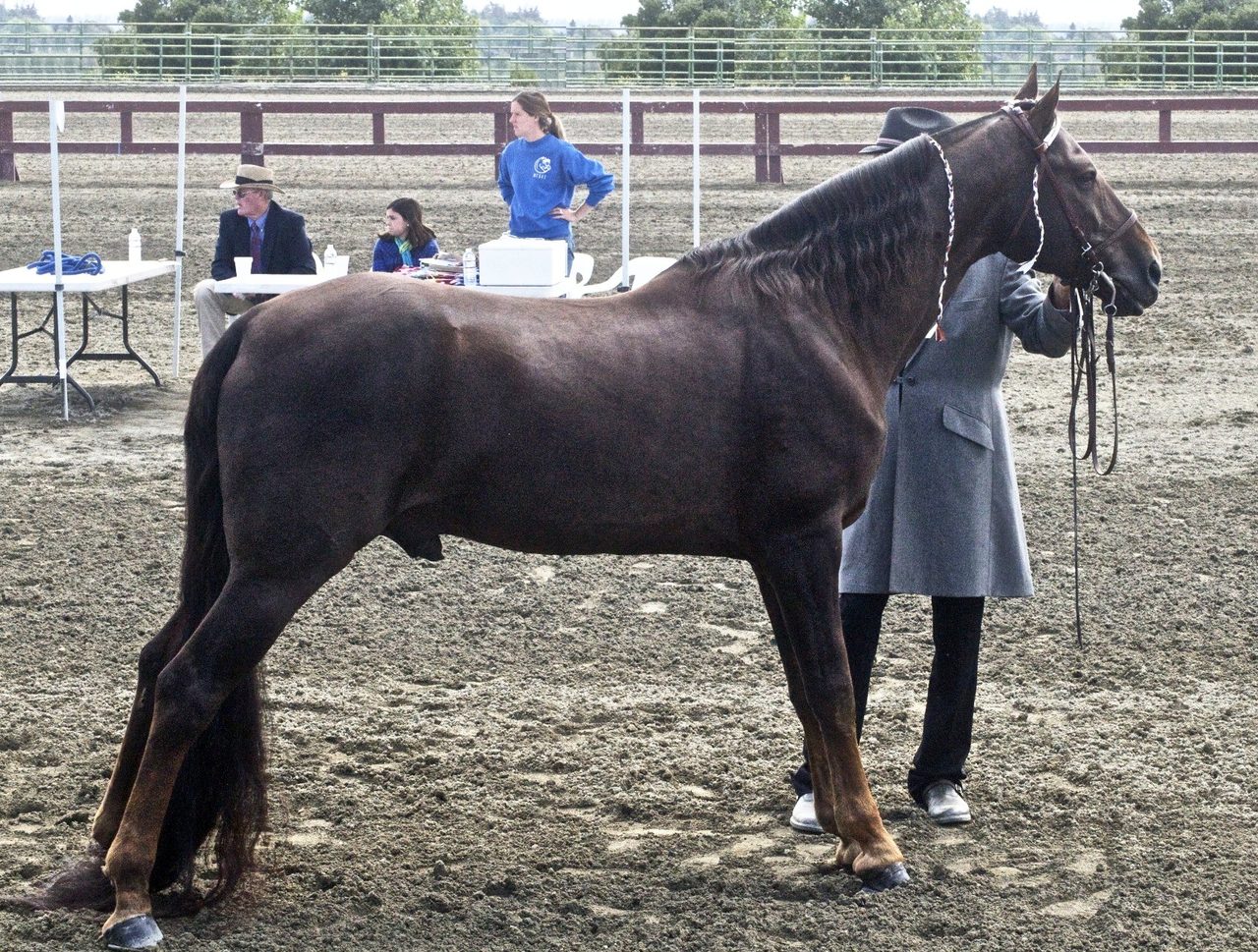
The Tennessee Walking Horse is an American gaited breed celebrated for its running walk — a smooth, four-beat gait that covers ground comfortably for riders of all ages. Its defining trait is effortless, ground-covering movement paired with a calm, people-oriented temperament.

Size
Light (15–17 hands)
Lifespan
25–30 years
Temperament
Smooth-gaited, gentle, showy
Origin
United States

Coat & grooming — Short to medium-length coat in bay, black, chestnut, roan and palomino, often with white facial or leg markings. The abundant mane and tail benefit from regular detangling and conditioning. Grooming is routine: weekly brushing, hoof picking and mane care keep the coat healthy; show horses may receive additional presentation grooming.

Suits — Ideal for riders who want a smooth, comfortable mount for trail riding, pleasure classes or long-distance hacking. Tennessee Walkers suit owners seeking a gentle horse that tolerates novice riders under supervision and excels with patient, consistent training. They need regular exercise, companionship and attentive hoof and back care given their gaits and show history.

Health to watch for

  • Navicular syndrome — Chronic heel pain affecting the navicular region causes forelimb lameness that may worsen on hard surfaces. Gaited horses doing repetitive arena work can be predisposed.
  • Laminitis — Inflammation of the hoof laminae causes severe pain and can lead to founder. Overweight Walkers on rich pasture face elevated risk, especially in spring.
  • Back soreness — Incorrect saddle fit, heavy riders or repetitive gait training can produce muscle tension and reluctance to engage the back. Signs include sensitivity when grooming or bucking when asked to collect.
Full Tennessee Walking Horse guide
Miniature Horse — horse breed guide

08 / Popularity rank 9

Miniature Horse

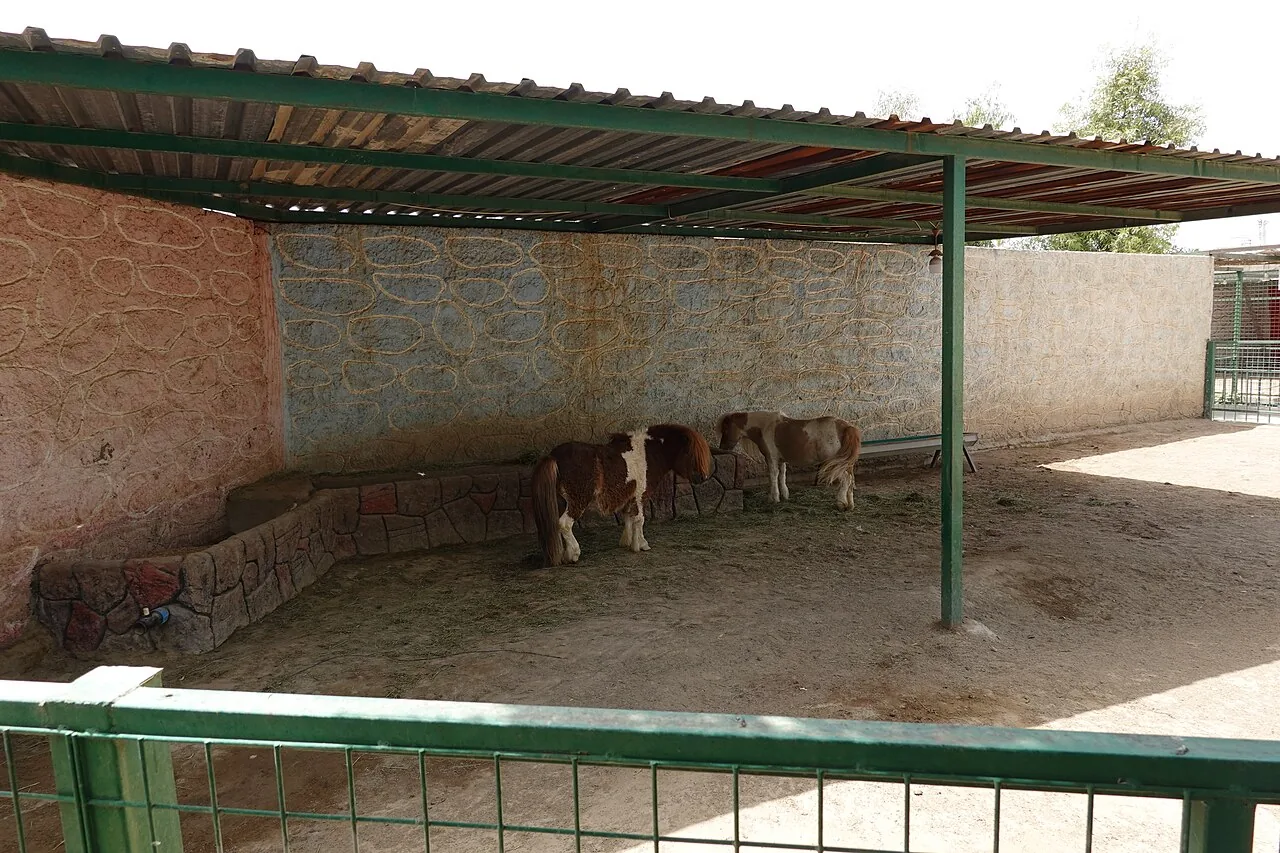
The Miniature Horse is a selectively bred small equine kept in horse-like proportions, typically standing no more than 34 inches at the withers. Its defining trait is full horse conformation in miniature — popular as companions, therapy animals and driving ponies.

Size
Miniature (up to 34 in at withers)
Lifespan
25–35 years
Temperament
Friendly, curious, hardy
Origin
United States/Europe

Coat & grooming — Fine, short to medium coat in virtually every equine colour and pattern, including pinto and appaloosa types. Despite small size, minis grow substantial winter coats in cold climates. Grooming is manageable but important: daily hoof picking, regular brushing and attention to mane and tail prevent mats. Obesity shows quickly on a small frame, so monitor body condition score closely.

Suits — Suits owners who want an equine companion without full-sized horse keeping costs, and facilities with secure miniature-safe fencing and shelter. Minis do well in pairs or small herds and excel in driving, in-hand showing and assisted therapy programmes with proper training. They are not suitable as mounts for children — their backs cannot carry riders — and need the same veterinary, dental and farrier care as large horses.

Health to watch for

  • Dental overcrowding — Small jaws often cannot accommodate full-sized teeth, leading to sharp enamel points, hooks and difficulty chewing. Signs include dropping feed, weight loss and quidding.
  • Obesity — Minis gain weight easily on rich pasture or concentrated feed, increasing laminitis and metabolic disease risk. A cresty neck and fat pads over the tailhead signal problematic weight gain.
  • Colic — Abdominal pain from gas, impaction or displacement occurs in minis as in larger horses. Dental problems and inadequate water intake increase impaction risk.
Full Miniature Horse guide
Shetland Pony — horse breed guide

09 / Popularity rank 10

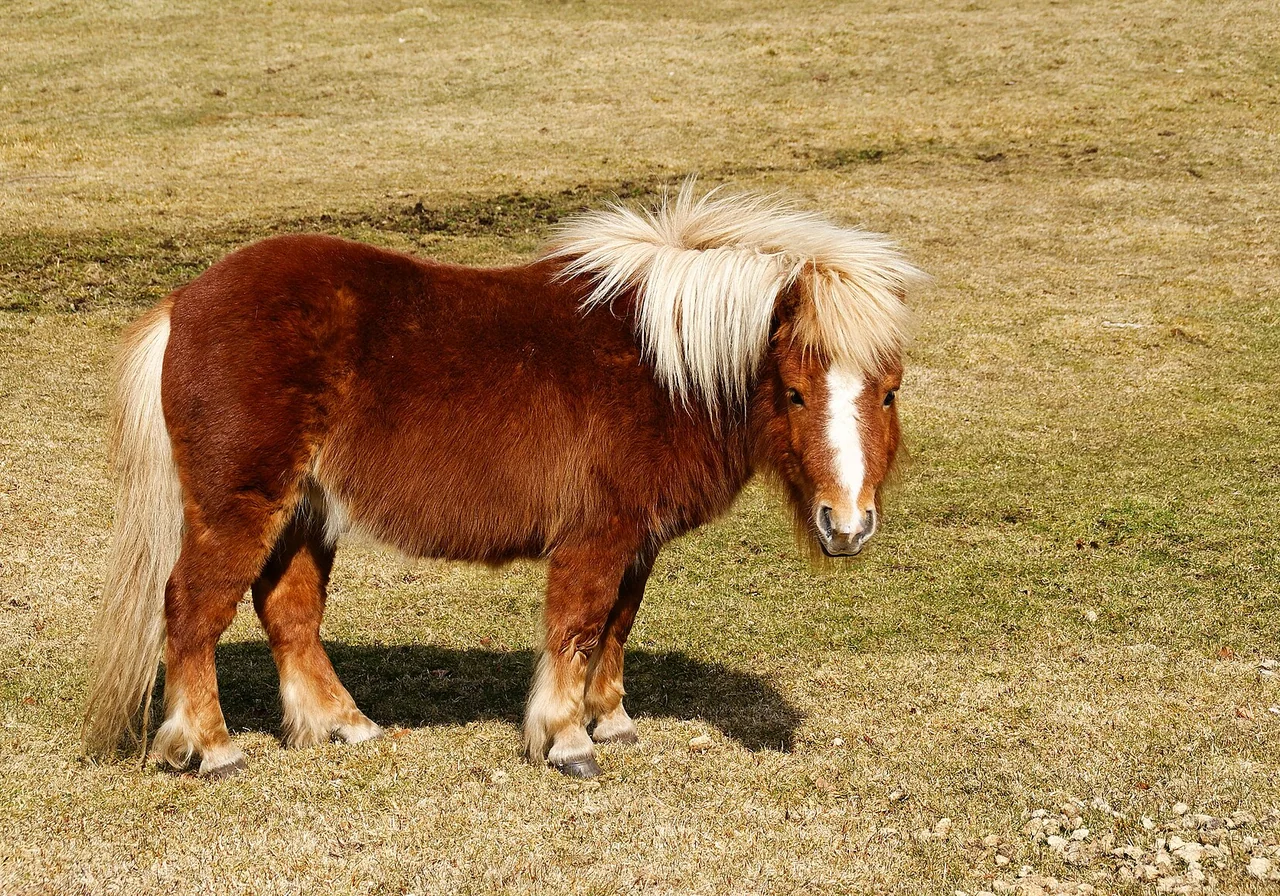
Shetland Pony

The Shetland Pony is a hardy British breed from the Shetland Isles — compact, exceptionally strong and independent. Its defining trait is remarkable strength relative to size, bred for survival in harsh northern climates and centuries of farm and pit work.

Size
Pony (up to 42 in)
Lifespan
25–35 years
Temperament
Hardy, strong, independent
Origin
Scotland (Shetland Isles)

Coat & grooming — Thick double coat with dense underwool and long outer hairs, especially lush in winter. All colours except spotted are accepted, with black, chestnut and bay common. The heavy coat requires thorough drying after wet weather to prevent skin issues. Summer clipping may help working ponies in warm climates; routine grooming prevents matting behind the ears and in the feathering.

Suits — Best suited to experienced handlers who appreciate a clever, sometimes stubborn pony with clear boundaries. Shetlands suit children's mounts when well trained and appropriately sized, and excel in driving, gymkhana and companion roles. They need firm, kind consistency, secure fencing — they are expert escape artists — and careful grazing management because they gain weight on minimal forage.

Health to watch for

  • Laminitis — Inflammation of the hoof laminae causes excruciating pain and is common in overweight Shetlands on lush grass. Spring flush and founder episodes can recur without management changes.
  • Obesity — Efficient metabolism and small size mean excess calories show quickly as fat deposits and cresty necks. Obesity drives laminitis and joint strain.
  • Dental disease — Sharp enamel points, diastemata and wave mouths develop without regular floating. Older ponies may lose teeth and struggle with long fibre.
Full Shetland Pony guide
Welsh Pony — horse breed guide

10 / Popularity rank 11

Welsh Pony

The Welsh Pony encompasses several sections of pony and cob from Wales — from the small Mountain Pony to the larger Welsh Cob. Its defining trait is an active, elegant athlete with hardy constitution, widely successful in children's sport, driving and pleasure riding.

Size
Pony (11.2–14.2 hands by section)
Lifespan
25–35 years
Temperament
Active, intelligent, hardy
Origin
Wales

Coat & grooming — Short, dense coat in grey, bay, chestnut, black and roan, with minimal feathering on Mountain types and heavier hair on cob sections. The breed standard emphasises a well-set mane and tail that benefit from regular grooming. Show preparation includes pulling manes for some disciplines; daily hoof care and weekly thorough brushing maintain skin health.

Suits — Excellent for children and teenagers progressing through riding levels, and for adults wanting a versatile pony or small cob for driving and low-level competition. Welsh ponies need confident, consistent handling — they are intelligent and can become sharp if bored. They suit active homes with turnout, companionship and structured exercise rather than weekend-only riding.

Health to watch for

  • Laminitis — Native pony metabolism makes Welsh types susceptible to pasture-associated laminitis, especially in spring or when overweight. Recurrent episodes can cause permanent hoof damage.
  • Navicular syndrome — Heel pain from navicular degeneration occurs in heavier cob sections doing sustained hard work. Lameness may appear gradually on firm ground.
  • Sweet itch — An allergic reaction to Culicoides midge bites causes intense mane and tail rubbing, hair loss and skin damage. Native breeds including Welsh ponies are commonly affected.
Full Welsh Pony guide
Friesian — horse breed guide

11 / Popularity rank 12

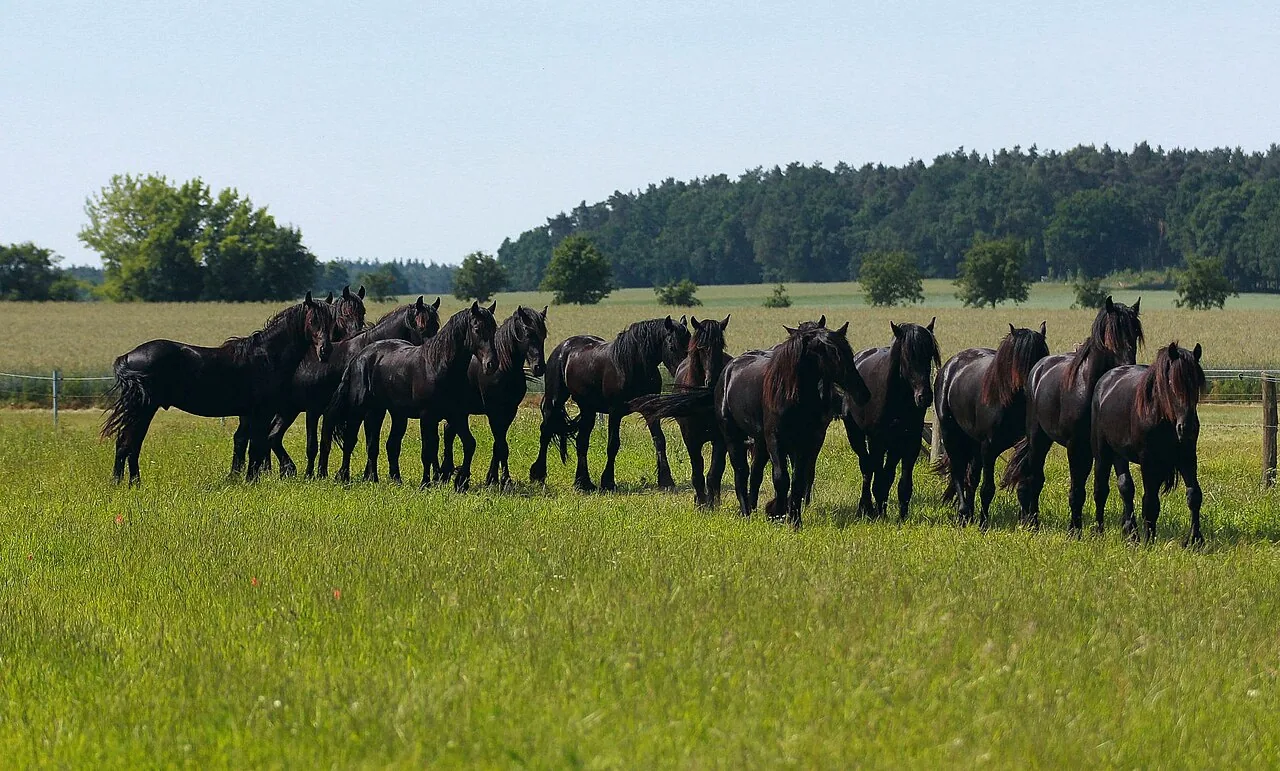
Friesian

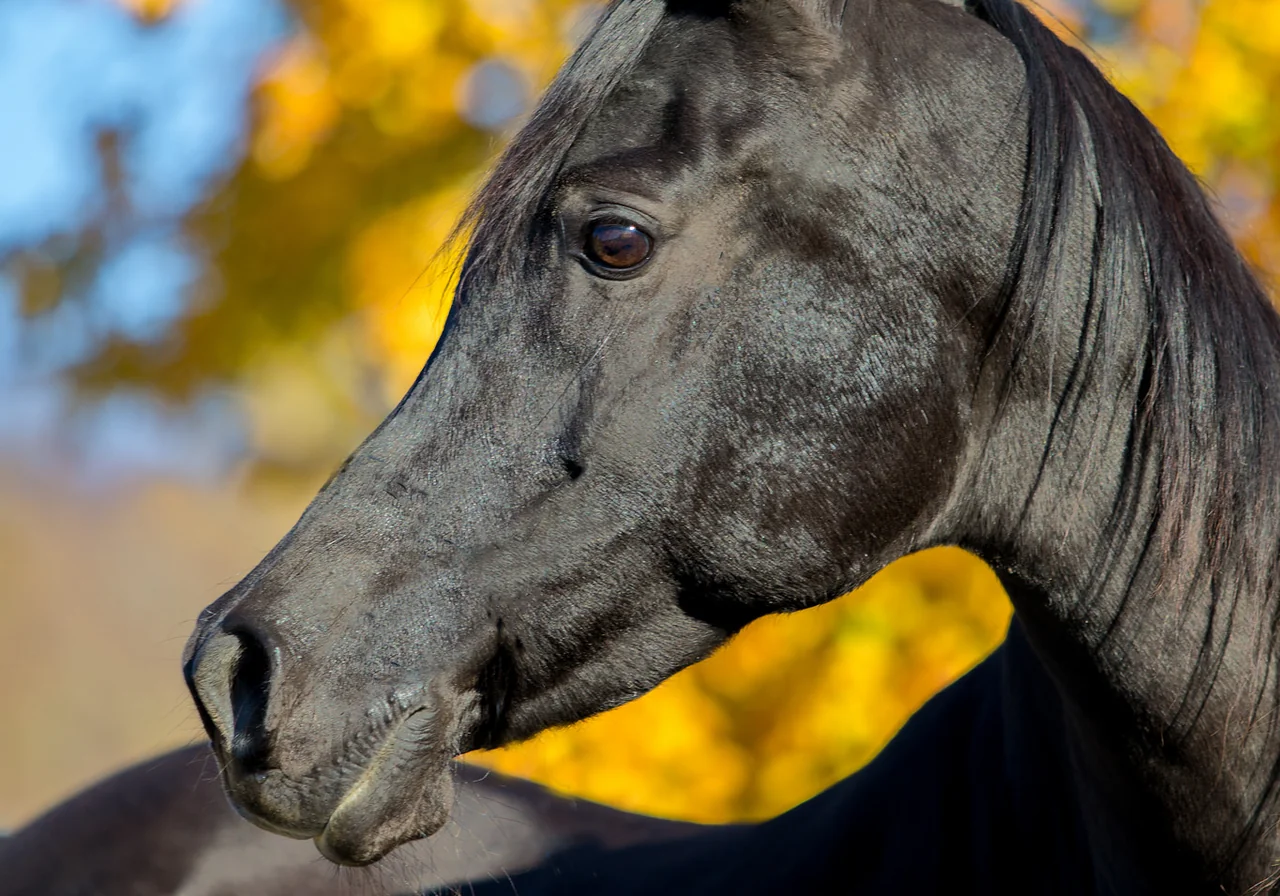
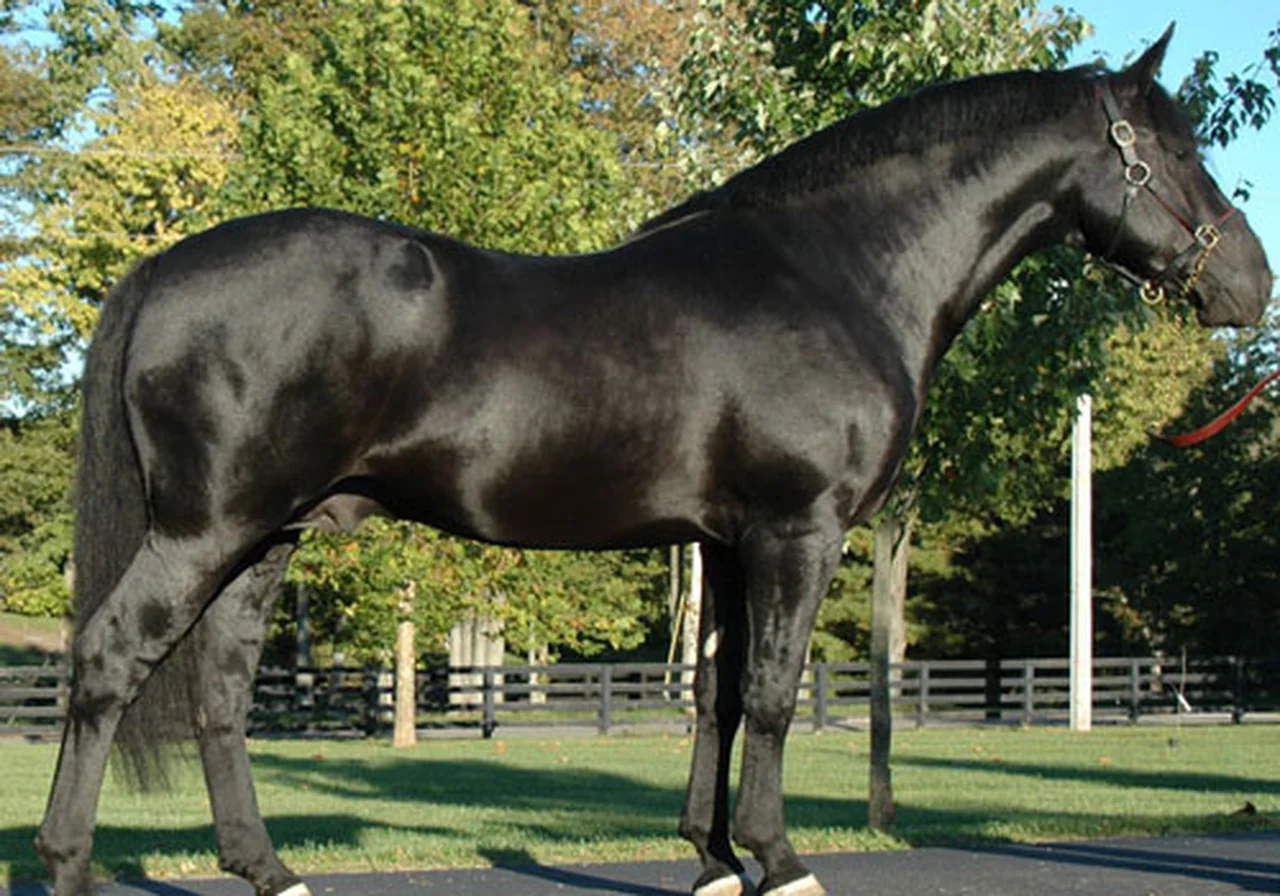
The Friesian is a baroque black horse from the Netherlands, instantly recognisable by its flowing mane, feathered legs and high-stepping trot. Its defining trait is dramatic presence combined with a willing, people-focused temperament suited to dressage and driving.

Size
Light (15–17 hands)
Lifespan
25–30 years
Temperament
Noble, willing, dramatic
Origin
Netherlands

Coat & grooming — Long, thick mane and tail with abundant feathering on the lower legs; coat colour is exclusively black — no white markings permitted beyond a small star in some registries. The luxuriant hair demands daily detangling and regular washing of feathered legs to prevent skin irritation. Mane and tail conditioning keeps the breed's signature appearance without excessive product build-up.

Suits — Suits experienced owners who appreciate a sensitive, expressive horse for dressage, carriage driving or ceremonial work. Friesians bond deeply with consistent handlers and respond poorly to harsh training. They need regular exercise, mental stimulation and careful weight management because baroque conformation can stress joints if fitness lapses. Most thrive in programmes with daily interaction rather than sporadic riding.

Health to watch for

  • Aortic rupture — A rare but often fatal condition where the aorta tears, causing sudden collapse or death, particularly in young Friesian mares. Research suggests a breed predisposition.
  • Megaesophagus — Enlarged oesophagus with reduced motility leads to choke, weight loss and aspiration pneumonia. Friesians show higher incidence than many breeds.
  • Navicular syndrome — Chronic heel pain limits performance in heavy baroque horses doing collected work. Gradual onset forelimb lameness is typical.
Full Friesian guide
Andalusian — horse breed guide

12 / Popularity rank 13

Andalusian

The Andalusian — Pura Raza Española — is Spain's classical baroque horse, prized for elevated gaits, agility and proud bearing. Its defining trait is natural collection and expressive movement rooted in centuries of Iberian horsemanship and bullfighting tradition.

Size
Light (15.1–16.2 hands)
Lifespan
25–30 years
Temperament
Proud, agile, trainable
Origin
Spain

Coat & grooming — Thick, lustrous mane and tail with a short to medium body coat, most commonly grey but also bay and black. Grey Andalusians lighten with age through dappling stages. Regular grooming enhances natural shine; mane and tail care is central to presentation. Pink skin on greys needs sun protection, and feathering is minimal compared with draft breeds.

Suits — Ideal for riders interested in classical dressage, working equitation or traditional Iberian disciplines. Andalusians suit handlers who value sensitivity and partnership over force — they respond to subtle aids when trained consistently. They need regular work to stay balanced and engaged, plus social turnout. Many tolerate advanced riders better than casual weekend hacking without structure.

Health to watch for

  • Navicular syndrome — Heel pain from navicular degeneration affects performance horses doing collected work on firm surfaces. Subtle forelimb lameness may worsen with age.
  • Laminitis — Hoof laminae inflammation occurs in overweight horses or those with metabolic disease. Andalusians on rich pasture or heavy concentrate rations are at risk.
  • Dental issues — Sharp enamel points, hooks and uneven wear develop without routine floating, affecting chewing and bit comfort. Signs include head tossing and weight loss.
Full Andalusian guide
Hanoverian — horse breed guide

13 / Popularity rank 14

Hanoverian

The Hanoverian is a German warmblood from Lower Saxony, bred for Olympic equestrian sport including dressage, show jumping and eventing. Its defining trait is balanced rideability combined with elastic gaits and scope — a benchmark sport horse worldwide.

Size
Warmblood (15.3–17 hands)
Lifespan
25–30 years
Temperament
Athletic, balanced, rideable
Origin
Germany

Coat & grooming — Short, fine sport-horse coat in bay, chestnut, black and grey, often with white markings. Coat care is straightforward: regular grooming before work, mane pulling for competition and daily hoof cleaning. Show horses may have trimmed fetlocks; field-kept Hanoverians benefit from standard weekly brushing and rugging as climate requires.

Suits — Best suited to ambitious amateur and professional riders pursuing dressage, jumping or eventing. Hanoverians need knowledgeable training, appropriate fitness programmes and careful farrier and vet support to stay sound at competition level. They suit riders who can provide structured work and professional coaching rather than occasional hacking alone.

Health to watch for

  • Osteochondrosis (OCD) — Developmental cartilage defects in joints can cause loose fragments, swelling and lameness in growing sport horses. Stifle and hock joints are commonly affected.
  • Navicular syndrome — Chronic heel pain develops in some performance horses from repetitive concussion and hoof balance issues. Gradual forelimb lameness on hard ground is typical.
  • Lameness in sport horses — Soft-tissue strains, joint inflammation and hoof imbalance cause performance limiting lameness in trained athletes. Subtle resistance to collection may be the first sign.
Full Hanoverian guide
Dutch Warmblood — horse breed guide

14 / Popularity rank 15

Dutch Warmblood

The Dutch Warmblood (KWPN) is the Netherlands' premier sport horse, dominating elite show jumping and dressage. Its defining trait is powerful, scopey movement with modern rideability — bred through rigorous selection for athletic competition.

Size
Warmblood (15.3–17 hands)
Lifespan
25–30 years
Temperament
Powerful, scopey, competitive
Origin
Netherlands

Coat & grooming — Short, sleek coat in bay, chestnut, black and grey with white markings common. KWPN horses are typically groomed as performance athletes: daily brushing, mane management for competition and regular hoof care. Minimal feathering simplifies leg maintenance compared with baroque or draft breeds.

Suits — Designed for competitive riders and professional yards pursuing jumping, dressage or combined driving at national and international level. KWPN horses need expert training, careful progression through work levels and attentive soundness management. They suit riders committed to coaching and structured fitness rather than casual leisure riding.

Health to watch for

  • Osteochondrosis (OCD) — Cartilage and bone developmental lesions in joints affect some fast-growing warmblood foals. Lameness, effusion or stiffness in young horses warrants investigation.
  • Navicular syndrome — Heel pain from navicular degeneration limits jumping and dressage careers when untreated. Hard ground and hoof imbalance accelerate progression.
  • Tendon injuries — Superficial and deep digital flexor tendon strains occur in horses doing repetitive jumping or collection work. Heat, swelling and lameness follow overload.
Full Dutch Warmblood guide
Irish Draught — horse breed guide

15 / Popularity rank 16

Irish Draught

The Irish Draught is Ireland's native draught breed — a sensible, strong all-rounder that forms the foundation of the Irish Sport Horse. Its defining trait is versatility combining substance, temperament and jumping ability rare in heavier draught types.

Size
Draft (15.1–16.3 hands)
Lifespan
25–30 years
Temperament
Sensible, strong, versatile
Origin
Ireland

Coat & grooming — Short to medium coat most commonly grey, bay or chestnut, with minimal feathering compared with Clydesdale or Shire types. The practical coat suits Irish weather and needs weekly grooming, regular hoof care and occasional bathing before shows. Mane and tail are full but manageable without the heavy feather of continental draught breeds.

Suits — Excellent for riders wanting a sensible, brave partner for hunting, eventing, showing or leisure riding. Irish Draughts and Draught crosses suit amateurs and professionals who value temperament and durability. They need regular work, turnout and hoof care; many thrive in mixed herds and tolerate varied Irish or British weather with adequate shelter.

Health to watch for

  • Navicular syndrome — Heel pain from navicular changes causes chronic forelimb lameness in some heavier riding horses. Hard ground and poor hoof balance worsen signs.
  • Laminitis — Hoof laminae inflammation threatens any horse on rich pasture or with metabolic disease. Draught types can be susceptible when overweight.
  • Joint problems — Arthritis and joint strain develop in horses doing hard hunting or jumping work over many seasons. Stiffness after rest or reduced jumping enthusiasm may appear.
Full Irish Draught guide
Clydesdale — horse breed guide

16 / Popularity rank 17

Clydesdale

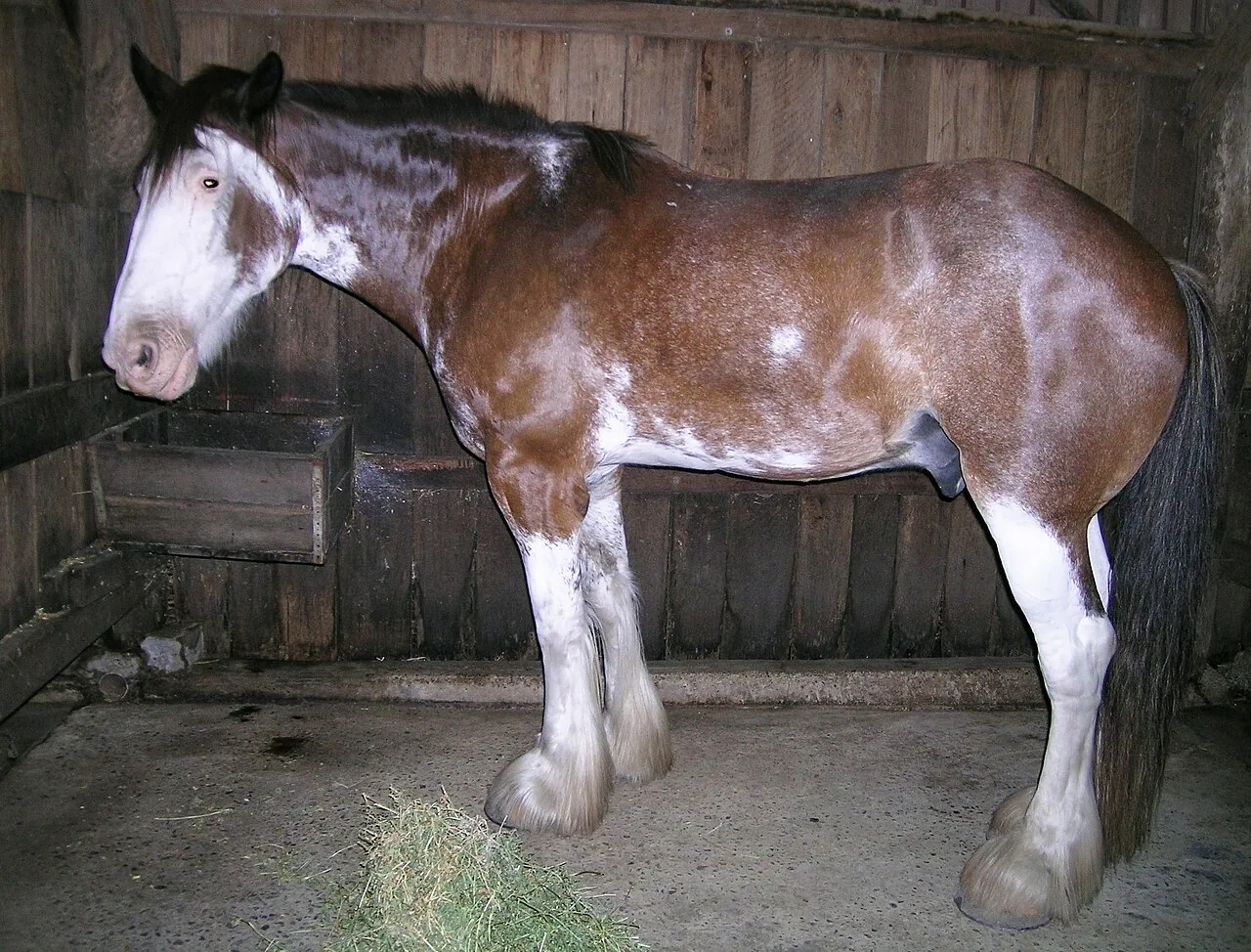
The Clydesdale is a Scottish draft horse famed for feathered legs, bay colouring and gentle temperament. Its defining trait is impressive pulling power paired with surprising grace — the breed behind famous brewery wagons and modern show hitch teams.

Size
Draft (16–18 hands)
Lifespan
25–30 years
Temperament
Gentle, feathered, powerful
Origin
Scotland

Coat & grooming — Long, silky feathering on lower legs; body coat is short to medium, most famously bay with white facial and leg markings. Feather demands daily cleaning when muddy to prevent scratches and mud fever. Mane and tail are abundant; show hitch horses receive extensive presentation grooming including braiding and leg whitening.

Suits — Suits owners experienced with large horses who want a calm draft for driving, showing, logging or ambassador work. Clydesdales tolerate public events well when trained and suit facilities with spacious stalls, strong fencing and handlers comfortable managing size. They need regular exercise to prevent obesity and benefit from companionship and mental stimulation beyond standing idle.

Health to watch for

  • Chronic progressive lymphedema — Progressive swelling and thickening of lower limbs with skin folds occurs in several draft breeds including Clydesdales. Untreated, it leads to infection and disability.
  • Laminitis — Heavy horses on rich pasture or with metabolic disease face high laminitis risk. Founder can permanently damage hooves in animals carrying substantial weight.
  • Navicular syndrome — Heel pain from navicular degeneration occurs despite large feet when hoof balance fails or concussion is excessive. Draft horses doing road work may be affected.
Full Clydesdale guide
Shire — horse breed guide

17 / Popularity rank 18

Shire

The Shire is an English draft breed among the tallest and heaviest horses alive — a calm gentle giant bred for farm work and brewery drays. Its defining trait is massive strength delivered with docile, willing temperament when properly trained.

Size
Draft (16–18 hands)
Lifespan
25–30 years
Temperament
Calm, massive, willing
Origin
England

Coat & grooming — Abundant feather on lower legs; body coat is fine and short in bay, black, brown or grey with extensive white markings common. Feather requires meticulous daily care to prevent mud fever. Show preparation includes washing legs, mane conditioning and hoof oiling; working Shires need practical grooming focused on skin health under heavy hair.

Suits — Ideal for experienced draft enthusiasts with infrastructure for very large horses — spacious stalls, reinforced fencing and confident handlers. Shires excel in show hitch, commercial driving displays, forestry work and therapy programmes where calm temperament matters. They suit patient owners committed to daily leg care and weight management.

Health to watch for

  • Laminitis — Extremely dangerous in horses weighing over 800 kg — founder can be life-limiting. Rich grass, obesity and metabolic disease are common triggers.
  • Navicular syndrome — Heel pain develops when massive body weight meets poor hoof balance or excessive road concussion. Chronic lameness limits working ability.
  • Feather-related skin issues — Mud fever, mites and chronic dermatitis thrive under heavy feathering when legs stay wet or dirty. Scratching and swelling follow.
Full Shire guide
Belgian Draft — horse breed guide

18 / Popularity rank 19

Belgian Draft

The Belgian Draft is a massive draught breed from Belgium — broad, powerful and typically chestnut or roan with a flaxen mane. Its defining trait is raw pulling strength combined with steady, docile temperament valued in farming, logging and pulling competitions.

Size
Draft (16–18 hands)
Lifespan
25–30 years
Temperament
Strong, steady, docile
Origin
Belgium

Coat & grooming — Short body coat with lighter feather than some British drafts; colour is predominantly sorrel or roan with flaxen mane and tail. Grooming focuses on skin health, hoof care and mane detangling. Show teams present polished coats and braided manes; working Belgians need practical daily grooming to monitor weight and skin condition.

Suits — Suits handlers experienced with draft horses who need reliable pulling power for farming, forestry or promotional hitches. Belgians tolerate repetitive work and public settings when trained patiently. Facilities must provide strong stalls, wide aisles and handlers comfortable with substantial size and strength.

Health to watch for

  • Laminitis — Heavy body weight amplifies damage when laminae inflame. Obesity and lush pasture are common triggers in idle draft horses.
  • Navicular syndrome — Chronic heel pain limits horses pulling on hard surfaces. Hoof balance is essential for animals carrying nearly a tonne.
  • Junctional epidermolysis bullosa (in breeding) — Affected foals inherit fragile skin that sloughs with minor trauma and is incompatible with life. Carrier-to-carrier matings produce affected offspring.
Full Belgian Draft guide
Percheron — horse breed guide

19 / Popularity rank 20

Percheron

The Percheron is a French draft breed known for grey or black colouring and surprising agility for its size. Its defining trait is an active, intelligent draft horse that historically pulled stagecoaches and still excels in driving and crossbreeding programmes.

Size
Draft (15.1–18 hands)
Lifespan
25–30 years
Temperament
Intelligent, active draft
Origin
France

Coat & grooming — Short, fine coat most famously grey or black, with modest feather compared with British draft breeds. Grey Percherons lighten with age. Grooming is manageable: weekly brushing, regular hoof care and occasional bathing before shows. Mane and tail are full and often worn long in presentation driving.

Suits — Excellent for driving enthusiasts, commercial hitch operators and breeders producing sport horse crosses. Percherons suit confident handlers who appreciate intelligence and willingness in a large package. They need space, companionship and work to stay fit — idle draft horses become obese quickly.

Health to watch for

  • Laminitis — Draft horses carrying 900 kg or more suffer severe founder when laminae fail. Spring grass and obesity are frequent causes.
  • Navicular syndrome — Heel pain from navicular degeneration affects working drafts on hard surfaces. Gradual lameness may go unnoticed until advanced.
  • Polysaccharide storage myopathy (PSSM) — Muscle cramping and tying-up after exercise result from abnormal glycogen storage in some draft breeds including Percherons.
Full Percheron guide
Standardbred — horse breed guide

20 / Popularity rank 21

Standardbred

The Standardbred is America's harness-racing breed — bred to trot or pace a mile within a standard time. Its defining trait is sensible, durable athleticism and ground-covering gaits that also suit pleasure driving and retraining as riding horses.

Size
Light (15–16 hands)
Lifespan
25–30 years
Temperament
Sensible, gaited or trotter
Origin
United States

Coat & grooming — Short, easy-care coat in bay, brown, black and chestnut, often with white markings. Grooming is practical: daily hoof picking, regular brushing and mane management. Retired racehorses may have distinctive musculature from harness work; coat condition reflects nutrition and turnout quality.

Suits — Suits owners interested in harness racing, pleasure driving or retraining off-track Standardbreds as riding horses. They often appeal to sensible riders wanting a trainable, hardy mount at modest cost from adoption programmes. Regular exercise, patient retraining and competent farrier care help ex-racers transition successfully.

Health to watch for

  • Navicular syndrome — Years of track work on hard surfaces can contribute to heel pain and navicular changes. Lameness may appear after retirement when work patterns change.
  • Hoof balance issues — Race training shapes hooves for speed in harness; retired horses may need lengthy farrier rehabilitation for balanced riding or driving.
  • Respiratory conditions — Intensive training at speed can contribute to inflammatory airway disease or bleeding in some racehorses. Coughing or poor performance after exercise warrants investigation.
Full Standardbred guide
Mustang — horse breed guide

21 / Popularity rank 22

Mustang

The Mustang is a feral horse of the American West descended from Spanish and domestic stock — hardy, intelligent and spirited. Its defining trait is survival-honed toughness and strong herd instincts, requiring patient training when adopted into domestic life.

Size
Varies (13–15 hands typical)
Lifespan
25–30 years
Temperament
Hardy, intelligent, spirited
Origin
United States

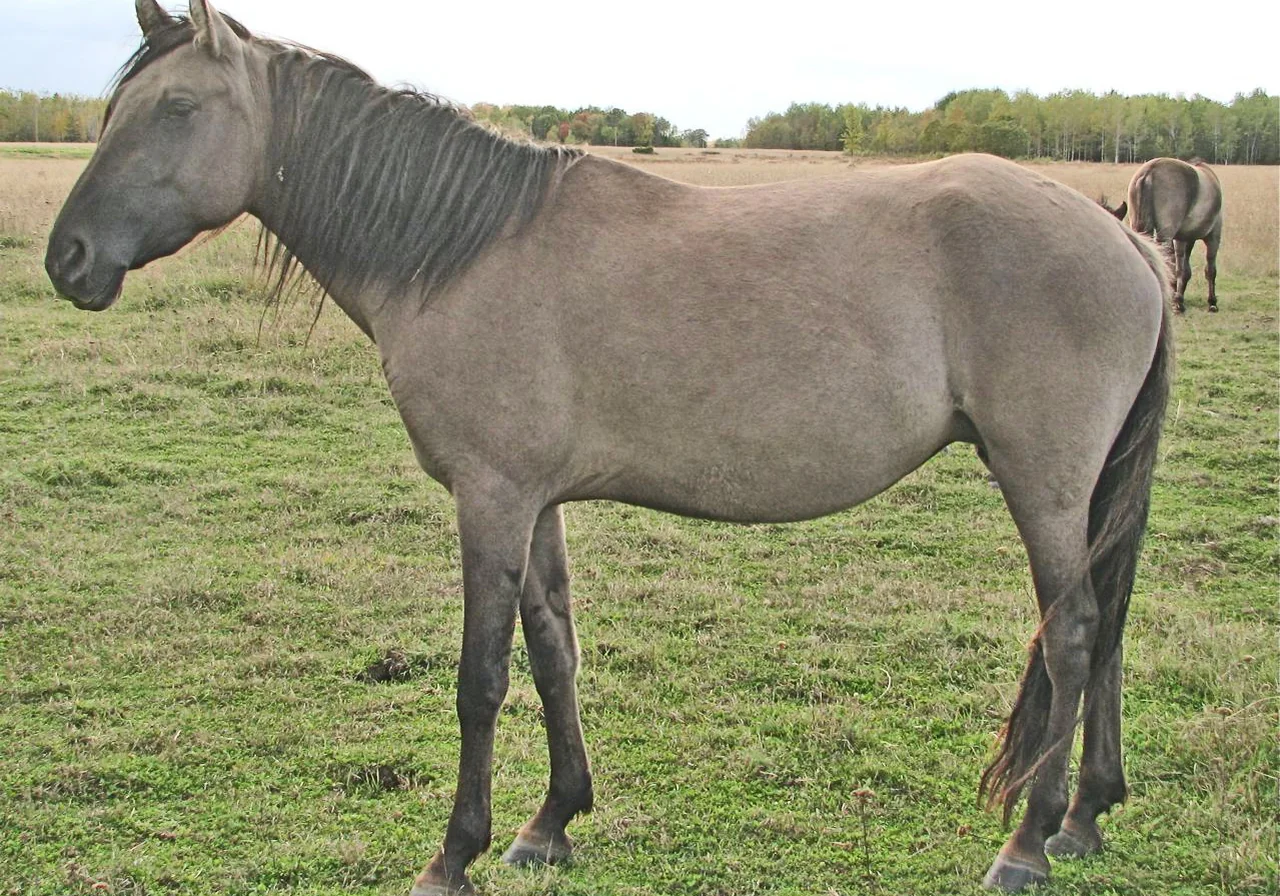
Coat & grooming — Short, dense coat in every equine colour including dun, grulla, roan and appaloosa patterns. Mustangs grow substantial winter hair in harsh ranges. Grooming builds trust during gentling: regular brushing, hoof handling and mane detangling accompany training. Coat condition reflects forage quality on range or in adoption facilities.

Suits — Best suited to experienced handlers willing to gentle or retrain horses through adoption programmes such as the BLM Wild Horse and Burro Program. Mustangs reward patient, consistent work with deep loyalty but are rarely suitable for complete beginners without professional help. They need secure fencing, herd-aware management and gradual domestication after range life.

Health to watch for

  • Hoof care in domestication — Range-hardened hooves may crack or abscess when diet and footing change abruptly after adoption. Transition requires gradual farrier care.
  • Parasites — Wild and newly adopted horses may carry high internal parasite burdens from communal range grazing. Weight loss and poor coat can result.
  • Nutrition transition issues — Sudden access to rich hay or concentrates after sparse range forage can trigger colic or laminitis. Metabolic shock is a real risk.
Full Mustang guide
Akhal-Teke — horse breed guide

22 / Popularity rank 23

Akhal-Teke

The Akhal-Teke is an ancient Turkmen breed famed for metallic coat sheen and extreme endurance in desert conditions. Its defining trait is a lean, hot-blooded athlete with loyal temperament — one of the oldest distinct horse types still bred today.

Size
Light (14.2–16 hands)
Lifespan
25–30 years
Temperament
Enduring, loyal, hot-blooded
Origin
Turkmenistan

Coat & grooming — Uniquely fine, sparse hair with a distinctive metallic gleam in palomino, buckskin, bay and black. The coat lies close to the body with minimal undercoat, reflecting desert adaptation. Grooming enhances natural shine: regular currying and gentle washing. Thin skin and sparse hair increase sensitivity to cold, wet weather and insect bites.

Suits — Suits experienced riders who appreciate sensitive, forward-moving horses for endurance, dressage or showing. Akhal-Tekes bond intensely with trusted handlers and may resist rough or inconsistent training. They need adequate rugging in cold climates, shelter from persistent rain and partners who understand hot-blooded temperament.

Health to watch for

  • Naked foal syndrome (in breeding) — An autosomal recessive disorder producing hairless, sick foals that die shortly after birth. It is a breeding concern, not an adult horse condition.
  • Gastric ulcers — Hot-blooded, stress-sensitive horses develop stomach ulcers from training, travel or intermittent feeding. Poor appetite and mild colic may appear.
  • Thin skin wounds — Delicate skin tears easily on wire, rough play or insect irritation. Wounds may be slow to heal and scar prominently.
Full Akhal-Teke guide
Lipizzan — horse breed guide

23 / Popularity rank 24

Lipizzan

The Lipizzan is the classical baroque horse of the Spanish Riding School in Vienna — born dark and fading to grey, bred for airs above the ground and haute école dressage. Its defining trait is agility, collection and centuries of refined European horsemanship.

Size
Light (15–16.1 hands)
Lifespan
25–30 years
Temperament
Classical, agile, baroque
Origin
Austria

Coat & grooming — Born bay or black, most Lipizzans turn grey or white by adulthood through progressive silvering. Hair is dense with a full mane and tail suited to classical presentation. Regular grooming maintains the gleaming white coat of school stallions; daily brushing and occasional whitening shampoos precede performance. Grey horses need sun protection on pink skin.

Suits — Appropriate for advanced riders and breeders invested in classical dressage traditions. Lipizzans require knowledgeable training, consistent work and respect for their sensitivity. They suit professional or dedicated amateur programmes rather than casual hacking alone, though mature schoolmasters can teach collection under expert instruction.

Health to watch for

  • Navicular syndrome — Collection work and hard arena surfaces contribute to heel pain in some performance Lipizzans. Subtle lameness may affect collected trot.
  • Melanoma in greys — Grey Lipizzans commonly develop benign or malignant melanomas under tail, in mouth or on skin as they age.
  • Colic — Management changes, travel stress and diet disruption trigger colic in stallion-heavy training yards. Lipizzans in intensive programmes need consistent feeding routines.
Full Lipizzan guide
Haflinger — horse breed guide

24 / Popularity rank 25

Haflinger

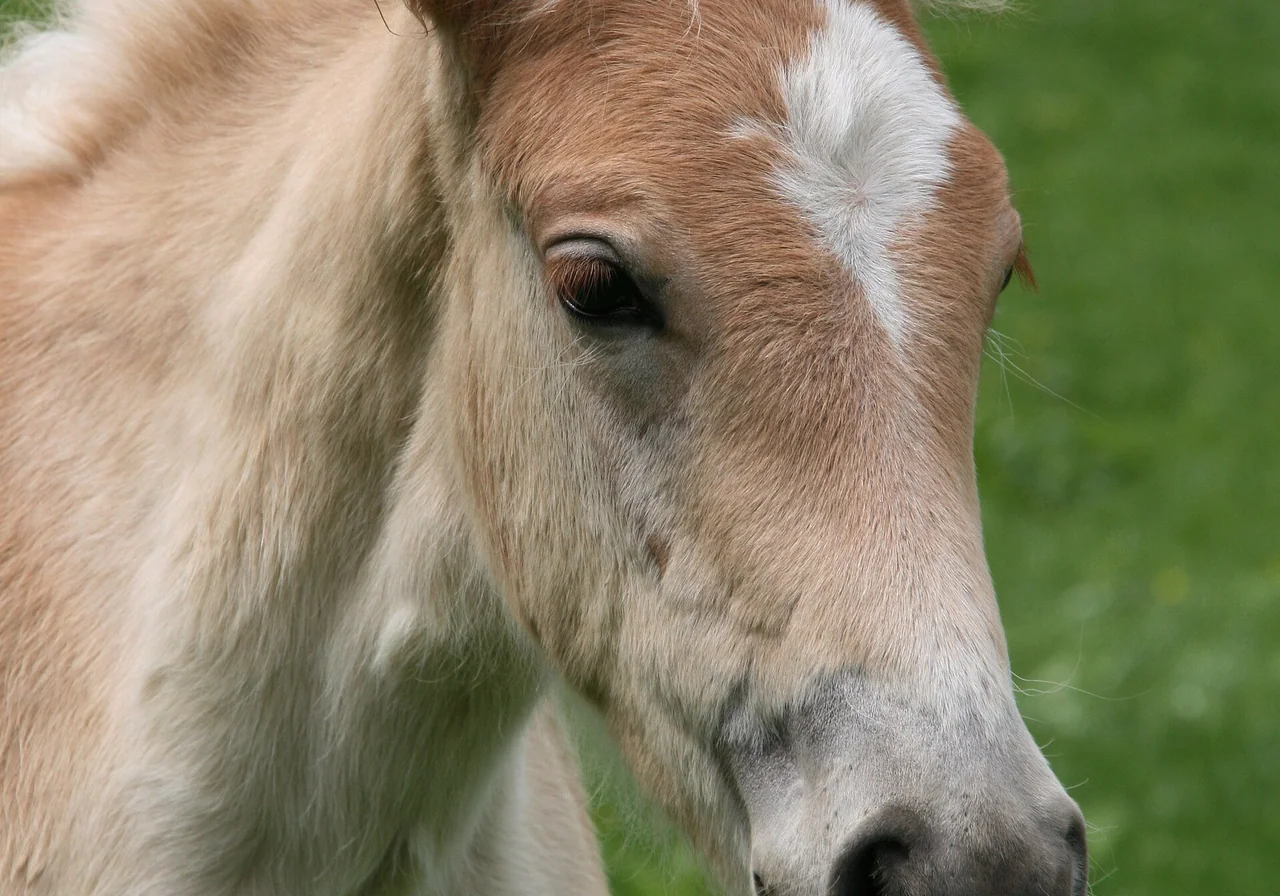
The Haflinger is an Alpine breed from Austria and northern Italy — chestnut with a flaxen mane, sure-footed and gentle. Its defining trait is a compact, versatile mountain horse suited to riding, driving, therapy work and farm tasks in harsh terrain.

Size
Pony (13.2–15 hands)
Lifespan
25–35 years
Temperament
Gentle, sure-footed, chestnut
Origin
Austria/Italy

Coat & grooming — Always chestnut — ranging from liver to golden — with a contrasting white or flaxen mane and tail. The coat is moderately thick for mountain climates, with lighter feather than draft breeds. Weekly grooming, mane detangling and hoof care suffice for most owners; winter coats shed heavily in spring.

Suits — Excellent for families, therapy programmes and riders wanting a sturdy, friendly pony or small horse. Haflingers tolerate children when trained and suit driving as well as riding. They need regular exercise to prevent obesity, companionship and hoof care on varied terrain; many adapt well to leisure and low-level competition homes.

Health to watch for

  • Laminitis — Native-type metabolism and easy weight gain predispose Haflingers to pasture laminitis, especially in spring.
  • Equine metabolic syndrome — Insulin dysregulation with obesity and cresty neck increases laminitis risk in middle-aged Haflingers.
  • Navicular syndrome — Heel pain develops in some Haflingers doing sustained hard work on firm ground. Compact feet still require balanced trimming.
Full Haflinger guide

Most Popular Horse Breeds: frequently asked questions

What is the most popular horse breed?
The American Quarter Horse, by a wide margin — it is the most registered breed in the world, driven by western riding, ranch work and racing over short distances. The Thoroughbred and Arabian follow.
What is the most common horse breed in the world?
The American Quarter Horse holds the largest breed registry globally. Regionally the picture differs: Thoroughbreds dominate where racing is the main industry, and native pony breeds are far more common in parts of Europe.
How long do horses live?
Typically 25 to 30 years with good care, and ponies often longer — some reach their forties. That is a longer commitment than most first-time owners plan for, and it is the single most underestimated part of horse ownership.

Before you go

Most of the world's horses are working animals

The horses in these guides are kept for sport, showing and pleasure. They are a small minority. Across South Asia, Africa and Latin America, tens of millions of horses, donkeys and mules haul bricks, water and goods every day — usually for families whose income depends entirely on that animal staying sound.

The interventions that change those animals' lives are unglamorous: harness that does not cut, hoof care, rest, water, and treatment for wounds before they become fatal. WARN funds partner-led veterinary and welfare work for working equines, and it helps the owner as much as the horse — a treated animal keeps a family earning.