Horse breeds · First-time owners and riders

Best Horse Breeds for Beginners

The breeds most often recommended for beginner riders are the American Quarter Horse, Morgan, Haflinger, Welsh Pony and Irish Draught — chosen for steady temperament, forgiving reactions and sound conformation. Temperament and training matter far more than breed: a well-schooled older horse of any breed beats a young horse of a 'beginner' breed.

How this list was compiled

Editorially selected from the 24 breeds covered in the WARN horse guides, on the basis of steady temperament, forgiving responsiveness and physical soundness as recorded in each guide. Ordered by popularity rank.

The single best predictor of whether a horse suits a beginner is not its breed. It is its age and its schooling. A sensible, well-ridden fifteen-year-old will teach a novice more than any young horse of a breed with a calm reputation.

That said, breed shifts the odds. The horses below are consistently described as level-headed, forgiving of unbalanced riding and physically robust. What is missing from the list matters too: hot-blooded breeds bred for speed and sensitivity are wonderful horses and a poor first horse, because they respond honestly to every mistake a learner makes.

Best Horse Breeds for Beginners at a glance

Breed Size Lifespan Temperament
American Quarter Horse Stock (14.3–16 hands) 25–30 years Calm, willing, versatile
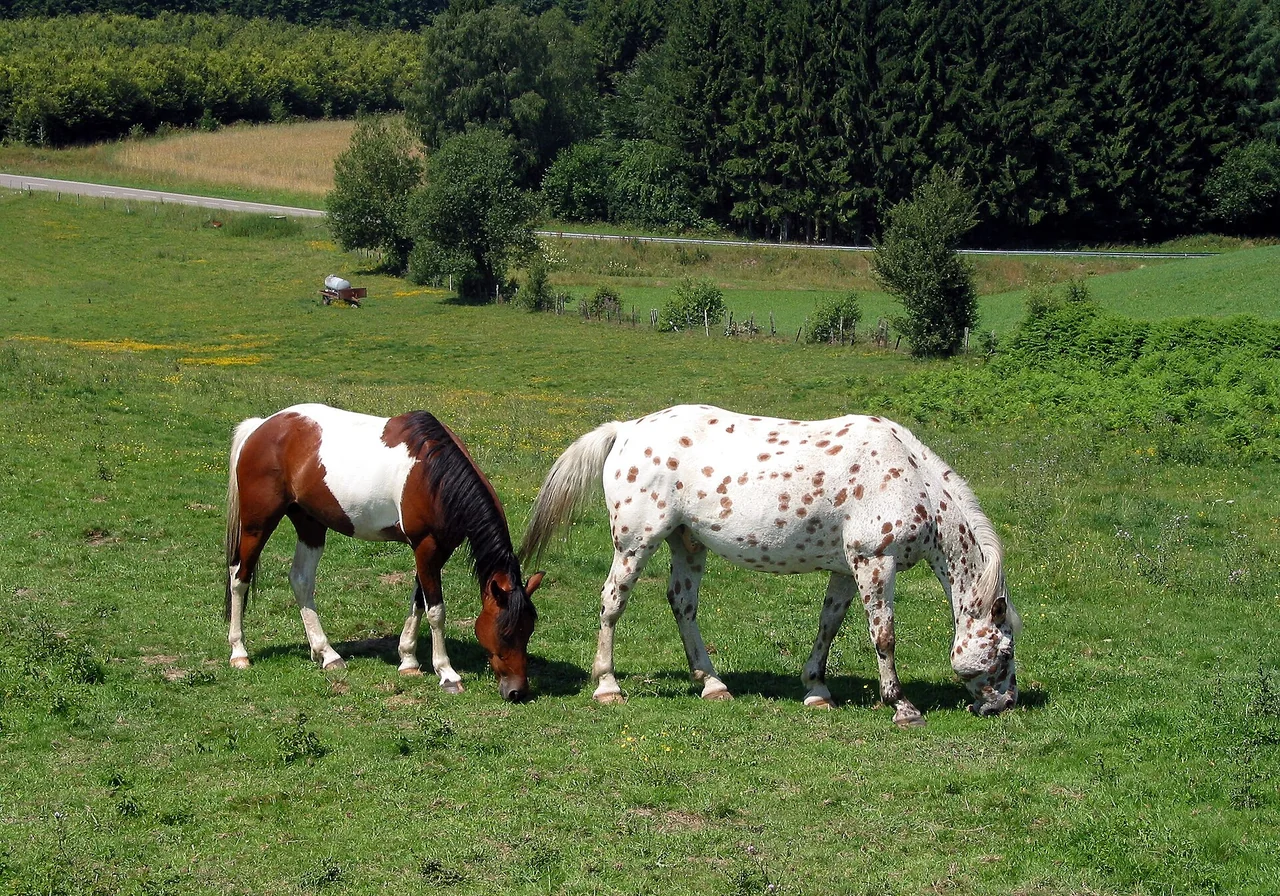
Paint Horse Stock (14.2–16 hands) 25–30 years Intelligent, willing, colourful
Appaloosa Stock (14.2–16 hands) 25–30 years Hardy, versatile, spotted
Morgan Light (14.1–15.2 hands) 25–30 years Versatile, compact, willing
Tennessee Walking Horse Light (15–17 hands) 25–30 years Smooth-gaited, gentle, showy
Welsh Pony Pony (11.2–14.2 hands by section) 25–35 years Active, intelligent, hardy
Irish Draught Draft (15.1–16.3 hands) 25–30 years Sensible, strong, versatile
Haflinger Pony (13.2–15 hands) 25–35 years Gentle, sure-footed, chestnut

Best Horse Breeds for Beginners: full profiles

Each entry covers what the breed was bred for, day-to-day needs, and health problems to watch — with a link to the full guide.

American Quarter Horse — horse breed guide

01 / United States

American Quarter Horse

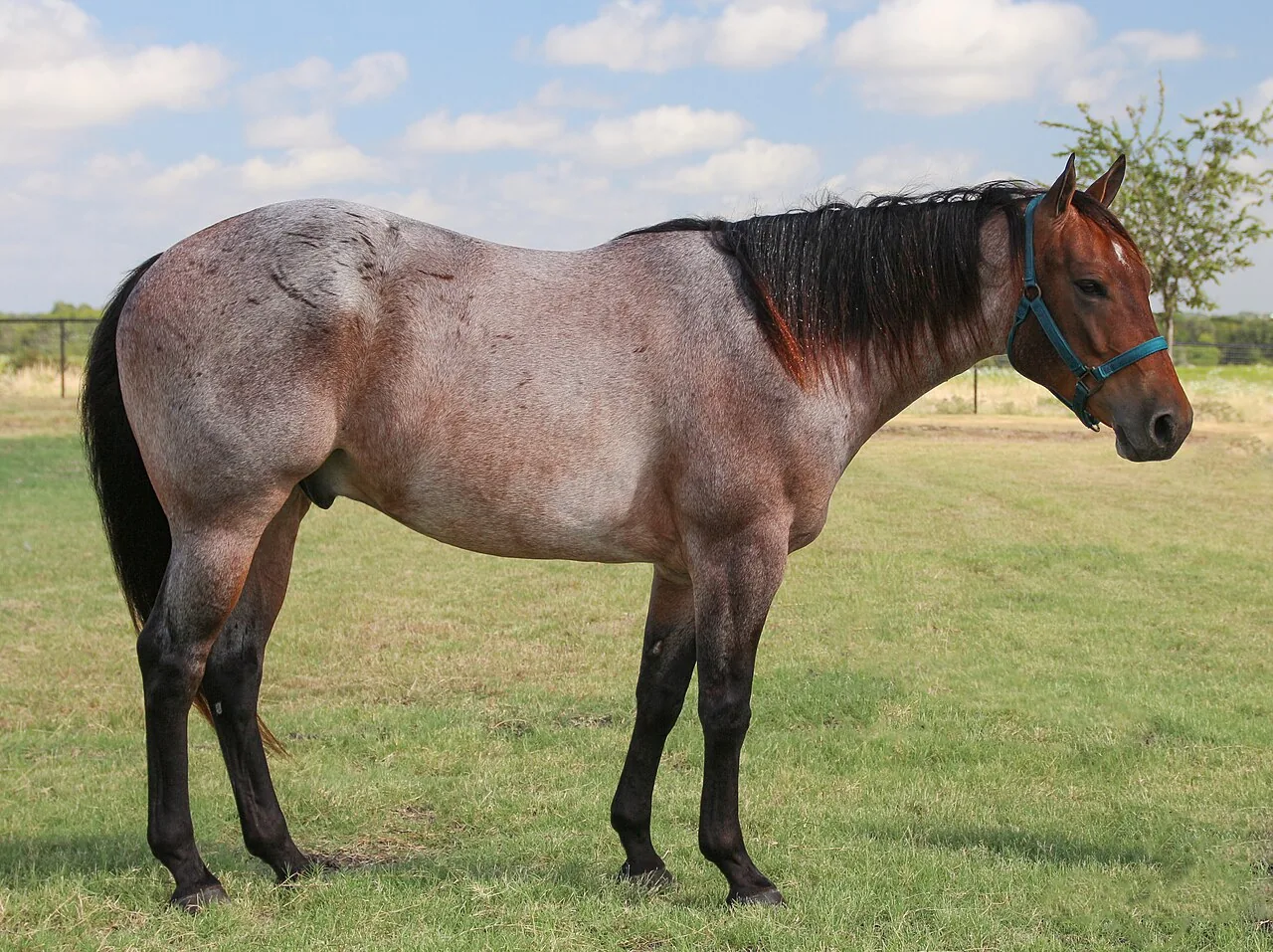
The American Quarter Horse is the most popular breed in the United States, bred for sprinting a quarter mile and for cattle work. It combines muscular hindquarters, a calm temperament and versatility in western riding, ranching and pleasure disciplines.

Size
Stock (14.3–16 hands)
Lifespan
25–30 years
Temperament
Calm, willing, versatile
Origin
United States

Coat & grooming — All solid colours; sorrel and bay are common

Suits — Ranch work, western riders, families with experience, trail and pleasure riding

Health to watch for

  • Polysaccharide storage myopathy (PSSM) — A muscle disorder causing tying-up, stiffness or reluctance to move after exercise.
  • Navicular syndrome — Heel pain linked to hoof balance and conformation, causing lameness.
  • Hyperkalemic periodic paralysis (HYPP) — A genetic muscle condition in lines tracing to the stallion Impressive.
Full American Quarter Horse guide
Paint Horse — horse breed guide

02 / United States

Paint Horse

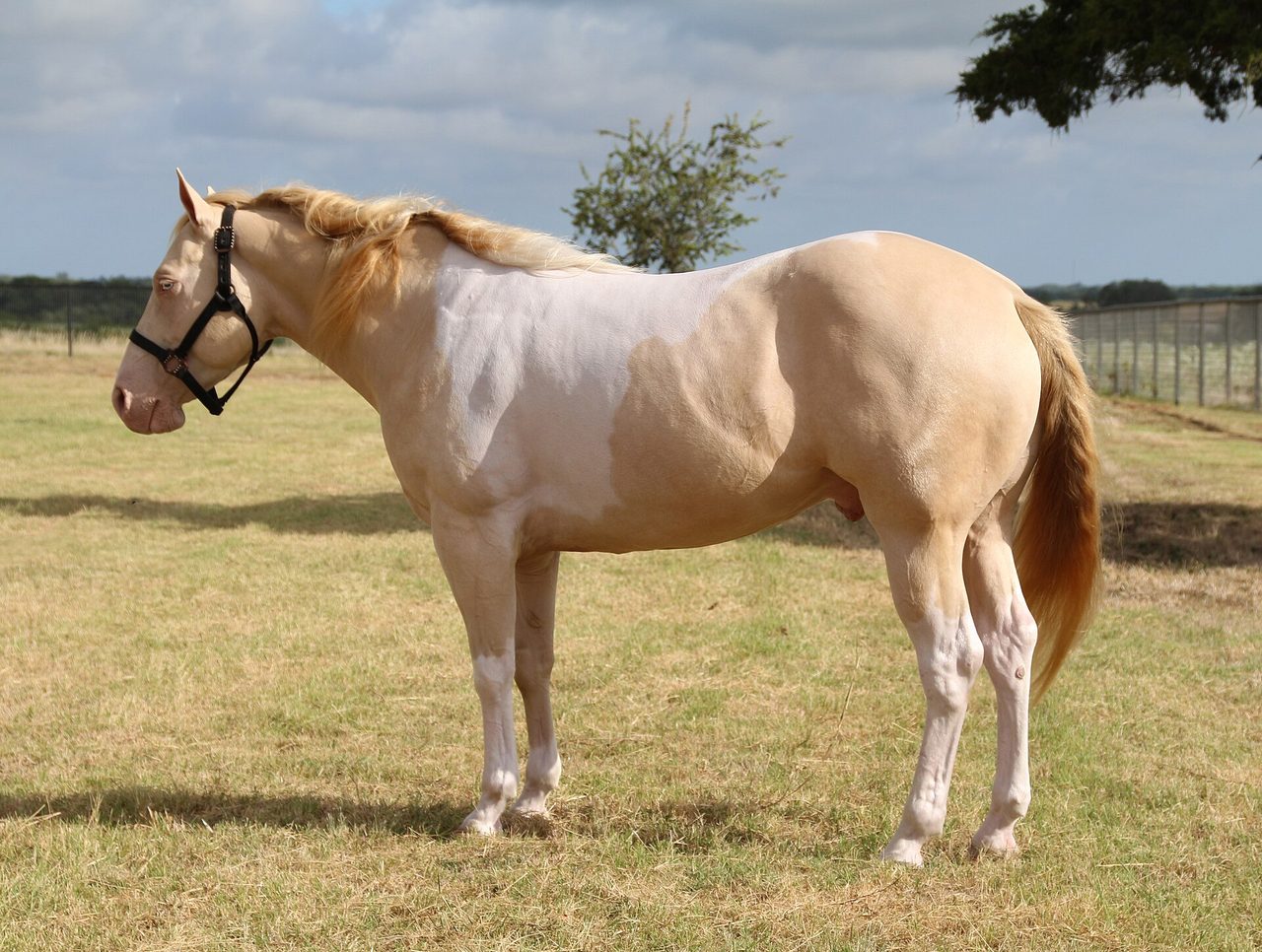
The Paint Horse is an American stock horse breed defined by bold coat patterns — tobiano, overo or tovero — on a muscular Quarter Horse-type frame. Its defining trait is versatility combined with striking colour, making it a popular choice for western riding, trail work and family equestrian programmes.

Size
Stock (14.2–16 hands)
Lifespan
25–30 years
Temperament
Intelligent, willing, colourful
Origin
United States

Coat & grooming — Short, sleek stock-horse coat in any base colour with clearly defined white patterning regulated by breed registry standards. Patterns range from rounded tobiano spots to irregular overo markings; grooming is straightforward with weekly currying and mane or tail detangling. Sun protection may help pink-skinned areas, and coat shine responds well to regular grooming and balanced nutrition.

Suits — Well suited to confident riders and active families who want a calm, willing partner for trail riding, ranch work or youth programmes. Paints generally tolerate children when properly trained and match experienced handlers better than complete novices riding alone. They need regular turnout, a secure paddock and consistent groundwork; most adapt well to herd companions and routine farrier care.

Health to watch for

  • Navicular syndrome — Degeneration of the navicular bone and surrounding structures causes chronic forelimb lameness, often worse on hard ground. Signs include a short, choppy stride and reluctance to turn tightly.
  • Eye conditions — Some lines show increased risk of uveitis, cataracts or other ocular inflammation that may cloud vision or cause squinting. Spotted breeds with pink skin around the eyes warrant particular attention.
  • Lethal white overo (in breeding) — Foals inheriting two overo white-frame genes are born white with intestinal aganglionosis and cannot survive. This is a breeding concern, not a condition affecting adult riding horses.
Full Paint Horse guide
Appaloosa — horse breed guide

03 / United States

Appaloosa

The Appaloosa is an American breed instantly recognisable by leopard-spotted coats, striped hooves and mottled skin. Hardy and versatile, it excels in western disciplines, trail riding and endurance while retaining the legacy of Nez Perce horsemanship.

Size
Stock (14.2–16 hands)
Lifespan
25–30 years
Temperament
Hardy, versatile, spotted
Origin
United States

Coat & grooming — Short, dense summer coat with patterns including leopard spots, blanket, snowflake and varnish roan, often accompanied by striped hooves and speckled muzzle skin. Grooming is routine: weekly brushing and regular hoof picking. Sparse-haired or pink-skinned areas may need sun protection, and winter coats grow thick in colder climates.

Suits — Suits riders who want an intelligent, hardy partner for trail, western or pleasure riding. Appaloosas often bond closely with consistent handlers and tolerate family environments when trained patiently. They need active work, secure fencing and companionship; many do well in mixed herds with adequate space to move.

Health to watch for

  • Equine recurrent uveitis — Also called moon blindness, this immune-mediated eye inflammation recurs and can lead to cataracts or vision loss. Appaloosas are among the breeds most commonly affected.
  • Congenital stationary night blindness — An inherited condition linked to the leopard complex causes poor vision in low light from birth. Affected horses may hesitate in dim stables or at dusk.
  • Hoof problems — Some Appaloosas have thinner hoof walls or slower growth, increasing susceptibility to cracks and abscesses. Striped hooves are normal but still need balanced trimming.
Full Appaloosa guide
Morgan — horse breed guide

04 / United States

Morgan

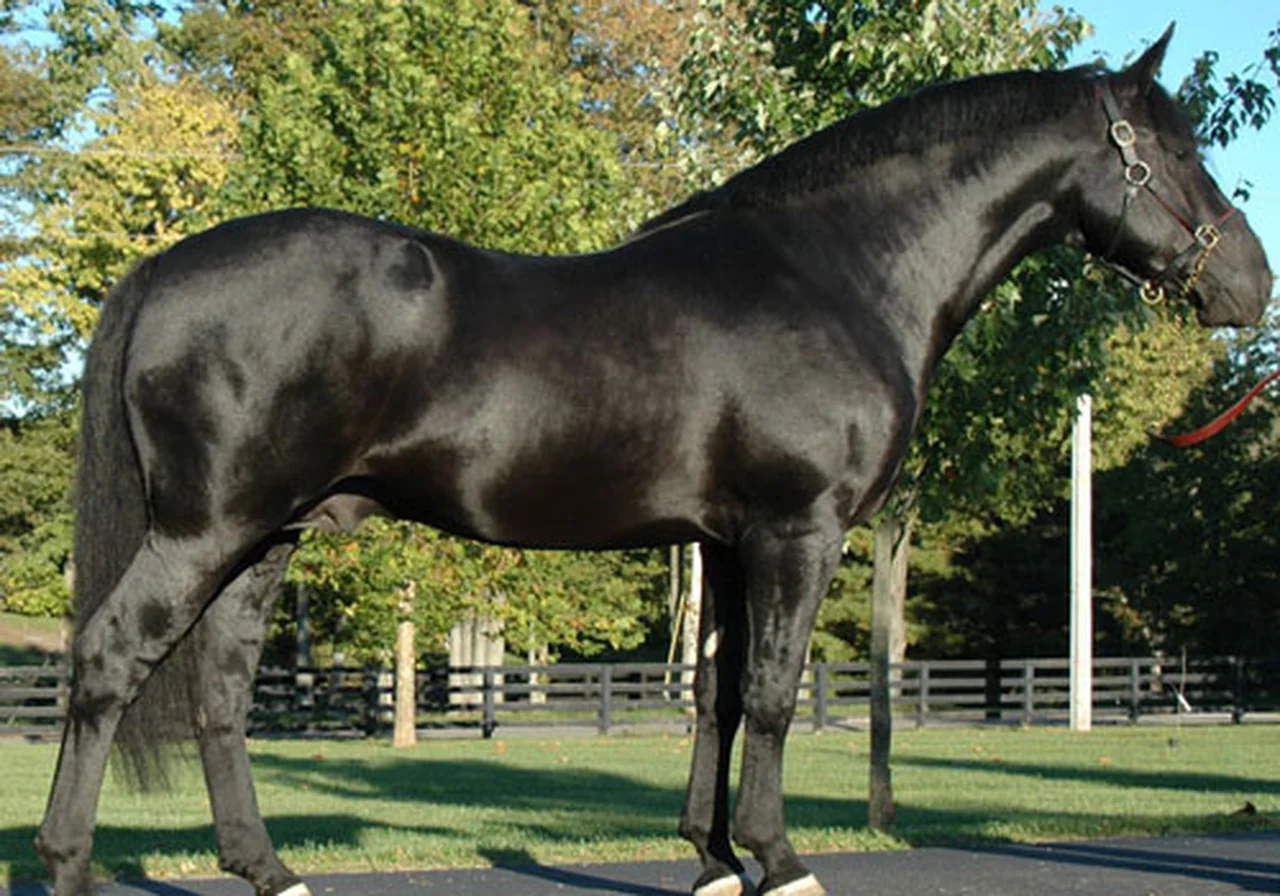
The Morgan is one of America's oldest breeds — a compact, versatile horse descended from a single foundation sire, Figure. Known for strength beyond its size, willing temperament and elegant movement, it suits riding, driving and family equestrian programmes.

Size
Light (14.1–15.2 hands)
Lifespan
25–30 years
Temperament
Versatile, compact, willing
Origin
United States

Coat & grooming — Short, fine coat most commonly bay, black or chestnut, with a full mane and tail that benefit from regular brushing. Grooming is straightforward: curry weekly, mane detangling as needed and routine hoof care. Morgans often have a naturally glossy coat when fed appropriate forage and kept in active work.

Suits — Excellent for riders seeking a sensible, people-oriented horse in a manageable size. Morgans suit dedicated owners from motivated juniors to adults wanting a versatile mount for pleasure, driving or low-level competition. They thrive on attention, consistent training and daily turnout; many tolerate family barn environments well when handled respectfully.

Health to watch for

  • Polysaccharide storage myopathy (PSSM) — A muscle disorder causing tying-up, stiffness or reluctance to move after exercise, linked to abnormal glycogen storage. Morgans and related breeds show higher prevalence in some lines.
  • Navicular syndrome — Chronic heel pain from navicular bone and soft-tissue changes produces lameness worse on hard or uneven ground. Compact breeds doing repetitive arena work may be affected.
  • Cushing's disease (in older horses) — Pituitary dysfunction in ageing horses causes a long curly coat, laminitis risk and muscle wasting. Morgans can develop it as they reach their late teens or twenties.
Full Morgan guide
Tennessee Walking Horse — horse breed guide

05 / United States

Tennessee Walking Horse

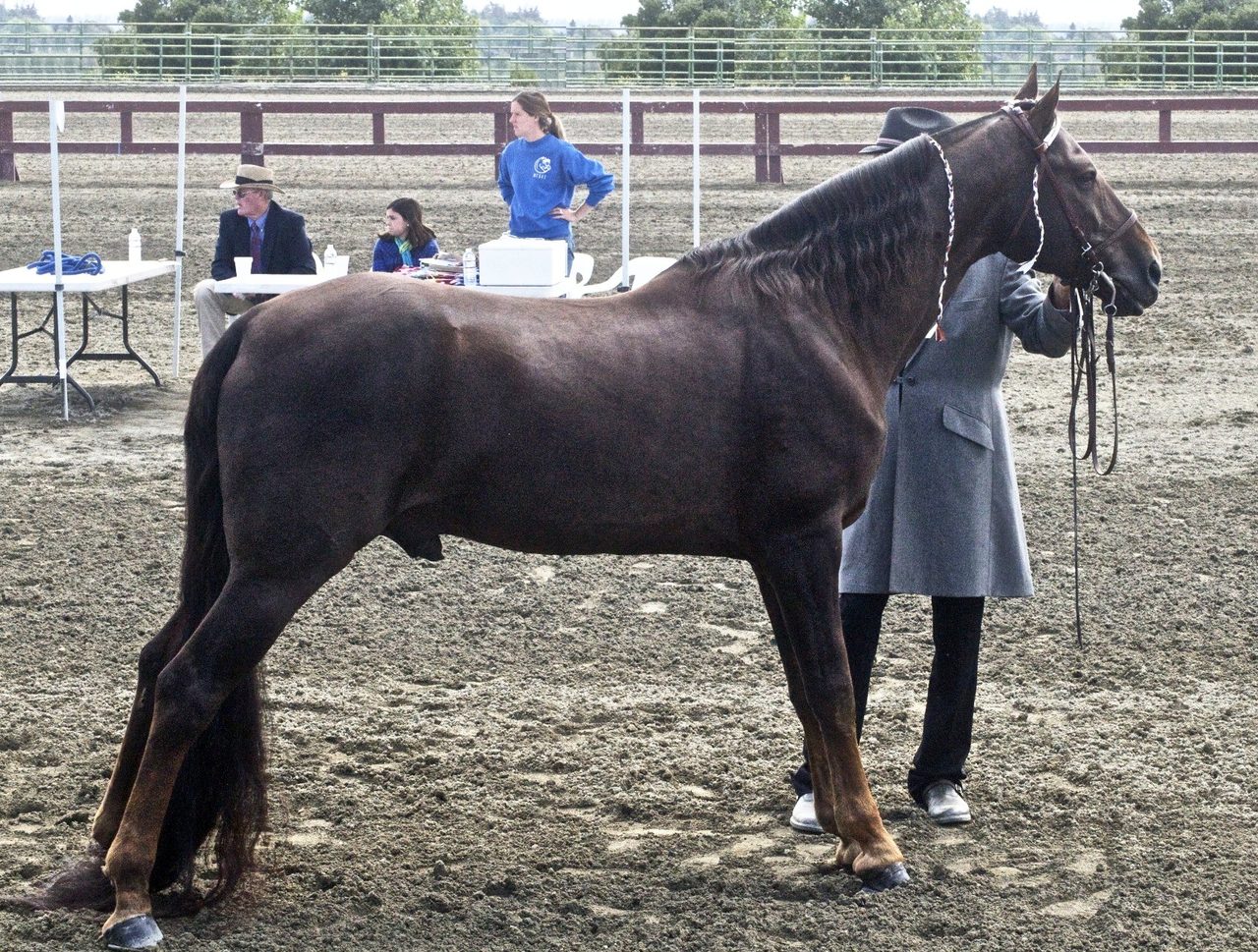
The Tennessee Walking Horse is an American gaited breed celebrated for its running walk — a smooth, four-beat gait that covers ground comfortably for riders of all ages. Its defining trait is effortless, ground-covering movement paired with a calm, people-oriented temperament.

Size
Light (15–17 hands)
Lifespan
25–30 years
Temperament
Smooth-gaited, gentle, showy
Origin
United States

Coat & grooming — Short to medium-length coat in bay, black, chestnut, roan and palomino, often with white facial or leg markings. The abundant mane and tail benefit from regular detangling and conditioning. Grooming is routine: weekly brushing, hoof picking and mane care keep the coat healthy; show horses may receive additional presentation grooming.

Suits — Ideal for riders who want a smooth, comfortable mount for trail riding, pleasure classes or long-distance hacking. Tennessee Walkers suit owners seeking a gentle horse that tolerates novice riders under supervision and excels with patient, consistent training. They need regular exercise, companionship and attentive hoof and back care given their gaits and show history.

Health to watch for

  • Navicular syndrome — Chronic heel pain affecting the navicular region causes forelimb lameness that may worsen on hard surfaces. Gaited horses doing repetitive arena work can be predisposed.
  • Laminitis — Inflammation of the hoof laminae causes severe pain and can lead to founder. Overweight Walkers on rich pasture face elevated risk, especially in spring.
  • Back soreness — Incorrect saddle fit, heavy riders or repetitive gait training can produce muscle tension and reluctance to engage the back. Signs include sensitivity when grooming or bucking when asked to collect.
Full Tennessee Walking Horse guide
Welsh Pony — horse breed guide

06 / Wales

Welsh Pony

The Welsh Pony encompasses several sections of pony and cob from Wales — from the small Mountain Pony to the larger Welsh Cob. Its defining trait is an active, elegant athlete with hardy constitution, widely successful in children's sport, driving and pleasure riding.

Size
Pony (11.2–14.2 hands by section)
Lifespan
25–35 years
Temperament
Active, intelligent, hardy
Origin
Wales

Coat & grooming — Short, dense coat in grey, bay, chestnut, black and roan, with minimal feathering on Mountain types and heavier hair on cob sections. The breed standard emphasises a well-set mane and tail that benefit from regular grooming. Show preparation includes pulling manes for some disciplines; daily hoof care and weekly thorough brushing maintain skin health.

Suits — Excellent for children and teenagers progressing through riding levels, and for adults wanting a versatile pony or small cob for driving and low-level competition. Welsh ponies need confident, consistent handling — they are intelligent and can become sharp if bored. They suit active homes with turnout, companionship and structured exercise rather than weekend-only riding.

Health to watch for

  • Laminitis — Native pony metabolism makes Welsh types susceptible to pasture-associated laminitis, especially in spring or when overweight. Recurrent episodes can cause permanent hoof damage.
  • Navicular syndrome — Heel pain from navicular degeneration occurs in heavier cob sections doing sustained hard work. Lameness may appear gradually on firm ground.
  • Sweet itch — An allergic reaction to Culicoides midge bites causes intense mane and tail rubbing, hair loss and skin damage. Native breeds including Welsh ponies are commonly affected.
Full Welsh Pony guide
Irish Draught — horse breed guide

07 / Ireland

Irish Draught

The Irish Draught is Ireland's native draught breed — a sensible, strong all-rounder that forms the foundation of the Irish Sport Horse. Its defining trait is versatility combining substance, temperament and jumping ability rare in heavier draught types.

Size
Draft (15.1–16.3 hands)
Lifespan
25–30 years
Temperament
Sensible, strong, versatile
Origin
Ireland

Coat & grooming — Short to medium coat most commonly grey, bay or chestnut, with minimal feathering compared with Clydesdale or Shire types. The practical coat suits Irish weather and needs weekly grooming, regular hoof care and occasional bathing before shows. Mane and tail are full but manageable without the heavy feather of continental draught breeds.

Suits — Excellent for riders wanting a sensible, brave partner for hunting, eventing, showing or leisure riding. Irish Draughts and Draught crosses suit amateurs and professionals who value temperament and durability. They need regular work, turnout and hoof care; many thrive in mixed herds and tolerate varied Irish or British weather with adequate shelter.

Health to watch for

  • Navicular syndrome — Heel pain from navicular changes causes chronic forelimb lameness in some heavier riding horses. Hard ground and poor hoof balance worsen signs.
  • Laminitis — Hoof laminae inflammation threatens any horse on rich pasture or with metabolic disease. Draught types can be susceptible when overweight.
  • Joint problems — Arthritis and joint strain develop in horses doing hard hunting or jumping work over many seasons. Stiffness after rest or reduced jumping enthusiasm may appear.
Full Irish Draught guide
Haflinger — horse breed guide

08 / Austria/Italy

Haflinger

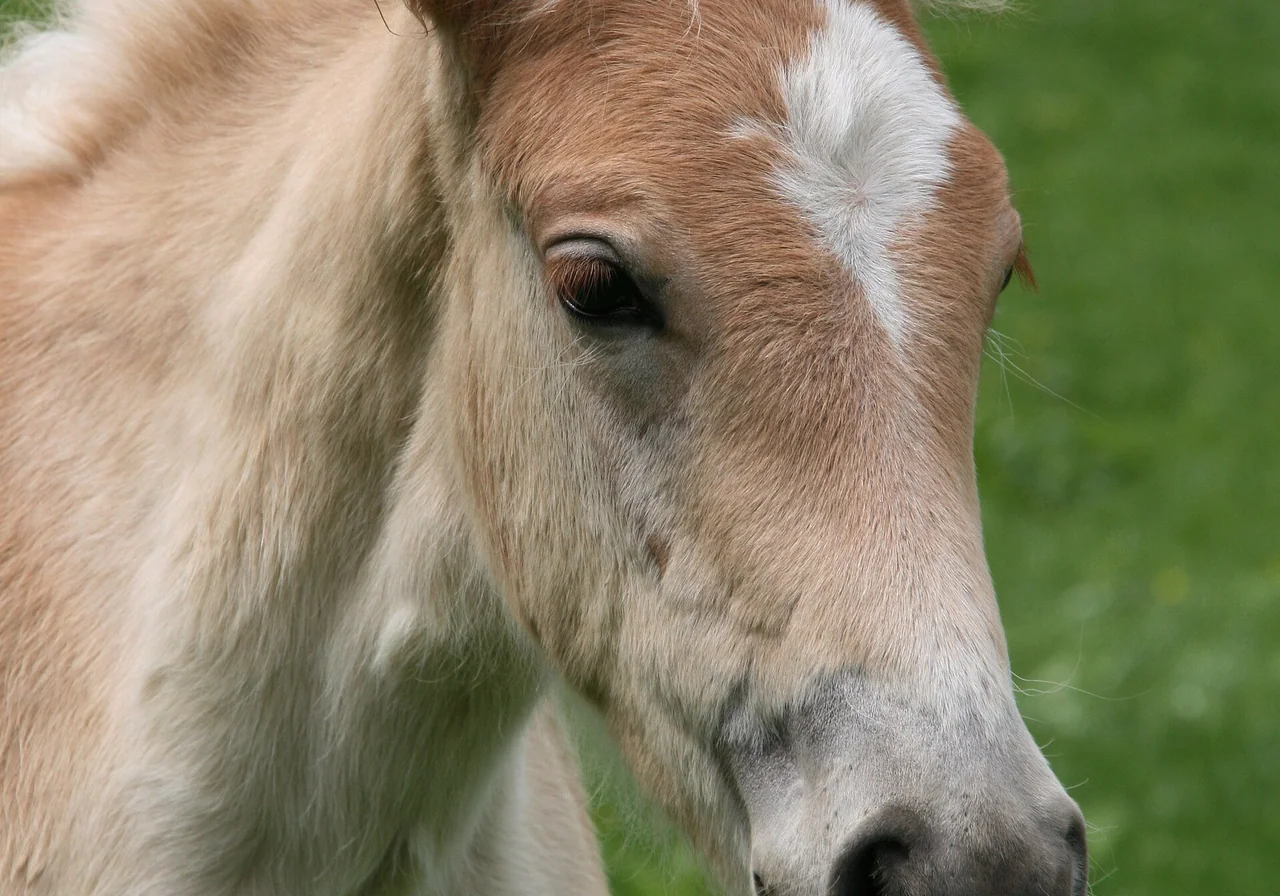
The Haflinger is an Alpine breed from Austria and northern Italy — chestnut with a flaxen mane, sure-footed and gentle. Its defining trait is a compact, versatile mountain horse suited to riding, driving, therapy work and farm tasks in harsh terrain.

Size
Pony (13.2–15 hands)
Lifespan
25–35 years
Temperament
Gentle, sure-footed, chestnut
Origin
Austria/Italy

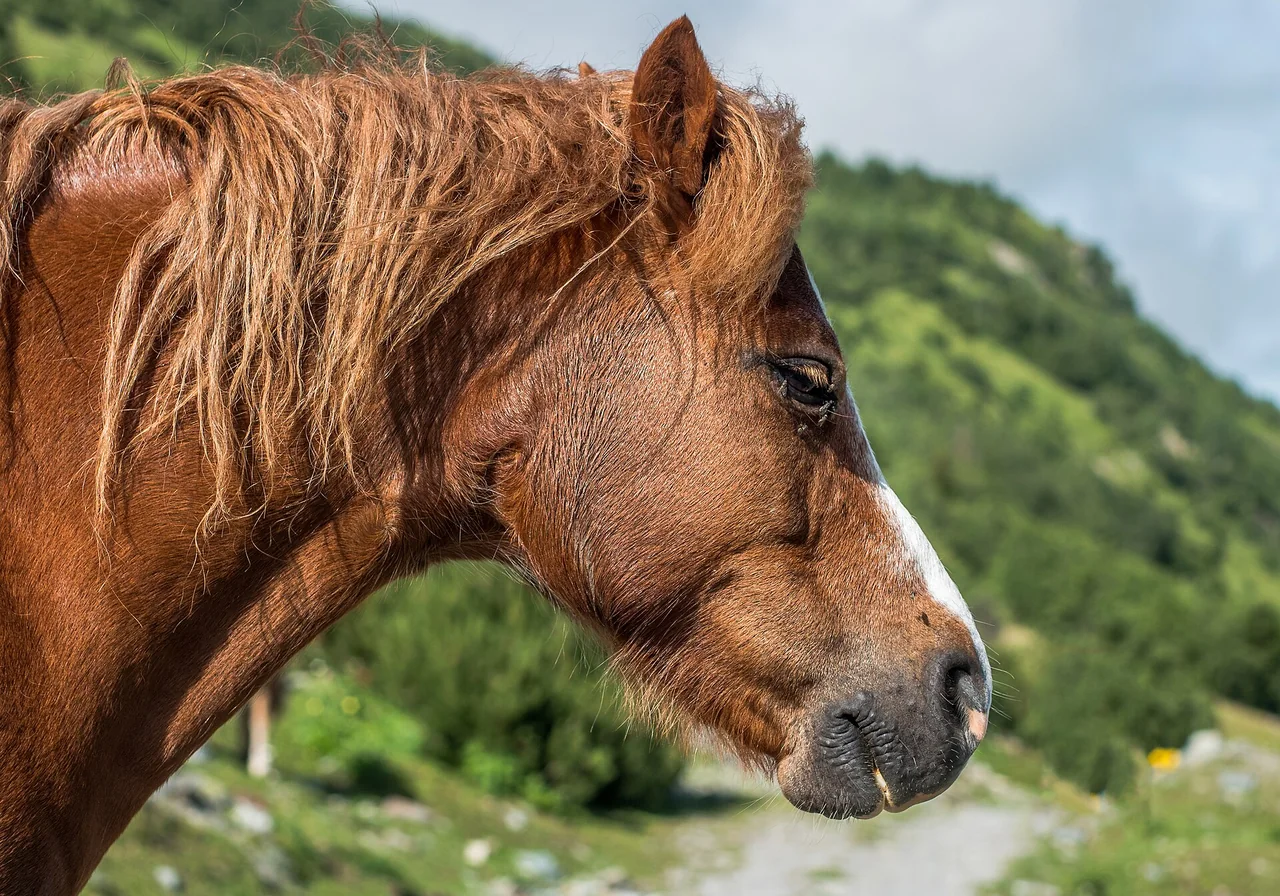
Coat & grooming — Always chestnut — ranging from liver to golden — with a contrasting white or flaxen mane and tail. The coat is moderately thick for mountain climates, with lighter feather than draft breeds. Weekly grooming, mane detangling and hoof care suffice for most owners; winter coats shed heavily in spring.

Suits — Excellent for families, therapy programmes and riders wanting a sturdy, friendly pony or small horse. Haflingers tolerate children when trained and suit driving as well as riding. They need regular exercise to prevent obesity, companionship and hoof care on varied terrain; many adapt well to leisure and low-level competition homes.

Health to watch for

  • Laminitis — Native-type metabolism and easy weight gain predispose Haflingers to pasture laminitis, especially in spring.
  • Equine metabolic syndrome — Insulin dysregulation with obesity and cresty neck increases laminitis risk in middle-aged Haflingers.
  • Navicular syndrome — Heel pain develops in some Haflingers doing sustained hard work on firm ground. Compact feet still require balanced trimming.
Full Haflinger guide

Best Horse Breeds for Beginners: frequently asked questions

What is the best horse breed for a beginner?
The American Quarter Horse is the most common recommendation — calm, willing and physically robust. Morgans and Haflingers are similarly level-headed, and Welsh Ponies suit smaller or younger riders. In every case an older, well-schooled individual matters more than the breed label.
What is the calmest horse breed?
Draft and draft-cross breeds are generally the calmest — Irish Draughts, Clydesdales and Percherons were bred to work steadily around people and machinery. Among riding horses, Quarter Horses, Morgans and Haflingers are the usual answers.
Which horse breeds should a beginner avoid?
Thoroughbreds off the track, Arabians and Akhal-Tekes are all sensitive, reactive breeds that respond immediately to rider error — excellent horses in experienced hands and difficult first horses. Young or green horses of any breed are a poor match for a learning rider.
Is a pony better than a horse for a beginner?
For a child, usually yes, on grounds of size and confidence. For an adult beginner, a calm full-size horse is often easier than a pony — native pony breeds are famously intelligent and quite capable of learning that a nervous rider can be ignored.

Before you go

Most of the world's horses are working animals

The horses in these guides are kept for sport, showing and pleasure. They are a small minority. Across South Asia, Africa and Latin America, tens of millions of horses, donkeys and mules haul bricks, water and goods every day — usually for families whose income depends entirely on that animal staying sound.

The interventions that change those animals' lives are unglamorous: harness that does not cut, hoof care, rest, water, and treatment for wounds before they become fatal. WARN funds partner-led veterinary and welfare work for working equines, and it helps the owner as much as the horse — a treated animal keeps a family earning.