Horse Breed · Germany
Hanoverian
A top Olympic sport-horse breed from Lower Saxony.
By WARN Research & Conservation TeamLast updated
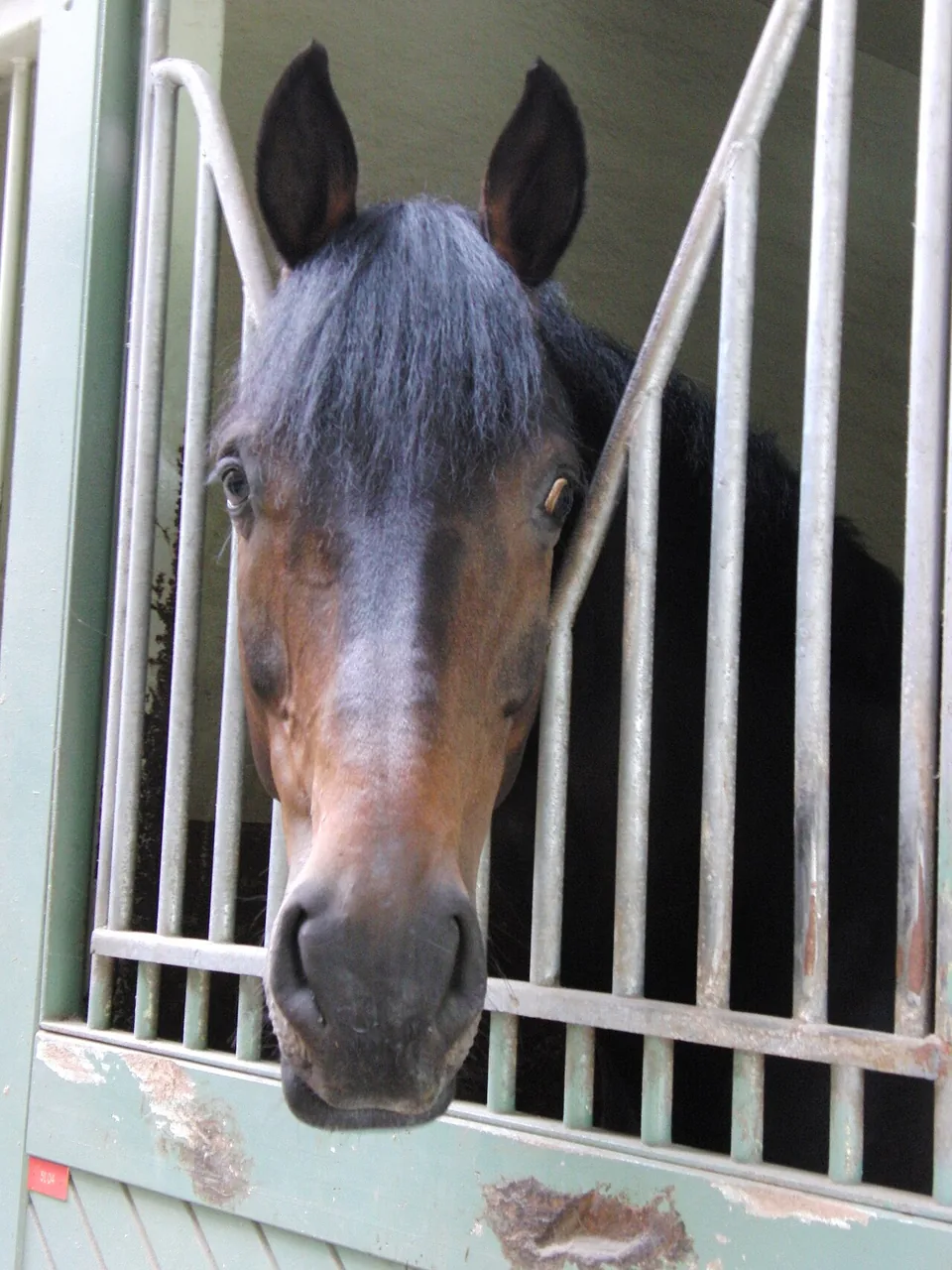
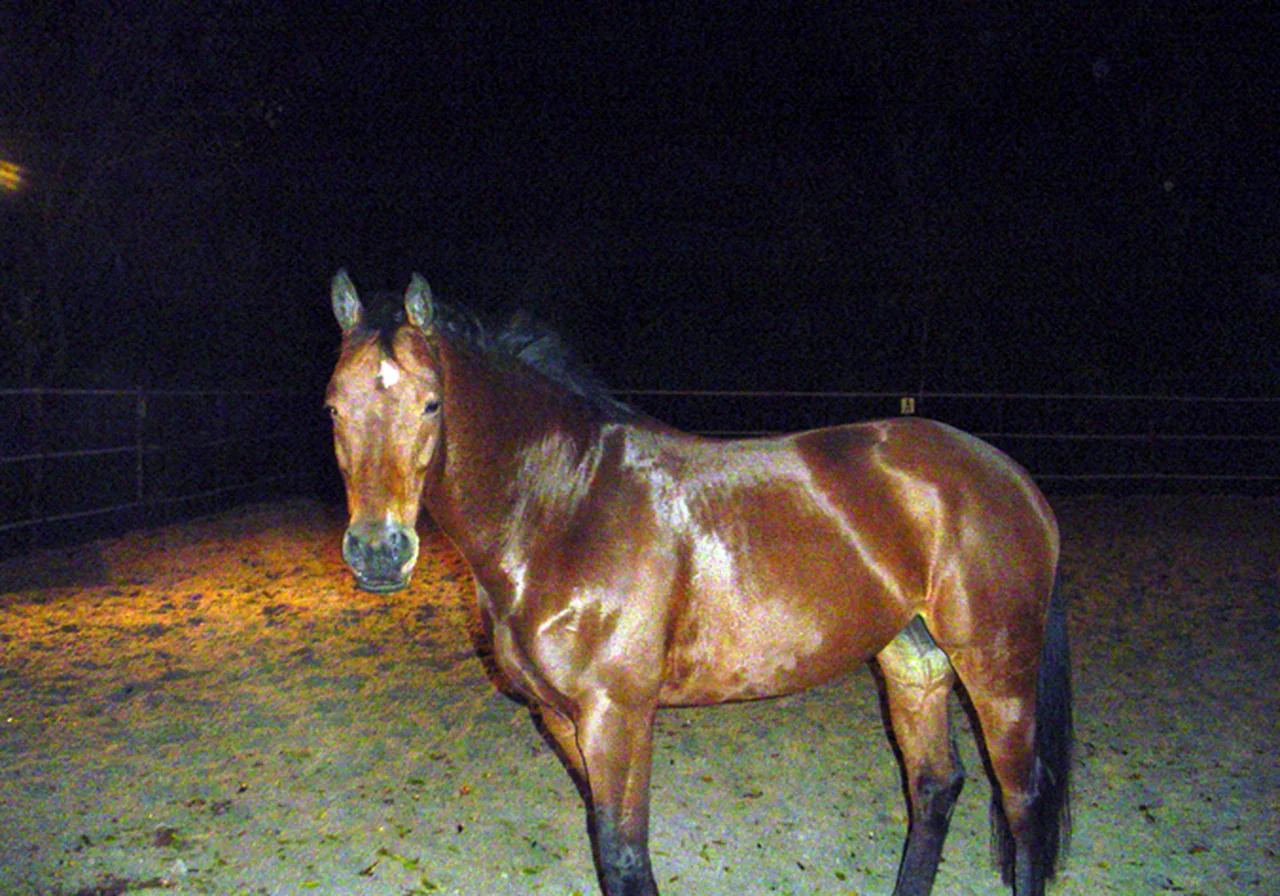
Photo: Wikimedia Commons — File:Lantinus and Lynch.jpg
In brief
The Hanoverian is a German warmblood from Lower Saxony, bred for Olympic equestrian sport including dressage, show jumping and eventing. Its defining trait is balanced rideability combined with elastic gaits and scope — a benchmark sport horse worldwide.
What are the key facts about a Hanoverian?
The Hanoverian is a horse breed from Germany: warmblood (15.3–17 hands), athletic, balanced, rideable. A top Olympic sport-horse breed from Lower Saxony.
| Origin | Germany |
|---|---|
| Size | Warmblood (15.3–17 hands) |
| Typical weight | 550–650 kg (1,210–1,430 lb); typically 15.3–17 hands |
| Lifespan | 25–30 years |
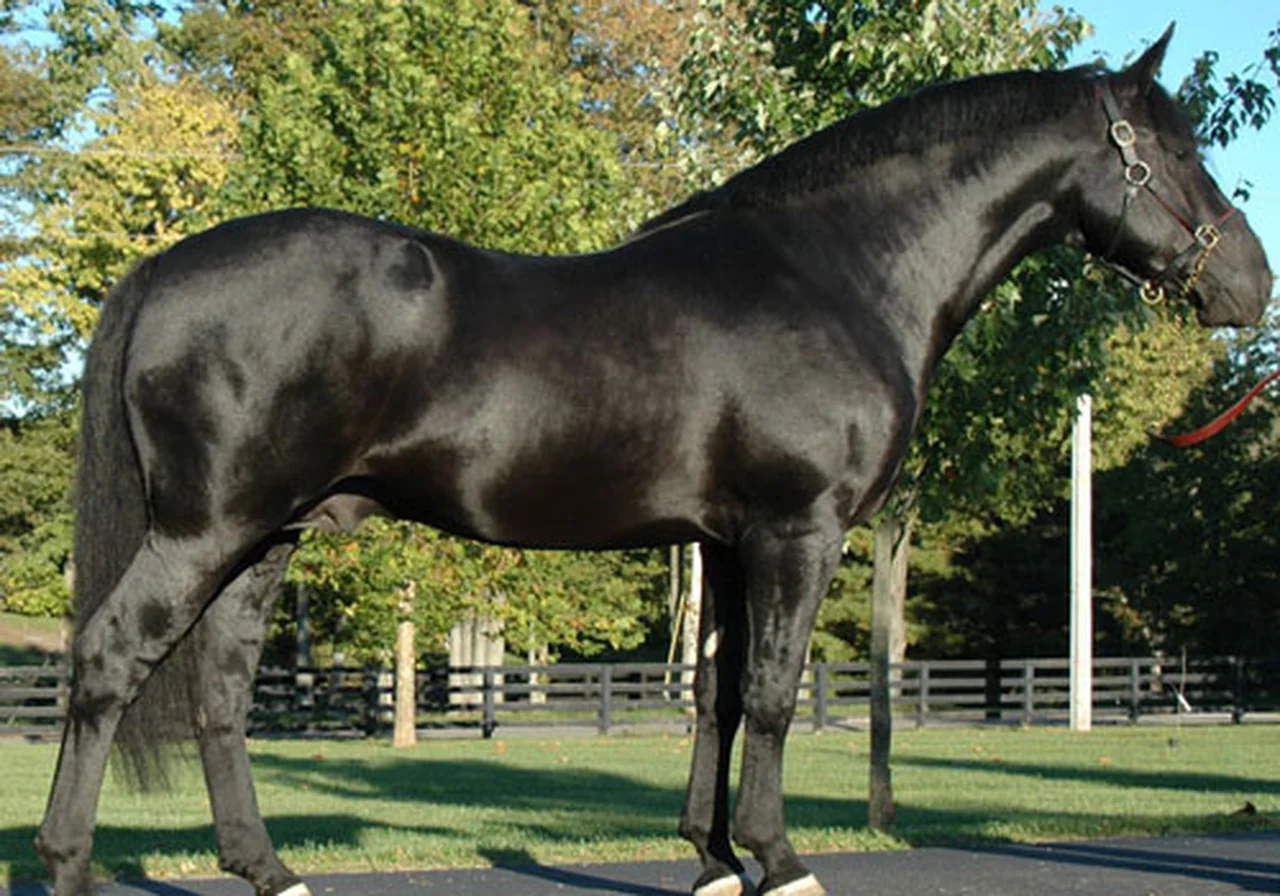
| Coat & colours | Short, fine sport-horse coat in bay, chestnut, black and grey, often with white markings. Coat care is straightforward: regular grooming before work, mane pulling for competition and daily hoof cleaning. Show horses may have trimmed fetlocks; field-kept Hanoverians benefit from standard weekly brushing and rugging as climate requires. |
| Temperament | Athletic, balanced, rideable |
| Best suited to | Best suited to ambitious amateur and professional riders pursuing dressage, jumping or eventing. Hanoverians need knowledgeable training, appropriate fitness programmes and careful farrier and vet support to stay sound at competition level. They suit riders who can provide structured work and professional coaching rather than occasional hacking alone. |
Is a Hanoverian a good horse for you?
A Hanoverian can be a good horse for the right rider — athletic, balanced, rideable, warmblood (15.3–17 hands), from Germany — but it is not a lawn ornament. You need land, a farrier, a vet, and a budget that survives winter.
Match the horse to the job. The Hanoverian was shaped in Germany as a Warmblood (15.3–17 hands) type. The Hanoverian studbook began in 1735 when King George II of Great Britain, also Elector of Hanover, established state breeding at Celle for cavalry and farm work. That history still shows in daily handling: this is a large, long-lived animal (25–30 years), not a seasonal hobby.
First-time owners should not buy from a photo. Try the horse with an instructor, get a pre-purchase vet exam, and be honest about whether you can keep a Hanoverian in work rather than bored in a paddock.
What is a Hanoverian?
A top Olympic sport-horse breed from Lower Saxony. Origin is Germany; coat or markings are described as Short, fine sport-horse coat in bay, chestnut, black and grey, often with white markings. Coat care is straightforward: regular grooming before work, mane pulling for competition and daily hoof cleaning. Show horses may have trimmed fetlocks; field-kept Hanoverians benefit from standard weekly brushing and rugging as climate requires..
Kennel and registry labels describe a type. Individual Hanoverians still vary, and rescue animals may be mixes.
Where does the Hanoverian come from?
Hanoverians come from Germany. The Hanoverian studbook began in 1735 when King George II of Great Britain, also Elector of Hanover, established state breeding at Celle for cavalry and farm work.
Thoroughbred and Anglo-Norman blood refined the type through the 19th century. After the Second World War, breeders pivoted toward modern sport horse conformation. The Verband hannoverscher Warmblutpferdezüchter registers foals only from inspected, performance-tested parents. Hanoverians consistently rank among the top studbooks at Olympic Games and World Championships.
That origin still shows. A Hanoverian is warmblood (15.3–17 hands) and athletic, balanced, rideable, typically living 25–30 years. Use the history as context for care and conservation, not as folklore to repeat without sources.
How much care does a Hanoverian need?
A Hanoverian needs daily forage, hoof care, dental checks and a job. This Germany horse is warmblood (15.3–17 hands) (550–650 kg (1,210–1,430 lb); typically 15.3–17 hands) and typically lives 25–30 years.
Budget for farrier, vet, feed, fencing and winter. A athletic, balanced, rideable Hanoverian still colics, still founds, and still suffers in a small, muddy paddock with no shelter.
Grooming and coat (Short, fine sport-horse coat in bay, chestnut, black and grey, often with white markings. Coat care is straightforward: regular grooming before work, mane pulling for competition and daily hoof cleaning. Show horses may have trimmed fetlocks; field-kept Hanoverians benefit from standard weekly brushing and rugging as climate requires.) are the easy part. The hard part is consistent work so a large horse does not become dangerous from boredom.
What surprises people about the Hanoverian?
A few details about the breed, alongside the practical care information in this guide.
- Hanoverian breeding has been state-organised for nearly three centuries — longer than most warmblood studbooks.
- Only foals from mare and stallion lines that pass inspection can receive Hanoverian branding.
- The breed contributed heavily to Dutch Warmblood and other European sport horse programmes.
- Hanoverian auction prices regularly reach six figures for elite young horses.
What health issues should you know about in a Hanoverian?
Health concerns to discuss with your vet, including changes to watch for and everyday care. This is general guidance, not veterinary advice — always speak to your vet.
Osteochondrosis (OCD)
Developmental cartilage defects in joints can cause loose fragments, swelling and lameness in growing sport horses. Stifle and hock joints are commonly affected.
Care: Monitor growing horses for heat or swelling; surgical removal of fragments may be needed. Work with your vet on nutrition and controlled exercise during development.
Navicular syndrome
Chronic heel pain develops in some performance horses from repetitive concussion and hoof balance issues. Gradual forelimb lameness on hard ground is typical.
Care: Therapeutic farriery, footing management and veterinary pain control maintain comfort. Early intervention preserves competition careers.
Lameness in sport horses
Soft-tissue strains, joint inflammation and hoof imbalance cause performance limiting lameness in trained athletes. Subtle resistance to collection may be the first sign.
Care: Schedule regular vet checks, allow adequate recovery after competition and address minor lameness before it becomes chronic.
Who should skip a Hanoverian?
Skip a Hanoverian if you are anyone without land, zoning permission, and a vet. This Germany horse is warmblood (15.3–17 hands) and athletic, balanced, rideable — the mismatch is usually lifestyle, not a missing accessory.
This page is allowed to say no. Skip if you are anyone without land, zoning permission, and a vet.
A different horse breed on this site may fit. Wanting “a Hanoverian” after a film or a colour photo is not a reason to ignore the skip list.
What are the hidden catches with a Hanoverian?
The hidden cost of a Hanoverian is usually not the purchase price. It is years of care, the health list on this page, and the mismatch between a athletic, balanced, rideable animal and a busy home.
The impulse-buy catch
A Hanoverian from Germany is often sold on looks. Coat, colour and size are not a temperament test. Meet the adult animal, ask about health screening, and walk away from pressure sales.
The osteochondrosis (ocd) catch
Developmental cartilage defects in joints can cause loose fragments, swelling and lameness in growing sport horses. Stifle and hock joints are commonly affected. Monitor growing horses for heat or swelling; surgical removal of fragments may be needed. Work with your vet on nutrition and controlled exercise during development.
The navicular syndrome catch
Chronic heel pain develops in some performance horses from repetitive concussion and hoof balance issues. Gradual forelimb lameness on hard ground is typical. Therapeutic farriery, footing management and veterinary pain control maintain comfort. Early intervention preserves competition careers.
How does a Hanoverian compare with Dutch Warmblood and Irish Draught?
A Hanoverian is not interchangeable with Dutch Warmblood and Irish Draught. Compare origin, size, lifespan and temperament before you choose — those four lines prevent most regret.
| Horse fact | Hanoverian | Dutch Warmblood | Irish Draught |
|---|---|---|---|
| Origin | Germany | Netherlands | Ireland |
| Size | Warmblood (15.3–17 hands) | Warmblood (15.3–17 hands) | Draft (15.1–16.3 hands) |
| Lifespan | 25–30 years | 25–30 years | 25–30 years |
| Temperament | Athletic, balanced, rideable | Powerful, scopey, competitive | Sensible, strong, versatile |
What is the verdict on the Hanoverian?
Choose a Hanoverian only if the care, skip-if and health sections still look like your life after a week of thinking. Otherwise pick a different horse or wait. Rescue is usually the better first door than a waiting-list puppy or kitten.
If the match is real, budget for 25–30 years of vet care and do not skip health screening. If it is not, walking away is the kind choice — for you and for the animal.
Working horses need better welfare
Millions of horses worldwide still haul loads, plough fields and carry families to work. WARN publishes these guides to raise awareness of working-equine welfare — and we encourage supporters who want to help horses directly to give where evidence-based equine programmes operate.