Horse Breed · United States
Paint Horse
Distinctive coat patterns on a muscular stock-horse frame.
By WARN Research & Conservation TeamLast updated
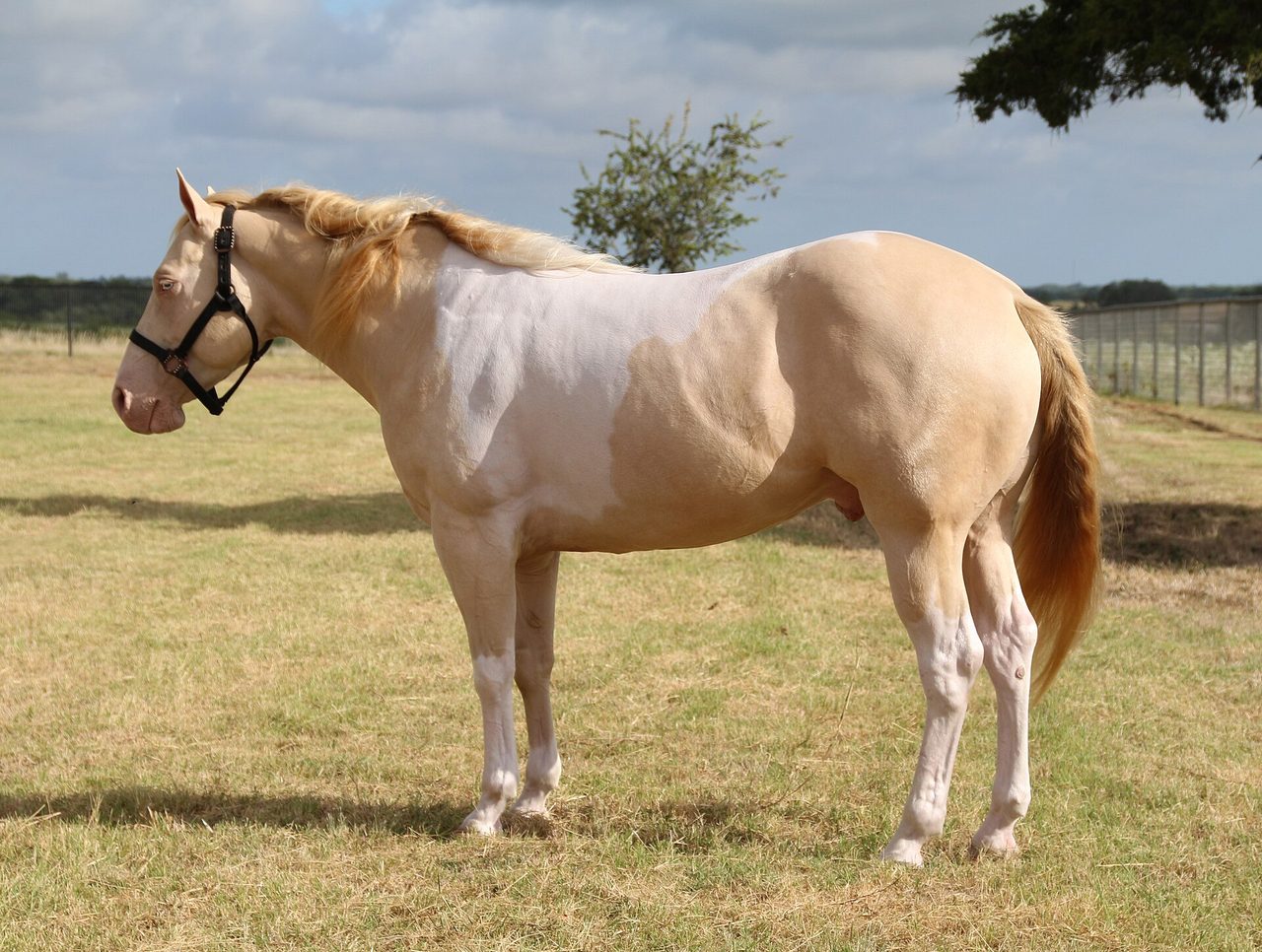
Photo: Betty Wills / Wikimedia Commons (CC BY-SA 4.0)
In brief
The Paint Horse is an American stock horse breed defined by bold coat patterns — tobiano, overo or tovero — on a muscular Quarter Horse-type frame. Its defining trait is versatility combined with striking colour, making it a popular choice for western riding, trail work and family equestrian programmes.
What are the key facts about a Paint Horse?
The Paint Horse is a horse breed from United States: stock (14.2–16 hands), intelligent, willing, colourful. Distinctive coat patterns on a muscular stock-horse frame.
| Origin | United States |
|---|---|
| Size | Stock (14.2–16 hands) |
| Typical weight | 430–570 kg (950–1,260 lb); typically 14.2–16 hands at the withers |
| Lifespan | 25–30 years |
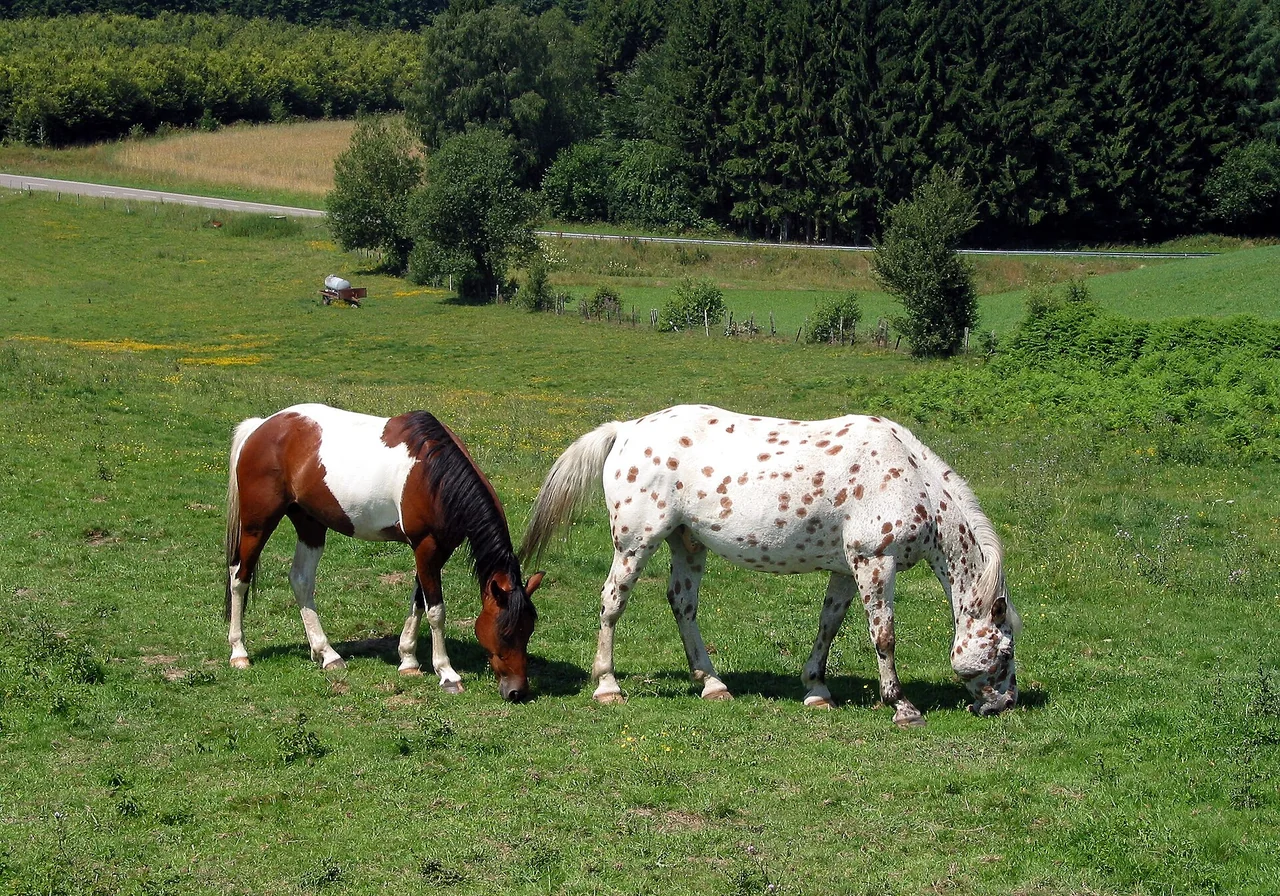
| Coat & colours | Short, sleek stock-horse coat in any base colour with clearly defined white patterning regulated by breed registry standards. Patterns range from rounded tobiano spots to irregular overo markings; grooming is straightforward with weekly currying and mane or tail detangling. Sun protection may help pink-skinned areas, and coat shine responds well to regular grooming and balanced nutrition. |
| Temperament | Intelligent, willing, colourful |
| Best suited to | Well suited to confident riders and active families who want a calm, willing partner for trail riding, ranch work or youth programmes. Paints generally tolerate children when properly trained and match experienced handlers better than complete novices riding alone. They need regular turnout, a secure paddock and consistent groundwork; most adapt well to herd companions and routine farrier care. |
Is a Paint Horse a good horse for you?
A Paint Horse can be a good horse for the right rider — intelligent, willing, colourful, stock (14.2–16 hands), from United States — but it is not a lawn ornament. You need land, a farrier, a vet, and a budget that survives winter.
Match the horse to the job. The Paint Horse was shaped in United States as a Stock (14.2–16 hands) type. Paint Horses trace their roots to Spanish horses brought to North America, whose spotted descendants were valued by Native American tribes including the Comanche. That history still shows in daily handling: this is a large, long-lived animal (25–30 years), not a seasonal hobby.
First-time owners should not buy from a photo. Try the horse with an instructor, get a pre-purchase vet exam, and be honest about whether you can keep a Paint Horse in work rather than bored in a paddock.
What is a Paint Horse?
Distinctive coat patterns on a muscular stock-horse frame. Origin is United States; coat or markings are described as Short, sleek stock-horse coat in any base colour with clearly defined white patterning regulated by breed registry standards. Patterns range from rounded tobiano spots to irregular overo markings; grooming is straightforward with weekly currying and mane or tail detangling. Sun protection may help pink-skinned areas, and coat shine responds well to regular grooming and balanced nutrition..
Kennel and registry labels describe a type. Individual Paint Horses still vary, and rescue animals may be mixes.
Where does the Paint Horse come from?
Paint Horses come from United States. Paint Horses trace their roots to Spanish horses brought to North America, whose spotted descendants were valued by Native American tribes including the Comanche.
The modern breed was formalised in the mid-20th century when enthusiasts crossed colourful horses with American Quarter Horse and Thoroughbred blood to produce athletic stock types with registry-approved patterns. The American Paint Horse Association was founded in 1962 and remains one of the world's largest colour breed registries. Today Paints excel in reining, cutting, trail riding and pleasure classes across the United States and beyond.
How much care does a Paint Horse need?
A Paint Horse needs daily forage, hoof care, dental checks and a job. This United States horse is stock (14.2–16 hands) (430–570 kg (950–1,260 lb); typically 14.2–16 hands at the withers) and typically lives 25–30 years.
Budget for farrier, vet, feed, fencing and winter. A intelligent, willing, colourful Paint Horse still colics, still founds, and still suffers in a small, muddy paddock with no shelter.
Grooming and coat (Short, sleek stock-horse coat in any base colour with clearly defined white patterning regulated by breed registry standards. Patterns range from rounded tobiano spots to irregular overo markings; grooming is straightforward with weekly currying and mane or tail detangling. Sun protection may help pink-skinned areas, and coat shine responds well to regular grooming and balanced nutrition.) are the easy part. The hard part is consistent work so a large horse does not become dangerous from boredom.
What surprises people about the Paint Horse?
A few details about the breed, alongside the practical care information in this guide.
- Every Paint pattern is unique — no two registered horses carry exactly the same white markings.
- Tobiano Paints often have white legs and rounded spots, while overo patterns tend to be more irregular with dark legs.
- The breed shares much of its ancestry with the American Quarter Horse and can be dual-registered when colour requirements are met.
- Spotted horses appear in ancient cave art, but the modern Paint registry was only established in the 1960s.
What health issues should you know about in a Paint Horse?
Health concerns to discuss with your vet, including changes to watch for and everyday care. This is general guidance, not veterinary advice — always speak to your vet.
Navicular syndrome
Degeneration of the navicular bone and surrounding structures causes chronic forelimb lameness, often worse on hard ground. Signs include a short, choppy stride and reluctance to turn tightly.
Care: Corrective shoeing, controlled exercise and pain management under veterinary guidance are central. Early farrier and vet assessment improves long-term comfort.
Eye conditions
Some lines show increased risk of uveitis, cataracts or other ocular inflammation that may cloud vision or cause squinting. Spotted breeds with pink skin around the eyes warrant particular attention.
Care: Schedule routine ophthalmic checks and treat redness, tearing or light sensitivity promptly. Fly masks and stable management reduce irritant exposure.
Lethal white overo (in breeding)
Foals inheriting two overo white-frame genes are born white with intestinal aganglionosis and cannot survive. This is a breeding concern, not a condition affecting adult riding horses.
Care: Use genetic testing before mating overo-patterned horses and consult breed registry guidance. Responsible breeding prevents affected foals.
Who should skip a Paint Horse?
Skip a Paint Horse if you are owners who wanted a low-exercise companion. This United States horse is stock (14.2–16 hands) and intelligent, willing, colourful — the mismatch is usually lifestyle, not a missing accessory.
This page is allowed to say no. Skip if you are owners who wanted a low-exercise companion. Skip if you are anyone without land, zoning permission, and a vet.
A different horse breed on this site may fit. Wanting “a Paint Horse” after a film or a colour photo is not a reason to ignore the skip list.
What are the hidden catches with a Paint Horse?
The hidden cost of a Paint Horse is usually not the purchase price. It is years of care, the health list on this page, and the mismatch between a intelligent, willing, colourful animal and a busy home.
The impulse-buy catch
A Paint Horse from United States is often sold on looks. Coat, colour and size are not a temperament test. Meet the adult animal, ask about health screening, and walk away from pressure sales.
The navicular syndrome catch
Degeneration of the navicular bone and surrounding structures causes chronic forelimb lameness, often worse on hard ground. Signs include a short, choppy stride and reluctance to turn tightly. Corrective shoeing, controlled exercise and pain management under veterinary guidance are central. Early farrier and vet assessment improves long-term comfort.
The eye conditions catch
Some lines show increased risk of uveitis, cataracts or other ocular inflammation that may cloud vision or cause squinting. Spotted breeds with pink skin around the eyes warrant particular attention. Schedule routine ophthalmic checks and treat redness, tearing or light sensitivity promptly. Fly masks and stable management reduce irritant exposure.
How does a Paint Horse compare with Appaloosa and Morgan?
A Paint Horse is not interchangeable with Appaloosa and Morgan. Compare origin, size, lifespan and temperament before you choose — those four lines prevent most regret.
| Horse fact | Paint Horse | Appaloosa | Morgan |
|---|---|---|---|
| Origin | United States | United States | United States |
| Size | Stock (14.2–16 hands) | Stock (14.2–16 hands) | Light (14.1–15.2 hands) |
| Lifespan | 25–30 years | 25–30 years | 25–30 years |
| Temperament | Intelligent, willing, colourful | Hardy, versatile, spotted | Versatile, compact, willing |
What is the verdict on the Paint Horse?
Choose a Paint Horse only if the care, skip-if and health sections still look like your life after a week of thinking. Otherwise pick a different horse or wait. Rescue is usually the better first door than a waiting-list puppy or kitten.
If the match is real, budget for 25–30 years of vet care and do not skip health screening. If it is not, walking away is the kind choice — for you and for the animal.
Working horses need better welfare
Millions of horses worldwide still haul loads, plough fields and carry families to work. WARN publishes these guides to raise awareness of working-equine welfare — and we encourage supporters who want to help horses directly to give where evidence-based equine programmes operate.