Horse Breed · France
Percheron
Grey or black French draft horse with surprising agility for its size.
By WARN Research & Conservation TeamLast updated
In brief
The Percheron is a French draft breed known for grey or black colouring and surprising agility for its size. Its defining trait is an active, intelligent draft horse that historically pulled stagecoaches and still excels in driving and crossbreeding programmes.
What are the key facts about a Percheron?
The Percheron is a horse breed from France: draft (15.1–18 hands), intelligent, active draft. Grey or black French draft horse with surprising agility for its size.
| Origin | France |
|---|---|
| Size | Draft (15.1–18 hands) |
| Typical weight | 860–1,090 kg (1,900–2,400 lb); typically 15.1–18 hands |
| Lifespan | 25–30 years |
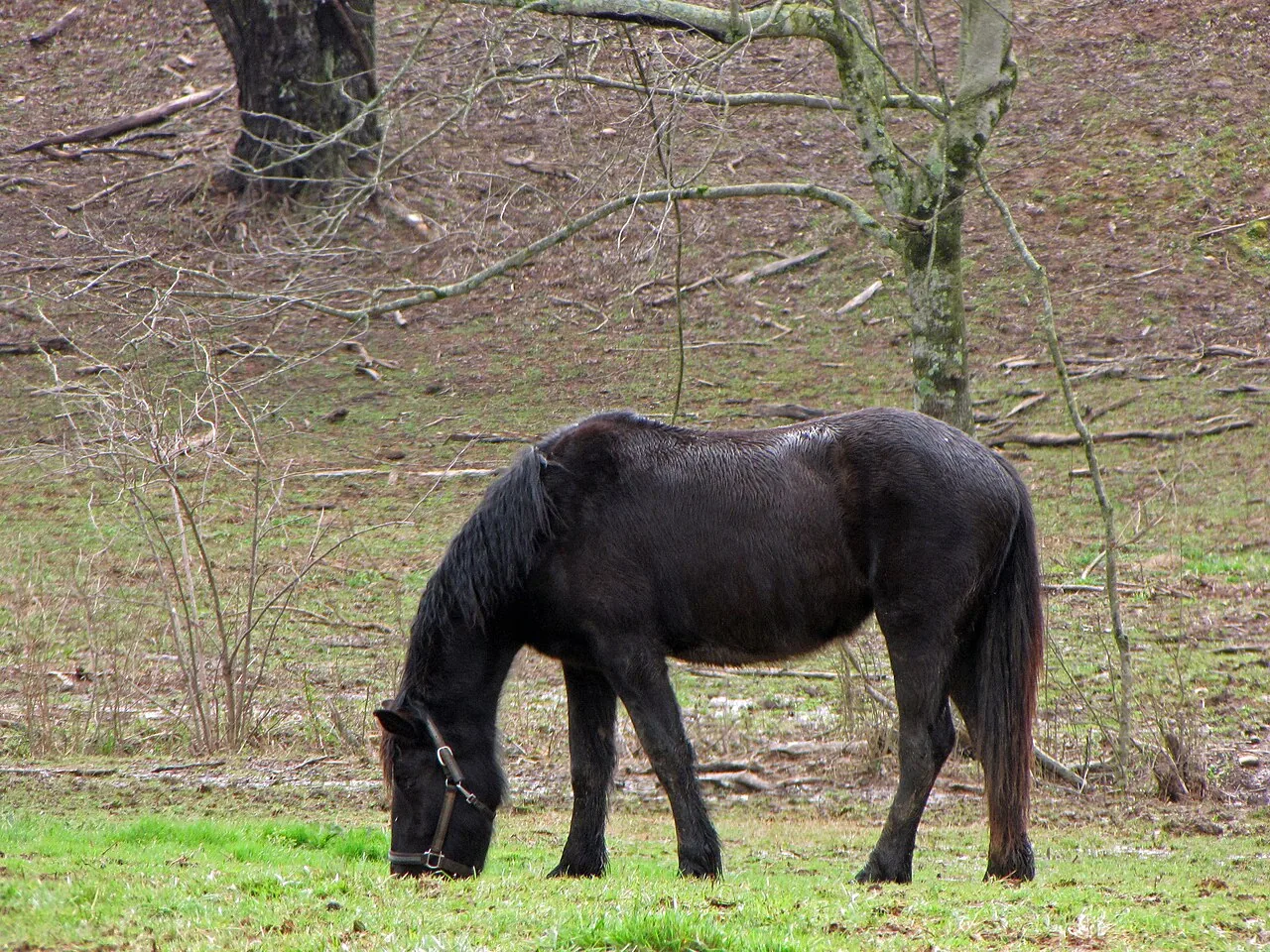
| Coat & colours | Short, fine coat most famously grey or black, with modest feather compared with British draft breeds. Grey Percherons lighten with age. Grooming is manageable: weekly brushing, regular hoof care and occasional bathing before shows. Mane and tail are full and often worn long in presentation driving. |
| Temperament | Intelligent, active draft |
| Best suited to | Excellent for driving enthusiasts, commercial hitch operators and breeders producing sport horse crosses. Percherons suit confident handlers who appreciate intelligence and willingness in a large package. They need space, companionship and work to stay fit — idle draft horses become obese quickly. |
Is a Percheron a good horse for you?
A Percheron can be a good horse for the right rider — intelligent, active draft, draft (15.1–18 hands), from France — but it is not a lawn ornament. You need land, a farrier, a vet, and a budget that survives winter.
Match the horse to the job. The Percheron was shaped in France as a Draft (15.1–18 hands) type. Percherons originate from Le Perche province in Normandy, France, where breeders produced strong war and farm horses from the Middle Ages onward. That history still shows in daily handling: this is a large, long-lived animal (25–30 years), not a seasonal hobby.
First-time owners should not buy from a photo. Try the horse with an instructor, get a pre-purchase vet exam, and be honest about whether you can keep a Percheron in work rather than bored in a paddock.
What is a Percheron?
Grey or black French draft horse with surprising agility for its size. Origin is France; coat or markings are described as Short, fine coat most famously grey or black, with modest feather compared with British draft breeds. Grey Percherons lighten with age. Grooming is manageable: weekly brushing, regular hoof care and occasional bathing before shows. Mane and tail are full and often worn long in presentation driving..
Kennel and registry labels describe a type. Individual Percherons still vary, and rescue animals may be mixes.
Where does the Percheron come from?
Percherons come from France. Percherons originate from Le Perche province in Normandy, France, where breeders produced strong war and farm horses from the Middle Ages onward.
Arabian blood introduced in the 19th century refined the breed's activity and elegance. Percherons pulled Parisian stagecoaches and American streetcars before mechanisation. Exports made them one of the most widespread draft breeds globally. Today they appear in competitive driving, wedding carriages and crossbreeding with warmbloods for heavier jumpers.
That origin still shows. A Percheron is draft (15.1–18 hands) and intelligent, active draft, typically living 25–30 years. Use the history as context for care and conservation, not as folklore to repeat without sources.
How much care does a Percheron need?
A Percheron needs daily forage, hoof care, dental checks and a job. This France horse is draft (15.1–18 hands) (860–1,090 kg (1,900–2,400 lb); typically 15.1–18 hands) and typically lives 25–30 years.
Budget for farrier, vet, feed, fencing and winter. A intelligent, active draft Percheron still colics, still founds, and still suffers in a small, muddy paddock with no shelter.
Grooming and coat (Short, fine coat most famously grey or black, with modest feather compared with British draft breeds. Grey Percherons lighten with age. Grooming is manageable: weekly brushing, regular hoof care and occasional bathing before shows. Mane and tail are full and often worn long in presentation driving.) are the easy part. The hard part is consistent work so a large horse does not become dangerous from boredom.
What surprises people about the Percheron?
A few details about the breed, alongside the practical care information in this guide.
- Grey is the iconic Percheron colour, though black lines are equally registry-accepted.
- Arabian infusions in the 1800s distinguish Percherons from heavier British draft types.
- Percherons were America's most imported draft breed in the early 20th century.
- Some Percheron x Thoroughbred crosses produce successful heavy hunters.
What health issues should you know about in a Percheron?
Health concerns to discuss with your vet, including changes to watch for and everyday care. This is general guidance, not veterinary advice — always speak to your vet.
Laminitis
Draft horses carrying 900 kg or more suffer severe founder when laminae fail. Spring grass and obesity are frequent causes.
Care: Use grazing management, regular weight assessment and prompt veterinary response to foot soreness.
Navicular syndrome
Heel pain from navicular degeneration affects working drafts on hard surfaces. Gradual lameness may go unnoticed until advanced.
Care: Routine farrier care with a draft-experienced trimmer. Veterinary diagnosis guides shoeing and pain management plans.
Polysaccharide storage myopathy (PSSM)
Muscle cramping and tying-up after exercise result from abnormal glycogen storage in some draft breeds including Percherons.
Care: Low-starch diet, regular turnout and vet-guided exercise. Genetic testing identifies affected horses before serious episodes.
Who should skip a Percheron?
Skip a Percheron if you are owners who wanted a low-exercise companion. This France horse is draft (15.1–18 hands) and intelligent, active draft — the mismatch is usually lifestyle, not a missing accessory.
This page is allowed to say no. Skip if you are owners who wanted a low-exercise companion. Skip if you are anyone without land, zoning permission, and a vet.
A different horse breed on this site may fit. Wanting “a Percheron” after a film or a colour photo is not a reason to ignore the skip list.
What are the hidden catches with a Percheron?
The hidden cost of a Percheron is usually not the purchase price. It is years of care, the health list on this page, and the mismatch between a intelligent, active draft animal and a busy home.
The impulse-buy catch
A Percheron from France is often sold on looks. Coat, colour and size are not a temperament test. Meet the adult animal, ask about health screening, and walk away from pressure sales.
The laminitis catch
Draft horses carrying 900 kg or more suffer severe founder when laminae fail. Spring grass and obesity are frequent causes. Use grazing management, regular weight assessment and prompt veterinary response to foot soreness.
The navicular syndrome catch
Heel pain from navicular degeneration affects working drafts on hard surfaces. Gradual lameness may go unnoticed until advanced. Routine farrier care with a draft-experienced trimmer. Veterinary diagnosis guides shoeing and pain management plans.
How does a Percheron compare with Standardbred and Mustang?
A Percheron is not interchangeable with Standardbred and Mustang. Compare origin, size, lifespan and temperament before you choose — those four lines prevent most regret.
| Horse fact | Percheron | Standardbred | Mustang |
|---|---|---|---|
| Origin | France | United States | United States |
| Size | Draft (15.1–18 hands) | Light (15–16 hands) | Varies (13–15 hands typical) |
| Lifespan | 25–30 years | 25–30 years | 25–30 years |
| Temperament | Intelligent, active draft | Sensible, gaited or trotter | Hardy, intelligent, spirited |
What is the verdict on the Percheron?
Choose a Percheron only if the care, skip-if and health sections still look like your life after a week of thinking. Otherwise pick a different horse or wait. Rescue is usually the better first door than a waiting-list puppy or kitten.
If the match is real, budget for 25–30 years of vet care and do not skip health screening. If it is not, walking away is the kind choice — for you and for the animal.
Working horses need better welfare
Millions of horses worldwide still haul loads, plough fields and carry families to work. WARN publishes these guides to raise awareness of working-equine welfare — and we encourage supporters who want to help horses directly to give where evidence-based equine programmes operate.