Horse Breed · United States
Appaloosa
Famous leopard-spotted coat and striped hooves from Nez Perce breeding.
By WARN Research & Conservation TeamLast updated
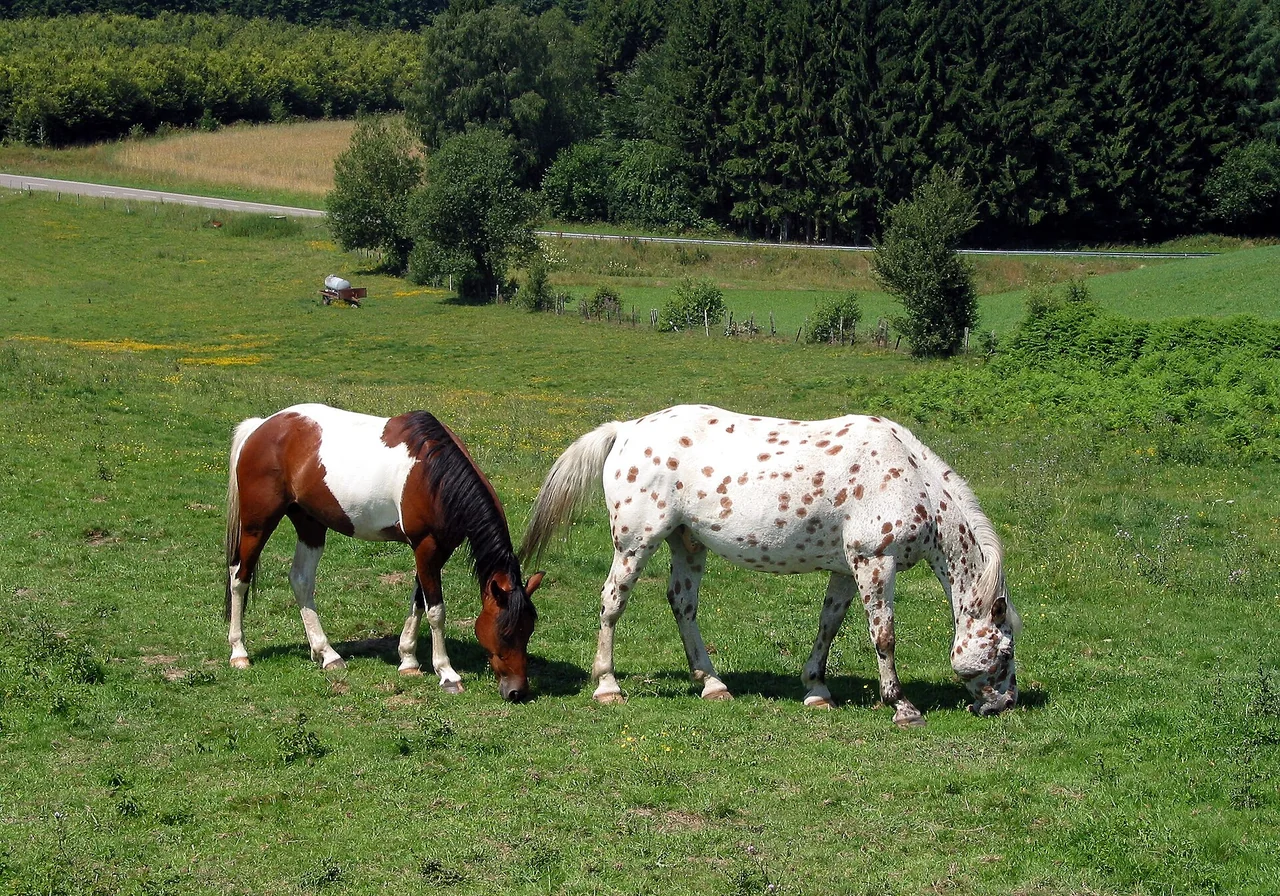
Photo: Wikimedia Commons — File:Appaloosa.jpg
In brief
The Appaloosa is an American breed instantly recognisable by leopard-spotted coats, striped hooves and mottled skin. Hardy and versatile, it excels in western disciplines, trail riding and endurance while retaining the legacy of Nez Perce horsemanship.
What are the key facts about a Appaloosa?
The Appaloosa is a horse breed from United States: stock (14.2–16 hands), hardy, versatile, spotted. Famous leopard-spotted coat and striped hooves from Nez Perce breeding.
| Origin | United States |
|---|---|
| Size | Stock (14.2–16 hands) |
| Typical weight | 430–570 kg (950–1,260 lb); typically 14.2–16 hands |
| Lifespan | 25–30 years |
| Coat & colours | Short, dense summer coat with patterns including leopard spots, blanket, snowflake and varnish roan, often accompanied by striped hooves and speckled muzzle skin. Grooming is routine: weekly brushing and regular hoof picking. Sparse-haired or pink-skinned areas may need sun protection, and winter coats grow thick in colder climates. |
| Temperament | Hardy, versatile, spotted |
| Best suited to | Suits riders who want an intelligent, hardy partner for trail, western or pleasure riding. Appaloosas often bond closely with consistent handlers and tolerate family environments when trained patiently. They need active work, secure fencing and companionship; many do well in mixed herds with adequate space to move. |
Is a Appaloosa a good horse for you?
A Appaloosa can be a good horse for the right rider — hardy, versatile, spotted, stock (14.2–16 hands), from United States — but it is not a lawn ornament. You need land, a farrier, a vet, and a budget that survives winter.
Match the horse to the job. The Appaloosa was shaped in United States as a Stock (14.2–16 hands) type. The Nez Perce people of the Pacific Northwest selectively bred spotted horses for stamina, intelligence and sure-footedness long before European settlers arrived. That history still shows in daily handling: this is a large, long-lived animal (25–30 years), not a seasonal hobby.
First-time owners should not buy from a photo. Try the horse with an instructor, get a pre-purchase vet exam, and be honest about whether you can keep a Appaloosa in work rather than bored in a paddock.
What is a Appaloosa?
Famous leopard-spotted coat and striped hooves from Nez Perce breeding. Origin is United States; coat or markings are described as Short, dense summer coat with patterns including leopard spots, blanket, snowflake and varnish roan, often accompanied by striped hooves and speckled muzzle skin. Grooming is routine: weekly brushing and regular hoof picking. Sparse-haired or pink-skinned areas may need sun protection, and winter coats grow thick in colder climates..
Kennel and registry labels describe a type. Individual Appaloosas still vary, and rescue animals may be mixes.
Where does the Appaloosa come from?
Appaloosas come from United States. The Nez Perce people of the Pacific Northwest selectively bred spotted horses for stamina, intelligence and sure-footedness long before European settlers arrived.
Their breeding programme produced animals prized across the region until conflict in the 1870s dispersed many herds. Dedicated breeders revived the type in the 1930s, and the Appaloosa Horse Club was formed in 1938. The breed influenced polo ponies and western stock horses while maintaining its distinctive coat patterns. Today Appaloosas compete in reining, endurance, trail and pleasure classes worldwide.
How much care does a Appaloosa need?
A Appaloosa needs daily forage, hoof care, dental checks and a job. This United States horse is stock (14.2–16 hands) (430–570 kg (950–1,260 lb); typically 14.2–16 hands) and typically lives 25–30 years.
Budget for farrier, vet, feed, fencing and winter. A hardy, versatile, spotted Appaloosa still colics, still founds, and still suffers in a small, muddy paddock with no shelter.
Grooming and coat (Short, dense summer coat with patterns including leopard spots, blanket, snowflake and varnish roan, often accompanied by striped hooves and speckled muzzle skin. Grooming is routine: weekly brushing and regular hoof picking. Sparse-haired or pink-skinned areas may need sun protection, and winter coats grow thick in colder climates.) are the easy part. The hard part is consistent work so a large horse does not become dangerous from boredom.
What surprises people about the Appaloosa?
A few details about the breed, alongside the practical care information in this guide.
- Nez Perce horsemen gelded inferior stallions and selectively bred for traits including spotted coats centuries before modern registries.
- Appaloosas often show striped hooves and speckled skin even when coat pattern is subtle.
- The breed nearly vanished after the Nez Perce War before dedicated 20th-century breeders rebuilt the population.
- Snowcap or blanket patterns can change slightly as a horse moults between seasons.
What health issues should you know about in a Appaloosa?
Health concerns to discuss with your vet, including changes to watch for and everyday care. This is general guidance, not veterinary advice — always speak to your vet.
Equine recurrent uveitis
Also called moon blindness, this immune-mediated eye inflammation recurs and can lead to cataracts or vision loss. Appaloosas are among the breeds most commonly affected.
Care: Seek urgent veterinary treatment for squinting, tearing or cloudiness. Long-term anti-inflammatory plans and fly management help reduce flare frequency.
Congenital stationary night blindness
An inherited condition linked to the leopard complex causes poor vision in low light from birth. Affected horses may hesitate in dim stables or at dusk.
Care: Genetic testing identifies carriers before breeding. Manage environment with consistent lighting and avoid startling horses in dark areas.
Hoof problems
Some Appaloosas have thinner hoof walls or slower growth, increasing susceptibility to cracks and abscesses. Striped hooves are normal but still need balanced trimming.
Care: Maintain regular farrier visits every six to eight weeks and address lameness early. Your vet and farrier can tailor shoeing if walls are brittle.
Who should skip a Appaloosa?
Skip a Appaloosa if you are anyone without land, zoning permission, and a vet. This United States horse is stock (14.2–16 hands) and hardy, versatile, spotted — the mismatch is usually lifestyle, not a missing accessory.
This page is allowed to say no. Skip if you are anyone without land, zoning permission, and a vet.
A different horse breed on this site may fit. Wanting “a Appaloosa” after a film or a colour photo is not a reason to ignore the skip list.
What are the hidden catches with a Appaloosa?
The hidden cost of a Appaloosa is usually not the purchase price. It is years of care, the health list on this page, and the mismatch between a hardy, versatile, spotted animal and a busy home.
The impulse-buy catch
A Appaloosa from United States is often sold on looks. Coat, colour and size are not a temperament test. Meet the adult animal, ask about health screening, and walk away from pressure sales.
The equine recurrent uveitis catch
Also called moon blindness, this immune-mediated eye inflammation recurs and can lead to cataracts or vision loss. Appaloosas are among the breeds most commonly affected. Seek urgent veterinary treatment for squinting, tearing or cloudiness. Long-term anti-inflammatory plans and fly management help reduce flare frequency.
The congenital stationary night blindness catch
An inherited condition linked to the leopard complex causes poor vision in low light from birth. Affected horses may hesitate in dim stables or at dusk. Genetic testing identifies carriers before breeding. Manage environment with consistent lighting and avoid startling horses in dark areas.
How does a Appaloosa compare with Morgan and Tennessee Walking Horse?
A Appaloosa is not interchangeable with Morgan and Tennessee Walking Horse. Compare origin, size, lifespan and temperament before you choose — those four lines prevent most regret.
| Horse fact | Appaloosa | Morgan | Tennessee Walking Horse |
|---|---|---|---|
| Origin | United States | United States | United States |
| Size | Stock (14.2–16 hands) | Light (14.1–15.2 hands) | Light (15–17 hands) |
| Lifespan | 25–30 years | 25–30 years | 25–30 years |
| Temperament | Hardy, versatile, spotted | Versatile, compact, willing | Smooth-gaited, gentle, showy |
What is the verdict on the Appaloosa?
Choose a Appaloosa only if the care, skip-if and health sections still look like your life after a week of thinking. Otherwise pick a different horse or wait. Rescue is usually the better first door than a waiting-list puppy or kitten.
If the match is real, budget for 25–30 years of vet care and do not skip health screening. If it is not, walking away is the kind choice — for you and for the animal.
Working horses need better welfare
Millions of horses worldwide still haul loads, plough fields and carry families to work. WARN publishes these guides to raise awareness of working-equine welfare — and we encourage supporters who want to help horses directly to give where evidence-based equine programmes operate.