Horse Breed · England
Shire
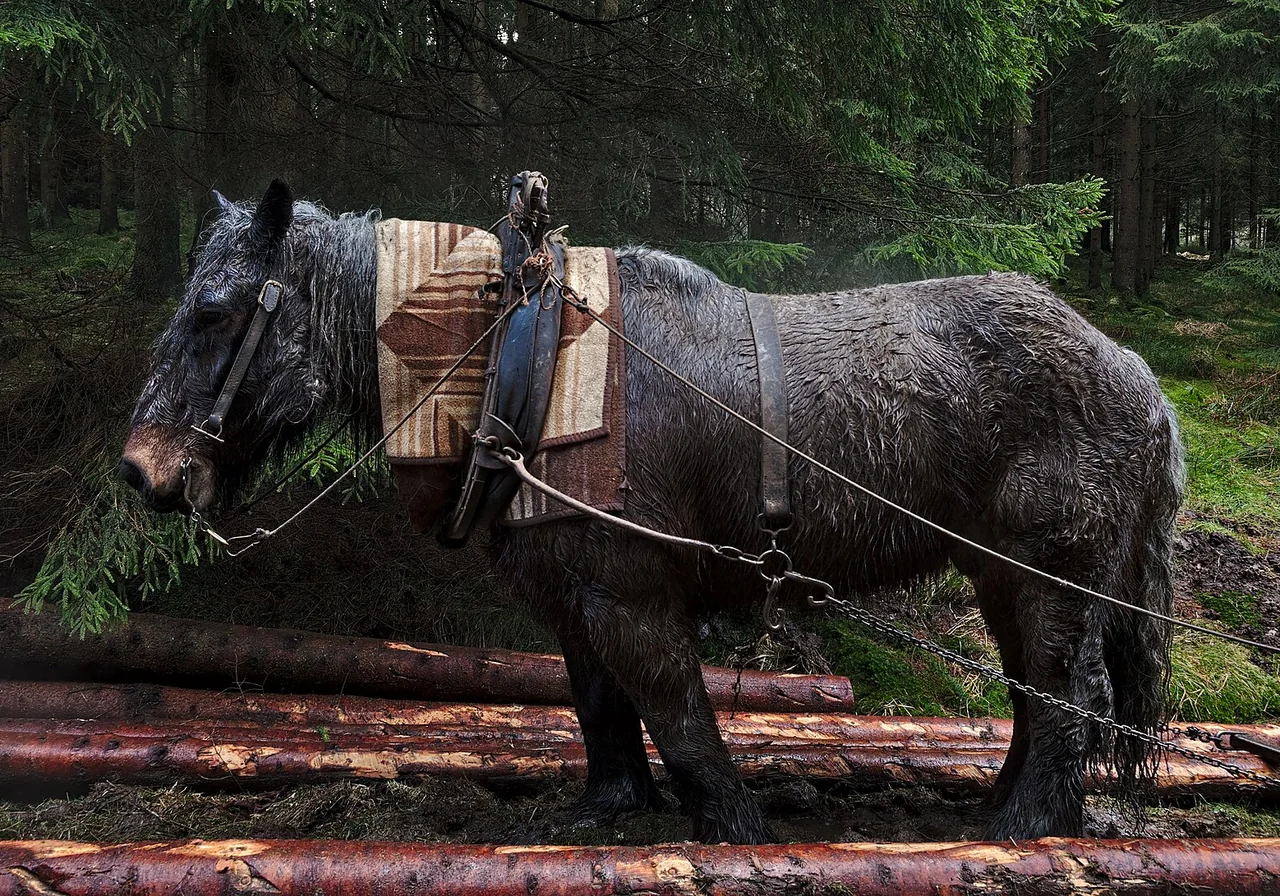
Among the tallest and heaviest horse breeds — gentle giants of farm and show.
By WARN Research & Conservation TeamLast updated
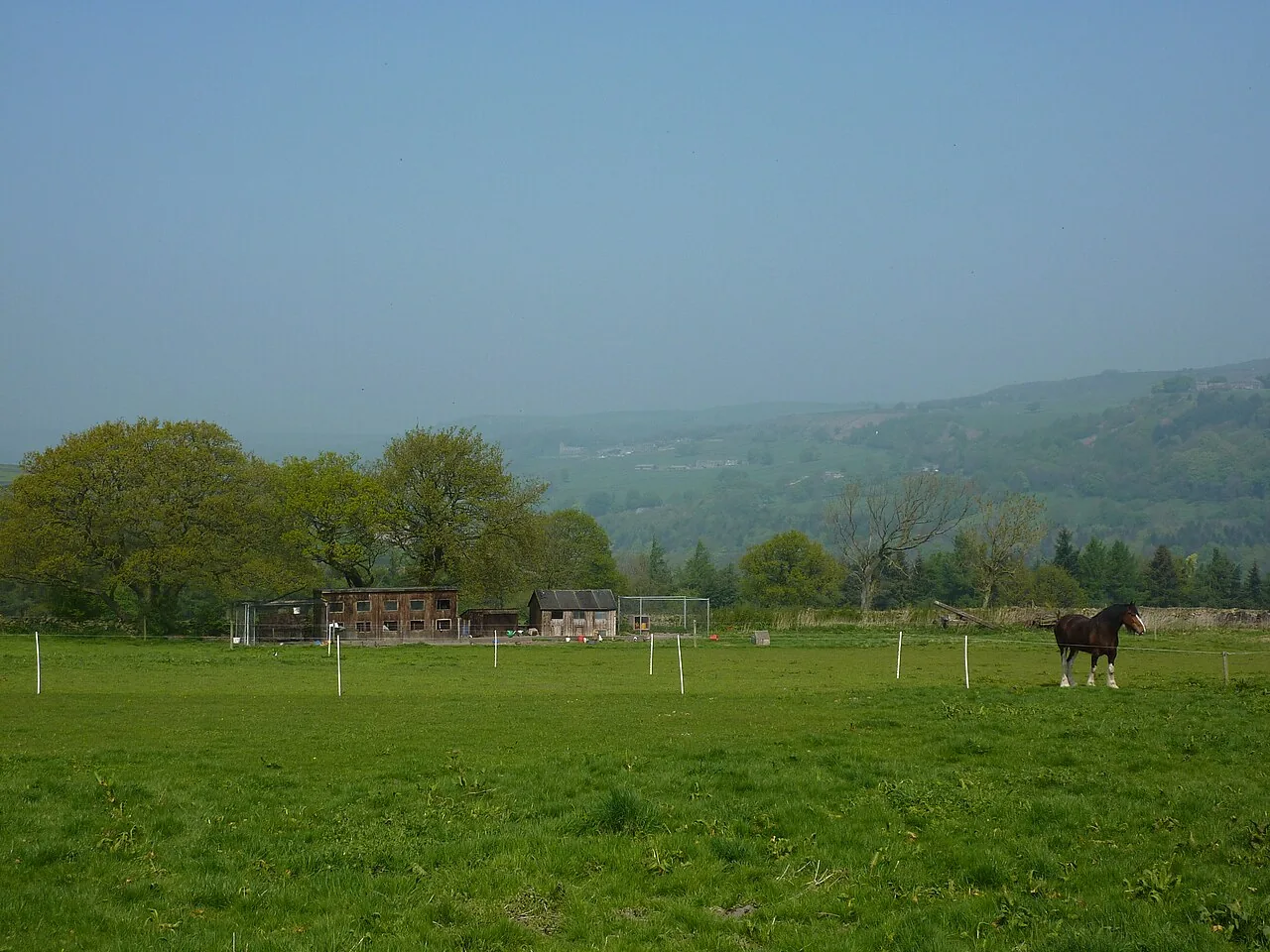
In brief
The Shire is an English draft breed among the tallest and heaviest horses alive — a calm gentle giant bred for farm work and brewery drays. Its defining trait is massive strength delivered with docile, willing temperament when properly trained.
What are the key facts about a Shire?
The Shire is a horse breed from England: draft (16–18 hands), calm, massive, willing. Among the tallest and heaviest horse breeds — gentle giants of farm and show.
| Origin | England |
|---|---|
| Size | Draft (16–18 hands) |
| Typical weight | 770–1,220 kg (1,700–2,700 lb); typically 16–18 hands, some taller |
| Lifespan | 25–30 years |
| Coat & colours | Abundant feather on lower legs; body coat is fine and short in bay, black, brown or grey with extensive white markings common. Feather requires meticulous daily care to prevent mud fever. Show preparation includes washing legs, mane conditioning and hoof oiling; working Shires need practical grooming focused on skin health under heavy hair. |
| Temperament | Calm, massive, willing |
| Best suited to | Ideal for experienced draft enthusiasts with infrastructure for very large horses — spacious stalls, reinforced fencing and confident handlers. Shires excel in show hitch, commercial driving displays, forestry work and therapy programmes where calm temperament matters. They suit patient owners committed to daily leg care and weight management. |
Is a Shire a good horse for you?
A Shire can be a good horse for the right rider — calm, massive, willing, draft (16–18 hands), from England — but it is not a lawn ornament. You need land, a farrier, a vet, and a budget that survives winter.
Match the horse to the job. The Shire was shaped in England as a Draft (16–18 hands) type. Shires descend from the English Great Horse used in medieval warfare and later agriculture. That history still shows in daily handling: this is a large, long-lived animal (25–30 years), not a seasonal hobby.
First-time owners should not buy from a photo. Try the horse with an instructor, get a pre-purchase vet exam, and be honest about whether you can keep a Shire in work rather than bored in a paddock.
What is a Shire?
Among the tallest and heaviest horse breeds — gentle giants of farm and show. Origin is England; coat or markings are described as Abundant feather on lower legs; body coat is fine and short in bay, black, brown or grey with extensive white markings common. Feather requires meticulous daily care to prevent mud fever. Show preparation includes washing legs, mane conditioning and hoof oiling; working Shires need practical grooming focused on skin health under heavy hair..
Kennel and registry labels describe a type. Individual Shires still vary, and rescue animals may be mixes.
Where does the Shire come from?
Shires come from England. Shires descend from the English Great Horse used in medieval warfare and later agriculture.
The Shire Horse Society formed in 1878 as the English Cart Horse Society. Shires pulled brewer's drays, ploughs and heavy wagons across Britain until tractors displaced them after the Second World War. Numbers collapsed to critical levels before dedicated breeders and rare-breed organisations stabilised the population. Modern Shires appear at county shows, promotional hitches and heritage farming demonstrations.
That origin still shows. A Shire is draft (16–18 hands) and calm, massive, willing, typically living 25–30 years. Use the history as context for care and conservation, not as folklore to repeat without sources.
How much care does a Shire need?
A Shire needs daily forage, hoof care, dental checks and a job. This England horse is draft (16–18 hands) (770–1,220 kg (1,700–2,700 lb); typically 16–18 hands, some taller) and typically lives 25–30 years.
Budget for farrier, vet, feed, fencing and winter. A calm, massive, willing Shire still colics, still founds, and still suffers in a small, muddy paddock with no shelter.
Grooming and coat (Abundant feather on lower legs; body coat is fine and short in bay, black, brown or grey with extensive white markings common. Feather requires meticulous daily care to prevent mud fever. Show preparation includes washing legs, mane conditioning and hoof oiling; working Shires need practical grooming focused on skin health under heavy hair.) are the easy part. The hard part is consistent work so a large horse does not become dangerous from boredom.
What surprises people about the Shire?
A few details about the breed, alongside the practical care information in this guide.
- Shires have held world records for the tallest and heaviest living horses.
- Brewery dray horses made Shires a familiar sight on Victorian city streets.
- The breed standard accepts bay, brown, black and grey with generous white markings.
- Despite immense size, Shires were selected for willingness rather than aggression.
What health issues should you know about in a Shire?
Health concerns to discuss with your vet, including changes to watch for and everyday care. This is general guidance, not veterinary advice — always speak to your vet.
Laminitis
Extremely dangerous in horses weighing over 800 kg — founder can be life-limiting. Rich grass, obesity and metabolic disease are common triggers.
Care: Aggressive prevention with grazing muzzles, weight monitoring and vet-directed metabolic testing. Treat any foot heat or reluctance to walk as an emergency.
Navicular syndrome
Heel pain develops when massive body weight meets poor hoof balance or excessive road concussion. Chronic lameness limits working ability.
Care: Expert farriery, soft footing where possible and veterinary pain management. Maintain trim schedules strictly — overgrown feet worsen load distribution.
Feather-related skin issues
Mud fever, mites and chronic dermatitis thrive under heavy feathering when legs stay wet or dirty. Scratching and swelling follow.
Care: Daily leg inspection, clipping feather in persistent cases and veterinary treatment for infection. Dry bedding and drained paddocks reduce recurrence.
Who should skip a Shire?
Skip a Shire if you are anyone without land, zoning permission, and a vet. This England horse is draft (16–18 hands) and calm, massive, willing — the mismatch is usually lifestyle, not a missing accessory.
This page is allowed to say no. Skip if you are anyone without land, zoning permission, and a vet.
A different horse breed on this site may fit. Wanting “a Shire” after a film or a colour photo is not a reason to ignore the skip list.
What are the hidden catches with a Shire?
The hidden cost of a Shire is usually not the purchase price. It is years of care, the health list on this page, and the mismatch between a calm, massive, willing animal and a busy home.
The impulse-buy catch
A Shire from England is often sold on looks. Coat, colour and size are not a temperament test. Meet the adult animal, ask about health screening, and walk away from pressure sales.
The laminitis catch
Extremely dangerous in horses weighing over 800 kg — founder can be life-limiting. Rich grass, obesity and metabolic disease are common triggers. Aggressive prevention with grazing muzzles, weight monitoring and vet-directed metabolic testing. Treat any foot heat or reluctance to walk as an emergency.
The navicular syndrome catch
Heel pain develops when massive body weight meets poor hoof balance or excessive road concussion. Chronic lameness limits working ability. Expert farriery, soft footing where possible and veterinary pain management. Maintain trim schedules strictly — overgrown feet worsen load distribution.
How does a Shire compare with Belgian Draft and Percheron?
A Shire is not interchangeable with Belgian Draft and Percheron. Compare origin, size, lifespan and temperament before you choose — those four lines prevent most regret.
| Horse fact | Shire | Belgian Draft | Percheron |
|---|---|---|---|
| Origin | England | Belgium | France |
| Size | Draft (16–18 hands) | Draft (16–18 hands) | Draft (15.1–18 hands) |
| Lifespan | 25–30 years | 25–30 years | 25–30 years |
| Temperament | Calm, massive, willing | Strong, steady, docile | Intelligent, active draft |
What is the verdict on the Shire?
Choose a Shire only if the care, skip-if and health sections still look like your life after a week of thinking. Otherwise pick a different horse or wait. Rescue is usually the better first door than a waiting-list puppy or kitten.
If the match is real, budget for 25–30 years of vet care and do not skip health screening. If it is not, walking away is the kind choice — for you and for the animal.
Working horses need better welfare
Millions of horses worldwide still haul loads, plough fields and carry families to work. WARN publishes these guides to raise awareness of working-equine welfare — and we encourage supporters who want to help horses directly to give where evidence-based equine programmes operate.