Horse Breed · United States
Tennessee Walking Horse
Renowned for its running walk — a smooth, ground-covering gait.
By WARN Research & Conservation TeamLast updated
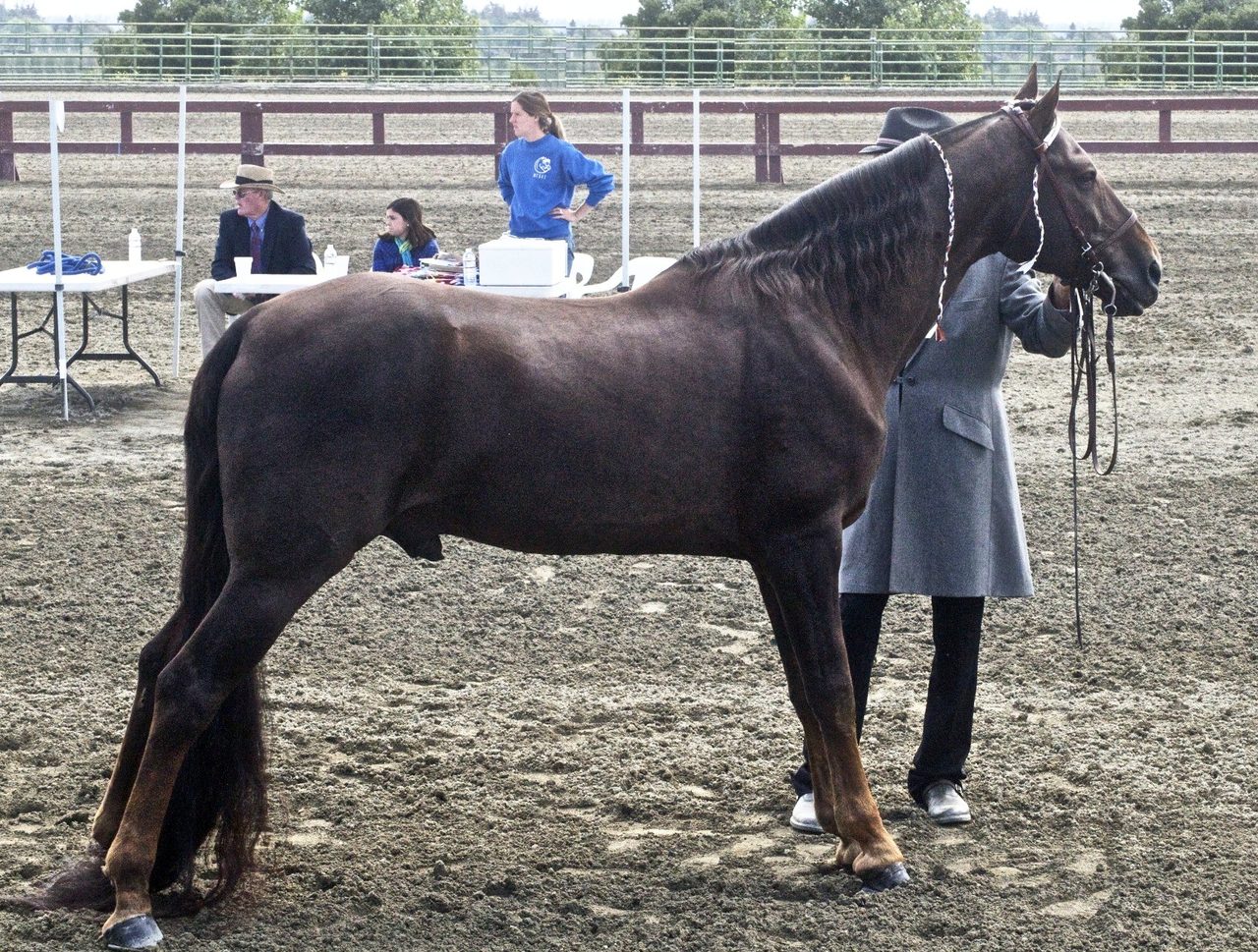
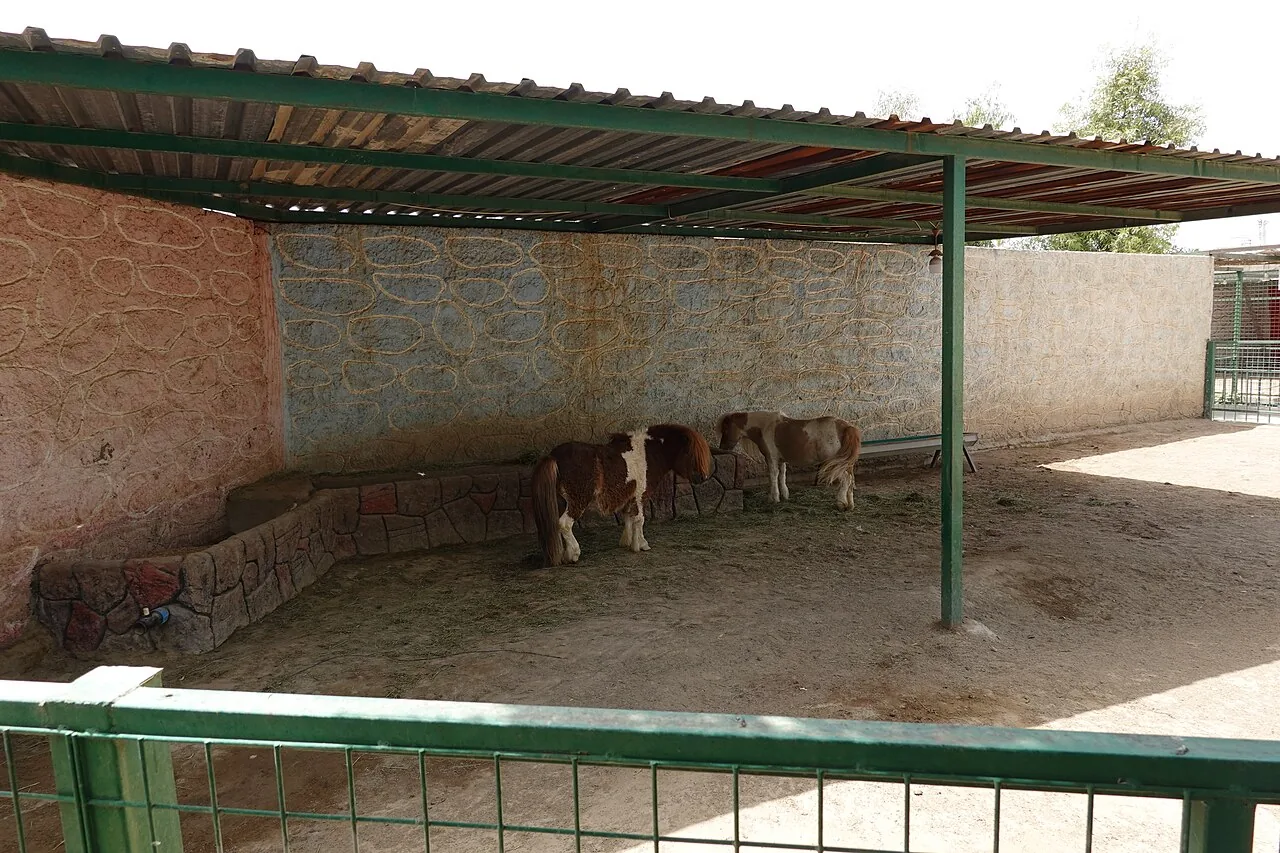
Photo: Just chaos / Wikimedia Commons (CC BY 2.0)
In brief
The Tennessee Walking Horse is an American gaited breed celebrated for its running walk — a smooth, four-beat gait that covers ground comfortably for riders of all ages. Its defining trait is effortless, ground-covering movement paired with a calm, people-oriented temperament.
What are the key facts about a Tennessee Walking Horse?
The Tennessee Walking Horse is a horse breed from United States: light (15–17 hands), smooth-gaited, gentle, showy. Renowned for its running walk — a smooth, ground-covering gait.
| Origin | United States |
|---|---|
| Size | Light (15–17 hands) |
| Typical weight | 450–550 kg (990–1,210 lb); typically 15–17 hands |
| Lifespan | 25–30 years |
| Coat & colours | Short to medium-length coat in bay, black, chestnut, roan and palomino, often with white facial or leg markings. The abundant mane and tail benefit from regular detangling and conditioning. Grooming is routine: weekly brushing, hoof picking and mane care keep the coat healthy; show horses may receive additional presentation grooming. |
| Temperament | Smooth-gaited, gentle, showy |
| Best suited to | Ideal for riders who want a smooth, comfortable mount for trail riding, pleasure classes or long-distance hacking. Tennessee Walkers suit owners seeking a gentle horse that tolerates novice riders under supervision and excels with patient, consistent training. They need regular exercise, companionship and attentive hoof and back care given their gaits and show history. |
Is a Tennessee Walking Horse a good horse for you?
A Tennessee Walking Horse can be a good horse for the right rider — smooth-gaited, gentle, showy, light (15–17 hands), from United States — but it is not a lawn ornament. You need land, a farrier, a vet, and a budget that survives winter.
Match the horse to the job. The Tennessee Walking Horse was shaped in United States as a Light (15–17 hands) type. The breed developed in middle Tennessee during the late 19th century from Narragansett Pacers, Standardbreds, Thoroughbreds and American Saddlebred blood. That history still shows in daily handling: this is a large, long-lived animal (25–30 years), not a seasonal hobby.
First-time owners should not buy from a photo. Try the horse with an instructor, get a pre-purchase vet exam, and be honest about whether you can keep a Tennessee Walking Horse in work rather than bored in a paddock.
What is a Tennessee Walking Horse?
Renowned for its running walk — a smooth, ground-covering gait. Origin is United States; coat or markings are described as Short to medium-length coat in bay, black, chestnut, roan and palomino, often with white facial or leg markings. The abundant mane and tail benefit from regular detangling and conditioning. Grooming is routine: weekly brushing, hoof picking and mane care keep the coat healthy; show horses may receive additional presentation grooming..
Kennel and registry labels describe a type. Individual Tennessee Walking Horses still vary, and rescue animals may be mixes.
Where does the Tennessee Walking Horse come from?
Tennessee Walking Horses come from United States. The breed developed in middle Tennessee during the late 19th century from Narragansett Pacers, Standardbreds, Thoroughbreds and American Saddlebred blood.
Farmers and plantation owners valued horses that could walk smoothly all day across rolling country. The running walk became the breed hallmark, distinguishing Walkers from trotting breeds. The Tennessee Walking Horse Breeders' and Exhibitors' Association was established in 1935. Today the breed is known worldwide for trail pleasure, equitation and show classes, though welfare debates around certain show practices have prompted stricter rules in many venues.
How much care does a Tennessee Walking Horse need?
A Tennessee Walking Horse needs daily forage, hoof care, dental checks and a job. This United States horse is light (15–17 hands) (450–550 kg (990–1,210 lb); typically 15–17 hands) and typically lives 25–30 years.
Budget for farrier, vet, feed, fencing and winter. A smooth-gaited, gentle, showy Tennessee Walking Horse still colics, still founds, and still suffers in a small, muddy paddock with no shelter.
Grooming and coat (Short to medium-length coat in bay, black, chestnut, roan and palomino, often with white facial or leg markings. The abundant mane and tail benefit from regular detangling and conditioning. Grooming is routine: weekly brushing, hoof picking and mane care keep the coat healthy; show horses may receive additional presentation grooming.) are the easy part. The hard part is consistent work so a large horse does not become dangerous from boredom.
What surprises people about the Tennessee Walking Horse?
A few details about the breed, alongside the practical care information in this guide.
- The running walk can reach speeds similar to a medium trot while feeling much smoother to the rider.
- Tennessee Walkers can also perform the flat walk and canter in addition to their signature gait.
- The breed's origins blend several historic American gaited lines from the antebellum South.
- Many trail riders choose Walkers specifically to reduce back fatigue on long rides.
What health issues should you know about in a Tennessee Walking Horse?
Health concerns to discuss with your vet, including changes to watch for and everyday care. This is general guidance, not veterinary advice — always speak to your vet.
Navicular syndrome
Chronic heel pain affecting the navicular region causes forelimb lameness that may worsen on hard surfaces. Gaited horses doing repetitive arena work can be predisposed.
Care: Early veterinary and farrier intervention with appropriate shoeing and pain management improves comfort. Adjust workload and footing when lameness appears.
Laminitis
Inflammation of the hoof laminae causes severe pain and can lead to founder. Overweight Walkers on rich pasture face elevated risk, especially in spring.
Care: Restrict grazing during flush growth, maintain healthy body condition and seek emergency vet care at the first signs of reluctance to move or increased digital pulse.
Back soreness
Incorrect saddle fit, heavy riders or repetitive gait training can produce muscle tension and reluctance to engage the back. Signs include sensitivity when grooming or bucking when asked to collect.
Care: Use professional saddle fitting, allow adequate warm-up and consult your vet or equine physiotherapist if soreness persists.
Who should skip a Tennessee Walking Horse?
Skip a Tennessee Walking Horse if you are anyone without land, zoning permission, and a vet. This United States horse is light (15–17 hands) and smooth-gaited, gentle, showy — the mismatch is usually lifestyle, not a missing accessory.
This page is allowed to say no. Skip if you are anyone without land, zoning permission, and a vet.
A different horse breed on this site may fit. Wanting “a Tennessee Walking Horse” after a film or a colour photo is not a reason to ignore the skip list.
What are the hidden catches with a Tennessee Walking Horse?
The hidden cost of a Tennessee Walking Horse is usually not the purchase price. It is years of care, the health list on this page, and the mismatch between a smooth-gaited, gentle, showy animal and a busy home.
The impulse-buy catch
A Tennessee Walking Horse from United States is often sold on looks. Coat, colour and size are not a temperament test. Meet the adult animal, ask about health screening, and walk away from pressure sales.
The navicular syndrome catch
Chronic heel pain affecting the navicular region causes forelimb lameness that may worsen on hard surfaces. Gaited horses doing repetitive arena work can be predisposed. Early veterinary and farrier intervention with appropriate shoeing and pain management improves comfort. Adjust workload and footing when lameness appears.
The laminitis catch
Inflammation of the hoof laminae causes severe pain and can lead to founder. Overweight Walkers on rich pasture face elevated risk, especially in spring. Restrict grazing during flush growth, maintain healthy body condition and seek emergency vet care at the first signs of reluctance to move or increased digital pulse.
How does a Tennessee Walking Horse compare with Miniature Horse and Shetland Pony?
A Tennessee Walking Horse is not interchangeable with Miniature Horse and Shetland Pony. Compare origin, size, lifespan and temperament before you choose — those four lines prevent most regret.
| Horse fact | Tennessee Walking Horse | Miniature Horse | Shetland Pony |
|---|---|---|---|
| Origin | United States | United States/Europe | Scotland (Shetland Isles) |
| Size | Light (15–17 hands) | Miniature (up to 34 in at withers) | Pony (up to 42 in) |
| Lifespan | 25–30 years | 25–35 years | 25–35 years |
| Temperament | Smooth-gaited, gentle, showy | Friendly, curious, hardy | Hardy, strong, independent |
What is the verdict on the Tennessee Walking Horse?
Choose a Tennessee Walking Horse only if the care, skip-if and health sections still look like your life after a week of thinking. Otherwise pick a different horse or wait. Rescue is usually the better first door than a waiting-list puppy or kitten.
If the match is real, budget for 25–30 years of vet care and do not skip health screening. If it is not, walking away is the kind choice — for you and for the animal.
Working horses need better welfare
Millions of horses worldwide still haul loads, plough fields and carry families to work. WARN publishes these guides to raise awareness of working-equine welfare — and we encourage supporters who want to help horses directly to give where evidence-based equine programmes operate.