Horse Breed · Wales
Welsh Pony
Elegant Welsh ponies excel in children's sport and driving.
By WARN Research & Conservation TeamLast updated
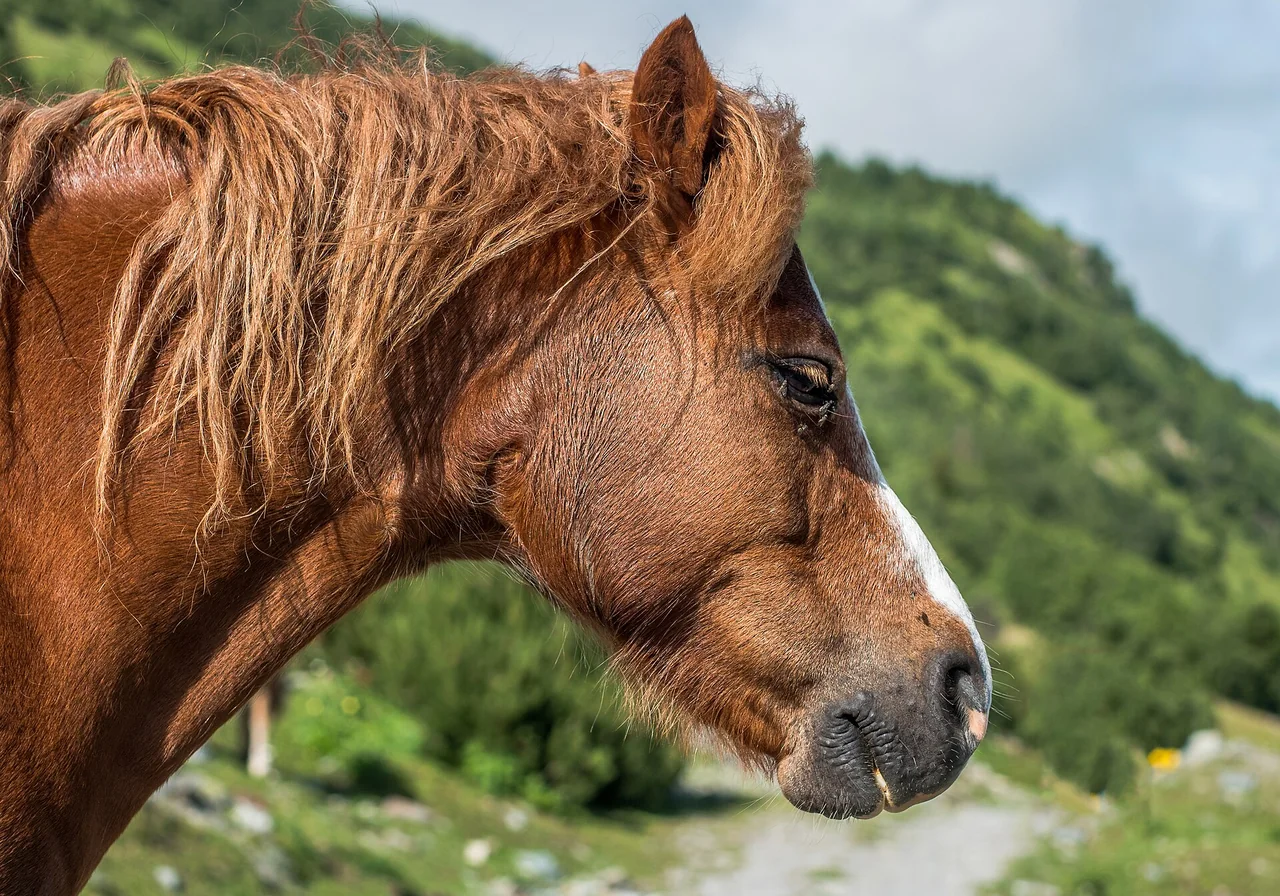
In brief
The Welsh Pony encompasses several sections of pony and cob from Wales — from the small Mountain Pony to the larger Welsh Cob. Its defining trait is an active, elegant athlete with hardy constitution, widely successful in children's sport, driving and pleasure riding.
What are the key facts about a Welsh Pony?
The Welsh Pony is a horse breed from Wales: pony (11.2–14.2 hands by section), active, intelligent, hardy. Elegant Welsh ponies excel in children's sport and driving.
| Origin | Wales |
|---|---|
| Size | Pony (11.2–14.2 hands by section) |
| Typical weight | 200–450 kg (440–990 lb); 11.2–14.2 hands depending on section |
| Lifespan | 25–35 years |
| Coat & colours | Short, dense coat in grey, bay, chestnut, black and roan, with minimal feathering on Mountain types and heavier hair on cob sections. The breed standard emphasises a well-set mane and tail that benefit from regular grooming. Show preparation includes pulling manes for some disciplines; daily hoof care and weekly thorough brushing maintain skin health. |
| Temperament | Active, intelligent, hardy |
| Best suited to | Excellent for children and teenagers progressing through riding levels, and for adults wanting a versatile pony or small cob for driving and low-level competition. Welsh ponies need confident, consistent handling — they are intelligent and can become sharp if bored. They suit active homes with turnout, companionship and structured exercise rather than weekend-only riding. |
Is a Welsh Pony a good horse for you?
A Welsh Pony can be a good horse for the right rider — active, intelligent, hardy, pony (11.2–14.2 hands by section), from Wales — but it is not a lawn ornament. You need land, a farrier, a vet, and a budget that survives winter.
Match the horse to the job. The Welsh Pony was shaped in Wales as a Pony (11.2–14.2 hands by section) type. Welsh ponies roamed the hills of Wales for centuries before formal breeding programmes began in the 19th century. That history still shows in daily handling: this is a large, long-lived animal (25–35 years), not a seasonal hobby.
First-time owners should not buy from a photo. Try the horse with an instructor, get a pre-purchase vet exam, and be honest about whether you can keep a Welsh Pony in work rather than bored in a paddock.
What is a Welsh Pony?
Elegant Welsh ponies excel in children's sport and driving. Origin is Wales; coat or markings are described as Short, dense coat in grey, bay, chestnut, black and roan, with minimal feathering on Mountain types and heavier hair on cob sections. The breed standard emphasises a well-set mane and tail that benefit from regular grooming. Show preparation includes pulling manes for some disciplines; daily hoof care and weekly thorough brushing maintain skin health..
Kennel and registry labels describe a type. Individual Welsh Ponys still vary, and rescue animals may be mixes.
Where does the Welsh Pony come from?
Welsh Ponys come from Wales. Welsh ponies roamed the hills of Wales for centuries before formal breeding programmes began in the 19th century.
Mountain ponies survived harsh upland conditions; farmers crossed them with Arabian, Thoroughbred and Hackney blood to produce the taller riding pony and cob sections. The Welsh Pony and Cob Society was established in 1901. Welsh ponies influenced the Pony of the Americas and many European riding pony studbooks. Today they dominate children's show jumping, eventing and driving classes across Britain and internationally.
How much care does a Welsh Pony need?
A Welsh Pony needs daily forage, hoof care, dental checks and a job. This Wales horse is pony (11.2–14.2 hands by section) (200–450 kg (440–990 lb); 11.2–14.2 hands depending on section) and typically lives 25–35 years.
Budget for farrier, vet, feed, fencing and winter. A active, intelligent, hardy Welsh Pony still colics, still founds, and still suffers in a small, muddy paddock with no shelter.
Grooming and coat (Short, dense coat in grey, bay, chestnut, black and roan, with minimal feathering on Mountain types and heavier hair on cob sections. The breed standard emphasises a well-set mane and tail that benefit from regular grooming. Show preparation includes pulling manes for some disciplines; daily hoof care and weekly thorough brushing maintain skin health.) are the easy part. The hard part is consistent work so a large horse does not become dangerous from boredom.
What surprises people about the Welsh Pony?
A few details about the breed, alongside the practical care information in this guide.
- The breed is divided into four sections (A, B, C and D) based on height and type.
- Welsh Cobs were historically used to pull fast taxis in Welsh towns before motor cars.
- Section A Mountain Ponies cannot exceed 12.2 hands under breed rules.
- Welsh ponies have contributed bloodlines to numerous modern sport pony breeds worldwide.
What health issues should you know about in a Welsh Pony?
Health concerns to discuss with your vet, including changes to watch for and everyday care. This is general guidance, not veterinary advice — always speak to your vet.
Laminitis
Native pony metabolism makes Welsh types susceptible to pasture-associated laminitis, especially in spring or when overweight. Recurrent episodes can cause permanent hoof damage.
Care: Manage grazing, maintain healthy weight and test for underlying metabolic conditions with your vet. Act immediately if the pony shows lameness or reluctance to walk.
Navicular syndrome
Heel pain from navicular degeneration occurs in heavier cob sections doing sustained hard work. Lameness may appear gradually on firm ground.
Care: Combine veterinary diagnosis with corrective farriery and appropriate footing. Reduce concussive work if lameness persists despite treatment.
Sweet itch
An allergic reaction to Culicoides midge bites causes intense mane and tail rubbing, hair loss and skin damage. Native breeds including Welsh ponies are commonly affected.
Care: Use fly rugs, stabling at peak midge hours and veterinary-approved anti-itch treatment. Avoid sweet-itch pastures near standing water when possible.
Who should skip a Welsh Pony?
Skip a Welsh Pony if you are owners who wanted a low-exercise companion. This Wales horse is pony (11.2–14.2 hands by section) and active, intelligent, hardy — the mismatch is usually lifestyle, not a missing accessory.
This page is allowed to say no. Skip if you are owners who wanted a low-exercise companion. Skip if you are anyone without land, zoning permission, and a vet.
A different horse breed on this site may fit. Wanting “a Welsh Pony” after a film or a colour photo is not a reason to ignore the skip list.
What are the hidden catches with a Welsh Pony?
The hidden cost of a Welsh Pony is usually not the purchase price. It is years of care, the health list on this page, and the mismatch between a active, intelligent, hardy animal and a busy home.
The impulse-buy catch
A Welsh Pony from Wales is often sold on looks. Coat, colour and size are not a temperament test. Meet the adult animal, ask about health screening, and walk away from pressure sales.
The laminitis catch
Native pony metabolism makes Welsh types susceptible to pasture-associated laminitis, especially in spring or when overweight. Recurrent episodes can cause permanent hoof damage. Manage grazing, maintain healthy weight and test for underlying metabolic conditions with your vet. Act immediately if the pony shows lameness or reluctance to walk.
The navicular syndrome catch
Heel pain from navicular degeneration occurs in heavier cob sections doing sustained hard work. Lameness may appear gradually on firm ground. Combine veterinary diagnosis with corrective farriery and appropriate footing. Reduce concussive work if lameness persists despite treatment.
How does a Welsh Pony compare with Friesian and Andalusian?
A Welsh Pony is not interchangeable with Friesian and Andalusian. Compare origin, size, lifespan and temperament before you choose — those four lines prevent most regret.
| Horse fact | Welsh Pony | Friesian | Andalusian |
|---|---|---|---|
| Origin | Wales | Netherlands | Spain |
| Size | Pony (11.2–14.2 hands by section) | Light (15–17 hands) | Light (15.1–16.2 hands) |
| Lifespan | 25–35 years | 25–30 years | 25–30 years |
| Temperament | Active, intelligent, hardy | Noble, willing, dramatic | Proud, agile, trainable |
What is the verdict on the Welsh Pony?
Choose a Welsh Pony only if the care, skip-if and health sections still look like your life after a week of thinking. Otherwise pick a different horse or wait. Rescue is usually the better first door than a waiting-list puppy or kitten.
If the match is real, budget for 25–35 years of vet care and do not skip health screening. If it is not, walking away is the kind choice — for you and for the animal.
Working horses need better welfare
Millions of horses worldwide still haul loads, plough fields and carry families to work. WARN publishes these guides to raise awareness of working-equine welfare — and we encourage supporters who want to help horses directly to give where evidence-based equine programmes operate.