Conservation status
Critically Endangered Animals
Critically Endangered animals face an extremely high risk of extinction in the wild. This WARN collection gathers 22 species guides with IUCN status, population context, threats, sources and ways supporters can help.
By WARN Research & Conservation Team Last updated
This collection links to 22 sourced WARN guides with conservation status, key facts, threats, FAQs and references.
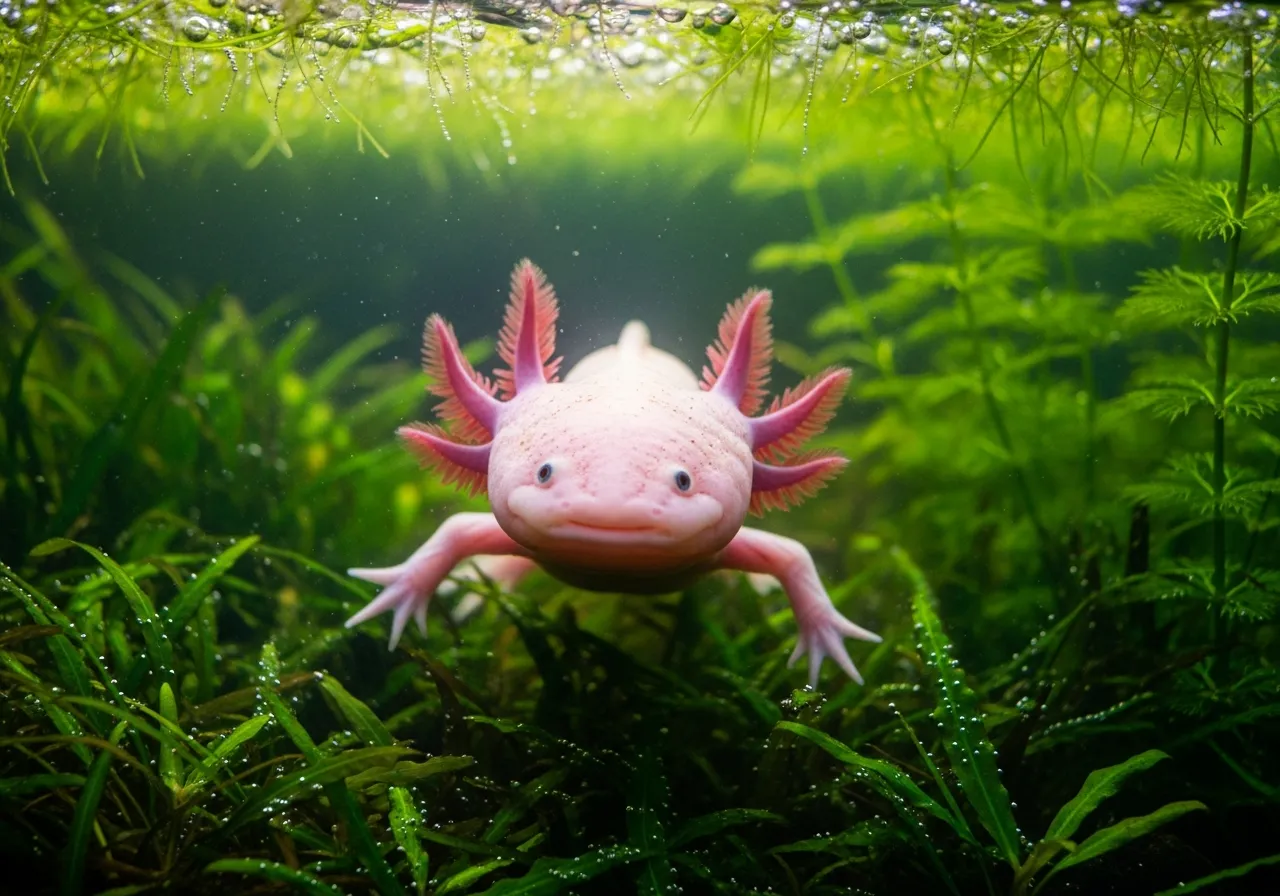
Critically Endangered (IUCN, 2020) in the wild
Axolotl
Ambystoma mexicanum
An axolotl (Ambystoma mexicanum) is a neotenic salamander from the Xochimilco canals near Mexico City that stays aquatic and larval-looking for life, keeping external gills. Famous for regenerating limbs, organs and brain tissue, it is Critically Endangered in the wild yet common in captivity.
Read the guide →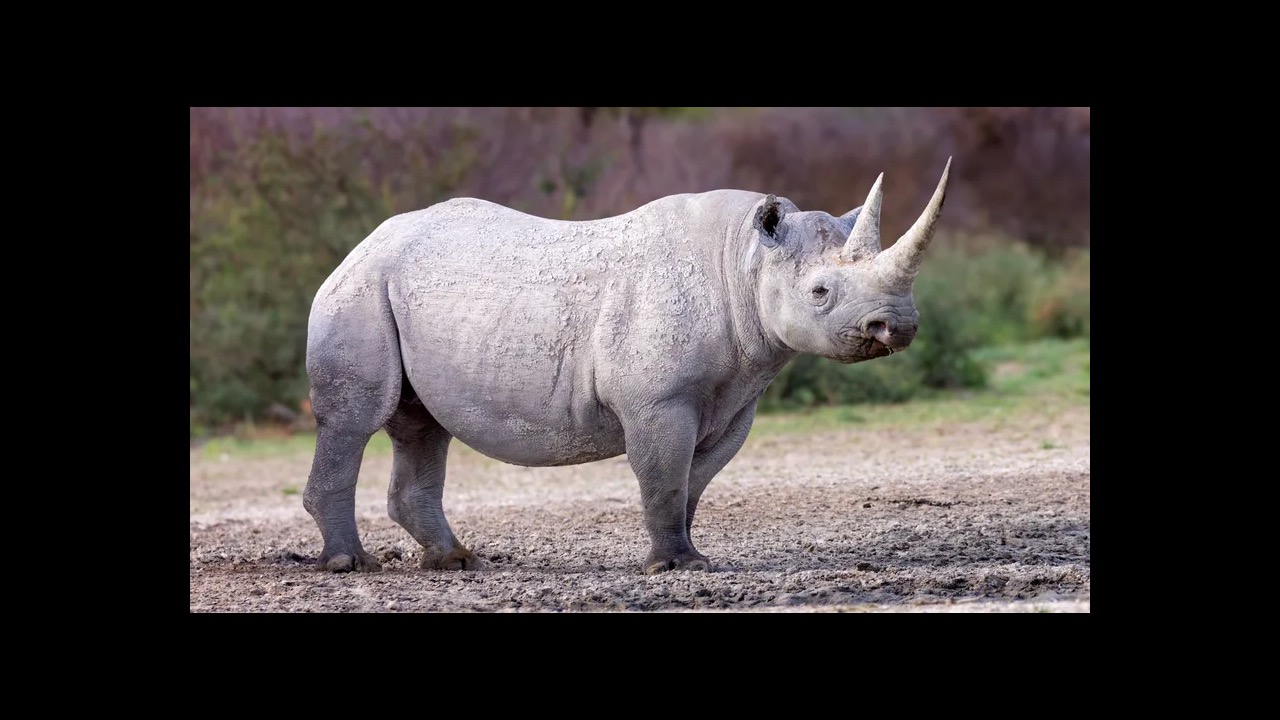
Critically Endangered
Black Rhinoceros
Diceros bicornis
The black rhinoceros is a large African rhino with a hooked upper lip for browsing shrubs, weighing 800–1,400 kg (1,750–3,100 lb) despite its name referring to soil colour, not hide. Critically endangered from poaching for horn, fewer than 6,500 remain across scattered eastern and southern African reserves.
Read the guide →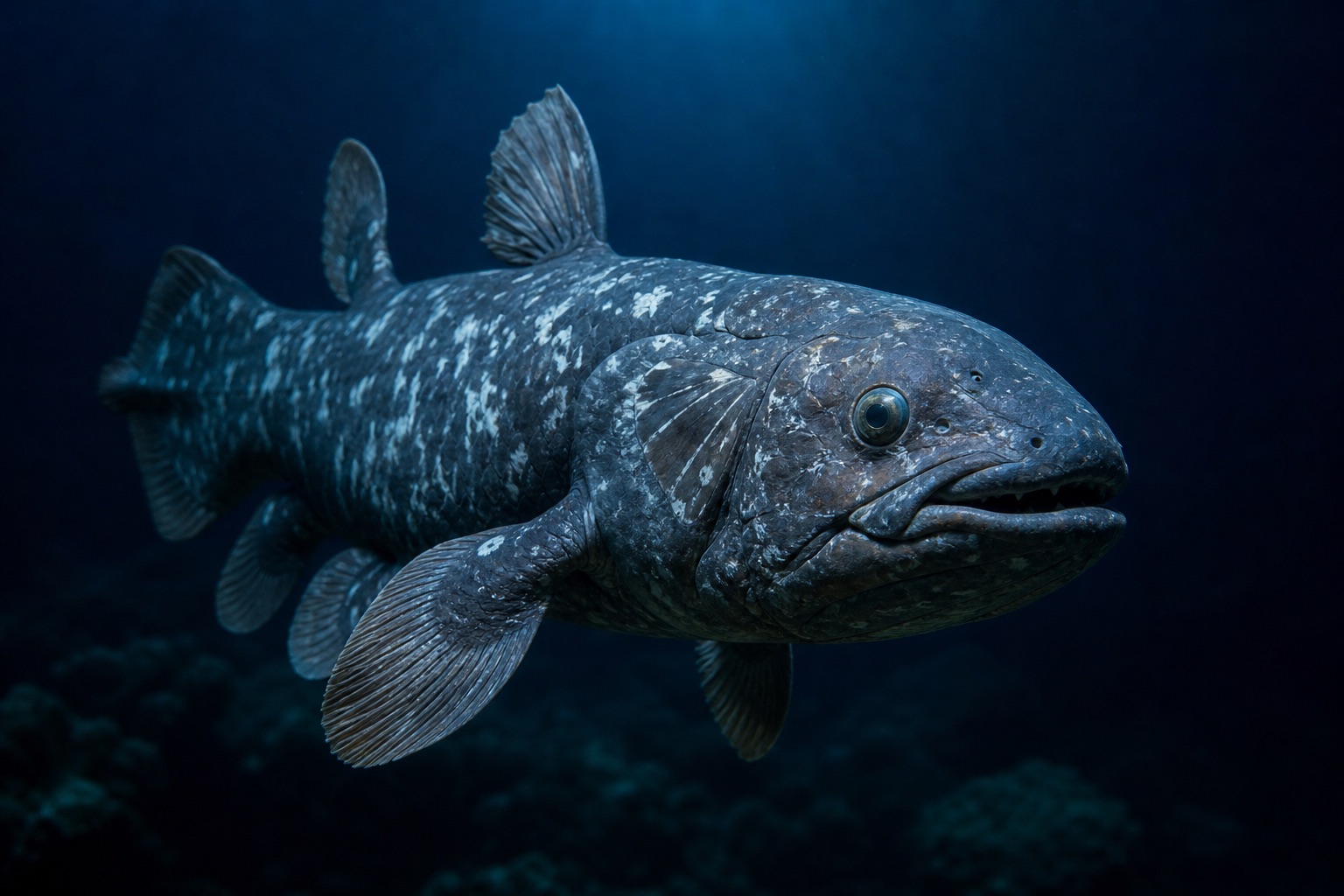
Critically Endangered (West Indian Ocean coelacanth) — the Indonesian species is Vulnerable
Coelacanth
Latimeria spp. — coelacanthiform lobe-finned fishes (two living species)
The coelacanth is a lobe-finned deep-sea fish in the genus Latimeria, known from fossils and assumed extinct until a living specimen was landed off South Africa on 22 December 1938; two species survive in the western Indian Ocean and Indonesia and are listed as Critically Endangered and Vulnerable respectively.
Read the guide →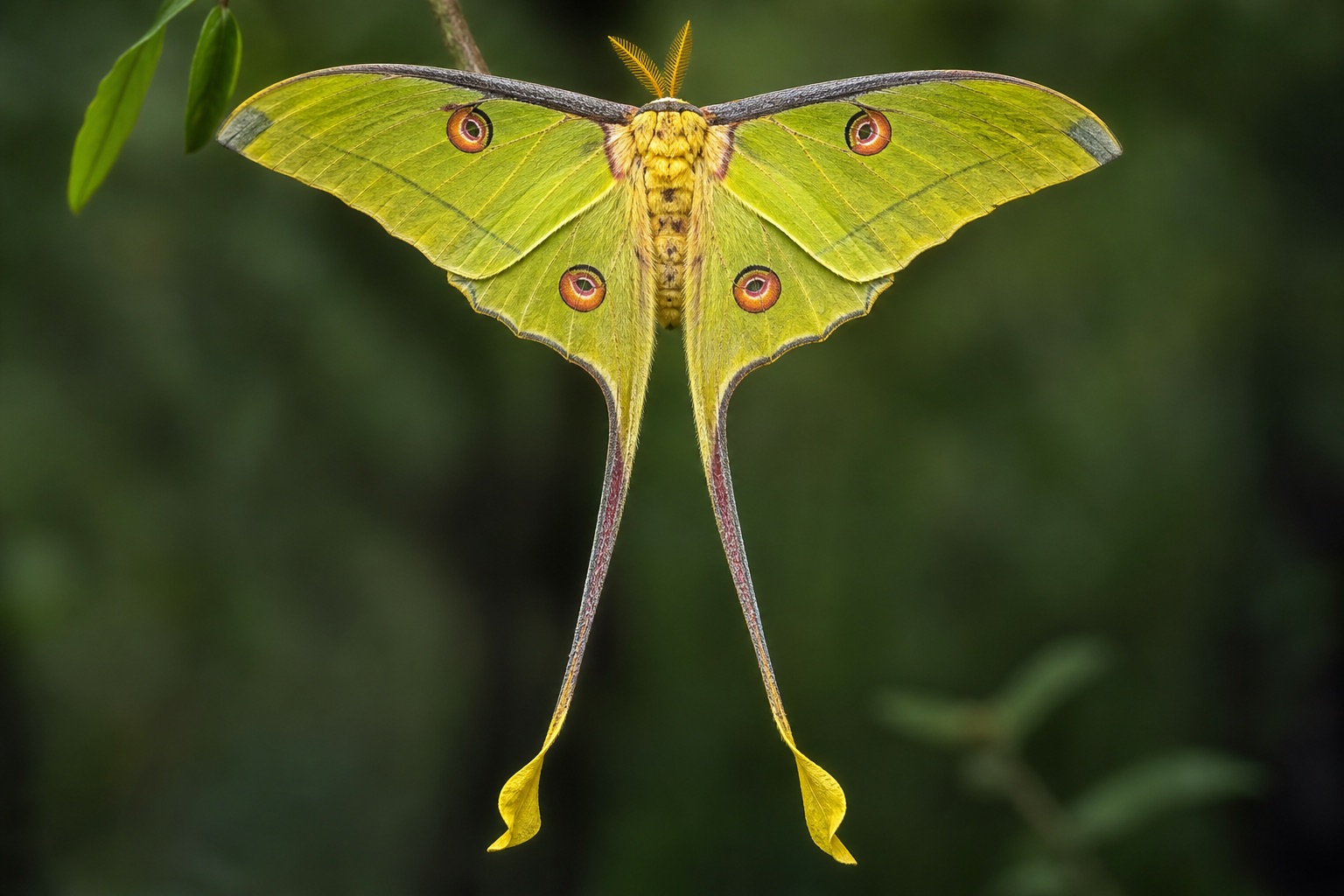
Critically Endangered — restricted range and ongoing forest loss
Comet Moth
Argema mittrei (Guérin-Méneville, 1847) — family Saturniidae
The comet moth (Argema mittrei) is Madagascar's largest silk moth, with hindwing tails up to 15 cm; adults have no mouthparts, live four to five days without eating, and the species is Critically Endangered as an estimated 80–90% of Madagascar's original forest has been lost.
Read the guide →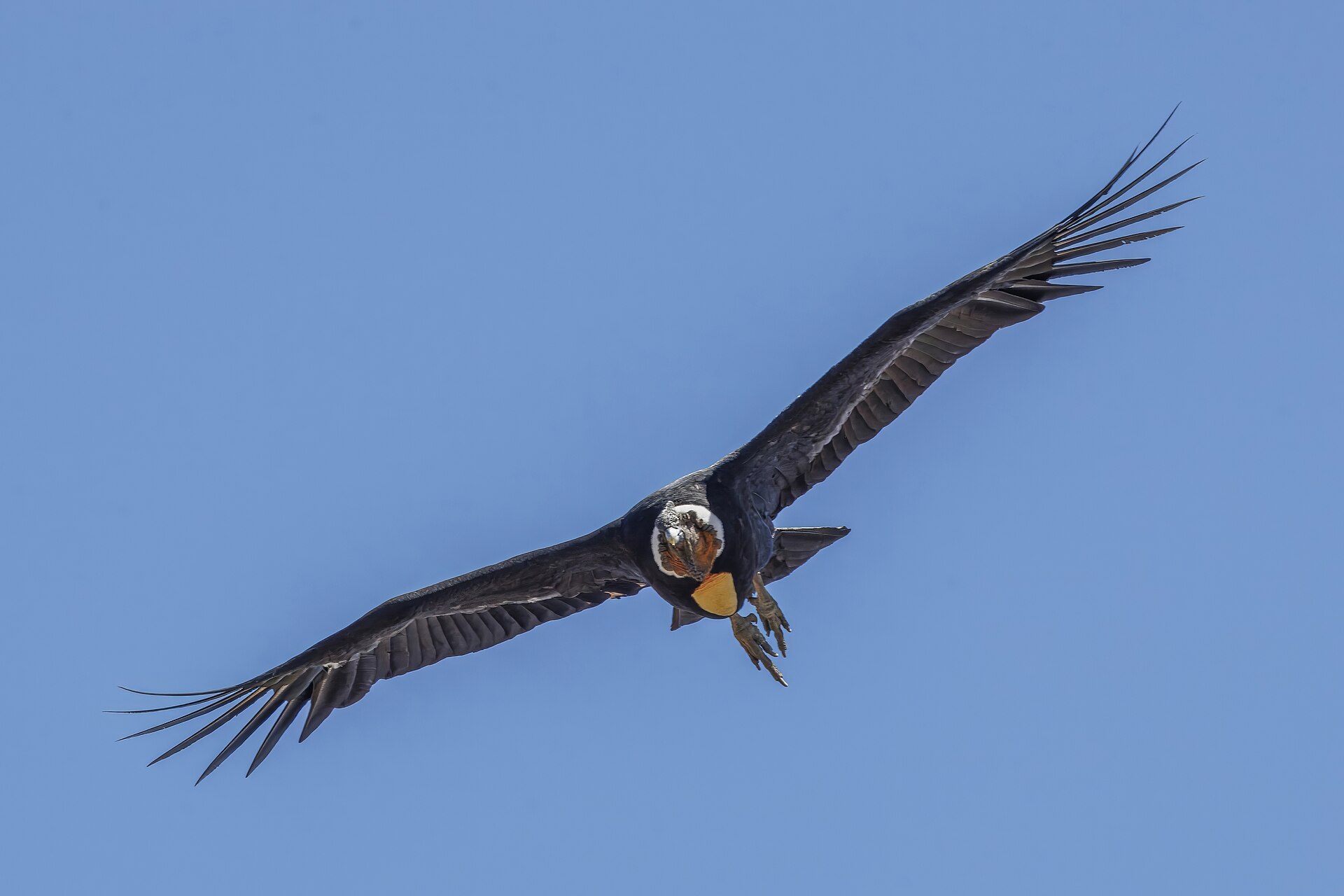
Varies by species: Andean Condor — Vulnerable (IUCN); California Condor — Critically Endangered (IUCN)
Condor
Vultur gryphus (Andean) / Gymnogyps californianus (California)
Condors are the largest flying land birds in the Western Hemisphere: the Andean condor (Vultur gryphus) is listed as Vulnerable by the IUCN with roughly 6,700 mature individuals remaining, while the California condor (Gymnogyps californianus) is Critically Endangered but recovering, with approximately 607 birds alive as of 2025 thanks to an intensive captive-breeding and reintroduction programme that saved it from a low of just 22 birds in 1982.
Read the guide →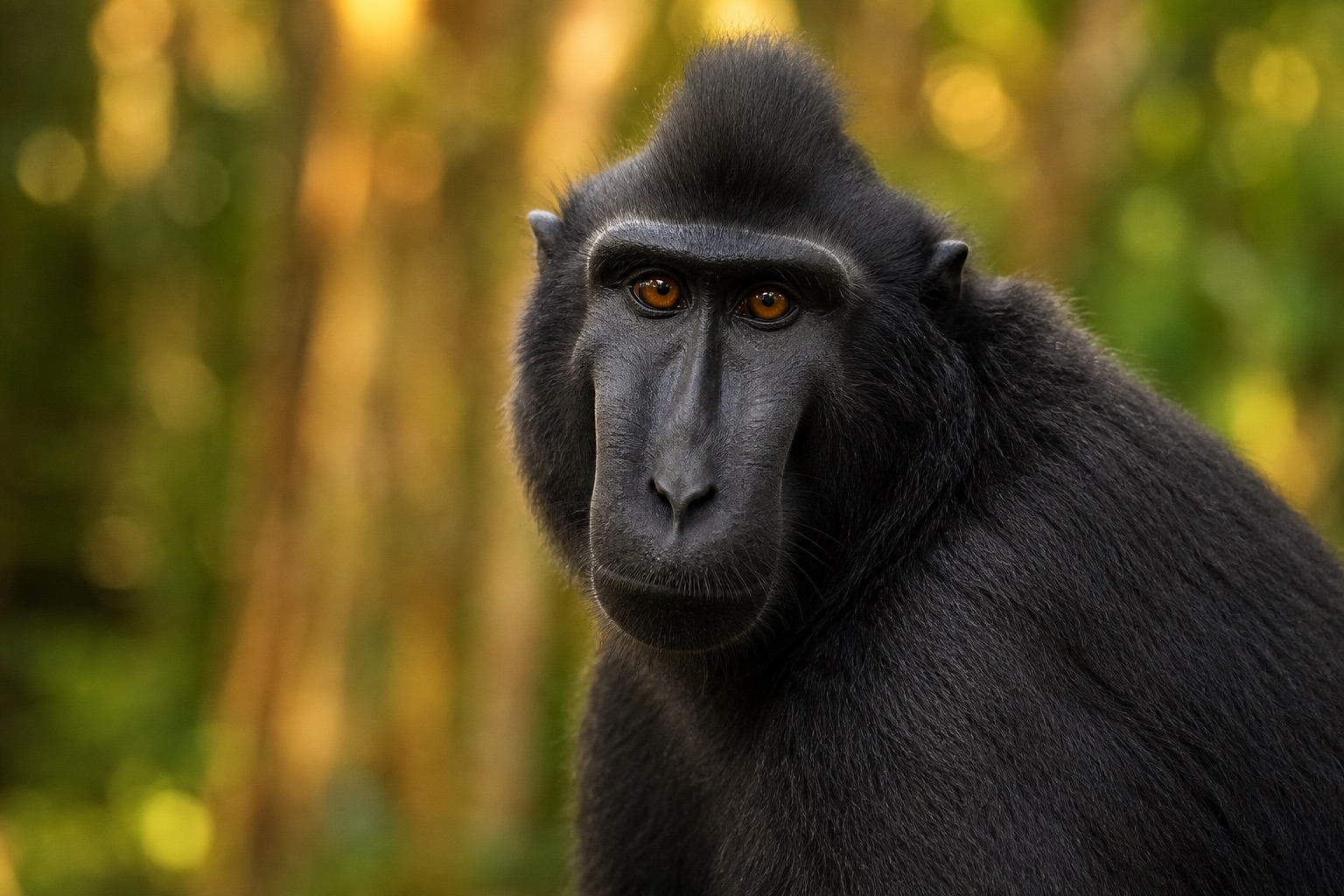
Critically Endangered — fewer than expected remain on Sulawesi
Crested Black Macaque
Macaca nigra (Desmarest, 1822) — family Cercopithecidae
The crested black macaque (Macaca nigra) is a Critically Endangered all-black monkey endemic to northeastern Sulawesi, threatened by hunting and forest loss; it became famous through 2011 selfie photographs, but copyright law does not protect the species from decline.
Read the guide →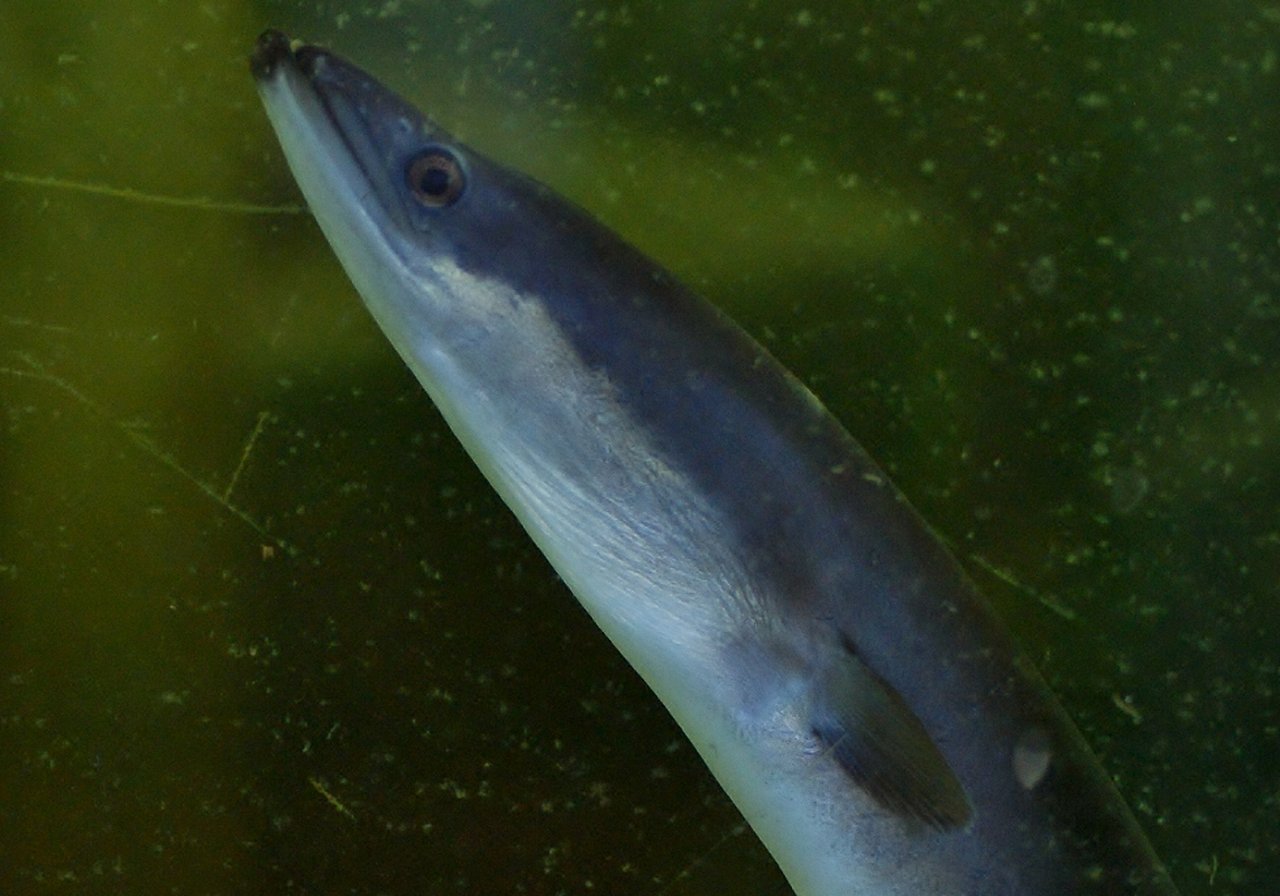
Critically Endangered
Eel
Anguilla anguilla (Linnaeus, 1758)
The European eel (Anguilla anguilla) is a Critically Endangered catadromous fish spawning in the Sargasso Sea; populations have declined over 90% since the 1970s from dams, pollution, fisheries and illegal trade.
Read the guide →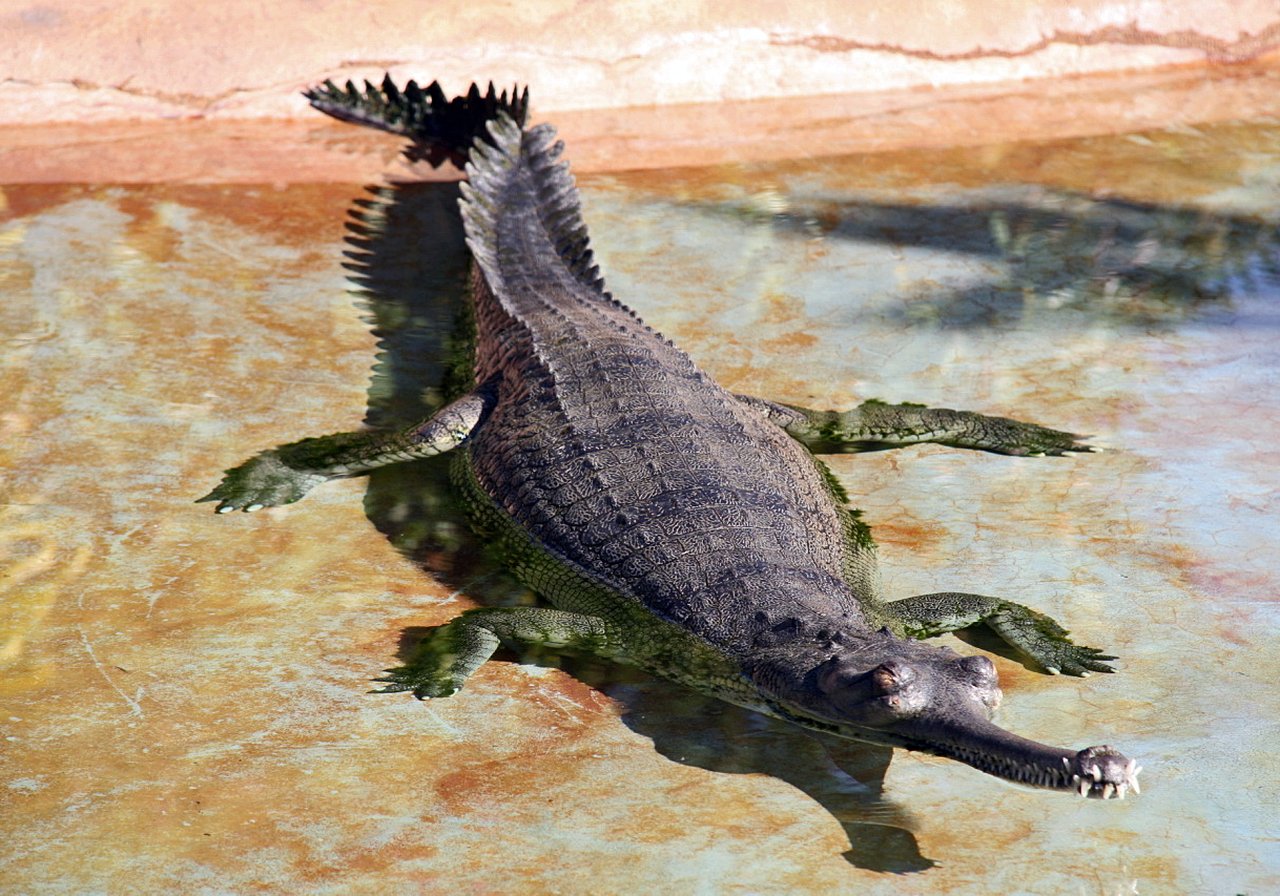
Critically Endangered
Gharial
Gavialis gangeticus (Gmelin, 1789)
The gharial (Gavialis gangeticus) is a Critically Endangered fish-eating crocodilian of India and Nepal with fewer than 900 mature individuals remaining; river damming, sand mining and pollution are the primary threats.
Read the guide →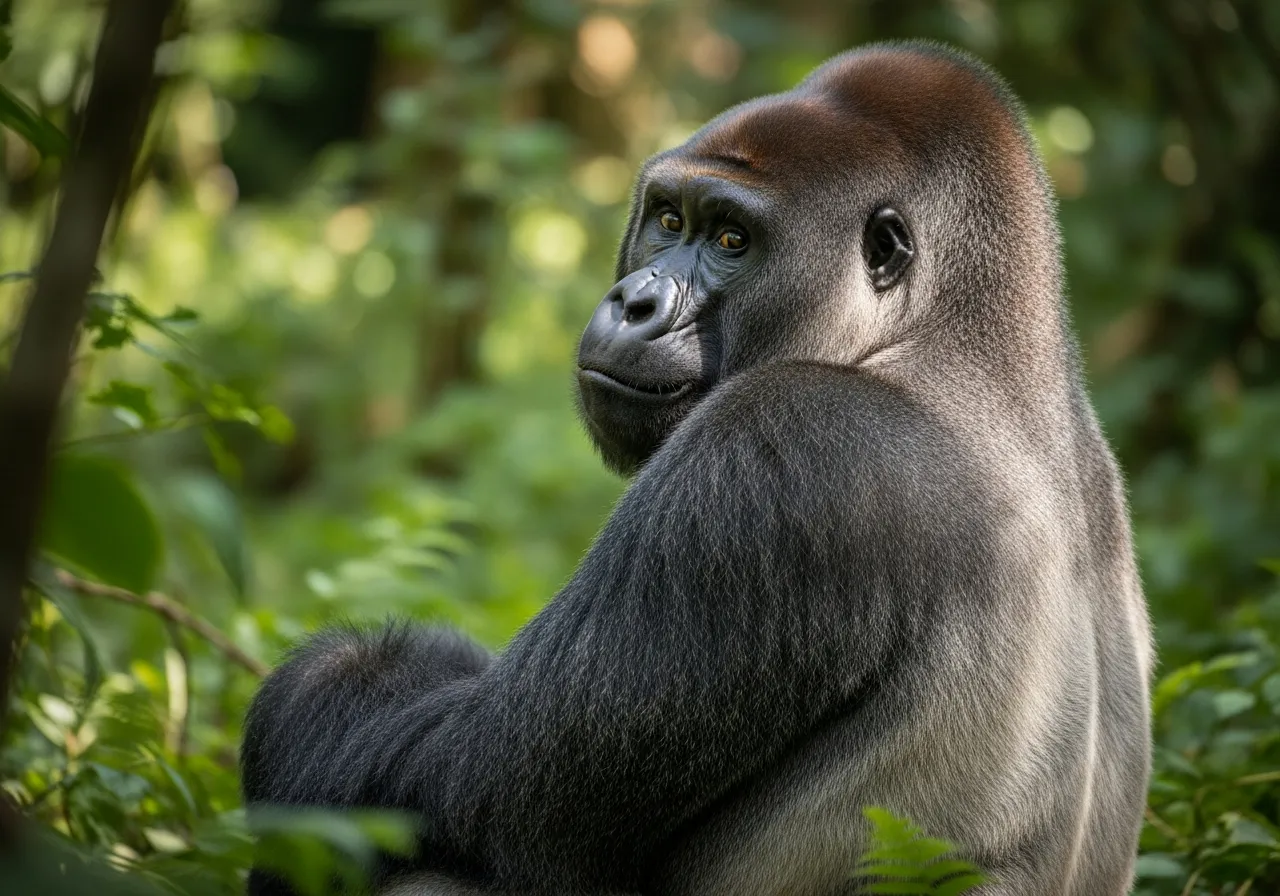
Critically Endangered (both species)
Gorilla
Gorilla gorilla (Savage, 1847) — Western Gorilla; Gorilla beringei (Matschie, 1903) — Eastern Gorilla
A gorilla is the largest living primate, a ground-dwelling, mostly plant-eating great ape native to the forests of equatorial Africa. There are two Critically Endangered species — the Western and Eastern gorilla — and gorillas share roughly 98% of their DNA with humans.
Read the guide →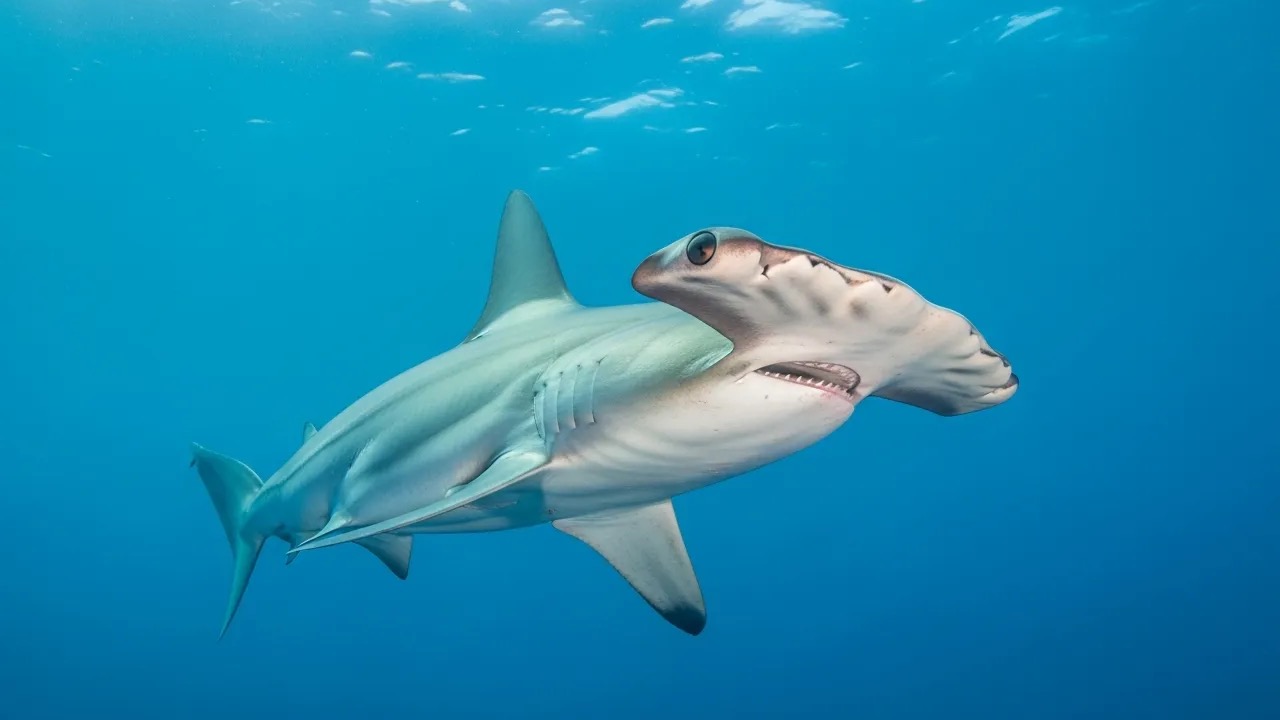
Critically Endangered
Hammerhead Shark
Sphyrnidae
Hammerhead sharks are a family of coastal and open-ocean sharks (Sphyrnidae) instantly recognised by the flattened, hammer-shaped head, or cephalofoil, that spreads their eyes and sensory organs wide apart. Species range from under a metre to more than 6 m long, with large individuals weighing around 230 kg.
Read the guide →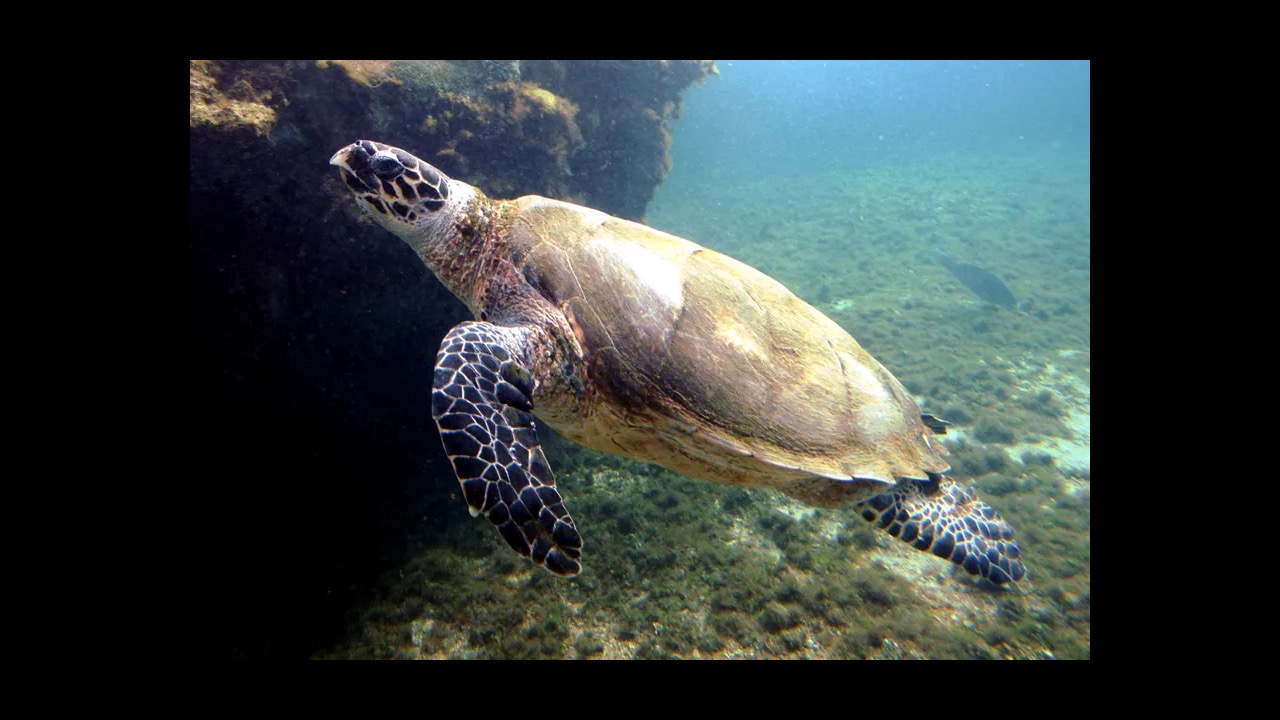
Critically Endangered
Hawksbill Sea Turtle
Eretmochelys imbricata
The hawksbill is a small sea turtle of tropical coral reefs worldwide, named for its narrow, bird-like beak. It grows to about 0.9 m (3 ft) and 45 to 90 kg, feeds mainly on sponges, and can swim at up to 24 km/h (15 mph).
Read the guide →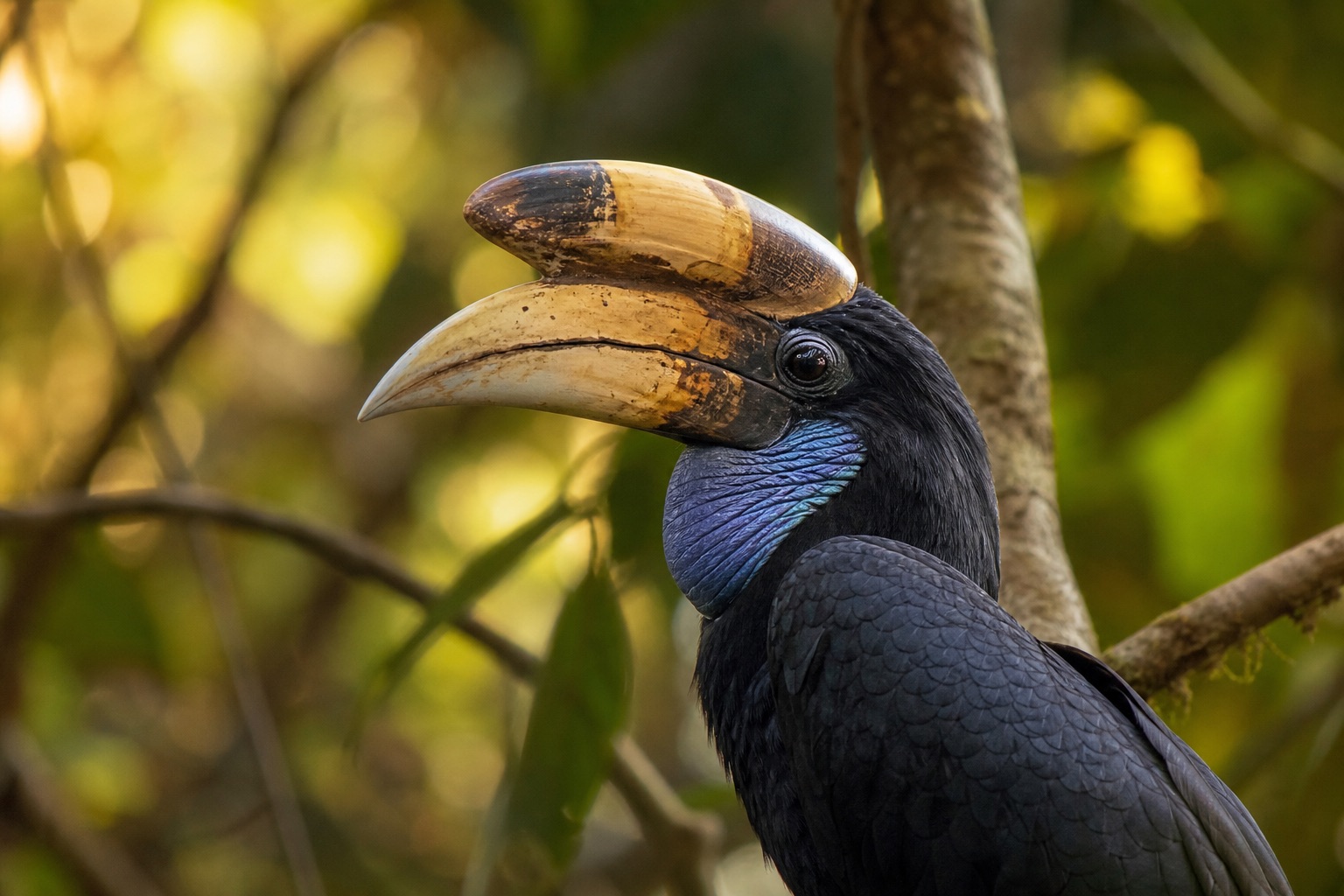
Critically Endangered — hunted for solid casque 'red ivory' traded across Southeast Asia and China
Helmeted Hornbill
Rhinoplax vigil (Forster, 1781) — family Bucerotidae
The helmeted hornbill (Rhinoplax vigil) is a Critically Endangered hornbill of Borneo and Sumatra whose almost solid casque is carved and traded as 'red ivory'; it was uplisted in one step in 2015 and depends on old-growth forest being cleared for oil palm, pulpwood and mining.
Read the guide →Critically Endangered
Indri
Indri indri (Gmelin, 1788)
The indri is the largest living lemur, endemic to eastern Madagascar and listed Critically Endangered on the IUCN Red List (2020, decreasing). It lives in monogamous family groups, sings across the canopy, and has never been kept successfully in captivity, so survival depends on protecting remaining forest — not on zoo breeding.
Read the guide →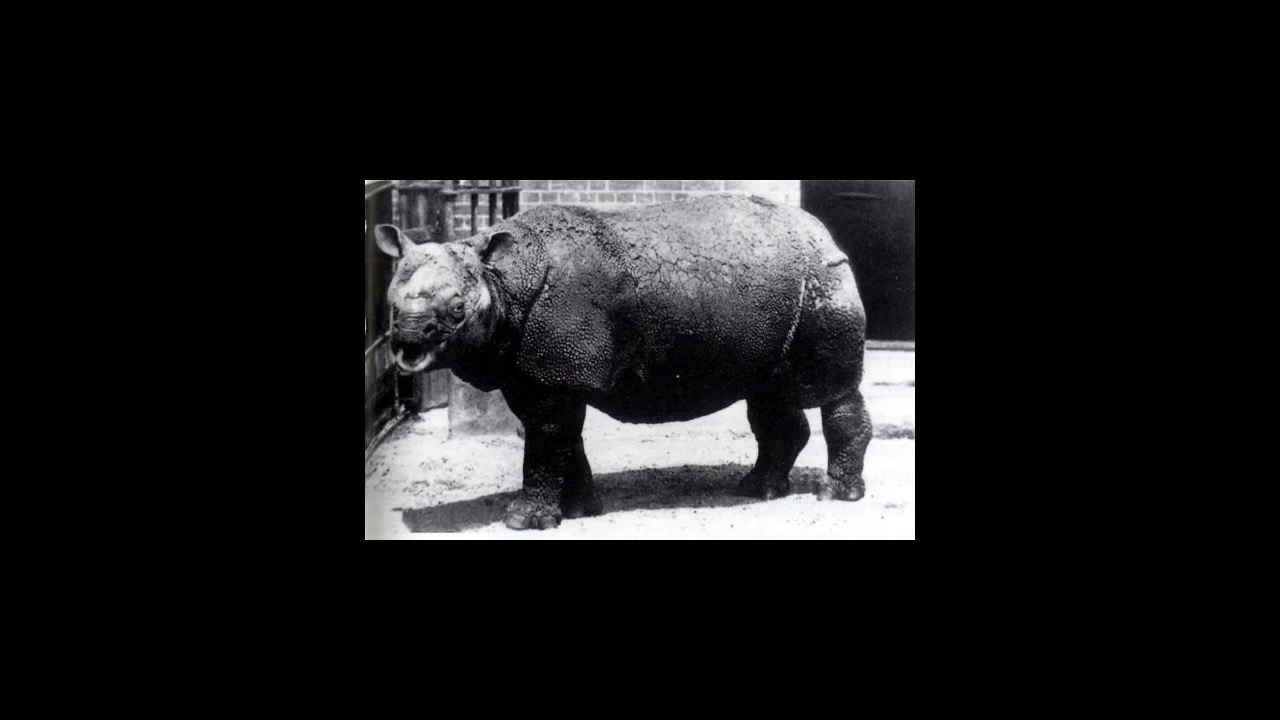
Critically Endangered
Javan Rhino
Rhinoceros sondaicus
The Javan rhinoceros is the rarest of all rhino species, with roughly 70 individuals surviving in a single national park on Java, Indonesia. Smaller than the Indian rhino at 900–2,300 kg (2,000–5,000 lb), it has a single horn and nearly hairless grey skin, and is Critically Endangered from historic hunting and tiny range.
Read the guide →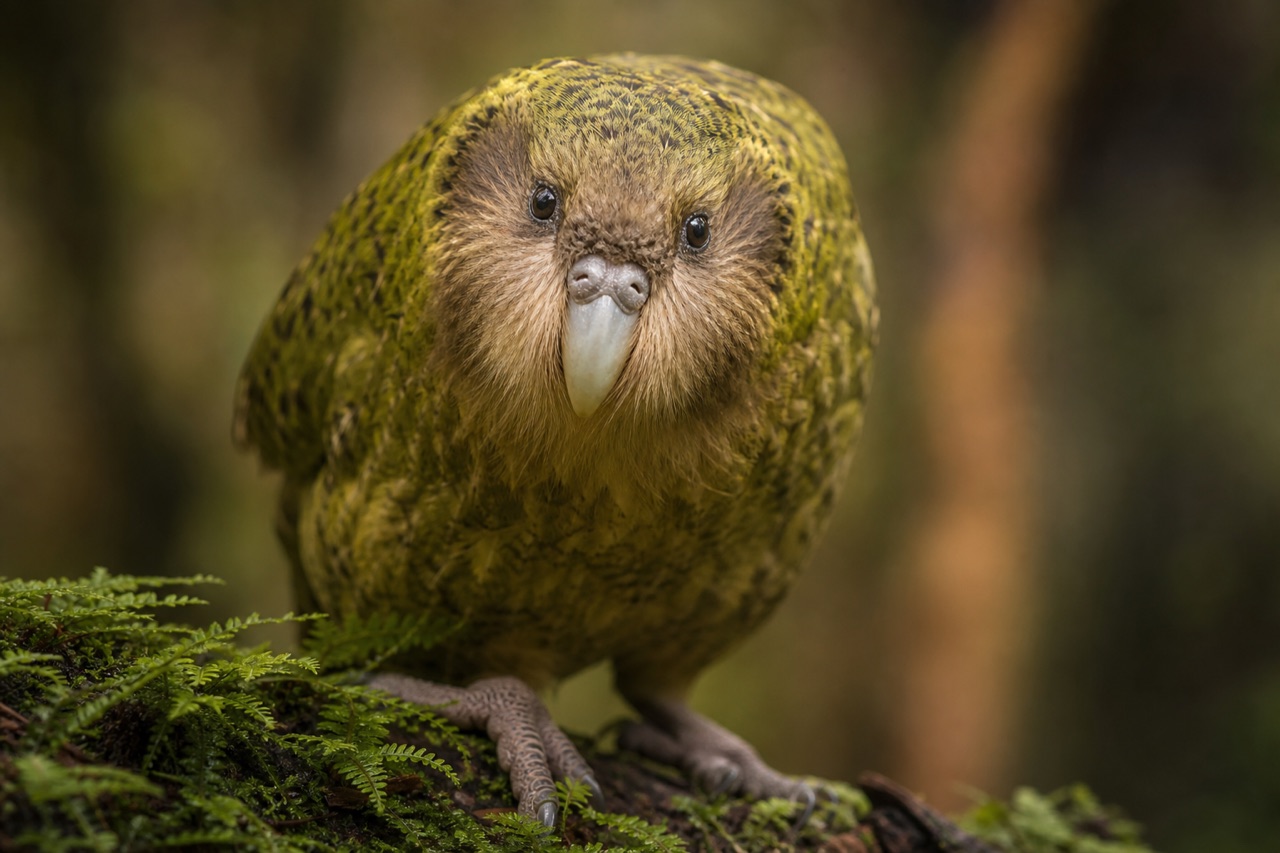
Critically Endangered — every living bird is individually named and monitored
Kakapo
Strigops habroptilus (Gray, 1845) — family Strigopidae
The kākāpō (Strigops habroptilus) is the world's only flightless parrot and the heaviest, a nocturnal New Zealand species now confined to predator-free offshore islands where every individual bird is named, microchipped and monitored.
Read the guide →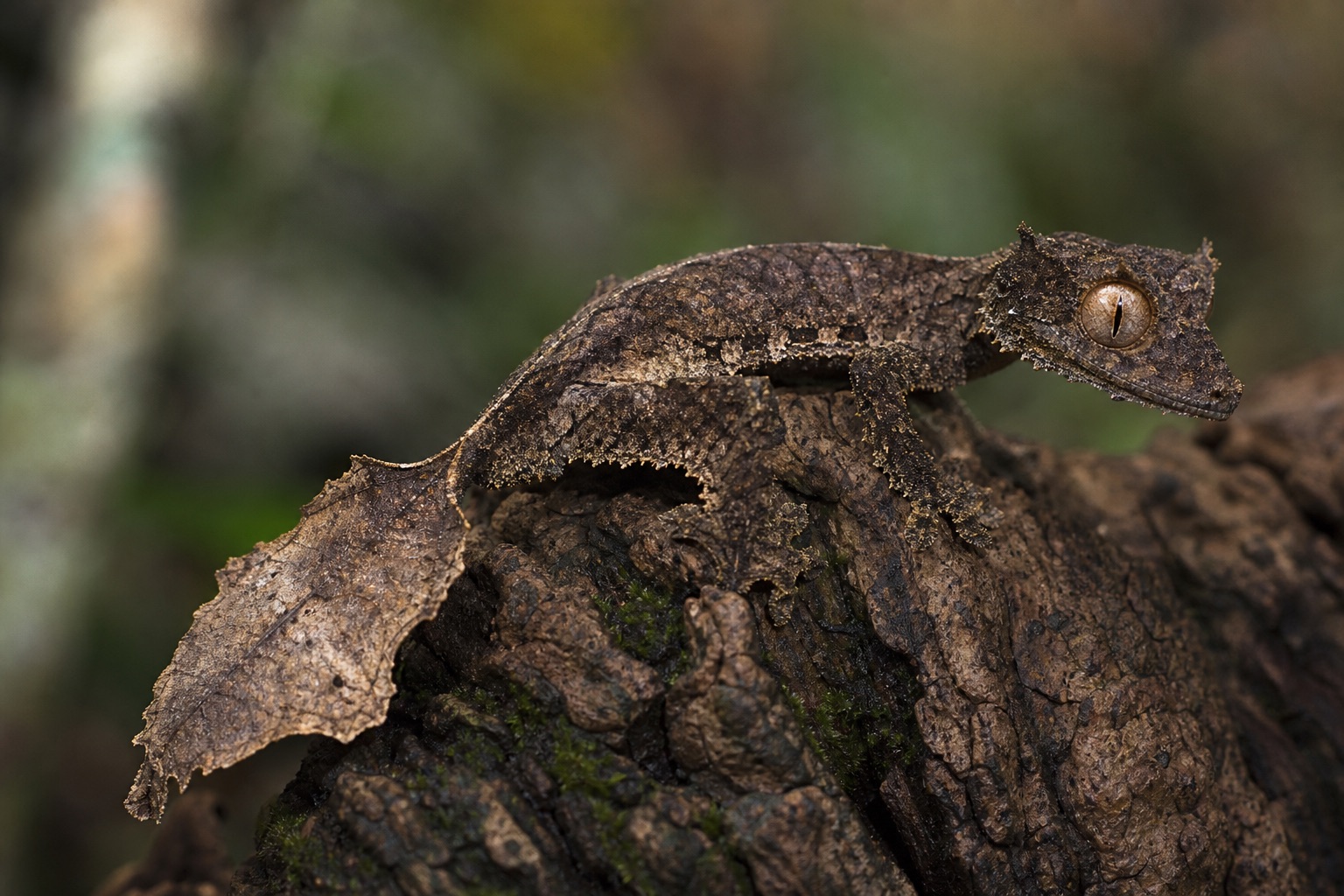
Critically Endangered — several Uroplatus species at risk; all CITES Appendix II
Leaf-Tailed Gecko
Uroplatus phantasticus (Boulenger, 1888) — genus Uroplatus, around 20 species
Leaf-tailed geckos (genus Uroplatus) are around 20 species of gecko endemic to Madagascar, camouflaged as dead leaves with a skin fringe that eliminates shadow; several are Critically Endangered, and the pet trade adds pressure as an estimated 80–90% of the island's original forest has been lost.
Read the guide →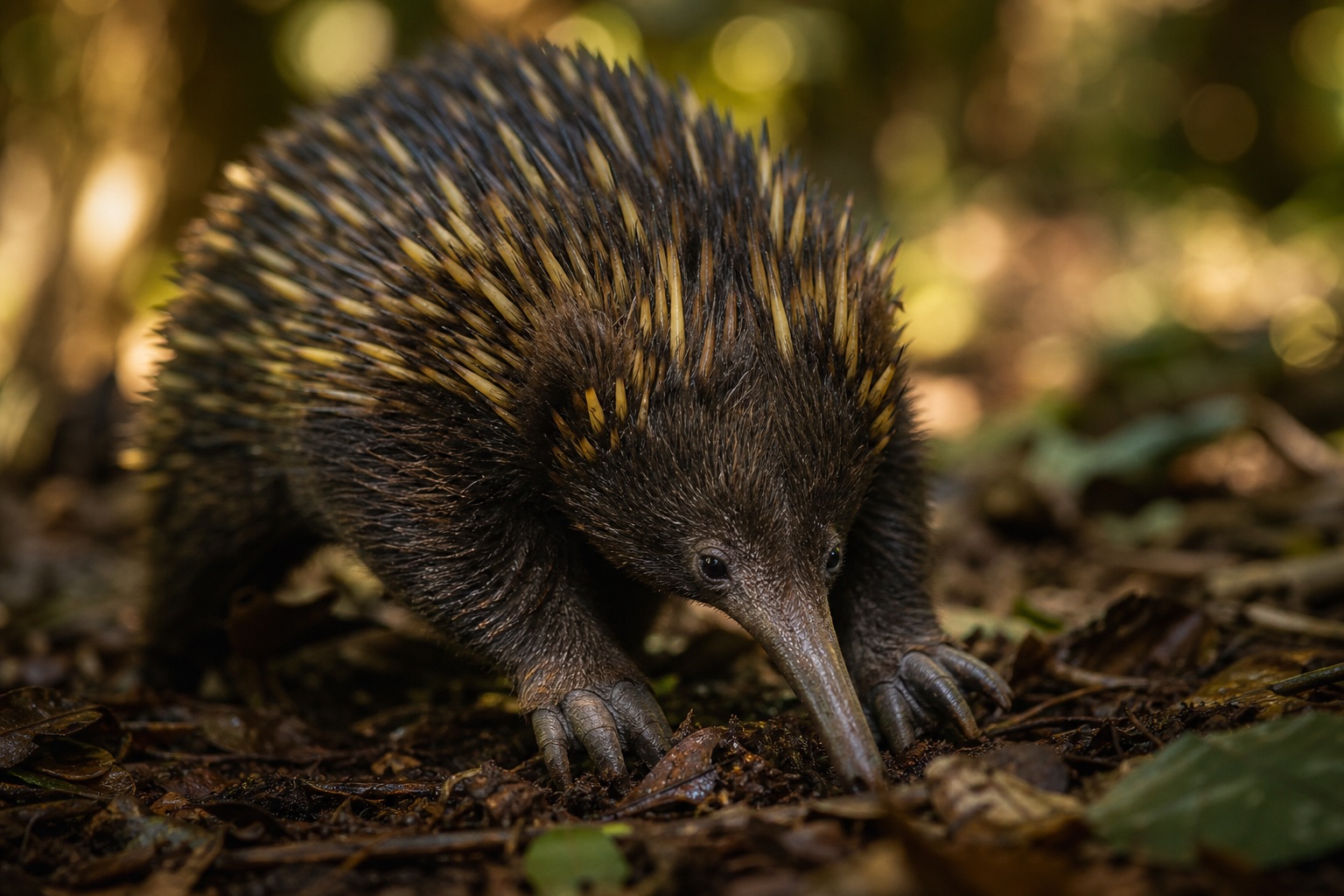
Critically Endangered — Attenborough's echidna unrecorded for decades until 2023
Long-beaked Echidna
Genus Zaglossus — three species; Attenborough's long-beaked echidna Z. attenboroughi
Long-beaked echidnas (genus Zaglossus) are egg-laying monotreme mammals of New Guinea highland forest; Attenborough's long-beaked echidna was not recorded for roughly sixty years until camera-trap images in 2023, and the genus is Critically Endangered.
Read the guide →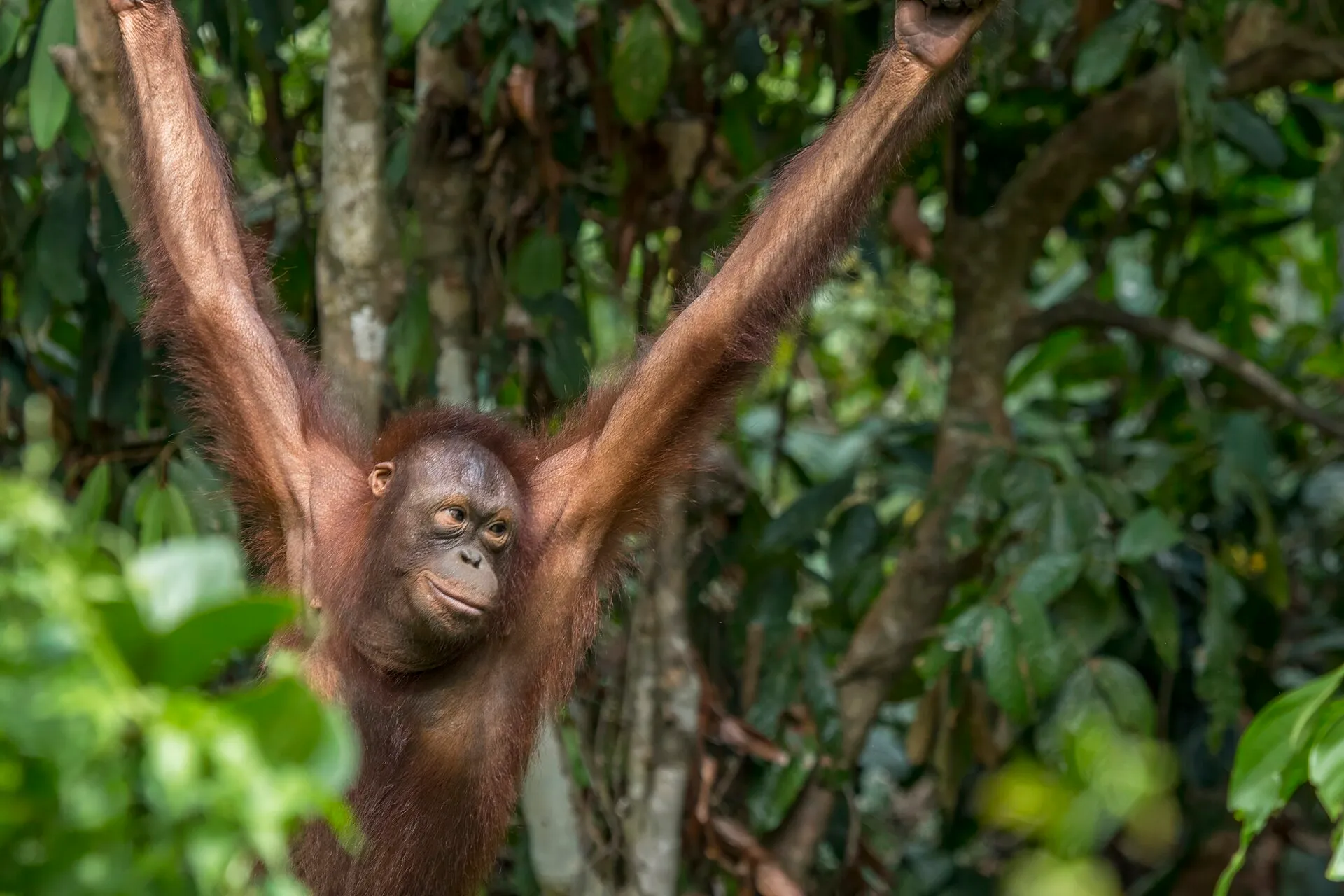
Critically Endangered
Orangutan
Pongo pygmaeus (Linnaeus, 1760), Pongo abelii (Lesson, 1827), Pongo tapanuliensis (Nurcahyo, Meijaard et al., 2017)
Orangutans are Critically Endangered great apes found only in Borneo and Sumatra; all three species — Bornean, Sumatran, and Tapanuli — face extinction driven mainly by habitat loss from palm oil and logging, plus the illegal pet trade.
Read the guide →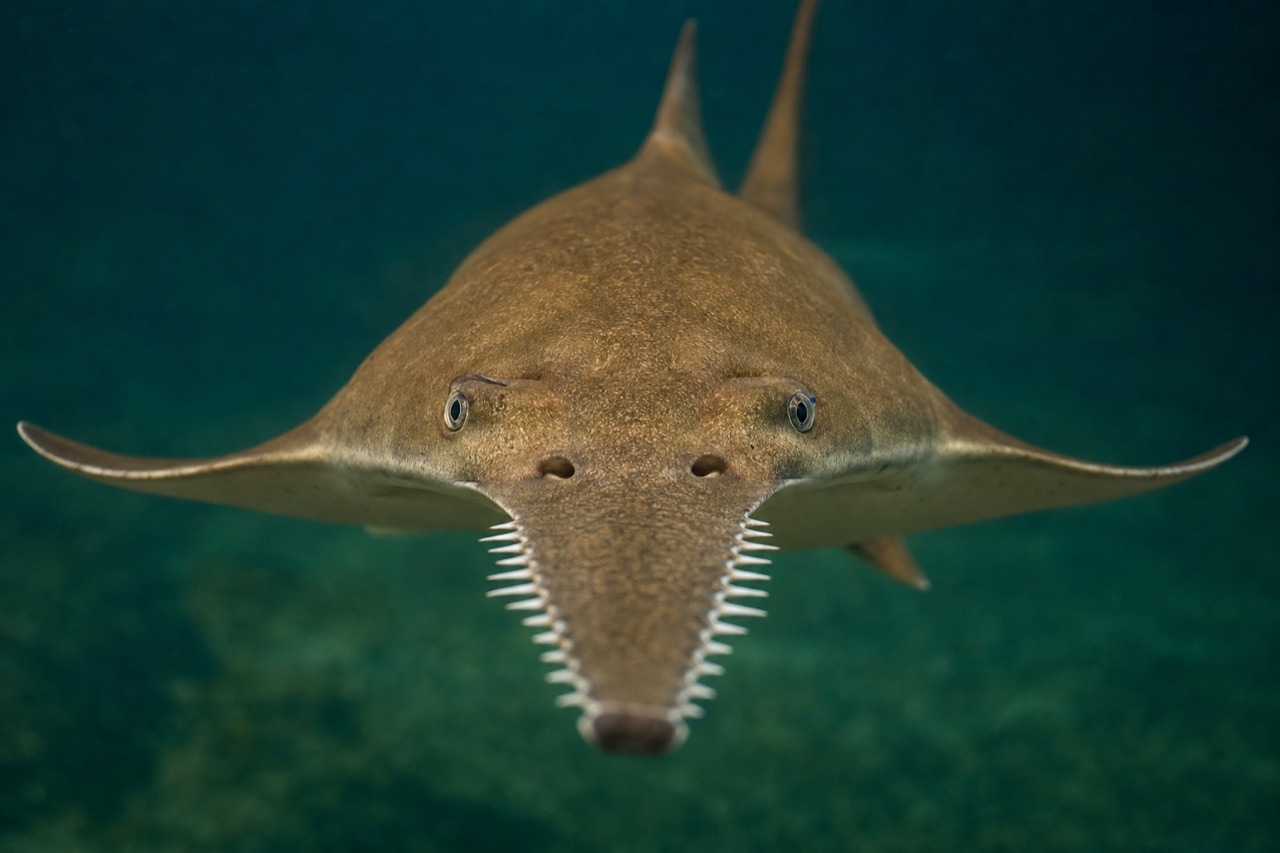
Critically Endangered — among the most threatened marine fish on Earth
Sawfish
Family Pristidae — five species, including Pristis pristis and Pristis pectinata
Sawfish are rays with a long tooth-lined rostrum used to sense and strike prey; all five species are threatened and most are Critically Endangered, largely because the rostrum entangles in fishing nets.
Read the guide →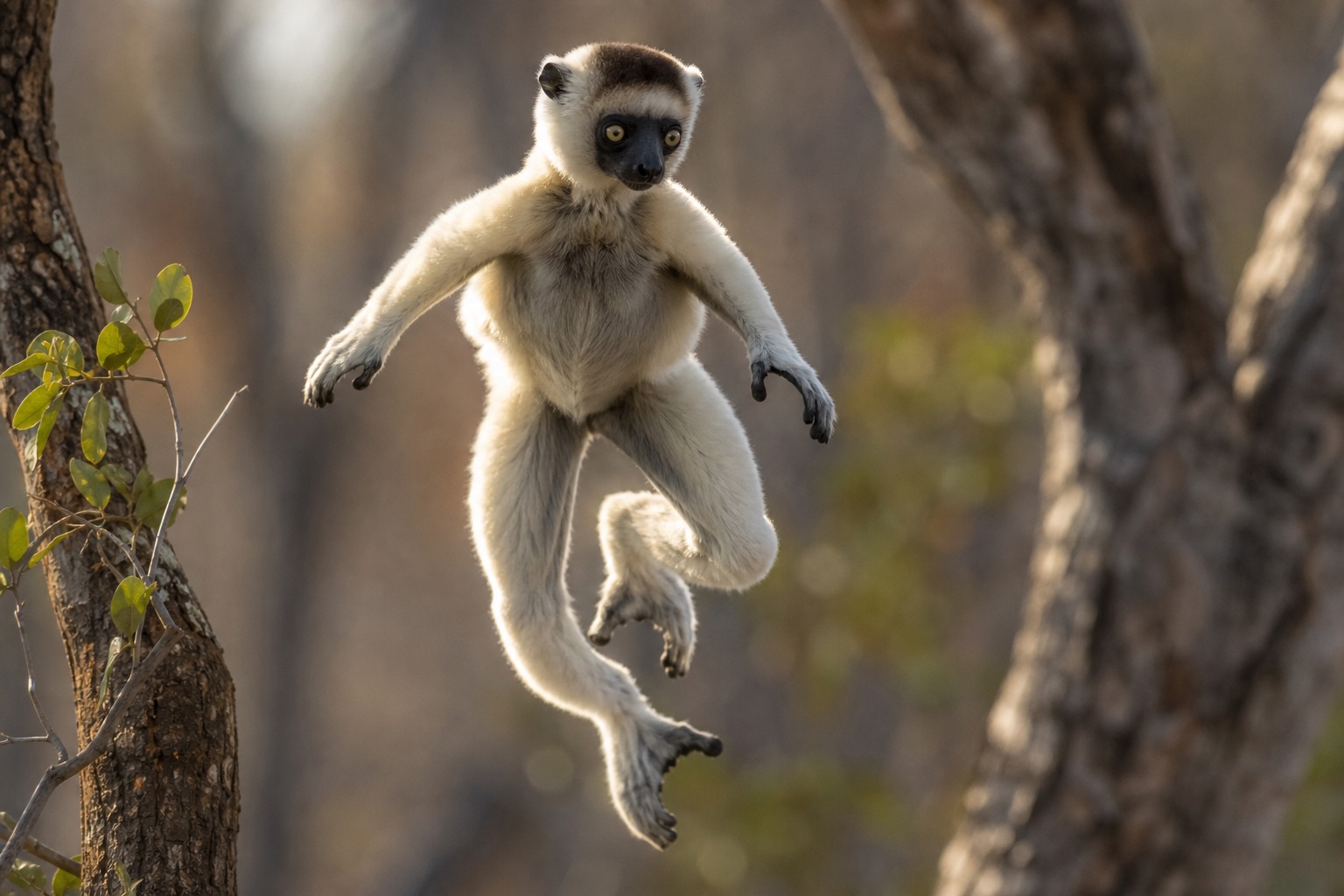
Varies by species — several Critically Endangered, others Vulnerable or Endangered
Sifaka
Genus Propithecus — nine recognised species
Sifakas are nine species of lemur in the genus Propithecus, found only in Madagascar, famous for sideways bipedal hopping on the ground; several species are Critically Endangered as an estimated 80–90% of the island's original forest has been lost to tavy, charcoal production and the pet trade.
Read the guide →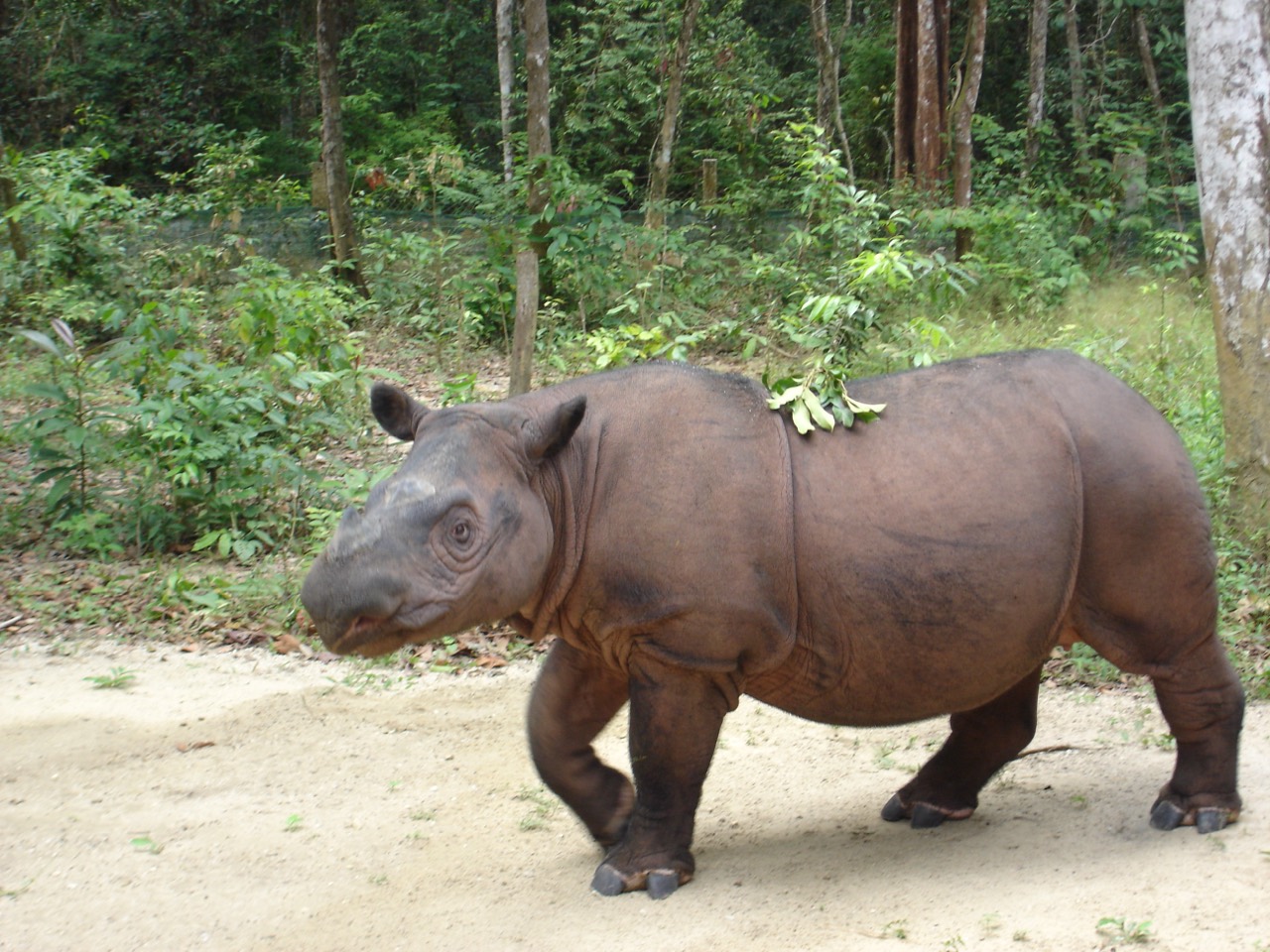
Critically Endangered — fewer than ~50 left
Sumatran Rhino
Dicerorhinus sumatrensis
A Sumatran rhino is the smallest, hairiest living rhinoceros — a two-horned, rainforest-dwelling species of Indonesia and the only surviving member of the genus Dicerorhinus, now Critically Endangered with fewer than roughly 50 individuals left.
Read the guide →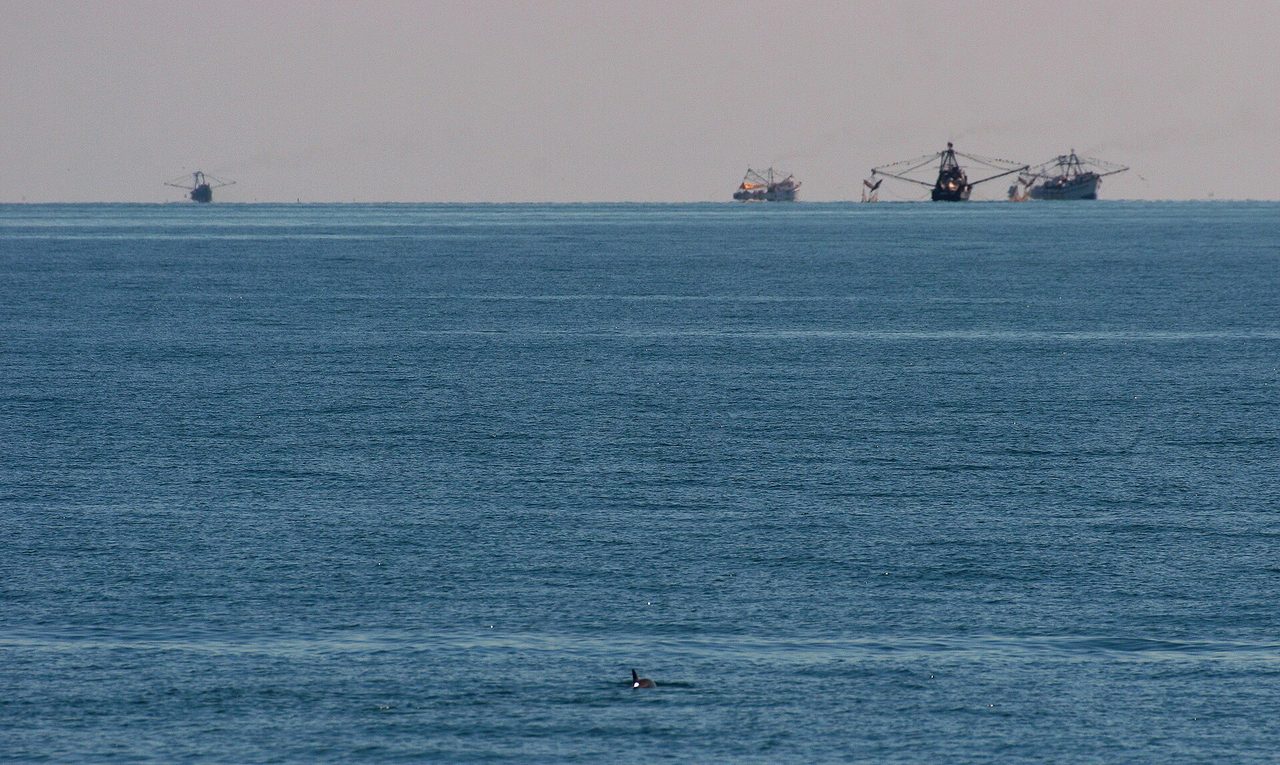
Critically Endangered
Vaquita
Phocoena sinus
The vaquita (Phocoena sinus) is the world's rarest marine mammal, a small porpoise found only in Mexico's Gulf of California, with fewer than ten individuals remaining as of 2025 due to drowning in illegal gillnets.
Read the guide →