Fish · 8 species guides
Reef Fish: Clownfish, Angelfish & Coral Specialists
Reef fish are bony fishes specialised for coral reefs and clear tropical shallows, including clownfish, angelfish, blue tangs, butterfly-like surgeons, seahorses, pufferfish and lionfish; many depend on living coral structure for shelter, food and breeding sites.
- Body shape
- Many reef fish are deep-bodied and laterally compressed for weaving through coral; open-ocean fish are more torpedo-shaped.
- Surgeonfish spine
- Tangs and related surgeonfish carry a sharp caudal spine — the “blade” — at the base of the tail.
- Clownfish and anemones
- Clownfish live among stinging anemone tentacles after acquiring mucus that prevents firing.
- Seahorse posture
- Seahorses swim upright with a prehensile tail; pipefish are elongate relatives that stay more horizontal.
Coral reefs concentrate colour and specialisation. Small bodies, tight territories and odd partnerships — clownfish with anemones, cleaner fish with clients — are normal here. Identification often starts with family silhouettes: surgeonfish blades, angelfish discs, seahorse upright posture, lionfish feathered fins. The invasive Atlantic lionfish story sits beside the aquarium-trade pressure on clownfish and seahorses.
Reef fish lose both habitat and individuals when coral dies or collectors strip territories. Warming-driven bleaching and the ornamental trade hit the same colourful specialists people recognise from aquaria. Seahorses are bony fish with male pregnancy; pufferfish inflate and many carry tetrodotoxin. Accurate type-level identification is the entry point before species guides explain IUCN status and what recovery would require. WARN reef-fish guides linked here cover clownfish, angelfish, blue tangs, seahorses, lionfish and pufferfish with habitat and trade context. Divers and aquarium keepers both benefit from knowing which colour patterns mark invasive lionfish in the Atlantic versus native Indo-Pacific populations.
Key facts
- Many reef fish depend on living coral for shelter and breeding.
- Clownfish form mutualisms with sea anemones.
- Lionfish are native to the Indo-Pacific and invasive in the western Atlantic.
- Seahorses are bony fish with upright posture and male pregnancy.
- The aquarium trade and reef bleaching both remove specialists.
- Pufferfish inflate and many carry tetrodotoxin — a defence, not a toy.
How to recognise them
The features that separate this group in the field, in the order they are usually most useful.
- Body shape
- Many reef fish are deep-bodied and laterally compressed for weaving through coral; open-ocean fish are more torpedo-shaped.
- Surgeonfish spine
- Tangs and related surgeonfish carry a sharp caudal spine — the “blade” — at the base of the tail.
- Clownfish and anemones
- Clownfish live among stinging anemone tentacles after acquiring mucus that prevents firing.
- Seahorse posture
- Seahorses swim upright with a prehensile tail; pipefish are elongate relatives that stay more horizontal.
- The confusion pairs
- Lionfish versus scorpionfish: lionfish show dramatic striped pectoral fans. Blue tang versus angelfish: tangs have the caudal spine; angelfish have a different fin plan and often a spine at the gill cover.
8 reef fish guides
Search or filter by conservation status. Every guide carries sourced facts, IUCN status and FAQs.
Common names, scientific names and places are searchable.
Showing 1–8 of 8 guides
Fish
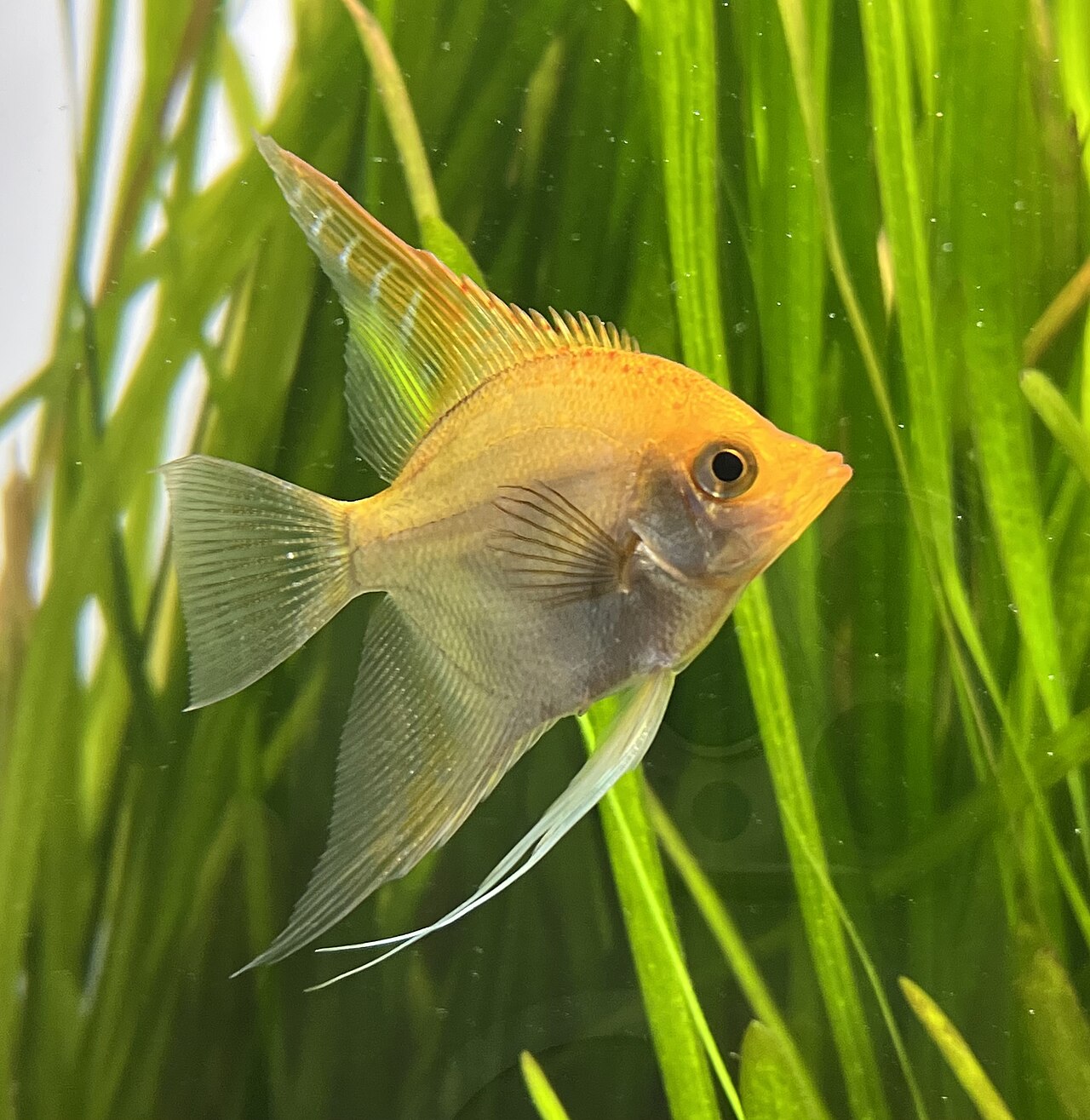
AAngelfish
Pterophyllum scalare (Lichtenstein, 1823) — freshwater angelfish, family Cichlidae
Tall, graceful Amazon cichlids — community-tank icons bred into many colour and fin varieties.
South America — Amazon basin (wild type); aquariums worldwide
Open guide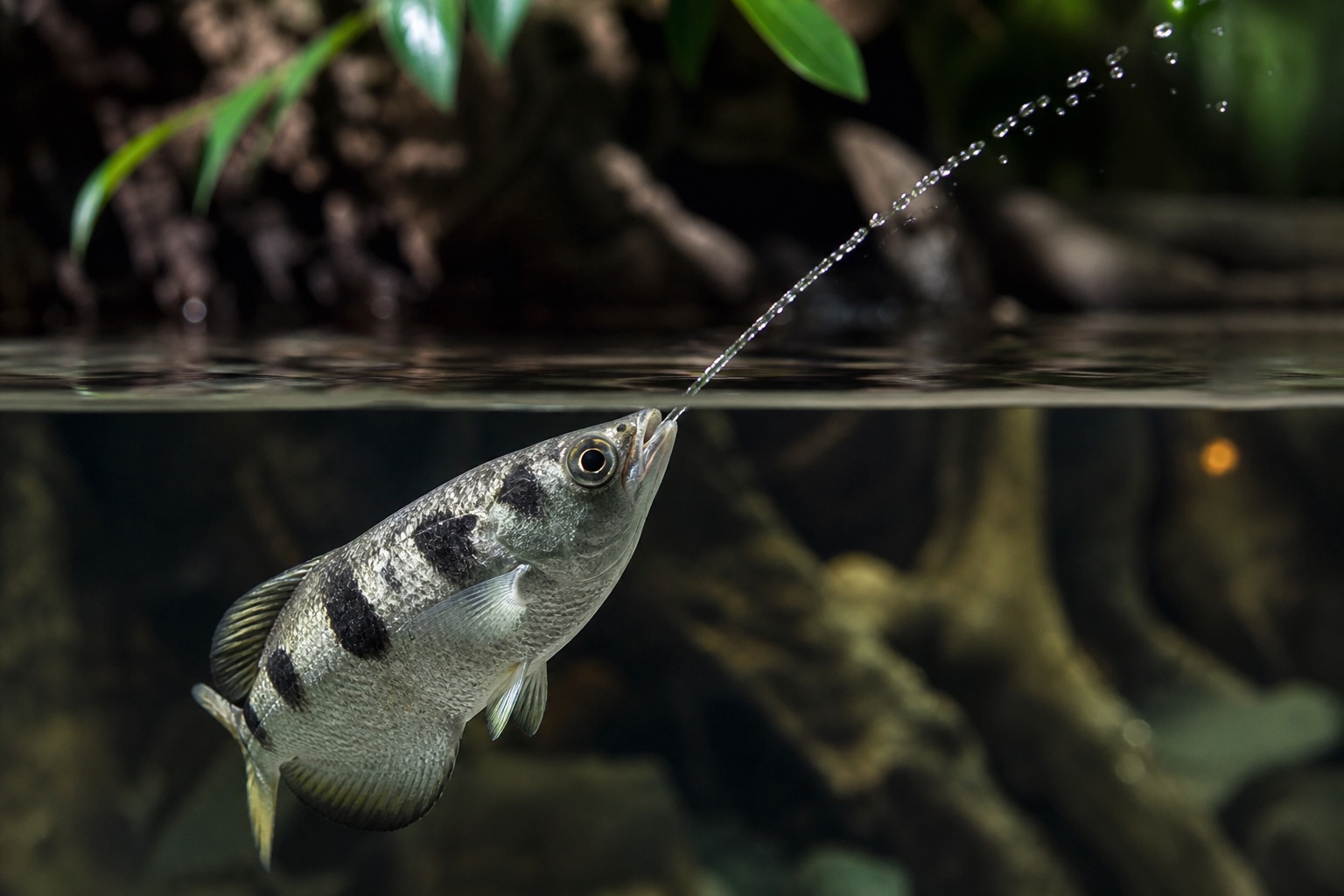
Fish
AArcherfish
Toxotes jaculatrix (Pallas, 1767) — family Toxotidae
A fish that shoots insects off leaves with a jet of water — and corrects for refraction.
Indo-Pacific mangroves and estuaries · From India to northern Australia and Melanesia
Open guide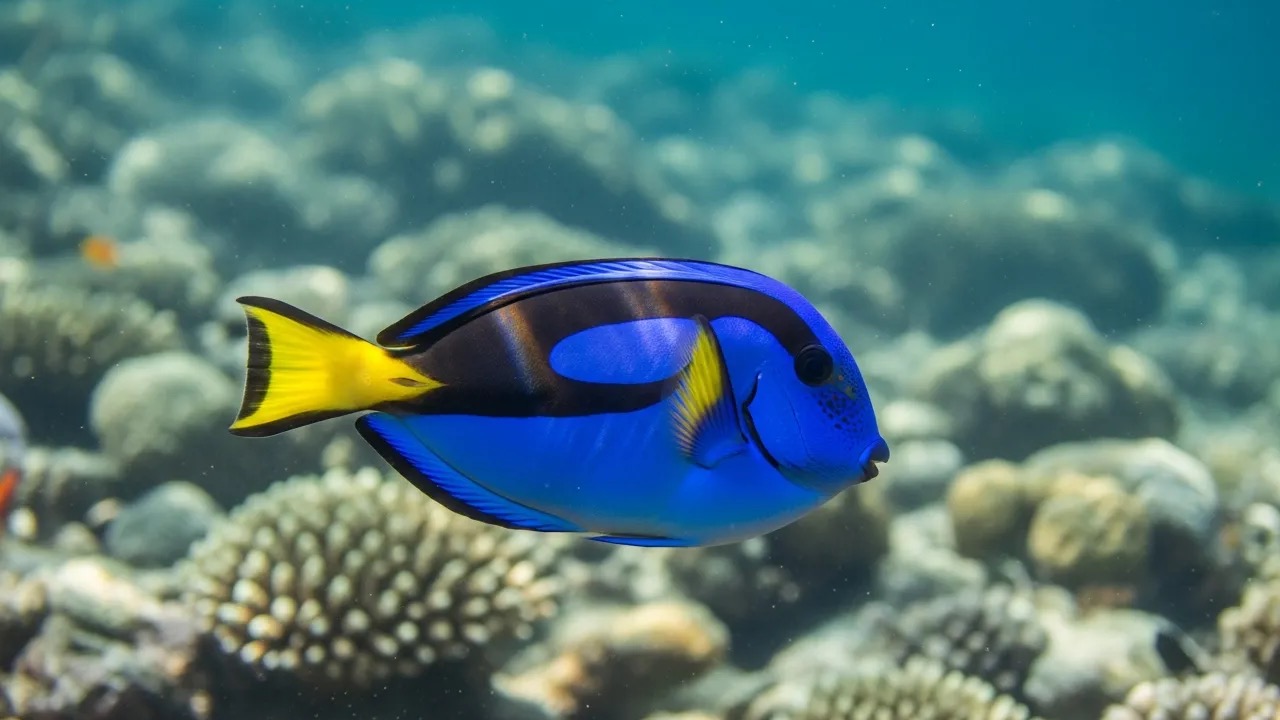
Fish
BBlue Tang
Paracanthurus hepatus
The bright blue reef fish from Finding Nemo
Oceans
Open guide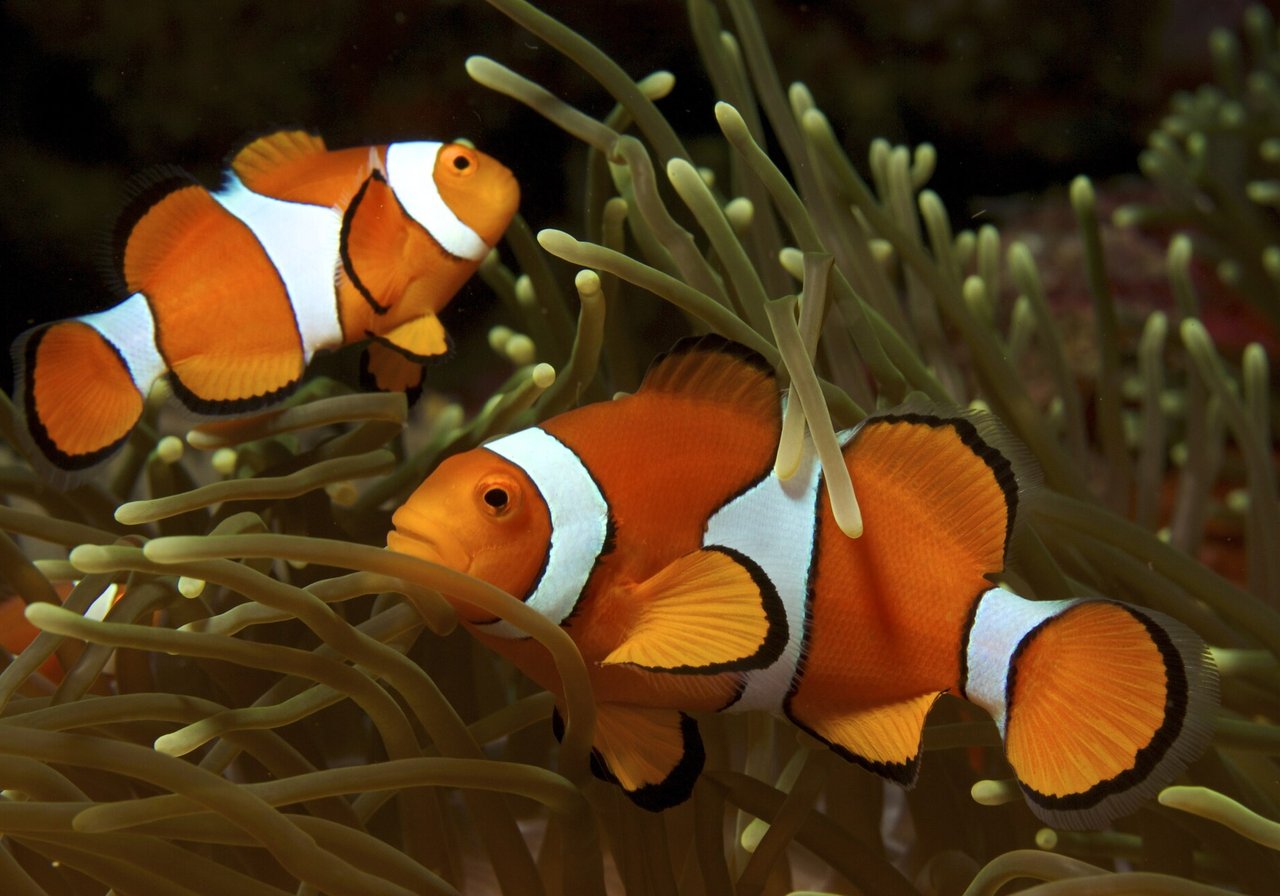
Fish
CClownfish
Amphiprion ocellaris (Cuvier, 1830) — genus Amphiprion, about 30 anemonefish species
Anemonefish of Indo-Pacific reefs — Least Concern on paper, bound to hosts that bleaching can kill.
Indo-Pacific reefs and lagoons — Andaman Sea to the western Pacific · Indonesia and Malaysia overlap WARN partner countries (geography, not a clownfish hatchery)
Open guide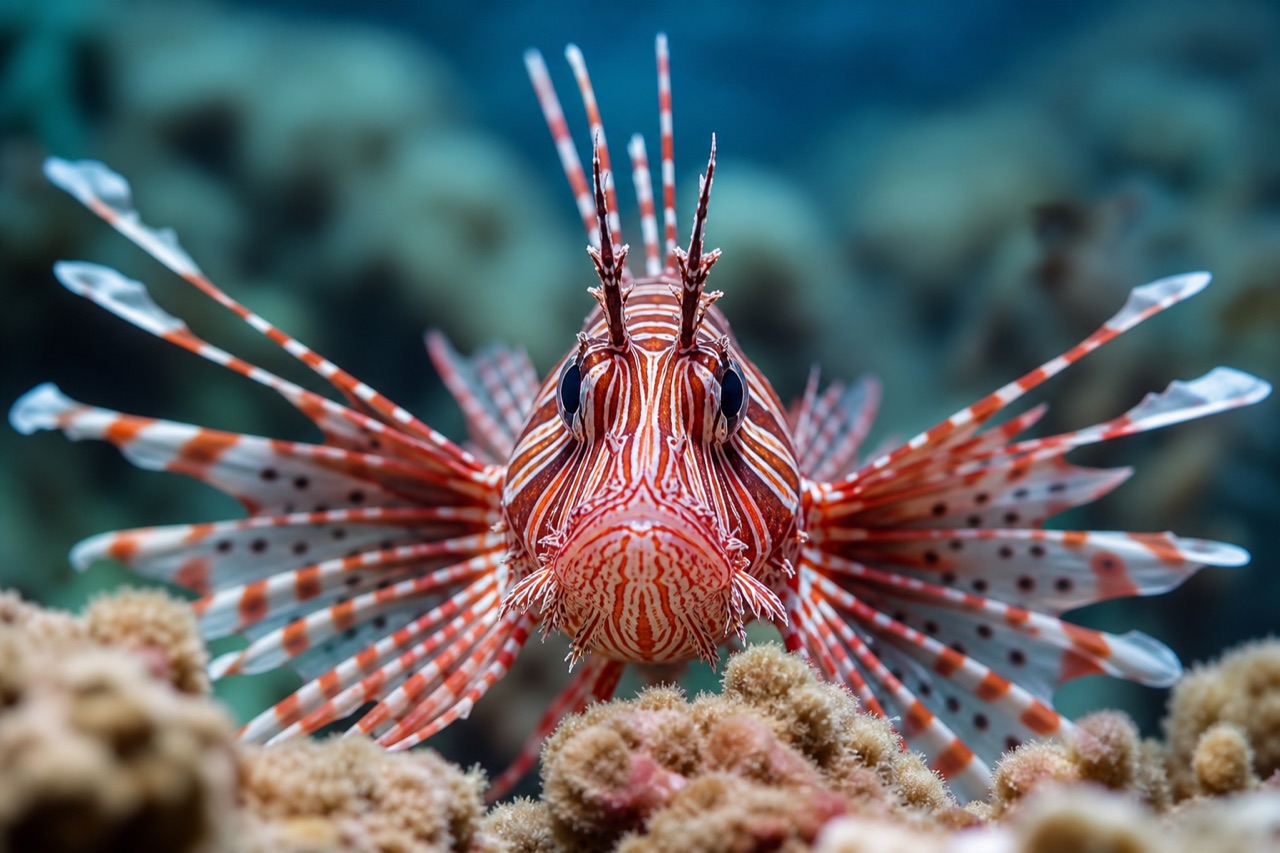
Fish
LLionfish
Genus Pterois — red lionfish P. volitans and devil firefish P. miles invasive in the Atlantic
A spectacular Indo-Pacific predator that became the textbook Atlantic invasive — venomous, fertile and unchecked.
Native: Indo-Pacific coral reefs · Invasive: Western Atlantic, Caribbean and Gulf of Mexico since the 1980s
Open guide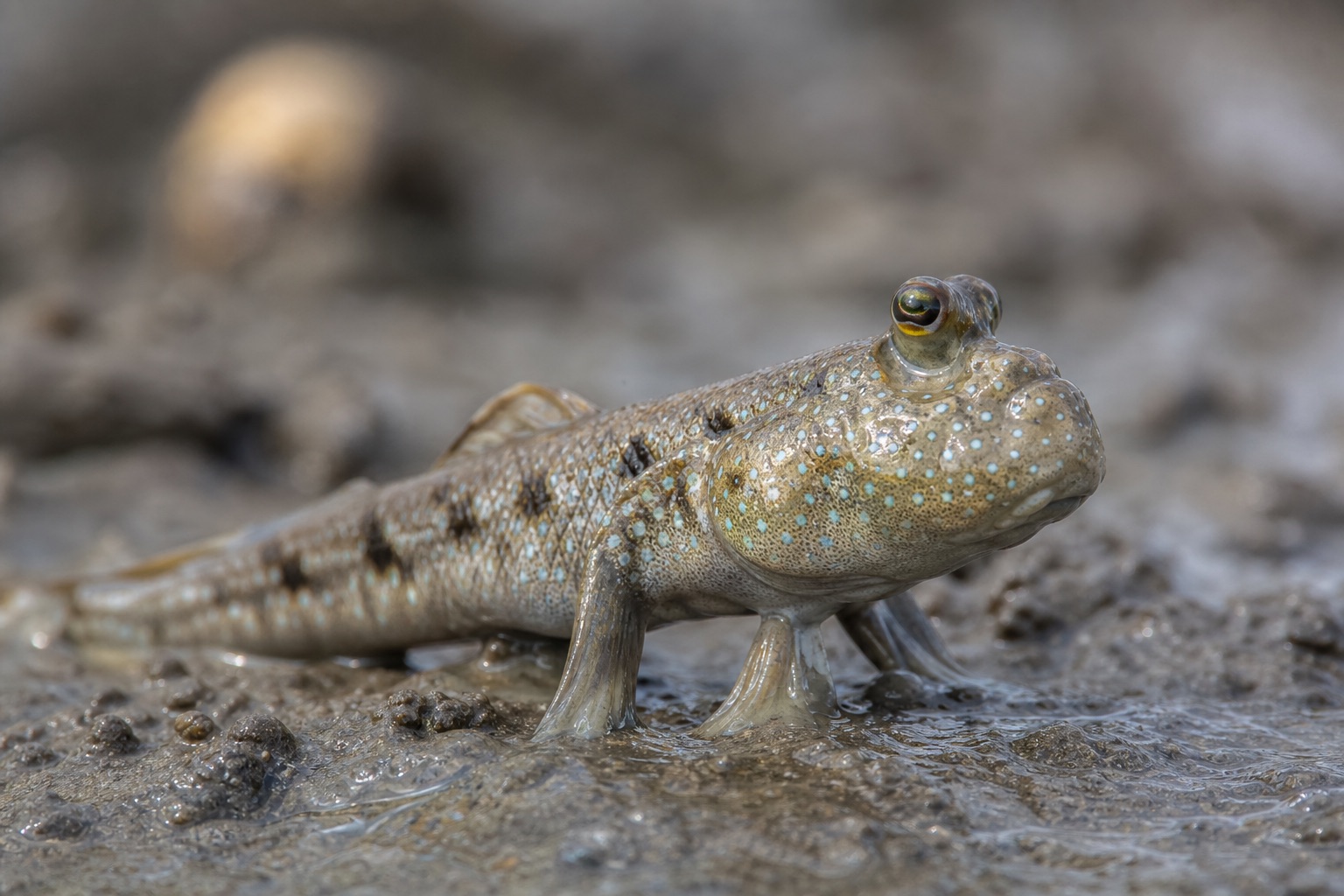
Fish
MMudskipper
Periophthalmus spp. — family Oxudercidae (formerly Gobiidae)
A fish that walks on land, breathes through its skin and spends more time out of water than in it.
Indo-Pacific mangrove mudflats · Tropical west Africa for some species
Open guide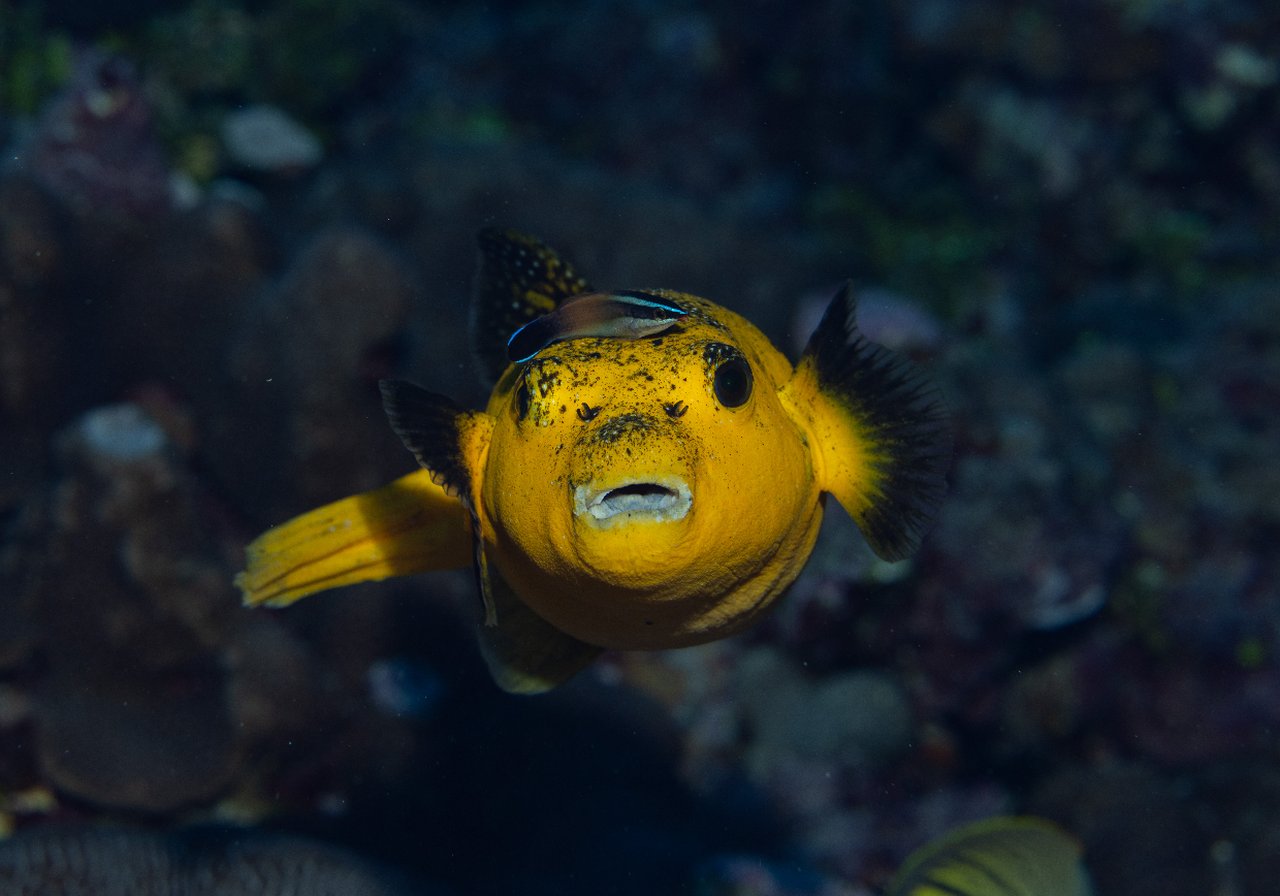
Fish
PPufferfish
Tetraodontidae (Bonaparte, 1831)
Inflated defence and lethal toxin — reef fish caught between cuisine and collapse.
Tropical and temperate seas worldwide — coral reefs, estuaries and open coast
Open guide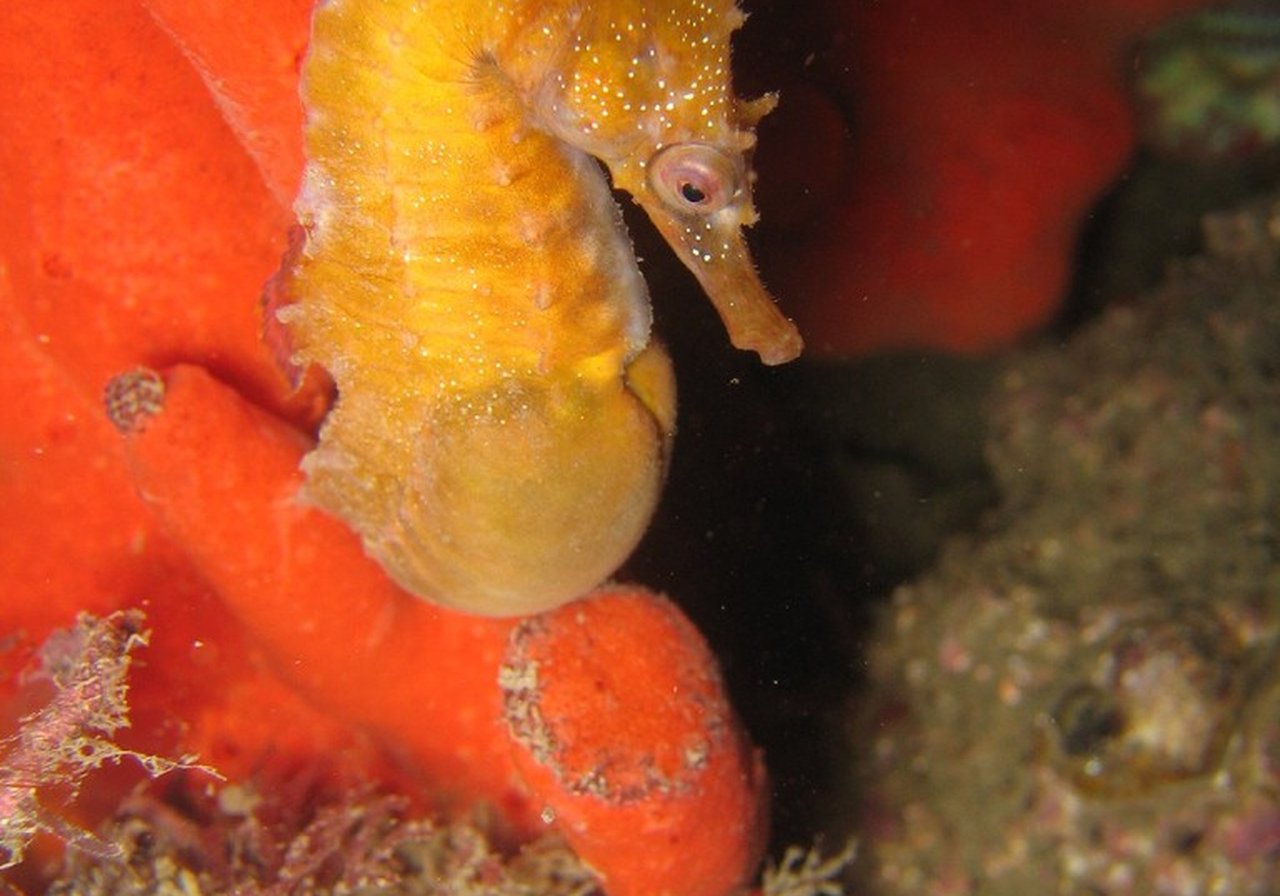
Fish
SSeahorse
Genus Hippocampus — ~46 recognised species
Upright fish with prehensile tails — monogamous, slow and heavily over-exploited.
Tropical and temperate coastal waters worldwide
Open guideConservation: what this group faces
Reef fish lose both habitat and individuals when coral dies or collectors strip territories. Warming-driven bleaching and the ornamental trade hit the same colourful specialists people recognise from aquaria — which is why accurate guides matter for demand as well as for ecology.