Fish · 11 species guides
Freshwater Fish: Rivers, Lakes & Pond Species
Freshwater fish live in rivers, lakes, wetlands and ponds for all or most of their lives, including salmon, catfish, bass, piranhas, goldfish, koi, bettas, guppies, sturgeon and electric eels; many face dams, pollution and introduced competitors.
- Habitat
- Complete life cycles in rivers, lakes or wetlands, or anadromous species such as salmon that spawn in fresh water after ocean growth.
- Electric specialists
- Electric eels generate strong discharges for prey and defence; they are South American freshwater fish, not true eels.
- Piranha teeth
- True piranhas have blade-like teeth for cutting flesh; related pacus have squarer teeth for plant material.
- Goldfish and carp
- Goldfish and koi are domesticated carp relatives; wild carp are larger and less colourful.
Fresh water holds a disproportionate share of fish diversity in a tiny fraction of the planet’s water. Migration, parental care and extreme electric or predatory specialisations all appear here. Confusion pairs include eel versus sea snake, goldfish versus carp and koi, piranha versus pacu, and salmon at different life stages. Dams and pollution hit migrants hardest.
Electric eels are South American knifefish relatives, not true eels. Sturgeon are ancient lineages pressured by caviar fisheries and barriers. Aquarium favourites such as bettas and guppies have wild origins under trade pressure; released goldfish can establish feral populations that harm natives. This page separates the river and pond groups; the linked guides document which species are already declining. WARN freshwater guides linked from this page cover salmon, catfish, bass, piranhas, goldfish, koi, bettas, guppies, sturgeon and eels. Anglers and pond keepers should never release aquarium fish into wild waters; feral populations are already a documented pressure on native communities.
Key facts
- Freshwater habitats hold high fish diversity in a small share of global water.
- Salmon are anadromous — ocean growth, freshwater spawning — in many populations.
- Electric eels are freshwater South American fish, not true eels.
- Sturgeon are ancient lineages heavily pressured by caviar fisheries and dams.
- Aquarium favourites such as bettas and guppies are freshwater species with wild origins under trade pressure.
- Dams block migration and alter the floods many species need to breed.
How to recognise them
The features that separate this group in the field, in the order they are usually most useful.
- Habitat
- Complete life cycles in rivers, lakes or wetlands, or anadromous species such as salmon that spawn in fresh water after ocean growth.
- Electric specialists
- Electric eels generate strong discharges for prey and defence; they are South American freshwater fish, not true eels.
- Piranha teeth
- True piranhas have blade-like teeth for cutting flesh; related pacus have squarer teeth for plant material.
- Goldfish and carp
- Goldfish and koi are domesticated carp relatives; wild carp are larger and less colourful.
- The confusion pairs
- Electric eel versus true eel: different orders. Salmon parr versus trout: overlapping looks; life history and native range separate them.
11 freshwater fish guides
Search or filter by conservation status. Every guide carries sourced facts, IUCN status and FAQs.
Common names, scientific names and places are searchable.
Showing 1–11 of 11 guides
Fish
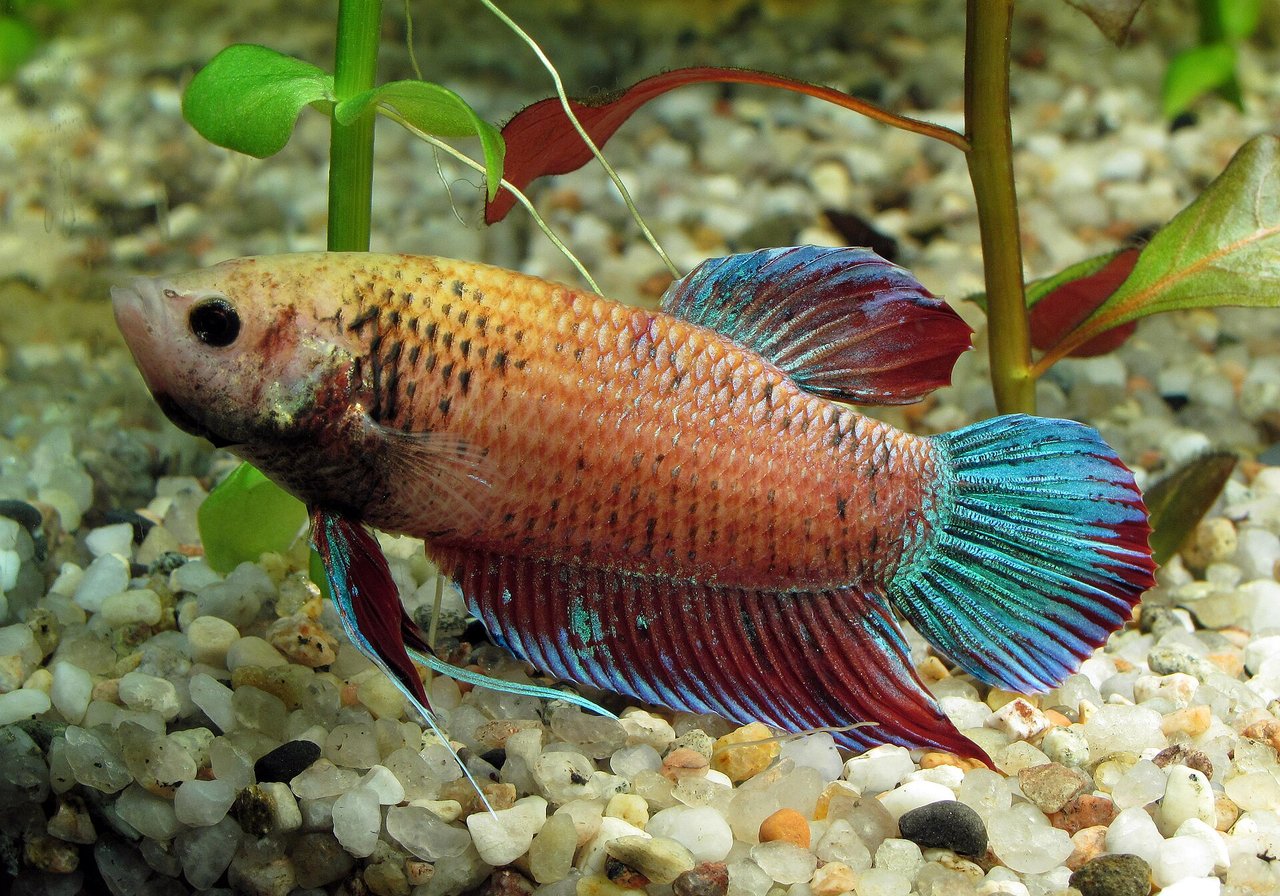
BBetta
Betta splendens (Regan, 1910)
The labyrinth fish of rice paddies — wild Vulnerable, pet trade flooded with fighting-fish myths.
Thailand · Cambodia
Open guide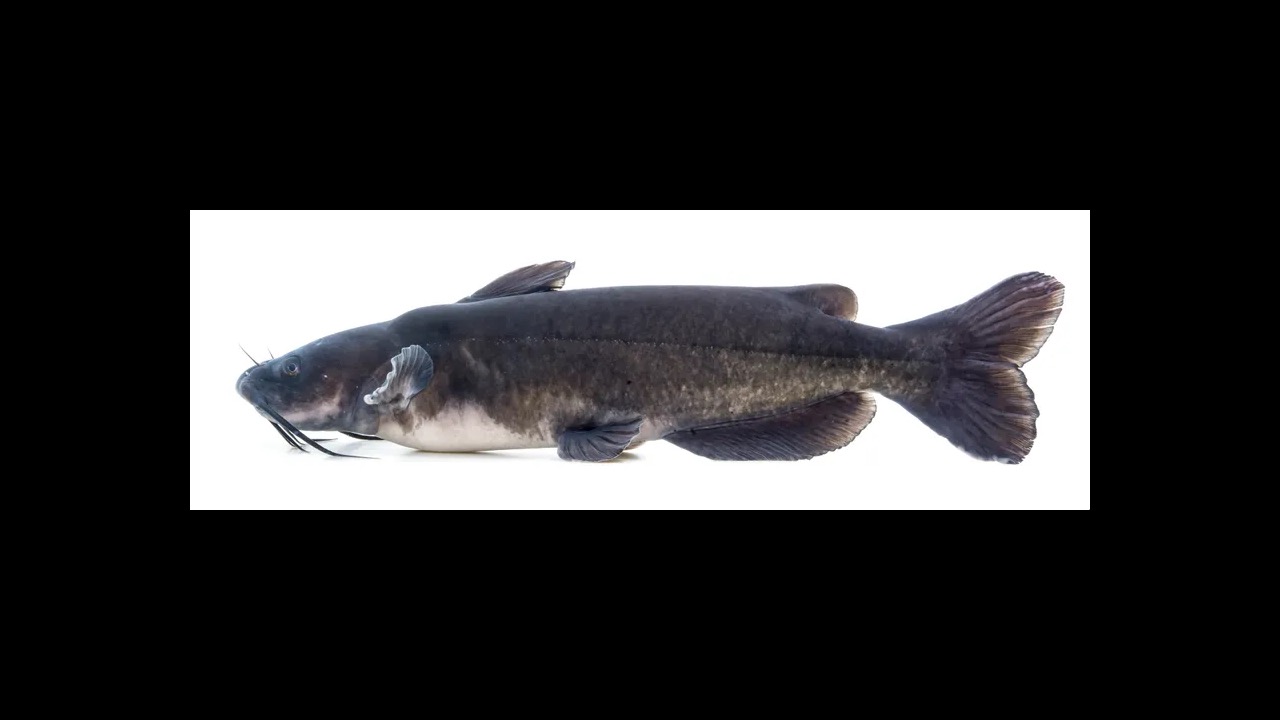
Fish
CChannel Catfish
Ictalurus punctatus
North America's whiskered bottom feeder
North America
Open guide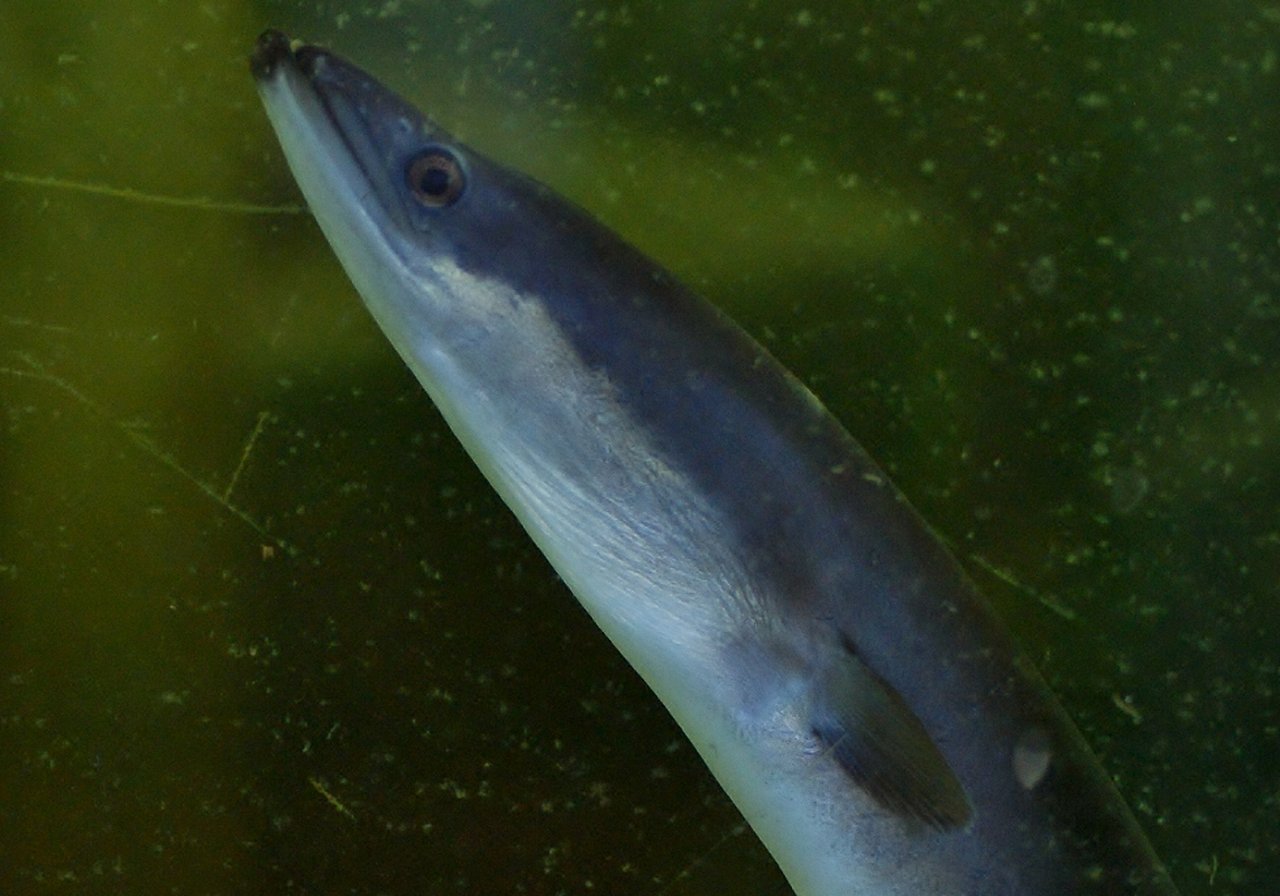
Fish
EEel
Anguilla anguilla (Linnaeus, 1758)
A serpent of rivers and mystery — Critically Endangered after decades of decline.
Europe · North Africa
Open guide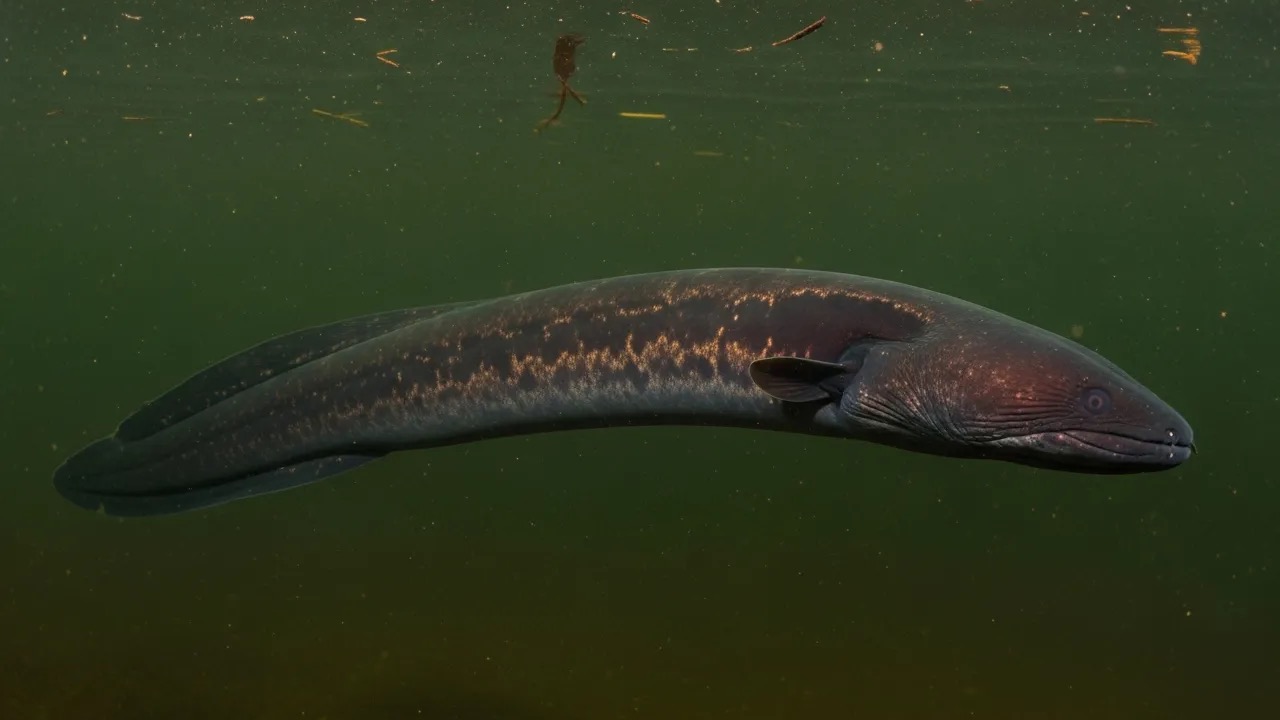
Fish
EElectric Eel
Electrophorus electricus
The fish that generates powerful electric shocks
South America
Open guide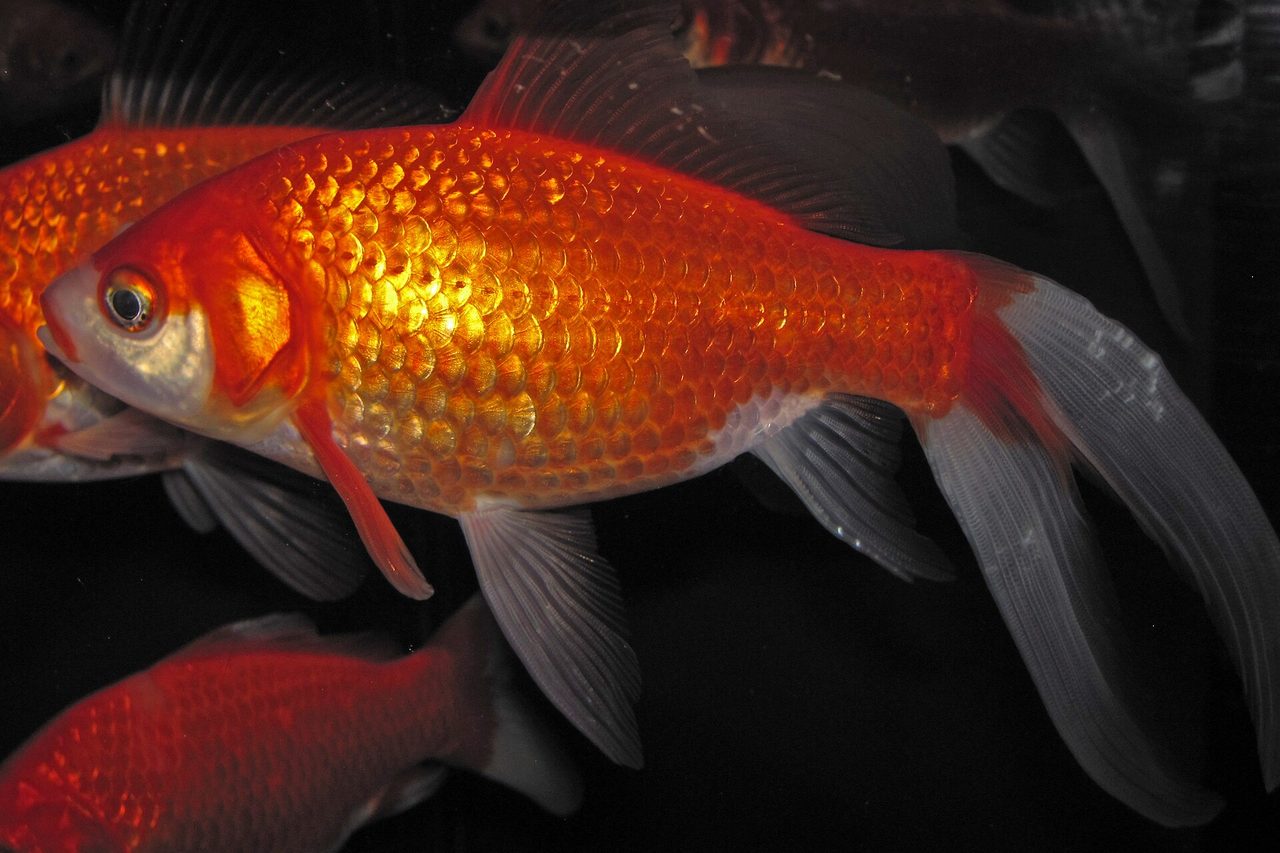
Fish
GGoldfish
Carassius auratus (Linnaeus, 1758)
Centuries of selective breeding — not a bowl fish, and never for release into wild waterways.
Worldwide — domestic and feral; native to East Asia
Open guide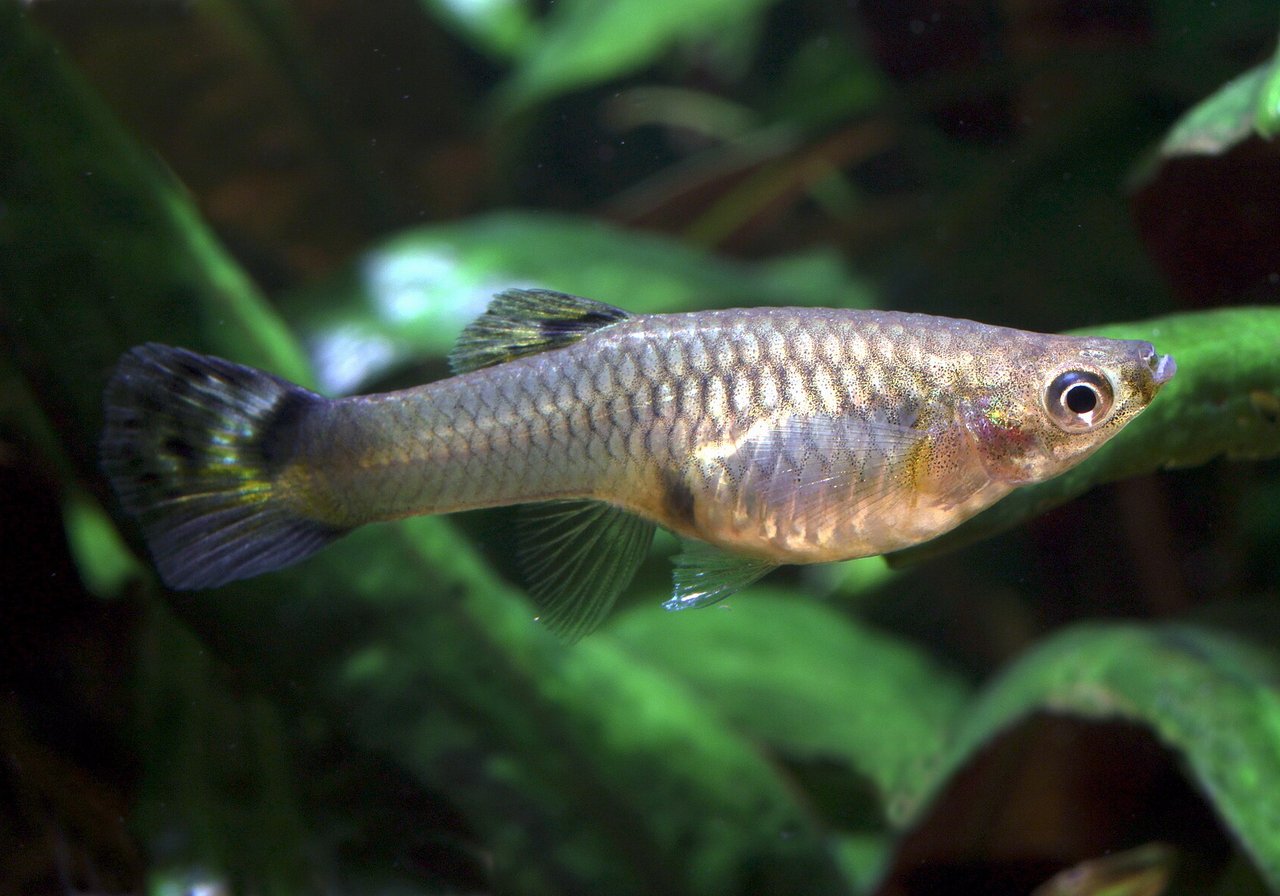
Fish
GGuppy
Poecilia reticulata (Peters, 1859)
The beginner's tropical fish that science knows best — Least Concern in the wild, mistreated in cups.
Trinidad and Tobago · Venezuela
Open guide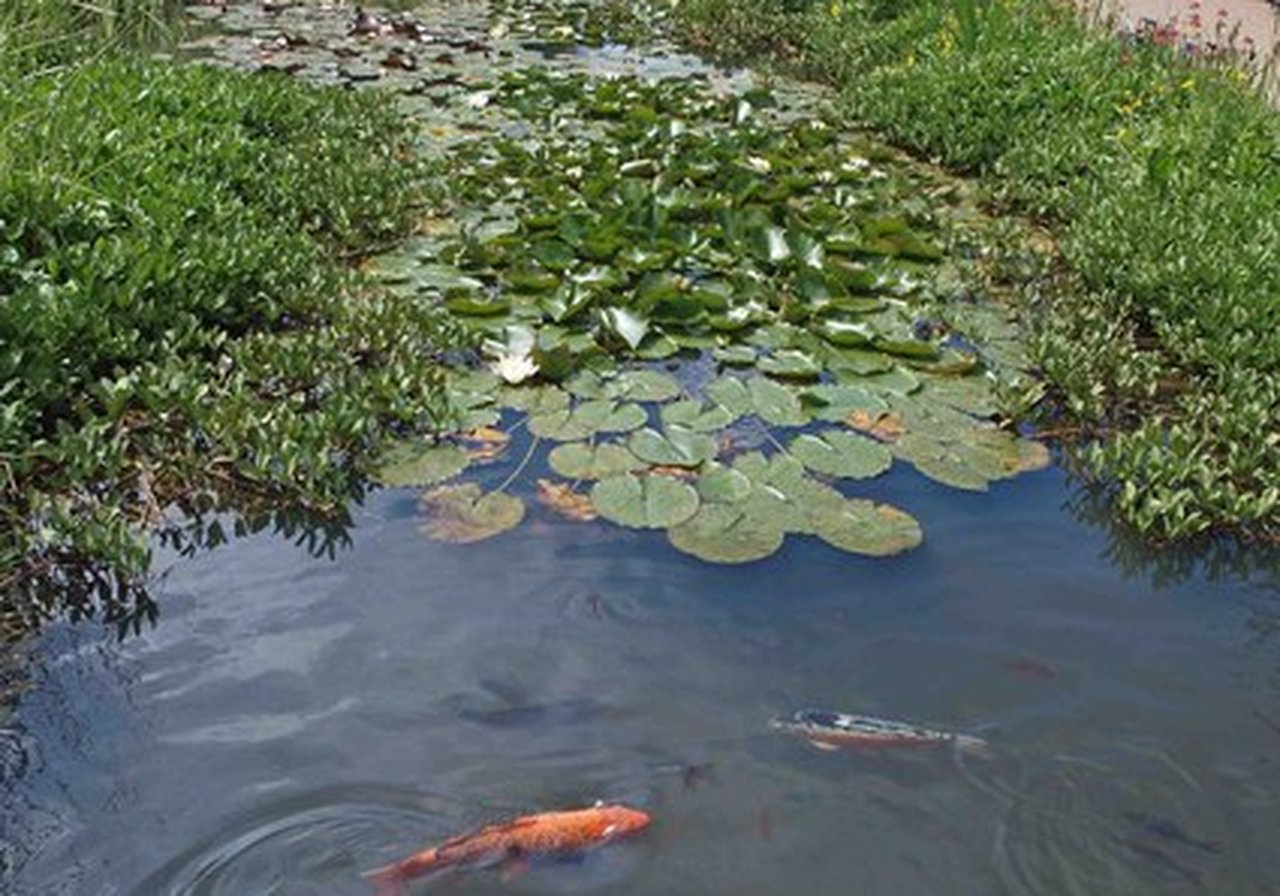
Fish
KKoi
Cyprinus carpio haematopterus — ornamental domestic carp (Cyprinus carpio)
Living jewels of the pond — centuries of Japanese artistry on a Vulnerable wild carp.
Worldwide — ornamental ponds; wild carp native to Europe and Asia
Open guide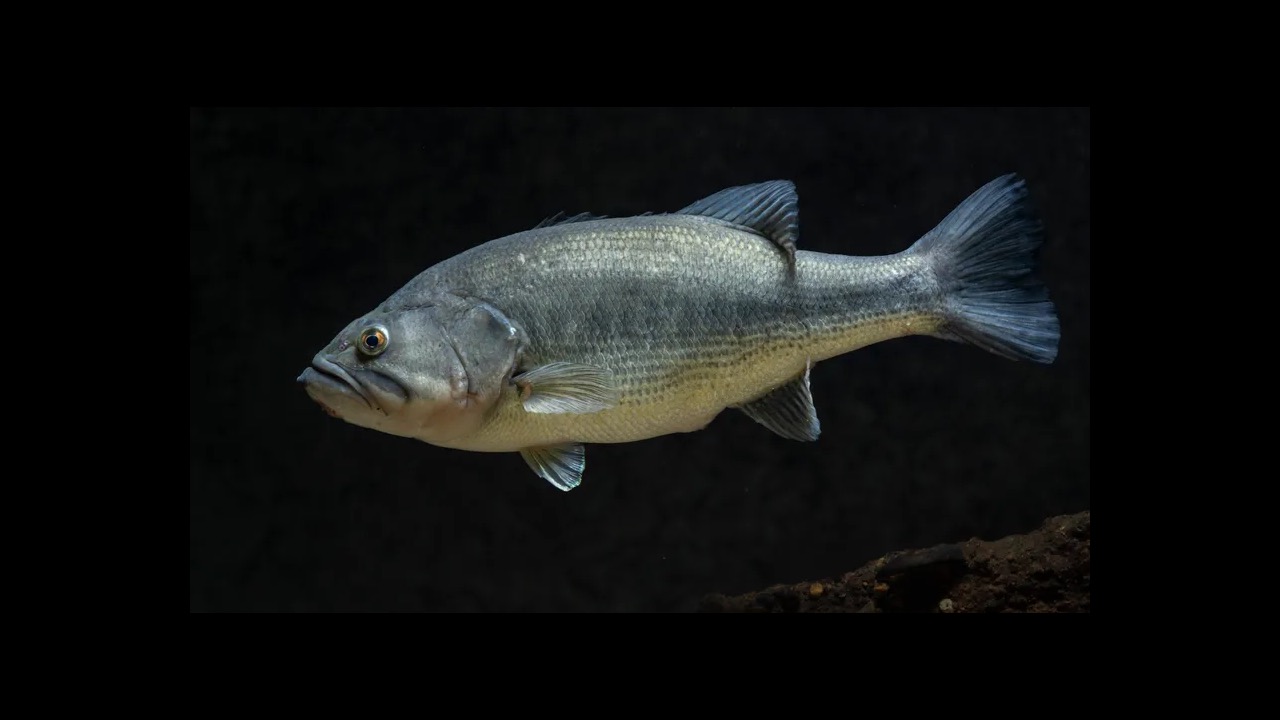
Fish
LLargemouth Bass
Micropterus salmoides
America's favourite freshwater game fish
Africa · Asia
Open guide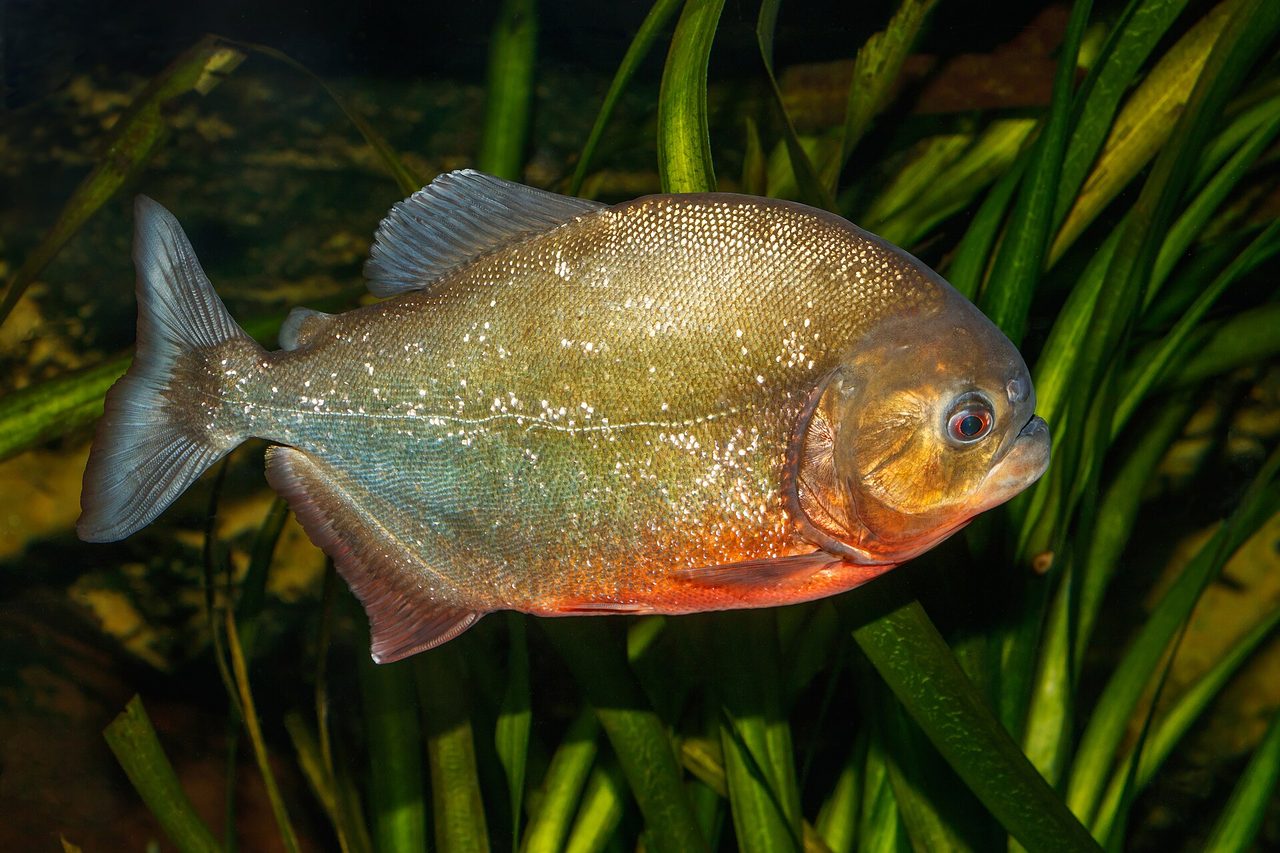
Fish
PPiranha
Pygocentrus nattereri (and relatives in subfamily Serrasalminae)
South America's most misunderstood fish — not the mindless killer of legend, but a vital cog in the Amazon's aquatic machine
Brazil · Colombia
Open guide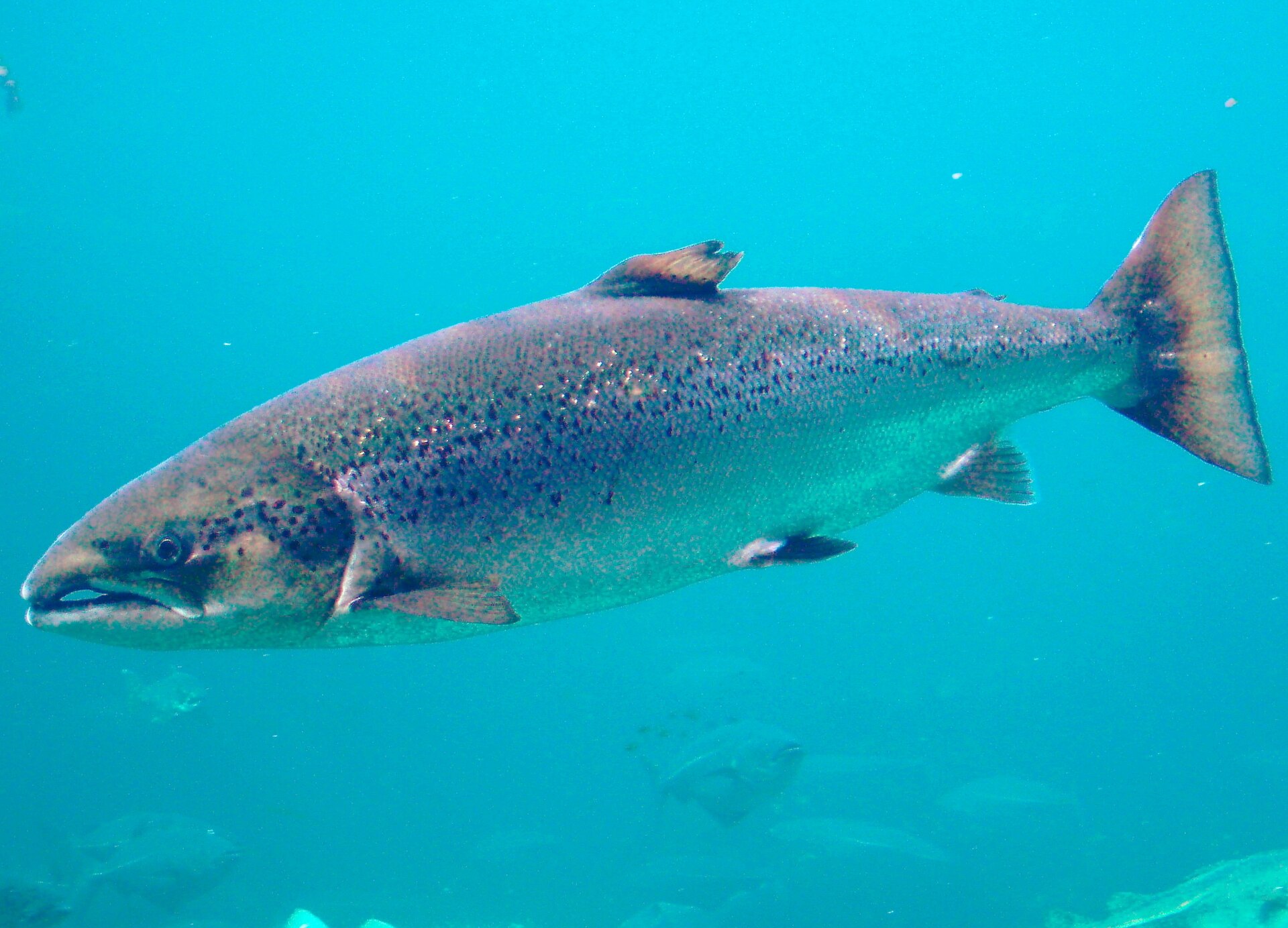
Fish
SSalmon
Salmo salar (Linnaeus, 1758)
The leaping fish of Atlantic rivers — globally Least Concern, locally in crisis.
North Atlantic — rivers of Europe and North America; ocean feeding grounds off Greenland
Open guide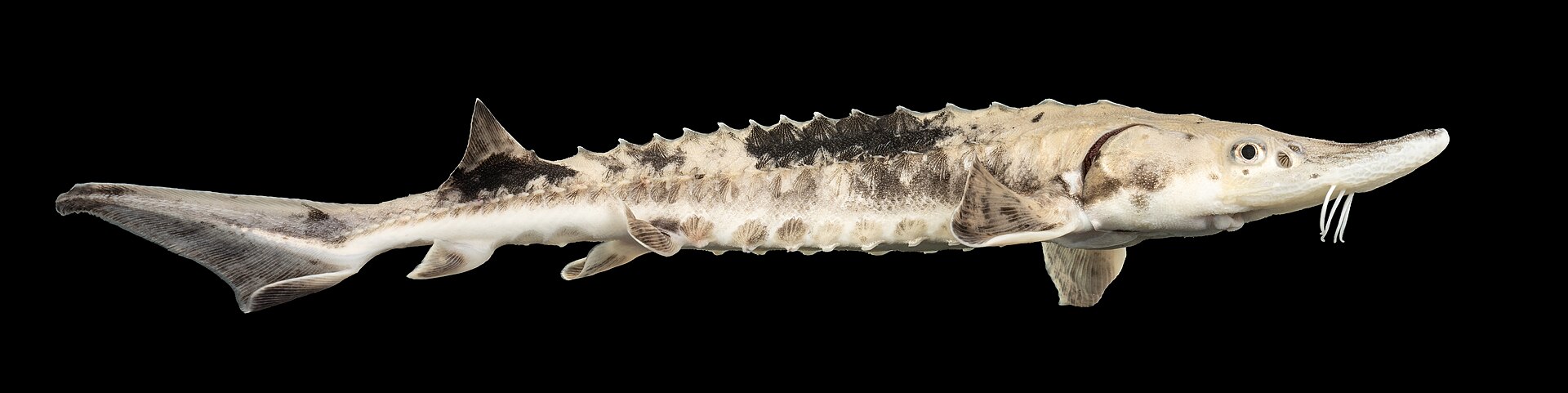
Fish
SSturgeon
Family Acipenseridae
Living fossils of the deep — and the most endangered group of animals on Earth
Russia · Kazakhstan
Open guideConservation: what this group faces
Freshwater fish absorb pollution quickly and lose migration routes when rivers are dammed. Aquarium releases and introduced predators compound the problem for endemics that evolved in single lakes or catchments.