Fish · 10 species guides
Sharks & Rays: Cartilaginous Fish Identification
Sharks and rays are cartilaginous fish in the class Chondrichthyes, with skeletons of cartilage rather than bone, including great white sharks, hammerheads, whale sharks, bull sharks, tiger sharks, manta rays, stingrays and sawfish; they range from plankton-filterers to apex predators.
- Skeleton
- Cartilage rather than bone. Sharks and rays are Chondrichthyes; tuna and salmon are bony fish.
- Gill slits
- Most sharks show five to seven external gill slits on each side; bony fish typically have a single gill cover (operculum).
- Ray disc
- Rays and skates have flattened bodies with pectoral fins fused into a disc; mouths are usually on the underside.
- Filter feeders versus hunters
- Whale sharks and basking sharks filter plankton; great whites, tigers and bulls hunt vertebrate prey.
Sharks and rays share a cartilaginous skeleton, multiple gill slits and tooth-like skin denticles. Rays are flattened sharks in evolutionary terms — their pectoral fins form the disc, and many bury in sand. The confusion pairs people need are shark versus dolphin, ray versus flatfish, and filter-feeding whale shark versus predatory requiem sharks. Size alone misleads: the largest living fish is a plankton eater.
Finning, bycatch and slow reproduction drive shark declines worldwide. Sawfish combine a shark-like body with a toothed rostrum and rank among the most threatened marine fishes. Manta rays filter plankton with wide mouths and cephalic fins that look like horns. Knowing that dolphins are mammals with blowholes, not fish with gill slits, is the first correction many readers need. This page gathers the cartilaginous marks; linked guides carry species status and sources. WARN shark and ray guides linked from this page cover great whites, hammerheads, whale sharks, bull and tiger sharks, manta rays, stingrays and sawfish. Coastal observers should treat every large shark as wild fauna with a role in the food web, not as a problem to solve by default.
Key facts
- Sharks and rays have cartilage skeletons, not bone.
- The whale shark is the largest living fish and a filter feeder.
- Rays are closely related to sharks; many are flattened bottom-dwellers.
- Sawfish combine a shark-like body with a toothed rostrum and are among the most threatened marine fishes.
- Finning, bycatch and slow reproduction drive shark declines worldwide.
- Manta rays filter plankton with wide mouths and cephalic fins that look like horns.
How to recognise them
The features that separate this group in the field, in the order they are usually most useful.
- Skeleton
- Cartilage rather than bone. Sharks and rays are Chondrichthyes; tuna and salmon are bony fish.
- Gill slits
- Most sharks show five to seven external gill slits on each side; bony fish typically have a single gill cover (operculum).
- Ray disc
- Rays and skates have flattened bodies with pectoral fins fused into a disc; mouths are usually on the underside.
- Filter feeders versus hunters
- Whale sharks and basking sharks filter plankton; great whites, tigers and bulls hunt vertebrate prey.
- The confusion pairs
- Shark versus dolphin: gill slits and vertical tail stroke versus blowhole and horizontal flukes. Stingray versus flatfish: cartilaginous disc and ventral gills versus bony fish with both eyes on one side.
10 sharks & rays guides
Search or filter by conservation status. Every guide carries sourced facts, IUCN status and FAQs.
Common names, scientific names and places are searchable.
Showing 1–10 of 10 guides
Fish
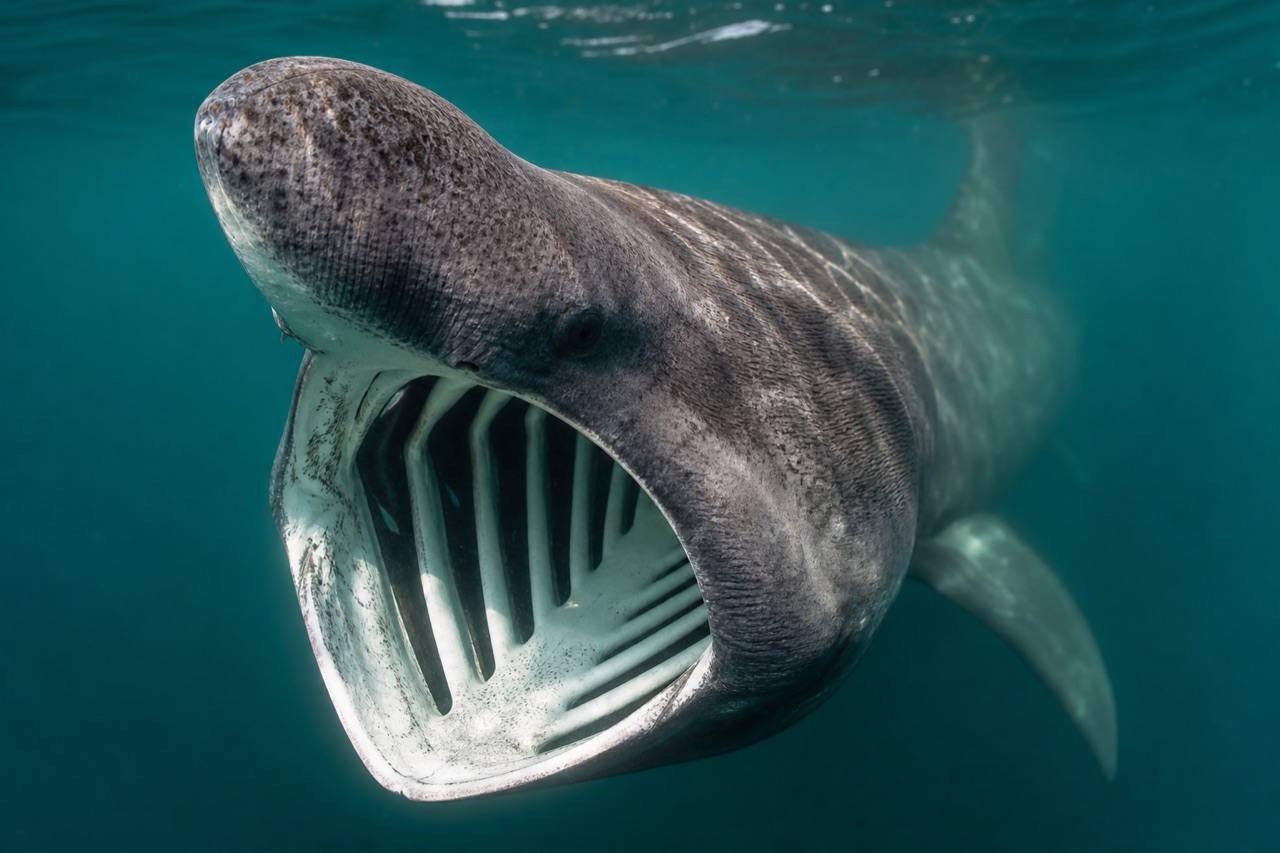
BBasking Shark
Cetorhinus maximus (Gunnerus, 1765) — family Cetorhinidae
The second-largest fish on Earth, filtering an Olympic pool of water every couple of hours.
Temperate coastal waters worldwide · Summer surface feeding off Britain, Ireland and the north-east Atlantic
Open guide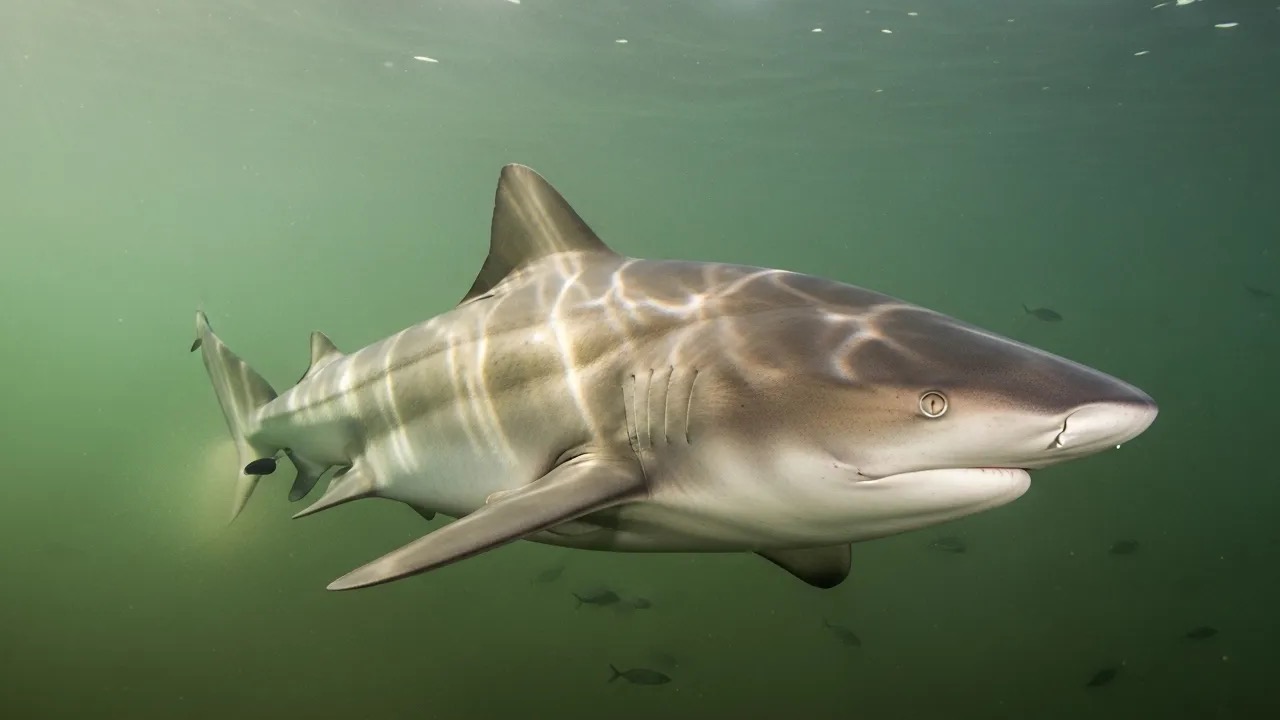
Fish
BBull Shark
Carcharhinus leucas
The shark that swims into freshwater
Oceans
Open guide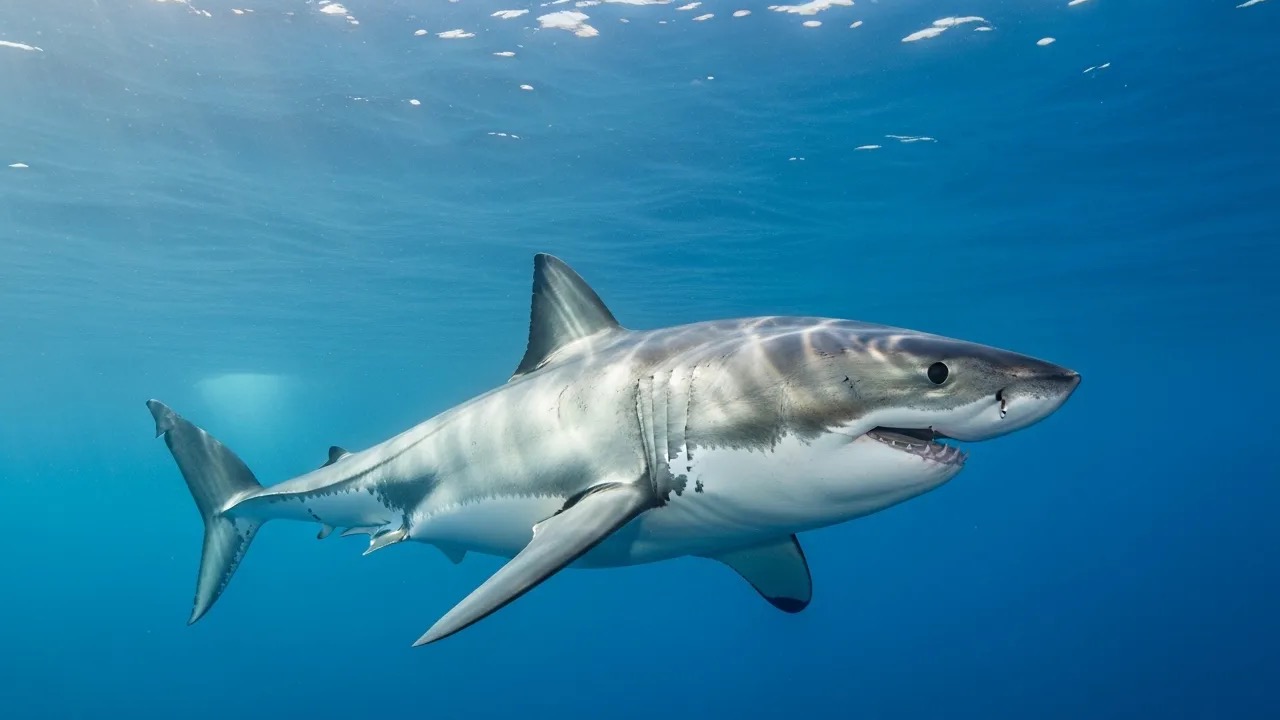
Fish
GGreat White Shark
Carcharodon carcharias
The ocean's most famous apex predator
Oceans
Open guide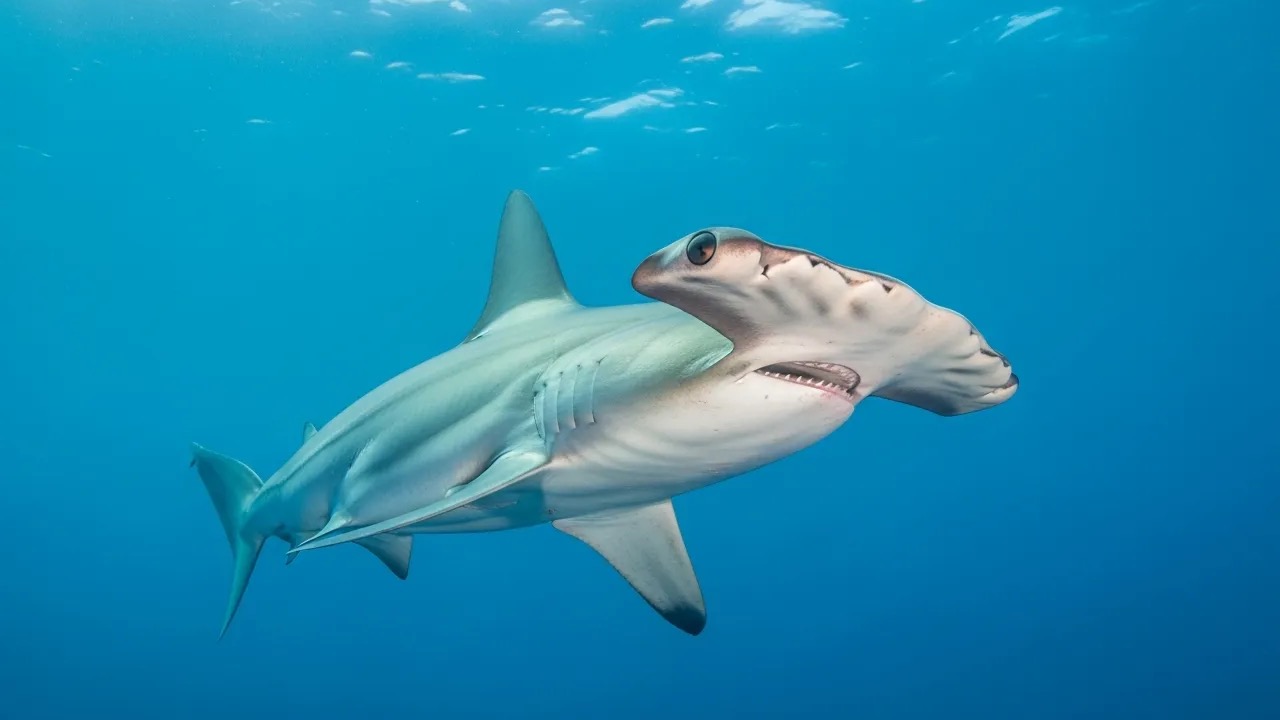
Fish
HHammerhead Shark
Sphyrnidae
The shark with a head like a hammer
Oceans
Open guide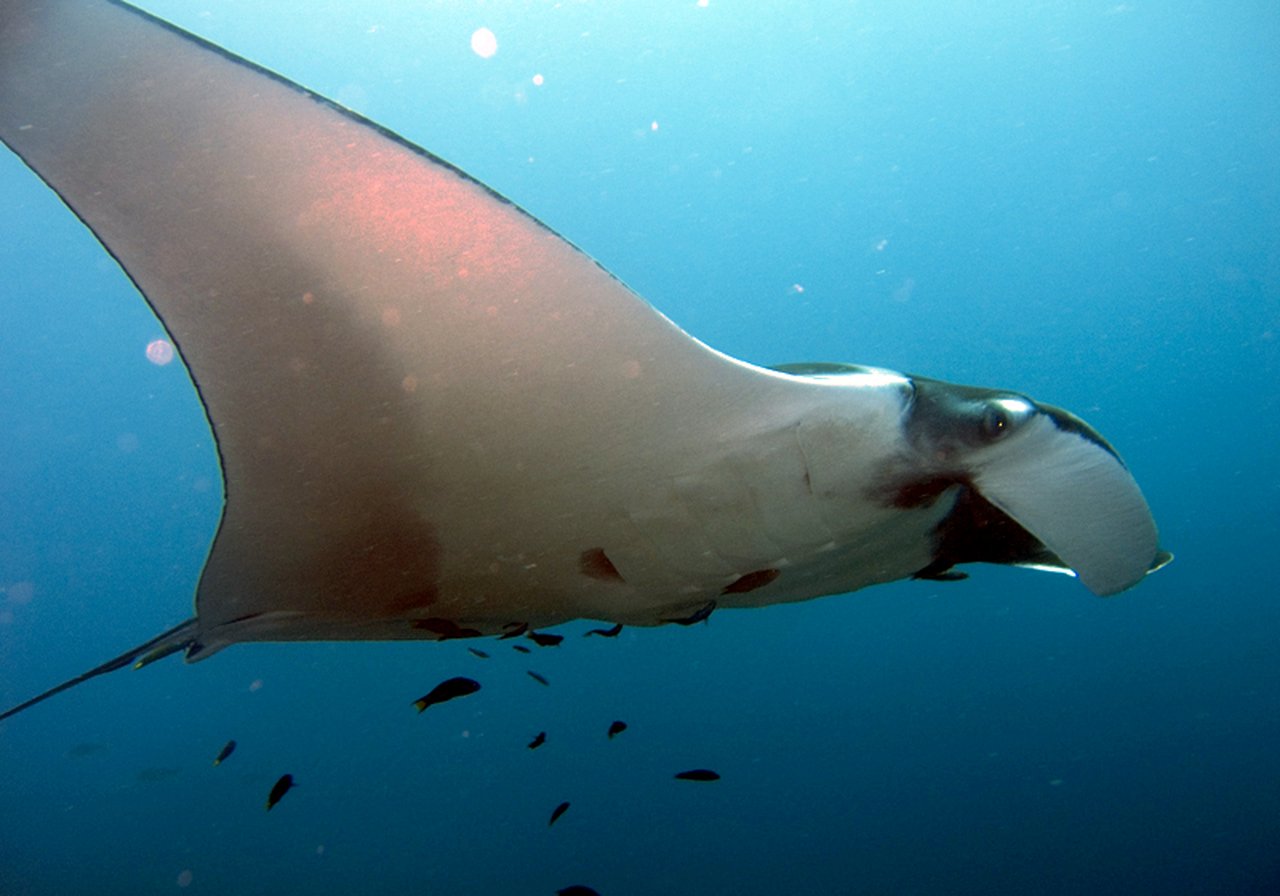
Fish
MManta Ray
Mobula birostris (giant) and Mobula alfredi (reef manta)
Ocean giants with wingspans rivalling small aircraft — filter-feeders under serious threat.
Tropical and subtropical oceans worldwide — coasts, reefs and open water
Open guide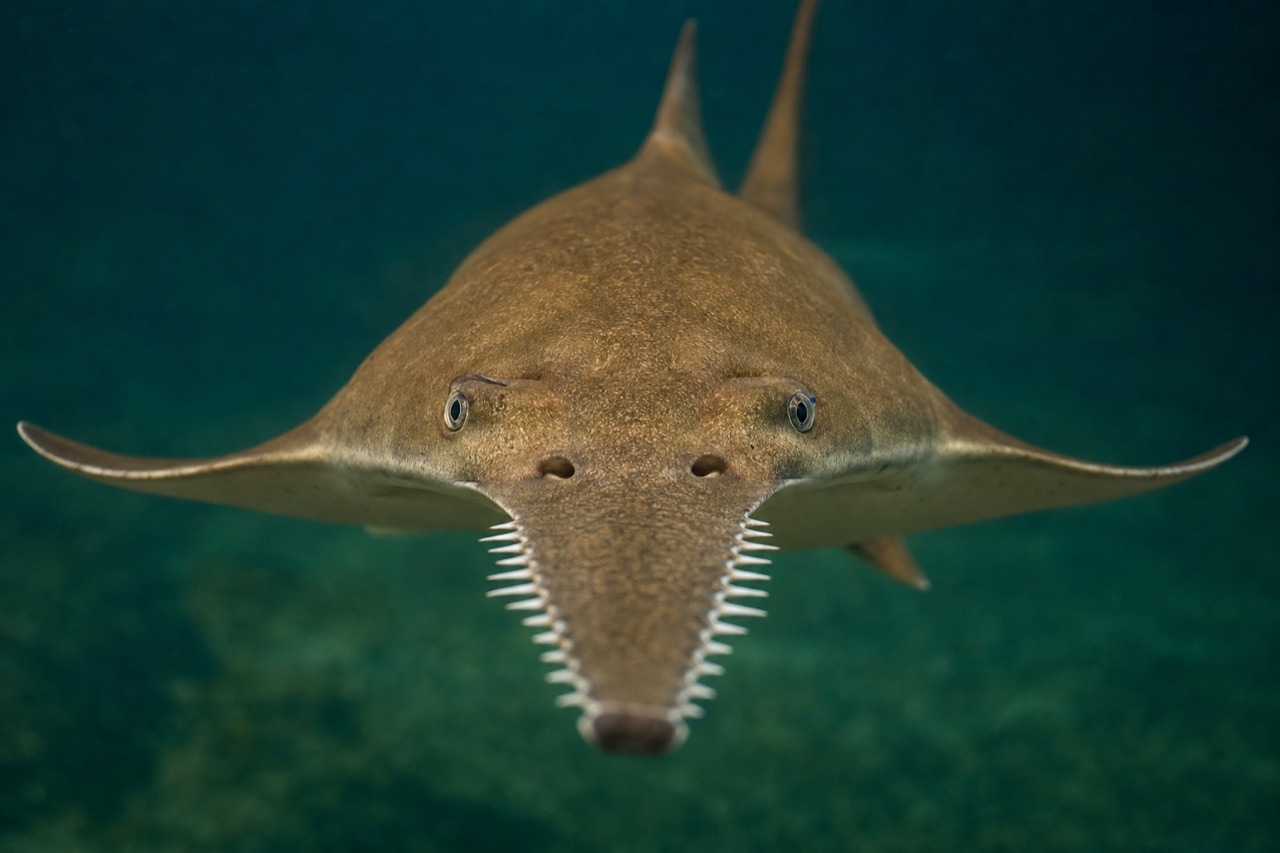
Fish
SSawfish
Family Pristidae — five species, including Pristis pristis and Pristis pectinata
A ray with a chainsaw for a face, and one of the most endangered fish groups alive.
Tropical and subtropical coastal waters, estuaries and rivers · Once widespread; now reduced to a fraction of their historic range
Open guide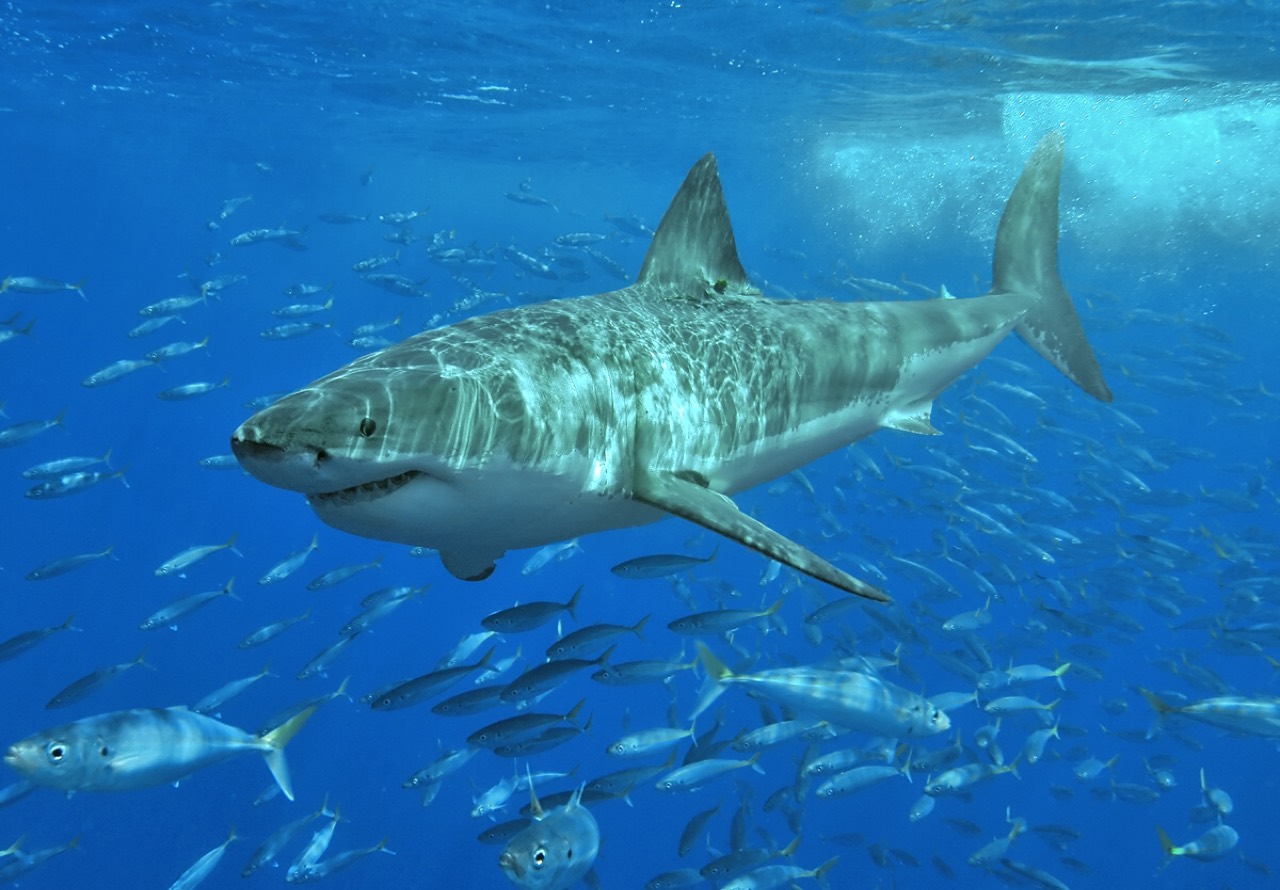
Fish
SShark
Selachimorpha (superorder); e.g. great white shark, Carcharodon carcharias (Linnaeus, 1758)
More than 500 species of cartilaginous fish — not one animal, and not one Red List badge.
Global oceans
Open guide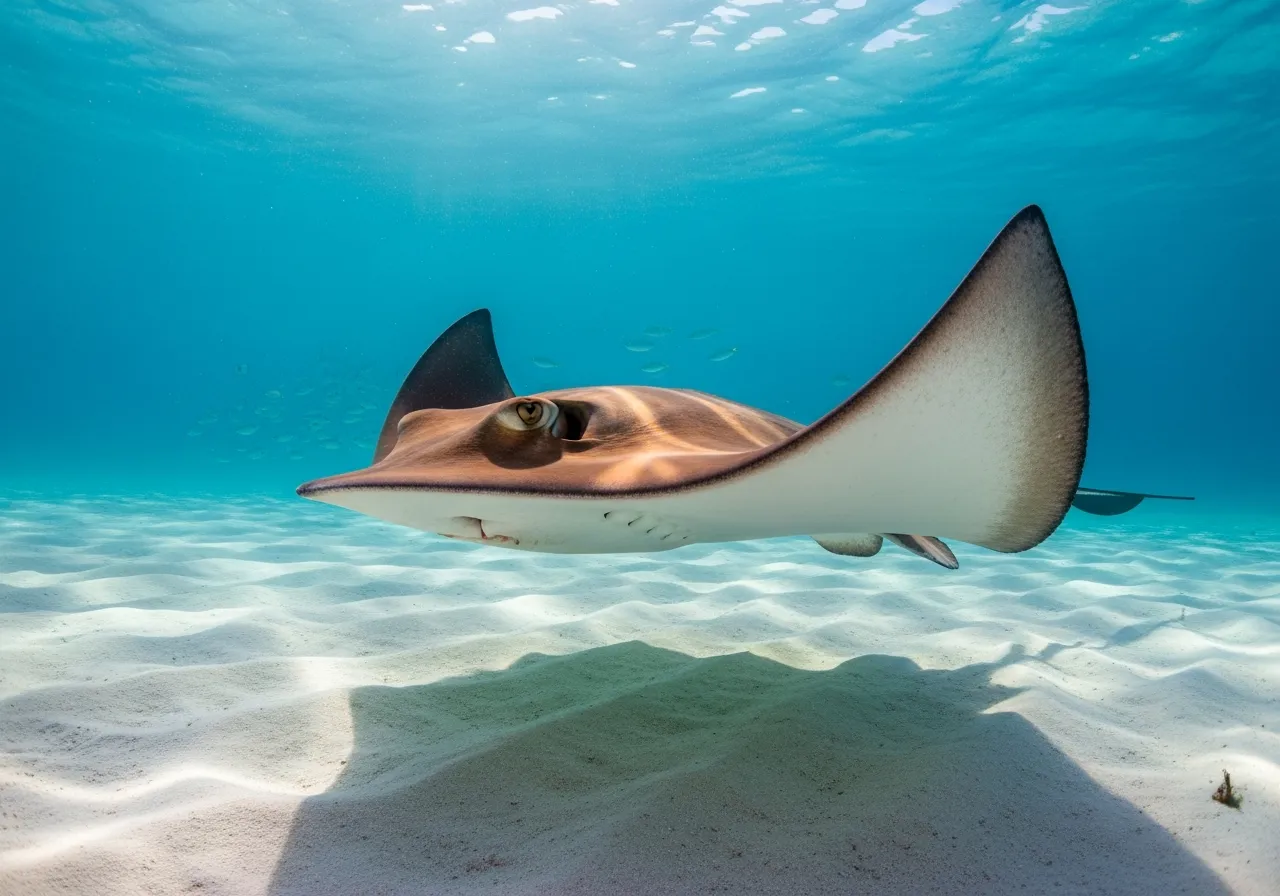
Fish
SStingray
Order Myliobatiformes
The ocean's gliding pancakes — gentle bottom-dwellers armed with a venomous tail spine for defence.
Tropical and subtropical oceans worldwide · Temperate coastal seas
Open guide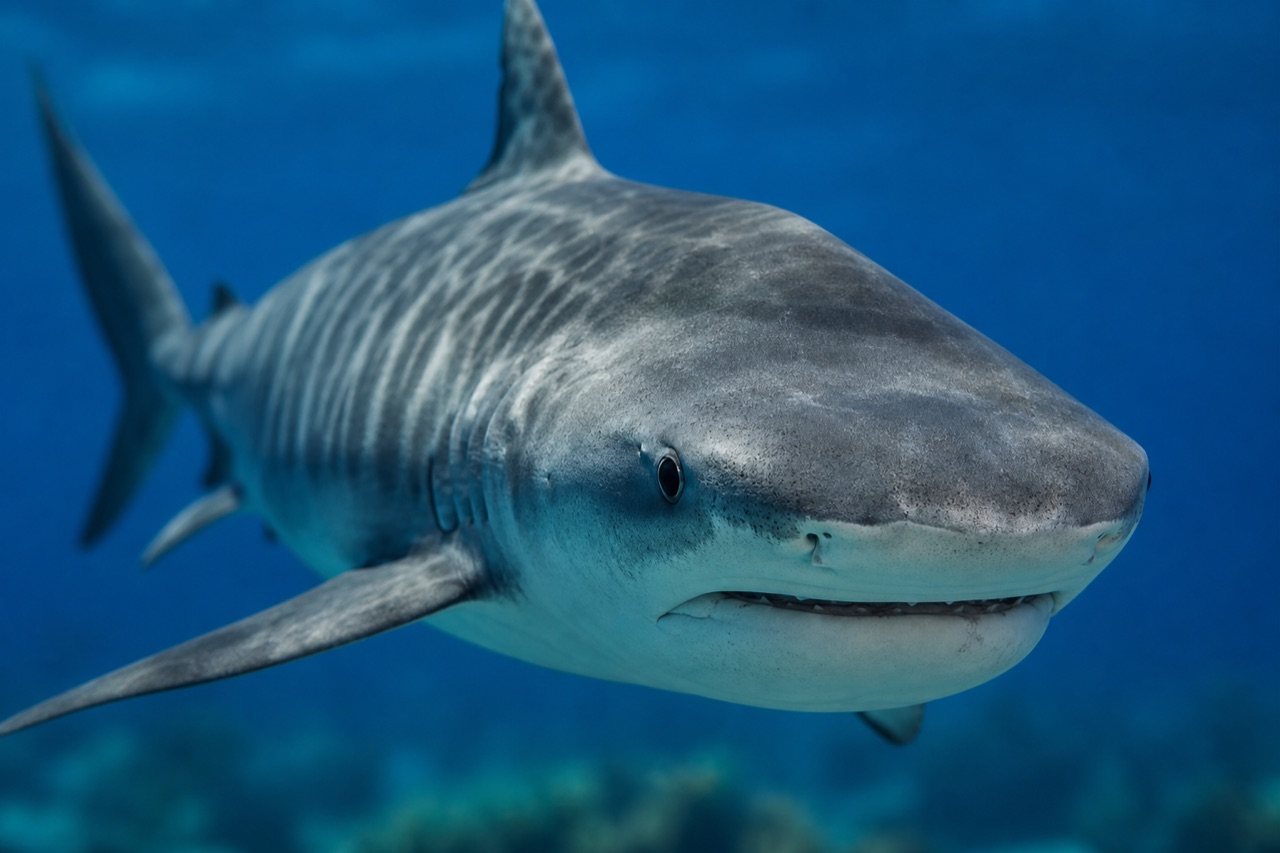
Fish
TTiger Shark
Galeocerdo cuvier (Péron & Lesueur, 1822) — family Galeocerdonidae
The ocean's least fussy large predator — and a serrated tooth that cuts turtle shell.
Tropical and warm-temperate oceans worldwide · Coastal shelves, reefs and open ocean
Open guide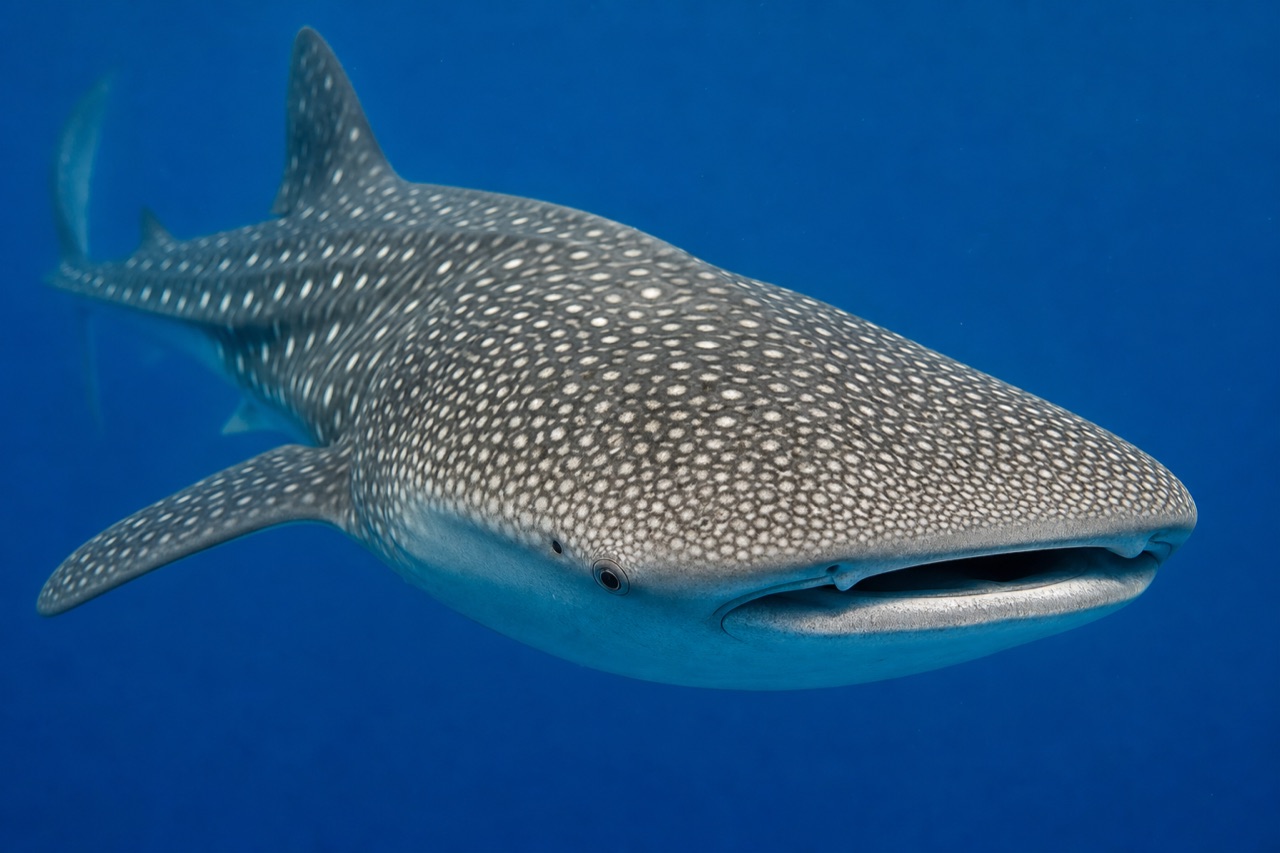
Fish
WWhale Shark
Rhincodon typus (Smith, 1828) — family Rhincodontidae
The largest fish on Earth, and it eats some of the smallest things in the sea.
Tropical and warm-temperate oceans worldwide · Seasonal aggregation sites off Mexico, the Philippines, Australia and East Africa
Open guideConservation: what this group faces
Sharks and rays grow slowly and produce few young, so commercial offtake removes breeding adults faster than populations replace them. Fin trade, longline bycatch and coastal nursery destruction are the pressures that show up in Red List assessments again and again.