Region
Animals in Australia
Australia has the highest proportion of endemic mammals of any continent, and the worst modern mammal extinction record. This collection gathers 52 WARN guides to animals found across the mainland, Tasmania and surrounding waters.
By the WARN Research & Conservation TeamChecked against IUCN Red List & CITES sourcesLast updated
This collection links to 52 sourced WARN guides with conservation status, key facts, threats, FAQs and references.
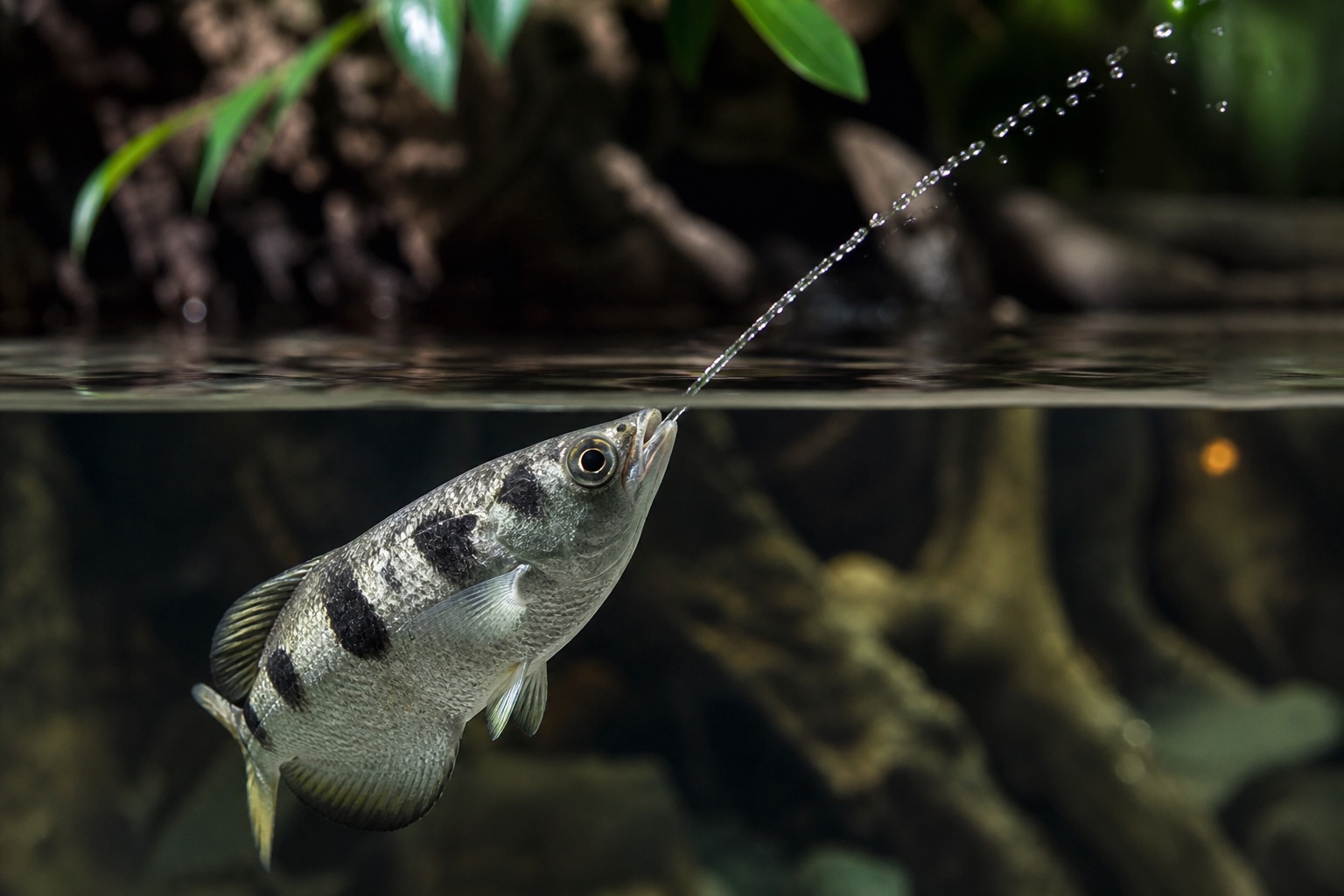
Least Concern — mangrove and estuary habitats under pressure across Southeast Asia
Archerfish
Toxotes jaculatrix (Pallas, 1767) — family Toxotidae
The banded archerfish (Toxotes jaculatrix) is a brackish-water fish of Indo-Pacific mangroves that knocks down aerial prey by spitting a targeted water jet, compensating for optical refraction at the surface; it grows to about 20–30 cm and is listed as Least Concern.
Read the guide →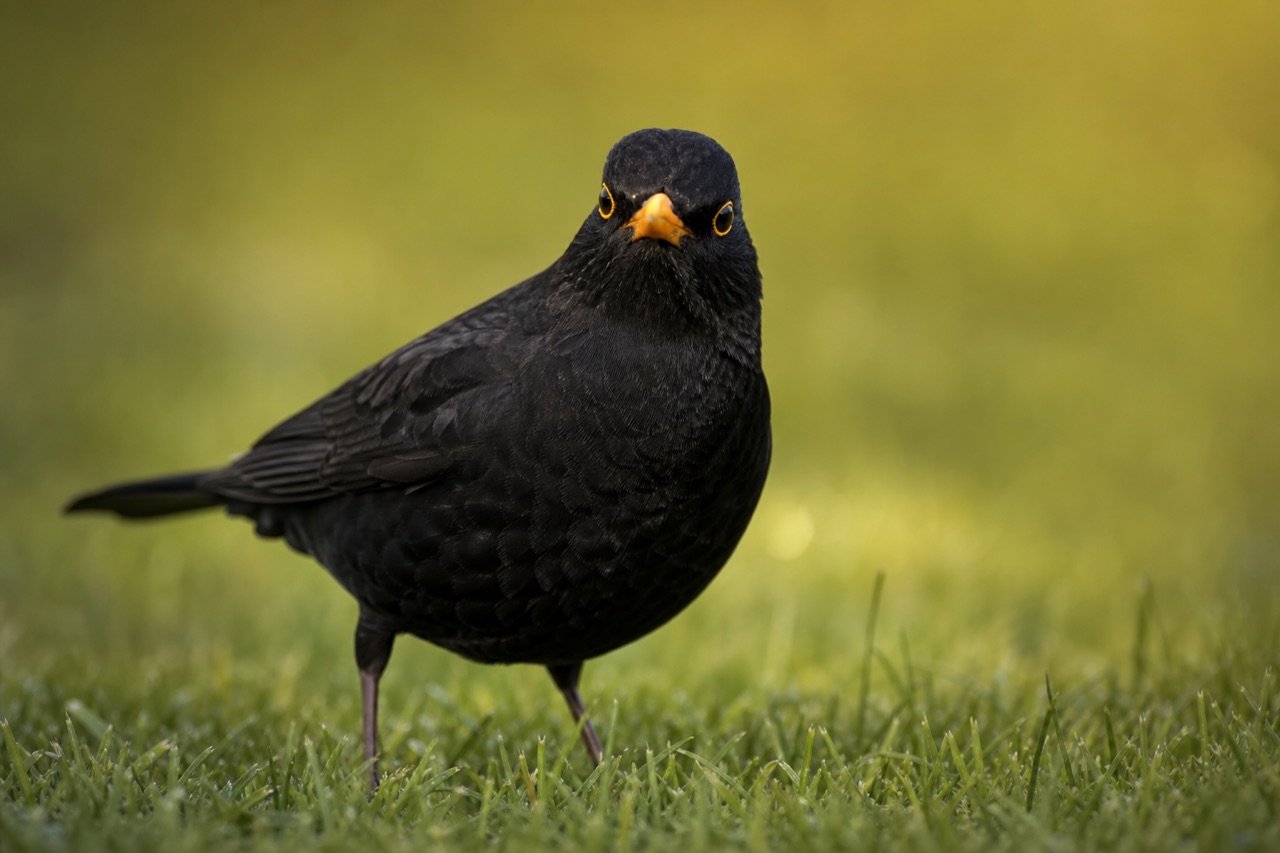
Least Concern — abundant in gardens; nests suffer heavy predation from cats
Blackbird
Turdus merula (Linnaeus, 1758) — family Turdidae
The Eurasian blackbird (Turdus merula) is a common British garden thrush; males are black with an orange bill, females are brown, and pairs nest in hedges and shrubs while feeding on worms, insects and berries — with domestic cats among the main causes of nest failure.
Read the guide →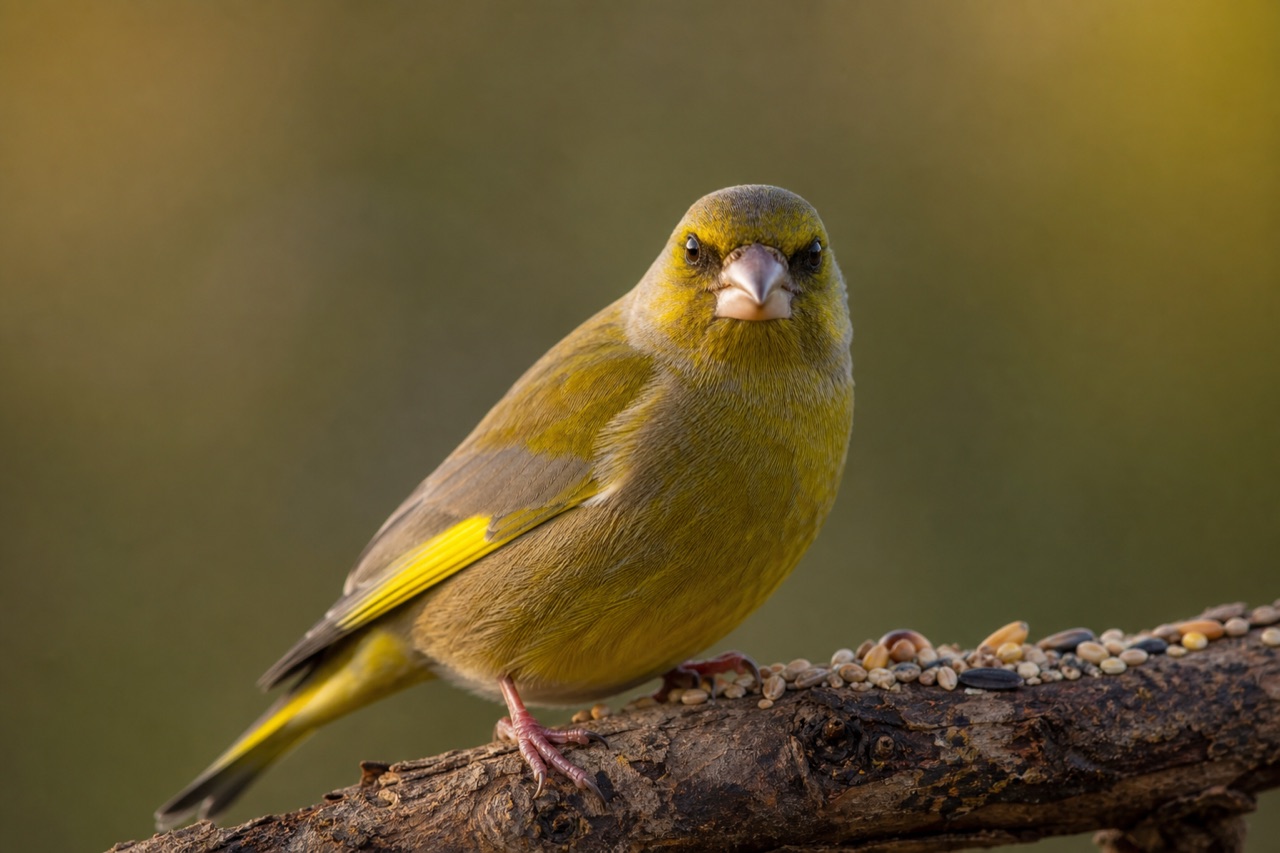
Family overview — status varies; greenfinch declined from trichomonosis, chaffinch and goldfinch remain common
Finch
Fringillidae — family of seed-eating passerines including Fringilla, Carduelis, Pyrrhula and related genera
Finches are seed-eating birds in the family Fringillidae with conical bills adapted for husking seeds; British garden species include chaffinch, goldfinch, greenfinch and bullfinch, with population trends varying from abundant to disease-affected.
Read the guide →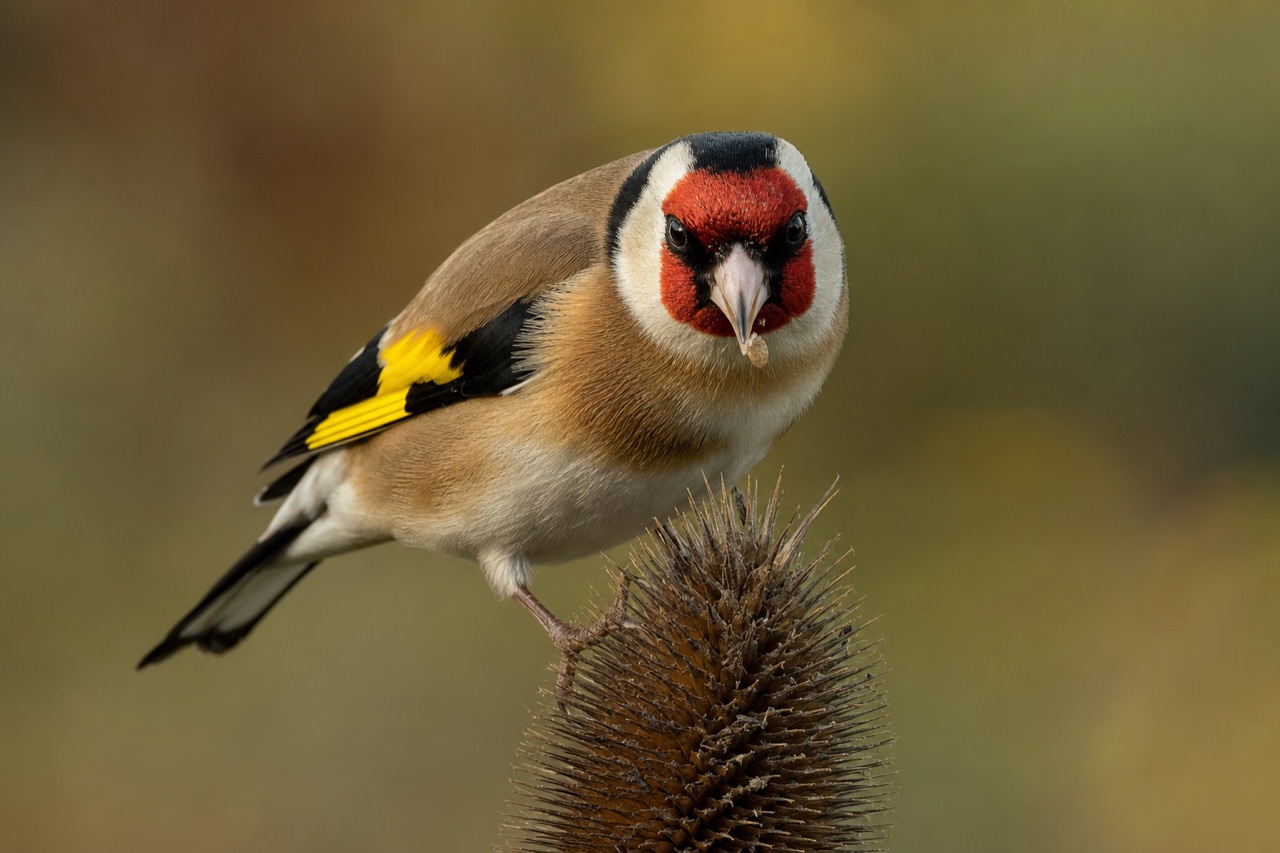
Least Concern — increasing in British gardens where nyjer and sunflower feeders are provided
Goldfinch
Carduelis carduelis (Linnaeus, 1758) — family Fringillidae
The European goldfinch (Carduelis carduelis) is a seed-eating finch with a red face and yellow wing bars; in Britain it has increased in gardens where nyjer and sunflower feeders are provided, nesting high in trees while feeding in sociable flocks at specialist seed feeders.
Read the guide →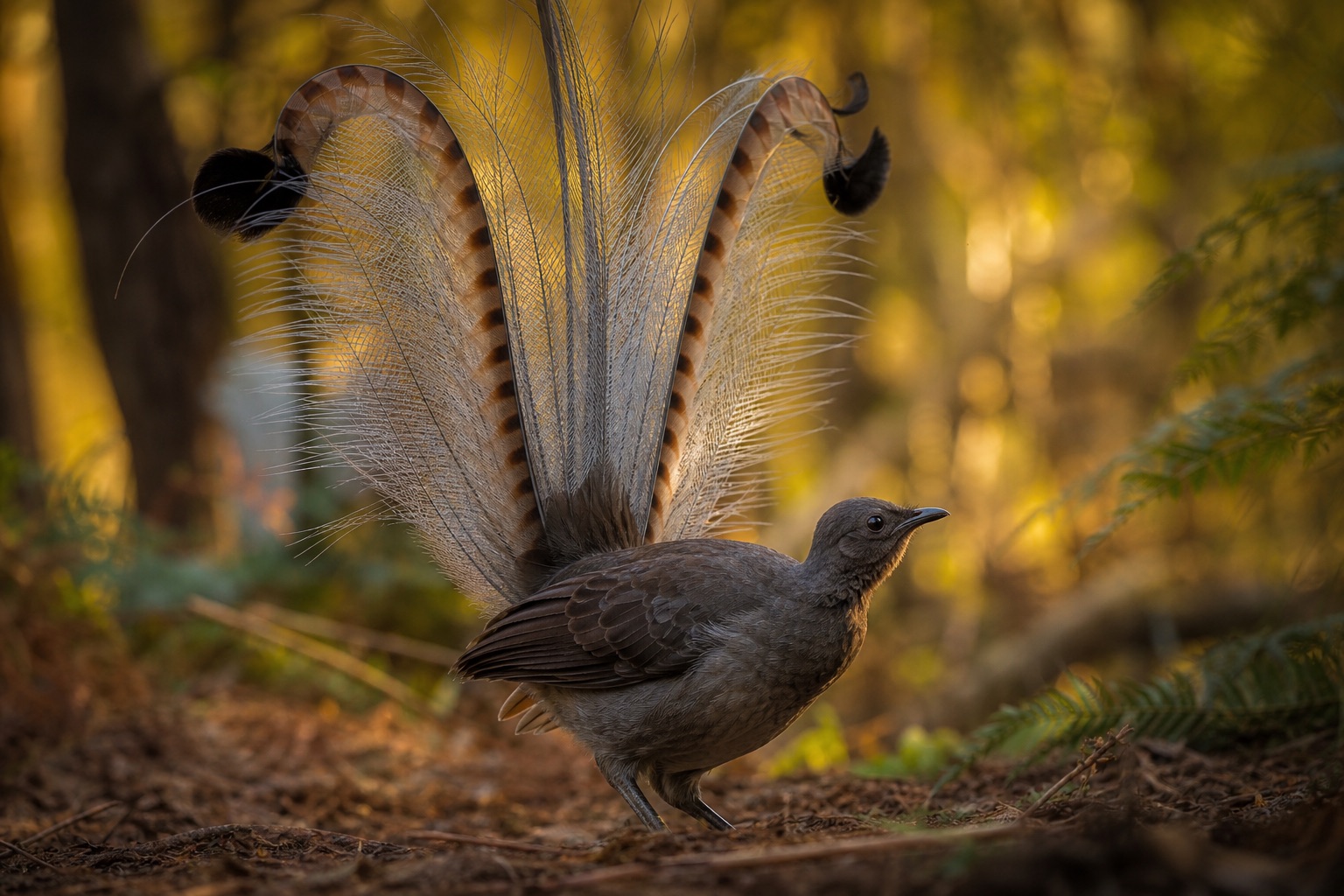
Least Concern (superb lyrebird) — but habitat loss and fire reshape local abundance
Lyrebird
Menura spp. — family Menuridae
The lyrebird (Menura) is a large Australian songbird and one of the world's most accomplished vocal mimics, with males combining elaborate tail displays on forest-floor mounds with songs that accurately copy other birds and human-made sounds such as chainsaws and camera shutters.
Read the guide →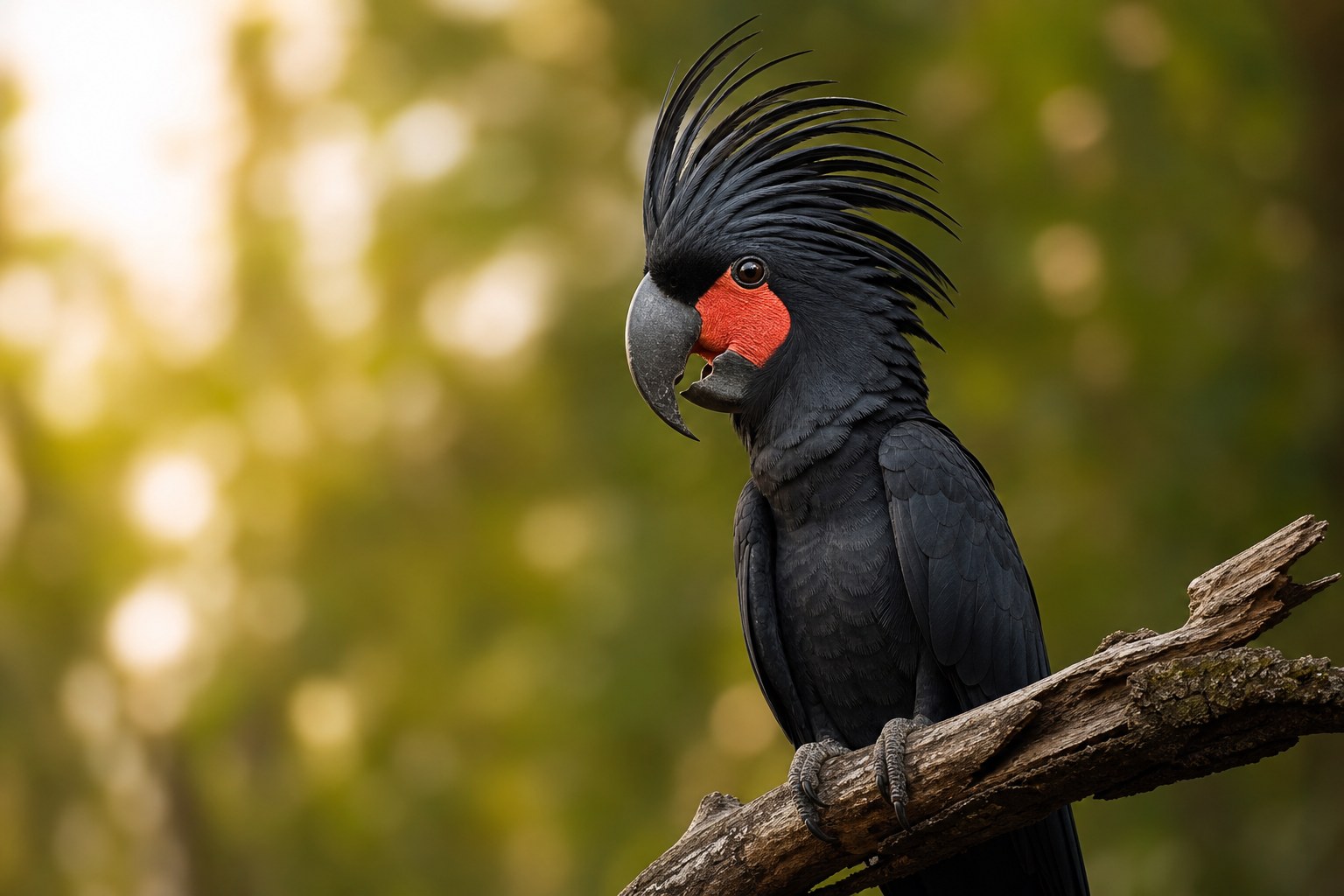
Least Concern globally — Australian population declining and of concern
Palm Cockatoo
Probosciger aterrimus (Gmelin, 1788) — family Cacatuidae
The palm cockatoo (Probosciger aterrimus) is a large black parrot of New Guinea and Cape York that manufactures drumsticks from branches and beats them rhythmically against hollow trees in display — the only known non-human animal to make a tool for producing music.
Read the guide →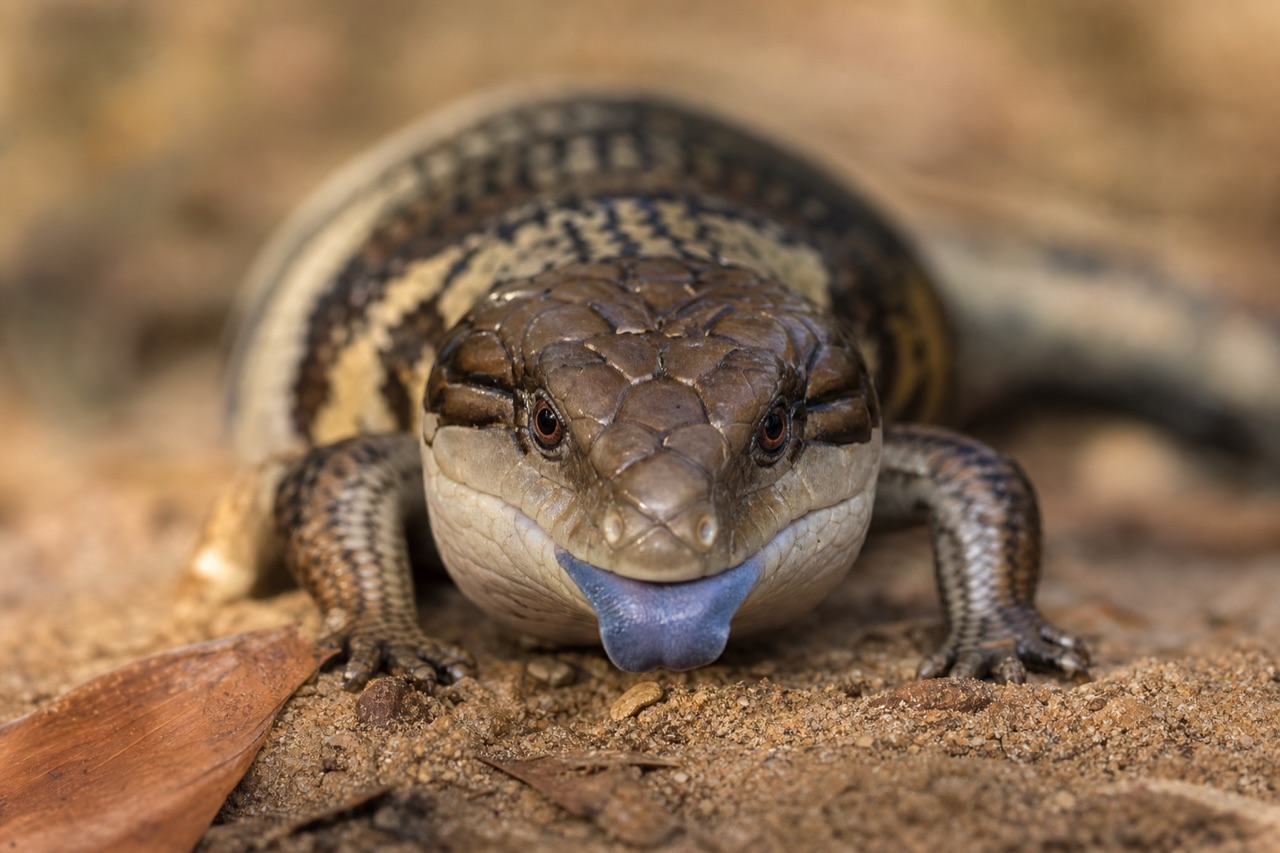
Varies by species — several island endemics Critically Endangered
Skink
Family Scincidae (Gray, 1825) — over 1,700 species
Skinks are over 1,700 species of lizards in the family Scincidae, found on every continent except Antarctica; they are recognisable by smooth overlapping scales and reduced limbs, and limb loss has evolved independently many times within the family.
Read the guide →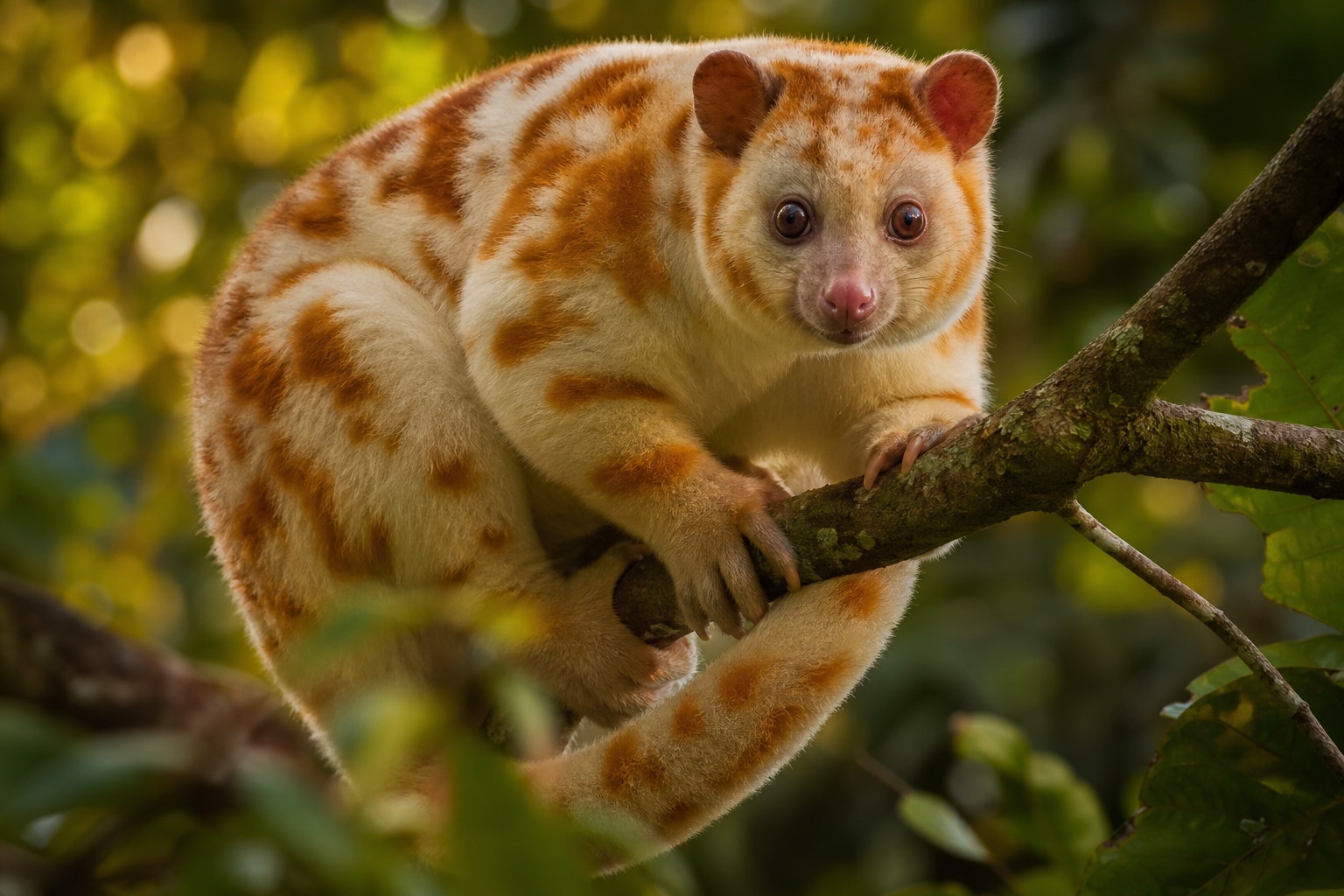
Least Concern — but hunted across much of New Guinea lowland forest
Spotted Cuscus
Spilocuscus maculatus (É. Geoffroy, 1803) — family Phalangeridae
The spotted cuscus (Spilocuscus maculatus) is a nocturnal marsupial possum of New Guinea and northern Australia in which males are white with dark spots and females are plain grey or brown; it is listed Least Concern but is heavily hunted across accessible lowland forest.
Read the guide →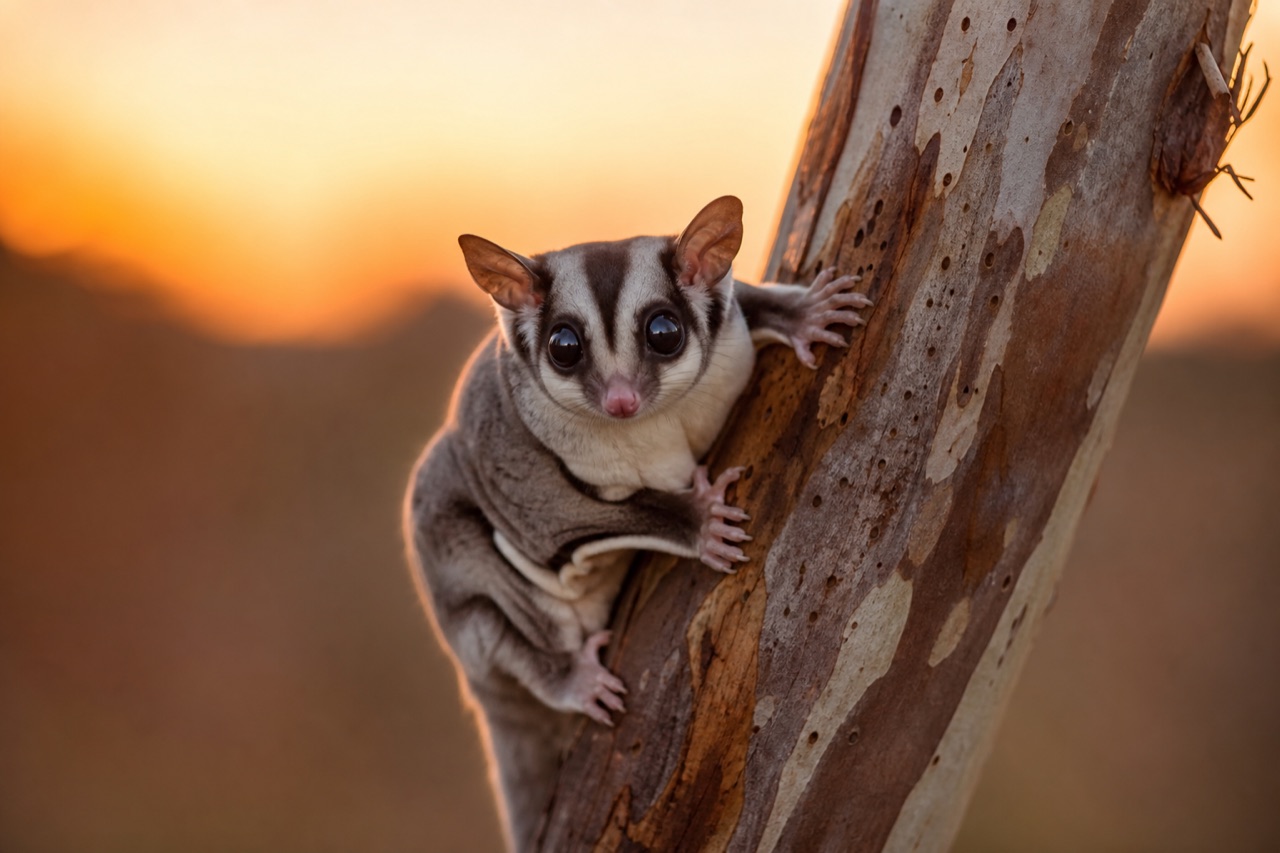
Least Concern — widespread in Australia; heavily traded as exotic pet outside native range
Sugar Glider
Petaurus breviceps (Waterhouse, 1839) — family Petauridae
The sugar glider (Petaurus breviceps) is a small nocturnal marsupial of Australia and New Guinea that glides on a skin membrane between trees — Least Concern in the wild but widely kept as an exotic pet with frequent welfare failures.
Read the guide →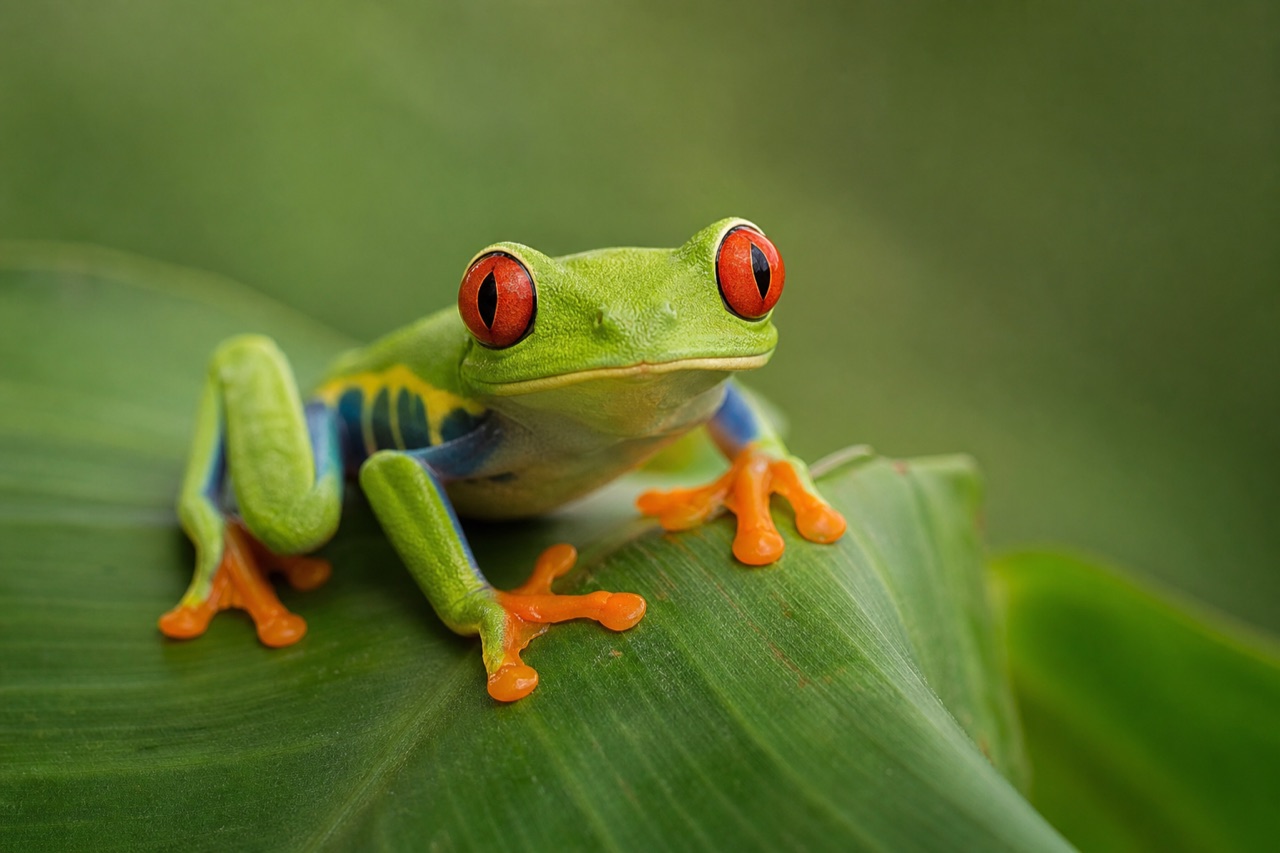
Varies by species — many Least Concern, some Critically Endangered
Tree Frog
Family Hylidae (Rafinesque, 1815) and related arboreal families — over 800 species
Tree frogs are over 800 species of arboreal frogs, mainly in the family Hylidae, that climb using adhesive toe pads which work by wet adhesion — a thin layer of mucus creating surface tension against the surface rather than suction.
Read the guide →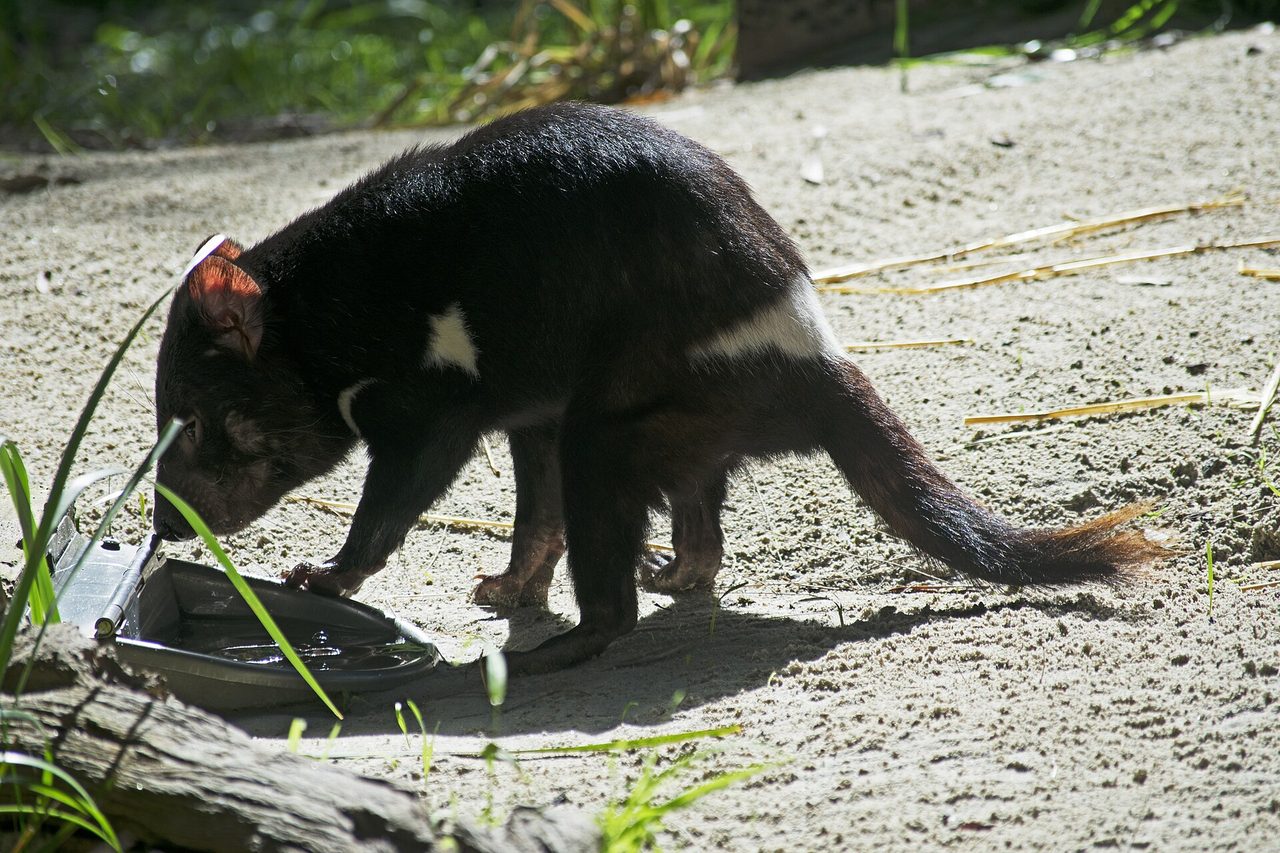
Endangered
Tasmanian Devil
Sarcophilus harrisii
The Tasmanian devil (Sarcophilus harrisii) is an Endangered carnivorous marsupial found only in Tasmania, Australia, whose wild population has plummeted by around 80% since the 1990s due to a transmissible facial cancer called Devil Facial Tumour Disease (DFTD).
Read the guide →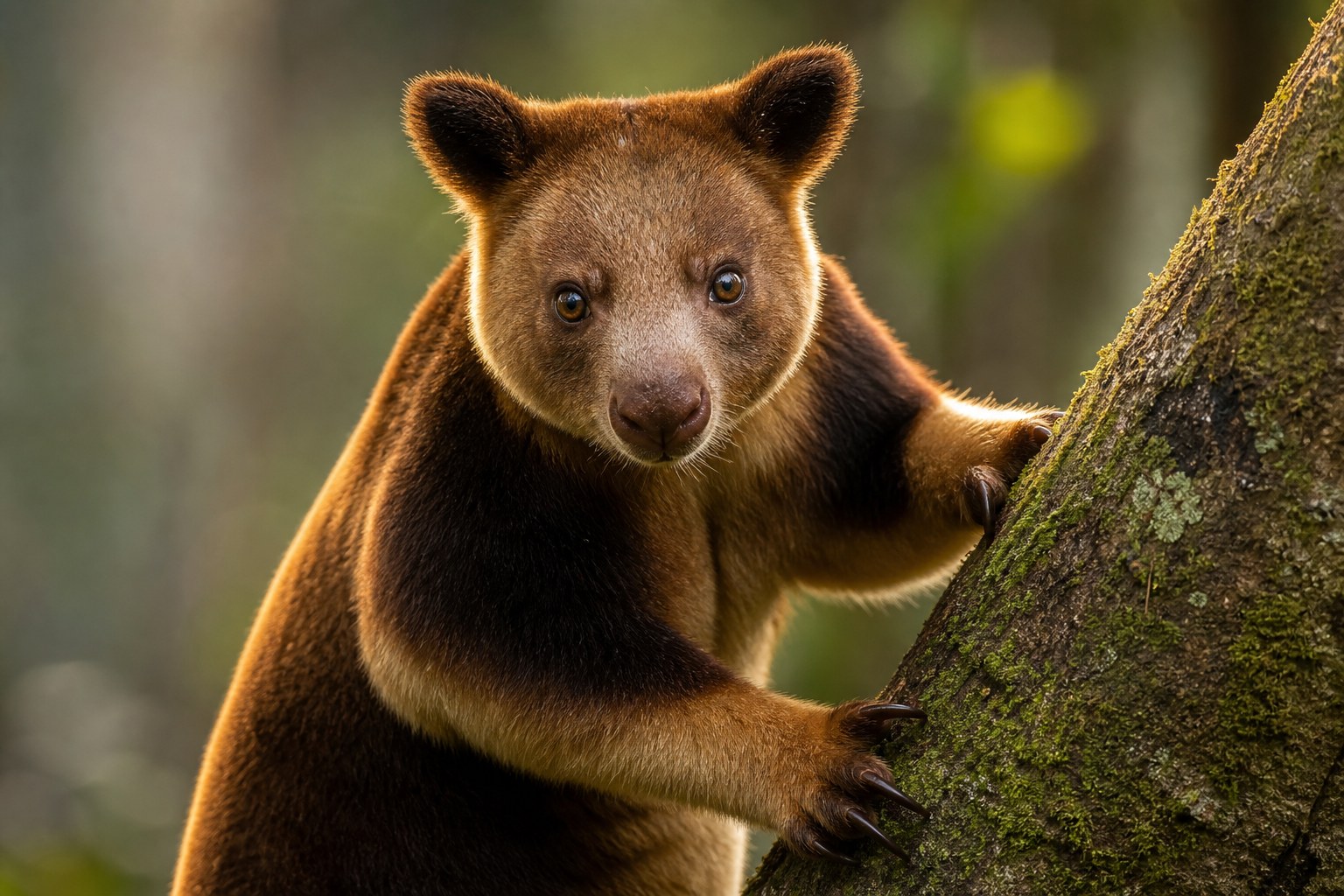
Varies by species — several Endangered or Critically Endangered
Tree Kangaroo
Genus Dendrolagus (Müller, 1840) — around 14 species
Tree kangaroos are around 14 species of marsupial in the genus Dendrolagus that live in the rainforest canopies of New Guinea and far north Queensland; they descend from ground-dwelling kangaroos that returned to the trees, and several species are Endangered or Critically Endangered.
Read the guide →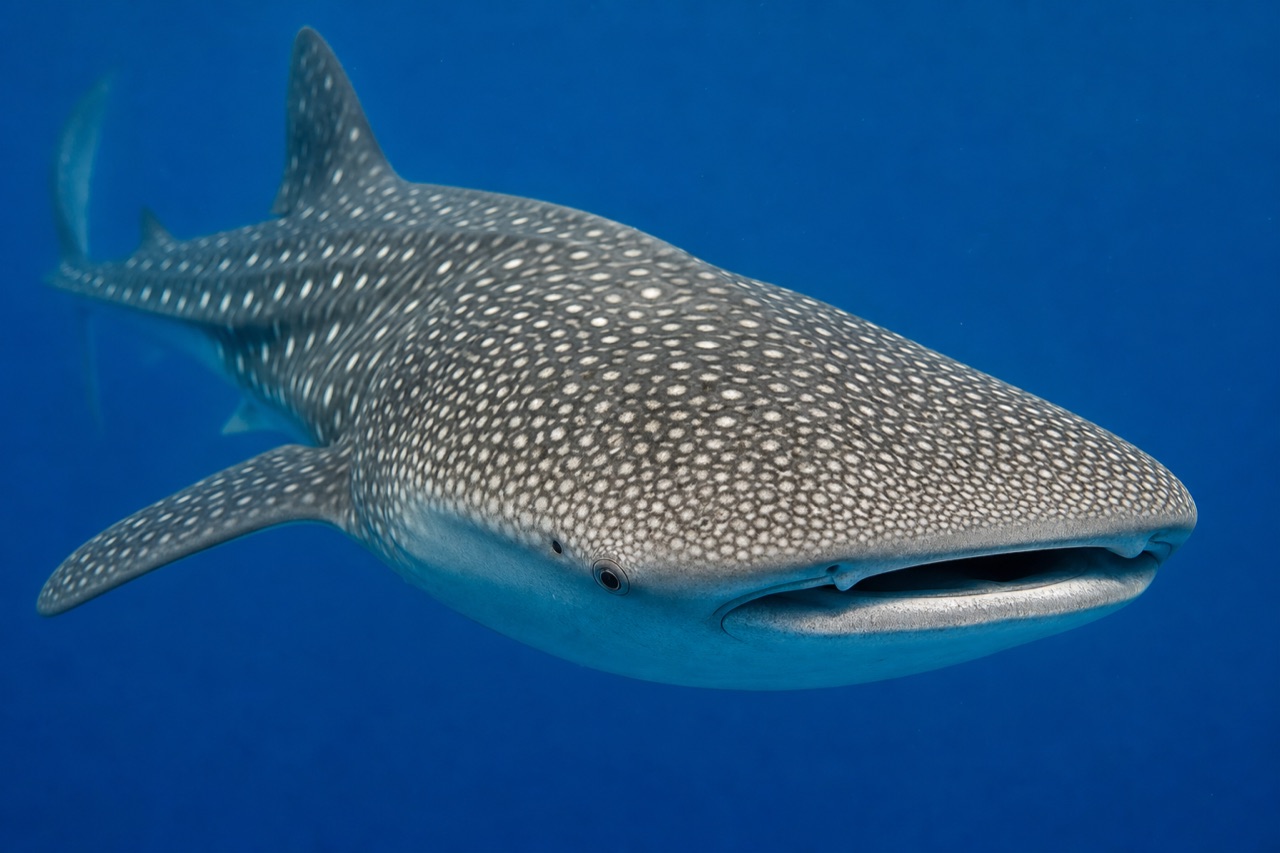
Endangered — the largest fish alive, and a filter feeder
Whale Shark
Rhincodon typus (Smith, 1828) — family Rhincodontidae
The whale shark (Rhincodon typus) is the largest fish on Earth at up to around 18 metres, a filter feeder that eats plankton and small fish, and is listed as Endangered.
Read the guide →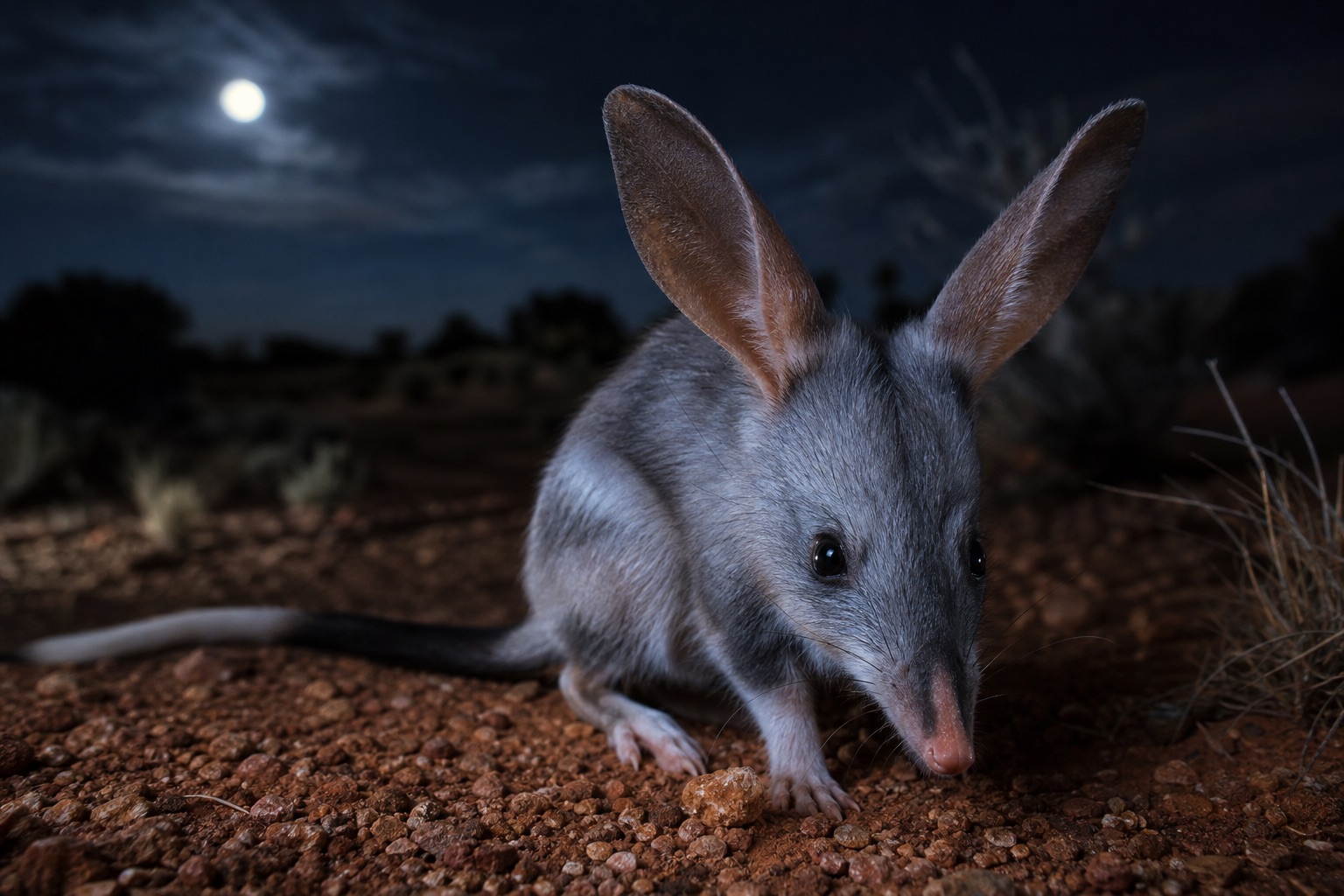
Vulnerable — fewer than 10,000 mature individuals; lost from most of its former range
Bilby
Macrotis lagotis (Reid, 1837) — family Thylacomyidae
The greater bilby (Macrotis lagotis) is a Vulnerable, nocturnal, burrowing marsupial of arid Australia with long ears and silky fur; fewer than 10,000 mature individuals remain after foxes, cats and habitat loss removed it from most of its former range across the mainland.
Read the guide →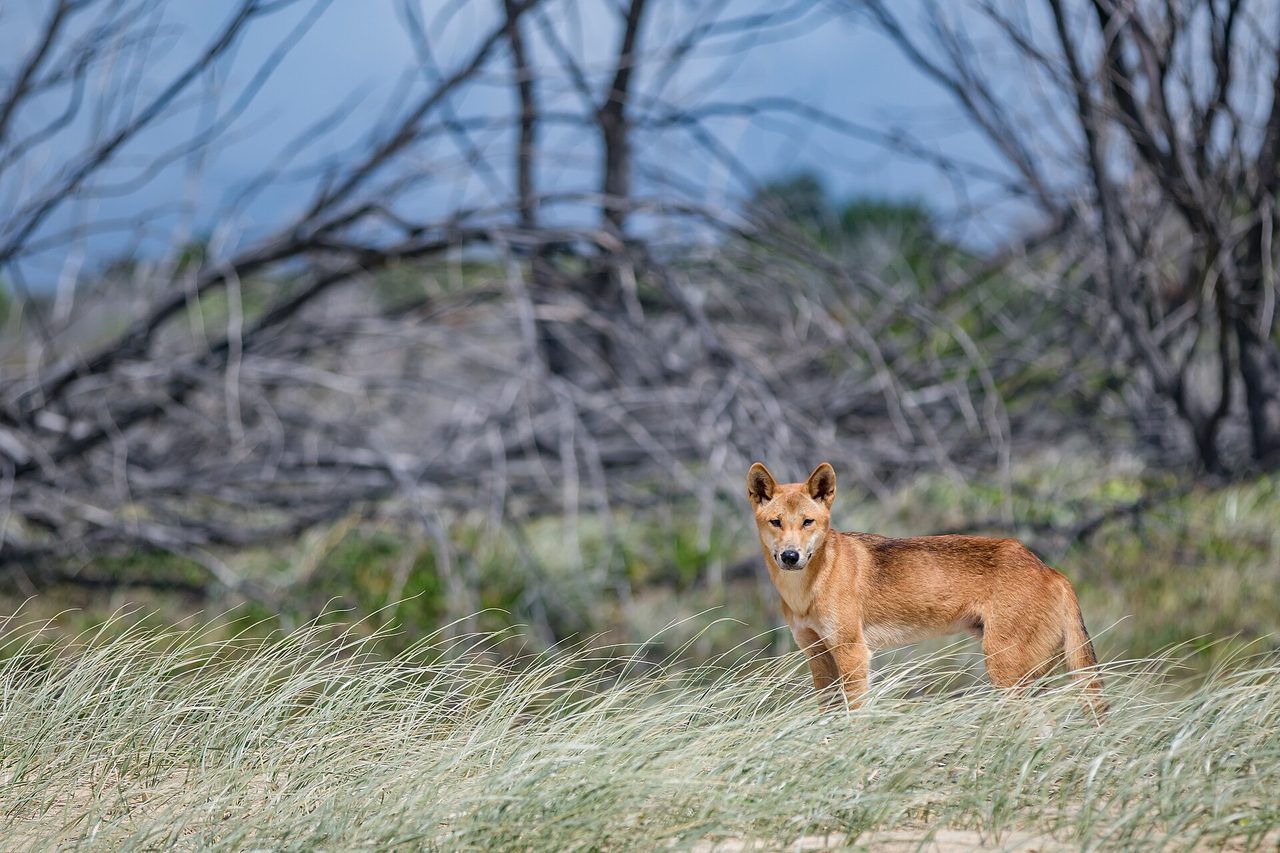
Vulnerable (historical IUCN 2008; removed from Red List 2019)
Dingo
Canis lupus dingo
The dingo is Australia's native wild dog and apex predator, historically classified as Vulnerable due to widespread persecution and hybridisation with domestic dogs — though it was removed from the IUCN Red List in 2019 following taxonomic reclassification, and new genomic research suggests pure dingoes are more numerous than previously feared.
Read the guide →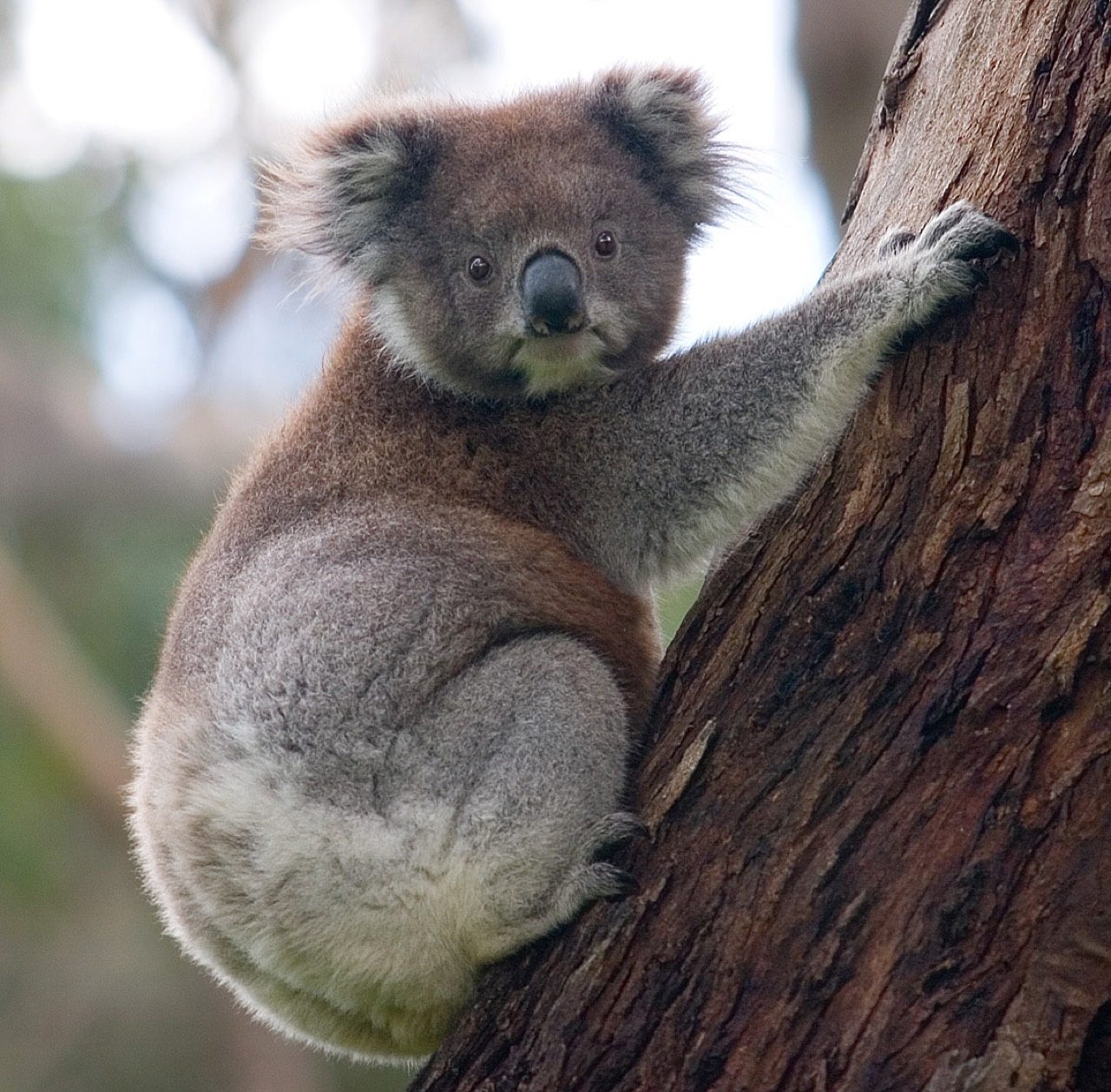
Vulnerable on the IUCN Red List; listed Endangered under Australian federal law in Queensland, New South Wales and the ACT (2022)
Koala
Phascolarctos cinereus
The koala is a Vulnerable eucalyptus-eating marsupial native only to Australia, where habitat loss, disease and bushfire have made its eastern populations Endangered under national law as of 2022.
Read the guide →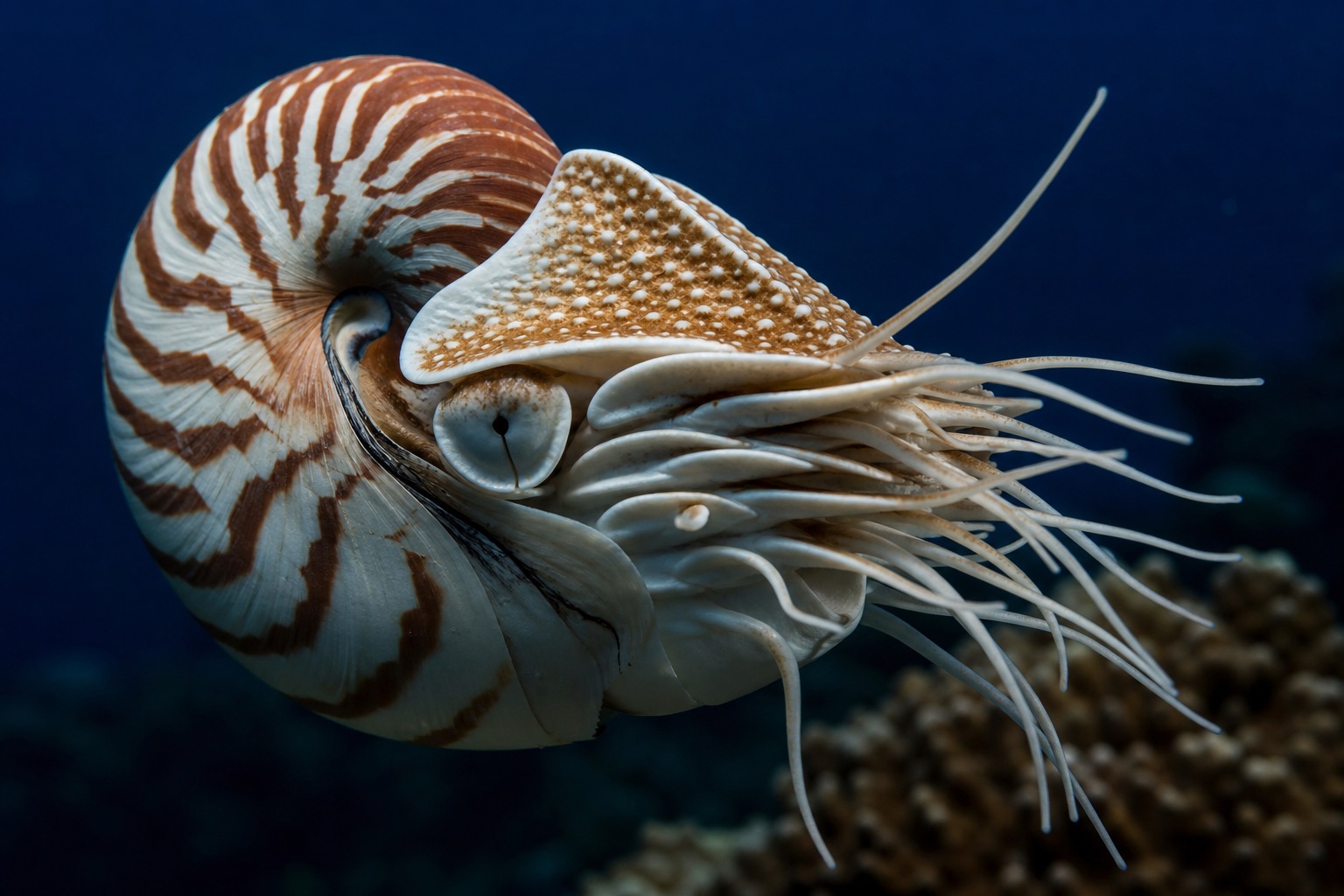
Vulnerable (IUCN 2018) — chambered nautilus; threatened by shell trade and slow reproduction
Nautilus
Nautilus pompilius (Linnaeus, 1758) — family Nautilidae; genus Nautilus among six living nautiloid species
The chambered nautilus (Nautilus pompilius) is a nocturnal Indo-Pacific cephalopod with an external coiled shell and pinhole eyes; it adjusts buoyancy with gas-filled chambers, is listed Vulnerable due to shell trade and slow reproduction, and represents an ancient nautiloid lineage.
Read the guide →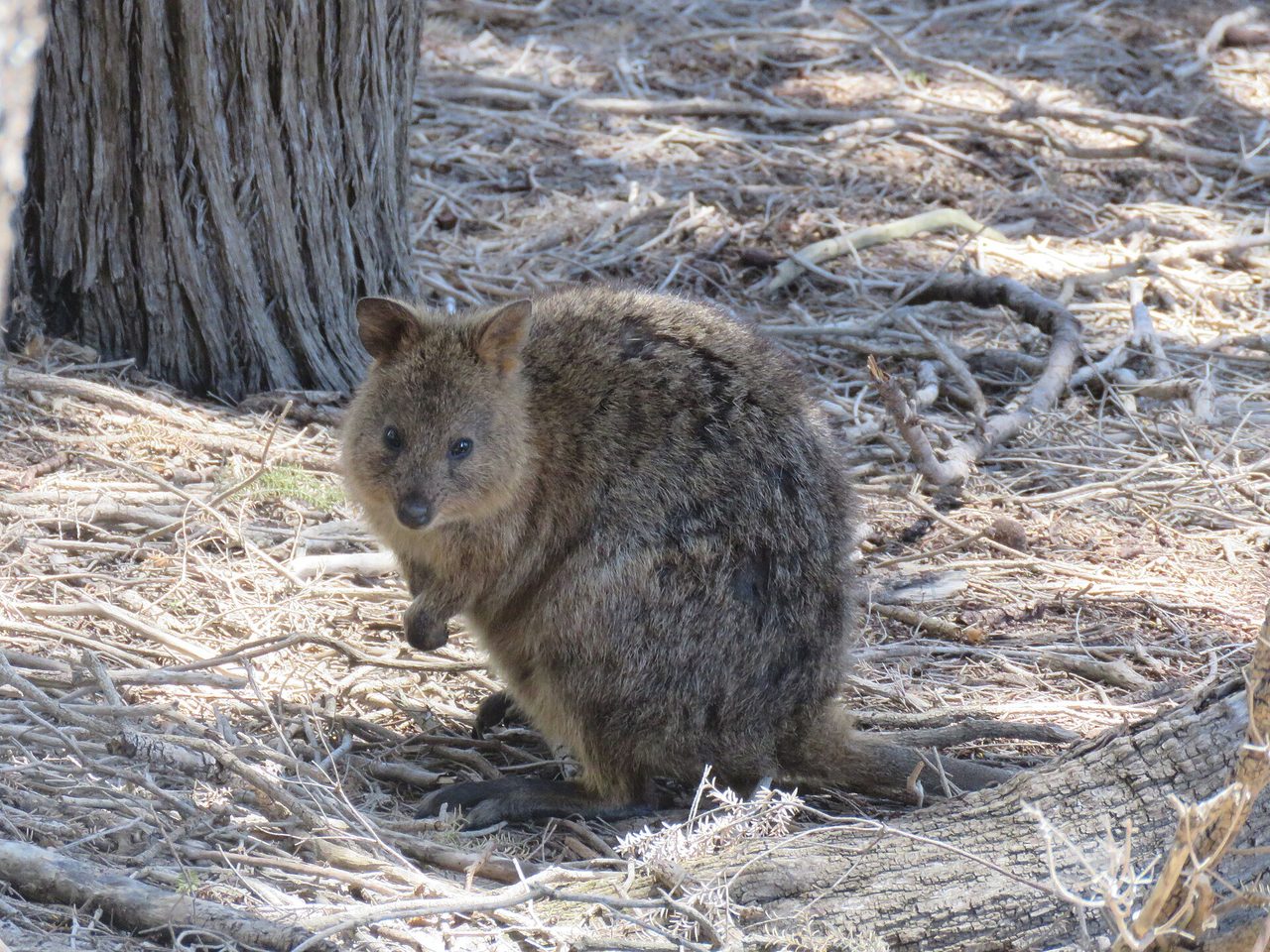
Vulnerable
Quokka
Setonix brachyurus
The quokka is a Vulnerable marsupial found only in south-western Western Australia, best known for its photogenic "smile" but facing serious threats from feral predators, habitat loss, and climate change.
Read the guide →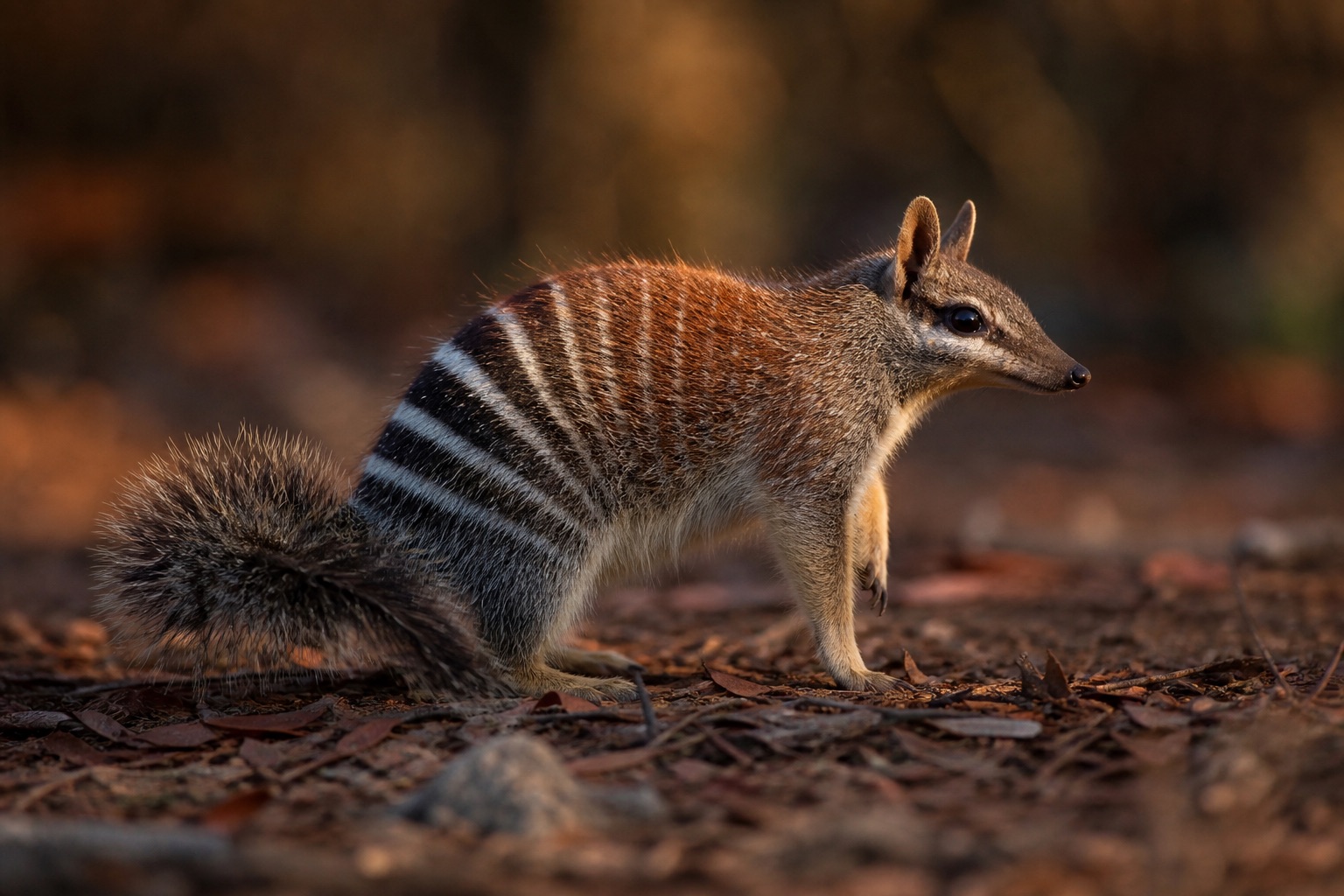
Near Threatened on the IUCN Red List since July 2026 — still Endangered under Australian federal law
Numbat
Myrmecobius fasciatus (Waterhouse, 1836) — family Myrmecobiidae
The numbat (Myrmecobius fasciatus) is a diurnal marsupial of south-western Australia that eats almost exclusively termites using a long sticky tongue; after falling to roughly 300 animals in the 1970s, recovery efforts have raised numbers to an estimated 2,000–3,000 and the IUCN downlisted it to Near Threatened in 2026.
Read the guide →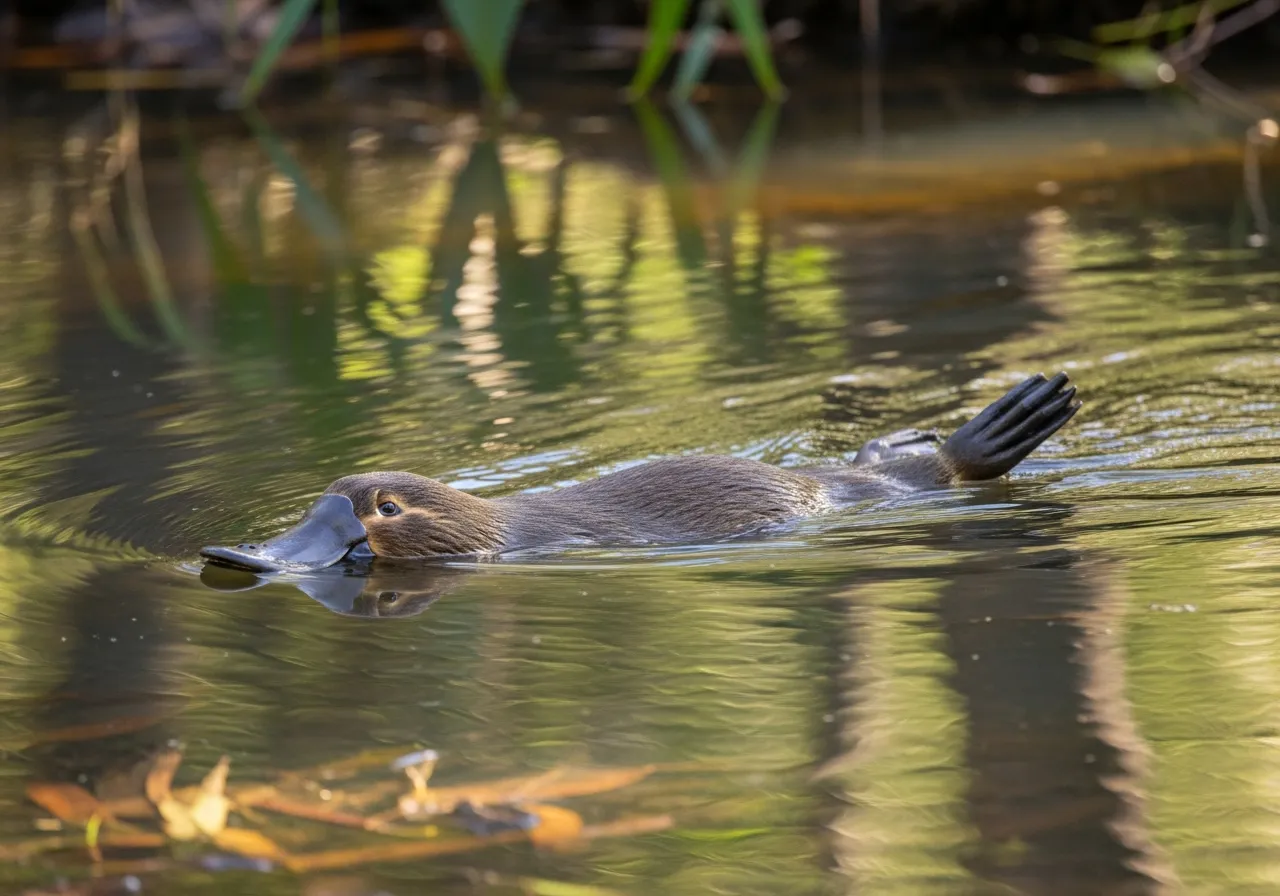
Near Threatened (IUCN, 2016)
Platypus
Ornithorhynchus anatinus
A platypus is a semi-aquatic, egg-laying mammal (a monotreme) native to eastern Australia and Tasmania. It has a duck-like bill, webbed feet and a beaver-like tail, hunts underwater using electroreception, and males carry venomous ankle spurs. It is listed as Near Threatened on the IUCN Red List.
Read the guide →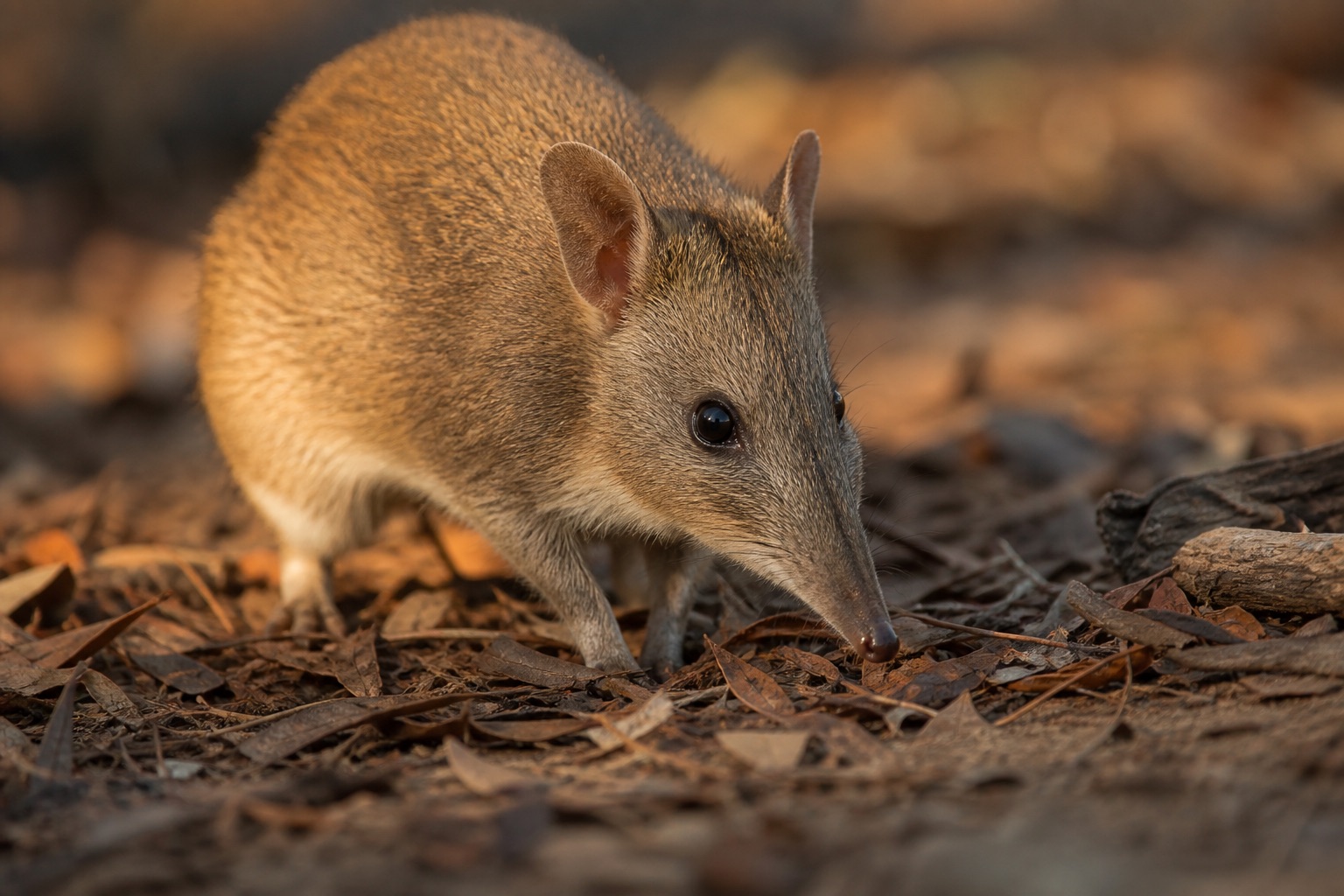
Genus-level overview — IUCN status varies by species; several threatened or extinct
Bandicoot
Order Peramelemorphia — bandicoots and bilbies (family Peramelidae and others)
Bandicoots are small marsupials of the order Peramelemorphia with gestation as short as about twelve days, a unusually advanced marsupial placenta, and a rearward-opening pouch; the name covers many species across Australia, New Guinea and Wallacea with varying IUCN status.
Read the guide →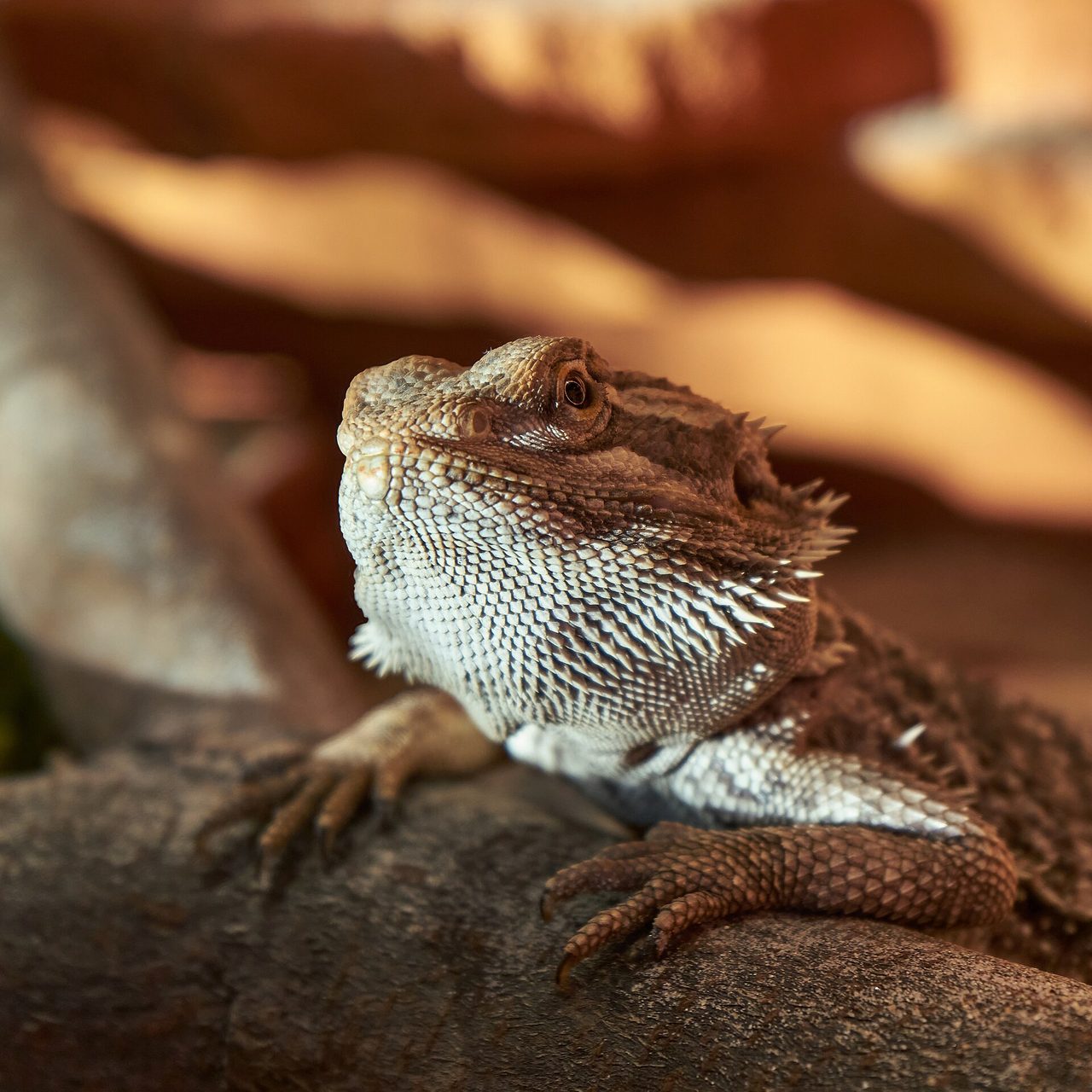
Least Concern (IUCN)
Bearded Dragon
Pogona vitticeps
The central bearded dragon (Pogona vitticeps) is a Least Concern lizard native to the arid scrublands of eastern and central Australia, renowned for its darkening throat pouch and unique ability to have sex determined by either chromosomes or incubation temperature.
Read the guide →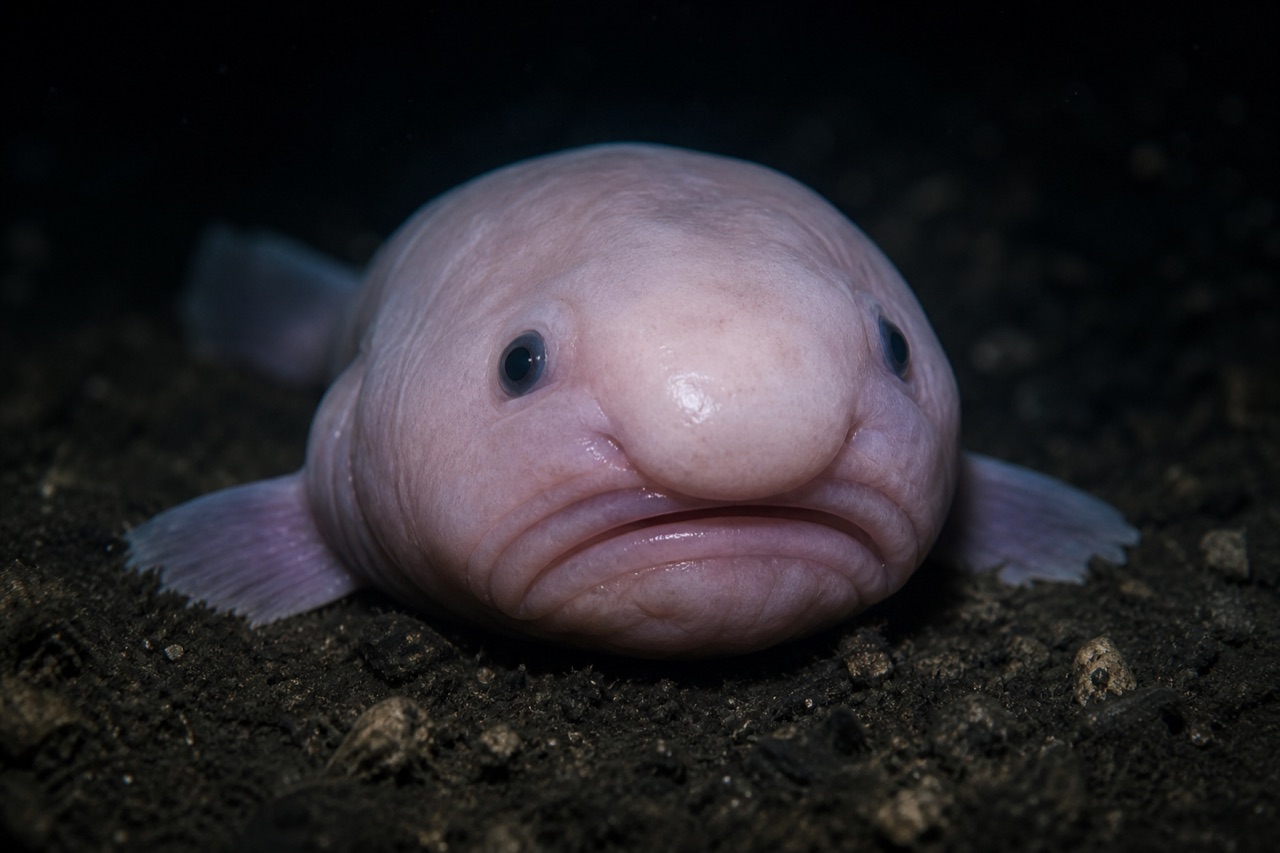
Not Evaluated — deep-sea species, taken as trawl bycatch
Blobfish
Psychrolutes marcidus (McCulloch, 1926) — family Psychrolutidae
The blobfish (Psychrolutes marcidus) is a deep-sea fish living 600–1,200 m down off Australia and New Zealand; it looks like a normal pinkish sculpin at that depth, and the famous droopy appearance is decompression damage that occurs only when a specimen is hauled to the surface.
Read the guide →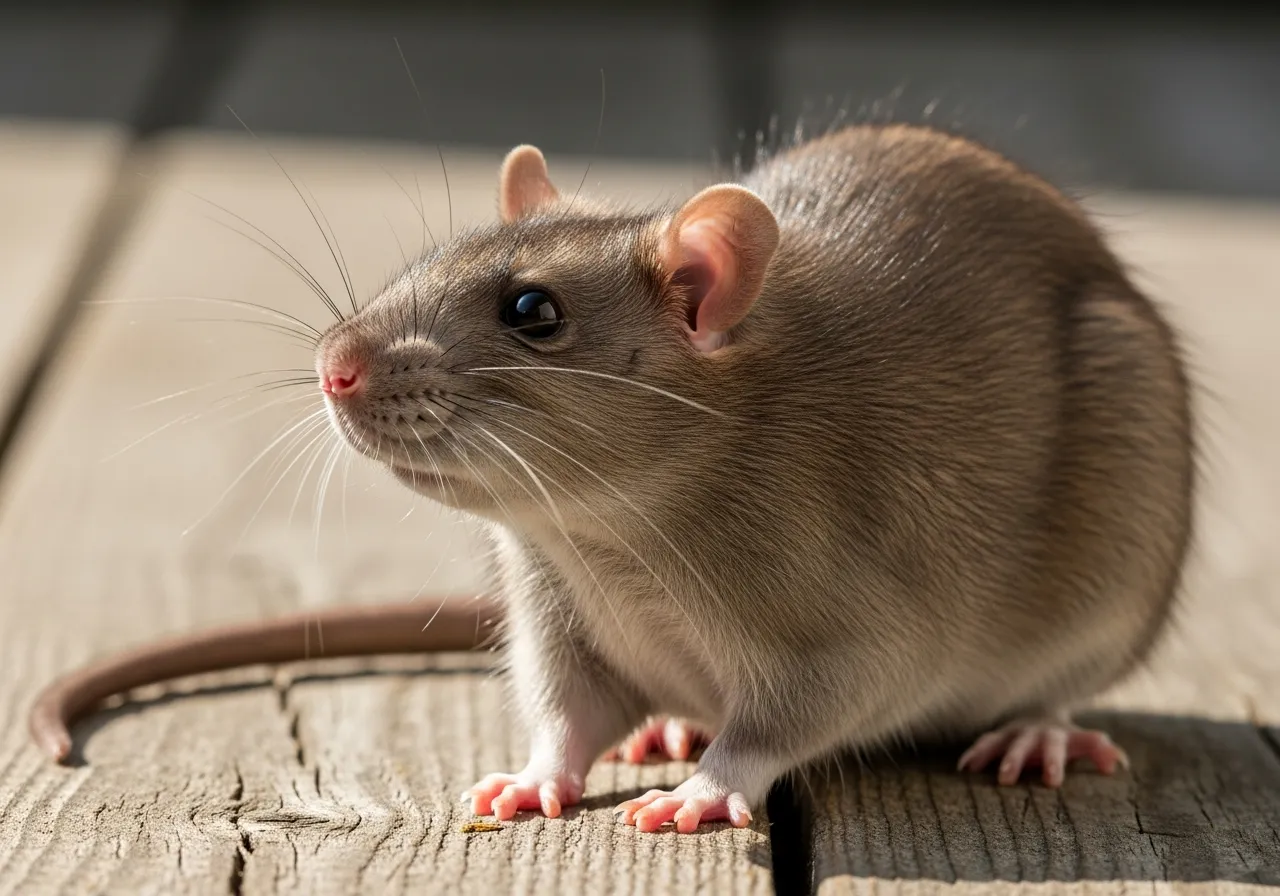
Least Concern (IUCN)
Brown Rat
Rattus norvegicus
A brown rat (Rattus norvegicus) is a large, adaptable rodent that lives alongside humans worldwide. Native to Asia, it has spread to every continent except Antarctica. Highly intelligent and social, it is the wild ancestor of both pet "fancy rats" and laboratory rats, and is listed as Least Concern.
Read the guide →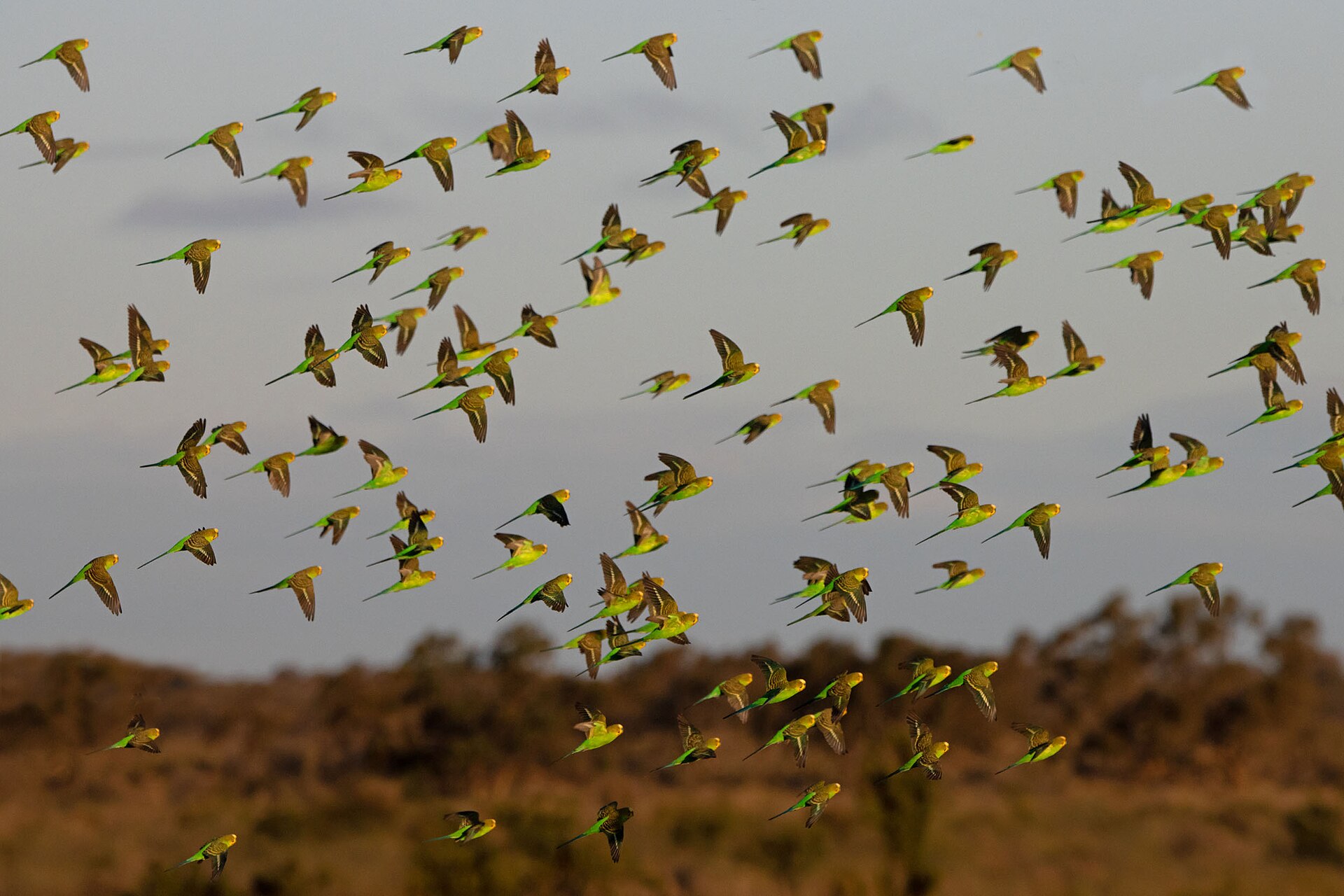
Least Concern (IUCN)
Budgerigar
Melopsittacus undulatus (Shaw, 1805)
The budgerigar (Melopsittacus undulatus) is a small Australian parrot — Least Concern in the wild — famous in captivity but naturally a nomadic flocking bird of the Outback, related to macaws and cockatoos within the parrot order.
Read the guide →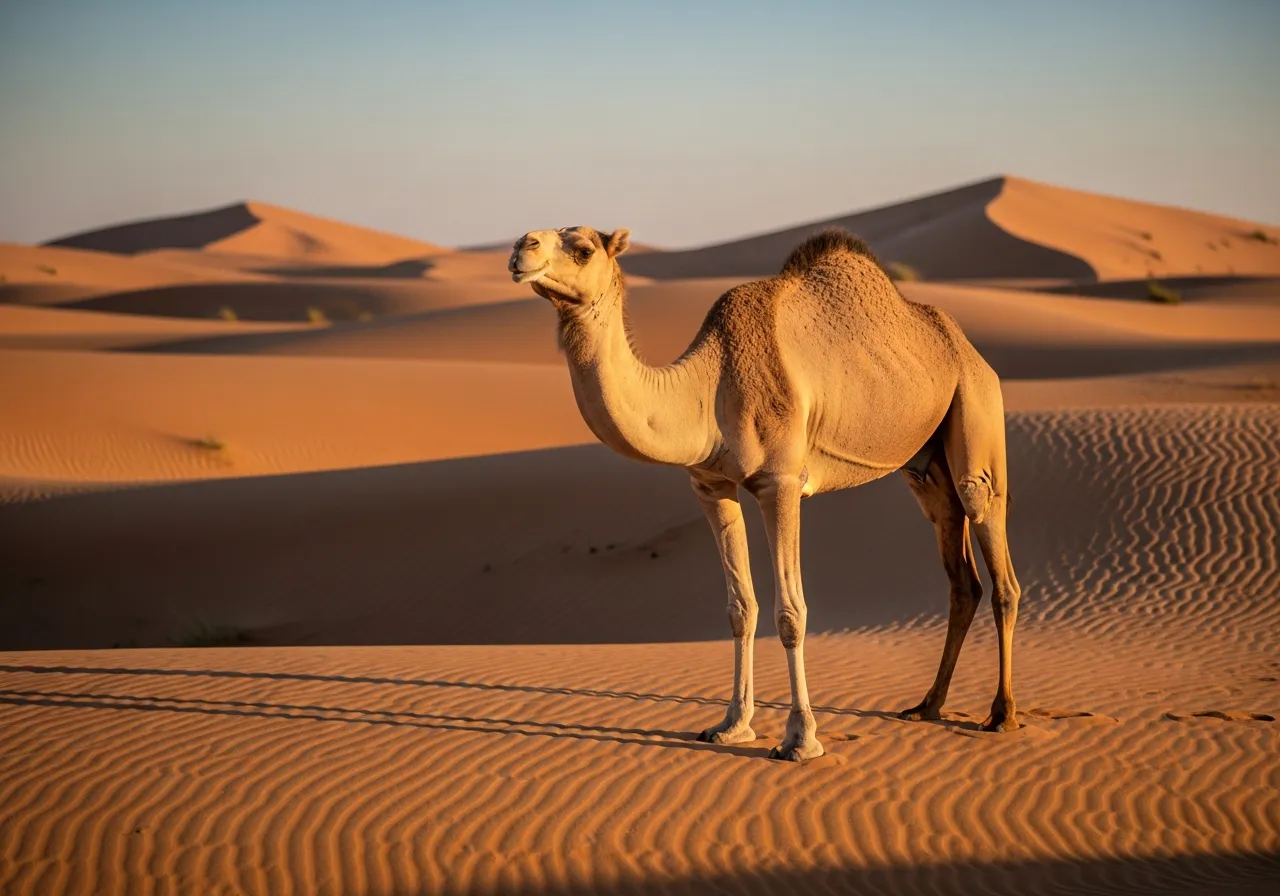
Domestic camels not threatened; the wild Bactrian camel (Camelus ferus) is Critically Endangered
Camel
Camelus dromedarius, C. bactrianus & C. ferus
A camel is a large, hump-backed desert mammal of the genus Camelus. The one-humped dromedary and two-humped Bactrian are domesticated; the wild Bactrian camel is rare. Humps store fat, not water, and remarkable adaptations let camels endure extreme heat and long stretches without drinking.
Read the guide →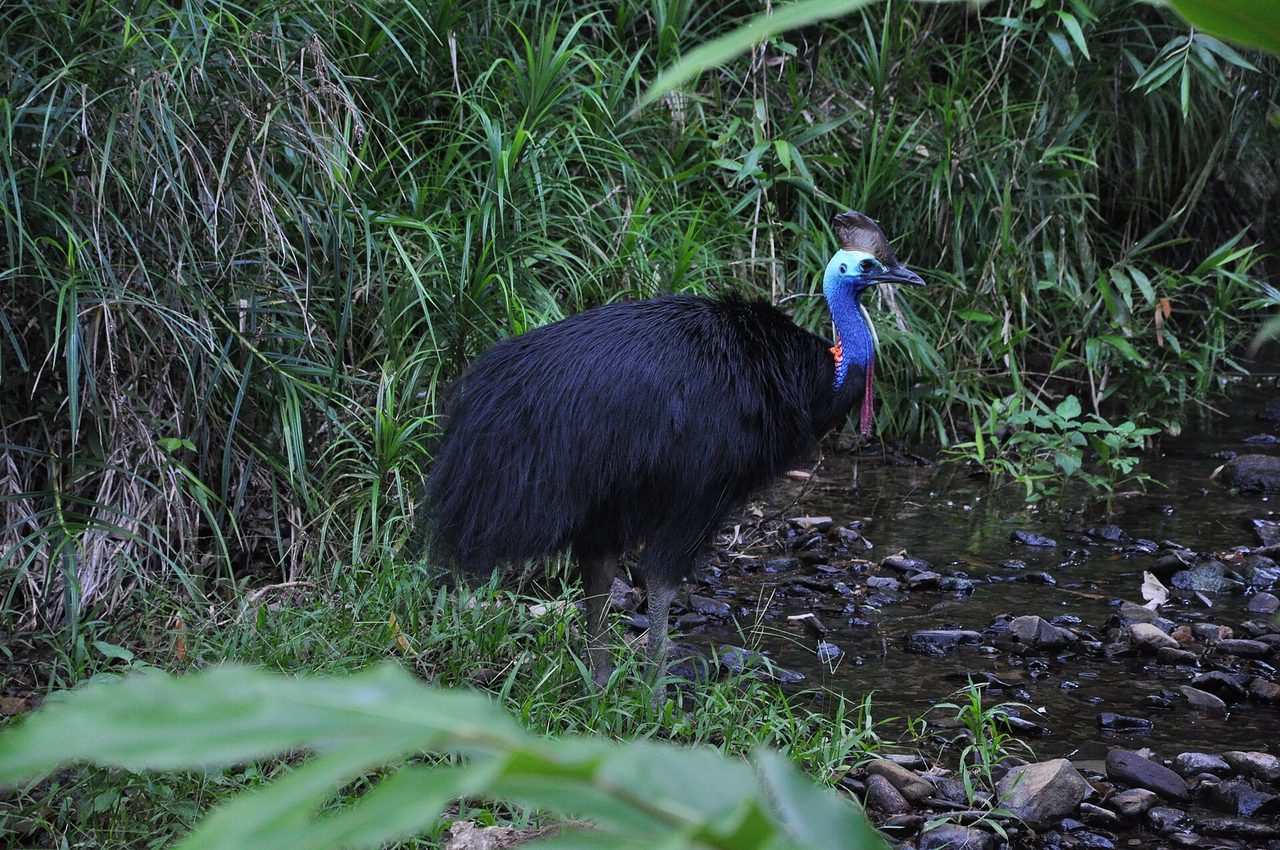
Least Concern (IUCN) — Southern; varies by species
Cassowary
Casuarius spp.
The cassowary is a large, flightless bird native to the rainforests of New Guinea and north-eastern Australia, renowned for its bony head casque, vivid neck colouring, and critical role as a seed disperser for hundreds of tropical plant species.
Read the guide →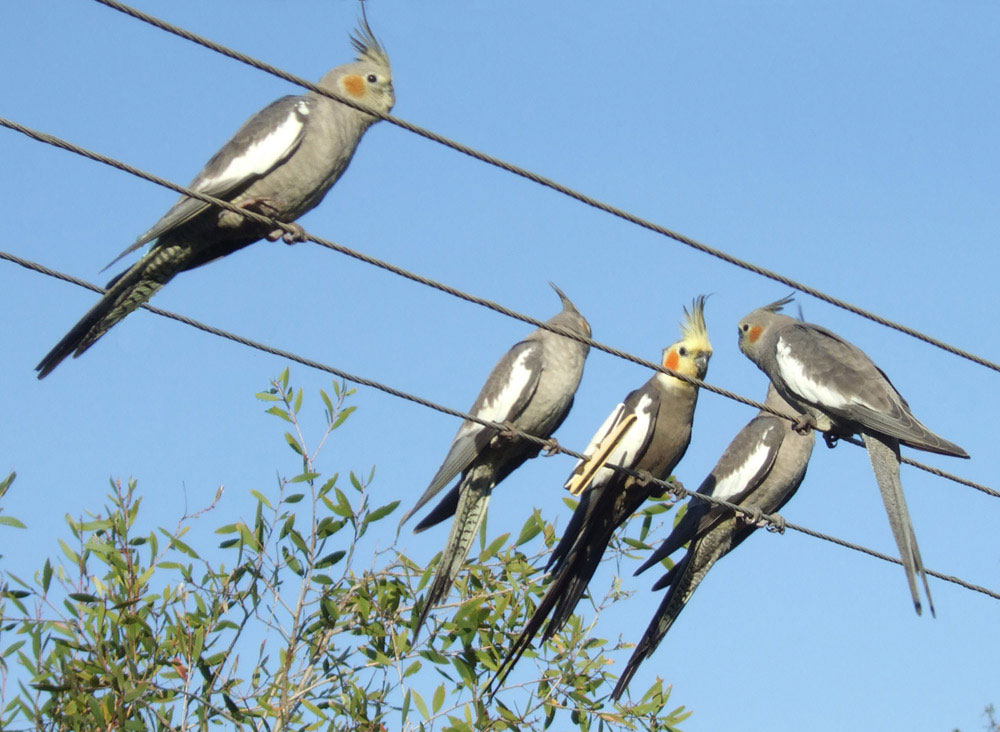
Least Concern (IUCN) — wild cockatiel; abundant across Australia
Cockatiel
Nymphicus hollandicus (Kerr, 1792) — the smallest member of the cockatoo family
The cockatiel (Nymphicus hollandicus) is a small Australian parrot — the smallest cockatoo, Least Concern in the wild — kept worldwide as a gentle pet; its colour 'varieties' are captive-bred mutations of one species.
Read the guide →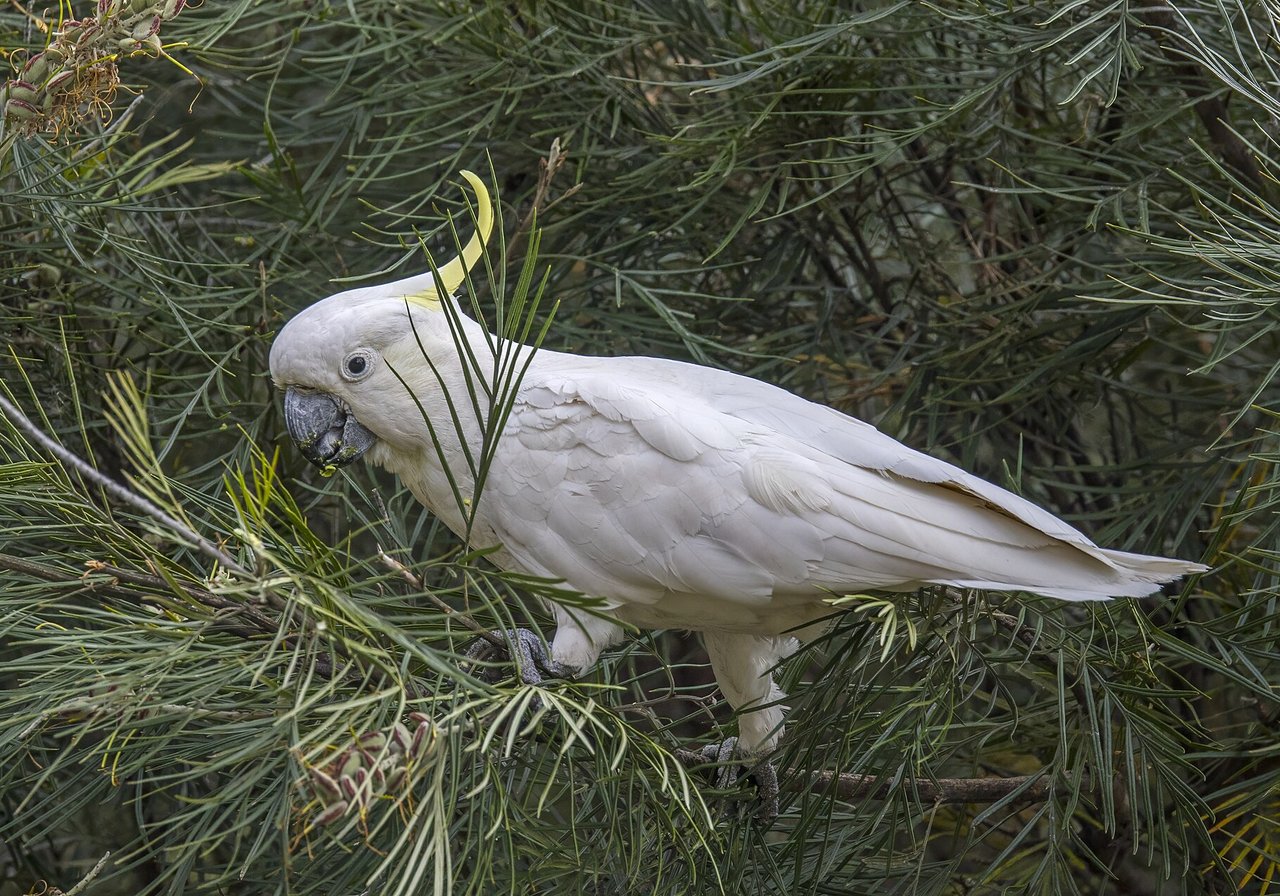
Varies by species (Vulnerable to Critically Endangered)
Cockatoo
Family Cacatuidae — 21 species in 4 genera (Cacatua, Calyptorhynchus, Callocephalon, Nymphicus)
Cockatoos are crested parrots (family Cacatuidae) with 21 species across Australasia — intelligent and long-lived birds threatened by illegal trapping for the pet trade, with several Indonesian species Critically Endangered.
Read the guide →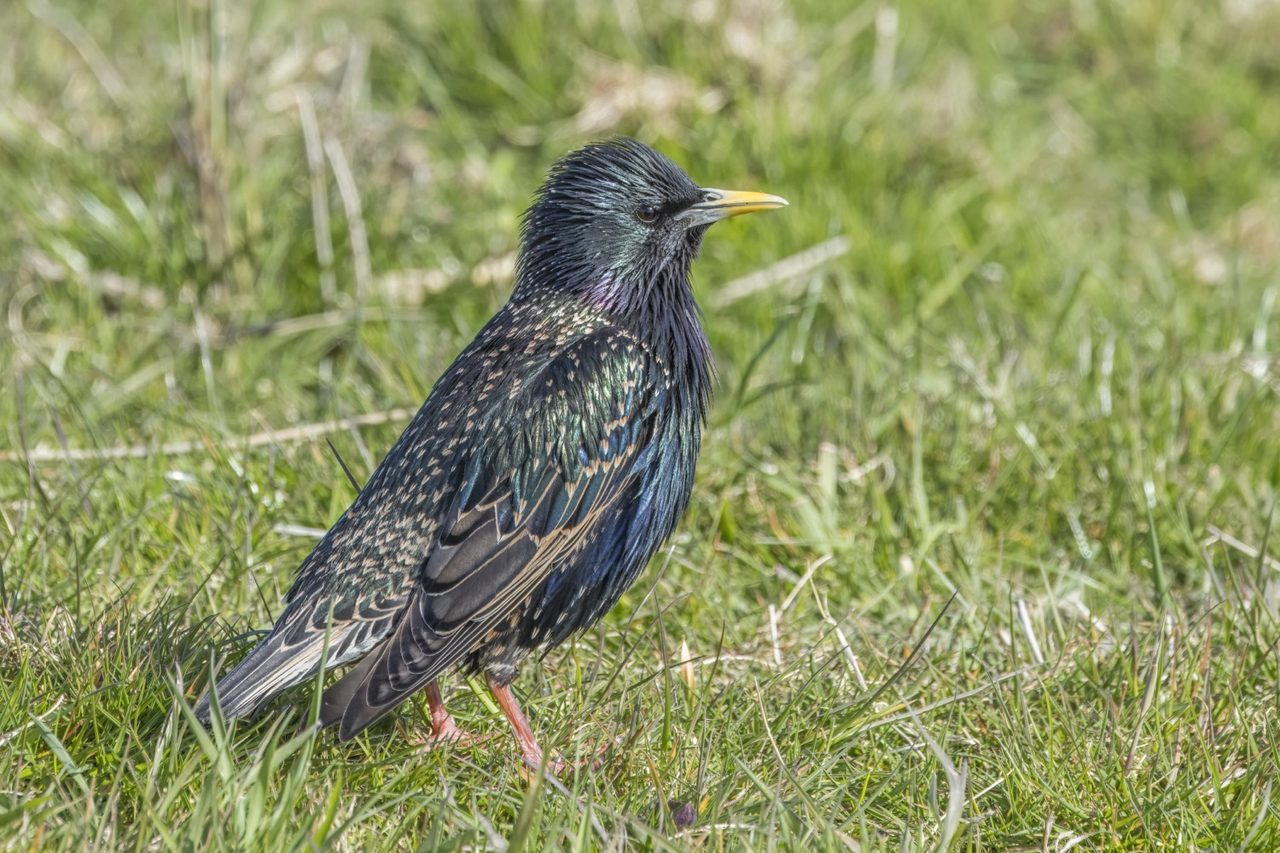
Least Concern (IUCN) globally; UK Red List of conservation concern
Common Starling
Sturnus vulgaris
The common starling (Sturnus vulgaris) is a stocky, glossy black songbird native to Eurasia and North Africa, famous for vast swirling winter flocks called murmurations and for skilled vocal mimicry. Globally common and rated Least Concern, it has declined sharply in Britain and is UK Red-listed.
Read the guide →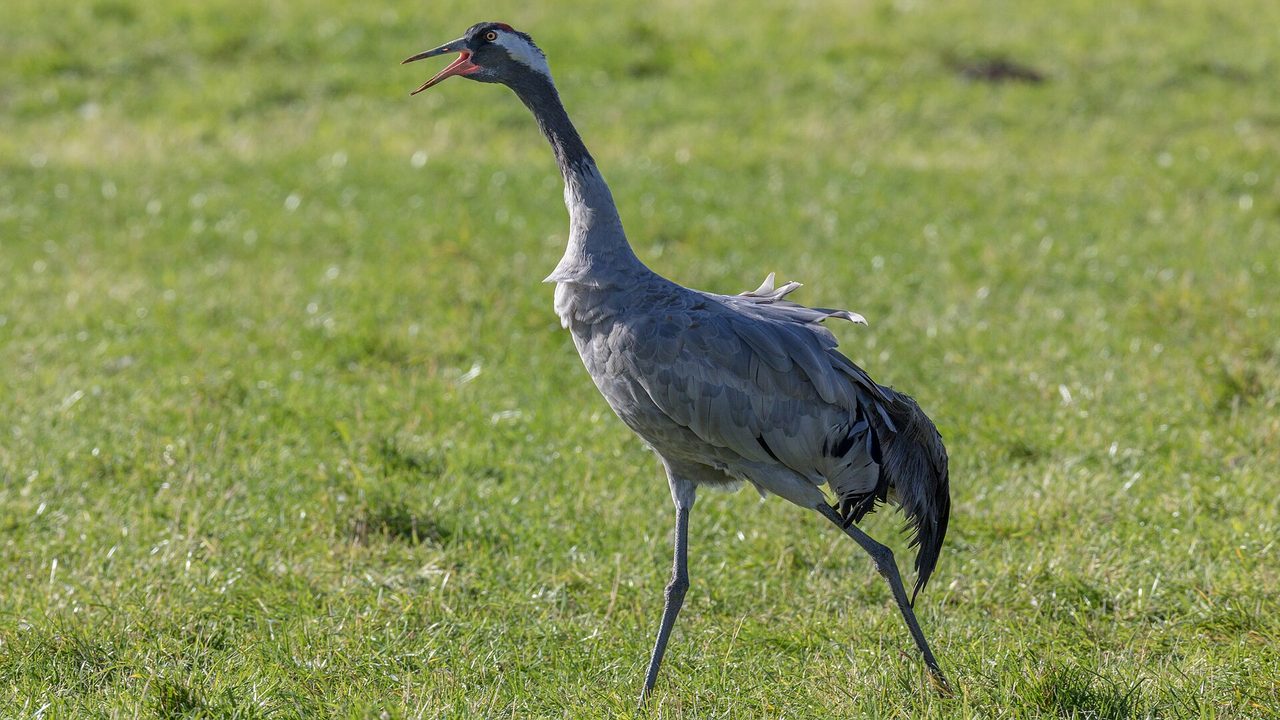
Varies by species (Critically Endangered to Least Concern)
Crane
Family Gruidae
Cranes are a family (Gruidae) of 15 large, long-lived wading birds found on every continent except South America and Antarctica; the family spans conservation statuses from Least Concern (Common Crane, over 700,000 birds) to Critically Endangered (Siberian Crane, roughly 6,500–7,000 birds), making them collectively one of the most threatened bird groups in the world.
Read the guide →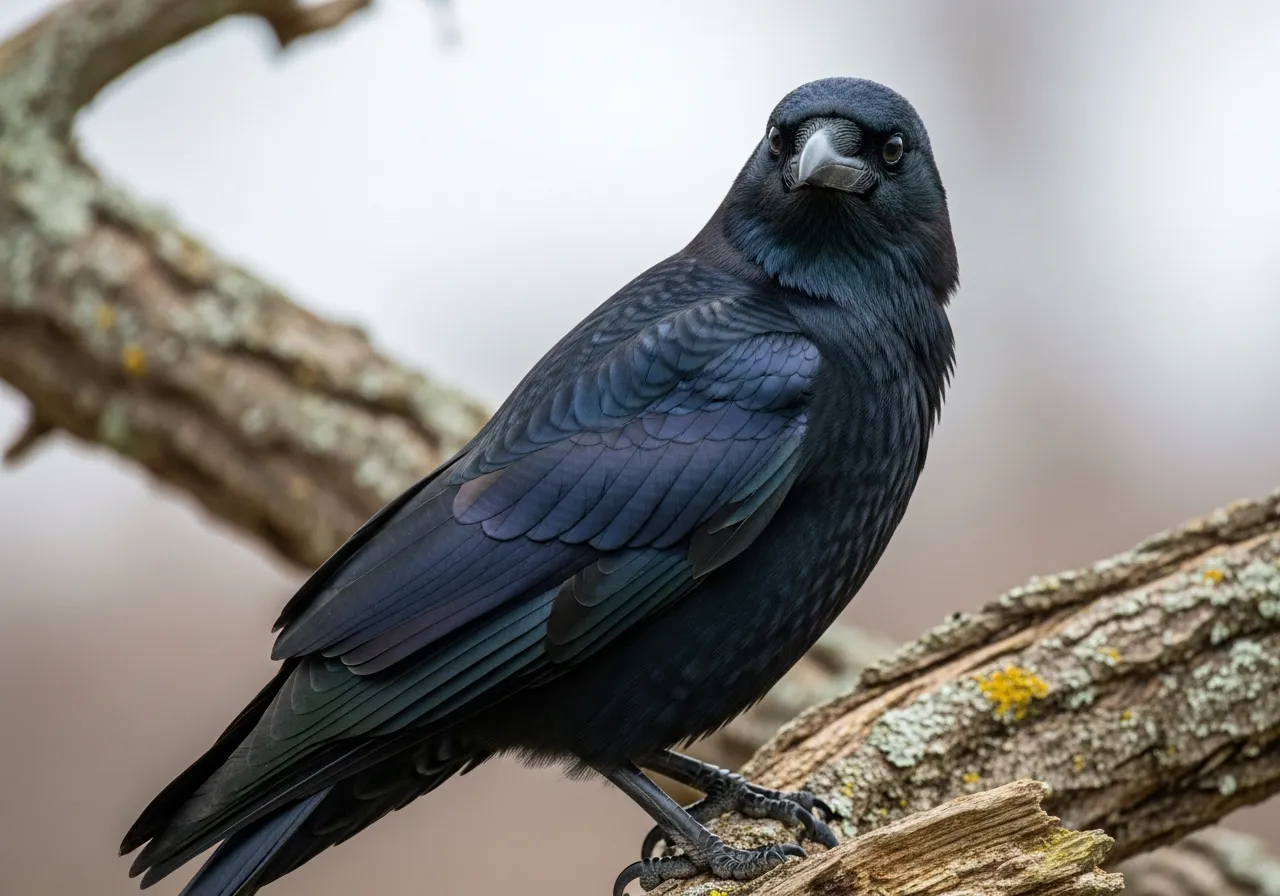
Varies by species; common crows Least Concern (IUCN)
Crow
Corvus
A crow is a medium-to-large, mostly black bird of the genus Corvus, part of the corvid family that includes ravens and jays. Found on most continents, crows are among the world's most intelligent birds — using tools, solving problems and recognising individual human faces.
Read the guide →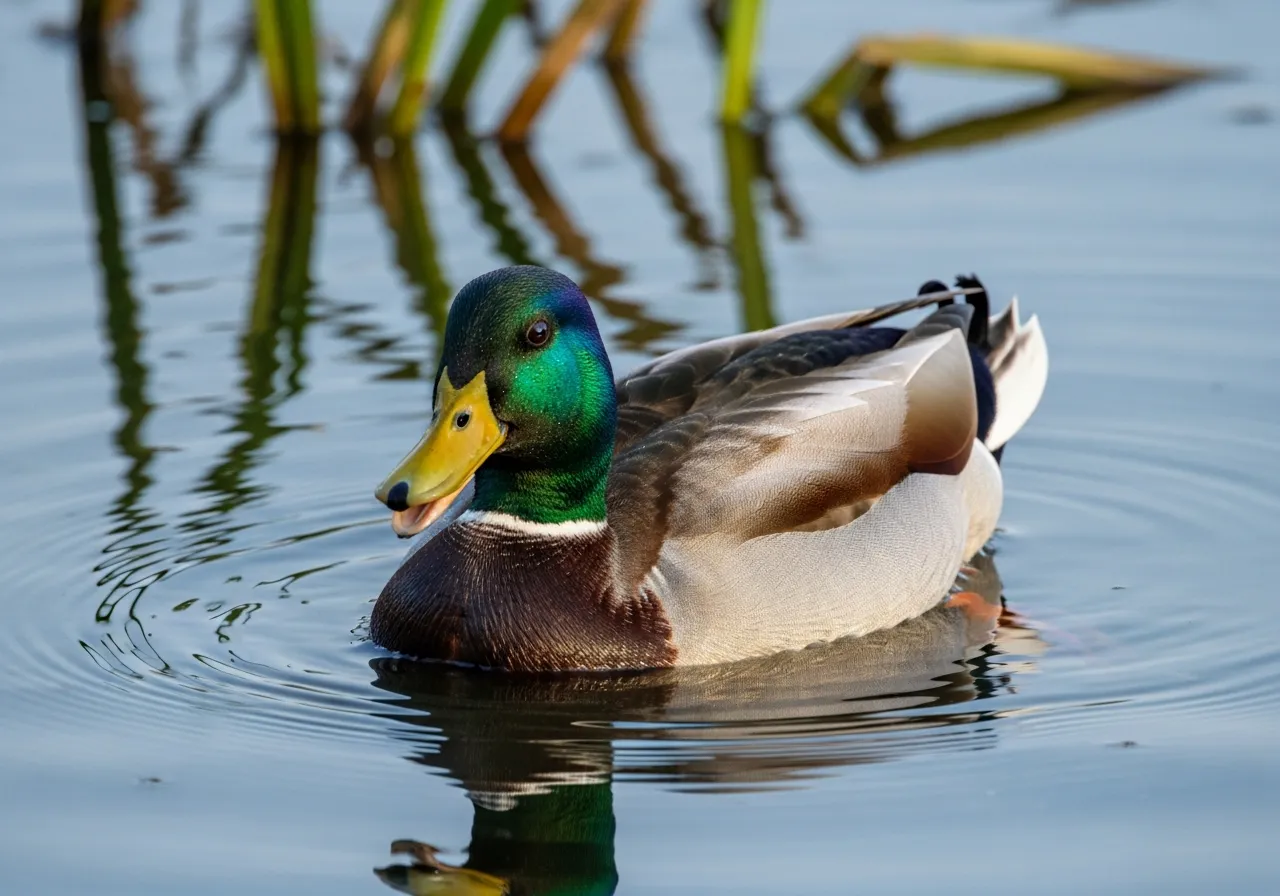
Varies; common species Least Concern
Duck
Family Anatidae (e.g. Anas platyrhynchos)
A duck is a waterbird in the family Anatidae — smaller and shorter-necked than its relatives the geese and swans. Ducks have a broad flat bill, webbed feet and waterproof feathers, live on fresh and salt water worldwide, and feed by dabbling at the surface or diving underwater.
Read the guide →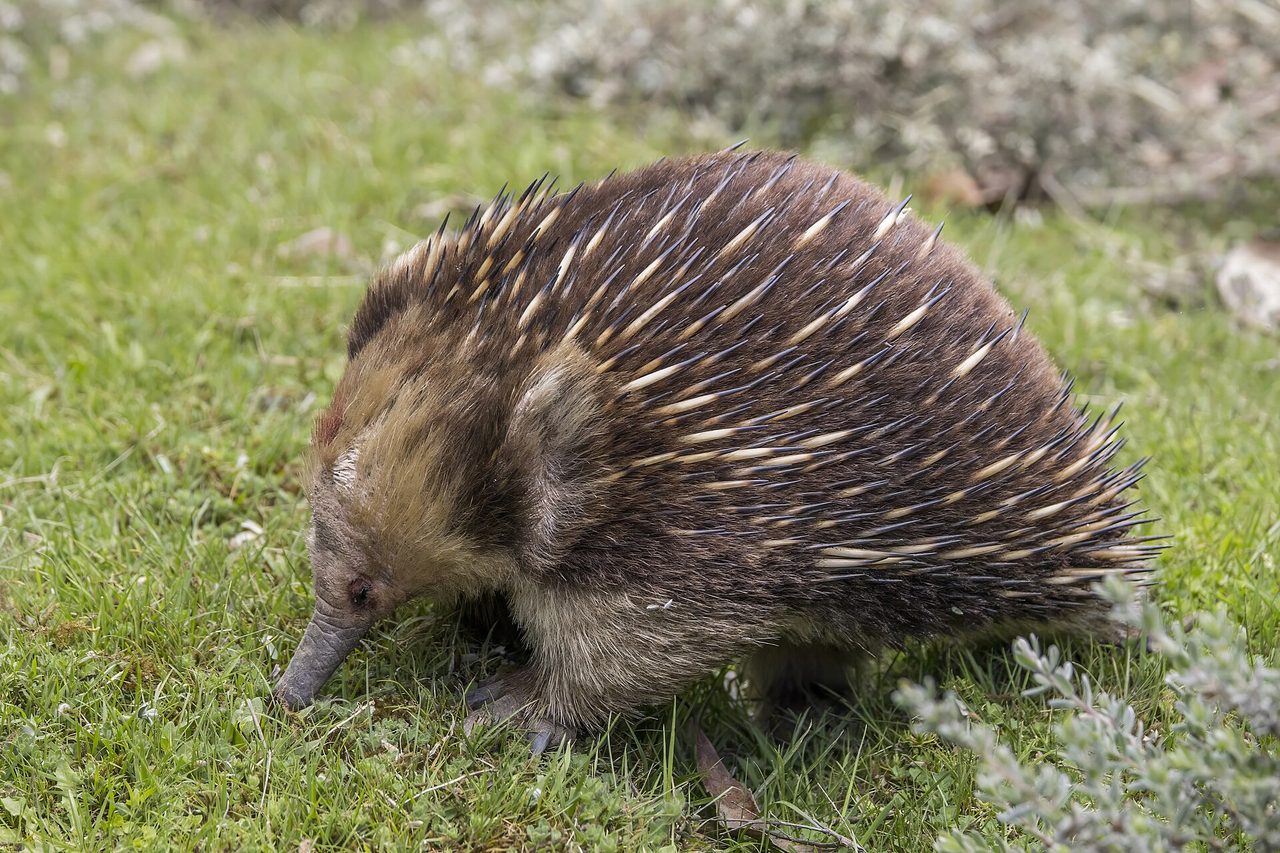
Least Concern (IUCN)
Echidna
Tachyglossus aculeatus
The short-beaked echidna is an egg-laying mammal native to Australia and New Guinea, recognisable by its sharp spines, elongated snout, and extraordinary ability to sense prey through electric fields — making it one of the most evolutionarily ancient and biologically unique mammals alive today.
Read the guide →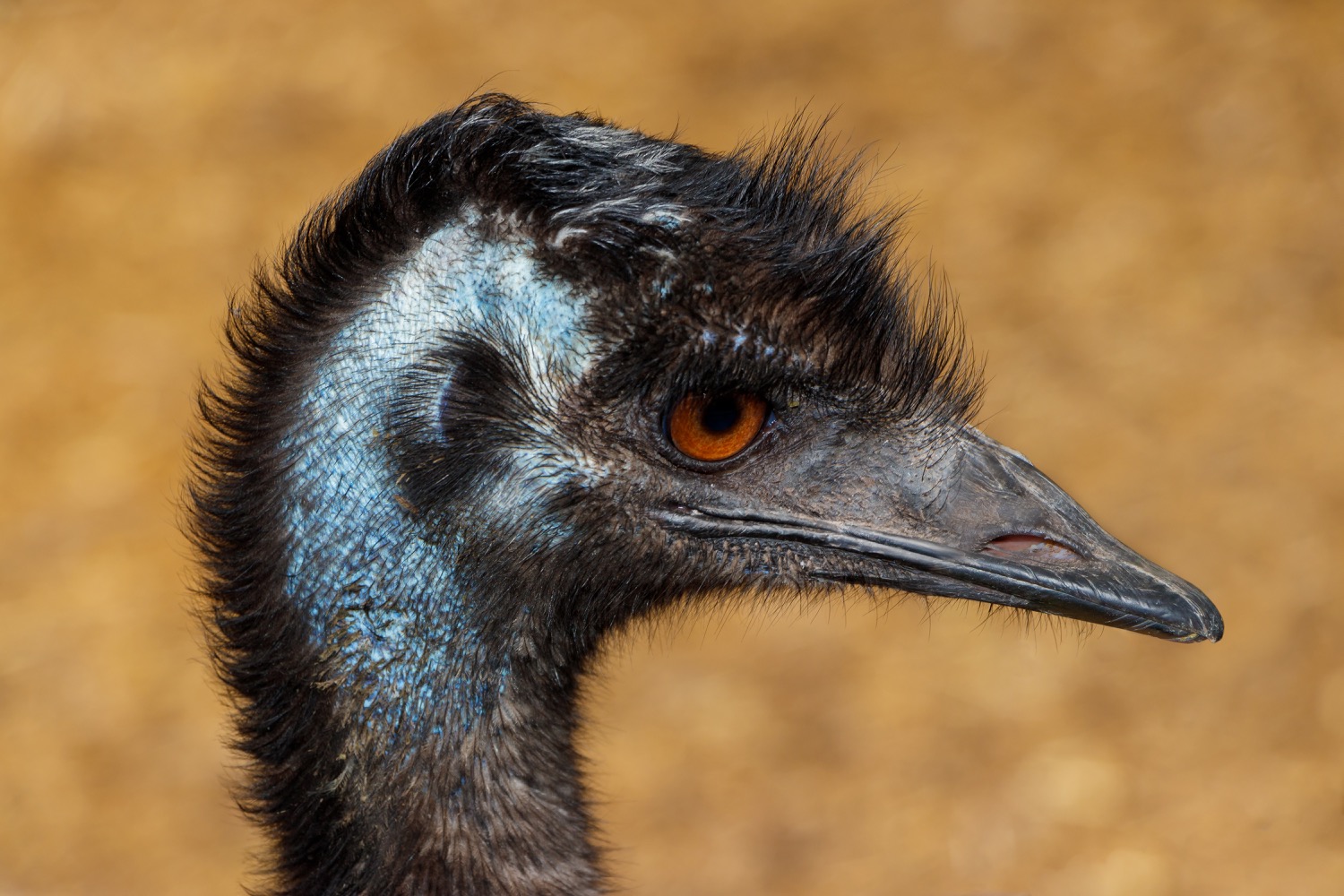
Least Concern (IUCN)
Emu
Dromaius novaehollandiae
An emu (Dromaius novaehollandiae) is a large flightless bird native to Australia. The country's tallest bird and the second-tallest living bird after the ostrich, it reaches about 1.9 metres, runs nearly 50 km/h, and is unusual in that males incubate the eggs and raise the chicks.
Read the guide →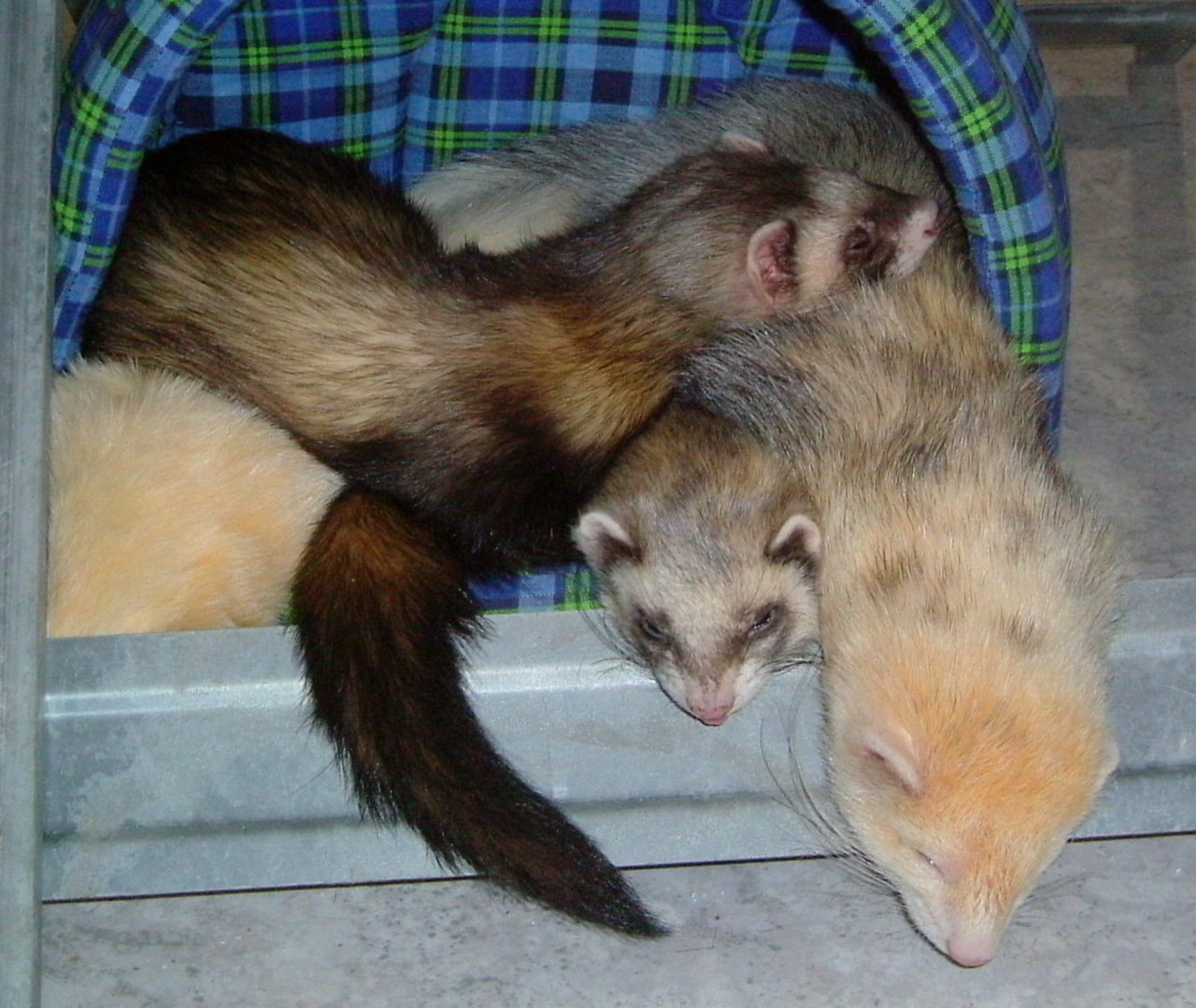
Domesticated; not a threatened species
Ferret
Mustela furo
A ferret (Mustela furo) is a domesticated member of the weasel family, bred from the European polecat about 2,500 years ago. Long-bodied, playful and carnivorous, it has long been used to hunt rabbits and is today a popular household pet, typically living seven to ten years.
Read the guide →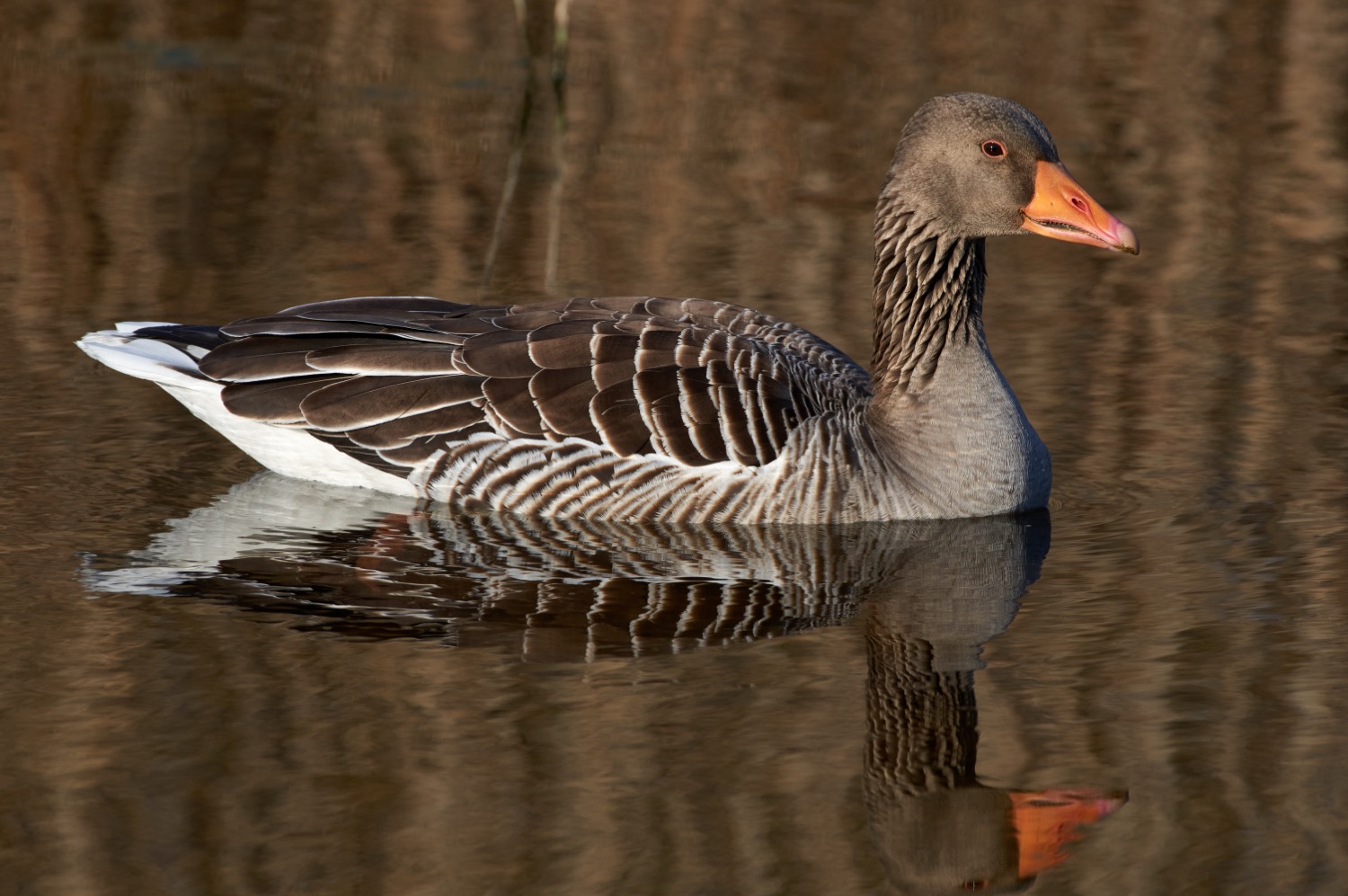
Varies; common species Least Concern (IUCN)
Goose
Family Anatidae (Anser and Branta)
A goose is a large, social grazing waterfowl in the family Anatidae, split mainly into grey and white geese (Anser) and black geese (Branta). Bigger than ducks, geese feed on grass, form lifelong pair bonds and migrate long distances in energy-saving V-formations.
Read the guide →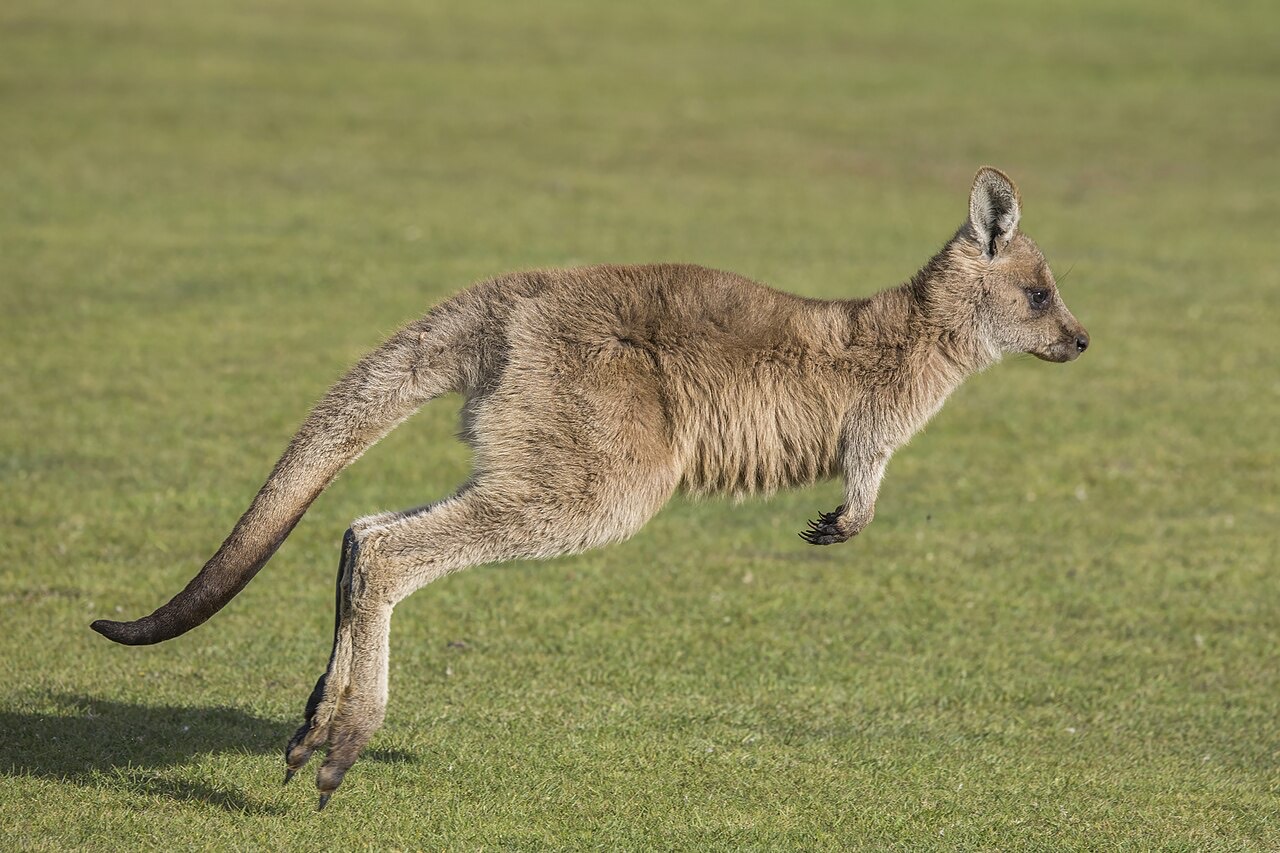
Varies by species (most Least Concern; one species Near Threatened)
Kangaroo
Macropus and Osphranter spp.
A kangaroo is a large hopping marsupial native to Australia and the world's biggest marsupial, carrying its young, called a joey, in a pouch; the main kangaroo species are widespread and assessed as Least Concern.
Read the guide →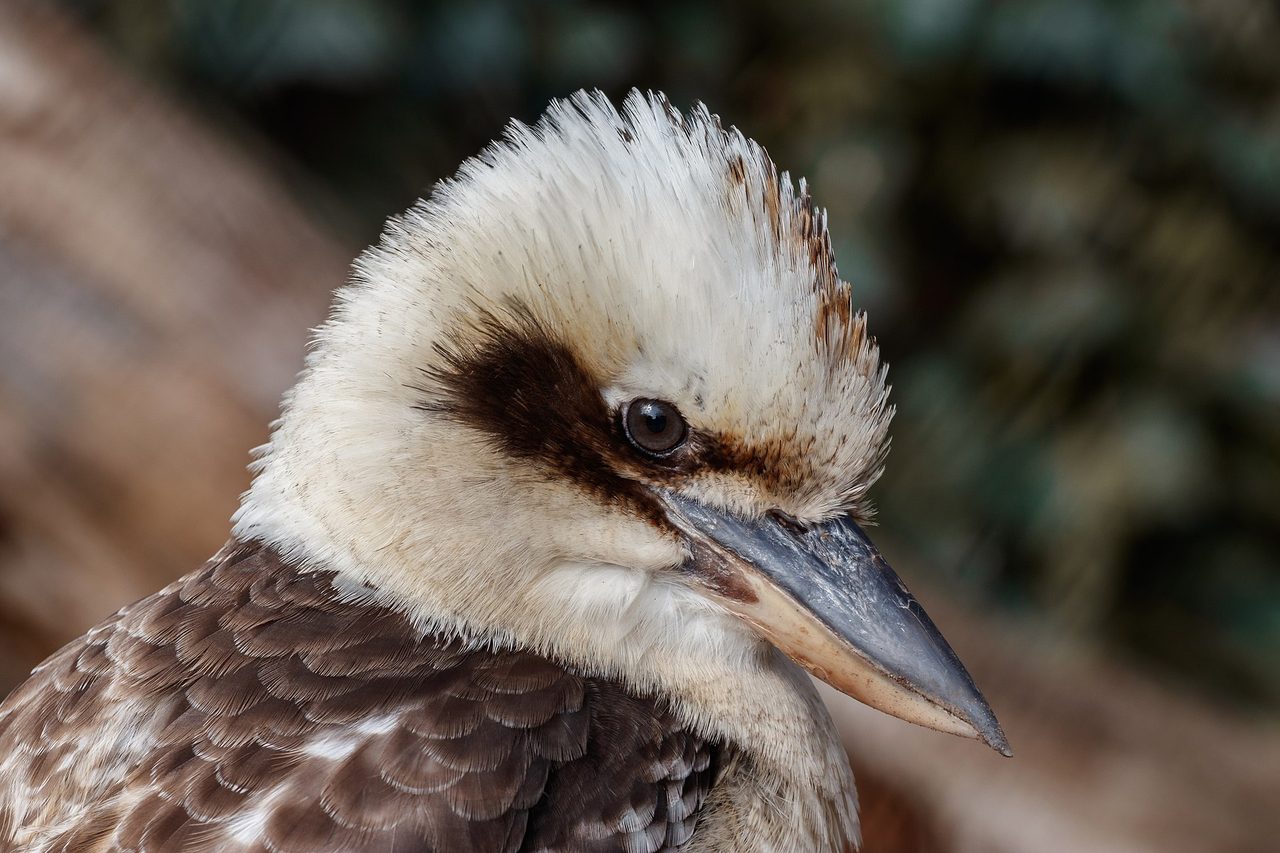
Least Concern (IUCN)
Kookaburra
Dacelo novaeguineae
The laughing kookaburra (Dacelo novaeguineae) is the world's largest kingfisher, native to eastern Australia, and is famous for its loud, cackling territorial call often described as human laughter.
Read the guide →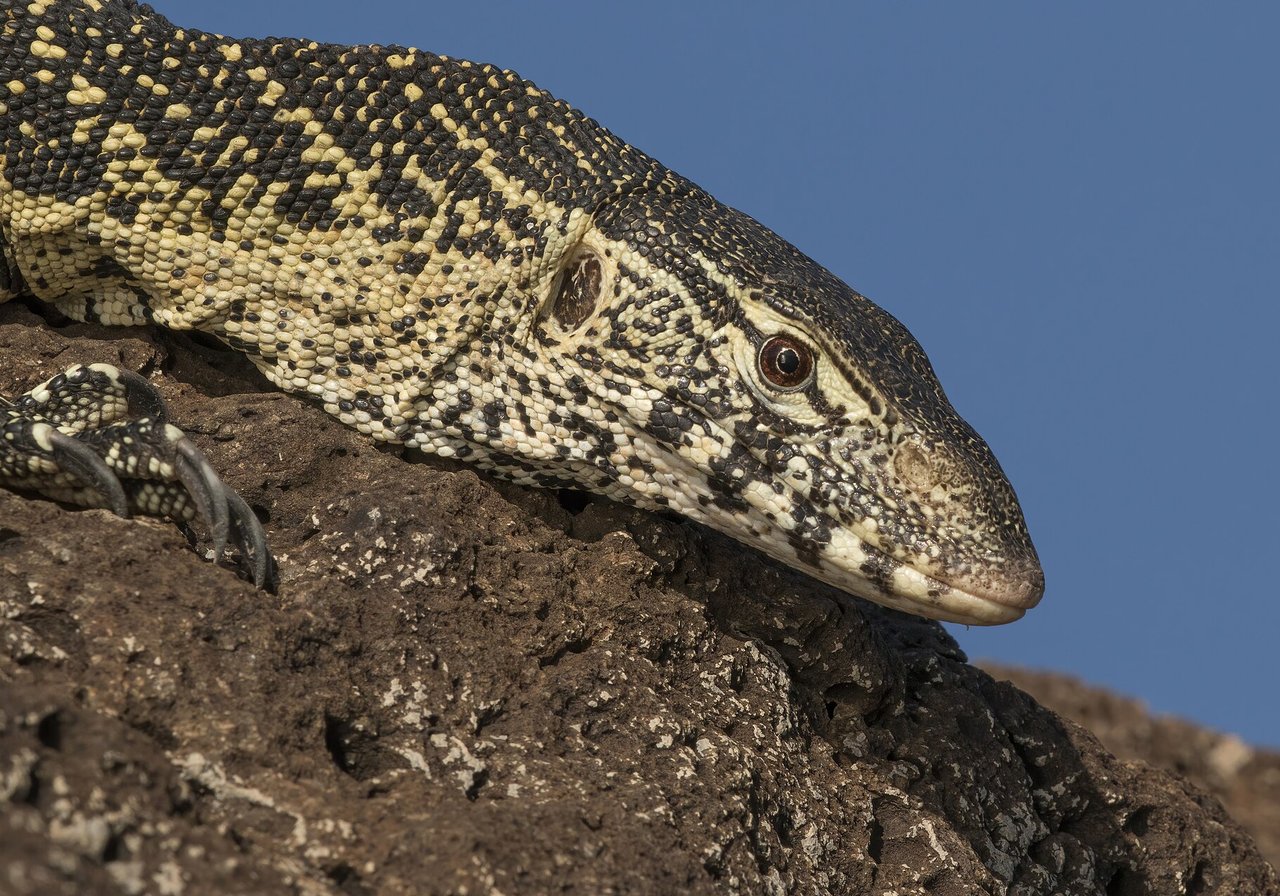
Varies by species (Least Concern to Endangered)
Monitor Lizard
Genus Varanus — ~80 species including Komodo dragon (V. komodoensis)
Monitor lizards (genus Varanus) comprise ~80 species including the Komodo dragon — intelligent predatory reptiles of Africa, Asia and Australasia threatened by trade, hunting and habitat loss.
Read the guide →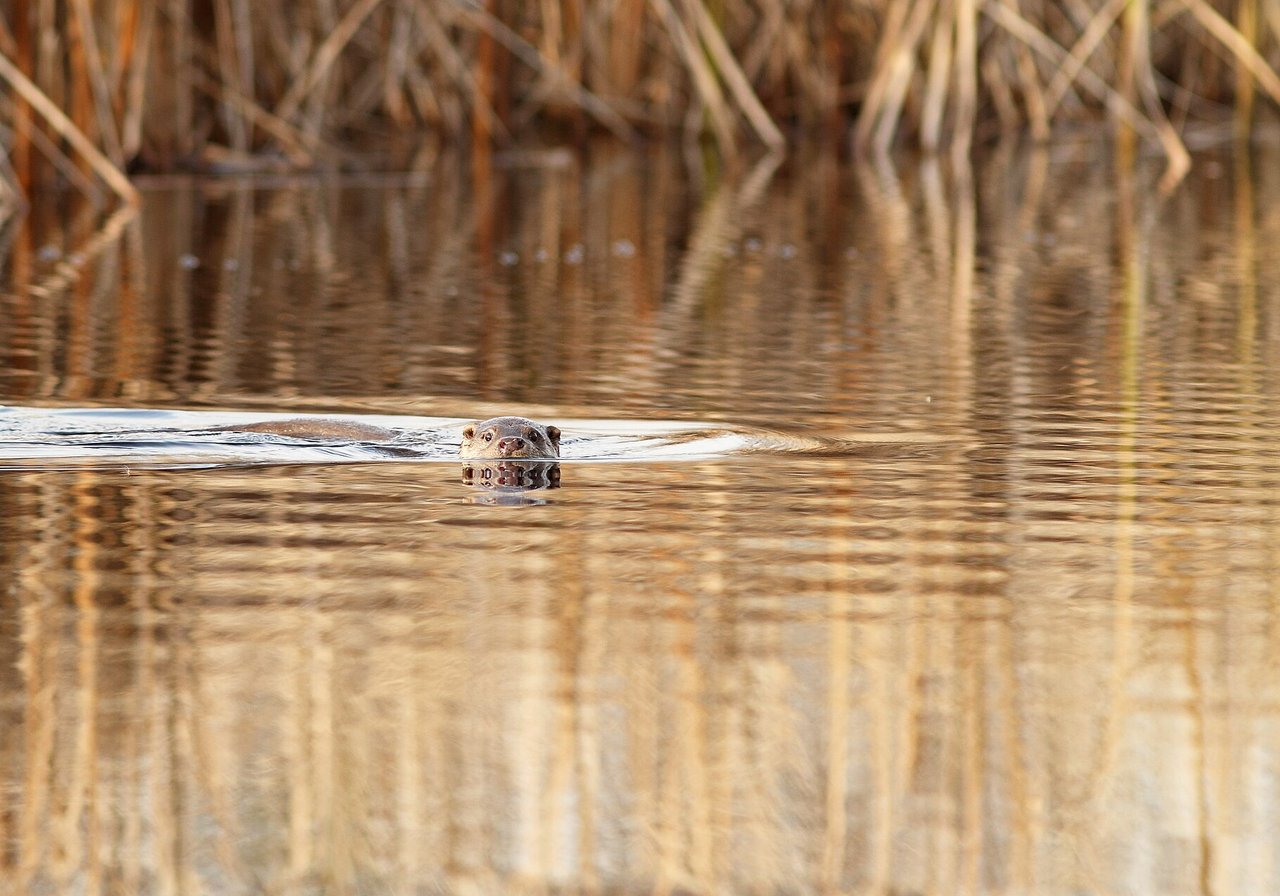
Varies by species (Least Concern to Endangered)
Otter
Subfamily Lutrinae — 13 species of aquatic mustelids worldwide
Otters are 13 species of aquatic mustelids worldwide — from the Endangered giant otter of South America to the recovering sea otter of the Pacific; status ranges from Least Concern to Endangered.
Read the guide →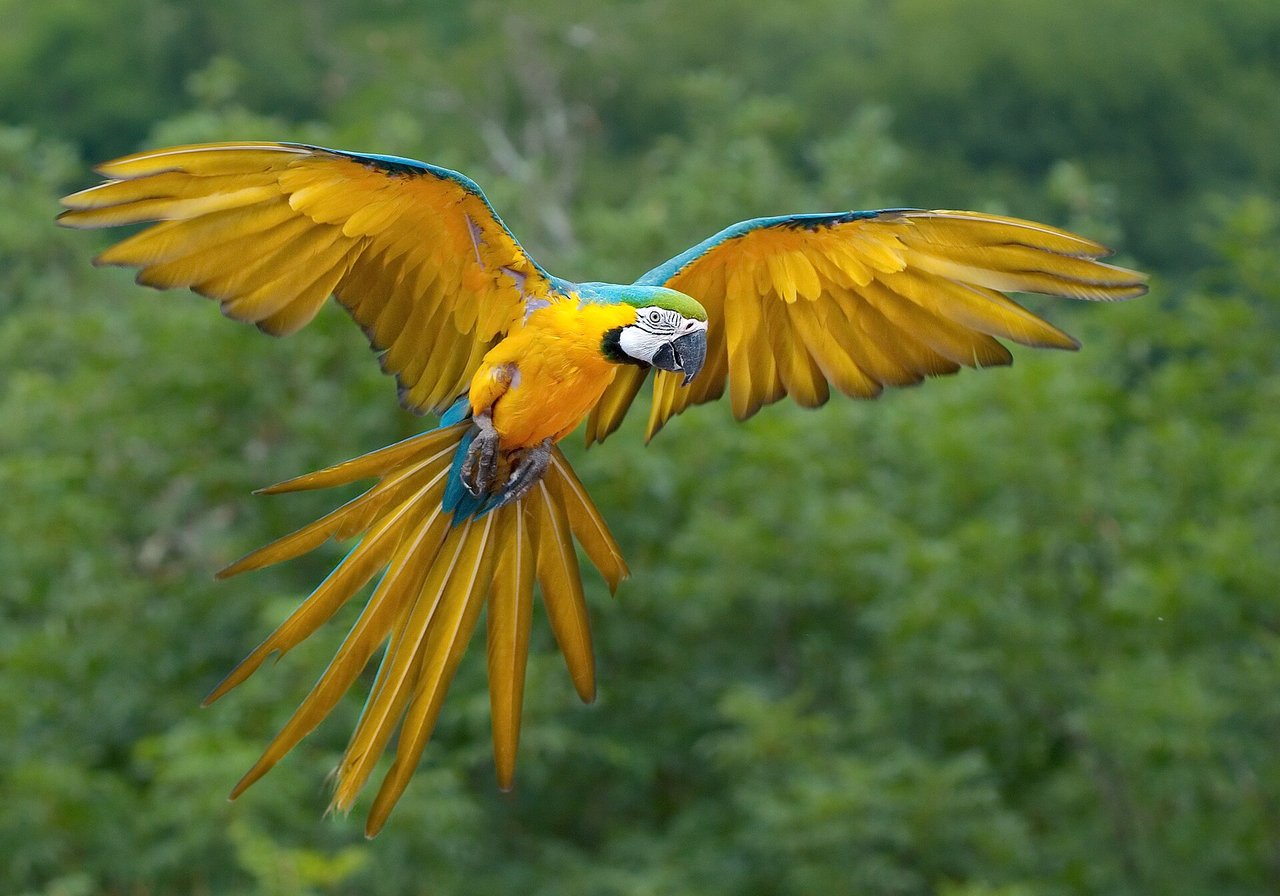
Varies by species (Least Concern to Critically Endangered)
Parrot
Order Psittaciformes — ~400 species in families Psittacidae, Psittaculidae and Cacatuidae
Parrots are tropical and subtropical Psittaciformes — about 400 species including macaws, cockatoos and budgerigars — known for intelligence and longevity; many are threatened by habitat loss and illegal trade, with status ranging from Least Concern to Critically Endangered.
Read the guide →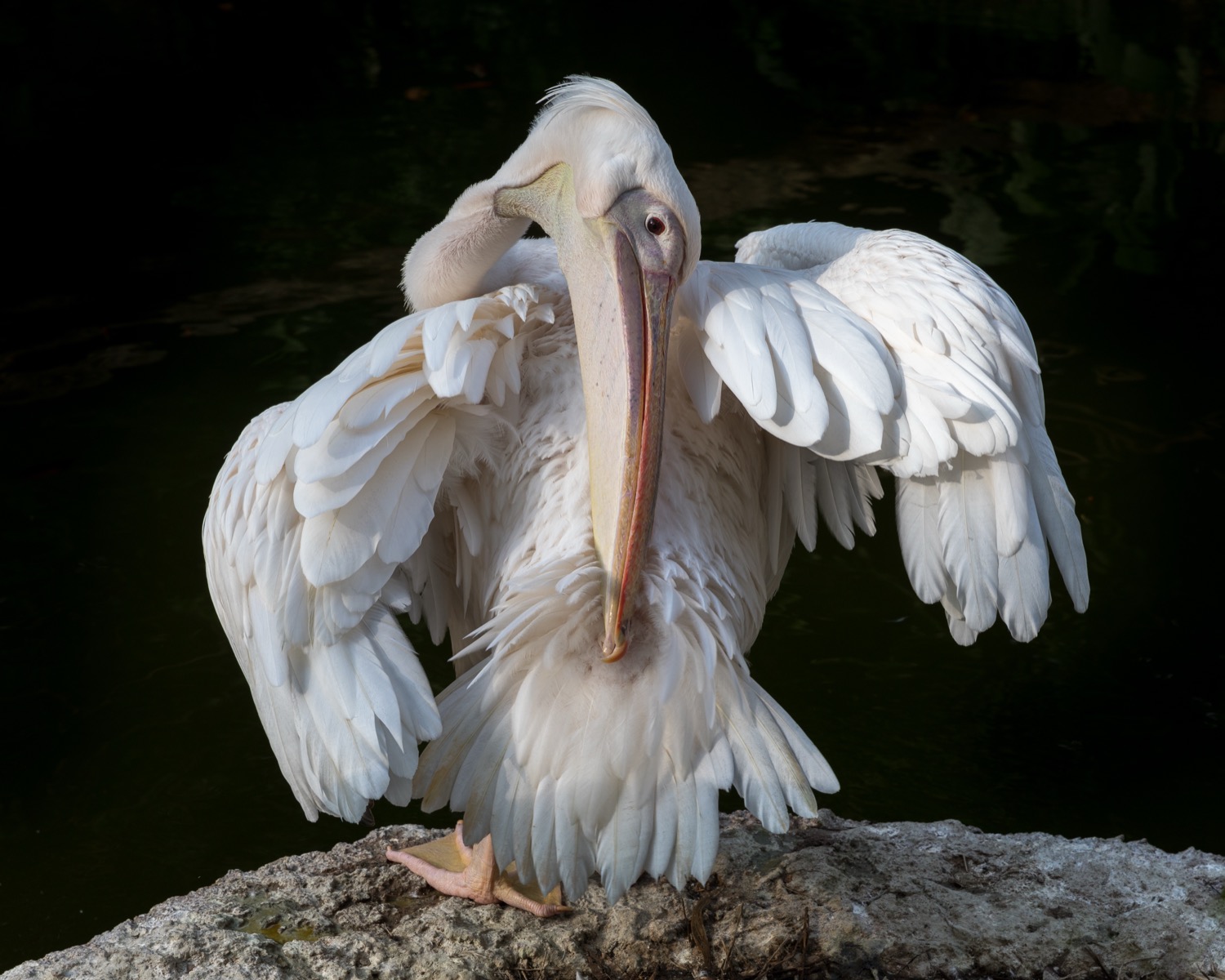
Varies by species; most Least Concern, some Near Threatened (IUCN)
Pelican
Pelecanus (family Pelecanidae)
A pelican is a large waterbird of the family Pelecanidae, recognised by its long bill and the expandable skin pouch beneath it, which it uses to scoop up fish. There are eight species in the genus Pelecanus, living on coasts and inland waters across every continent except Antarctica.
Read the guide →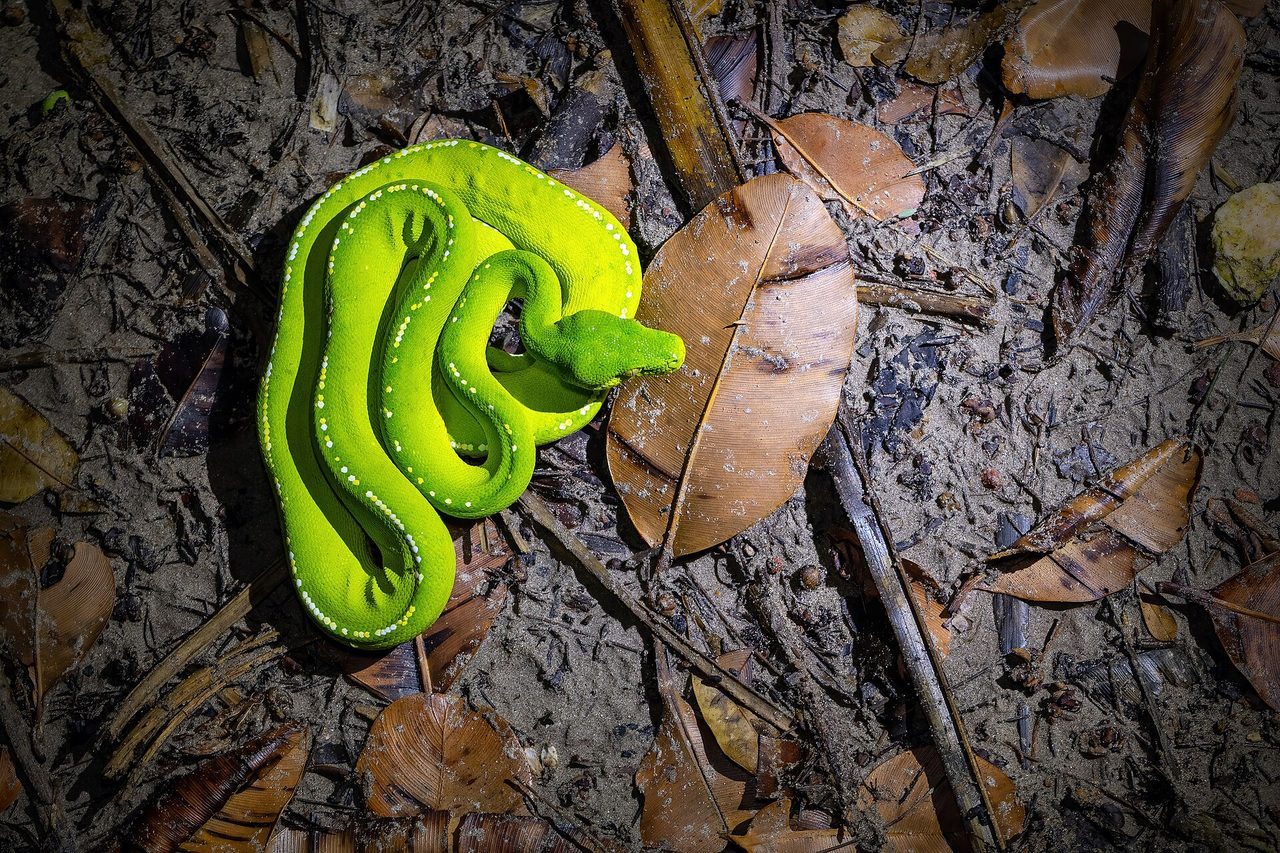
Varies by species (Least Concern to Endangered)
Python
Family Pythonidae — ~40 species native to Africa, Asia and Australia
Pythons are egg-laying constrictors (family Pythonidae) with ~40 species in Africa, Asia and Australia — non-venomous snakes threatened by skin trade, exotic pet demand and habitat loss.
Read the guide →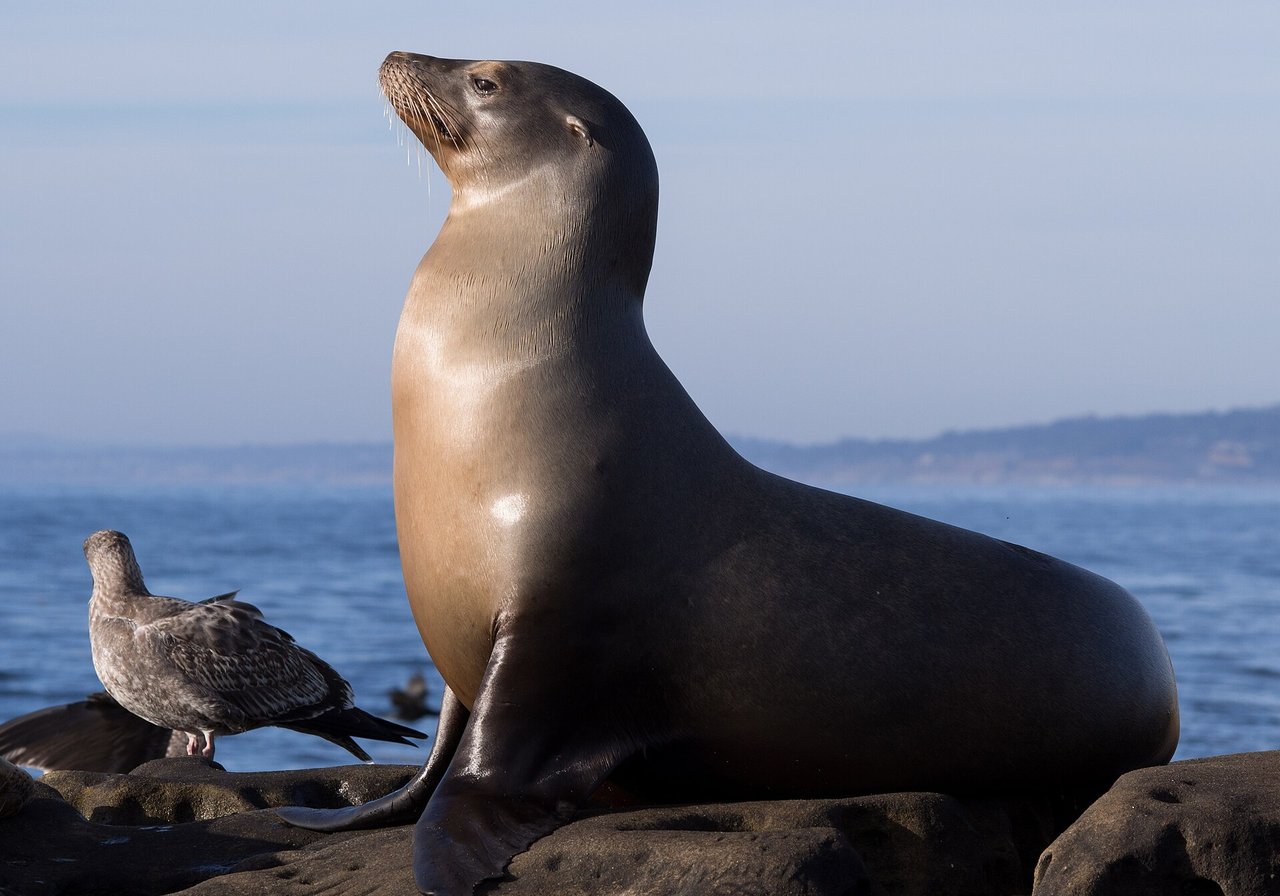
Varies by species (Least Concern to Endangered)
Sea Lion
Family Otariidae — ~16 species of eared seals (sea lions and fur seals)
Sea lions are eared seals (family Otariidae) with visible ear flaps and land agility — about 16 species on Pacific and southern coasts whose IUCN status ranges from Least Concern to Endangered.
Read the guide →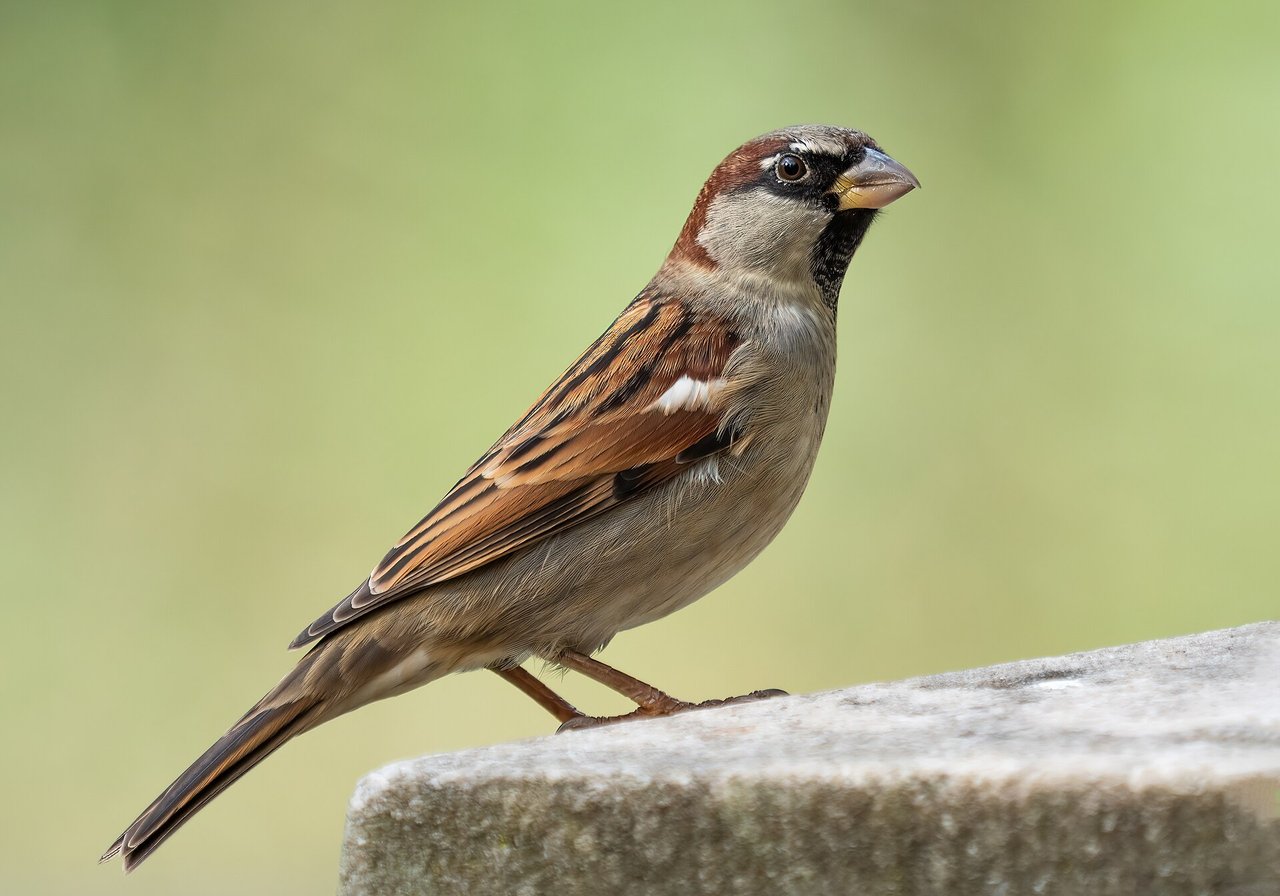
Least Concern (IUCN, 2018) — steep decline in parts of Europe
Sparrow
Passer domesticus (Linnaeus, 1758)
The house sparrow (Passer domesticus) is a Least Concern passerine found on every continent except Antarctica; globally abundant but declined by over 70% in urban Britain since the 1970s.
Read the guide →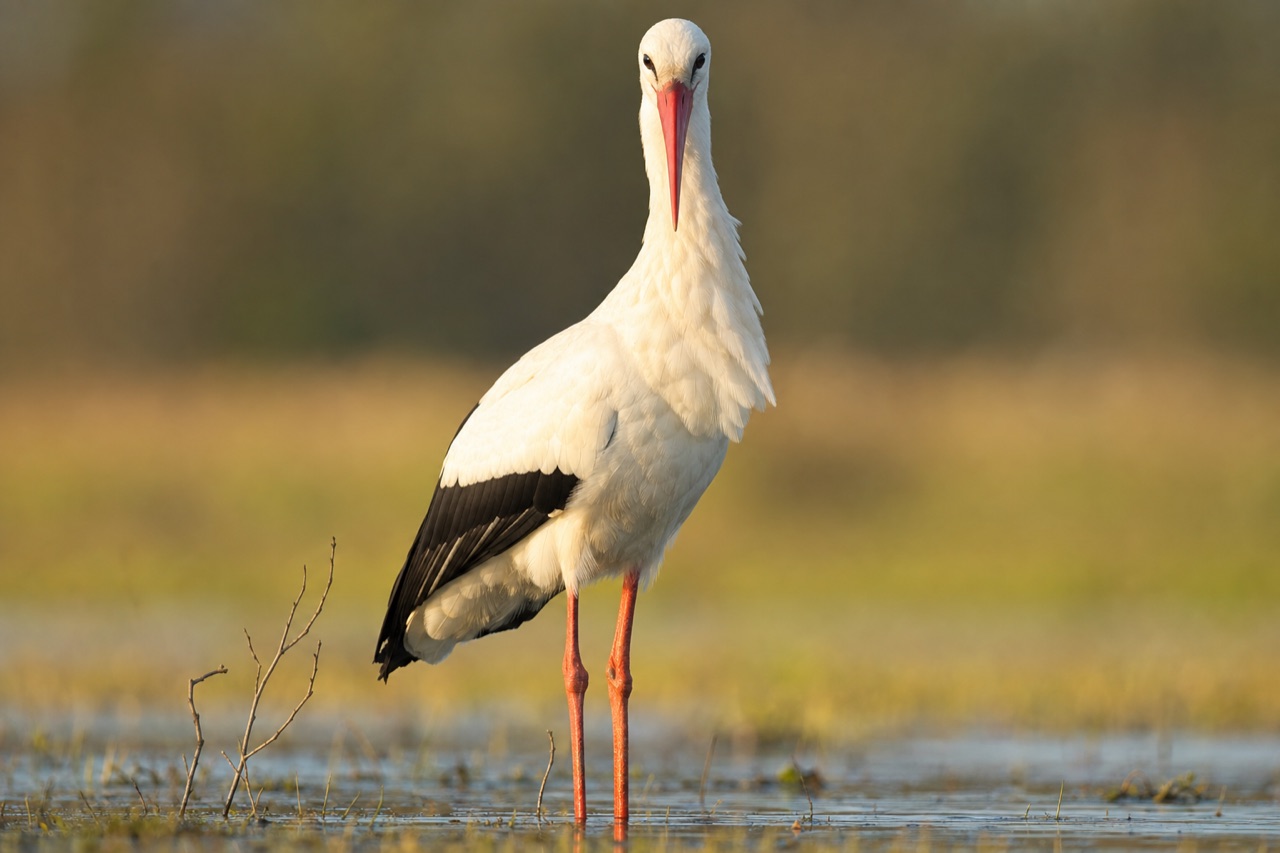
Family page — status ranges from Least Concern to Endangered by species
Stork
Family Ciconiidae — 19 species in 6 genera
Storks are large wading birds of the family Ciconiidae — 19 species — that soar on thermals rather than flapping, and most of which are effectively voiceless, communicating by clattering their bills.
Read the guide →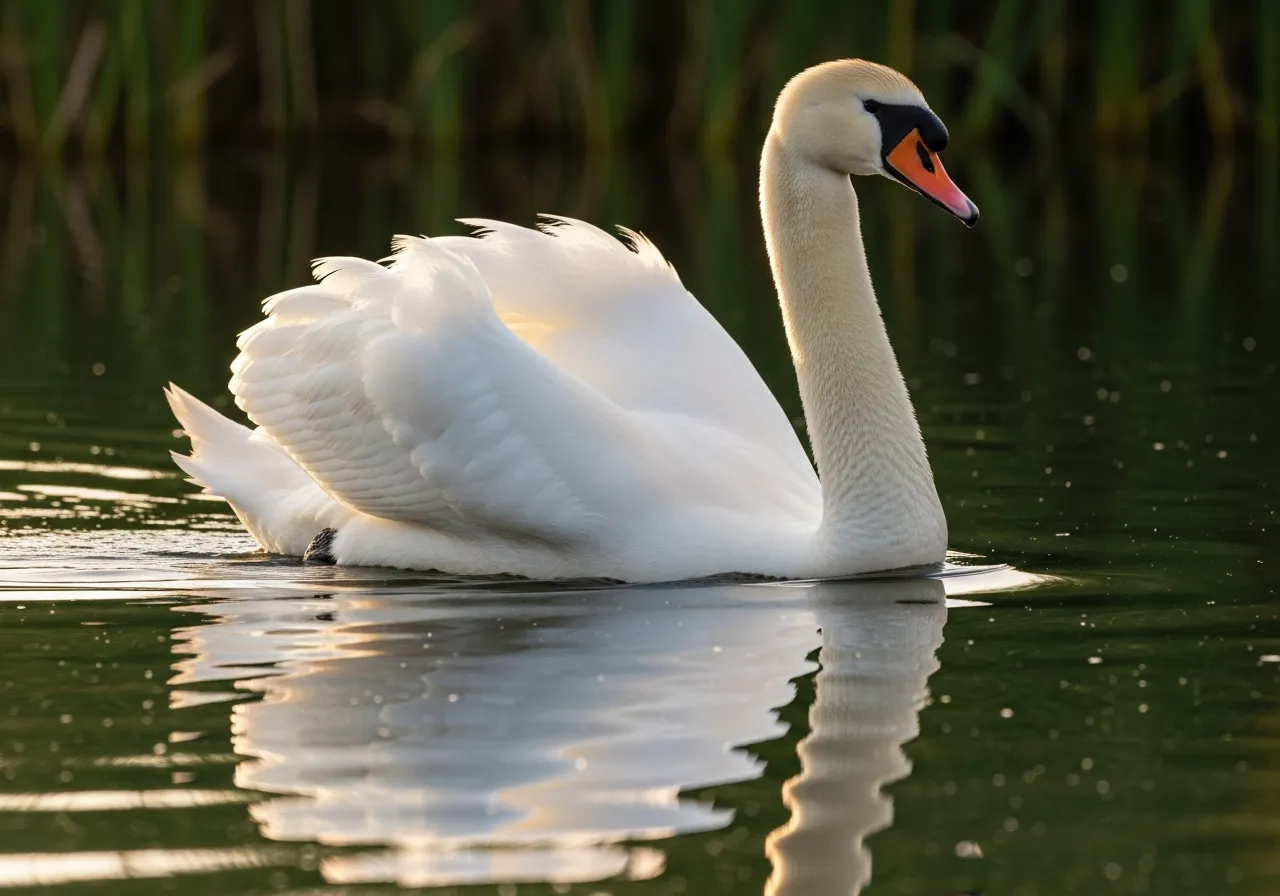
Most species Least Concern (IUCN)
Swan
Cygnus
A swan is a large, long-necked waterbird of the genus Cygnus and the biggest member of the duck and goose family. There are six living species worldwide. Swans feed mainly on aquatic plants, form strong, often lifelong pair bonds, and are renowned for their graceful appearance.
Read the guide →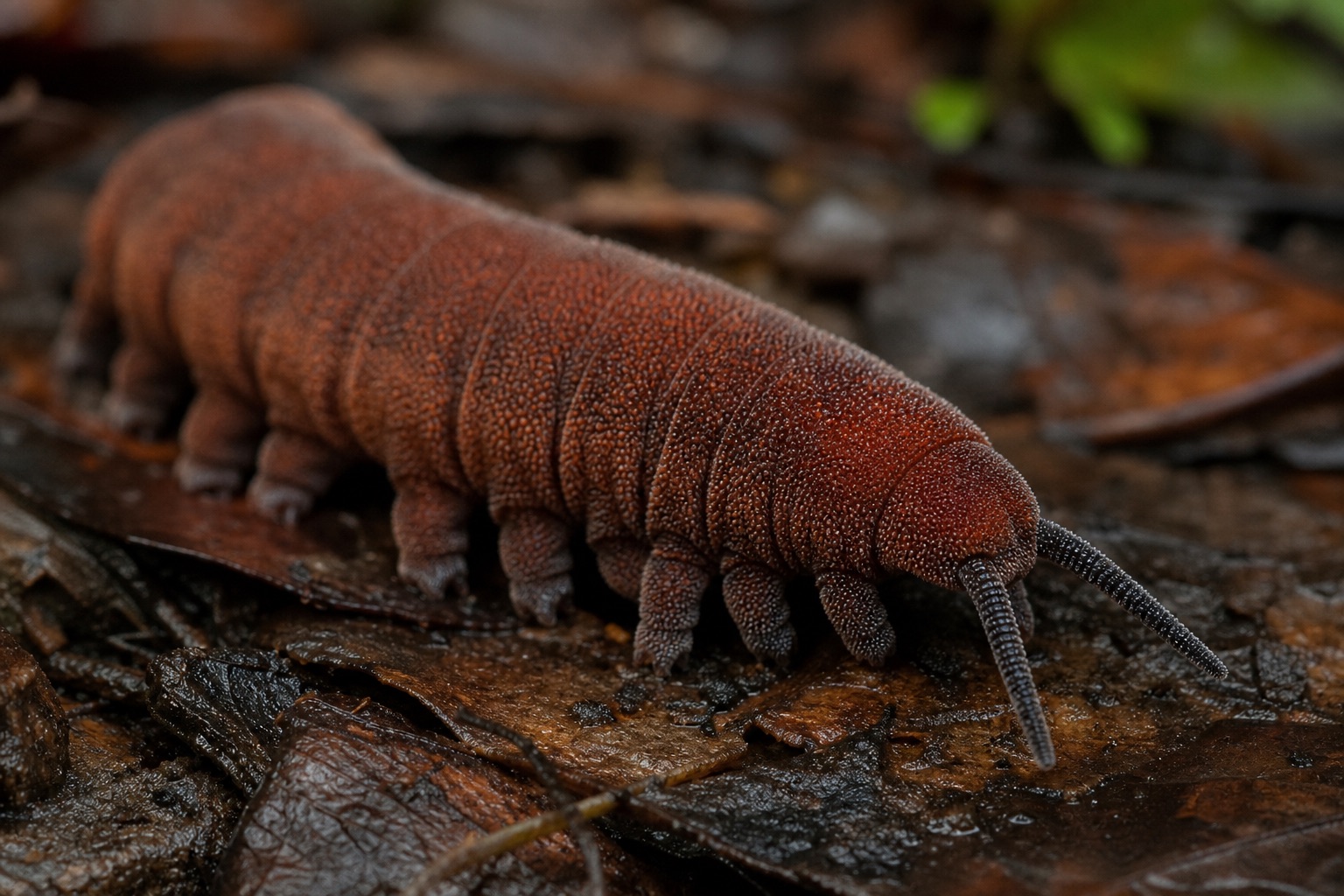
Not Evaluated — ancient lineage on its own phylum; habitat specialists in moist forest litter
Velvet Worm
Phylum Onychophora — about 200 described species
Velvet worms (phylum Onychophora) are soft-bodied terrestrial animals neither worms nor insects, numbering about 200 species in moist southern hemisphere forests; they capture prey by firing adhesive slime jets from oral papillae and are mostly unassessed on the IUCN Red List.
Read the guide →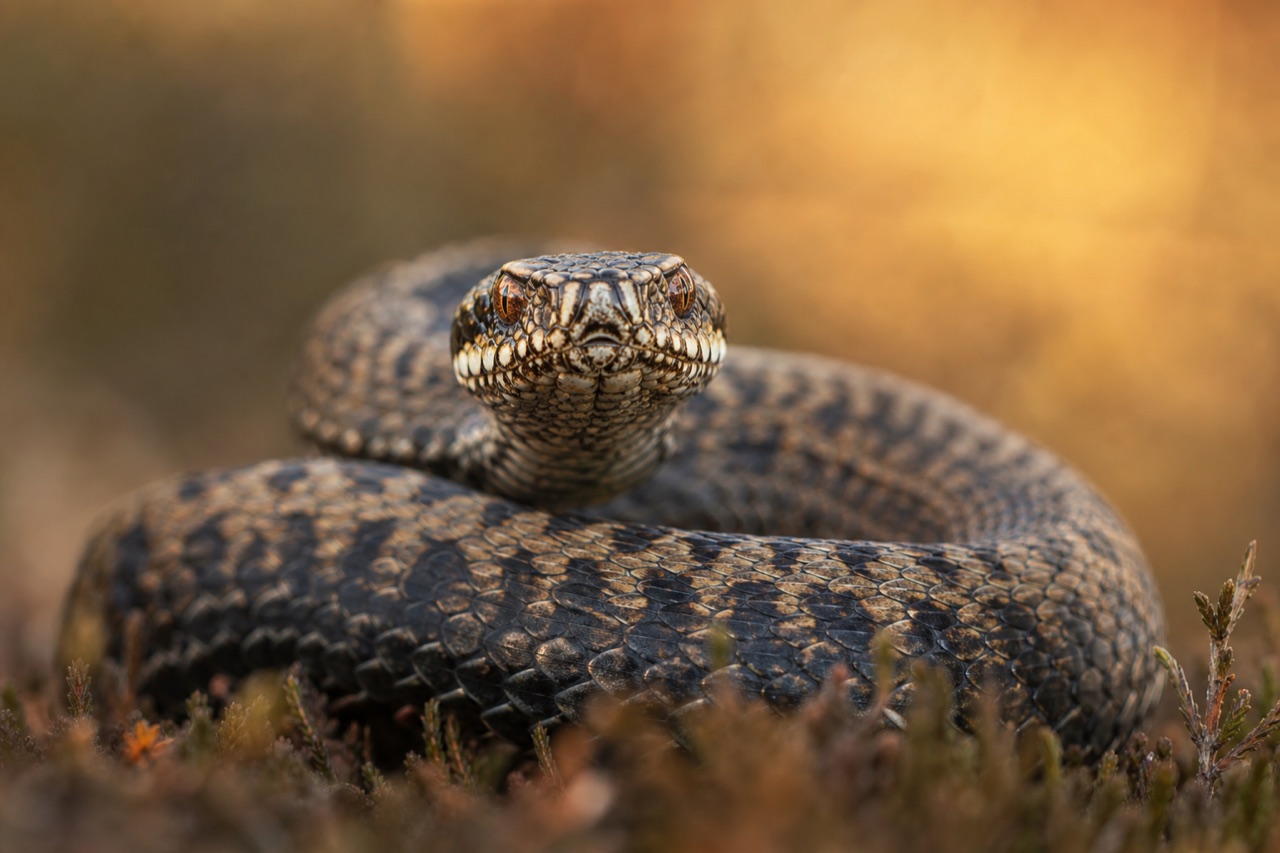
Family page — status varies; many species Least Concern, some island endemics threatened
Viper
Family Viperidae — pit vipers and true vipers; roughly 350 species worldwide
Vipers (family Viperidae) are roughly 350 species of venomous snake with hinged solenoglyph fangs and ambush hunting — including adders, rattlesnakes and fer-de-lance — responsible for a major share of global snakebite envenomation.
Read the guide →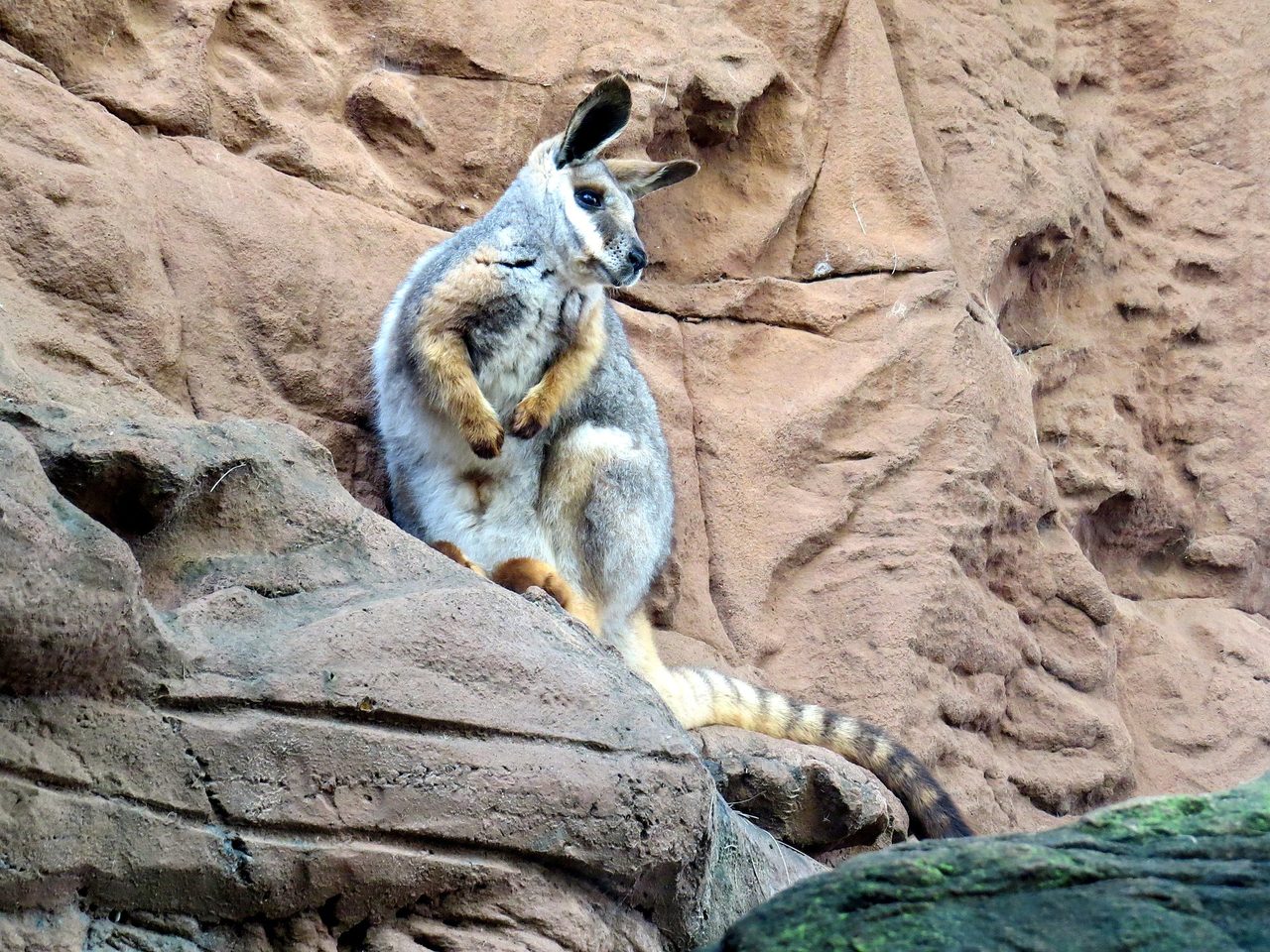
Varies by species — most Least Concern (IUCN); some Near Threatened, Vulnerable or Endangered
Wallaby
Notamacropus spp. (and allied genera)
Wallabies are small-to-medium marsupials native to Australia and New Guinea, closely related to kangaroos, with more than 30 species ranging from common and widespread to Near Threatened, Vulnerable or Endangered depending on the species.
Read the guide →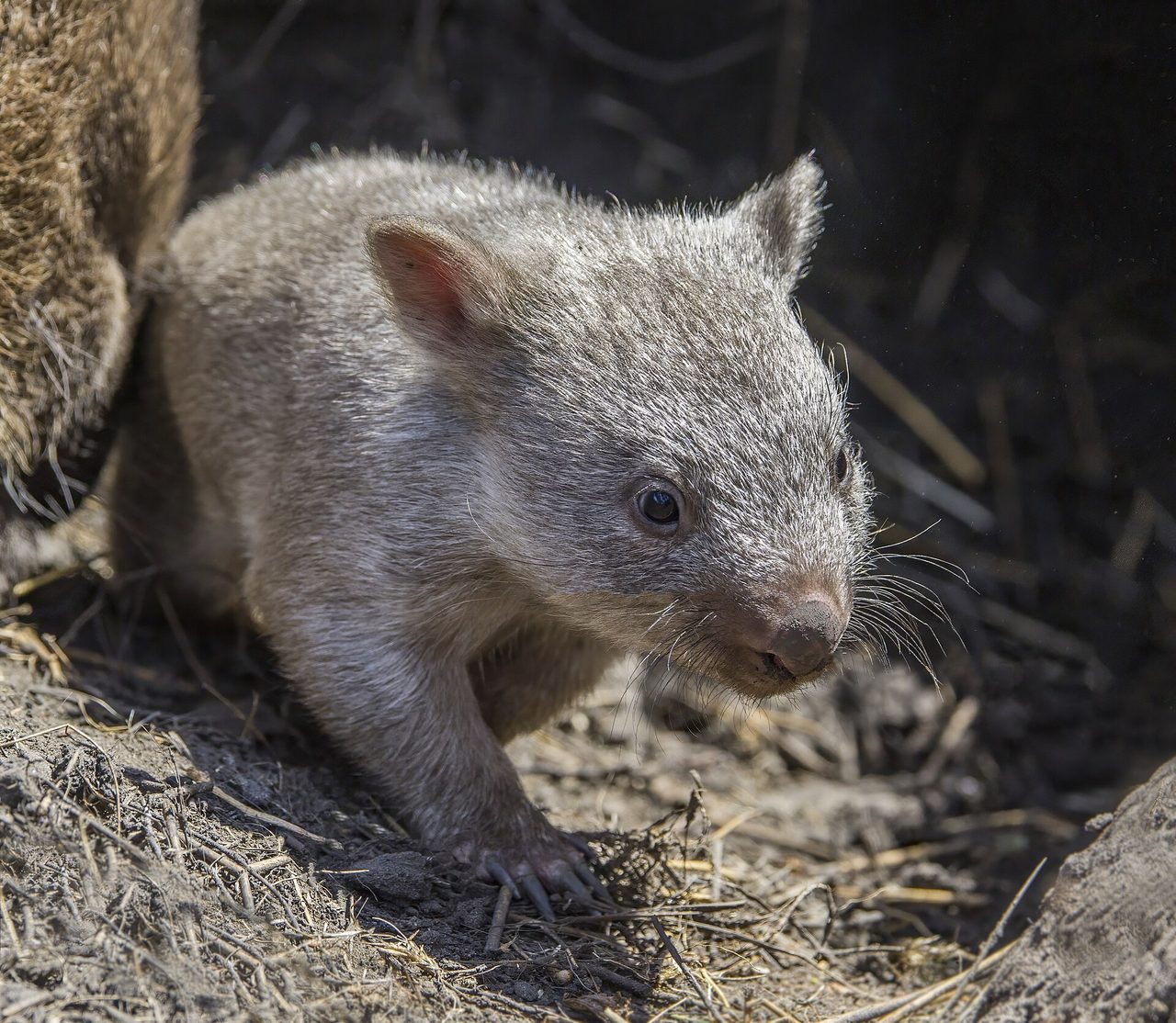
Varies by species: Common Wombat — Least Concern (IUCN 2024); Northern Hairy-nosed Wombat — Critically Endangered (IUCN 2015)
Wombat
Family Vombatidae (Vombatus ursinus, Lasiorhinus latifrons, Lasiorhinus krefftii)
Wombats are stocky Australian marsupials in the family Vombatidae; the common wombat is Least Concern on the IUCN Red List, while the northern hairy-nosed wombat is Critically Endangered with fewer than 400 individuals surviving in Queensland.
Read the guide →