Cat Breed · Burma/United States
Burmese
A muscular, glossy cat that follows owners from room to room.
By WARN Research & Conservation TeamLast updated
In brief
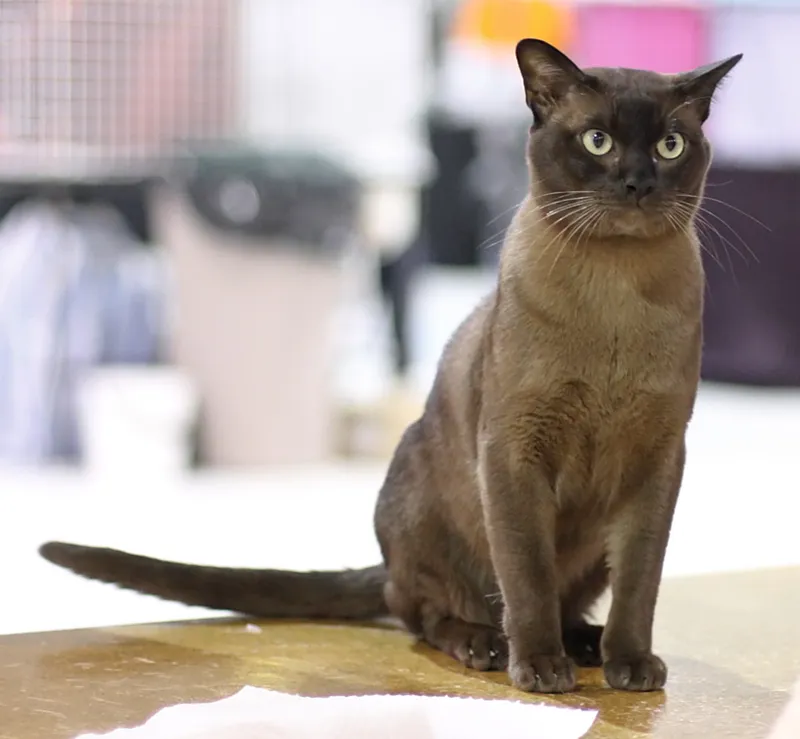
The Burmese is a medium, muscular cat famed for being unusually people-oriented, playful and vocal, forming intensely close bonds with its household. Surprisingly heavy for its size, it is sometimes called a 'brick wrapped in silk' and thrives on constant company and interaction.
What are the key facts about a Burmese?
The Burmese is a cat breed from Burma/United States: medium (4–6 kg), people-oriented, playful, vocal. A muscular, glossy cat that follows owners from room to room.
| Origin | Burma/United States |
|---|---|
| Size | Medium (4–6 kg) |
| Weight | Typically 4-6 kg (9-13 lb), with males heavier than females. |
| Lifespan | 13–17 years |
| Coat | Short, fine, satin-like coat that lies close to the body with a glossy sheen. It is very low-maintenance: a weekly stroke with a rubber brush or chamois keeps it gleaming, shedding is light, and bathing is rarely needed. |
| Temperament | People-oriented, playful, vocal |
| Good with | Excellent for families, children and homes with other pets, as the Burmese craves company and dislikes being left alone for long. Well suited to flats provided there is play and attention, but it is a poor choice for people who are out all day. Friendly enough for first-time owners. |
Is a Burmese a good cat for you?
A Burmese is a good cat when your home matches excellent for families, children and homes with other pets, as the burmese craves company and dislikes being left alone for long. well suited to flats provided there is play and attention, but it is a poor choice for people who are out all day. friendly enough for first-time owners.. It is a people-oriented, playful, vocal medium (4–6 kg) breed from Burma/United States.
A muscular, glossy cat that follows owners from room to room. That one-line pitch is not a care plan. Factor grooming (Short, fine, satin-like coat that lies close to the body with a glossy sheen. It is very low-maintenance: a weekly stroke with a rubber brush or chamois keeps it gleaming, shedding is light, and bathing is rarely needed.), typical adult size (Typically 4-6 kg (9-13 lb), with males heavier than females.), and the health issues listed below before you pay a deposit.
Meet adults of the breed, not only puppies or kittens, and prefer rescue or health-screened homes. A Burmese that looks right in a photo can still be the wrong animal for a small flat, a full-time office job, or a household that wanted a low-energy companion.
What is a Burmese?
A muscular, glossy cat that follows owners from room to room. Origin is Burma/United States; coat or markings are described as Short, fine, satin-like coat that lies close to the body with a glossy sheen. It is very low-maintenance: a weekly stroke with a rubber brush or chamois keeps it gleaming, shedding is light, and bathing is rarely needed..
Kennel and registry labels describe a type. Individual Burmeses still vary, and rescue animals may be mixes.
Where does the Burmese come from?
Burmeses come from Burma/United States. The modern Burmese descends from a single brown female cat named Wong Mau, brought from Burma to the United States in 1930 by Dr Joseph Thompson.
She was bred with Siamese cats, and selective breeding established the rich solid-coloured breed. British breeders later developed a distinct, more angular European Burmese type, so today the breed splits into American (rounder) and European (slimmer) lines with differing standards.
That origin still shows. A Burmese is medium (4–6 kg) and people-oriented, playful, vocal, typically living 13–17 years. Use the history as context for care and conservation, not as folklore to repeat without sources.
How much care does a Burmese need?
Plan 13–17 years of food, vet care, grooming and time. A Burmese is medium (4–6 kg) (Typically 4-6 kg (9-13 lb), with males heavier than females.) from Burma/United States, with coat care described as short, fine, satin-like coat that lies close to the body with a glossy sheen. it is very low-maintenance: a weekly stroke with a rubber brush or chamois keeps it gleaming, shedding is light, and bathing is rarely needed..
Match daily exercise to the people-oriented, playful, vocal temperament rather than to Instagram.
Grooming follows the coat, not a generic clip: Short, fine, satin-like coat that lies close to the body with a glossy sheen. It is very low-maintenance: a weekly stroke with a rubber brush or chamois keeps it gleaming, shedding is light, and bathing is rarely needed.. Keep the animal lean; extra weight is a joint and heart tax, especially in a medium cat.
Budget for unexpected vet bills. The health section below is why “cheap to buy” is not the same as cheap to keep.
What surprises people about the Burmese?
A few details about the breed, alongside the practical care information in this guide.
- Every Burmese traces back to one founding cat, Wong Mau, imported to the USA in 1930.
- Despite their compact size they are notably dense and heavy, earning the nickname 'a brick wrapped in silk'.
- American and European Burmese are recognised as separate types, with different head and body shapes.
- The breed's original sable (rich brown) colour comes from a gene that dilutes black, and they now come in colours such as champagne, blue and platinum.
What health issues should you know about in a Burmese?
Health concerns to discuss with your vet, including changes to watch for and everyday care. This is general guidance, not veterinary advice — always speak to your vet.
Diabetes risk
Diabetes risk can occur in this breed and may need veterinary monitoring.
Care: Discuss prevention and treatment with your vet.
Hypokalemia
Hypokalemia can occur in this breed and may need veterinary monitoring.
Care: Discuss prevention and treatment with your vet.
Dental disease
Plaque and tartar build-up leads to gum infection and tooth loss.
Care: Brush teeth regularly and schedule professional dental cleanings as your vet advises.
Who should skip a Burmese?
Skip a Burmese if you are homes that cannot match a people-oriented, playful, vocal medium (4–6 kg) cat from Burma/United States. This Burma/United States cat is medium (4–6 kg) and people-oriented, playful, vocal — the mismatch is usually lifestyle, not a missing accessory.
This page is allowed to say no. Skip if you are homes that cannot match a people-oriented, playful, vocal medium (4–6 kg) cat from Burma/United States.
A different cat breed on this site may fit. Wanting “a Burmese” after a film or a colour photo is not a reason to ignore the skip list.
What are the hidden catches with a Burmese?
The hidden cost of a Burmese is usually not the purchase price. It is years of care, the health list on this page, and the mismatch between a people-oriented, playful, vocal animal and a busy home.
The impulse-buy catch
A Burmese from Burma/United States is often sold on looks. Coat, colour and size are not a temperament test. Meet the adult animal, ask about health screening, and walk away from pressure sales.
The diabetes risk catch
Diabetes risk can occur in this breed and may need veterinary monitoring. Discuss prevention and treatment with your vet.
The hypokalemia catch
Hypokalemia can occur in this breed and may need veterinary monitoring. Discuss prevention and treatment with your vet.
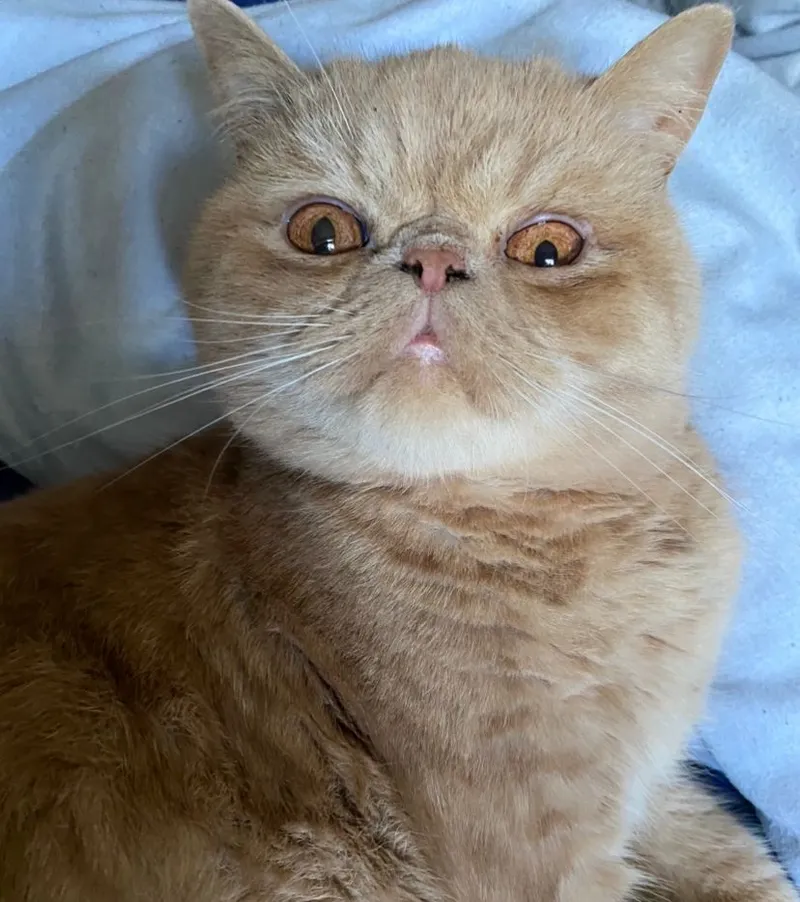
How does a Burmese compare with Tonkinese and Exotic Shorthair?
A Burmese is not interchangeable with Tonkinese and Exotic Shorthair. Compare origin, size, lifespan and temperament before you choose — those four lines prevent most regret.
| Cat fact | Burmese | Tonkinese | Exotic Shorthair |
|---|---|---|---|
| Origin | Burma/United States | United States | United States |
| Size | Medium (4–6 kg) | Medium (2.5–5.5 kg) | Medium (3–6 kg) |
| Lifespan | 13–17 years | 13–17 years | 13–17 years |
| Temperament | People-oriented, playful, vocal | Social, playful, talkative | Calm, affectionate, gentle |
What is the verdict on the Burmese?
Choose a Burmese only if the care, skip-if and health sections still look like your life after a week of thinking. Otherwise pick a different cat or wait. Rescue is usually the better first door than a waiting-list puppy or kitten.
If the match is real, budget for 13–17 years of vet care and do not skip health screening. If it is not, walking away is the kind choice — for you and for the animal.
Every cat deserves a chance
Whatever breed you love, countless cats live without a home or care. A symbolic adoption or a gift to WARN funds community-cat welfare — neutering, vaccination and treatment for cats most people never see.