Cat breeds · Short coats

Short-Haired Cat Breeds

Popular short-haired cat breeds include the British Shorthair, Siamese, Bengal, Abyssinian, Russian Blue and American Shorthair. Short coats need far less grooming than long ones, but short-haired does not mean low-shedding and it does not mean hypoallergenic.

How this list was compiled

Breeds whose recorded coat is short. Ordered by popularity rank. Breeds that occur in both coat lengths appear in both lists.

Short-haired cats are the practical majority choice, and for good reason: the coat largely maintains itself, matting is rare, and a weekly comb is usually enough.

Two things get assumed about them that are not true. The first is that short-haired means low-shedding — several short-haired breeds shed heavily, and a dense short double coat can produce more loose hair than a fine long one. The second is that short-haired means better for allergies. It does not. Cat allergy is a reaction to Fel d 1, a protein in saliva and skin secretions that ends up on the fur through grooming, so coat length changes how visible the hair is rather than how much allergen is in the room.

Short-Haired Cat Breeds at a glance

Breed Size Lifespan Temperament
British Shorthair Medium (4–8 kg) 12–17 years Calm, easygoing, loyal
Siamese Medium (3.5–5.5 kg) 12–20 years Vocal, social, intelligent
Bengal Medium (4–7 kg) 12–16 years Active, playful, curious
Scottish Fold Medium (3–6 kg) 11–15 years Sweet, calm, adaptable
Abyssinian Medium (3–5 kg) 12–15 years Active, curious, playful
American Shorthair Medium (4–7 kg) 15–20 years Easygoing, friendly, adaptable
Oriental Shorthair Medium (3–5 kg) 13–17 years Vocal, social, intelligent
Devon Rex Small (2.5–4 kg) 13–17 years Mischievous, affectionate, playful
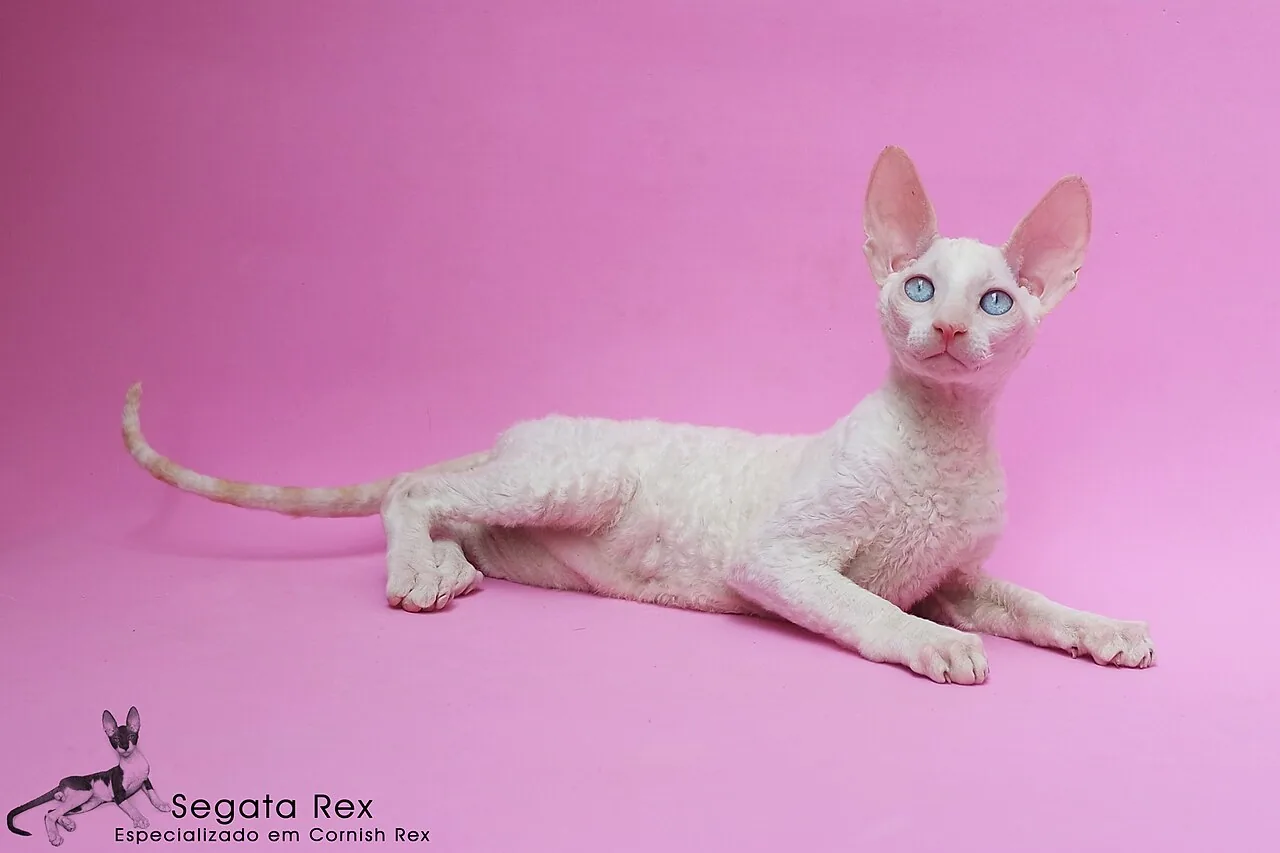
Cornish Rex Small (2.5–4.5 kg) 13–17 years Active, agile, affectionate
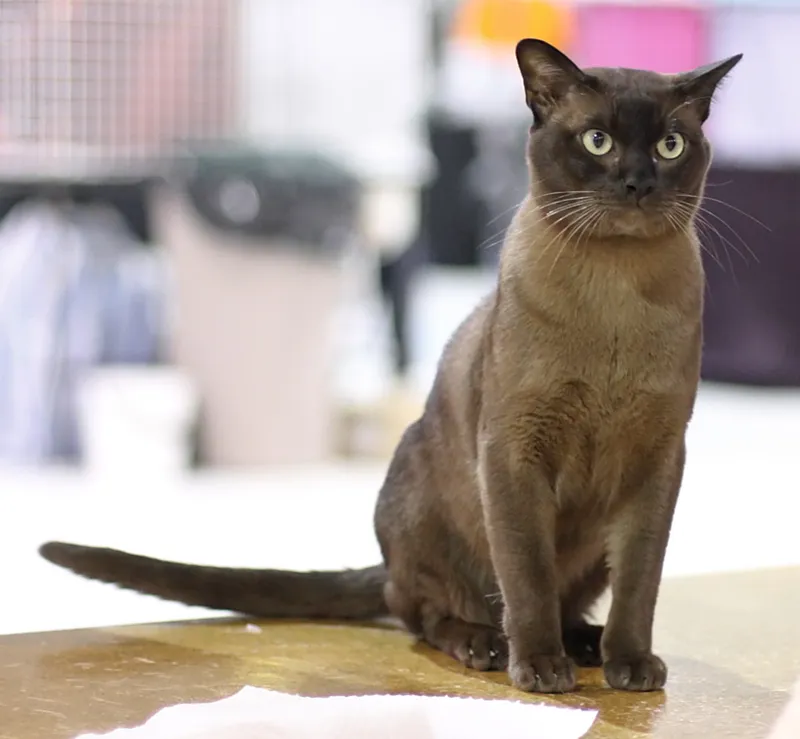
Burmese Medium (4–6 kg) 13–17 years People-oriented, playful, vocal
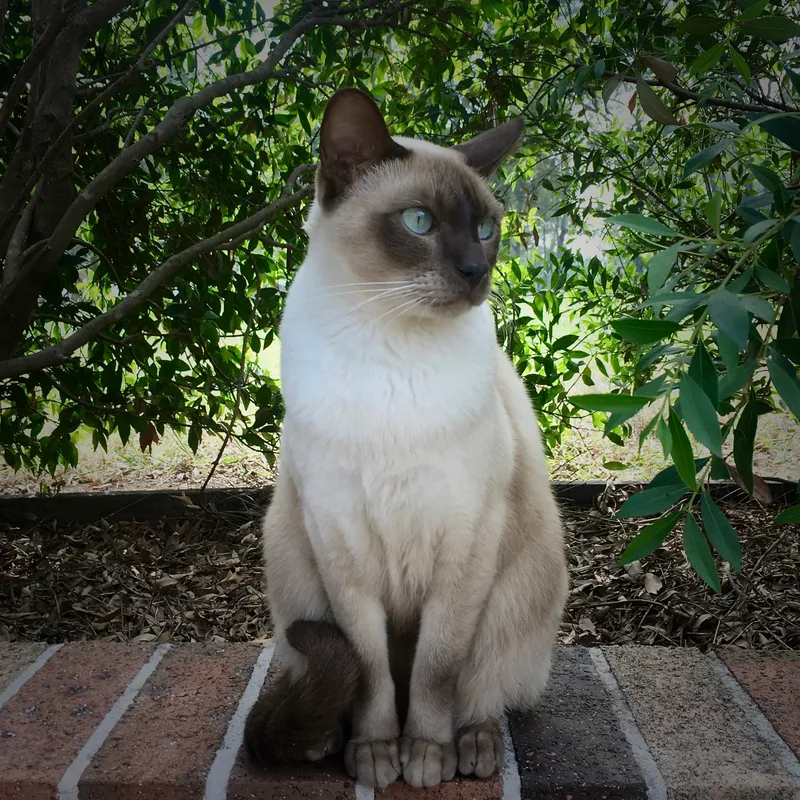
Tonkinese Medium (2.5–5.5 kg) 13–17 years Social, playful, talkative
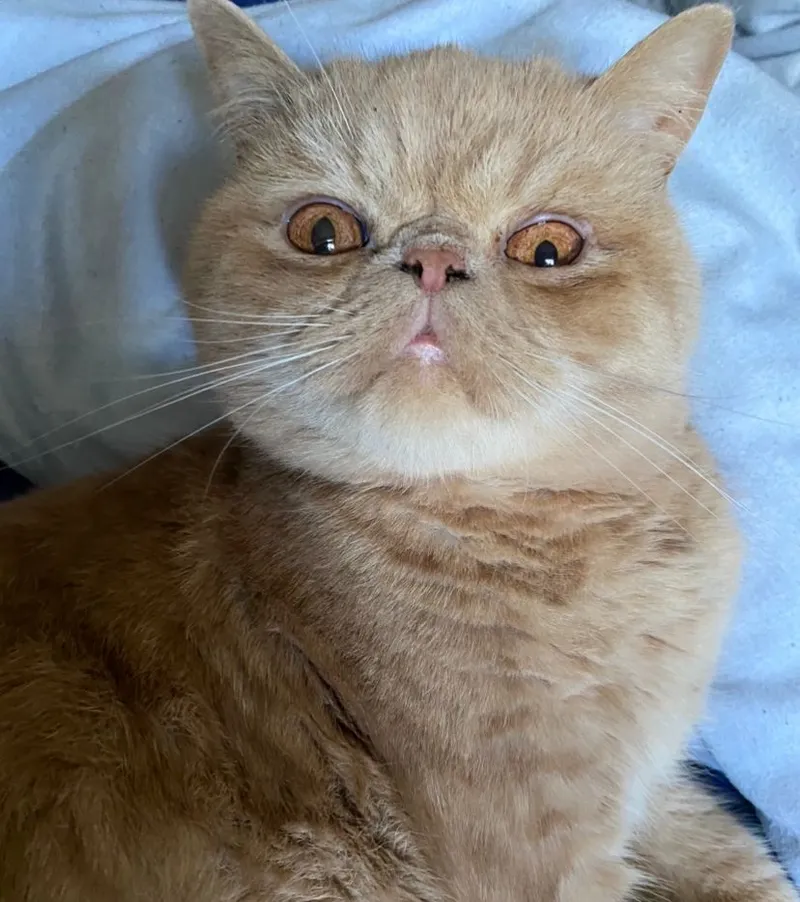
Exotic Shorthair Medium (3–6 kg) 13–17 years Calm, affectionate, gentle
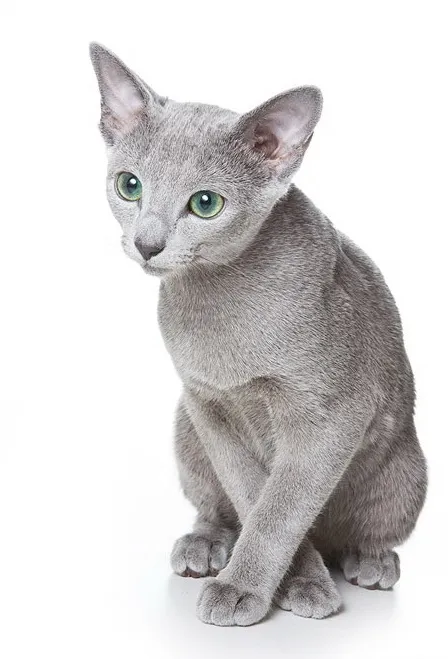
Russian Blue Medium (3–5 kg) 13–17 years Shy, gentle, intelligent
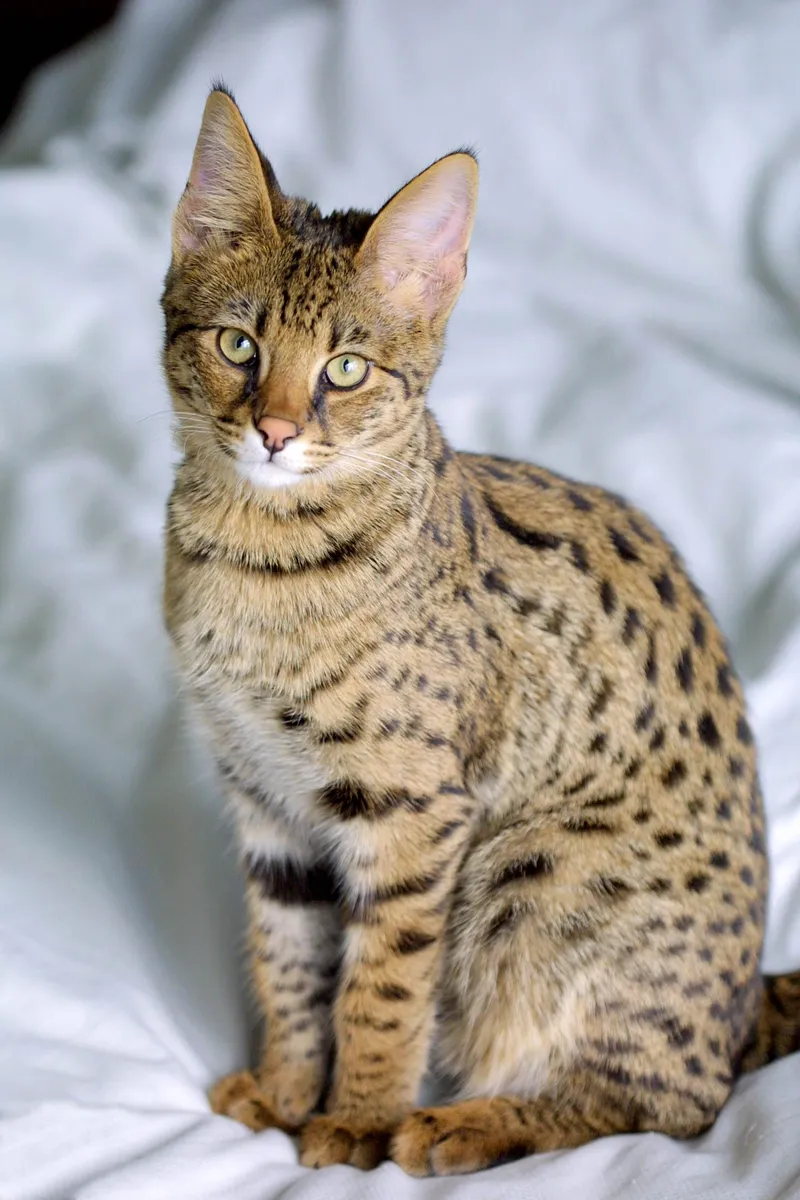
Savannah Large (5–11 kg) 12–15 years Active, adventurous, dog-like
Manx Medium (3–5 kg) 13–17 years Playful, loyal, rabbit-like hop
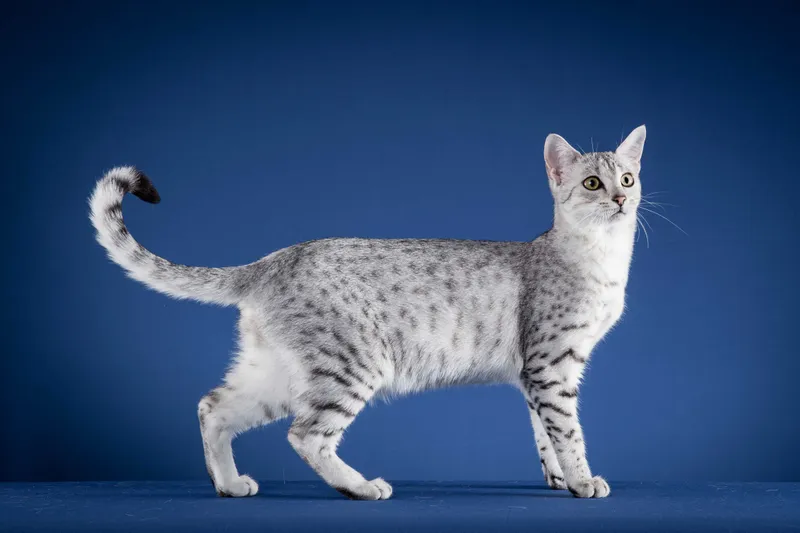
Egyptian Mau Medium (3–5 kg) 13–17 years Loyal, active, sensitive
Chartreux Medium (3–7 kg) 13–17 years Quiet, observant, loyal
Selkirk Rex Medium (3–7 kg) 13–17 years Patient, tolerant, cuddly
Bombay Medium (3–5 kg) 13–17 years Affectionate, social, velcro
Turkish Van Large (4–8 kg) 12–15 years Energetic, water-loving, independent

Short-Haired Cat Breeds: full profiles

Each entry covers what the breed was bred for, day-to-day needs, and health problems to watch — with a link to the full guide.

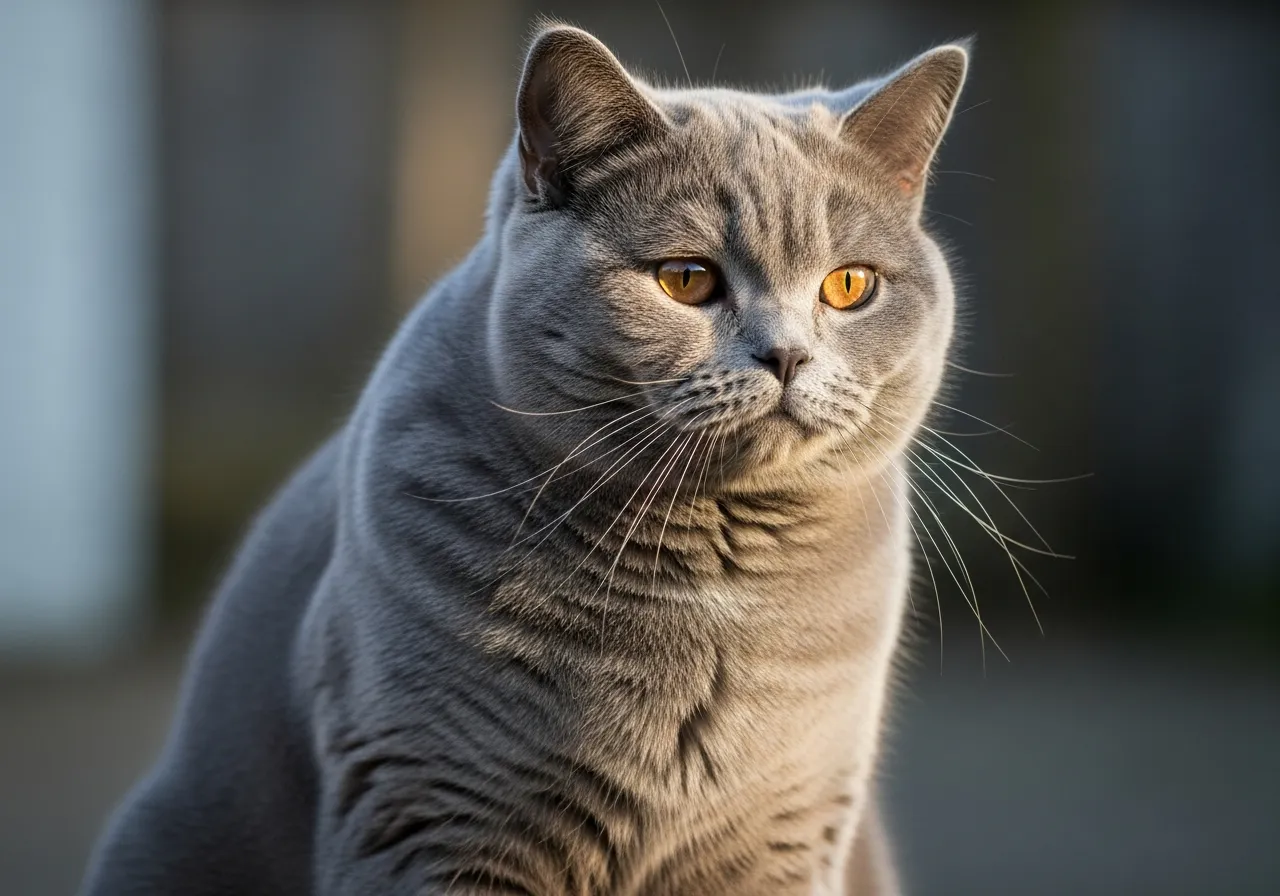
British Shorthair — cat breed guide

01 / United Kingdom

British Shorthair

The British Shorthair is a sturdy, round-faced cat with a dense, plush coat, best known in solid blue-grey. Calm, dignified, and easygoing, it is an undemanding, affectionate companion that bonds quietly with its family.

Size
Medium (4–8 kg)
Lifespan
12–17 years
Temperament
Calm, easygoing, loyal
Origin
United Kingdom

Coat & grooming — Short, dense, plush coat; brush weekly

Suits — Families, busy owners, calm multi-pet homes

Health to watch for

  • Hypertrophic cardiomyopathy (HCM) — HCM is a heart condition that thickens the heart muscle and may not show obvious early signs.
  • Obesity — British Shorthairs are calm and food-loving, so they can put on weight easily.
  • Polycystic kidney disease (PKD) — PKD is an inherited condition where kidney cysts can affect function over time.
Full British Shorthair guide
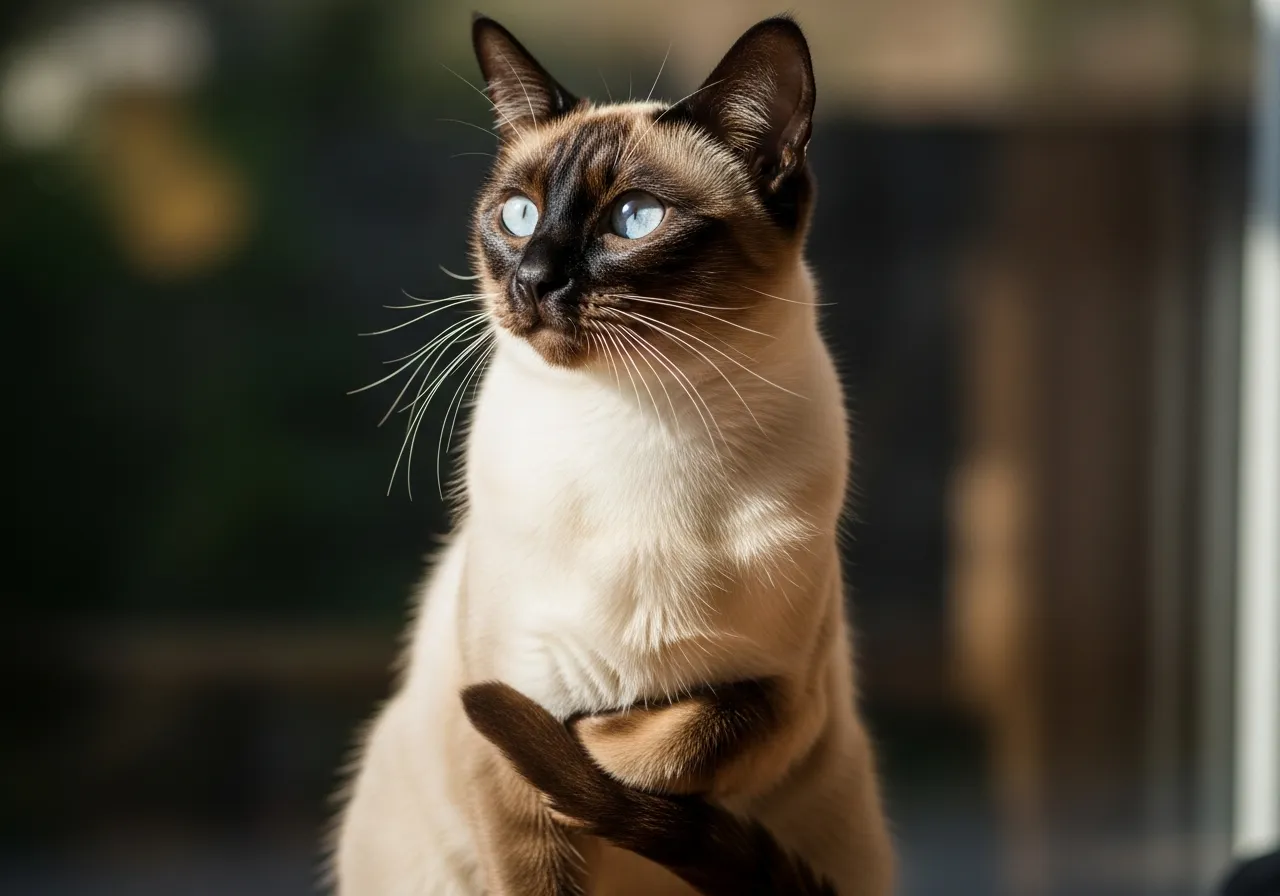
Siamese — cat breed guide

02 / Thailand (Siam)

Siamese

The Siamese is a sleek, blue-eyed cat with striking color points on its ears, face, paws, and tail. Highly vocal, social, and intelligent, it forms deep bonds with people and loves constant interaction and conversation.

Size
Medium (3.5–5.5 kg)
Lifespan
12–20 years
Temperament
Vocal, social, intelligent
Origin
Thailand (Siam)

Coat & grooming — Short, fine, close-lying coat; minimal grooming

Suits — Attentive owners, interactive families, multi-pet homes

Health to watch for

  • Dental disease — Siamese can be prone to gum inflammation and tartar buildup, which may cause bad breath or trouble eating.
  • Asthma and respiratory issues — Some Siamese develop asthma-like breathing problems, which may cause coughing or wheezing.
  • Progressive retinal atrophy — This inherited eye condition gradually reduces vision over time.
Full Siamese guide
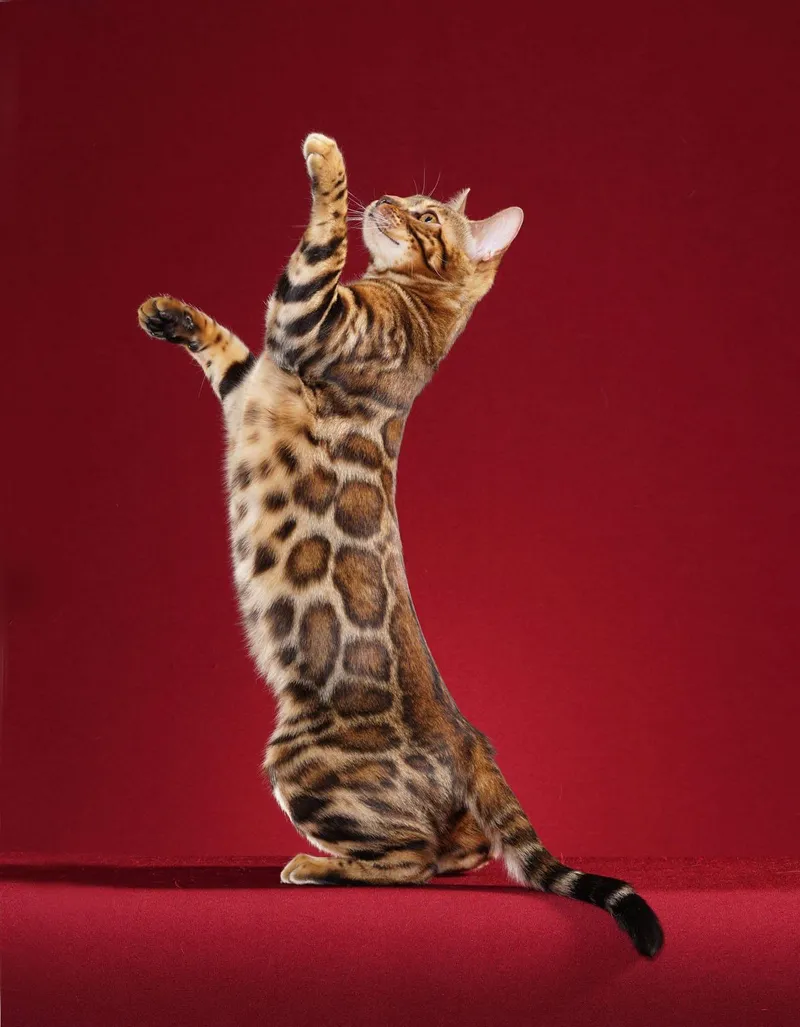
Bengal — cat breed guide

03 / United States

Bengal

The Bengal is an athletic, wild-looking cat with a spotted or rosetted coat bred from the Asian leopard cat. Energetic, curious, and playful, it loves climbing, water, and active engagement, suiting busy, interactive households.

Size
Medium (4–7 kg)
Lifespan
12–16 years
Temperament
Active, playful, curious
Origin
United States

Coat & grooming — Short, dense, glossy coat; low-maintenance, brush weekly

Suits — Active families, experienced owners, enrichment-rich homes

Health to watch for

  • Hypertrophic cardiomyopathy (HCM) — HCM thickens the heart muscle and can develop without obvious early signs.
  • Progressive retinal atrophy — This inherited eye condition slowly reduces vision and can lead to blindness.
  • Patellar luxation — Some Bengals can have kneecaps that slip out of place, causing an occasional skip or hop in their step.
Full Bengal guide
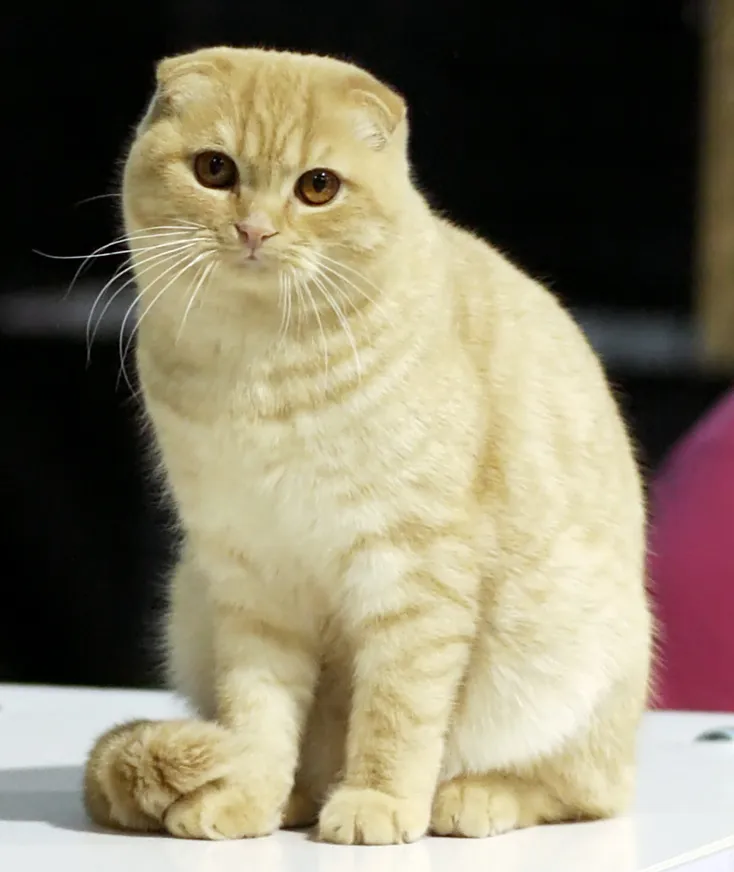
Scottish Fold — cat breed guide

04 / Scotland

Scottish Fold

The Scottish Fold is a round-faced cat known for forward-folded ears caused by a natural cartilage gene. Sweet, calm, and adaptable, it is an affectionate companion that bonds closely with its family and tolerates change well.

Size
Medium (3–6 kg)
Lifespan
11–15 years
Temperament
Sweet, calm, adaptable
Origin
Scotland

Coat & grooming — Short or long dense coat; brush weekly

Suits — Families, calm homes, other pets

Health to watch for

  • Osteochondrodysplasia — The same gene that folds their ears affects cartilage and can cause joint stiffness or discomfort, sometimes seen as reluctance to jump.
  • Hypertrophic cardiomyopathy (HCM) — HCM thickens the heart muscle and may develop without clear early signs.
  • Ear issues — Their folded ears can be prone to wax buildup and occasional infections.
Full Scottish Fold guide
Abyssinian — cat breed guide

05 / Southeast Asia and Ethiopia

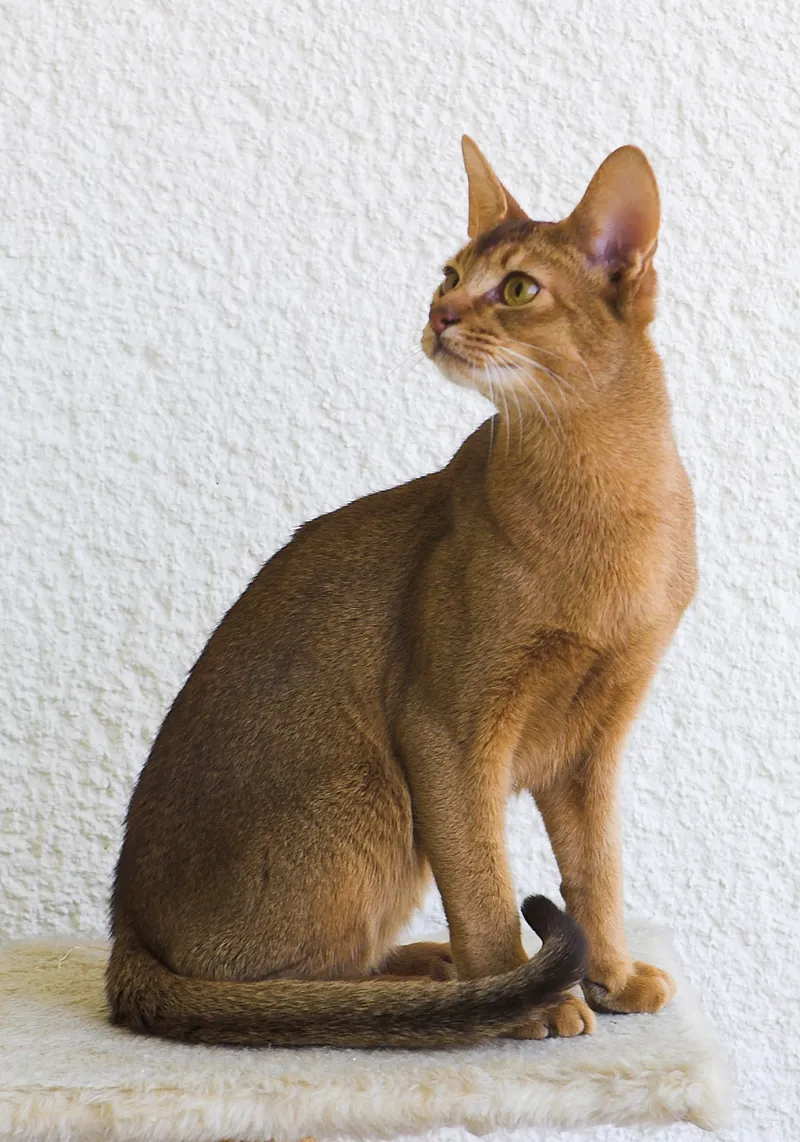
Abyssinian

The Abyssinian is a slender, athletic cat with a distinctive warm, ticked coat. One of the oldest known breeds, it is endlessly curious, agile, and playful, constantly exploring and engaging with its surroundings and people.

Size
Medium (3–5 kg)
Lifespan
12–15 years
Temperament
Active, curious, playful
Origin
Southeast Asia and Ethiopia

Coat & grooming — Short, fine, ticked coat; minimal grooming needed

Suits — Active owners, interactive families, multi-pet homes

Health to watch for

  • Progressive retinal atrophy — This inherited eye condition gradually reduces vision and can lead to blindness over time.
  • Dental disease (gingivitis) — Abyssinians can be prone to gum inflammation and tartar buildup, which may cause bad breath or sore gums.
  • Patellar luxation — Some Abyssinians can have kneecaps that slip out of place, causing an occasional skip in their step.
Full Abyssinian guide
American Shorthair — cat breed guide

06 / United States

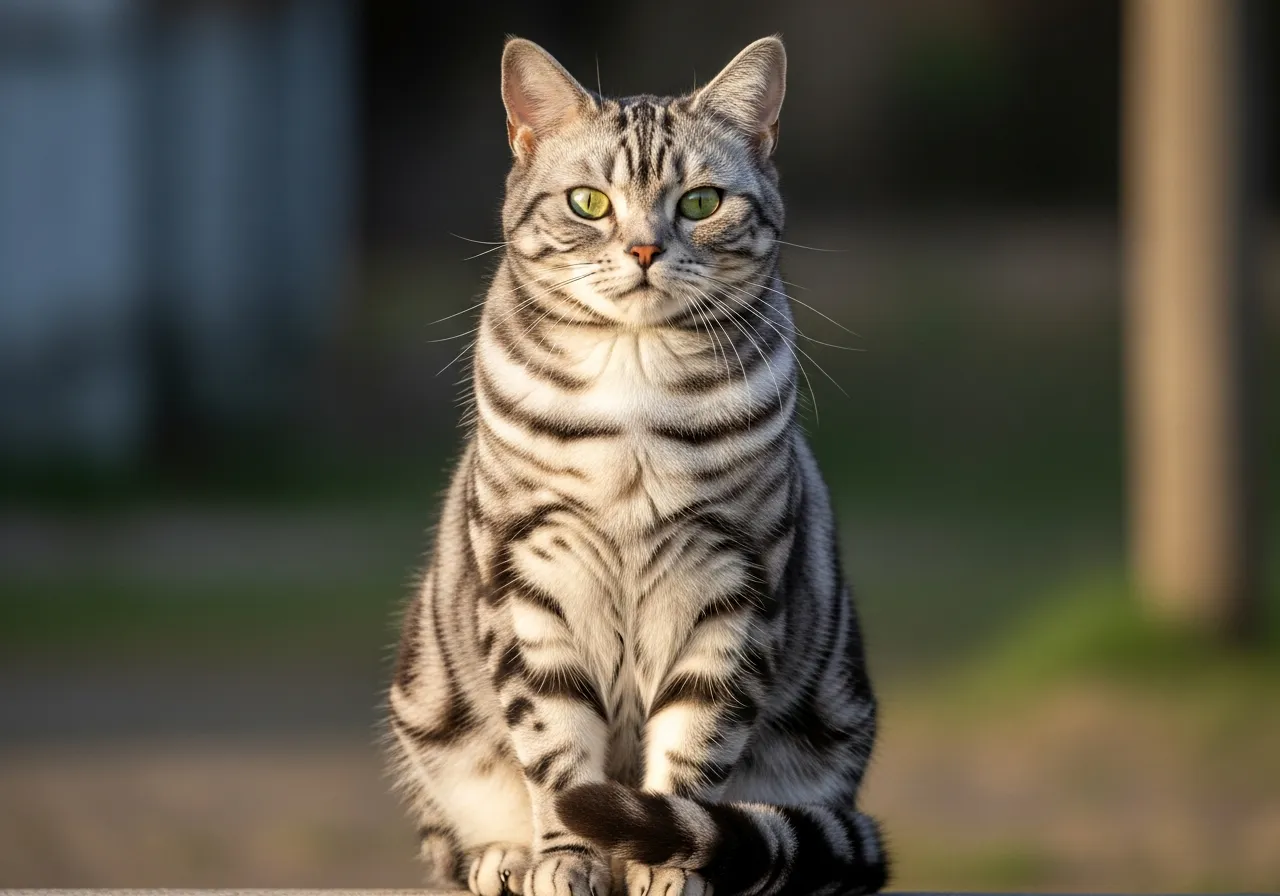
American Shorthair

The American Shorthair is a sturdy, healthy working cat turned family pet, known for its even temperament and low-maintenance care. Friendly and adaptable, it makes an easygoing companion that suits a wide range of households.

Size
Medium (4–7 kg)
Lifespan
15–20 years
Temperament
Easygoing, friendly, adaptable
Origin
United States

Coat & grooming — Short, thick, dense coat; brush weekly

Suits — Families, children, first-time owners, other pets

Health to watch for

  • Hypertrophic cardiomyopathy (HCM) — HCM is a heart condition that thickens the heart muscle and may not show obvious early signs.
  • Obesity — Their easygoing nature means American Shorthairs can gain weight if overfed.
  • Dental disease — Like many cats, they can develop tartar buildup and gum problems that cause bad breath or discomfort.
Full American Shorthair guide
Oriental Shorthair — cat breed guide

07 / Thailand/United Kingdom

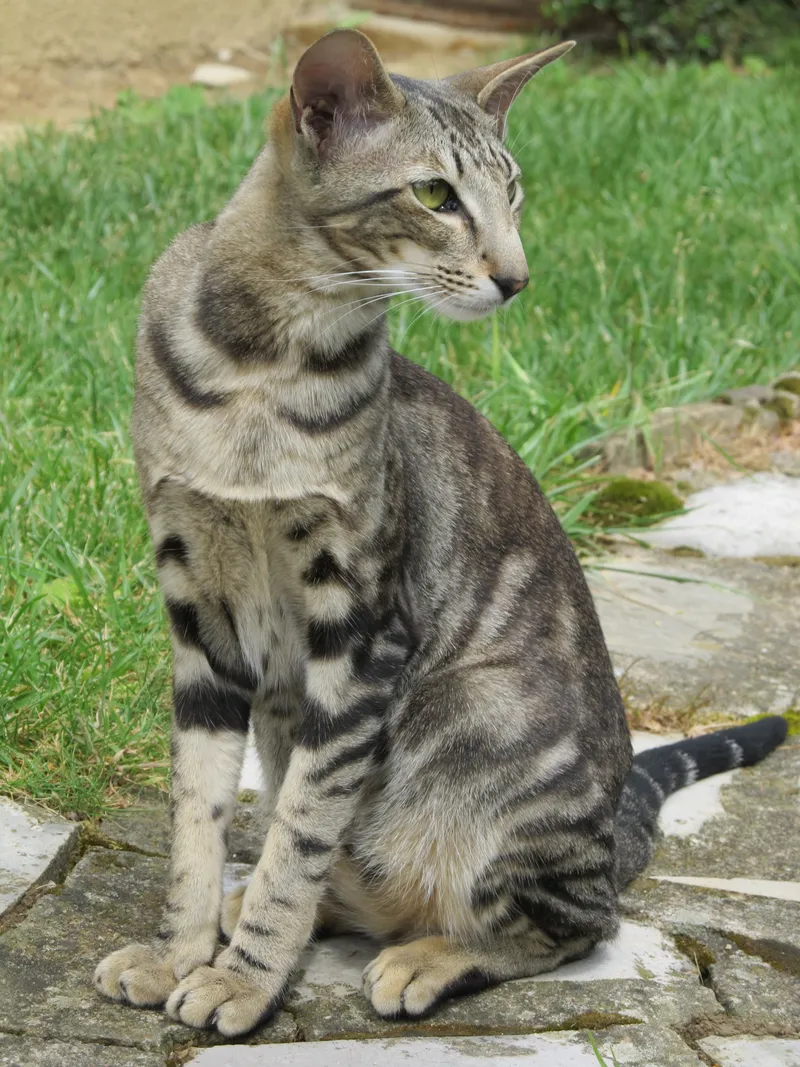
Oriental Shorthair

The Oriental Shorthair is a sleek, fine-boned cat of Siamese type, distinguished by large flared ears, an elegant body and an enormous palette of coat colours and patterns. Highly vocal, intelligent and intensely social, it forms strong bonds with its people and thrives on interaction and play.

Size
Medium (3–5 kg)
Lifespan
13–17 years
Temperament
Vocal, social, intelligent
Origin
Thailand/United Kingdom

Coat & grooming — A short, fine, close-lying single coat with a satin sheen and almost no undercoat, available in well over a hundred colour and pattern combinations. Shedding is low and grooming needs are minimal; a weekly stroke with a soft brush or grooming glove keeps it glossy. With so little coat, these cats can feel the cold and appreciate warm sleeping spots.

Suits — Best suited to attentive owners and households where the cat will have plenty of company, interaction and mental stimulation. Orientals are wonderful with engaged families and other sociable pets, but they bond intensely and can become stressed or unhappy if left alone for long hours. They adapt well to flats provided they get vertical space, toys and daily play, and they suit owners who enjoy a talkative, interactive cat.

Health to watch for

  • Dental disease — Plaque and tartar build-up leads to gum infection and tooth loss.
  • Progressive retinal atrophy — Progressive retinal atrophy can occur in this breed and may need veterinary monitoring.
  • Asthma — Asthma can occur in this breed and may need veterinary monitoring.
Full Oriental Shorthair guide
Devon Rex — cat breed guide

08 / England

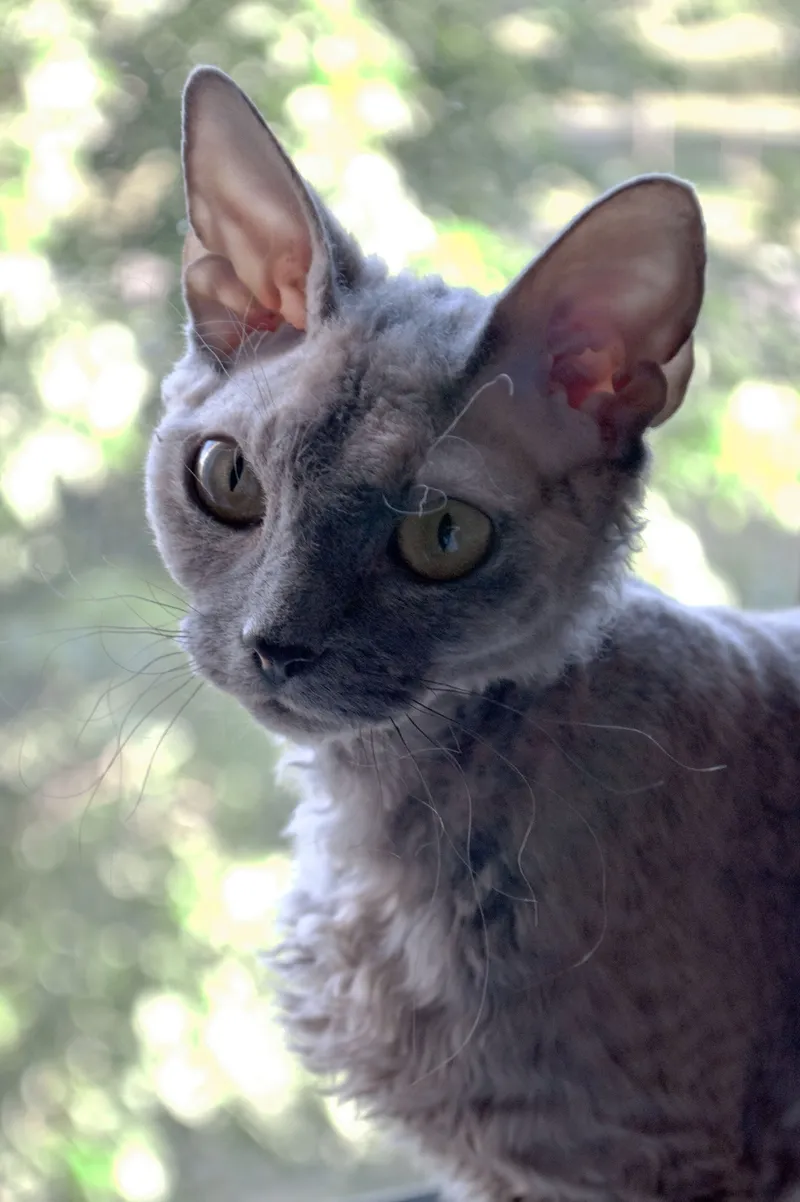
Devon Rex

The Devon Rex is a small, pixie-faced cat with a soft, wavy coat, oversized ears and large mischievous eyes. Playful, affectionate and people-obsessed, it is often described as a cross between a cat, a dog and a monkey for its acrobatic antics and constant desire to be involved in everything its owners do.

Size
Small (2.5–4 kg)
Lifespan
13–17 years
Temperament
Mischievous, affectionate, playful
Origin
England

Coat & grooming — A very short, soft, wavy 'rexed' coat with fragile, curled guard hairs, giving a suede-like or rippled texture. Shedding is low and grooming needs are minimal, but the delicate coat means brushing should be gentle, ideally just stroking by hand or with a soft cloth to avoid breaking the hairs. Devons can build up skin oils, so occasional gentle bathing and regular ear cleaning are often needed.

Suits — An outstanding companion for households that want a highly interactive, affectionate cat, including families with children and homes with other pets. Devons crave warmth and company, often seeking laps and shoulders, and dislike being left alone for long. They suit flats well thanks to their small size, but they are energetic, agile climbers that need toys, climbing space and daily play to stay content.

Health to watch for

  • Hypertrophic cardiomyopathy (HCM) — Thickening of the heart muscle that may cause sudden illness or heart failure.
  • Skin conditions — Skin conditions can occur in this breed and may need veterinary monitoring.
  • Dental disease — Plaque and tartar build-up leads to gum infection and tooth loss.
Full Devon Rex guide
Cornish Rex — cat breed guide

09 / England

Cornish Rex

The Cornish Rex is a slender, athletic cat with a soft, wavy coat made up only of fine down, plus a slim greyhound-like body and large ears. Active, agile and affectionate, it stays kitten-like and playful well into adulthood, racing, leaping and seeking out its owner's lap and warmth.

Size
Small (2.5–4.5 kg)
Lifespan
13–17 years
Temperament
Active, agile, affectionate
Origin
England

Coat & grooming — An exceptionally soft, short, wavy coat consisting only of the fine undercoat (down), with no coarse guard hairs, giving a texture often compared to crushed velvet or astrakhan. Shedding is minimal and grooming is very low-maintenance, but the delicate coat should only be stroked gently rather than brushed firmly. Like the Devon, Cornish Rex cats can be prone to oily skin and benefit from occasional gentle bathing and ear cleaning.

Suits — A superb match for active, attentive homes, including families with children and households with other cats and friendly dogs. Cornish Rex cats are sociable, playful and people-loving, disliking long hours alone, so they suit owners who are often home or can provide a companion. Their small size makes flats workable, but their high energy and love of climbing and fetching mean they need plenty of play, vertical space and interaction.

Health to watch for

  • Hypertrophic cardiomyopathy (HCM) — Thickening of the heart muscle that may cause sudden illness or heart failure.
  • Patellar luxation — The kneecap slips out of place, causing intermittent skipping or lameness.
  • Dental disease — Plaque and tartar build-up leads to gum infection and tooth loss.
Full Cornish Rex guide
Burmese — cat breed guide

10 / Burma/United States

Burmese

The Burmese is a medium, muscular cat famed for being unusually people-oriented, playful and vocal, forming intensely close bonds with its household. Surprisingly heavy for its size, it is sometimes called a 'brick wrapped in silk' and thrives on constant company and interaction.

Size
Medium (4–6 kg)
Lifespan
13–17 years
Temperament
People-oriented, playful, vocal
Origin
Burma/United States

Coat & grooming — Short, fine, satin-like coat that lies close to the body with a glossy sheen. It is very low-maintenance: a weekly stroke with a rubber brush or chamois keeps it gleaming, shedding is light, and bathing is rarely needed.

Suits — Excellent for families, children and homes with other pets, as the Burmese craves company and dislikes being left alone for long. Well suited to flats provided there is play and attention, but it is a poor choice for people who are out all day. Friendly enough for first-time owners.

Health to watch for

  • Diabetes risk — Diabetes risk can occur in this breed and may need veterinary monitoring.
  • Hypokalemia — Hypokalemia can occur in this breed and may need veterinary monitoring.
  • Dental disease — Plaque and tartar build-up leads to gum infection and tooth loss.
Full Burmese guide
Tonkinese — cat breed guide

11 / United States

Tonkinese

The Tonkinese is a medium, social and playful cat created by crossing the Siamese and Burmese, blending the looks and personalities of both. Talkative, affectionate and people-loving, it is known for its striking aqua eyes and its habit of following owners from room to room.

Size
Medium (2.5–5.5 kg)
Lifespan
13–17 years
Temperament
Social, playful, talkative
Origin
United States

Coat & grooming — Short, soft, close-lying coat with a fine, silky texture and a mink-like sheen. Grooming is minimal: a weekly brush or hand-stroke removes loose hair, shedding is light, and bathing is seldom required.

Suits — A wonderful family cat that enjoys children, other cats and cat-savvy dogs, and is happy in flats as long as it gets plenty of attention. Like its Burmese and Siamese ancestors it hates being alone, so it suits busy, sociable homes rather than people who are out all day. Fine for first-time owners.

Health to watch for

  • Dental disease — Plaque and tartar build-up leads to gum infection and tooth loss.
  • Heart conditions — Heart conditions can occur in this breed and may need veterinary monitoring.
  • Eye conditions — Breed-related eye problems may include cataracts, progressive retinal atrophy, or cherry eye.
Full Tonkinese guide
Exotic Shorthair — cat breed guide

12 / United States

Exotic Shorthair

The Exotic Shorthair is a medium, calm and affectionate cat, essentially a Persian in a short, plush coat, with the same flat face and sweet, gentle nature. Nicknamed 'the lazy man's Persian', it offers Persian looks and temperament with far less grooming.

Size
Medium (3–6 kg)
Lifespan
13–17 years
Temperament
Calm, affectionate, gentle
Origin
United States

Coat & grooming — Short to medium, dense, soft and plush, standing slightly away from the body like teddy-bear fur. It needs far less work than a Persian's, but a quick comb two or three times a week reduces shedding and matting; facial folds should be wiped to keep them clean.

Suits — A gentle, easy-going companion that suits families, quieter children, flats and homes with other calm pets. Its placid, undemanding nature makes it ideal for first-time owners and people seeking a low-energy lap cat. Because of its flat face it should be kept indoors or in safe, temperate conditions.

Health to watch for

  • Brachycephalic airway syndrome — Short skull shape narrows airways, causing snoring, exercise intolerance, and heat sensitivity.
  • Eye conditions — Breed-related eye problems may include cataracts, progressive retinal atrophy, or cherry eye.
  • Dental disease — Plaque and tartar build-up leads to gum infection and tooth loss.
Full Exotic Shorthair guide
Russian Blue — cat breed guide

13 / Russia

Russian Blue

The Russian Blue is a medium, elegant cat with a dense blue-grey coat, vivid green eyes and a gentle, intelligent nature. Often shy with strangers, it bonds deeply with its own family and is prized as a quiet, clean and devoted companion.

Size
Medium (3–5 kg)
Lifespan
13–17 years
Temperament
Shy, gentle, intelligent
Origin
Russia

Coat & grooming — Short, dense, plush double coat that stands out from the body and has a distinctive silvery, shimmering blue-grey sheen. It is low-maintenance: a weekly brush keeps it healthy, shedding is relatively light, and bathing is rarely needed.

Suits — Best suited to calmer homes, gentle older children and people who can offer a quiet, predictable routine. Reserved with strangers but devoted to its family, it tolerates flats and being alone better than many breeds, making it manageable for first-time owners. It gets on with other respectful, low-key pets.

Health to watch for

  • Bladder stones — Bladder stones can occur in this breed and may need veterinary monitoring.
  • Obesity — Excess weight strains joints and organs and shortens lifespan.
  • Dental disease — Plaque and tartar build-up leads to gum infection and tooth loss.
Full Russian Blue guide
Savannah — cat breed guide

14 / United States

Savannah

The Savannah is a tall, athletic hybrid cat created by crossing a domestic cat with the African serval. It is famed for its exotic spotted coat, dog-like devotion and an extraordinary appetite for climbing, leaping and active play.

Size
Large (5–11 kg)
Lifespan
12–15 years
Temperament
Active, adventurous, dog-like
Origin
United States

Coat & grooming — Short to medium, dense and notably soft with a slightly coarse guard layer; the bold dark spotting on a warm gold, silver, smoke or black background needs little upkeep. A weekly brush and the occasional bath keep the coat glossy, and shedding is moderate.

Suits — Best suited to experienced, active owners who can offer space, tall climbing furniture and plenty of interactive play; not a quiet lap cat. Confident Savannahs often live happily with cat-savvy dogs and respectful older children, but their drive and size can overwhelm timid pets or very young toddlers. Daily enrichment is essential to prevent boredom.

Health to watch for

  • Hypertrophic cardiomyopathy (HCM) — Thickening of the heart muscle that may cause sudden illness or heart failure.
  • Dental disease — Plaque and tartar build-up leads to gum infection and tooth loss.
  • Hybrid fertility issues — Hybrid fertility issues can occur in this breed and may need veterinary monitoring.
Full Savannah guide
Manx — cat breed guide

15 / Isle of Man

Manx

The Manx is a sturdy, round-bodied cat from the Isle of Man, instantly recognised for its missing or shortened tail. Sociable and playful, it has powerful hind legs that give a distinctive rabbit-like hop and a reputation as a devoted, dog-like companion.

Size
Medium (3–5 kg)
Lifespan
13–17 years
Temperament
Playful, loyal, rabbit-like hop
Origin
Isle of Man

Coat & grooming — Comes in shorthair and longhair (the Cymric) varieties, both with a plush, dense double coat that feels padded to the touch. The shorthair needs weekly brushing, while the longhair benefits from two or three sessions a week to prevent matting. Shedding is moderate and rises during seasonal coat changes.

Suits — A friendly, adaptable choice for families, including those with gentle children and other pets, and manageable for attentive first-time owners. Manx cats form strong bonds, follow their people about and often greet visitors at the door. They suit both houses and flats provided they get play and company, but tail-touching should be avoided as the area can be sensitive.

Health to watch for

  • Spina bifida — Spina bifida can occur in this breed and may need veterinary monitoring.
  • Arthritis — Arthritis can occur in this breed and may need veterinary monitoring.
  • Constipation — Constipation can occur in this breed and may need veterinary monitoring.
Full Manx guide
Egyptian Mau — cat breed guide

16 / Egypt

Egyptian Mau

The Egyptian Mau is the only naturally spotted domestic cat breed, prized for its striking randomly placed spots and gooseberry-green eyes. Athletic and loyal, it is one of the fastest domestic cats and forms intense bonds with its chosen people.

Size
Medium (3–5 kg)
Lifespan
13–17 years
Temperament
Loyal, active, sensitive
Origin
Egypt

Coat & grooming — Short to medium, silky and dense, carrying distinctive natural spotting in silver, bronze or smoke. The coat is low-maintenance, needing only a weekly brush to keep it gleaming, and shedding is light to moderate. The spots sit on the hair tips, so the markings are a true coat pattern rather than only skin-deep.

Suits — A devoted, family-oriented breed that bonds deeply but can be shy with strangers and sensitive to change. It suits calm, stable homes with patient owners and considerate older children, and generally lives well with other cats and gentle dogs introduced slowly. Active and playful, the Mau needs daily interaction and enrichment; nervous individuals dislike chaotic or noisy households.

Health to watch for

  • Hypertrophic cardiomyopathy (HCM) — Thickening of the heart muscle that may cause sudden illness or heart failure.
  • Urolithiasis — Urolithiasis can occur in this breed and may need veterinary monitoring.
  • Dental disease — Plaque and tartar build-up leads to gum infection and tooth loss.
Full Egyptian Mau guide
Chartreux — cat breed guide

17 / France

Chartreux

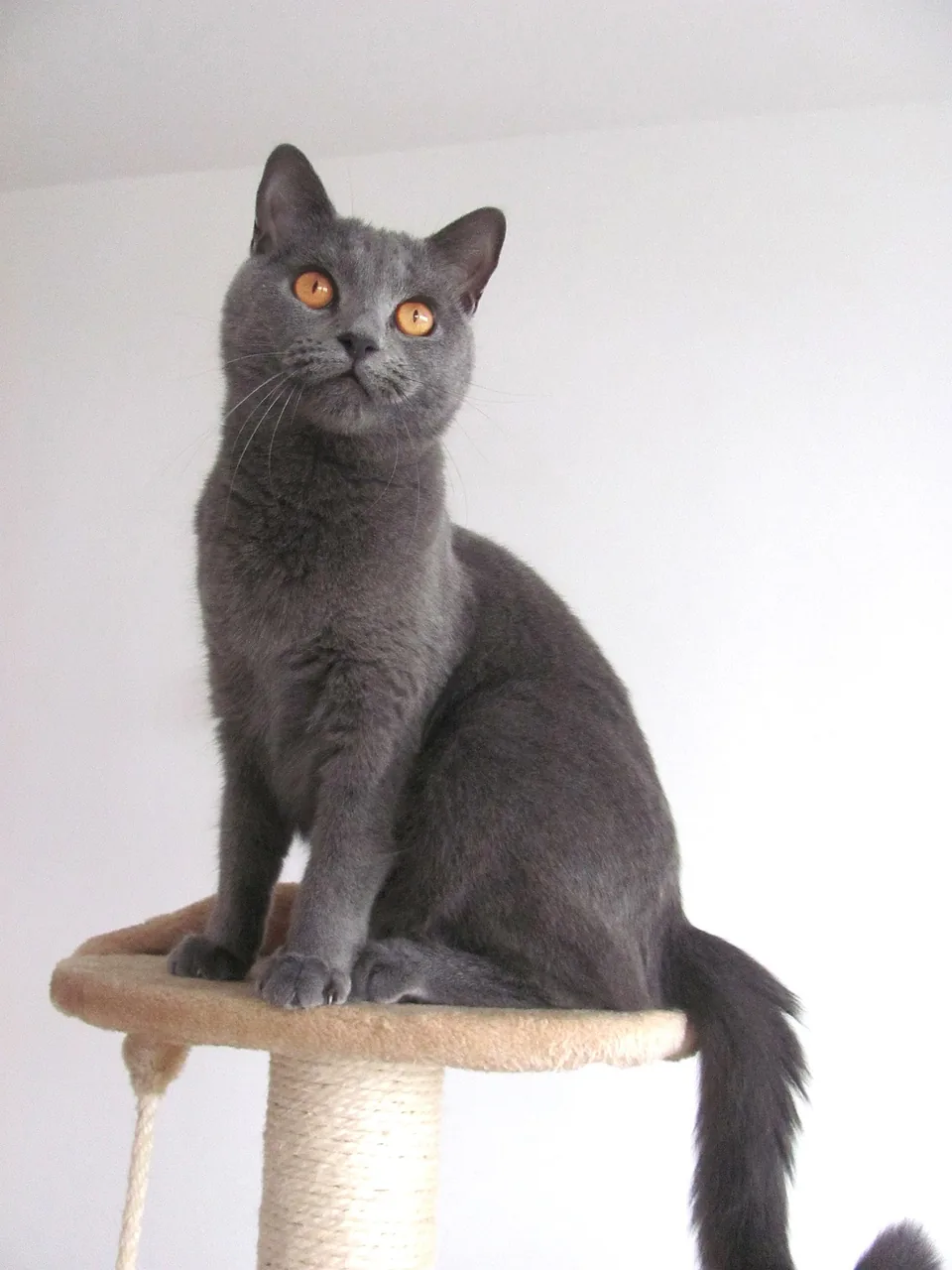
The Chartreux is a robust French breed known for its dense blue-grey coat, round copper-orange eyes and famously sweet, smiling expression. Quiet and observant, it is a calm, loyal companion that bonds closely with its family while keeping its skilled mouser's instincts.

Size
Medium (3–7 kg)
Lifespan
13–17 years
Temperament
Quiet, observant, loyal
Origin
France

Coat & grooming — Short to medium and remarkably dense, with a woolly, water-resistant double coat that stands slightly away from the body and breaks like sheep's fleece. The blue-grey colour ranges from ash to slate, always with copper eyes. A weekly comb keeps it healthy, with more frequent grooming during heavy seasonal sheds; brushing rather than a stripping comb preserves the texture.

Suits — A gentle, easygoing breed that suits families, first-time owners, older people and multi-pet homes alike, and adapts well to flats. Chartreux are quiet, undemanding and patient with children and other animals, attaching firmly to their family while tolerating time alone better than many breeds. They enjoy calm companionship and play but are rarely loud or pushy about it.

Health to watch for

  • Patellar luxation — The kneecap slips out of place, causing intermittent skipping or lameness.
  • Dental disease — Plaque and tartar build-up leads to gum infection and tooth loss.
  • Kidney disease — Kidney disease can occur in this breed and may need veterinary monitoring.
Full Chartreux guide
Selkirk Rex — cat breed guide

18 / United States

Selkirk Rex

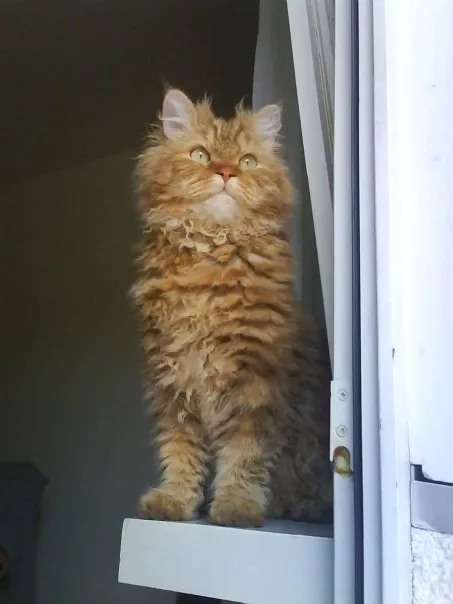
The Selkirk Rex is a sturdy, plush-bodied cat famous for its soft, randomly curled coat, which gives it a tousled, teddy-bear look. Patient, tolerant and notably cuddly, it is calmer than most rex breeds and fits easily into family life.

Size
Medium (3–7 kg)
Lifespan
13–17 years
Temperament
Patient, tolerant, cuddly
Origin
United States

Coat & grooming — Comes in both longhair and shorthair, with loose, soft curls that are most pronounced around the neck, belly and tail; even the whiskers may curl. The dense, slightly woolly coat sheds and benefits from gentle weekly combing rather than brushing, which can straighten the curls. Over-bathing or heavy grooming relaxes the curl, so a light touch keeps the texture.

Suits — A great all-rounder for families, children, multi-pet homes and first-time owners thanks to its easy-going, affectionate temperament. Its moderate energy suits both flats and houses, and it is content to be a relaxed lap companion rather than a demanding athlete. Like all cats it appreciates play and climbing options, but its exercise needs are modest.

Health to watch for

  • Polycystic kidney disease — Polycystic kidney disease can occur in this breed and may need veterinary monitoring.
  • Hypertrophic cardiomyopathy (HCM) — Thickening of the heart muscle that may cause sudden illness or heart failure.
  • Dental disease — Plaque and tartar build-up leads to gum infection and tooth loss.
Full Selkirk Rex guide
Bombay — cat breed guide

19 / United States

Bombay

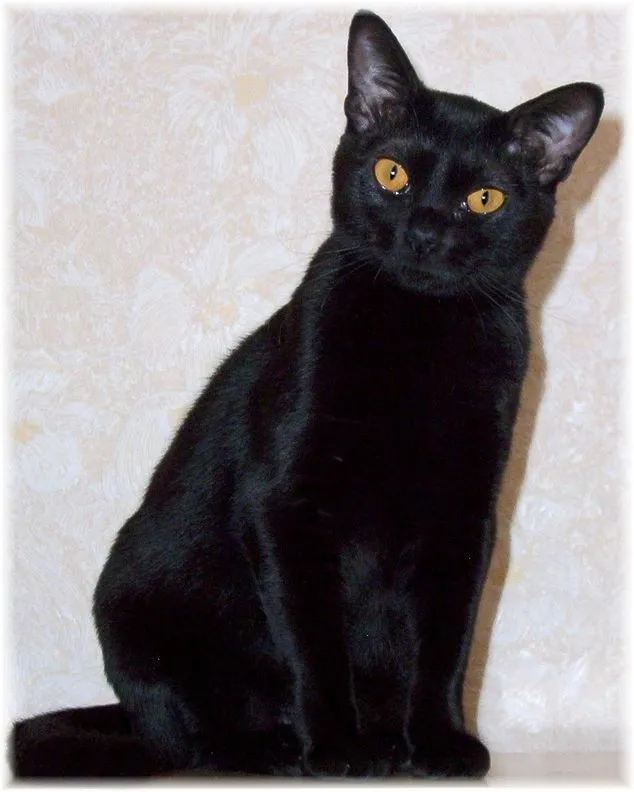
The Bombay is a sleek, jet-black cat bred to resemble a miniature panther, with a glossy patent-leather coat and striking copper or gold eyes. Affectionate, social and famously 'velcro', it loves close human contact and follows its people from room to room.

Size
Medium (3–5 kg)
Lifespan
13–17 years
Temperament
Affectionate, social, velcro
Origin
United States

Coat & grooming — Short, fine, close-lying and very glossy, often likened to polished patent leather, in solid black to the roots. Low-shedding and easy to care for, it needs little more than an occasional rub with a hand or chamois, or a weekly stroke with a rubber brush, to keep its shine. Bathing is rarely necessary.

Suits — An excellent family cat that suits children, other pets and both first-time and experienced owners thanks to its sociable, adaptable temperament. It is content in flats or houses and is more of an affectionate companion than a high-octane athlete, though it enjoys play and games. Its main need is company; it does not like prolonged solitude.

Health to watch for

  • Hypertrophic cardiomyopathy (HCM) — Thickening of the heart muscle that may cause sudden illness or heart failure.
  • Sinus problems — Sinus problems can occur in this breed and may need veterinary monitoring.
  • Dental disease — Plaque and tartar build-up leads to gum infection and tooth loss.
Full Bombay guide
Turkish Van — cat breed guide

20 / Turkey

Turkish Van

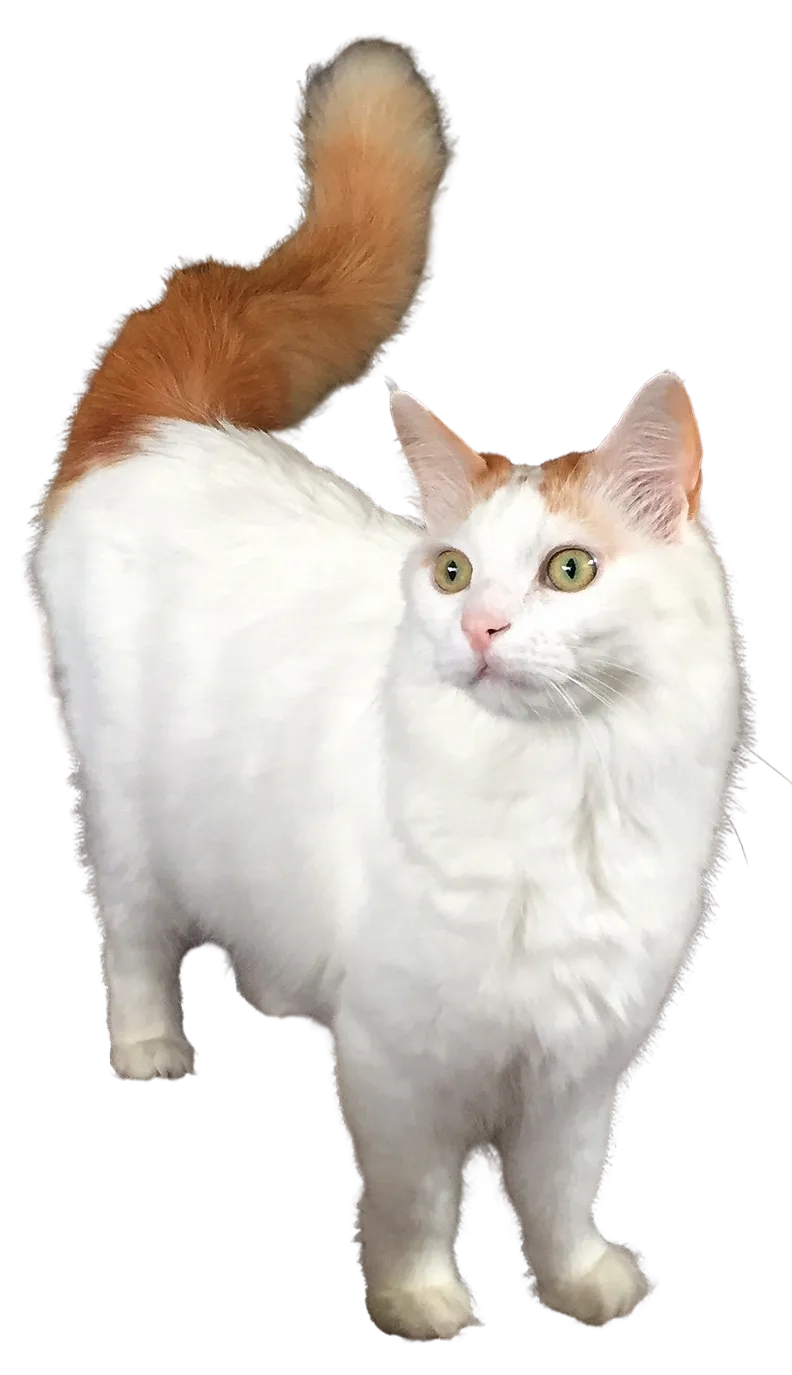
The Turkish Van is a large, powerfully built semi-longhaired cat best known for its distinctive 'van' pattern: a chalk-white body with colour confined to the head and tail. Energetic, intelligent and unusually fond of water, it is an athletic, independent-minded cat that loves to climb, play and explore.

Size
Large (4–8 kg)
Lifespan
12–15 years
Temperament
Energetic, water-loving, independent
Origin
Turkey

Coat & grooming — Semi-long, soft and notably water-resistant with a cashmere-like texture and no woolly undercoat, so it resists matting and is largely self-maintaining. The coat is shorter in summer and grows a fuller winter coat with a plumed tail and neck ruff. Weekly combing suffices, increasing during the heavy spring moult; bathing is seldom needed.

Suits — Best suited to active homes that can give it space, height to climb and plenty of play; it enjoys families and older, respectful children. Its strength, energy and independent streak make it more rewarding for owners who appreciate a busy, interactive cat rather than a placid lap pet. It can live in a flat but needs ample enrichment, and not every Van tolerates being picked up or crowded.

Health to watch for

  • Hypertrophic cardiomyopathy (HCM) — Thickening of the heart muscle that may cause sudden illness or heart failure.
  • Deafness in white cats — Deafness in white cats can occur in this breed and may need veterinary monitoring.
  • Dental disease — Plaque and tartar build-up leads to gum infection and tooth loss.
Full Turkish Van guide

Short-Haired Cat Breeds: frequently asked questions

What is the best short-haired cat breed?
British Shorthairs are the most consistently easy-going and undemanding. Russian Blues suit quieter homes. Siamese, Bengals and Abyssinians are all short-haired but highly active and vocal — they are excellent cats for the right household and a poor fit for a quiet one.
Are short-haired cats hypoallergenic?
No. No cat is genuinely hypoallergenic. The allergen is Fel d 1, a protein in saliva and skin secretions that is spread onto the coat during grooming, so coat length does not determine how much allergen a cat produces. Some individuals produce less than others, but that varies within breeds as much as between them.
Do short-haired cats still shed?
Yes, and some shed heavily. Breeds with a dense short double coat, such as the British Shorthair, moult substantially. The hair is simply shorter and less prone to matting, which makes it easier to manage rather than less abundant.
Which short-haired cat is best for a first-time owner?
The British Shorthair is the usual recommendation — placid, tolerant of being left alone during a working day, and undemanding on grooming. The Russian Blue and American Shorthair are similarly straightforward.

Before you go

The cats in the meat trade are mostly somebody's pet

An estimated ten million dogs and cats are killed for human consumption across South-East Asia every year, around a million of them cats in Vietnam alone. They are not, for the most part, strays. Investigations consistently find that a large share are stolen pets — taken from yards and doorsteps by collectors and moved across borders in conditions that spread rabies and other disease.

WARN funds partner-led rescue, safe-house capacity and legal advocacy to end that trade in Indonesia and Malaysia. Reform is already coming from inside the region: several major cities have introduced bans or formal commitments to end it.