Cat breeds · First-time owners

Best Cat Breeds for First-Time Owners

The best cat breeds for first-time owners are the British Shorthair, Ragdoll, American Shorthair, Russian Blue and Birman — all undemanding on grooming, tolerant of ordinary household routines and forgiving of inexperience. An adult rescue cat is frequently an easier first cat than any pedigree kitten.

How this list was compiled

Editorially selected from the 30 breeds covered in the WARN breed guides, on the basis of low grooming demand, settled temperament and tolerance of being left alone during a working day. Ordered by popularity rank.

A good first cat is one that copes. It tolerates a working day alone, does not need an hour of grooming, is not so vocal that it dominates the house, and does not have a health condition requiring management from day one.

That rules out more pedigrees than people expect. The very active oriental breeds are wonderful cats and demanding company. The flat-faced breeds need daily eye care and lifelong monitoring. The hairless breeds need regular bathing because there is no coat to absorb skin oils.

What is left is a group of calm, robust, low-maintenance cats — and, more often than not, the domestic shorthair sitting in a rescue pen with a known temperament and a lower price than any of them.

Best Cat Breeds for First-Time Owners at a glance

Breed Size Lifespan Temperament
Ragdoll Large (4.5–9 kg) 12–17 years Docile, affectionate, relaxed
British Shorthair Medium (4–8 kg) 12–17 years Calm, easygoing, loyal
American Shorthair Medium (4–7 kg) 15–20 years Easygoing, friendly, adaptable
Birman Medium (3–6 kg) 13–17 years Gentle, quiet, affectionate
Burmese Medium (4–6 kg) 13–17 years People-oriented, playful, vocal
Exotic Shorthair Medium (3–6 kg) 13–17 years Calm, affectionate, gentle
Russian Blue Medium (3–5 kg) 13–17 years Shy, gentle, intelligent
Manx Medium (3–5 kg) 13–17 years Playful, loyal, rabbit-like hop
Chartreux Medium (3–7 kg) 13–17 years Quiet, observant, loyal

Best Cat Breeds for First-Time Owners: full profiles

Each entry covers what the breed was bred for, day-to-day needs, and health problems to watch — with a link to the full guide.

Ragdoll — cat breed guide

01 / United States (California)

Ragdoll

The Ragdoll is a large, blue-eyed, semi-longhaired cat famous for relaxing and going limp when picked up. Gentle, affectionate, and people-oriented, it loves following owners around and makes a devoted, easygoing lap cat.

Size
Large (4.5–9 kg)
Lifespan
12–17 years
Temperament
Docile, affectionate, relaxed
Origin
United States (California)

Coat & grooming — Semi-long silky coat; needs brushing twice weekly

Suits — Families, children, seniors, multi-pet homes

Health to watch for

  • Hypertrophic cardiomyopathy (HCM) — HCM thickens the heart muscle and can develop without clear early signs in Ragdolls.
  • Urinary tract issues — Ragdolls can be prone to bladder and urinary problems, which may cause straining or frequent trips to the litter box.
  • Obesity — Their calm, laid-back nature means Ragdolls can gain weight easily.
Full Ragdoll guide
British Shorthair — cat breed guide

02 / United Kingdom

British Shorthair

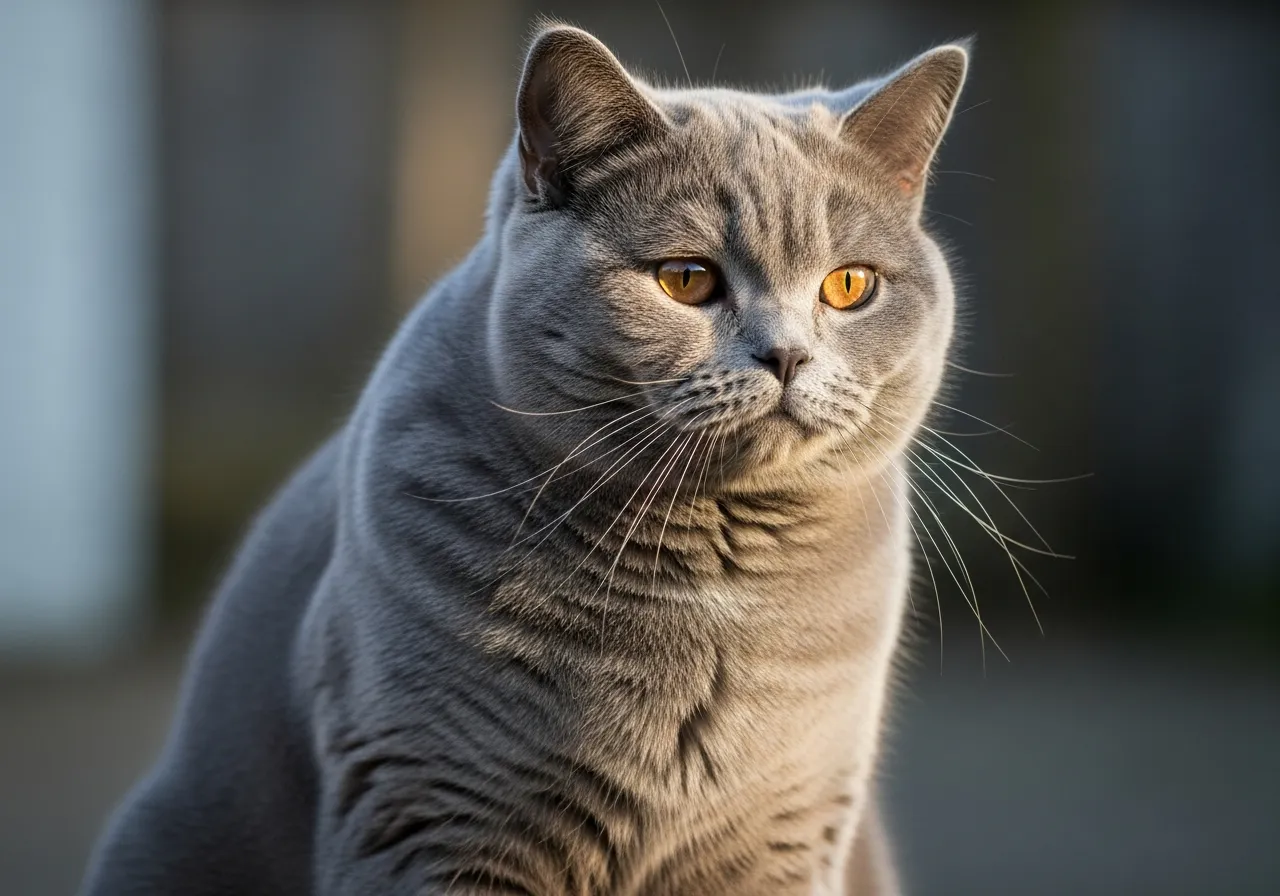
The British Shorthair is a sturdy, round-faced cat with a dense, plush coat, best known in solid blue-grey. Calm, dignified, and easygoing, it is an undemanding, affectionate companion that bonds quietly with its family.

Size
Medium (4–8 kg)
Lifespan
12–17 years
Temperament
Calm, easygoing, loyal
Origin
United Kingdom

Coat & grooming — Short, dense, plush coat; brush weekly

Suits — Families, busy owners, calm multi-pet homes

Health to watch for

  • Hypertrophic cardiomyopathy (HCM) — HCM is a heart condition that thickens the heart muscle and may not show obvious early signs.
  • Obesity — British Shorthairs are calm and food-loving, so they can put on weight easily.
  • Polycystic kidney disease (PKD) — PKD is an inherited condition where kidney cysts can affect function over time.
Full British Shorthair guide
American Shorthair — cat breed guide

03 / United States

American Shorthair

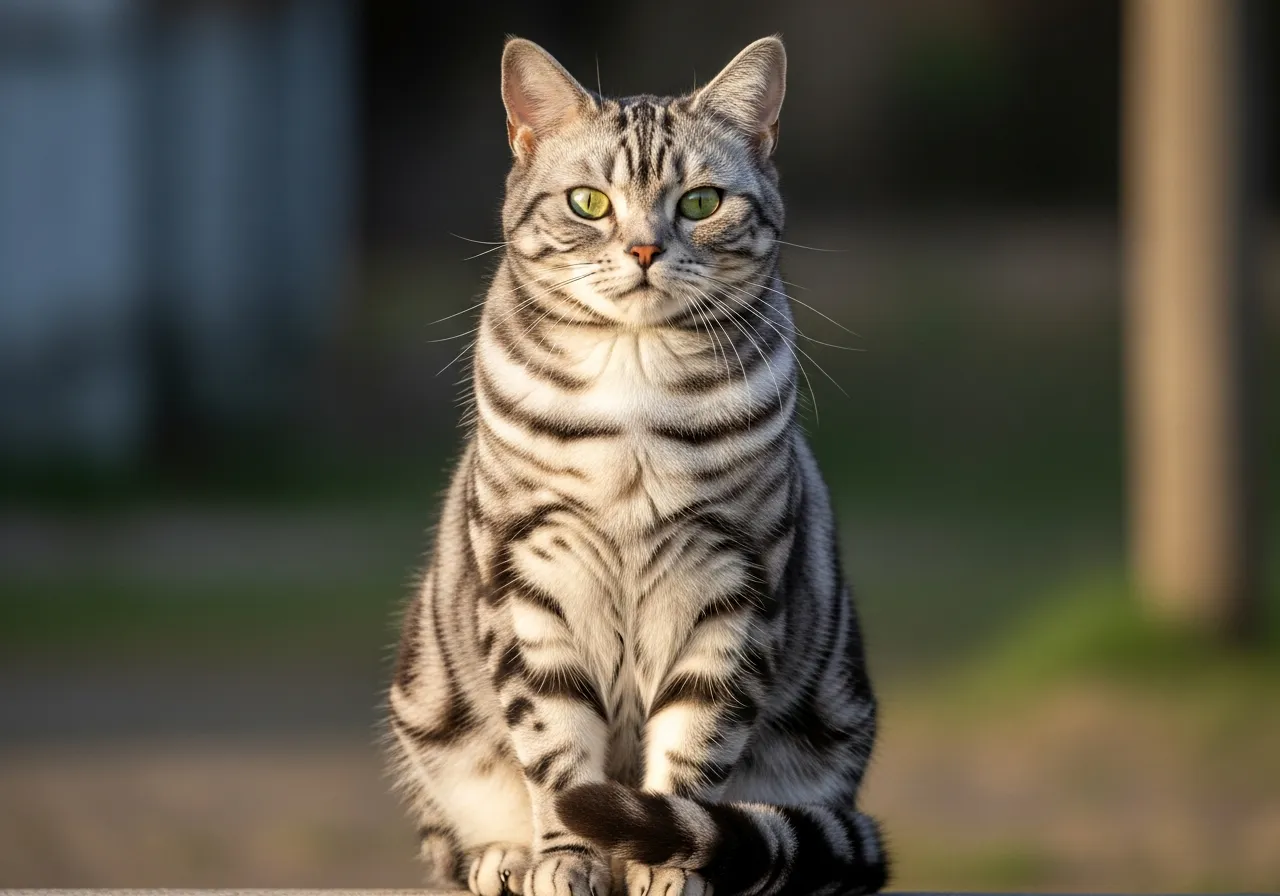
The American Shorthair is a sturdy, healthy working cat turned family pet, known for its even temperament and low-maintenance care. Friendly and adaptable, it makes an easygoing companion that suits a wide range of households.

Size
Medium (4–7 kg)
Lifespan
15–20 years
Temperament
Easygoing, friendly, adaptable
Origin
United States

Coat & grooming — Short, thick, dense coat; brush weekly

Suits — Families, children, first-time owners, other pets

Health to watch for

  • Hypertrophic cardiomyopathy (HCM) — HCM is a heart condition that thickens the heart muscle and may not show obvious early signs.
  • Obesity — Their easygoing nature means American Shorthairs can gain weight if overfed.
  • Dental disease — Like many cats, they can develop tartar buildup and gum problems that cause bad breath or discomfort.
Full American Shorthair guide
Birman — cat breed guide

04 / Burma/France

Birman

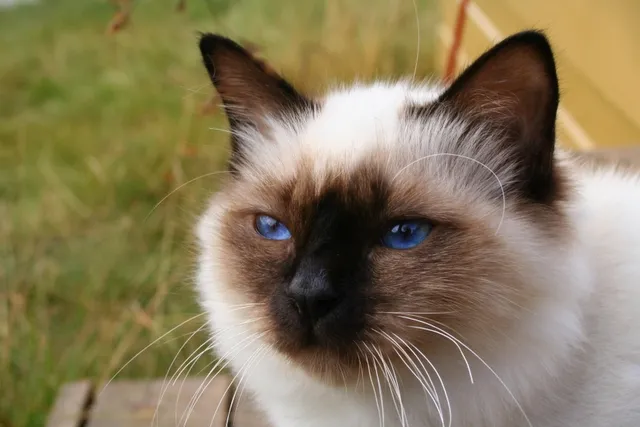
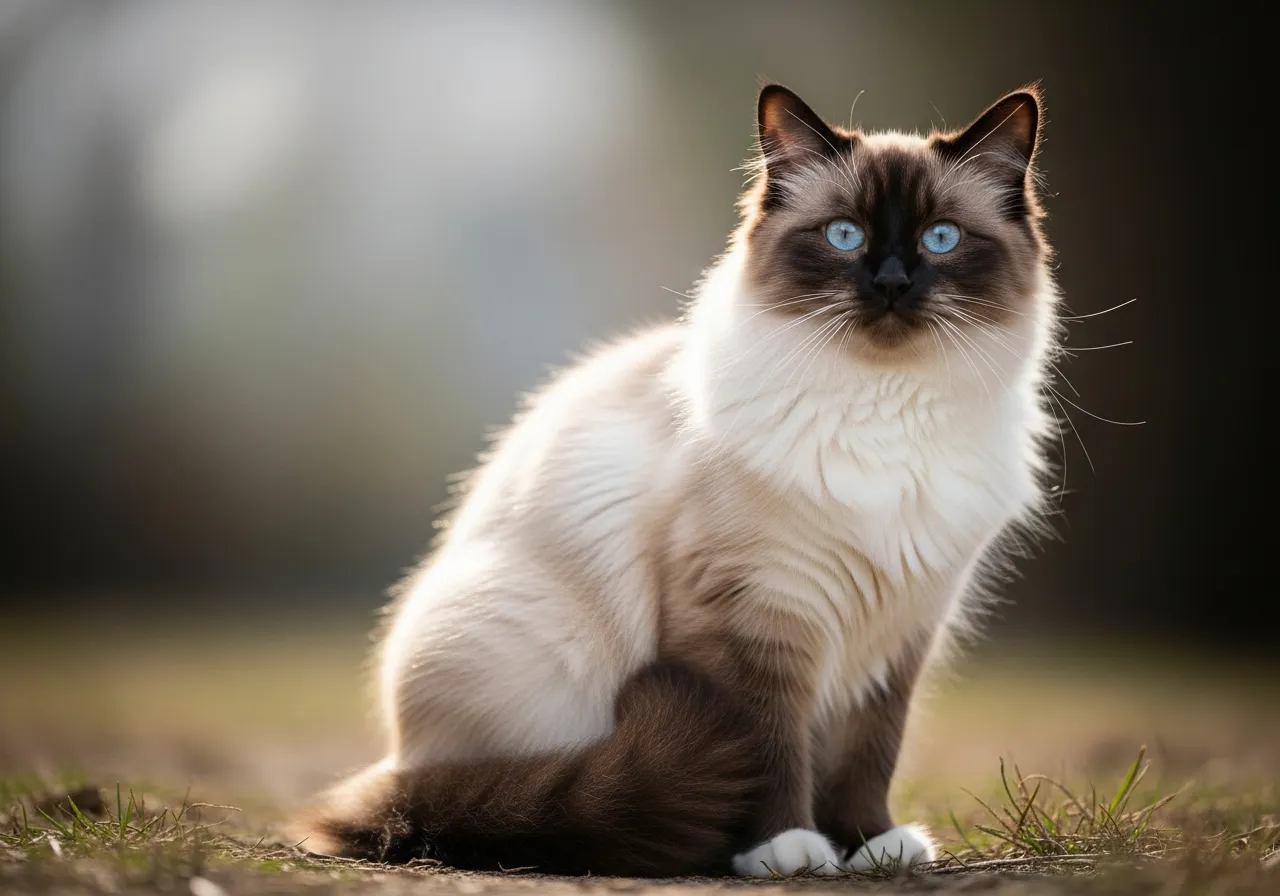
The Birman, or 'Sacred Cat of Burma', is a medium-sized, semi-longhaired colourpoint breed known for deep blue eyes and pure white 'gloves' on every paw. Gentle, quiet and affectionate, it is a calm, people-loving companion that follows its owners devotedly without being overly demanding.

Size
Medium (3–6 kg)
Lifespan
13–17 years
Temperament
Gentle, quiet, affectionate
Origin
Burma/France

Coat & grooming — A medium-long, silky single coat with no woolly undercoat, which means it mats far less than most longhairs and never feels heavy. Shedding is light to moderate; a quick brush once or twice a week keeps the coat glossy and tangle-free, with a little extra attention around the ruff and 'breeches'. Bathing is rarely needed.

Suits — An excellent all-round family cat that suits first-time owners, families with children, and homes with other cats or gentle dogs. Its calm, sociable and adaptable nature makes it well suited to flats and quieter households alike. Birmans dislike being left alone for long stretches, so they do best where someone is often home or where they have a companion animal for company.

Health to watch for

  • Hypertrophic cardiomyopathy (HCM) — Thickening of the heart muscle that may cause sudden illness or heart failure.
  • Kidney disease — Kidney disease can occur in this breed and may need veterinary monitoring.
  • Dental disease — Plaque and tartar build-up leads to gum infection and tooth loss.
Full Birman guide
Burmese — cat breed guide

05 / Burma/United States

Burmese

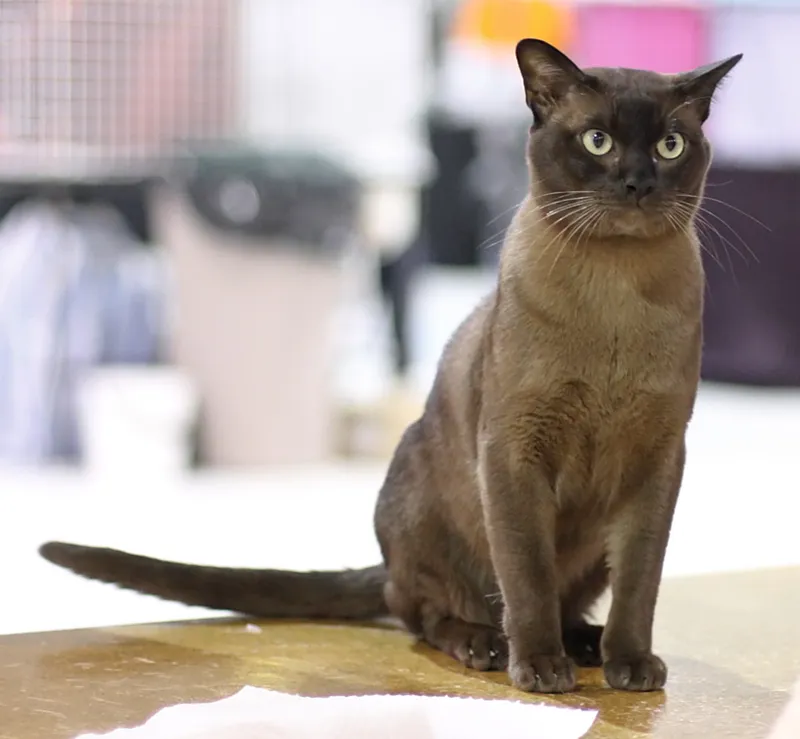
The Burmese is a medium, muscular cat famed for being unusually people-oriented, playful and vocal, forming intensely close bonds with its household. Surprisingly heavy for its size, it is sometimes called a 'brick wrapped in silk' and thrives on constant company and interaction.

Size
Medium (4–6 kg)
Lifespan
13–17 years
Temperament
People-oriented, playful, vocal
Origin
Burma/United States

Coat & grooming — Short, fine, satin-like coat that lies close to the body with a glossy sheen. It is very low-maintenance: a weekly stroke with a rubber brush or chamois keeps it gleaming, shedding is light, and bathing is rarely needed.

Suits — Excellent for families, children and homes with other pets, as the Burmese craves company and dislikes being left alone for long. Well suited to flats provided there is play and attention, but it is a poor choice for people who are out all day. Friendly enough for first-time owners.

Health to watch for

  • Diabetes risk — Diabetes risk can occur in this breed and may need veterinary monitoring.
  • Hypokalemia — Hypokalemia can occur in this breed and may need veterinary monitoring.
  • Dental disease — Plaque and tartar build-up leads to gum infection and tooth loss.
Full Burmese guide
Exotic Shorthair — cat breed guide

06 / United States

Exotic Shorthair

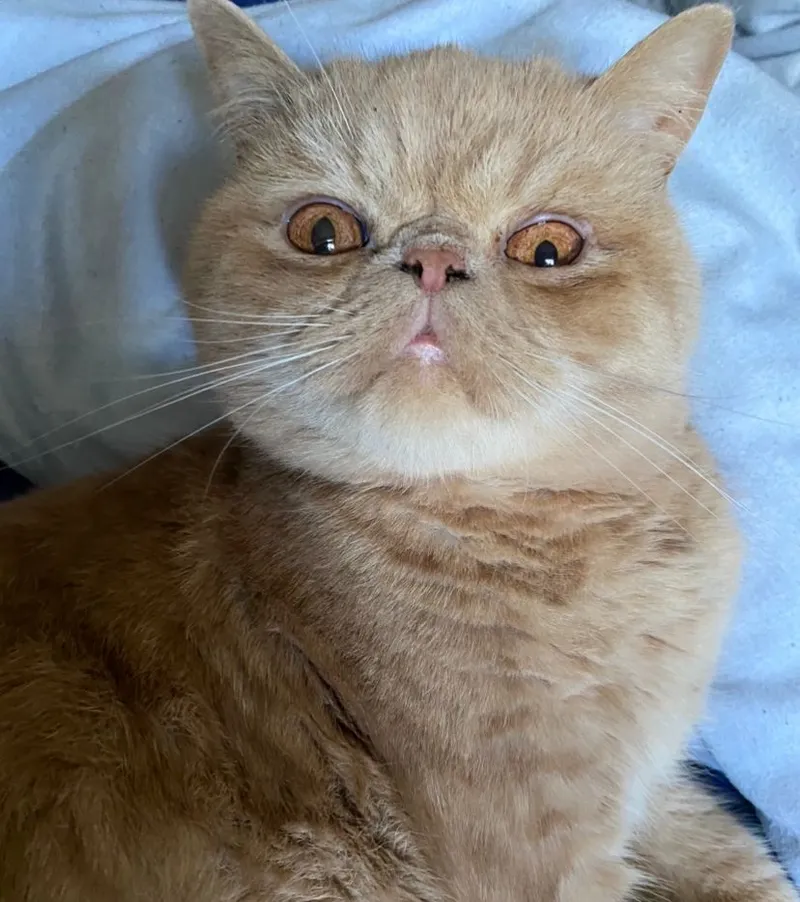
The Exotic Shorthair is a medium, calm and affectionate cat, essentially a Persian in a short, plush coat, with the same flat face and sweet, gentle nature. Nicknamed 'the lazy man's Persian', it offers Persian looks and temperament with far less grooming.

Size
Medium (3–6 kg)
Lifespan
13–17 years
Temperament
Calm, affectionate, gentle
Origin
United States

Coat & grooming — Short to medium, dense, soft and plush, standing slightly away from the body like teddy-bear fur. It needs far less work than a Persian's, but a quick comb two or three times a week reduces shedding and matting; facial folds should be wiped to keep them clean.

Suits — A gentle, easy-going companion that suits families, quieter children, flats and homes with other calm pets. Its placid, undemanding nature makes it ideal for first-time owners and people seeking a low-energy lap cat. Because of its flat face it should be kept indoors or in safe, temperate conditions.

Health to watch for

  • Brachycephalic airway syndrome — Short skull shape narrows airways, causing snoring, exercise intolerance, and heat sensitivity.
  • Eye conditions — Breed-related eye problems may include cataracts, progressive retinal atrophy, or cherry eye.
  • Dental disease — Plaque and tartar build-up leads to gum infection and tooth loss.
Full Exotic Shorthair guide
Russian Blue — cat breed guide

07 / Russia

Russian Blue

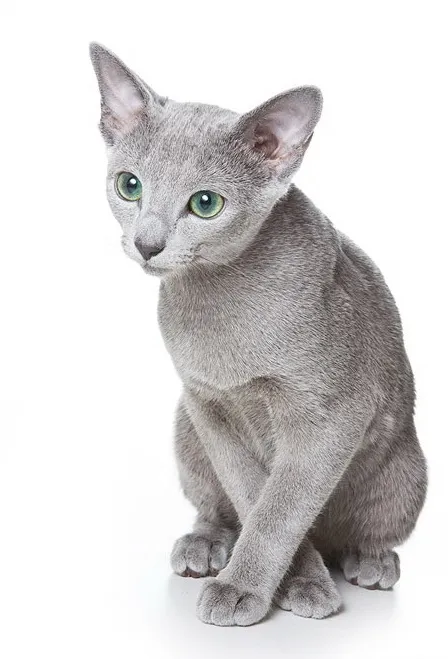
The Russian Blue is a medium, elegant cat with a dense blue-grey coat, vivid green eyes and a gentle, intelligent nature. Often shy with strangers, it bonds deeply with its own family and is prized as a quiet, clean and devoted companion.

Size
Medium (3–5 kg)
Lifespan
13–17 years
Temperament
Shy, gentle, intelligent
Origin
Russia

Coat & grooming — Short, dense, plush double coat that stands out from the body and has a distinctive silvery, shimmering blue-grey sheen. It is low-maintenance: a weekly brush keeps it healthy, shedding is relatively light, and bathing is rarely needed.

Suits — Best suited to calmer homes, gentle older children and people who can offer a quiet, predictable routine. Reserved with strangers but devoted to its family, it tolerates flats and being alone better than many breeds, making it manageable for first-time owners. It gets on with other respectful, low-key pets.

Health to watch for

  • Bladder stones — Bladder stones can occur in this breed and may need veterinary monitoring.
  • Obesity — Excess weight strains joints and organs and shortens lifespan.
  • Dental disease — Plaque and tartar build-up leads to gum infection and tooth loss.
Full Russian Blue guide
Manx — cat breed guide

08 / Isle of Man

Manx

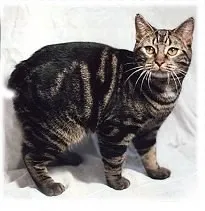
The Manx is a sturdy, round-bodied cat from the Isle of Man, instantly recognised for its missing or shortened tail. Sociable and playful, it has powerful hind legs that give a distinctive rabbit-like hop and a reputation as a devoted, dog-like companion.

Size
Medium (3–5 kg)
Lifespan
13–17 years
Temperament
Playful, loyal, rabbit-like hop
Origin
Isle of Man

Coat & grooming — Comes in shorthair and longhair (the Cymric) varieties, both with a plush, dense double coat that feels padded to the touch. The shorthair needs weekly brushing, while the longhair benefits from two or three sessions a week to prevent matting. Shedding is moderate and rises during seasonal coat changes.

Suits — A friendly, adaptable choice for families, including those with gentle children and other pets, and manageable for attentive first-time owners. Manx cats form strong bonds, follow their people about and often greet visitors at the door. They suit both houses and flats provided they get play and company, but tail-touching should be avoided as the area can be sensitive.

Health to watch for

  • Spina bifida — Spina bifida can occur in this breed and may need veterinary monitoring.
  • Arthritis — Arthritis can occur in this breed and may need veterinary monitoring.
  • Constipation — Constipation can occur in this breed and may need veterinary monitoring.
Full Manx guide
Chartreux — cat breed guide

09 / France

Chartreux

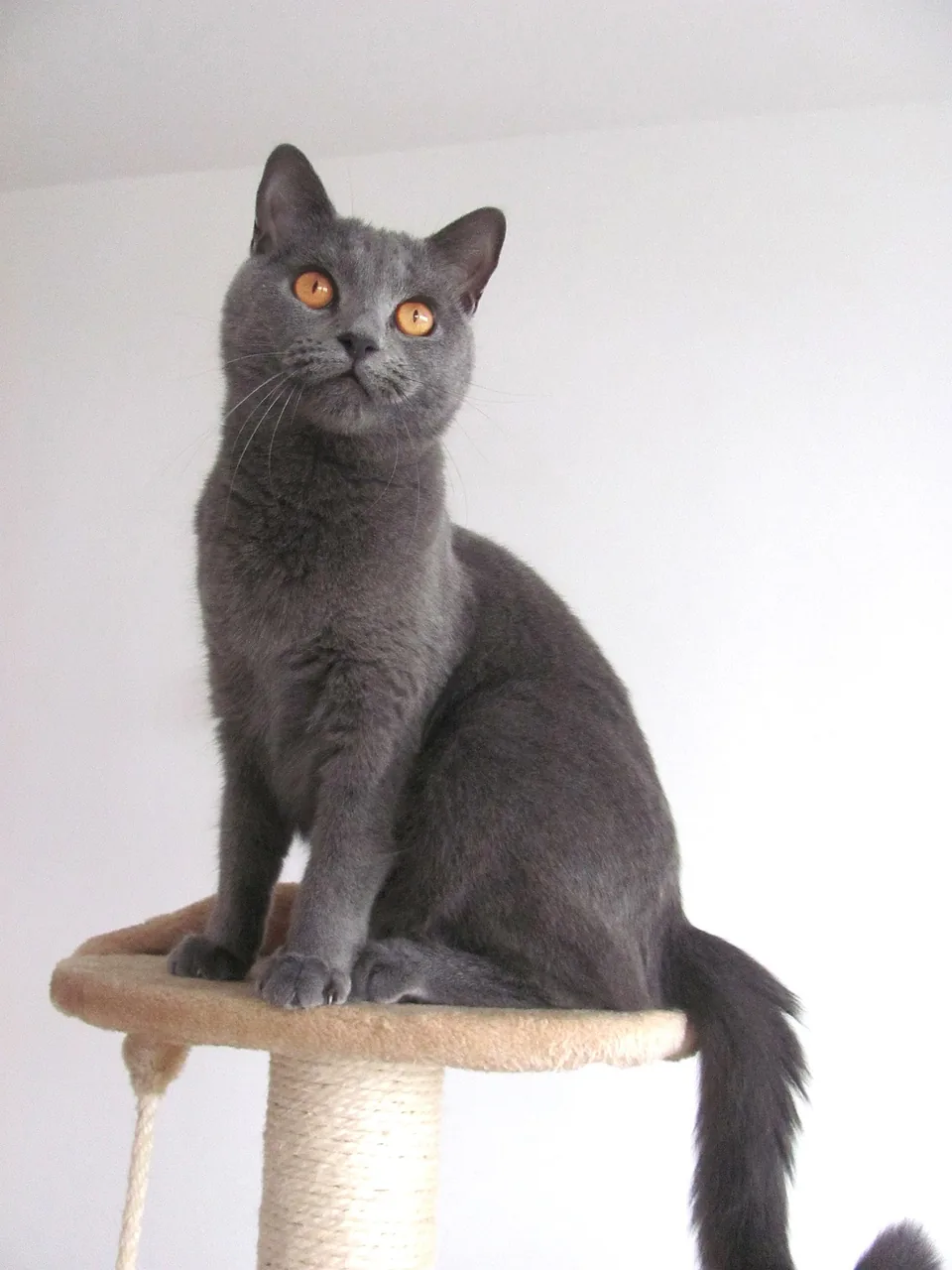
The Chartreux is a robust French breed known for its dense blue-grey coat, round copper-orange eyes and famously sweet, smiling expression. Quiet and observant, it is a calm, loyal companion that bonds closely with its family while keeping its skilled mouser's instincts.

Size
Medium (3–7 kg)
Lifespan
13–17 years
Temperament
Quiet, observant, loyal
Origin
France

Coat & grooming — Short to medium and remarkably dense, with a woolly, water-resistant double coat that stands slightly away from the body and breaks like sheep's fleece. The blue-grey colour ranges from ash to slate, always with copper eyes. A weekly comb keeps it healthy, with more frequent grooming during heavy seasonal sheds; brushing rather than a stripping comb preserves the texture.

Suits — A gentle, easygoing breed that suits families, first-time owners, older people and multi-pet homes alike, and adapts well to flats. Chartreux are quiet, undemanding and patient with children and other animals, attaching firmly to their family while tolerating time alone better than many breeds. They enjoy calm companionship and play but are rarely loud or pushy about it.

Health to watch for

  • Patellar luxation — The kneecap slips out of place, causing intermittent skipping or lameness.
  • Dental disease — Plaque and tartar build-up leads to gum infection and tooth loss.
  • Kidney disease — Kidney disease can occur in this breed and may need veterinary monitoring.
Full Chartreux guide

Best Cat Breeds for First-Time Owners: frequently asked questions

What is the best cat breed for a first-time owner?
The British Shorthair is the standard recommendation — calm, robust, undemanding on grooming and comfortable being left alone during the day. Ragdolls and Birmans suit owners who want a more affectionate cat, and Russian Blues suit quieter homes.
What is the easiest cat breed to look after?
Short-haired, moderate-energy breeds such as the British Shorthair, American Shorthair and Russian Blue. They need weekly grooming rather than daily, have no breed-specific care routine, and are not so active that they need constant enrichment.
Which cat breeds should a first-time owner avoid?
Very active oriental breeds such as the Siamese, Oriental Shorthair and Bengal are demanding of time and attention. Flat-faced breeds such as the Persian and Exotic Shorthair need daily eye cleaning and carry breathing risks. Hairless breeds such as the Sphynx need regular bathing and warmth management.
Is it better to adopt a cat or buy a pedigree?
Adopting is usually both easier and cheaper. A rescue adult comes with a known temperament, is generally litter-trained and neutered, and has been assessed around children and other pets. Pedigree kittens cost considerably more and their adult character is far less predictable.

Before you go

The cats in the meat trade are mostly somebody's pet

An estimated ten million dogs and cats are killed for human consumption across South-East Asia every year, around a million of them cats in Vietnam alone. They are not, for the most part, strays. Investigations consistently find that a large share are stolen pets — taken from yards and doorsteps by collectors and moved across borders in conditions that spread rabies and other disease.

WARN funds partner-led rescue, safe-house capacity and legal advocacy to end that trade in Indonesia and Malaysia. Reform is already coming from inside the region: several major cities have introduced bans or formal commitments to end it.