Cat Breed · England
Cornish Rex
A whippet-like cat with a soft wavy coat and acrobatic energy.
By WARN Research & Conservation TeamLast updated
In brief
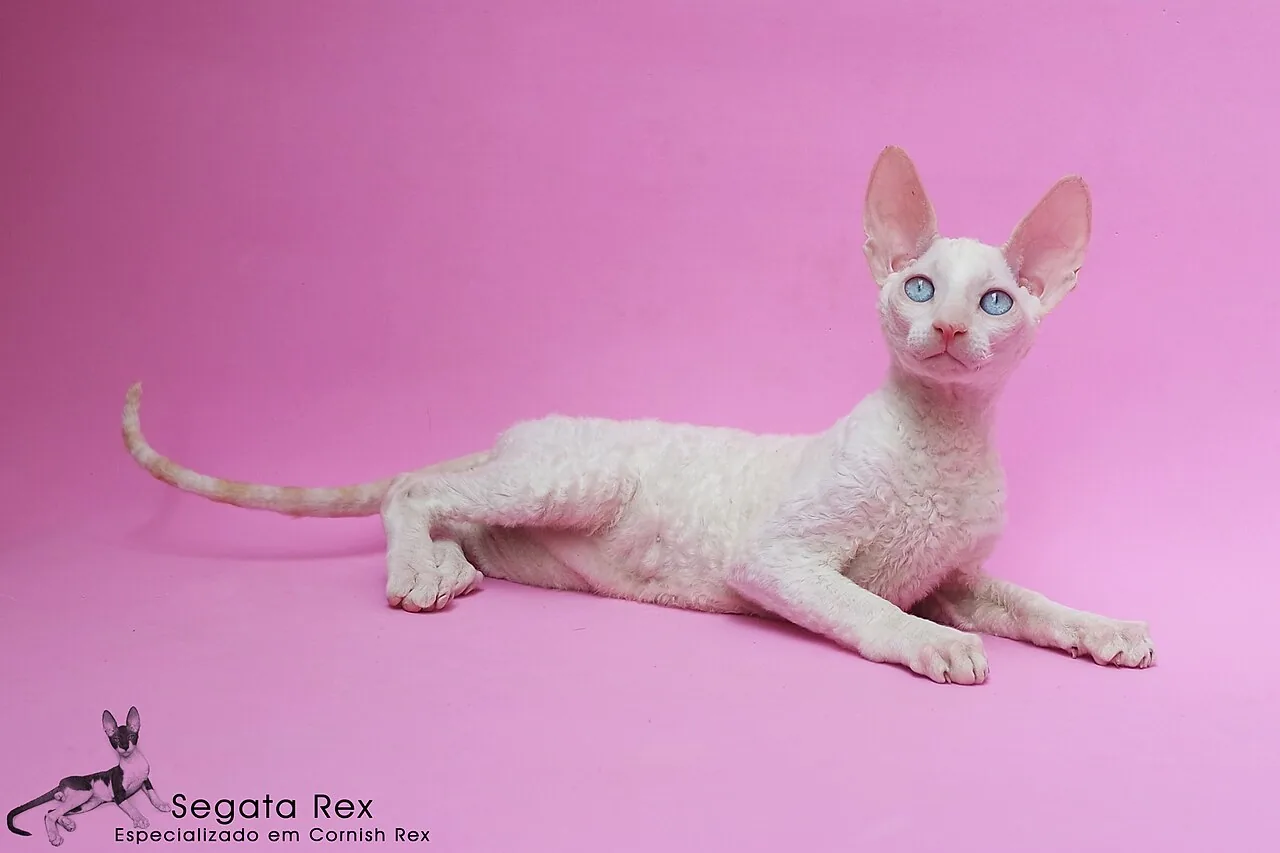
The Cornish Rex is a slender, athletic cat with a soft, wavy coat made up only of fine down, plus a slim greyhound-like body and large ears. Active, agile and affectionate, it stays kitten-like and playful well into adulthood, racing, leaping and seeking out its owner's lap and warmth.
What are the key facts about a Cornish Rex?
The Cornish Rex is a cat breed from England: small (2.5–4.5 kg), active, agile, affectionate. A whippet-like cat with a soft wavy coat and acrobatic energy.
| Origin | England |
|---|---|
| Size | Small (2.5–4.5 kg) |
| Weight | 2.5-4.5 kg (5.5-10 lb) |
| Lifespan | 13–17 years |
| Coat | An exceptionally soft, short, wavy coat consisting only of the fine undercoat (down), with no coarse guard hairs, giving a texture often compared to crushed velvet or astrakhan. Shedding is minimal and grooming is very low-maintenance, but the delicate coat should only be stroked gently rather than brushed firmly. Like the Devon, Cornish Rex cats can be prone to oily skin and benefit from occasional gentle bathing and ear cleaning. |
| Temperament | Active, agile, affectionate |
| Good with | A superb match for active, attentive homes, including families with children and households with other cats and friendly dogs. Cornish Rex cats are sociable, playful and people-loving, disliking long hours alone, so they suit owners who are often home or can provide a companion. Their small size makes flats workable, but their high energy and love of climbing and fetching mean they need plenty of play, vertical space and interaction. |
Is a Cornish Rex a good cat for you?
A Cornish Rex is a good cat when your home matches a superb match for active, attentive homes, including families with children and households with other cats and friendly dogs. cornish rex cats are sociable, playful and people-loving, disliking long hours alone, so they suit owners who are often home or can provide a companion. their small size makes flats workable, but their high energy and love of climbing and fetching mean they need plenty of play, vertical space and interaction.. It is a active, agile, affectionate small (2.5–4.5 kg) breed from England.
A whippet-like cat with a soft wavy coat and acrobatic energy. That one-line pitch is not a care plan. Factor grooming (An exceptionally soft, short, wavy coat consisting only of the fine undercoat (down), with no coarse guard hairs, giving a texture often compared to crushed velvet or astrakhan. Shedding is minimal and grooming is very low-maintenance, but the delicate coat should only be stroked gently rather than brushed firmly. Like the Devon, Cornish Rex cats can be prone to oily skin and benefit from occasional gentle bathing and ear cleaning.), typical adult size (2.5-4.5 kg (5.5-10 lb)), and the health issues listed below before you pay a deposit.
Meet adults of the breed, not only puppies or kittens, and prefer rescue or health-screened homes. A Cornish Rex that looks right in a photo can still be the wrong animal for a small flat, a full-time office job, or a household that wanted a low-energy companion.
What is a Cornish Rex?
A whippet-like cat with a soft wavy coat and acrobatic energy. Origin is England; coat or markings are described as An exceptionally soft, short, wavy coat consisting only of the fine undercoat (down), with no coarse guard hairs, giving a texture often compared to crushed velvet or astrakhan. Shedding is minimal and grooming is very low-maintenance, but the delicate coat should only be stroked gently rather than brushed firmly. Like the Devon, Cornish Rex cats can be prone to oily skin and benefit from occasional gentle bathing and ear cleaning..
Kennel and registry labels describe a type. Individual Cornish Rexs still vary, and rescue animals may be mixes.
Where does the Cornish Rex come from?
Cornish Rexs come from England. The Cornish Rex began in 1950 on a farm in Cornwall, England, when a curly-coated male kitten named Kallibunker appeared in an otherwise ordinary litter.
Breeders recognised the unusual coat as a natural mutation and developed the breed by breeding Kallibunker back to his mother and outcrossing to other cats to widen the gene pool. The breed reached the United States in the late 1950s, where further development gave it its distinctive arched back and fine bone structure. It was officially recognised through the 1960s and remains prized for its plush coat and lively character.
How much care does a Cornish Rex need?
Plan 13–17 years of food, vet care, grooming and time. A Cornish Rex is small (2.5–4.5 kg) (2.5-4.5 kg (5.5-10 lb)) from England, with coat care described as an exceptionally soft, short, wavy coat consisting only of the fine undercoat (down), with no coarse guard hairs, giving a texture often compared to crushed velvet or astrakhan. shedding is minimal and grooming is very low-maintenance, but the delicate coat should only be stroked gently rather than brushed firmly. like the devon, cornish rex cats can be prone to oily skin and benefit from occasional gentle bathing and ear cleaning..
This temperament does not thrive on a 20-minute walk and eight hours alone.
Grooming follows the coat, not a generic clip: An exceptionally soft, short, wavy coat consisting only of the fine undercoat (down), with no coarse guard hairs, giving a texture often compared to crushed velvet or astrakhan. Shedding is minimal and grooming is very low-maintenance, but the delicate coat should only be stroked gently rather than brushed firmly. Like the Devon, Cornish Rex cats can be prone to oily skin and benefit from occasional gentle bathing and ear cleaning.. Keep the animal lean; extra weight is a joint and heart tax, especially in a small cat.
Budget for unexpected vet bills. The health section below is why “cheap to buy” is not the same as cheap to keep.
What surprises people about the Cornish Rex?
A few details about the breed, alongside the practical care information in this guide.
- The whole breed began with one curly kitten, Kallibunker, born on a Cornish farm in 1950.
- Uniquely among cats, the Cornish Rex coat is made up only of soft down with no outer guard hairs, giving it a wash-board wave.
- Even their whiskers and eyebrows are often curly or crinkled rather than straight.
- They are sometimes called the 'greyhound of cats' for their arched back, tucked waist and bursts of fast, agile running.
What health issues should you know about in a Cornish Rex?
Health concerns to discuss with your vet, including changes to watch for and everyday care. This is general guidance, not veterinary advice — always speak to your vet.
Hypertrophic cardiomyopathy (HCM)
Thickening of the heart muscle that may cause sudden illness or heart failure.
Care: Breeding cats should be screened; affected cats may need lifelong medication under veterinary care.
Patellar luxation
The kneecap slips out of place, causing intermittent skipping or lameness.
Care: Mild cases may need weight control only; severe cases can require surgery.
Dental disease
Plaque and tartar build-up leads to gum infection and tooth loss.
Care: Brush teeth regularly and schedule professional dental cleanings as your vet advises.
Who should skip a Cornish Rex?
Skip a Cornish Rex if you are owners who wanted a low-exercise companion. This England cat is small (2.5–4.5 kg) and active, agile, affectionate — the mismatch is usually lifestyle, not a missing accessory.
This page is allowed to say no. Skip if you are owners who wanted a low-exercise companion.
A different cat breed on this site may fit. Wanting “a Cornish Rex” after a film or a colour photo is not a reason to ignore the skip list.
What are the hidden catches with a Cornish Rex?
The hidden cost of a Cornish Rex is usually not the purchase price. It is years of care, the health list on this page, and the mismatch between a active, agile, affectionate animal and a busy home.
The impulse-buy catch
A Cornish Rex from England is often sold on looks. Coat, colour and size are not a temperament test. Meet the adult animal, ask about health screening, and walk away from pressure sales.
The hypertrophic cardiomyopathy (hcm) catch
Thickening of the heart muscle that may cause sudden illness or heart failure. Breeding cats should be screened; affected cats may need lifelong medication under veterinary care.
The patellar luxation catch
The kneecap slips out of place, causing intermittent skipping or lameness. Mild cases may need weight control only; severe cases can require surgery.
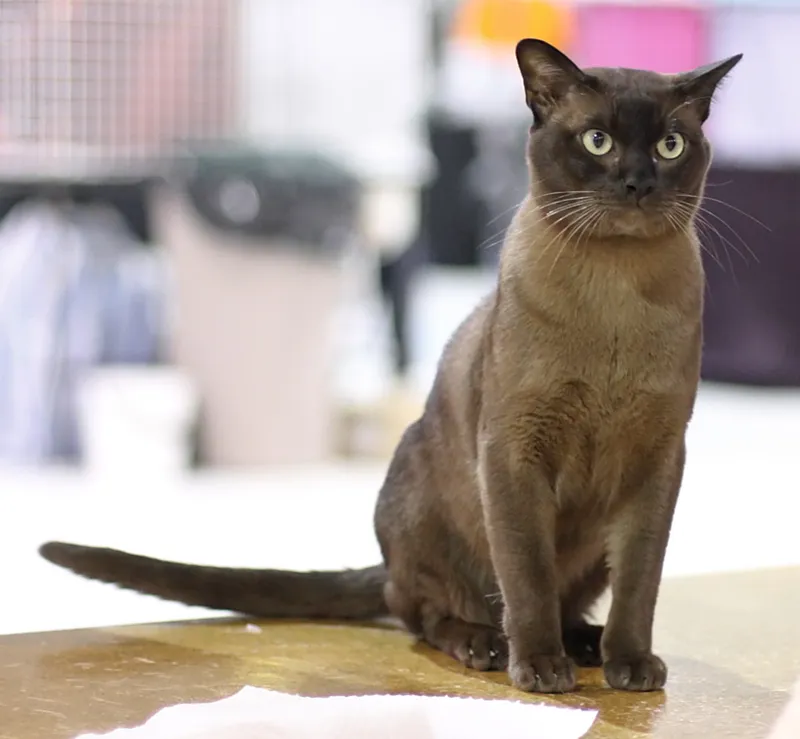
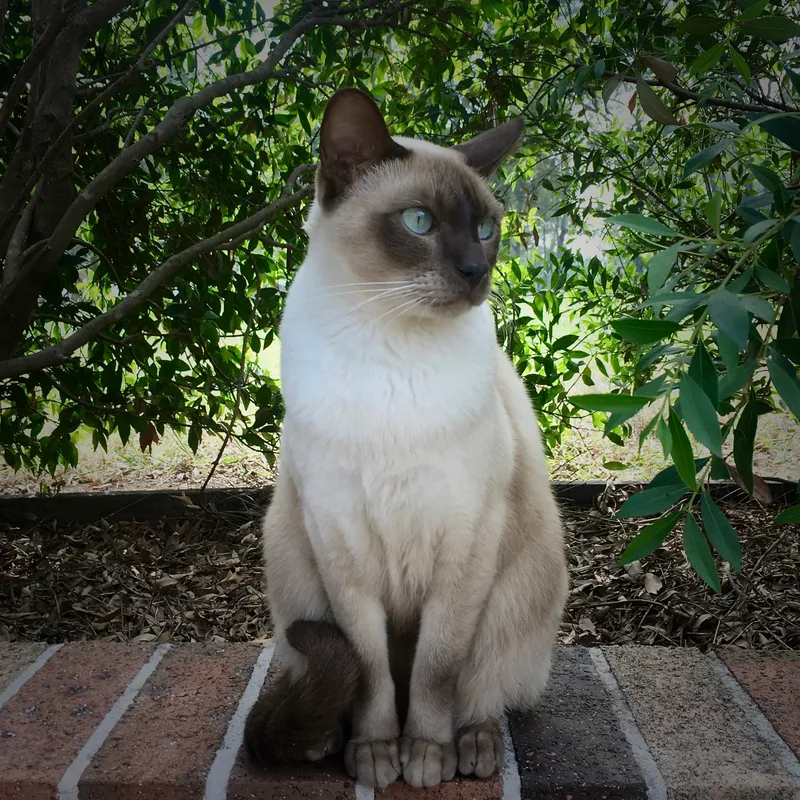
How does a Cornish Rex compare with Burmese and Tonkinese?
A Cornish Rex is not interchangeable with Burmese and Tonkinese. Compare origin, size, lifespan and temperament before you choose — those four lines prevent most regret.
| Cat fact | Cornish Rex | Burmese | Tonkinese |
|---|---|---|---|
| Origin | England | Burma/United States | United States |
| Size | Small (2.5–4.5 kg) | Medium (4–6 kg) | Medium (2.5–5.5 kg) |
| Lifespan | 13–17 years | 13–17 years | 13–17 years |
| Temperament | Active, agile, affectionate | People-oriented, playful, vocal | Social, playful, talkative |
What is the verdict on the Cornish Rex?
Choose a Cornish Rex only if the care, skip-if and health sections still look like your life after a week of thinking. Otherwise pick a different cat or wait. Rescue is usually the better first door than a waiting-list puppy or kitten.
If the match is real, budget for 13–17 years of vet care and do not skip health screening. If it is not, walking away is the kind choice — for you and for the animal.
Every cat deserves a chance
Whatever breed you love, countless cats live without a home or care. A symbolic adoption or a gift to WARN funds community-cat welfare — neutering, vaccination and treatment for cats most people never see.