Cat Breed · France
Chartreux
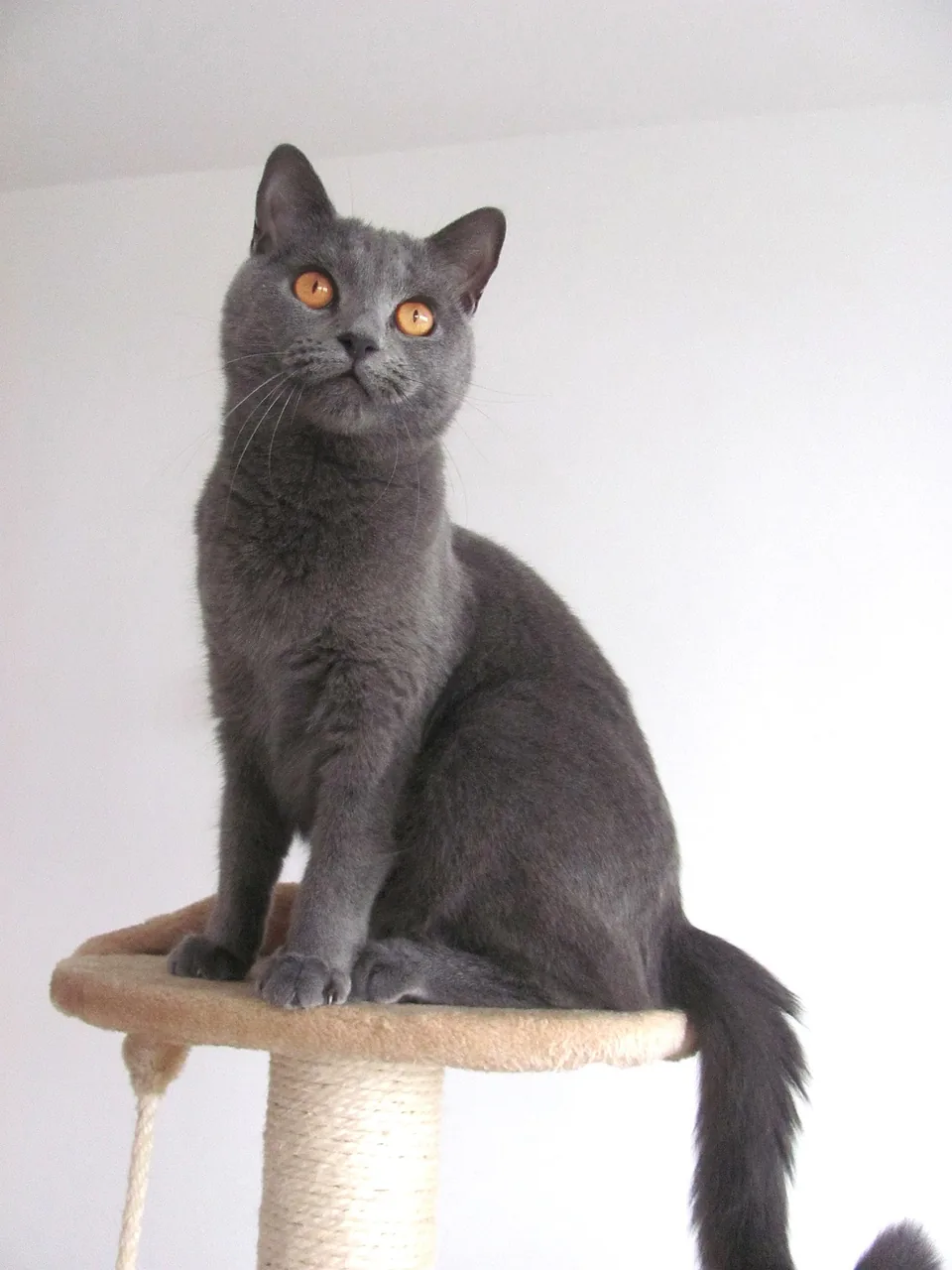
A blue-grey muscular cat with copper eyes and a smiling expression.
By WARN Research & Conservation TeamLast updated
In brief
The Chartreux is a robust French breed known for its dense blue-grey coat, round copper-orange eyes and famously sweet, smiling expression. Quiet and observant, it is a calm, loyal companion that bonds closely with its family while keeping its skilled mouser's instincts.
What are the key facts about a Chartreux?
The Chartreux is a cat breed from France: medium (3–7 kg), quiet, observant, loyal. A blue-grey muscular cat with copper eyes and a smiling expression.
| Origin | France |
|---|---|
| Size | Medium (3–7 kg) |
| Weight | 3-7 kg (7-16 lb); the powerfully built males are noticeably heavier than the more refined females |
| Lifespan | 13–17 years |
| Coat | Short to medium and remarkably dense, with a woolly, water-resistant double coat that stands slightly away from the body and breaks like sheep's fleece. The blue-grey colour ranges from ash to slate, always with copper eyes. A weekly comb keeps it healthy, with more frequent grooming during heavy seasonal sheds; brushing rather than a stripping comb preserves the texture. |
| Temperament | Quiet, observant, loyal |
| Good with | A gentle, easygoing breed that suits families, first-time owners, older people and multi-pet homes alike, and adapts well to flats. Chartreux are quiet, undemanding and patient with children and other animals, attaching firmly to their family while tolerating time alone better than many breeds. They enjoy calm companionship and play but are rarely loud or pushy about it. |
Is a Chartreux a good cat for you?
A Chartreux is a good cat when your home matches a gentle, easygoing breed that suits families, first-time owners, older people and multi-pet homes alike, and adapts well to flats. chartreux are quiet, undemanding and patient with children and other animals, attaching firmly to their family while tolerating time alone better than many breeds. they enjoy calm companionship and play but are rarely loud or pushy about it.. It is a quiet, observant, loyal medium (3–7 kg) breed from France.
A blue-grey muscular cat with copper eyes and a smiling expression. That one-line pitch is not a care plan. Factor grooming (Short to medium and remarkably dense, with a woolly, water-resistant double coat that stands slightly away from the body and breaks like sheep's fleece. The blue-grey colour ranges from ash to slate, always with copper eyes. A weekly comb keeps it healthy, with more frequent grooming during heavy seasonal sheds; brushing rather than a stripping comb preserves the texture.), typical adult size (3-7 kg (7-16 lb); the powerfully built males are noticeably heavier than the more refined females), and the health issues listed below before you pay a deposit.
Meet adults of the breed, not only puppies or kittens, and prefer rescue or health-screened homes. A Chartreux that looks right in a photo can still be the wrong animal for a small flat, a full-time office job, or a household that wanted a low-energy companion.
What is a Chartreux?
A blue-grey muscular cat with copper eyes and a smiling expression. Origin is France; coat or markings are described as Short to medium and remarkably dense, with a woolly, water-resistant double coat that stands slightly away from the body and breaks like sheep's fleece. The blue-grey colour ranges from ash to slate, always with copper eyes. A weekly comb keeps it healthy, with more frequent grooming during heavy seasonal sheds; brushing rather than a stripping comb preserves the texture..
Kennel and registry labels describe a type. Individual Chartreuxs still vary, and rescue animals may be mixes.
Where does the Chartreux come from?
Chartreuxs come from France. The Chartreux is an old French breed whose blue-grey cats were described in France from at least the 18th century, with one charming legend tying them to the Carthusian monks of the Grande Chartreuse monastery, though there is little firm evidence the monks actually kept them.
Long valued for their thick pelts and superb hunting skills, the cats nearly vanished after the two World Wars, and dedicated breeders rebuilt the population, sometimes outcrossing to British and Russian blues to preserve it. The naturalist Buffon referenced the cats centuries ago, and they remain a cherished part of French feline heritage. Tradition holds that Chartreux are given names from a single letter assigned to each birth year.
How much care does a Chartreux need?
Plan 13–17 years of food, vet care, grooming and time. A Chartreux is medium (3–7 kg) (3-7 kg (7-16 lb); the powerfully built males are noticeably heavier than the more refined females) from France, with coat care described as short to medium and remarkably dense, with a woolly, water-resistant double coat that stands slightly away from the body and breaks like sheep's fleece. the blue-grey colour ranges from ash to slate, always with copper eyes. a weekly comb keeps it healthy, with more frequent grooming during heavy seasonal sheds; brushing rather than a stripping comb preserves the texture..
Match daily exercise to the quiet, observant, loyal temperament rather than to Instagram.
Grooming follows the coat, not a generic clip: Short to medium and remarkably dense, with a woolly, water-resistant double coat that stands slightly away from the body and breaks like sheep's fleece. The blue-grey colour ranges from ash to slate, always with copper eyes. A weekly comb keeps it healthy, with more frequent grooming during heavy seasonal sheds; brushing rather than a stripping comb preserves the texture.. Keep the animal lean; extra weight is a joint and heart tax, especially in a medium cat.
Budget for unexpected vet bills. The health section below is why “cheap to buy” is not the same as cheap to keep.
What surprises people about the Chartreux?
A few details about the breed, alongside the practical care information in this guide.
- French author Colette adored her Chartreux cats and wrote about them, helping cement the breed's place in French culture.
- By a long-standing pedigree convention, all Chartreux registered in a given year are given names beginning with the same assigned letter of the alphabet.
- They are often described as a 'potato on toothpicks', with a hefty, muscular body set on comparatively fine-boned legs.
- Chartreux are notably quiet cats; some rarely meow at all and instead communicate with chirps and an expressive gaze.
What health issues should you know about in a Chartreux?
Health concerns to discuss with your vet, including changes to watch for and everyday care. This is general guidance, not veterinary advice — always speak to your vet.
Patellar luxation
The kneecap slips out of place, causing intermittent skipping or lameness.
Care: Mild cases may need weight control only; severe cases can require surgery.
Dental disease
Plaque and tartar build-up leads to gum infection and tooth loss.
Care: Brush teeth regularly and schedule professional dental cleanings as your vet advises.
Kidney disease
Kidney disease can occur in this breed and may need veterinary monitoring.
Care: Discuss prevention and treatment with your vet.
Who should skip a Chartreux?
Skip a Chartreux if you are homes that cannot match a quiet, observant, loyal medium (3–7 kg) cat from France. This France cat is medium (3–7 kg) and quiet, observant, loyal — the mismatch is usually lifestyle, not a missing accessory.
This page is allowed to say no. Skip if you are homes that cannot match a quiet, observant, loyal medium (3–7 kg) cat from France.
A different cat breed on this site may fit. Wanting “a Chartreux” after a film or a colour photo is not a reason to ignore the skip list.
What are the hidden catches with a Chartreux?
The hidden cost of a Chartreux is usually not the purchase price. It is years of care, the health list on this page, and the mismatch between a quiet, observant, loyal animal and a busy home.
The impulse-buy catch
A Chartreux from France is often sold on looks. Coat, colour and size are not a temperament test. Meet the adult animal, ask about health screening, and walk away from pressure sales.
The patellar luxation catch
The kneecap slips out of place, causing intermittent skipping or lameness. Mild cases may need weight control only; severe cases can require surgery.
The dental disease catch
Plaque and tartar build-up leads to gum infection and tooth loss. Brush teeth regularly and schedule professional dental cleanings as your vet advises.
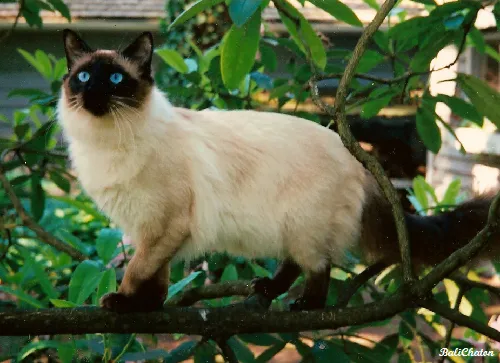
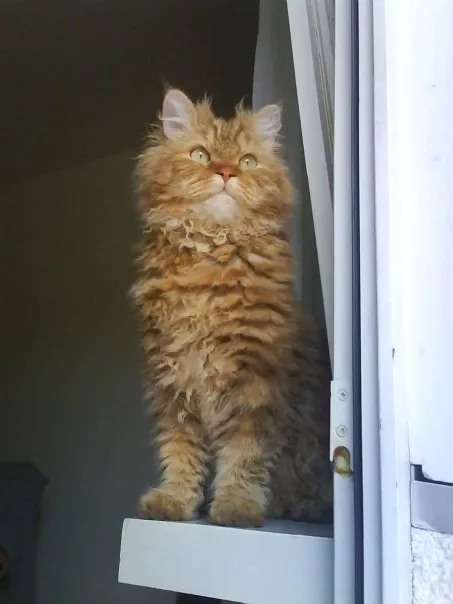
How does a Chartreux compare with Balinese and Selkirk Rex?
A Chartreux is not interchangeable with Balinese and Selkirk Rex. Compare origin, size, lifespan and temperament before you choose — those four lines prevent most regret.
| Cat fact | Chartreux | Balinese | Selkirk Rex |
|---|---|---|---|
| Origin | France | United States | United States |
| Size | Medium (3–7 kg) | Medium (2.5–5 kg) | Medium (3–7 kg) |
| Lifespan | 13–17 years | 13–17 years | 13–17 years |
| Temperament | Quiet, observant, loyal | Vocal, affectionate, intelligent | Patient, tolerant, cuddly |
What is the verdict on the Chartreux?
Choose a Chartreux only if the care, skip-if and health sections still look like your life after a week of thinking. Otherwise pick a different cat or wait. Rescue is usually the better first door than a waiting-list puppy or kitten.
If the match is real, budget for 13–17 years of vet care and do not skip health screening. If it is not, walking away is the kind choice — for you and for the animal.
Every cat deserves a chance
Whatever breed you love, countless cats live without a home or care. A symbolic adoption or a gift to WARN funds community-cat welfare — neutering, vaccination and treatment for cats most people never see.