Reptiles & amphibians · 16 species guides
Amphibians: Frogs, Toads, Salamanders & Newts
Amphibians are moist-skinned vertebrates that typically need water or damp habitat for breeding, including frogs, toads, salamanders, newts and caecilians; many have a larval aquatic stage, and as a class they are the most threatened vertebrates assessed on the IUCN Red List.
- Skin
- Moist and permeable in amphibians; dry and scaly in reptiles. A “wet lizard” is usually a salamander.
- Frog versus toad
- Frogs typically have longer hind legs and smoother skin; toads are stockier with drier, bumpier skin — useful rules with exceptions.
- Larvae
- Many frogs and salamanders have aquatic larvae with gills; reptiles hatch as miniature adults.
- Caecilians
- Limbless, worm-like amphibians of the tropics — neither snakes nor earthworms.
Amphibians bridge water and land. Permeable skin, aquatic larvae in many species, and eggs that usually need moisture make them sensitive to pollution, drought and the chytrid fungus pandemic. Everyday identification starts with frog versus toad, salamander versus lizard, and newt versus salamander. Poison dart frogs add the myth that they manufacture toxin — they sequester it from diet instead.
As a class, amphibians are the most threatened vertebrates on current IUCN assessments. Wetland drainage hits them before most other groups notice. Caecilians, limbless tropical amphibians, are often mistaken for worms or snakes and barely appear in popular coverage. Captive-bred dart frogs fed on fruit flies remain non-toxic for life — a fact that matters when the pet trade is discussed. This type page holds the moist-skin rules; the guides behind it carry Red List detail. WARN amphibian guides linked here cover frogs, toads, salamanders, newts, axolotls and caecilians with Red List context where assessed. Anyone finding a moist-skinned four-legged animal on a wet path should assume amphibian first and avoid handling with dry hands or sunscreen residue.
Key facts
- Amphibians are the most threatened vertebrate class on current IUCN assessments.
- Chytrid fungus has driven declines and extinctions across continents.
- Frogs and toads are both anurans; the names are everyday, not strict clades.
- Poison dart frogs sequester toxins from diet; captive-bred animals are non-toxic.
- Caecilians are limbless amphibians, often mistaken for worms or snakes.
- Wetland drainage and pollution hit amphibians before most other vertebrates notice.
How to recognise them
The features that separate this group in the field, in the order they are usually most useful.
- Skin
- Moist and permeable in amphibians; dry and scaly in reptiles. A “wet lizard” is usually a salamander.
- Frog versus toad
- Frogs typically have longer hind legs and smoother skin; toads are stockier with drier, bumpier skin — useful rules with exceptions.
- Larvae
- Many frogs and salamanders have aquatic larvae with gills; reptiles hatch as miniature adults.
- Caecilians
- Limbless, worm-like amphibians of the tropics — neither snakes nor earthworms.
- The confusion pairs
- Salamander versus lizard: moist skin versus scales. Fire salamander versus newt: lifestyle and breeding mode differ by species.
16 amphibians guides
Search or filter by conservation status. Every guide carries sourced facts, IUCN status and FAQs.
Common names, scientific names and places are searchable.
Showing 1–16 of 16 guides
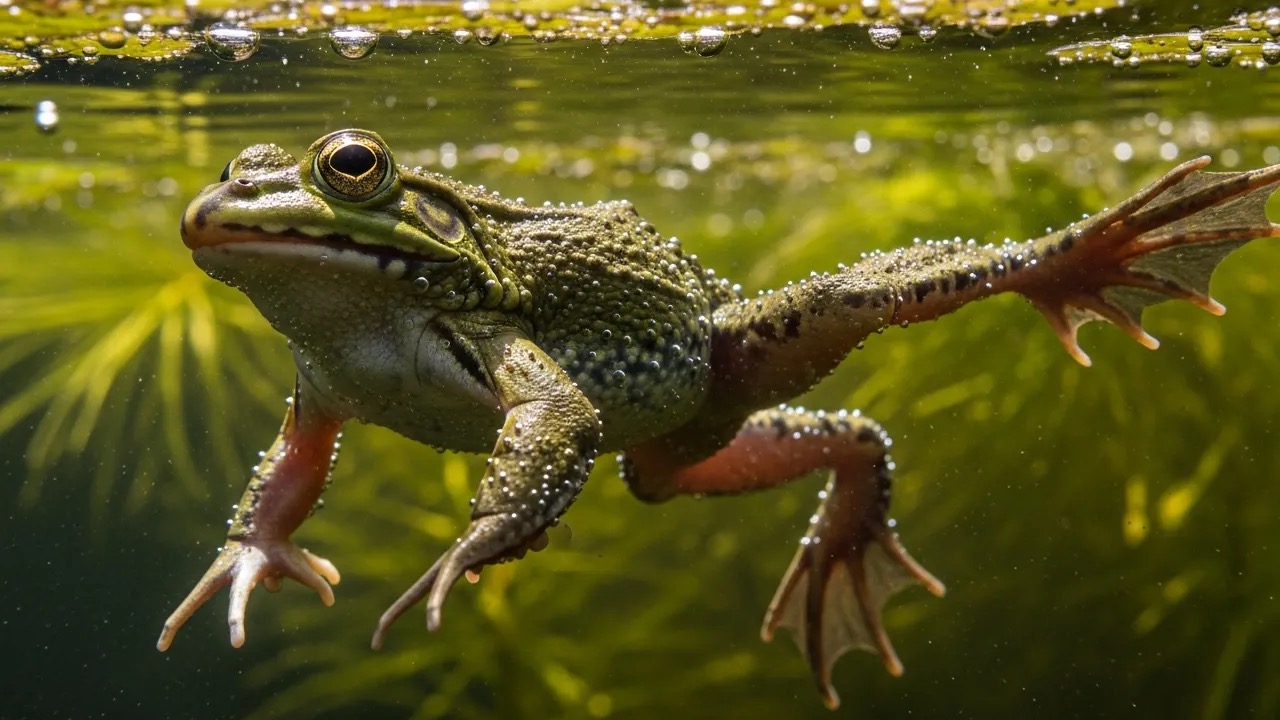
Amphibians
AAfrican Clawed Frog
Xenopus laevis
The fully aquatic lab and pet frog
Africa
Open guide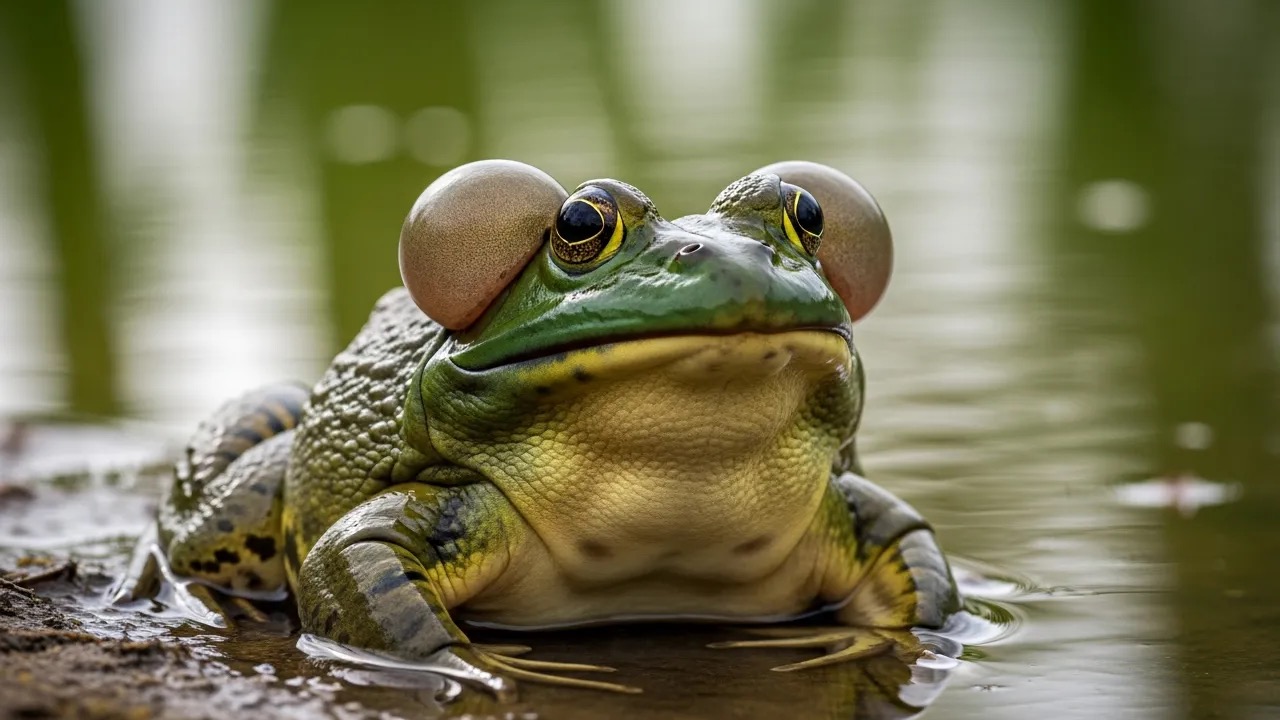
Amphibians
AAmerican Bullfrog
Lithobates catesbeianus
North America's largest and loudest frog
North America
Open guide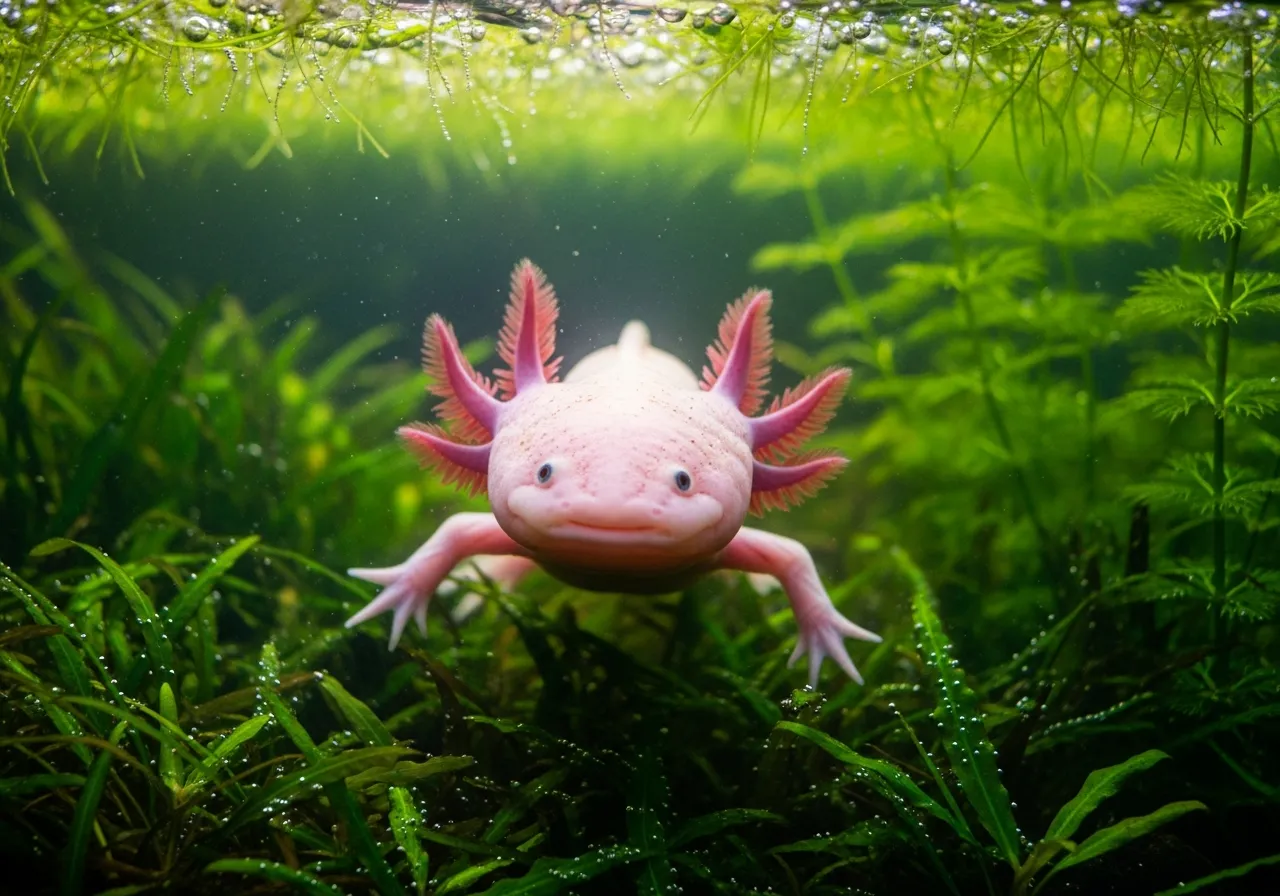
Amphibians
AAxolotl
Ambystoma mexicanum
The eternal baby salamander that regrows its own limbs
Mexico
Open guide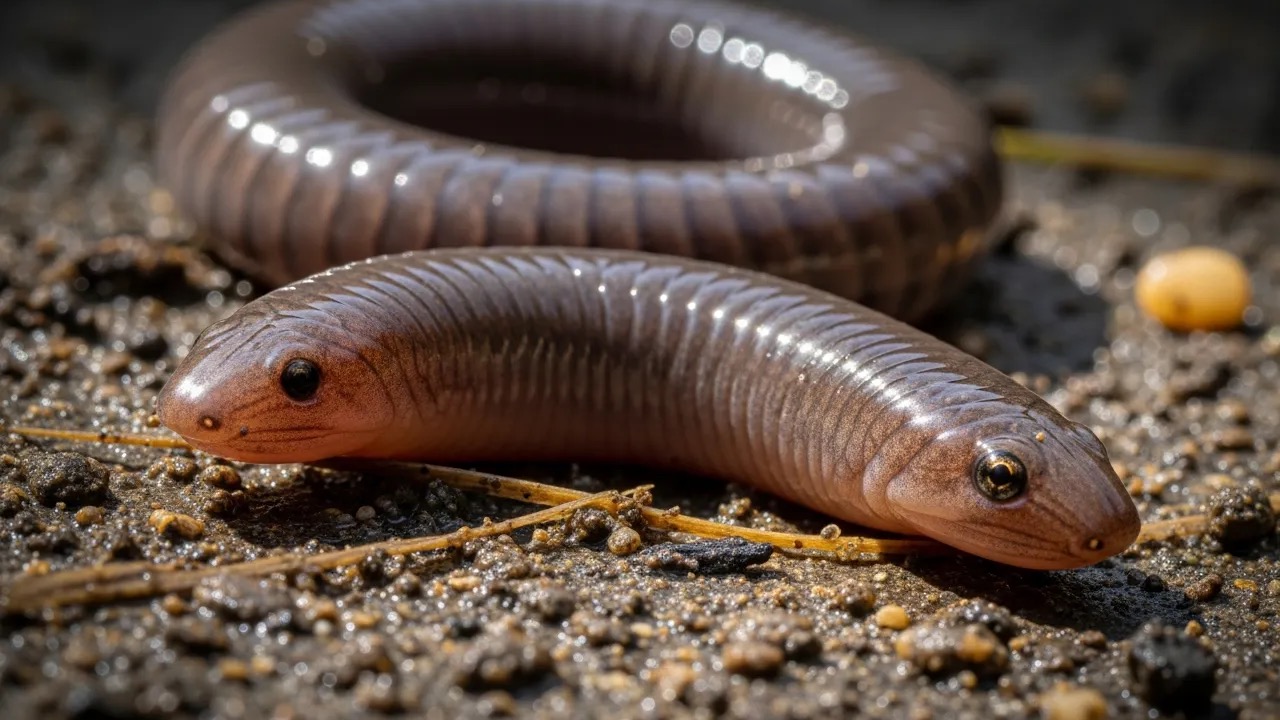
Amphibians
CCaecilian
Gymnophiona
The limbless, burrowing amphibians
Africa · Asia
Open guide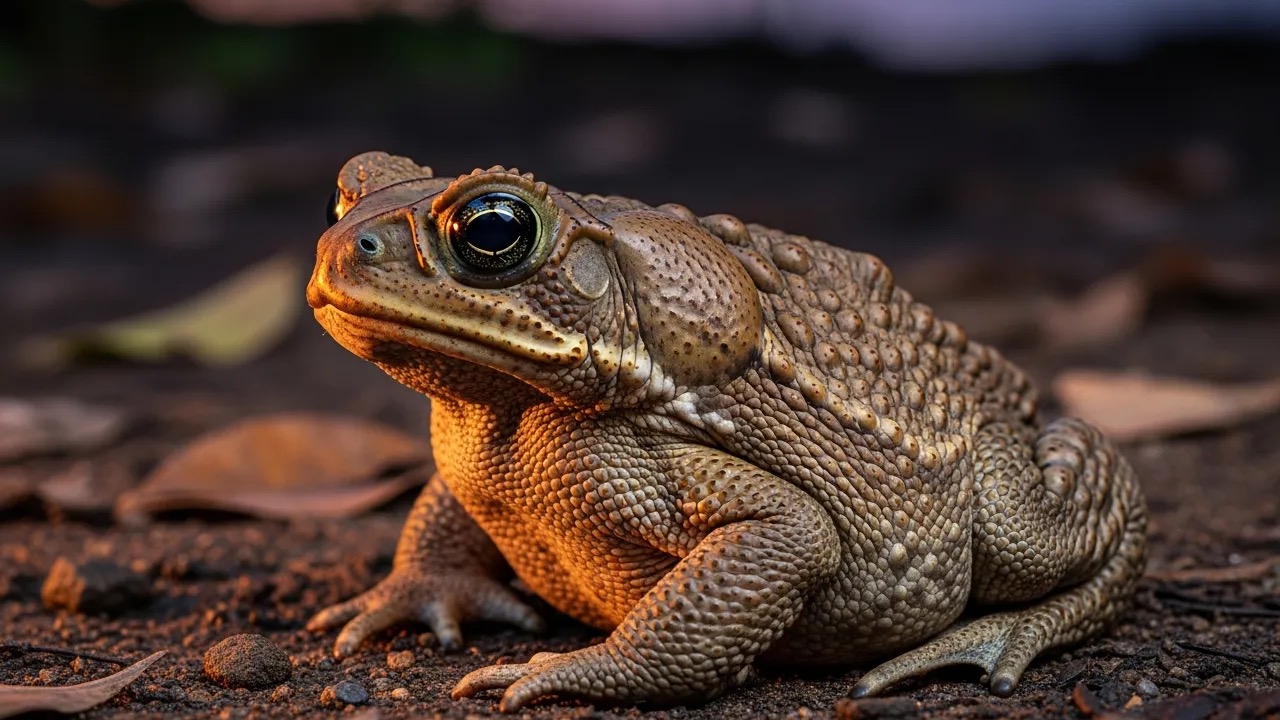
Amphibians
CCane Toad
Rhinella marina
A large, toxic toad turned invasive pest
North America · South America
Open guide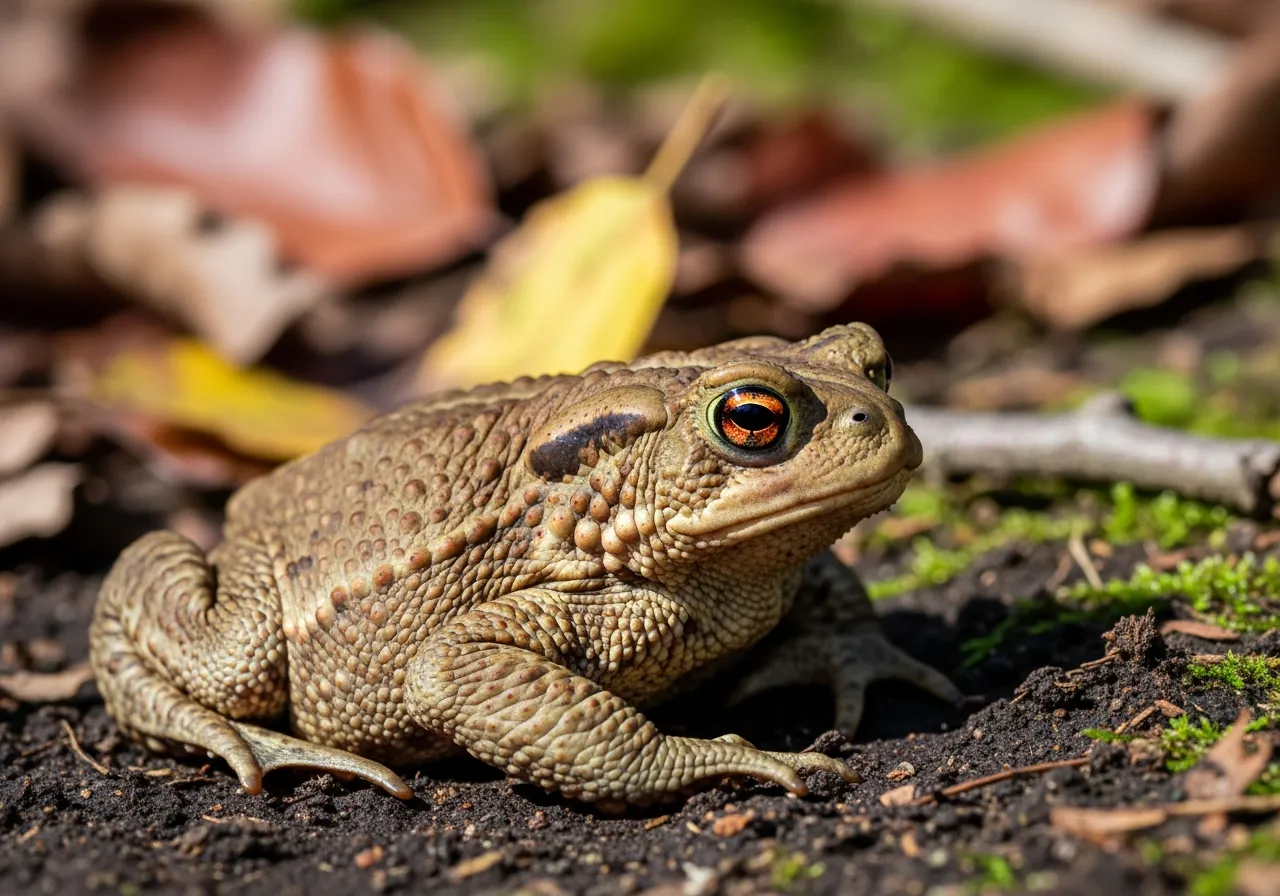
Amphibians
CCommon Toad
Bufo bufo
The warty wanderer of European ponds and gardens.
United Kingdom and Ireland · Mainland Europe
Open guide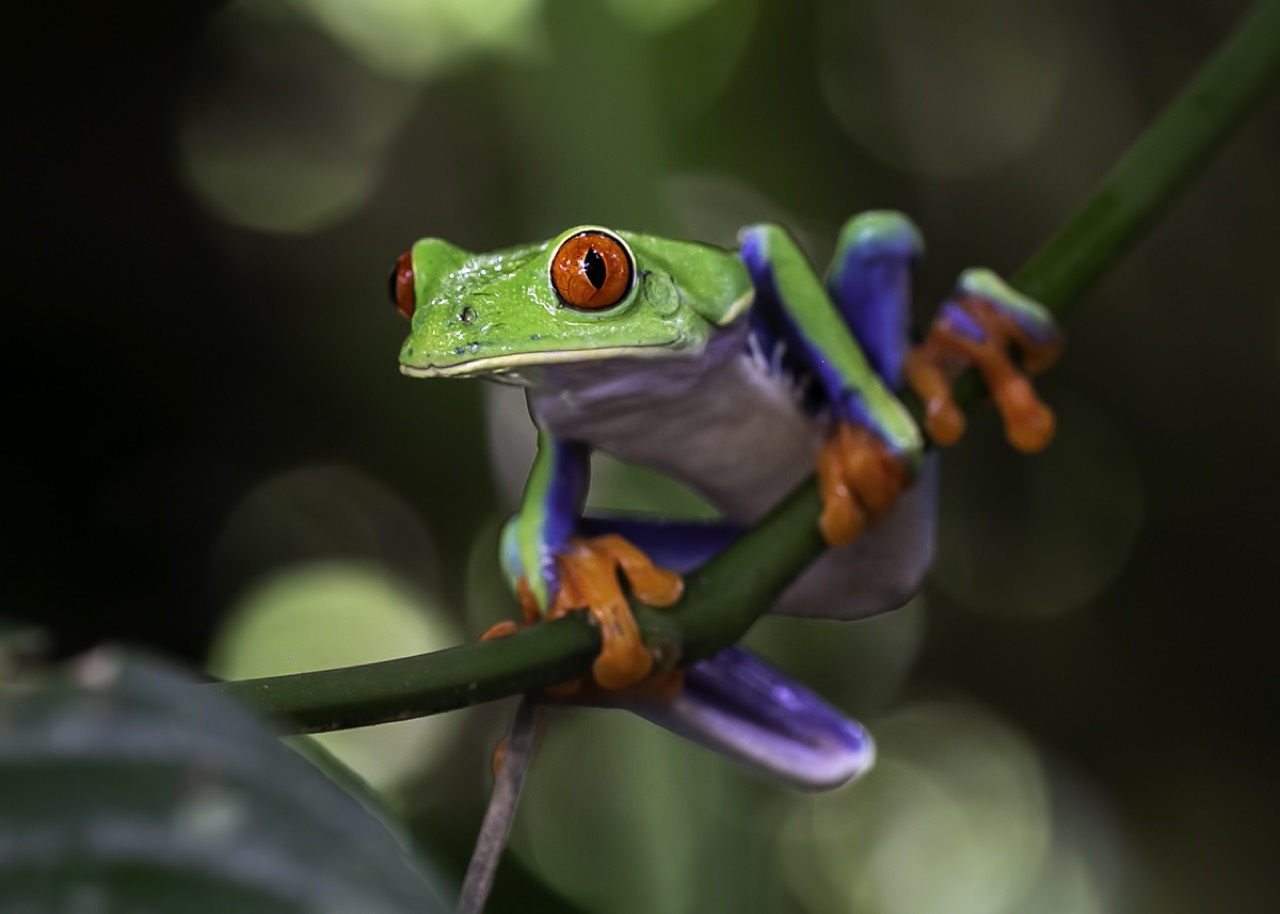
Amphibians
FFrog
Anura
More than 7,700 species, and one of the planet's clearest warning signs.
Worldwide
Open guide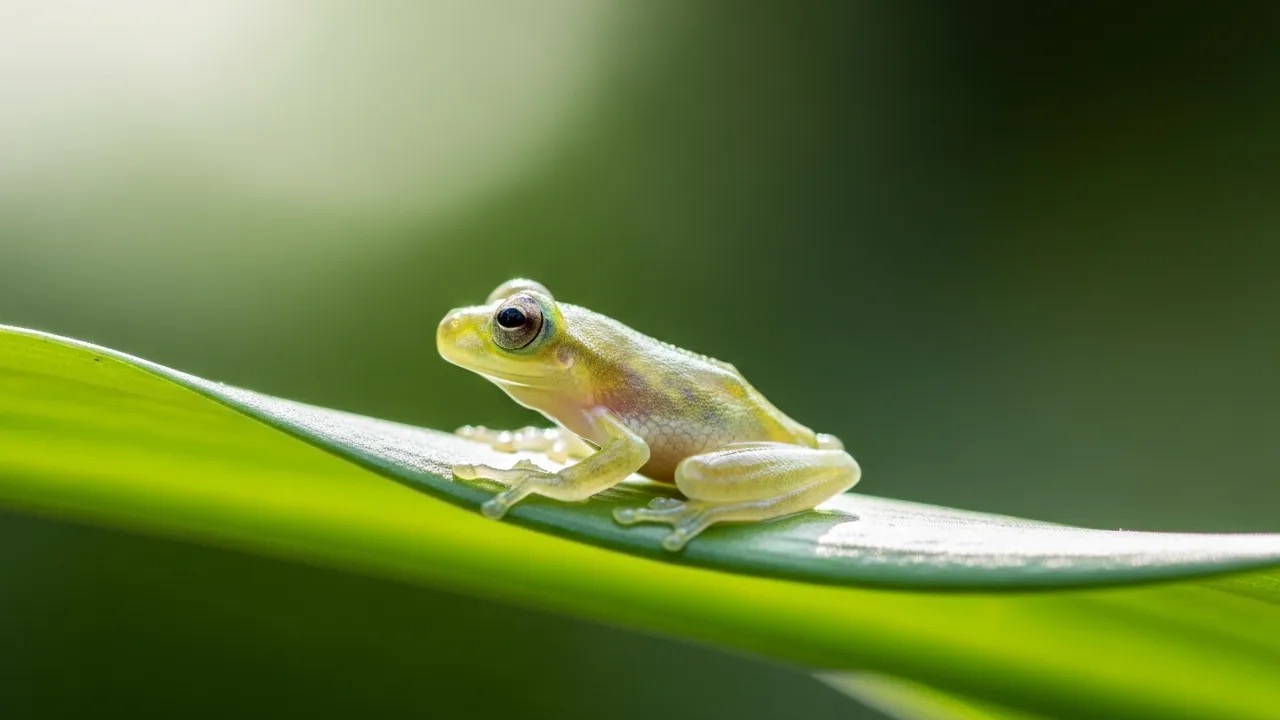
Amphibians
GGlass Frog
Hyalinobatrachium valerioi
The frog with see-through skin
North America · South America
Open guide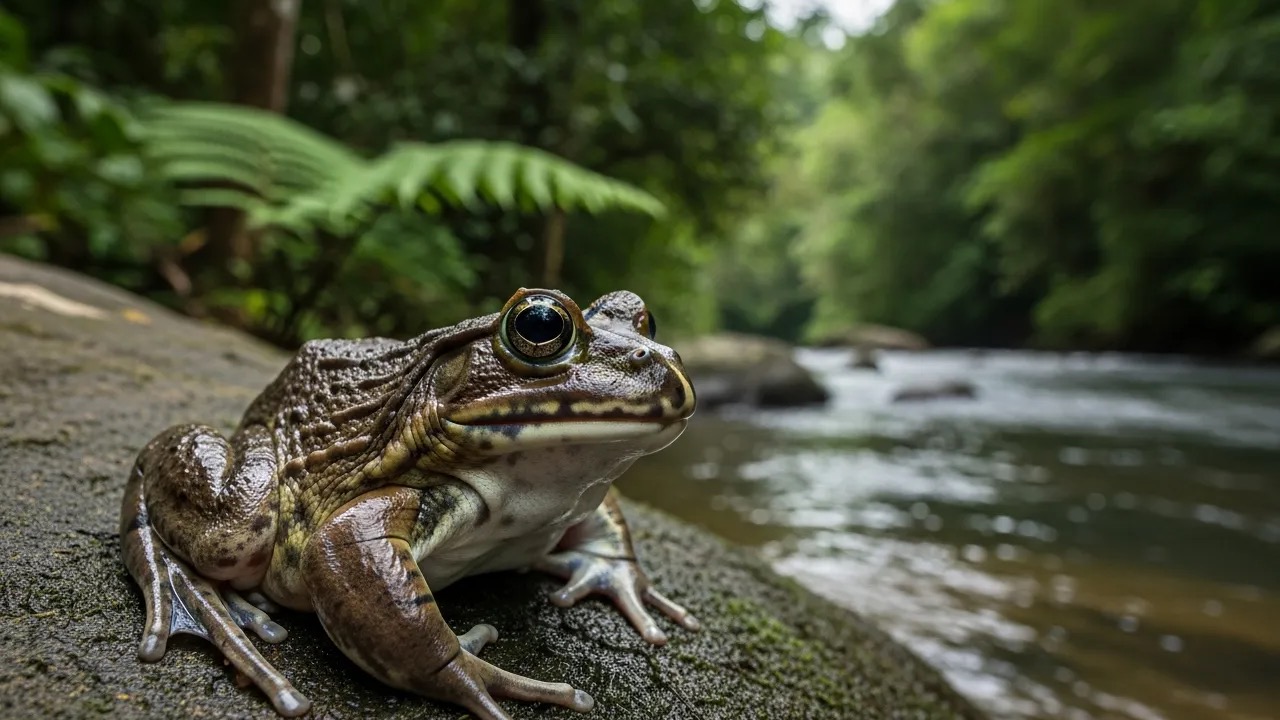
Amphibians
GGoliath Frog
Conraua goliath
The largest frog on Earth
Africa
Open guide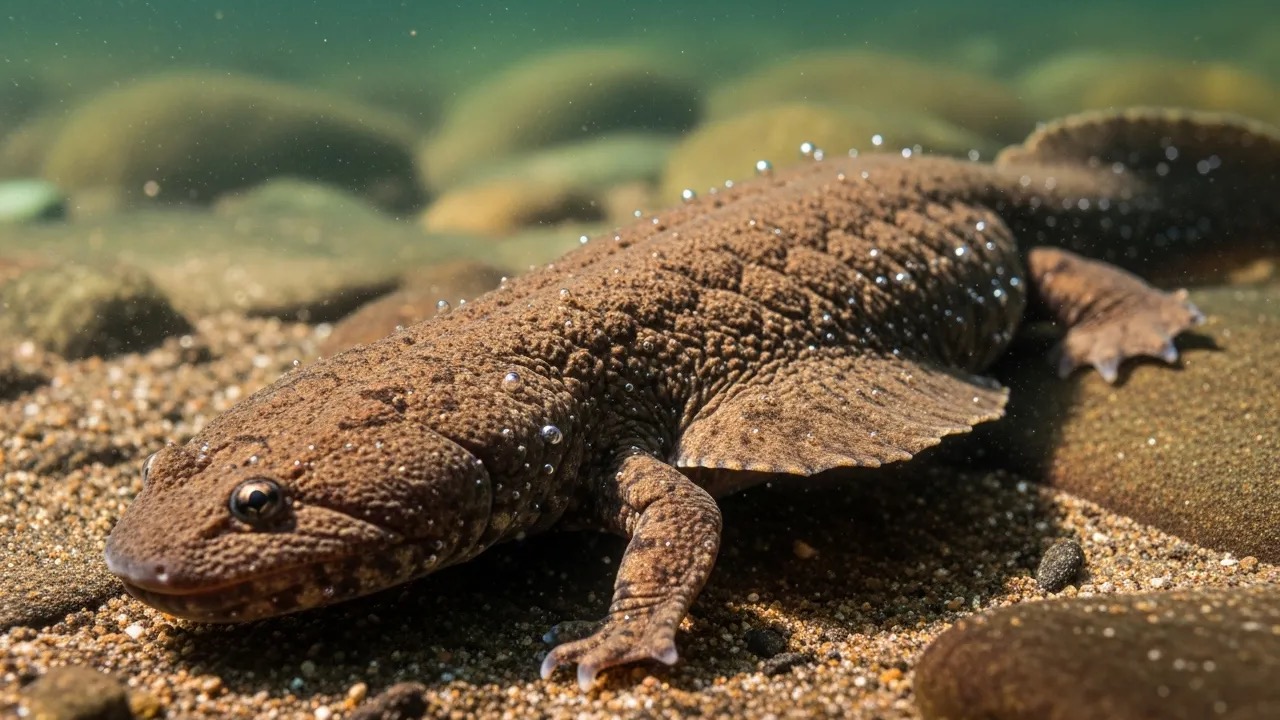
Amphibians
HHellbender
Cryptobranchus alleganiensis
North America's giant, fully aquatic salamander
North America
Open guide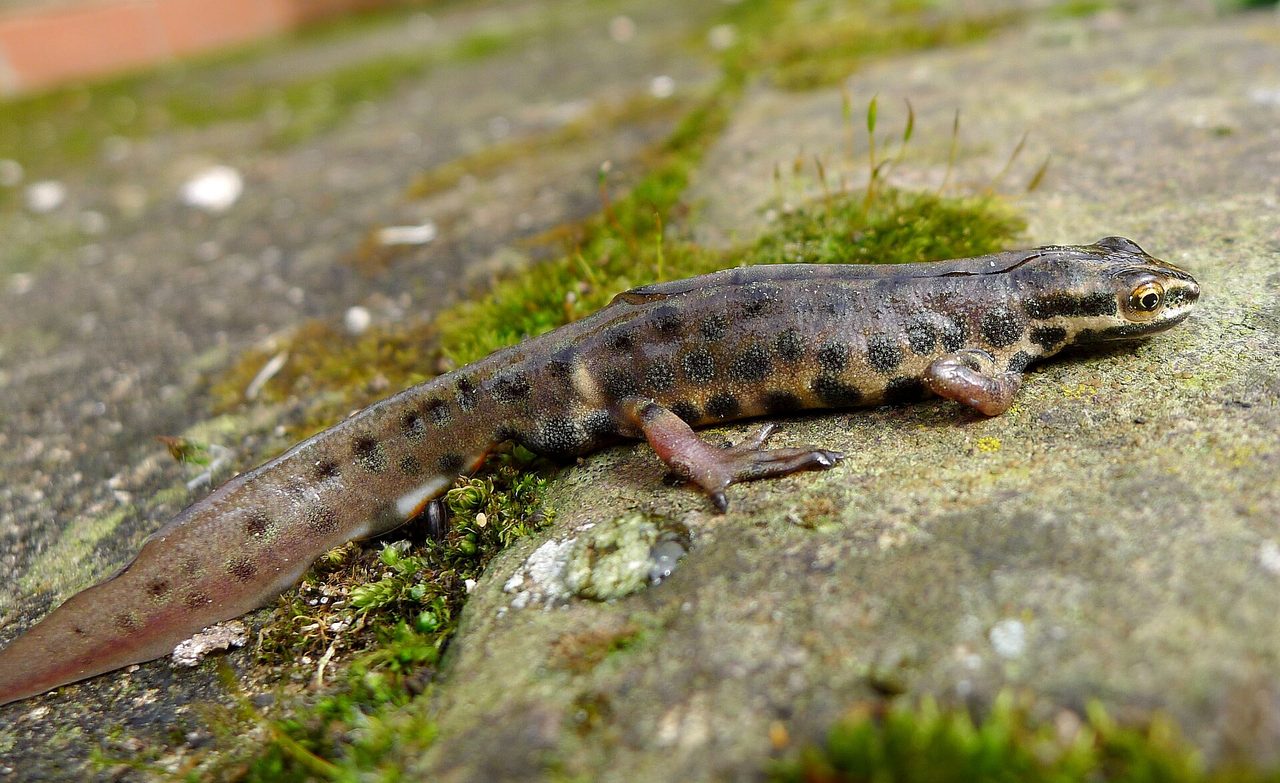
Amphibians
NNewt
Subfamily Pleurodelinae
The pond-dwelling salamanders that regrow their own limbs.
Europe · North America
Open guide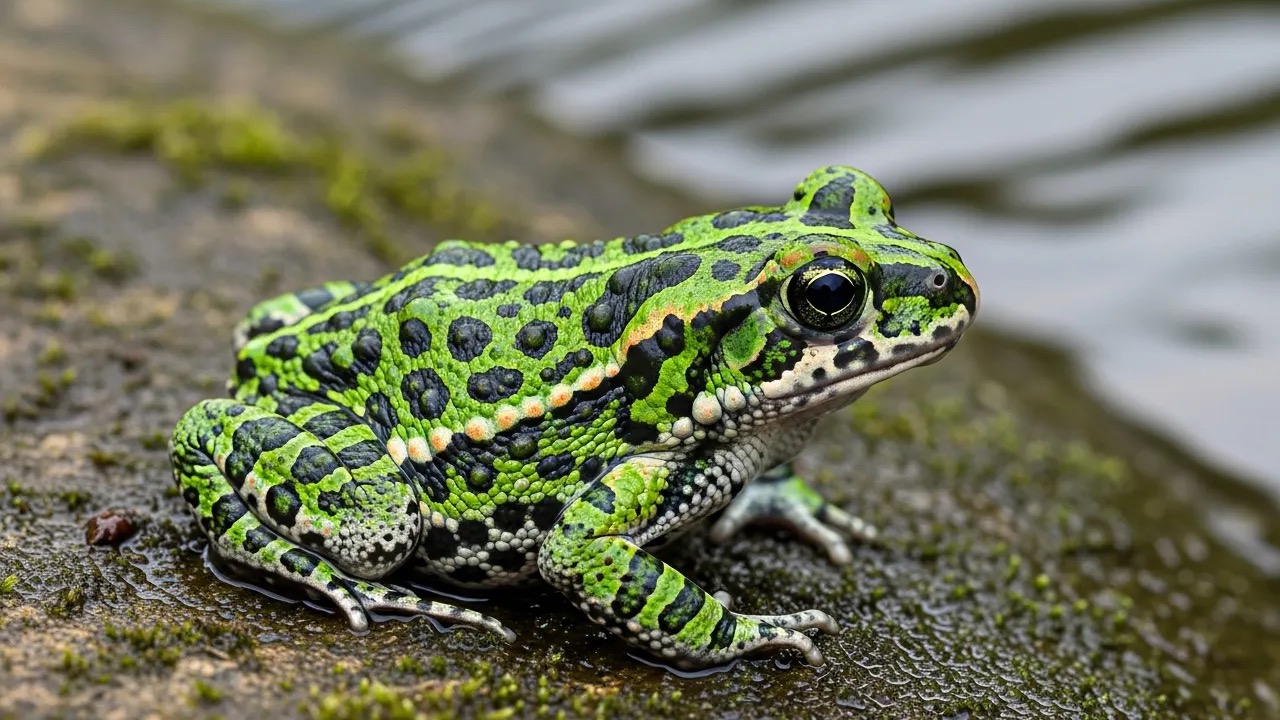
Amphibians
OOriental Fire-bellied Toad
Bombina orientalis
The green toad with a warning-red belly
Asia
Open guide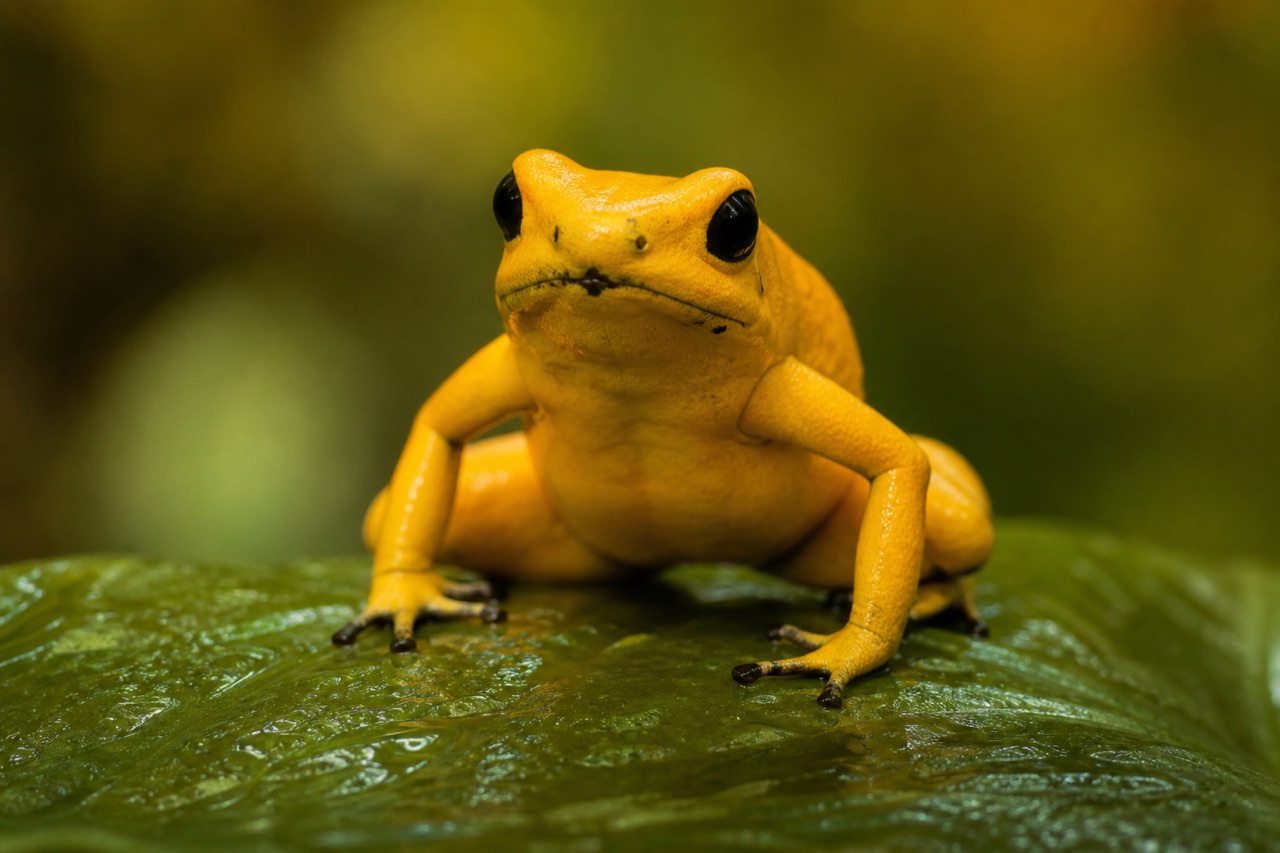
Amphibians
PPoison Dart Frog
Family Dendrobatidae (Cope, 1865) — around 200 species
The colours are a warning label — and the poison is borrowed from lunch.
Central America · Northern South America
Open guide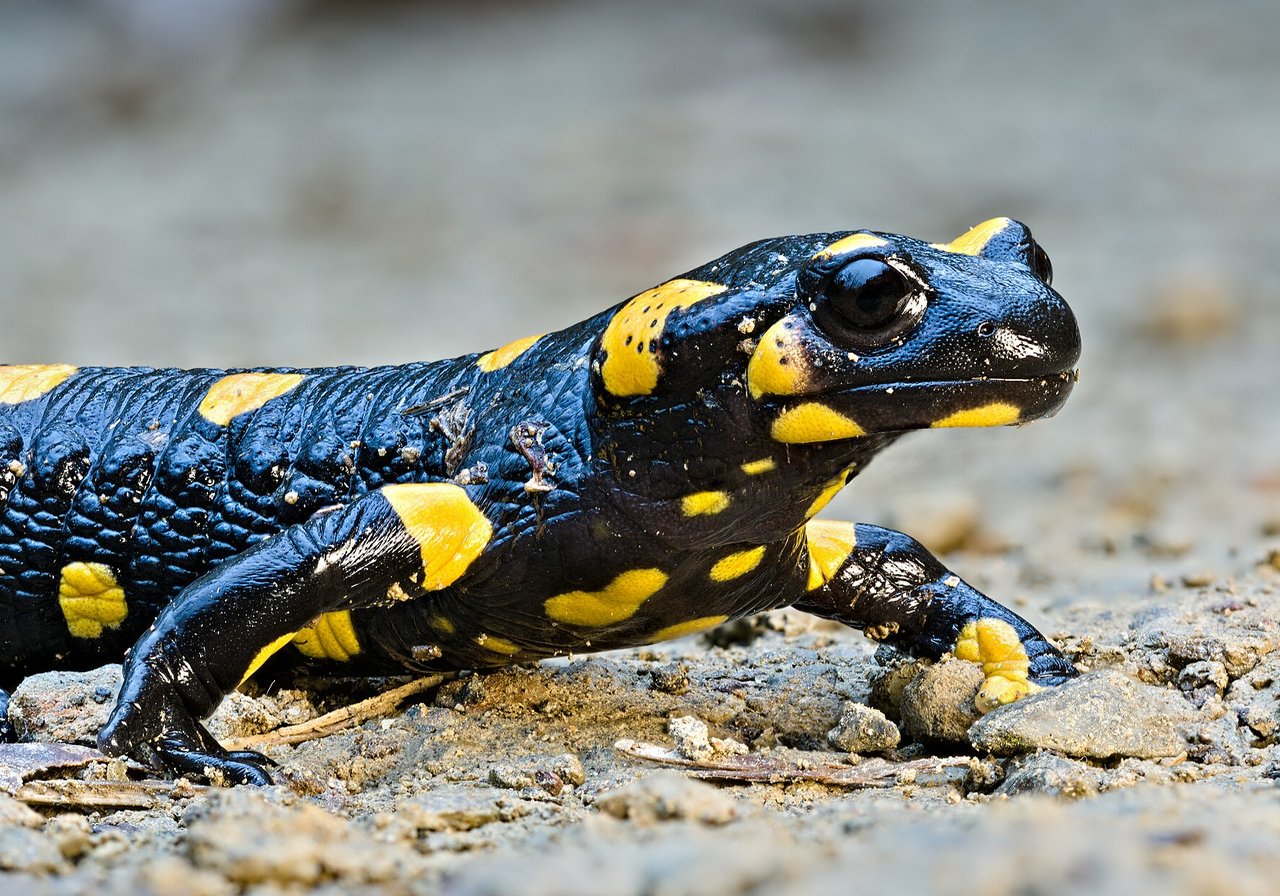
Amphibians
SSalamander
Salamandra salamandra (Linnaeus, 1758)
Living jewels of damp woodland — amphibians of myth, pet trade and emerging disease.
Europe — from Portugal to Ukraine; introduced locally elsewhere
Open guide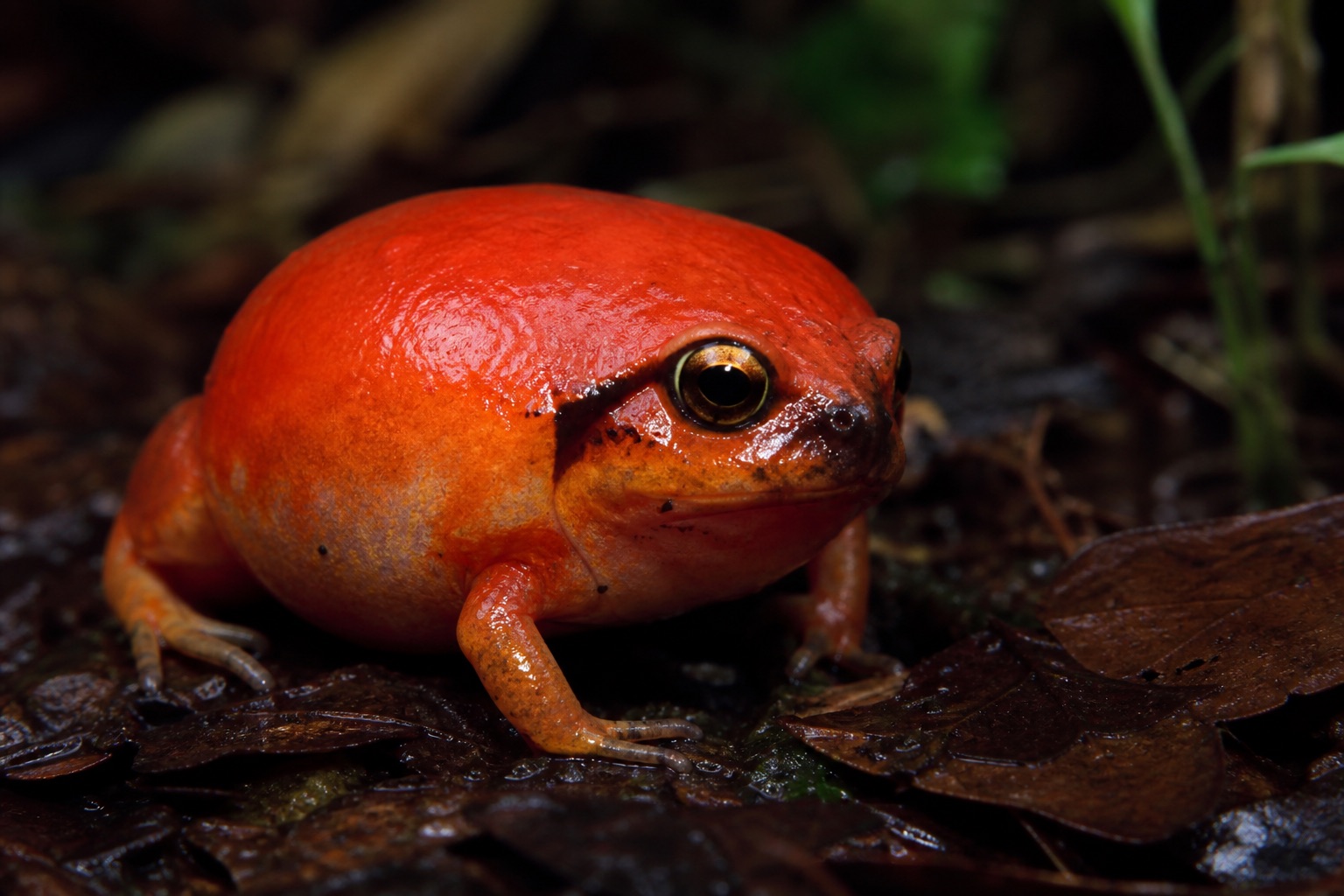
Amphibians
TTomato Frog
Dyscophus antongilii (Grandidier, 1877) — family Microhylidae
Bright red, round and sticky — a frog that glues predators' mouths shut.
Madagascar · North-eastern Madagascar — Antongil Bay area and surrounding forest
Open guide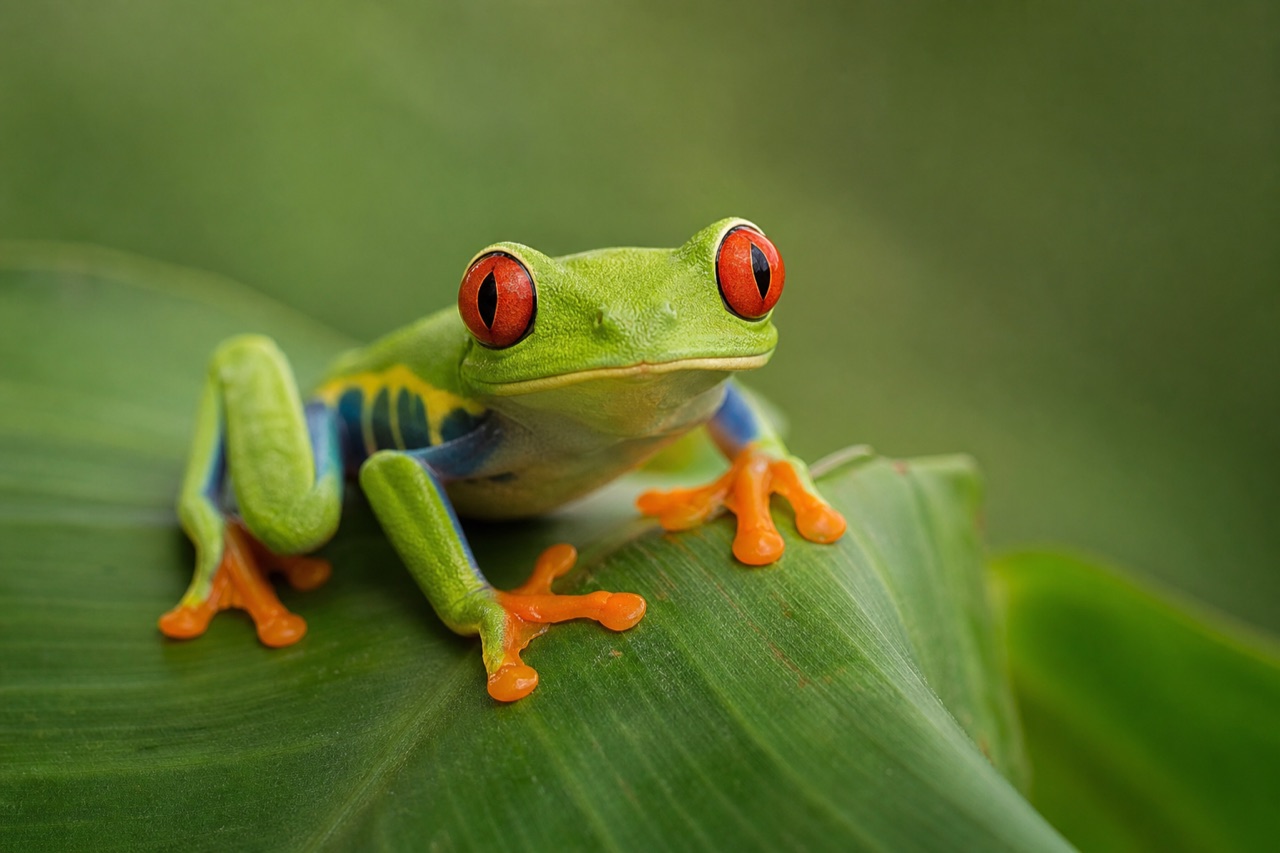
Amphibians
TTree Frog
Family Hylidae (Rafinesque, 1815) and related arboreal families — over 800 species
Frogs that climb glass, and a pair of red eyes that exist to buy half a second.
The Americas · Europe
Open guideConservation: what this group faces
Amphibians absorb the world through their skin, which is why pollution and fungus hit them first. Wetland protection and trade controls on wild-caught frogs are the practical levers while chytrid research continues.
Amphibians: frequently asked questions
What is an amphibian?
What is the difference between a frog and a toad?
Why are amphibians so endangered?
Are salamanders lizards?
Are poison dart frogs dangerous in captivity?
What is a caecilian?
Other types of reptiles & amphibians
-
Snakes
Limbless reptiles with fangs or constriction — vipers, cobras, pythons and sea snakes.
-
Lizards
Scaled reptiles with legs — geckos, skinks, monitors, chameleons and iguanas.
-
Turtles & tortoises
Shelled reptiles of land, freshwater and sea — from box turtles to leatherbacks.
-
Crocodilians
Alligators, crocodiles and gharials — archosaur reptiles of rivers and coasts.