Reptiles & amphibians · 8 species guides
Turtles & Tortoises: Shells, Seas & Identification
Turtles and tortoises are shelled reptiles in the order Testudines, including sea turtles, freshwater turtles, terrapins and land tortoises; the shell is fused to the spine and ribs, and many species are long-lived and slow to mature.
- Shell
- Hard scutes over bone in most species; leatherbacks have a rubbery carapace without hard scutes. The shell is part of the skeleton.
- Feet versus flippers
- Tortoises have columnar elephantine feet for land; freshwater turtles have webbed feet; sea turtles have flippers.
- Neck retraction
- Cryptodires pull the neck straight back into the shell; pleurodires fold it sideways — a deep taxonomic split visible in life.
- Sea turtle species marks
- Leatherbacks are huge and ridged without hard scutes; hard-shelled species differ by scute counts and head scales.
Every turtle and tortoise carries its skeleton on the outside. The shell is bone covered by scutes or leathery skin, fused to the vertebrae and ribs — which is why a turtle cannot leave its shell. Everyday English splits land tortoises, freshwater turtles and sea turtles, with terrapin used in Britain for some freshwater species. Confusion pairs — tortoise versus turtle, snapping turtle versus softshell, leatherback versus hard-shelled sea turtle — decide both identification and conservation framing.
Slow maturity makes turtles uniquely vulnerable: removing breeding adults or eggs collapses populations for decades. Nesting-beach development, bycatch in fisheries and the pet trade are recurring pressures across the order. Leatherbacks show that not every sea turtle carries hard scutes; Galápagos tortoises show island gigantism and long recovery timelines. Use this page for the shell-and-feet marks that separate the everyday groups, then open the species guides for IUCN status and citations. WARN turtle and tortoise guides linked here cover sea turtles, freshwater species, box turtles and giant island tortoises, each with conservation status and FAQs. Readers comparing a pet tortoise to a wild turtle should start with feet and shell shape before assuming a species name from colour alone.
Key facts
- Turtles and tortoises form the order Testudines — shelled reptiles found in seas, rivers and deserts.
- The shell is fused bone, not a removable house.
- Sea turtles are marine; tortoises are terrestrial; many freshwater turtles sit between.
- Leatherback turtles are the largest living turtles and lack hard scutes.
- Slow maturity makes turtles especially vulnerable to egg harvest and adult offtake.
- Galápagos tortoises illustrate island gigantism and long recovery timelines.
How to recognise them
The features that separate this group in the field, in the order they are usually most useful.
- Shell
- Hard scutes over bone in most species; leatherbacks have a rubbery carapace without hard scutes. The shell is part of the skeleton.
- Feet versus flippers
- Tortoises have columnar elephantine feet for land; freshwater turtles have webbed feet; sea turtles have flippers.
- Neck retraction
- Cryptodires pull the neck straight back into the shell; pleurodires fold it sideways — a deep taxonomic split visible in life.
- Sea turtle species marks
- Leatherbacks are huge and ridged without hard scutes; hard-shelled species differ by scute counts and head scales.
- The confusion pairs
- Tortoise versus turtle: land feet and high domed shell versus aquatic habits. Snapping turtle versus softshell: massive head and ridged shell versus flat pancake shell.
8 turtles & tortoises guides
Search or filter by conservation status. Every guide carries sourced facts, IUCN status and FAQs.
Common names, scientific names and places are searchable.
Showing 1–8 of 8 guides
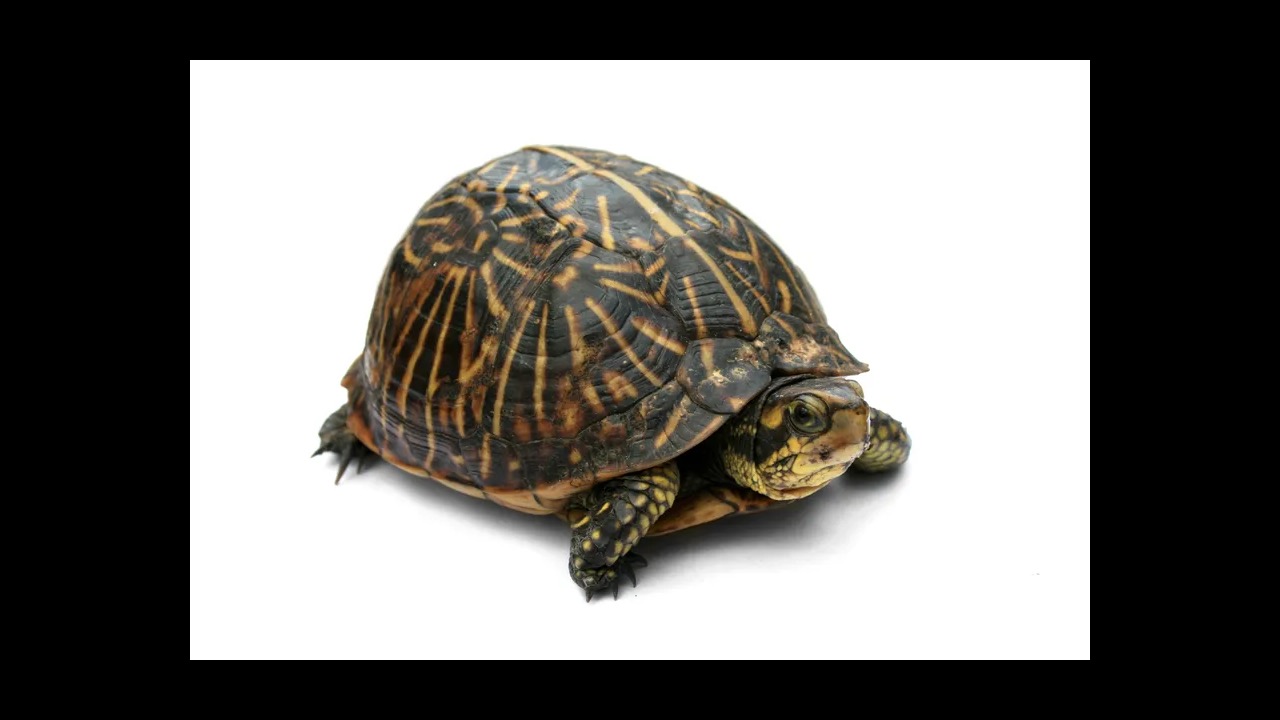
Reptiles
EEastern Box Turtle
Terrapene carolina
North America's hinged turtle
North America
Open guide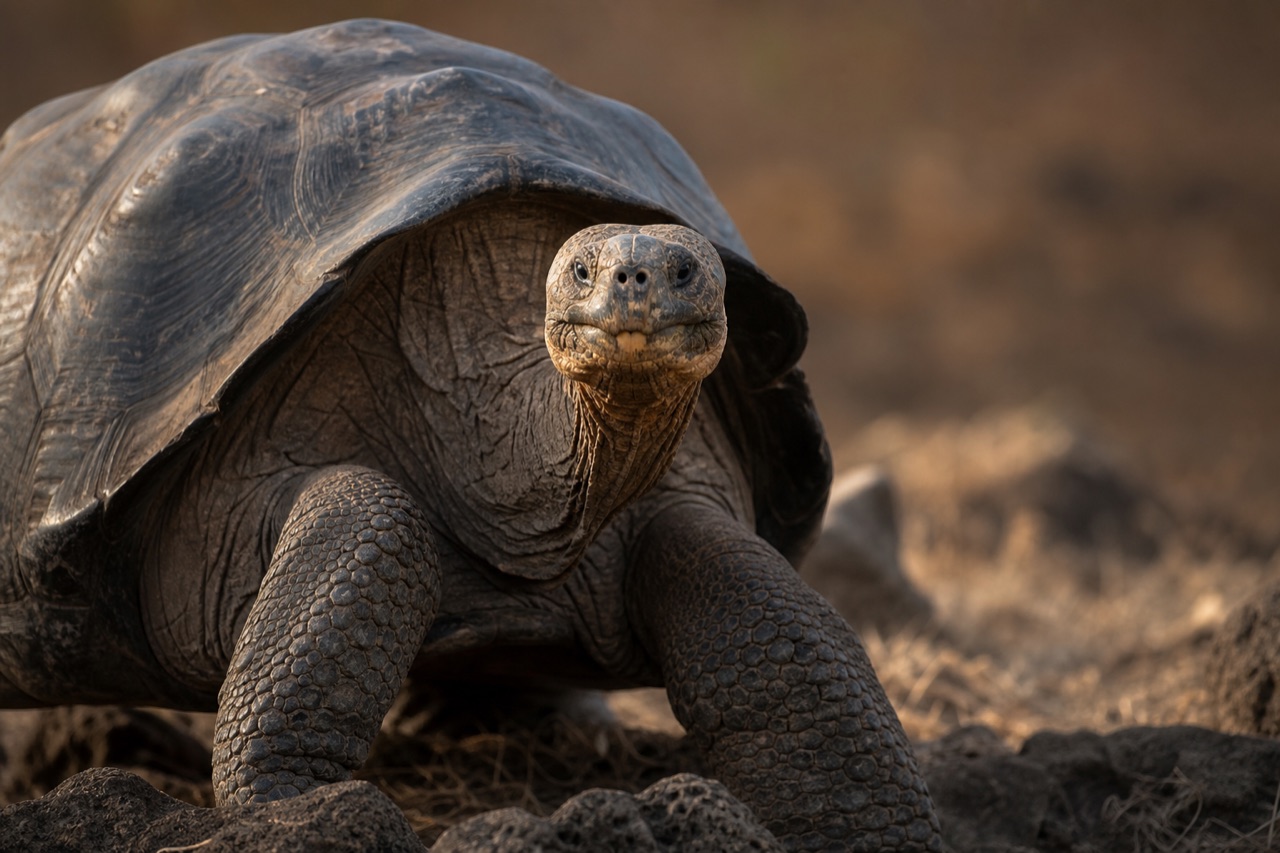
Reptiles
GGalápagos Tortoise
Chelonoidis niger species complex (Quoy & Gaimard, 1824) — 12 surviving species
Hunted to 3,000 animals, brought back to 60,000 — the clearest recovery story in conservation.
Galápagos Islands, Ecuador
Open guide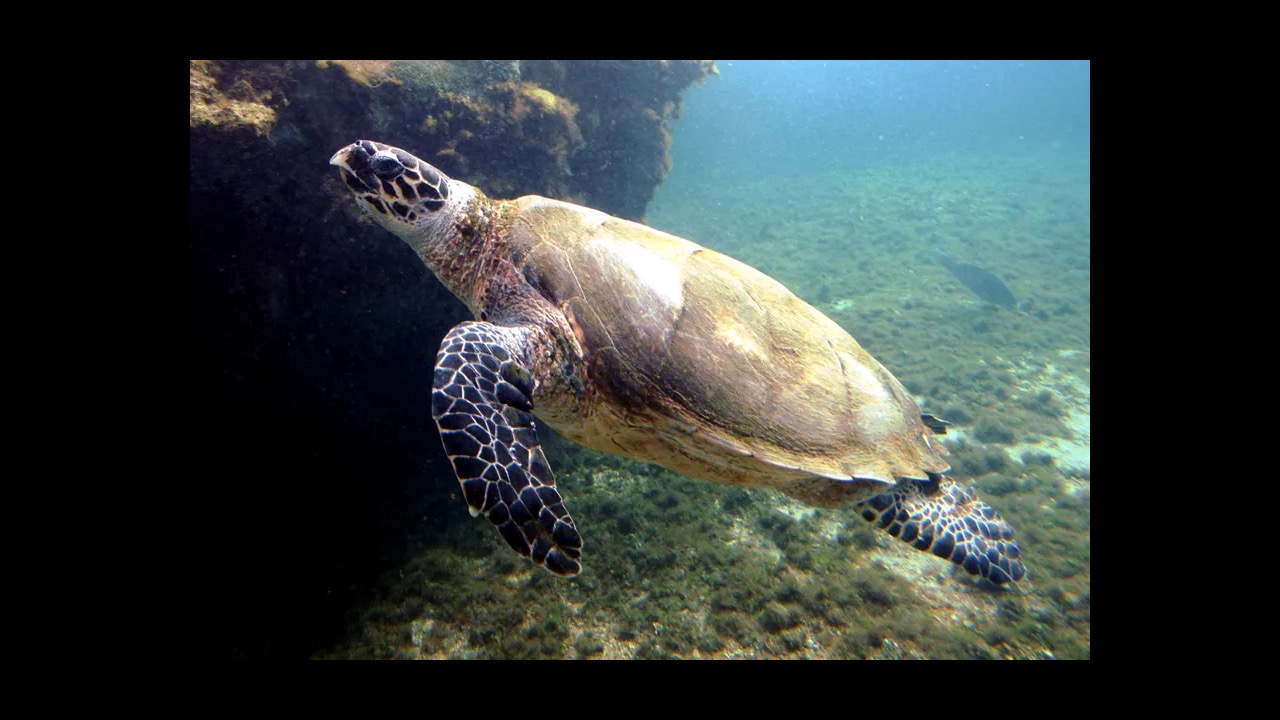
Reptiles
HHawksbill Sea Turtle
Eretmochelys imbricata
The tortoiseshell turtle
Africa · Asia
Open guide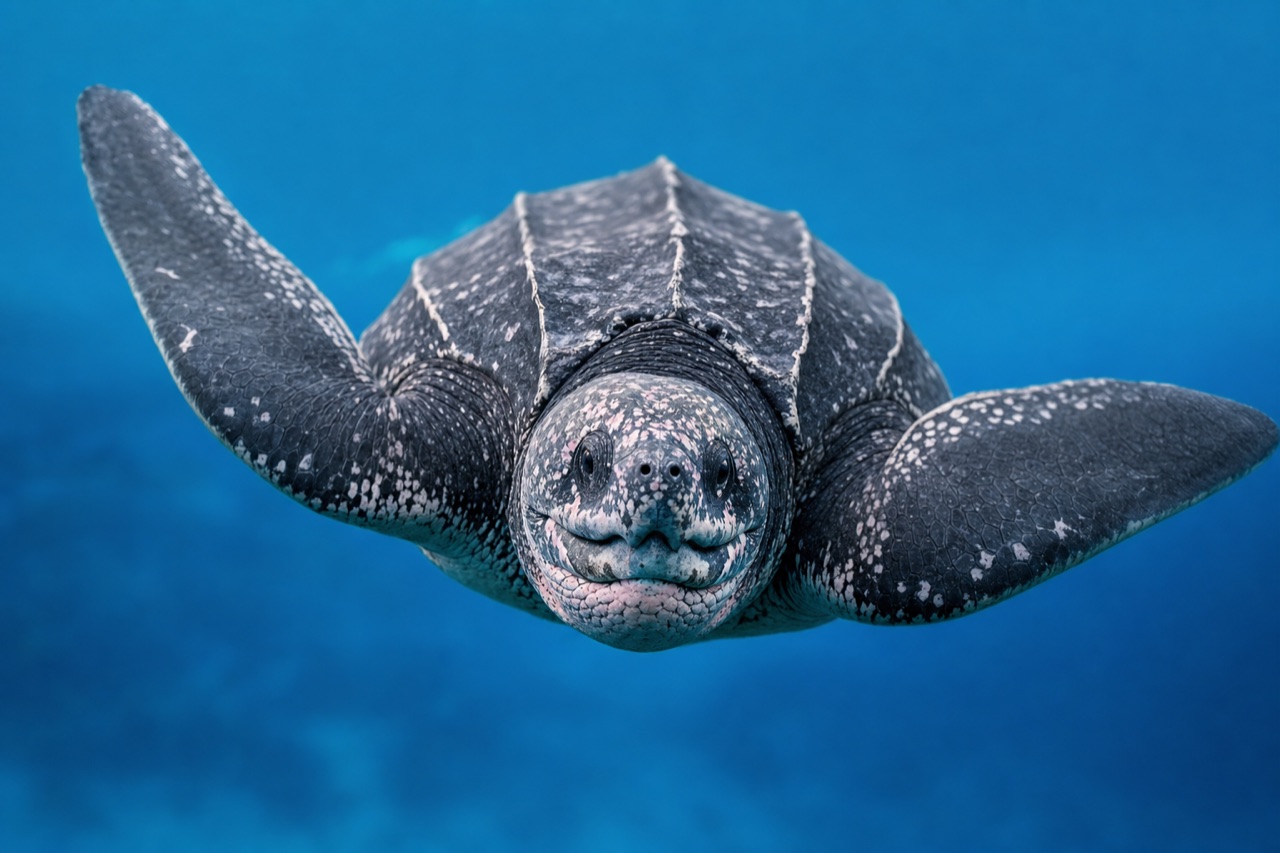
Reptiles
LLeatherback Turtle
Dermochelys coriacea (Vandelli, 1761) — family Dermochelyidae
A reptile that dives to 1,200 metres, swims into Arctic water, and eats almost nothing but jellyfish.
All tropical and temperate oceans · Feeds as far north as Norway and Alaska
Open guide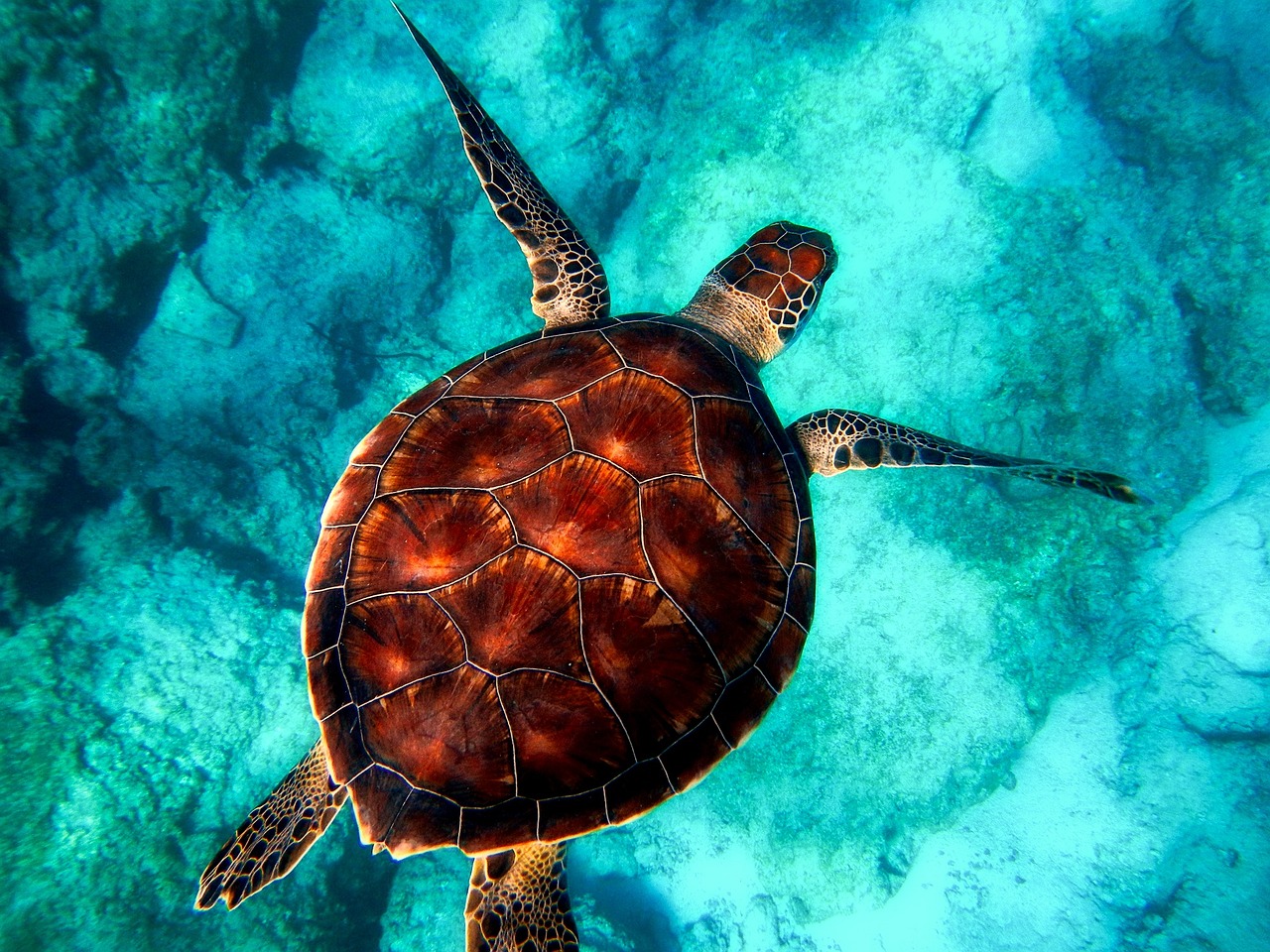
Reptiles
SSea Turtle
Cheloniidae and Dermochelyidae (superfamily Chelonioidea)
Seven ancient ocean wanderers navigating a sea of modern threats.
Indonesia · Malaysia
Open guide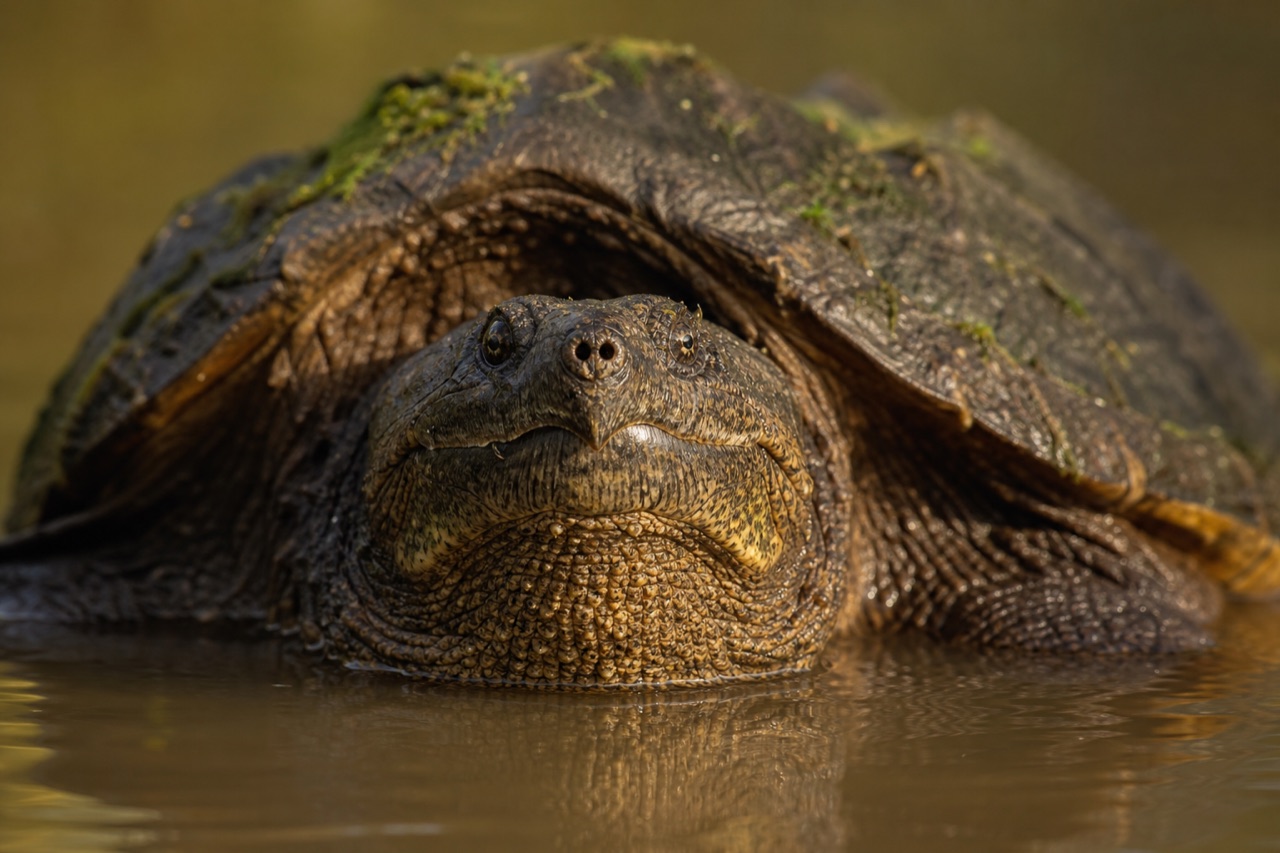
Reptiles
SSnapping Turtle
Chelydra serpentina (Linnaeus, 1758) and Macrochelys temminckii (Troost, 1835)
One of them fishes with a worm-shaped tongue. Neither can bite through a broom handle.
North America — eastern and central United States, southern Canada
Open guide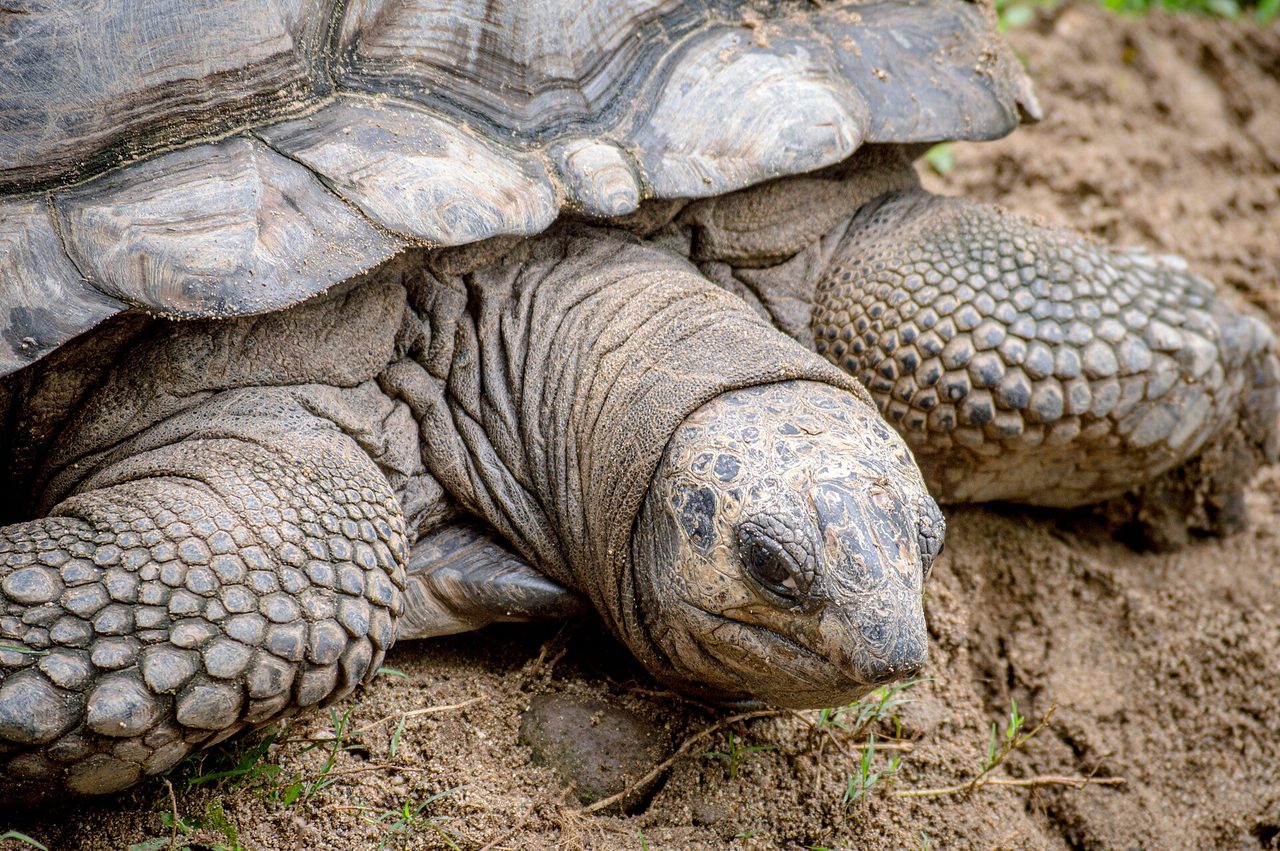
Reptiles
TTortoise
Family Testudinidae
Ancient armoured wanderers — now among the world's most threatened reptiles
Africa · Asia
Open guide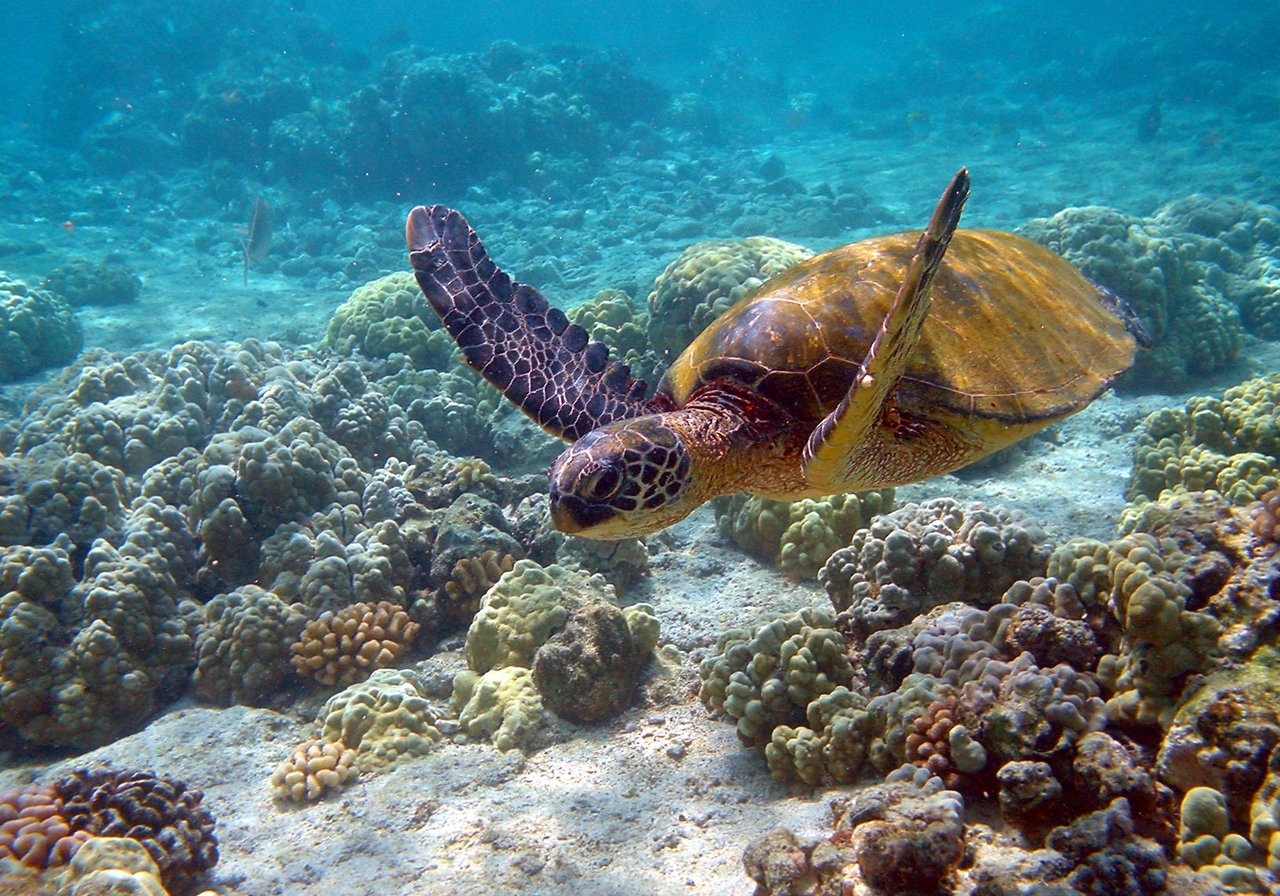
Reptiles
TTurtle
Order Testudines — ~360 species of turtles, tortoises and terrapins
Armoured reptiles of land and water — ancient survivors under modern pressure.
Worldwide — oceans, rivers, lakes and land on every continent except Antarctica
Open guideConservation: what this group faces
Turtles combine long life with late maturity, so removing adults or eggs collapses populations for decades. Nesting-beach protection and bycatch reduction are the interventions with the clearest evidence.
Turtles & tortoises: frequently asked questions
What is the difference between a turtle and a tortoise?
Can a turtle leave its shell?
What is the largest turtle?
Are snapping turtles dangerous?
Why are sea turtles endangered?
How long do tortoises live?
Other types of reptiles & amphibians
-
Snakes
Limbless reptiles with fangs or constriction — vipers, cobras, pythons and sea snakes.
-
Lizards
Scaled reptiles with legs — geckos, skinks, monitors, chameleons and iguanas.
-
Crocodilians
Alligators, crocodiles and gharials — archosaur reptiles of rivers and coasts.
-
Amphibians
Frogs, toads, salamanders and caecilians — moist-skinned vertebrates tied to water.