Reptiles & amphibians · 12 species guides
Lizards: Geckos, Skinks, Monitors & Identification
Lizards are squamate reptiles that typically retain legs, external ear openings and eyelids, including geckos, skinks, monitors, chameleons, iguanas and the Komodo dragon; a few lineages such as slow-worms are legless and are often mistaken for snakes.
- Legs, eyelids, ears
- Typical lizards have four legs, blink, and show ear openings. Snakes do not blink and lack external ears.
- Gecko toes
- Many geckos have adhesive toe pads for climbing glass and rock; most skinks have smoother scales and spend more time on the ground.
- Monitor tongue
- Monitors flick a long forked tongue like snakes; iguanas have fleshy tongues and a more herbivorous build.
- Chameleon eyes and feet
- Chameleons have turret eyes that move independently and zygodactyl feet for gripping branches.
Lizards are the most diverse living reptiles after counting species. Most have four legs, movable eyelids and external ear openings — the quickest separation from snakes — but several lineages lost their legs and still blink. The everyday confusion pairs are useful: gecko versus skink, monitor versus iguana, slow-worm versus snake, chameleon versus other arboreal lizards. Size spans the tiny gecko to the Komodo dragon, the largest living lizard.
Island endemics and colourful pet-trade favourites lose ground first when habitat is cleared or wild animals are collected. Distinguishing a slow-worm from a snake stops pointless killing of a protected legless lizard. Knowing that chameleon colour change is mainly for signalling and temperature, not perfect camouflage, corrects a myth that still drives search traffic. This type page holds the identification block; the linked guides carry species-level status and sources. WARN lizard guides linked from this page cover geckos, skinks, monitors, chameleons, iguanas and the Komodo dragon with IUCN status and sourced FAQs. Field observers should still treat every unidentified large monitor as wild fauna first, not as a pet escape, until range and markings are checked against a guide.
Key facts
- Most lizards have legs, eyelids and ear openings — the fastest field separation from snakes.
- Slow-worms are legless lizards, not snakes.
- The Komodo dragon is the largest living lizard and a restricted-range predator.
- Geckos, skinks, monitors, chameleons and iguanas are separate everyday groups within lizards.
- The pet trade and habitat loss hit colourful and island species hardest.
- Chameleon colour change is mainly for signalling and temperature, not perfect camouflage.
How to recognise them
The features that separate this group in the field, in the order they are usually most useful.
- Legs, eyelids, ears
- Typical lizards have four legs, blink, and show ear openings. Snakes do not blink and lack external ears.
- Gecko toes
- Many geckos have adhesive toe pads for climbing glass and rock; most skinks have smoother scales and spend more time on the ground.
- Monitor tongue
- Monitors flick a long forked tongue like snakes; iguanas have fleshy tongues and a more herbivorous build.
- Chameleon eyes and feet
- Chameleons have turret eyes that move independently and zygodactyl feet for gripping branches.
- The confusion pairs
- Slow-worm versus snake: slow-worms blink and can drop the tail. Skink versus salamander: skinks have scales and dry skin; salamanders are amphibians.
12 lizards guides
Search or filter by conservation status. Every guide carries sourced facts, IUCN status and FAQs.
Common names, scientific names and places are searchable.
Showing 1–12 of 12 guides
Reptiles
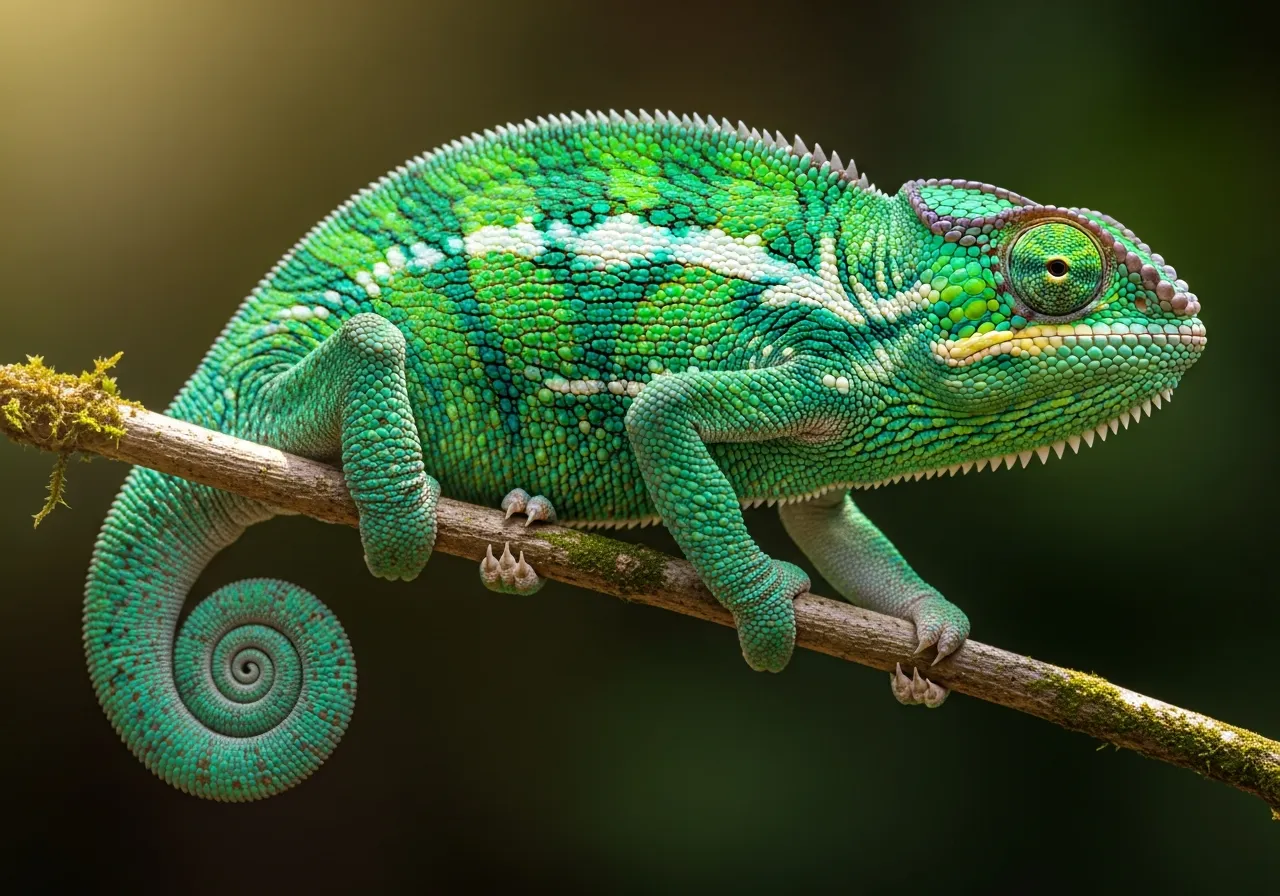
CChameleon
Chamaeleonidae
Independently swivelling eyes, a tongue faster than a blink, and colour change that talks rather than hides.
Madagascar · Sub-Saharan Africa
Open guide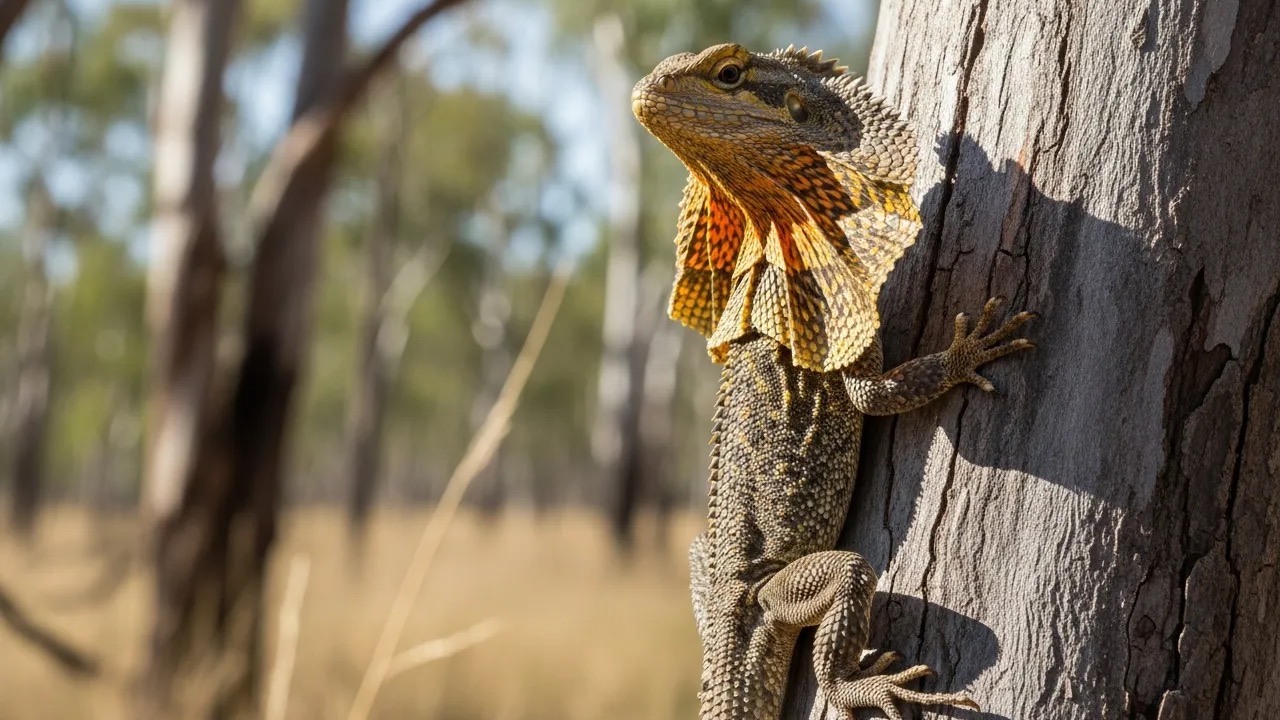
Reptiles
FFrilled Lizard
Chlamydosaurus kingii
The lizard that flares a dramatic neck frill
Oceania
Open guide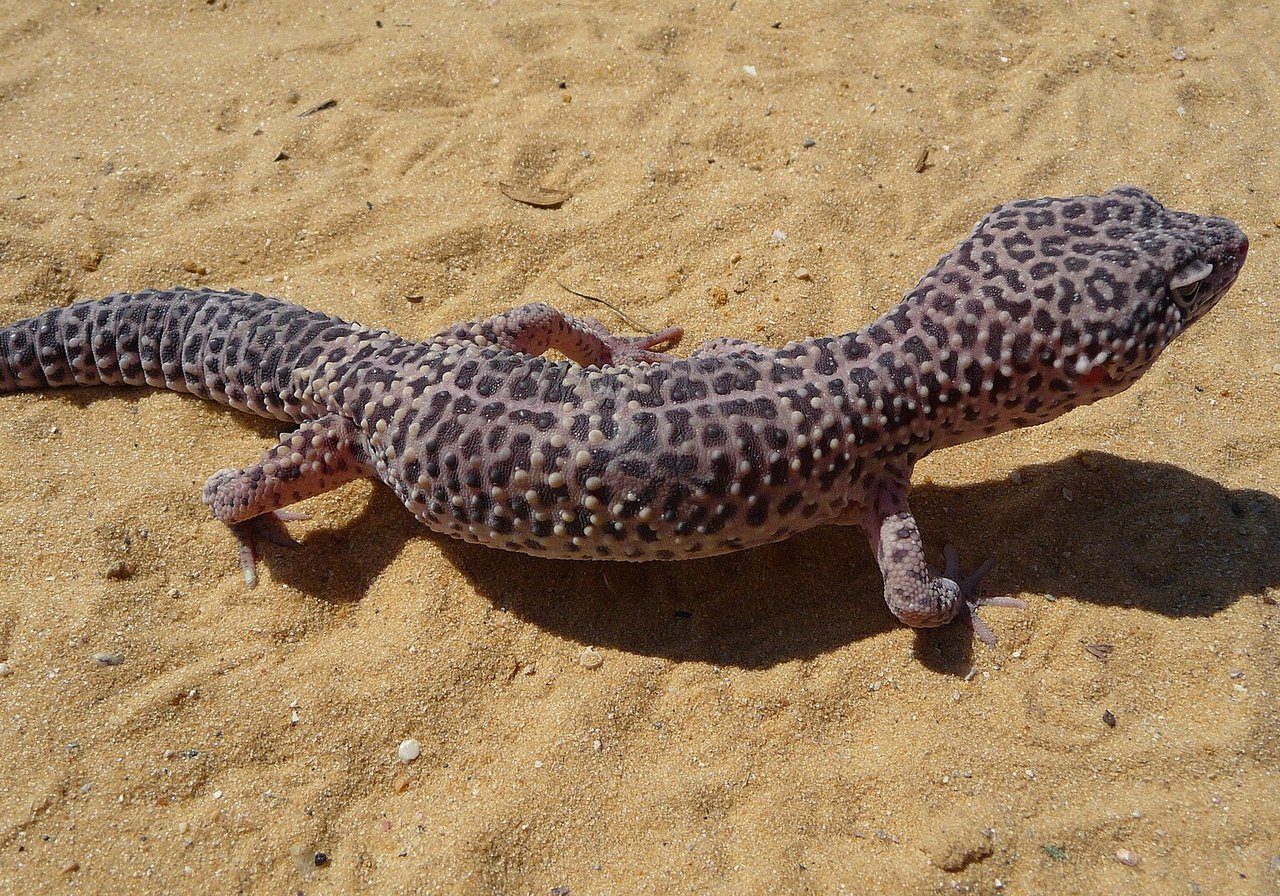
Reptiles
GGecko
Infraorder Gekkota — ~1,500 species across six families worldwide
Nocturnal lizards of walls and forests — adhesive toes and unmistakable calls.
Tropical and subtropical worldwide · some temperate regions
Open guide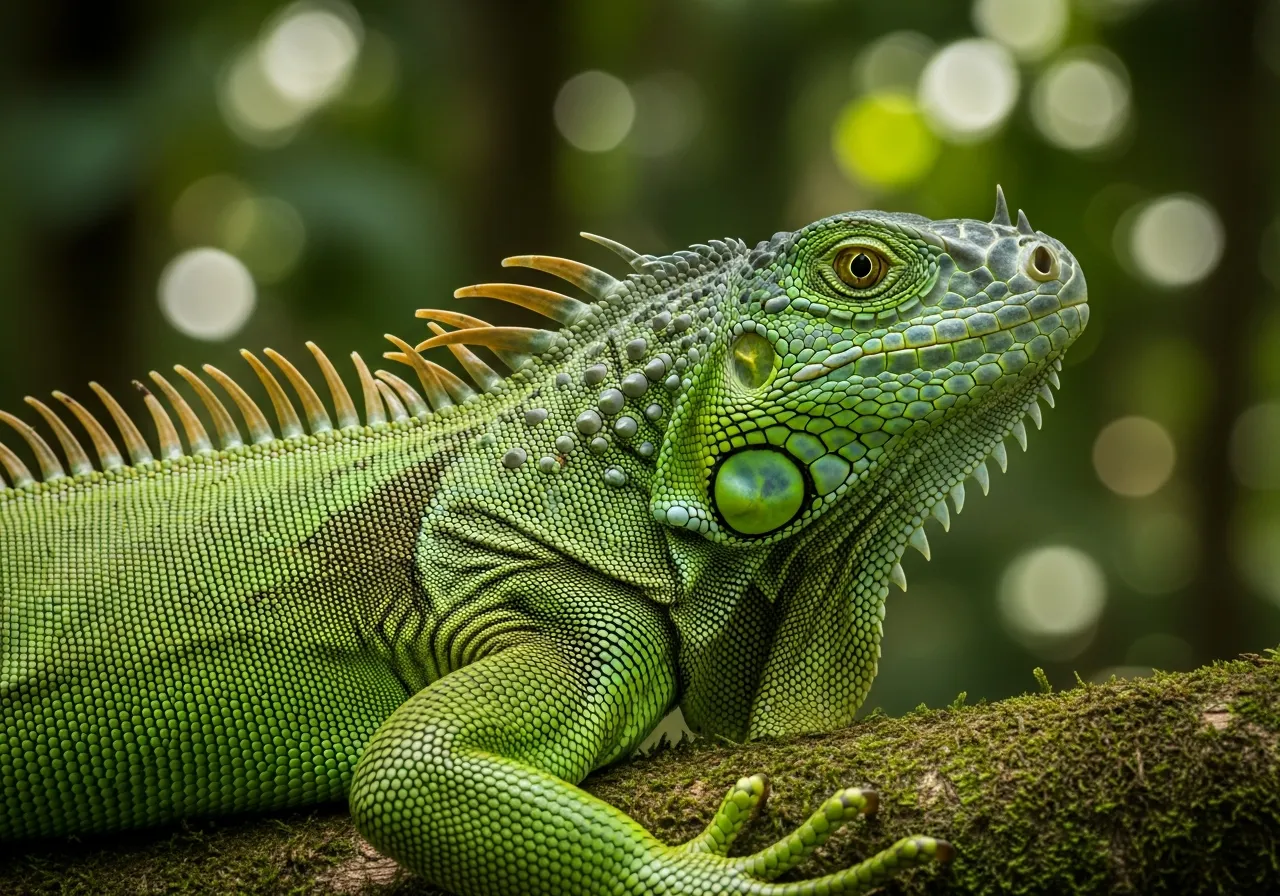
Reptiles
IIguana
Iguana iguana
The big, leaf-eating tree lizard of the Americas — and a surprising invader far from home.
Central America · South America
Open guide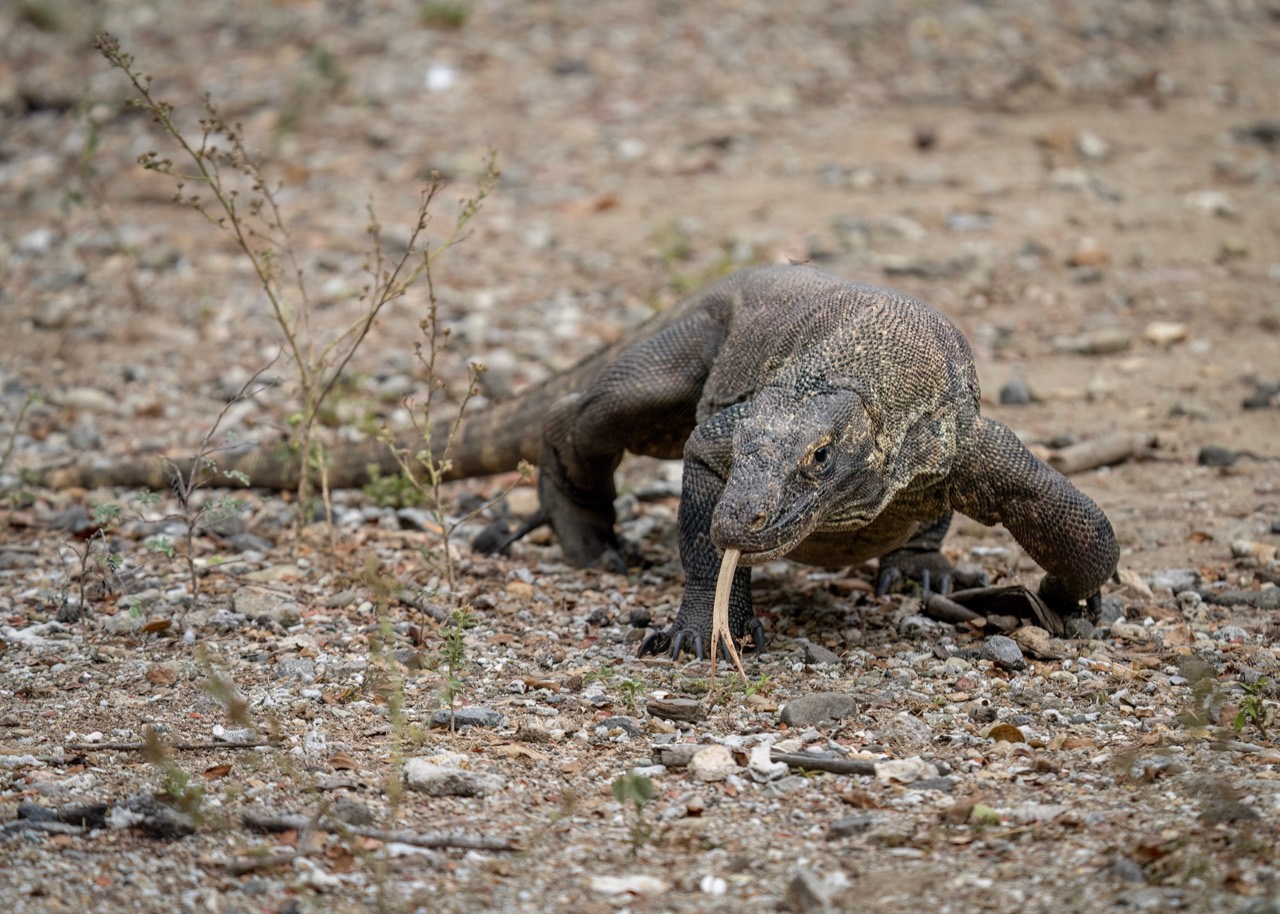
Reptiles
KKomodo Dragon
Varanus komodoensis
The world's largest living lizard, cornered onto a handful of Indonesian islands.
Indonesia
Open guide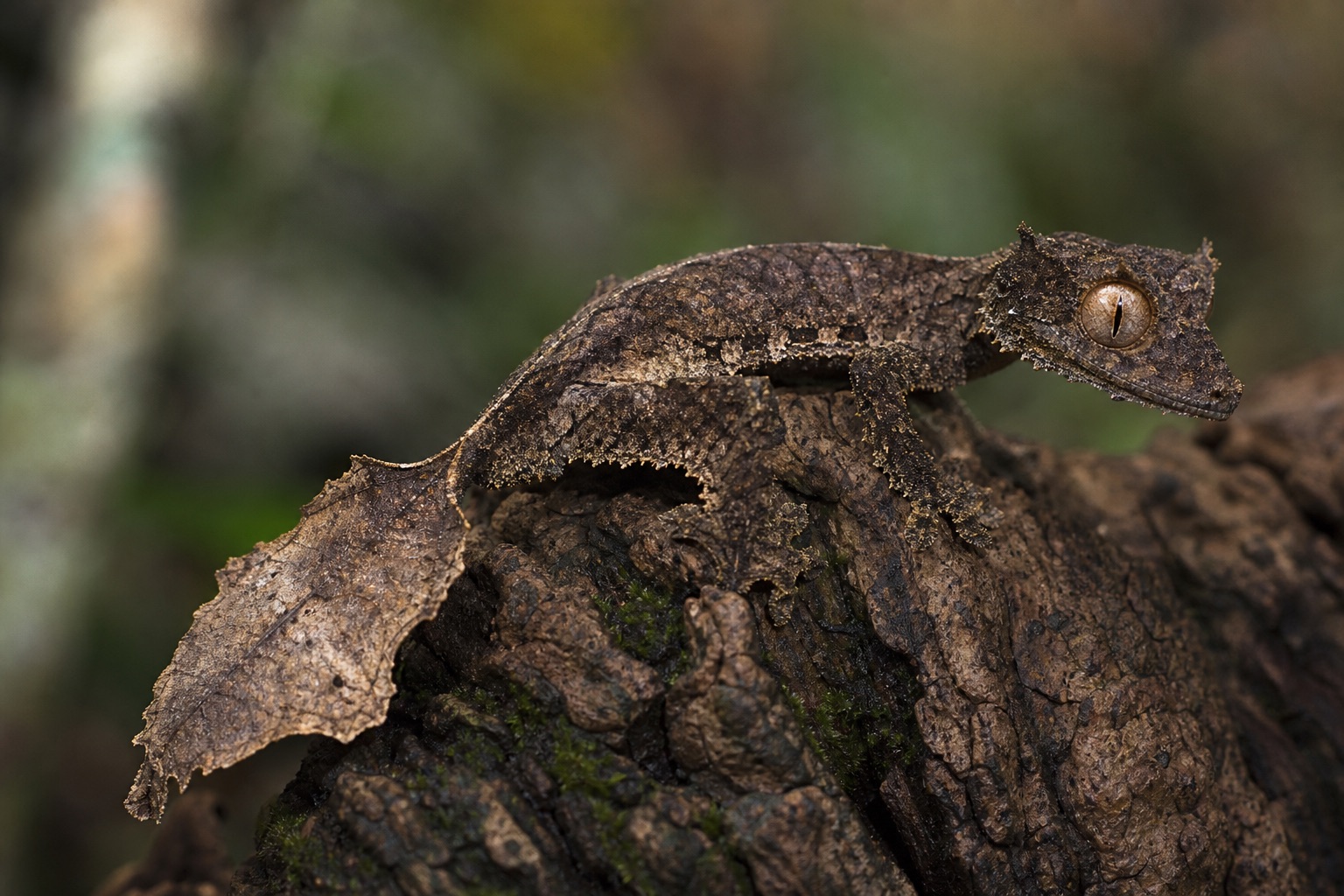
Reptiles
LLeaf-Tailed Gecko
Uroplatus phantasticus (Boulenger, 1888) — genus Uroplatus, around 20 species
The gecko shaped like a dead leaf — with a fringe that eliminates its shadow.
Madagascar · Eastern humid forest — several species with restricted ranges
Open guide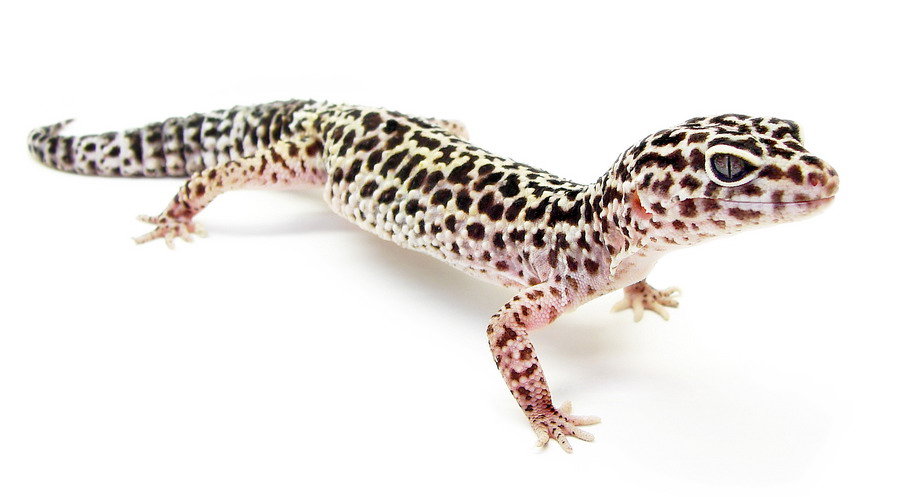
Reptiles
LLeopard Gecko
Eublepharis macularius (Blyth, 1854)
The hardy beginner's lizard — a ground-dwelling gecko bred into hundreds of colour morphs.
South Asia — Afghanistan, Pakistan, north-west India, Iran (wild); kept worldwide
Open guide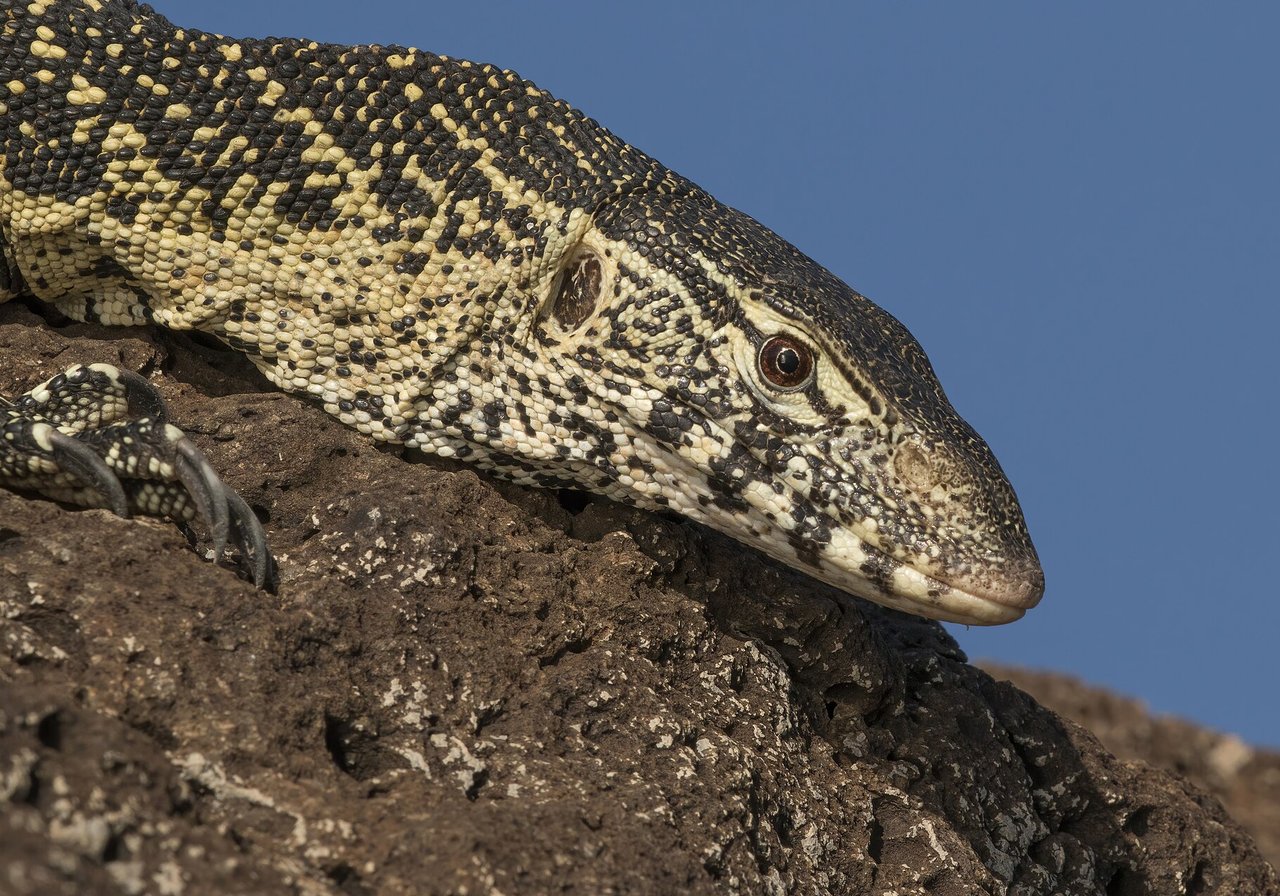
Reptiles
MMonitor Lizard
Genus Varanus — ~80 species including Komodo dragon (V. komodoensis)
Intelligent apex lizards — from garden goannas to the Komodo dragon.
Africa · Asia
Open guide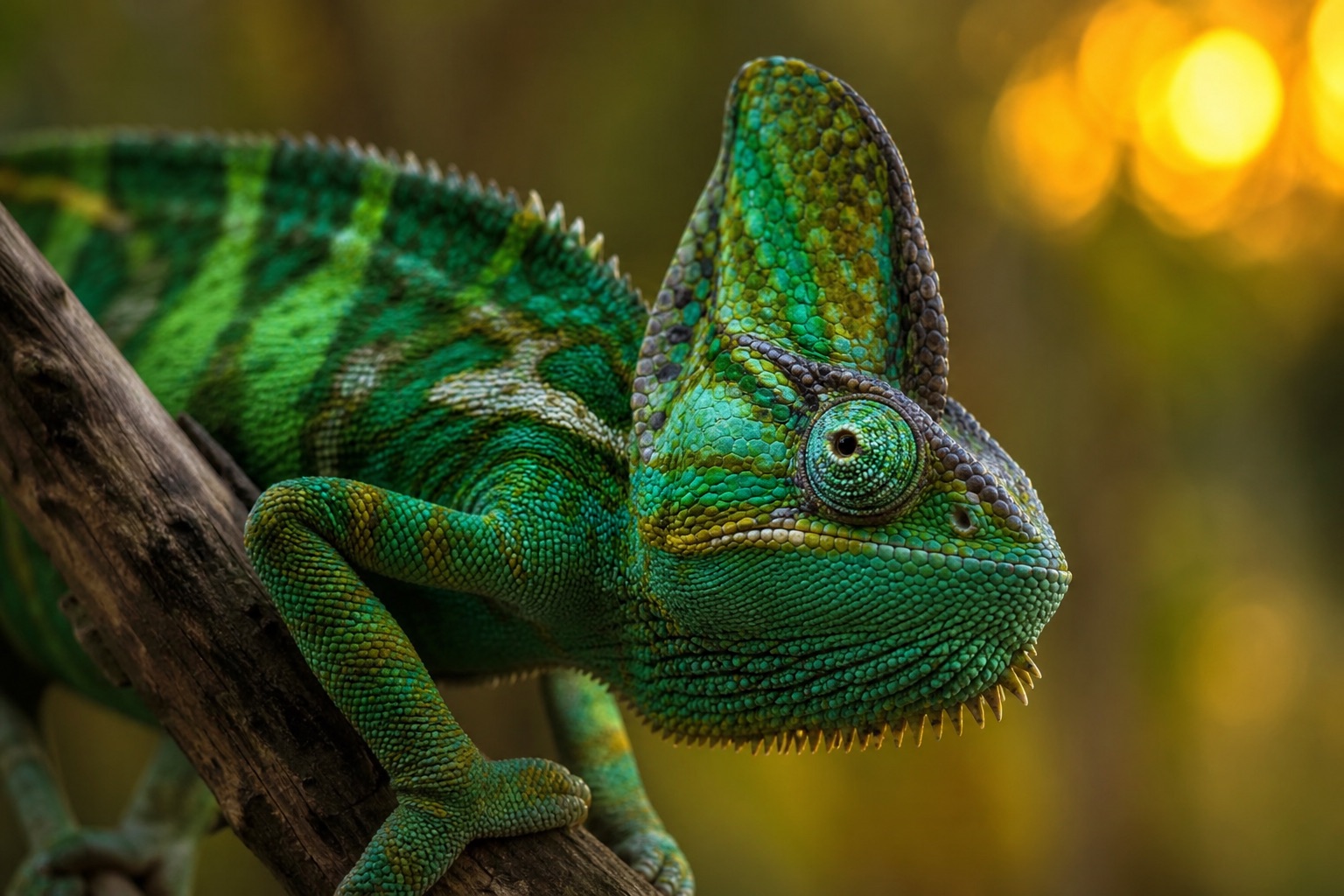
Reptiles
PPanther Chameleon
Furcifer pardalis (Cuvier, 1829) — family Chamaeleonidae
The chameleon whose colour change is about mood, not camouflage — and whose skin uses nanocrystals.
Northern and eastern Madagascar · Introduced to Réunion and Mauritius
Open guide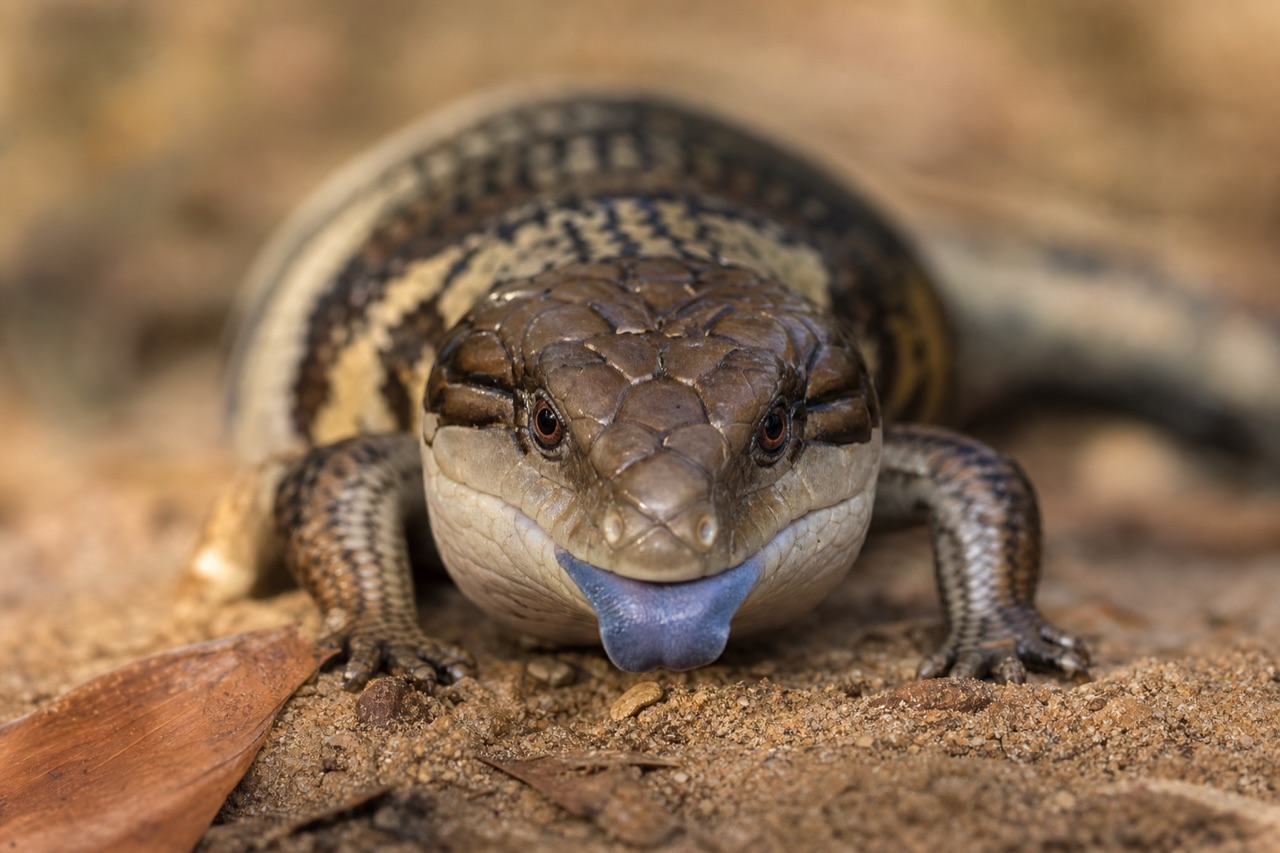
Reptiles
SSkink
Family Scincidae (Gray, 1825) — over 1,700 species
The second-largest lizard family on Earth, and a live demonstration of how snakes got their shape.
Every continent except Antarctica · Highest diversity in Australia and Southeast Asia
Open guide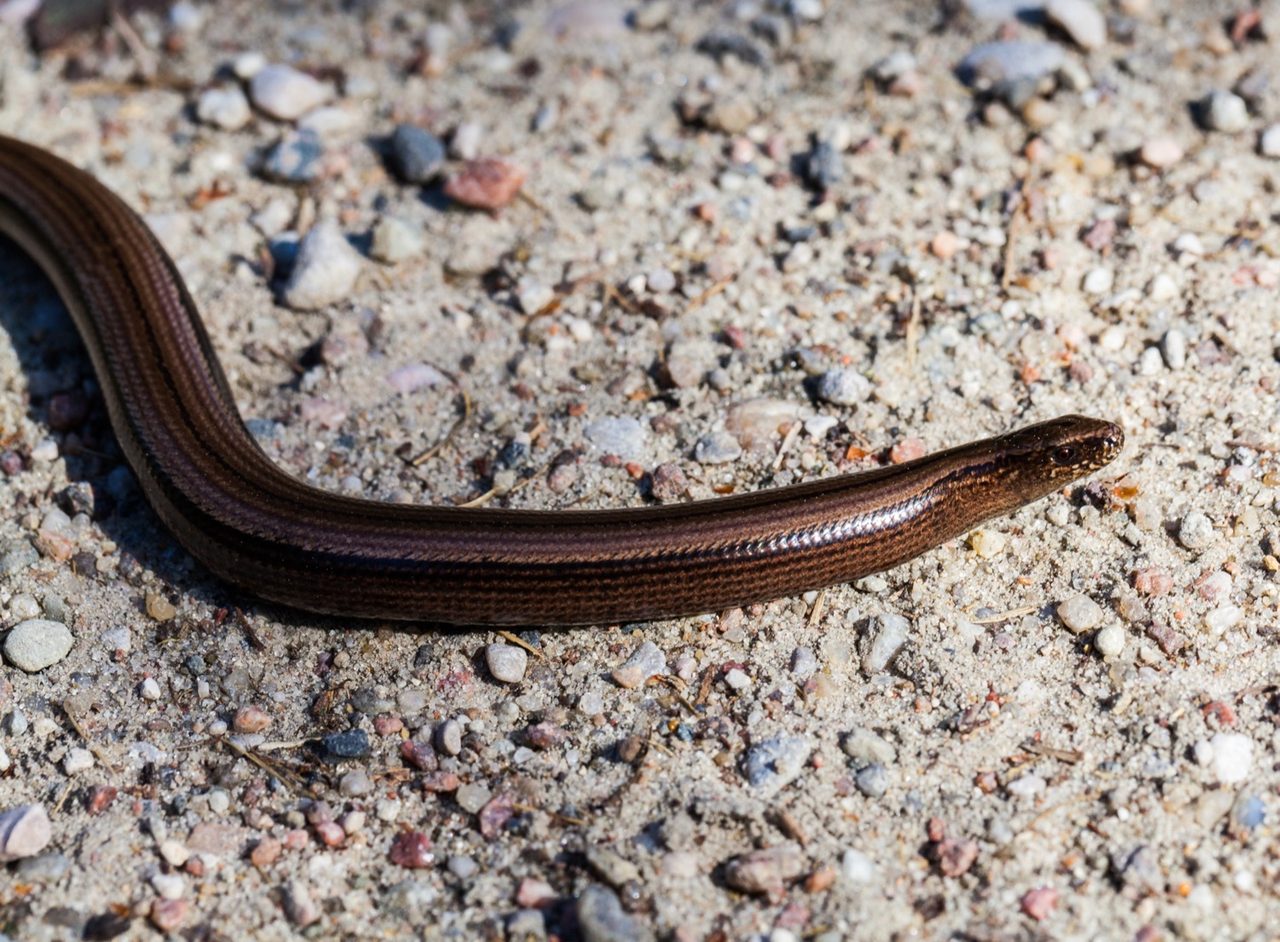
Reptiles
SSlow Worm
Anguis fragilis
The legless lizard that blinks, sheds its tail, and quietly eats your garden slugs.
United Kingdom · Western Europe
Open guide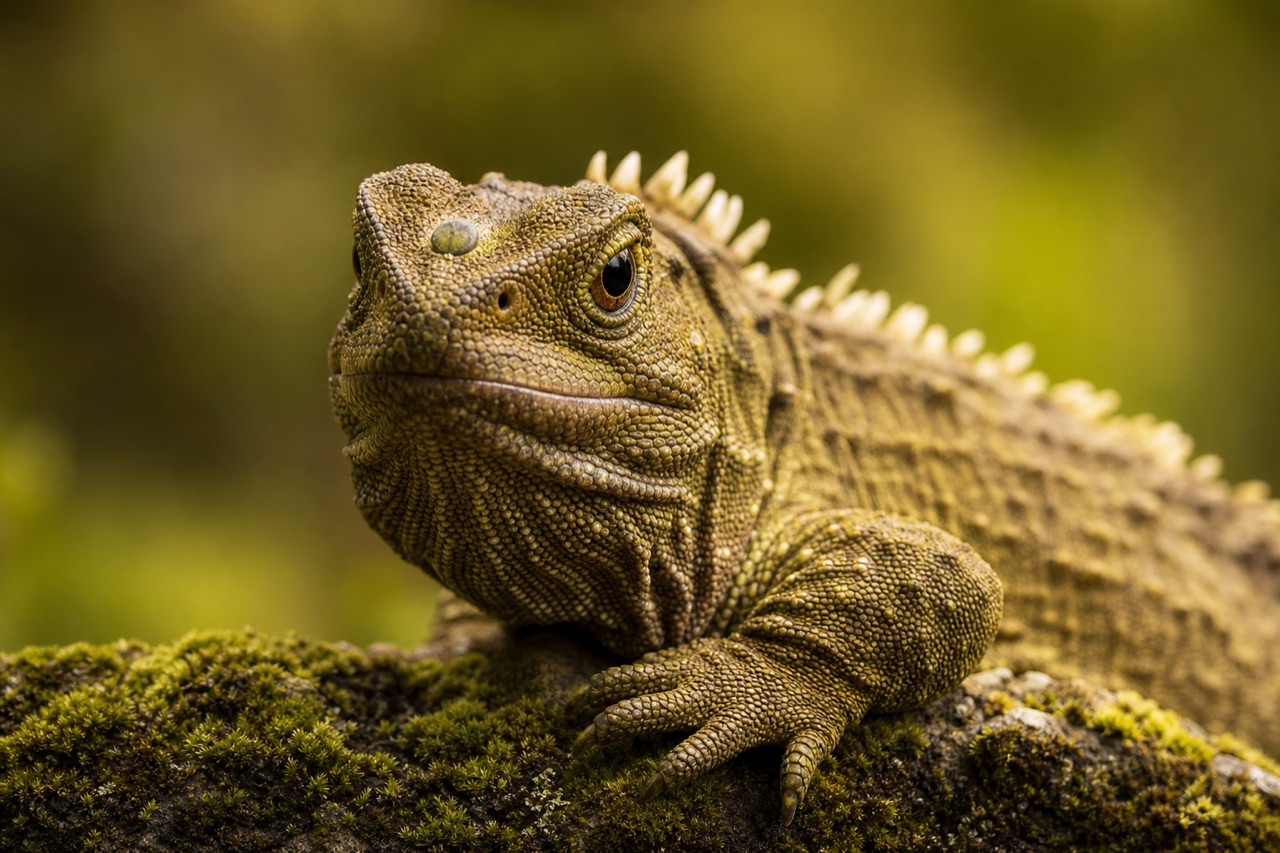
Reptiles
TTuatara
Sphenodon punctatus (Gray, 1842)
Not a lizard — the last living rhynchocephalian, confined to predator-free New Zealand islands.
New Zealand
Open guideConservation: what this group faces
Island lizards and large monitors lose ground first when habitat is cleared or animals are collected. Distinguishing lizards from snakes reduces pointless killing of slow-worms and other harmless species.
Lizards: frequently asked questions
What is a lizard?
Is a slow-worm a snake?
What is the largest lizard?
How do geckos climb walls?
Do chameleons change colour to match the background?
Are lizards endangered?
Other types of reptiles & amphibians
-
Snakes
Limbless reptiles with fangs or constriction — vipers, cobras, pythons and sea snakes.
-
Turtles & tortoises
Shelled reptiles of land, freshwater and sea — from box turtles to leatherbacks.
-
Crocodilians
Alligators, crocodiles and gharials — archosaur reptiles of rivers and coasts.
-
Amphibians
Frogs, toads, salamanders and caecilians — moist-skinned vertebrates tied to water.