Southeast Asia

Animal rescue in Indonesia

Find animal help, understand the issues and explore ways to support animals in Indonesia, from community cats and dogs to orangutans, forests and coasts.

By WARN Research & Conservation Team Last updated

Find animal help
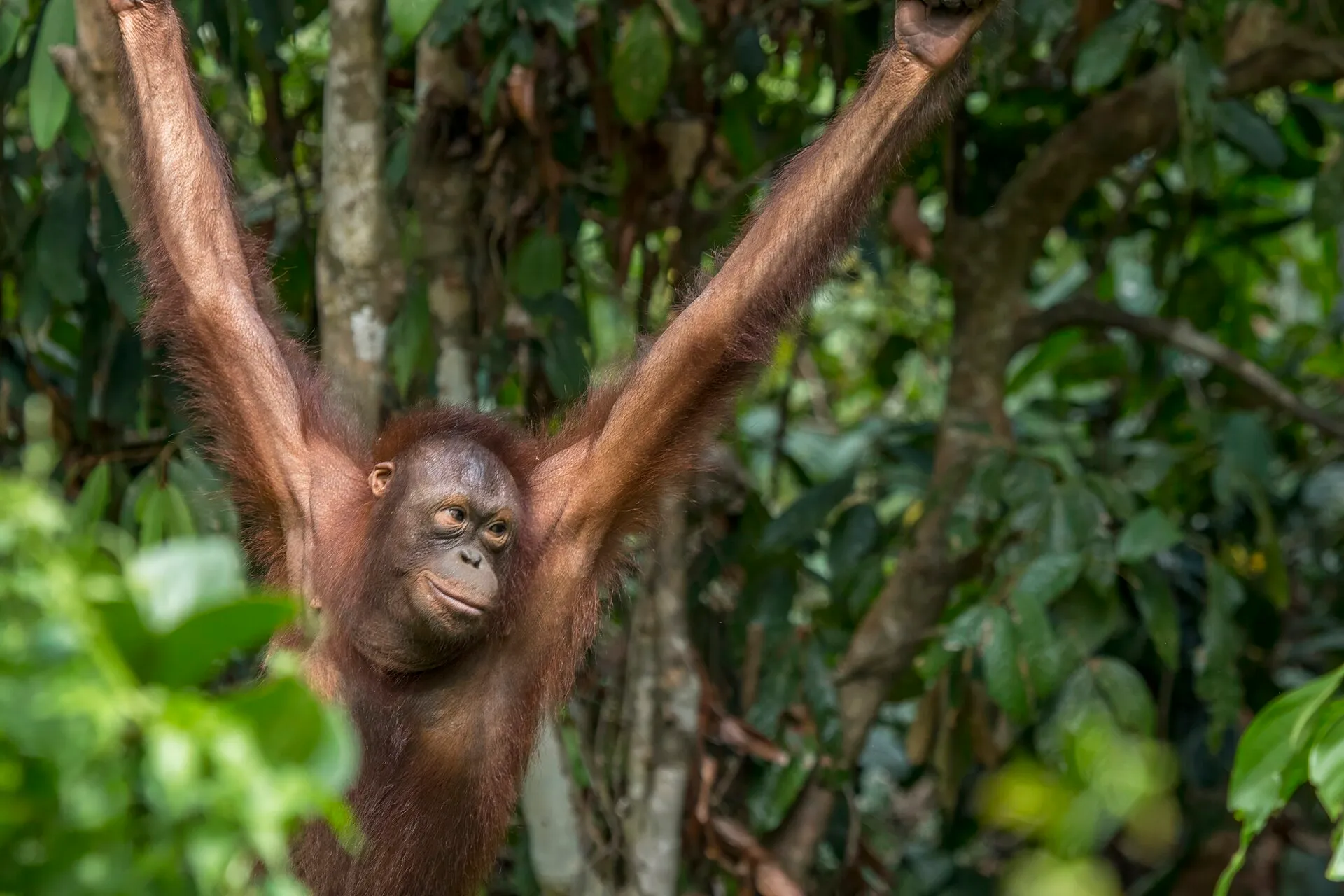
A Bornean orangutan holding both arms above its head among trees in Sepilok, Sabah, Malaysia.

Species photograph taken at Sepilok, Sabah, Malaysia on 14 May 2015. It does not document the 2026 Kalimantan fires or a WARN-funded rescue. Photo: Charles J. Sharp / Wikimedia Commons (CC BY-SA 4.0). Resized and converted to WebP. Original source · CC BY-SA 4.0

In brief

To help animals in Indonesia, start with the need: contact a local veterinarian or the relevant wildlife authority for an animal in distress; use sourced guides to understand a cause; and check an appeal’s purpose, recipient status and terms before donating. WARN’s country coverage does not establish a funded programme.

Start with the location

Find animal help in Indonesia

For an injured dog or cat, contact a local veterinarian. For wild animals, use the relevant conservation authority’s reporting route. Keep a safe distance and do not capture, buy or move a wild animal yourself.

What to include in a report
  • The exact location and the time you saw the animal.
  • What you observed, including visible injury or an immediate hazard.
  • A photograph taken from a safe position, if possible.
  • Your contact details, sent privately to the responding organisation.

Government directory · Wildlife · choose your province or park

Find the relevant BKSDA or national park authority

The conservation directorate’s office directory lists regional conservation offices and national parks. Use the office for the animal’s location and check its own current reporting instructions.
Independent organisation · Bali · animal welfare enquiries

Bali Animal Welfare Association (BAWA)

BAWA publishes its contact details and emergency contact routes here. Ask the organisation directly about coverage, the animal’s situation and its ability to assist.

Independent organisation · Animal cruelty reports · read the case criteria

Jakarta Animal Aid Network (JAAN)

JAAN explains the information it needs and the limits on cases it can take. Read its reporting guidance before contacting the team; a report does not guarantee a rescue or shelter place.

Source pages checked . Contact details and response capacity can change. These are independent routes, not WARN partners or a guarantee of assistance. We have checked the published pages, not contacted the teams to confirm availability.

Explore the causes

Animal welfare and conservation in Indonesia

Browse the issues, understand the evidence and choose a practical next step. Regions describe the subject of each page; they do not establish where WARN has funded work.

Cats and dogs

Understand everyday welfare needs, veterinary care and the distinct issues around the meat trade.

Indonesia · location to be assessed

Needs assessment · not collecting

Community cats and dogs

Sterilisation, vaccination, treatment and local care need a practical, costed plan. Explore this proposed cause and the questions that must be answered before a dedicated collection opens.

Indonesia · regional context varies

Appeal · check current terms

Dogs and cats affected by the meat trade

Learn about lawful rescue support, veterinary care and suitable shelter. The wider Southeast Asia appeal has its own geographic scope and funding terms.

Wildlife and the animal trade

Explore species-specific care, trafficking, tourism and the decisions that qualified responders make.

Indonesia · species and location matter

Needs assessment · not collecting

Macaques: care and protection

Read about macaques affected by capture, performances and close-contact tourism. This proposed cause is at the needs-assessment stage, with no dedicated collection open.

Java, Sumatra and Kalimantan · species vary

Appeal · check current terms

Slow lorises and the pet trade

Slow lorises need specialist assessment and care. Explore rehabilitation, suitable habitat and the problems caused by keeping wild animals as pets.

Kalimantan and Sumatra

Learning guide

Sun bears of Borneo and Sumatra

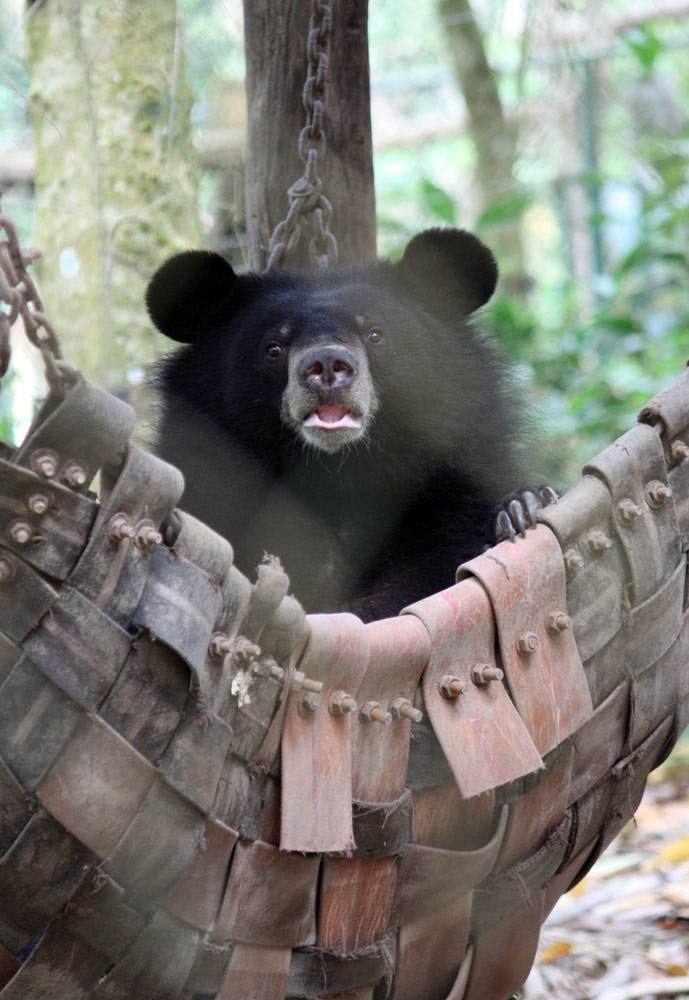
Meet the sun bear and learn about its forest habitat. Sun bears are distinct from moon bears; a moon-bear appeal should not be treated as a fund for Indonesian sun bears.

Forests, fires and coasts

Connect animal care with the habitats, disaster preparedness and local prevention work around it.

Sharing can help too

Share a useful guide or an appeal with its date, sources and current funding status. Tell people what they can do next, and avoid describing an illustrative animal photograph as a current WARN rescue.

More ways to get involved →

Key Facts About Indonesia

  • A location matters: the relevant contact and possible response differ between provinces, islands and species.
  • The community-animal and macaque proposals are needs assessments, with no dedicated collection open.
  • An educational guide, an appeal collecting donations and a published grant payment represent different things.

Forests, fire and wildlife

Indonesia’s CBD profile identifies habitat degradation, fragmentation, pollution and forest and land fires as biodiversity pressures. These are long-term context. A current fire appeal needs dated incident evidence as well as a clear account of which organisation can respond.

Orangutan rescue and the habitat around it

An animal in immediate danger may need a qualified assessment, but moving animals does not remove the pressures on their habitat. Read the orangutan support guide for the different roles of rescue, rehabilitation, protection and suitable release decisions.

Community animals need a different response

Helping a free-roaming cat or dog involves decisions about veterinary care, caregivers, ownership and a suitable long-term outcome. It is a different task from responding to a wild animal or a meat-trade seizure. The community-cat guide explains these distinctions; the proposed Indonesia community-animal cause sets out what needs assessment before a dedicated collection could open.

Look beyond a wildlife photograph

A photograph with a wild animal, a release video or a claim that an attraction is a sanctuary does not establish good care. Use the macaque, songbird, civet and wildlife-tourism guides to examine the animal’s situation, the evidence behind a claim and a responsible next step. Wildlife reporting should go to the relevant authority or qualified organisation, not a public post containing sensitive animal locations.

How to assess a relevant appeal

Start with the stated purpose, its geographic scope and the current recipient status. Then look for a costed proposal, authority to do the work, an animal welfare approach and a reporting plan. Proposed support, an approved award and a completed payment are different stages. Country and species guides explain context; grant records establish what WARN has committed or paid.

Threats to Wildlife in Indonesia

Habitat loss and fragmentation

Forest and land fires

Wildlife capture and trade

Pollution of freshwater and coastal habitats

WARN’s role and funding status

WARN develops support through assessed animal-welfare grants. In September 2026, WARN reported staff meetings with organisations in Indonesia and funding shortages raised in those discussions. This is dated context, not a new report of field activity. Read each appeal for its current scope and recipient status, and the public grant register for decisions and payments. The proposed community-animal and macaque causes are needs assessments; neither has a dedicated collection open.

Key Species in Indonesia

Critically Endangered

Bornean orangutan

Critically Endangered

Sumatran orangutan

Critically Endangered

Tapanuli orangutan

Critically Endangered

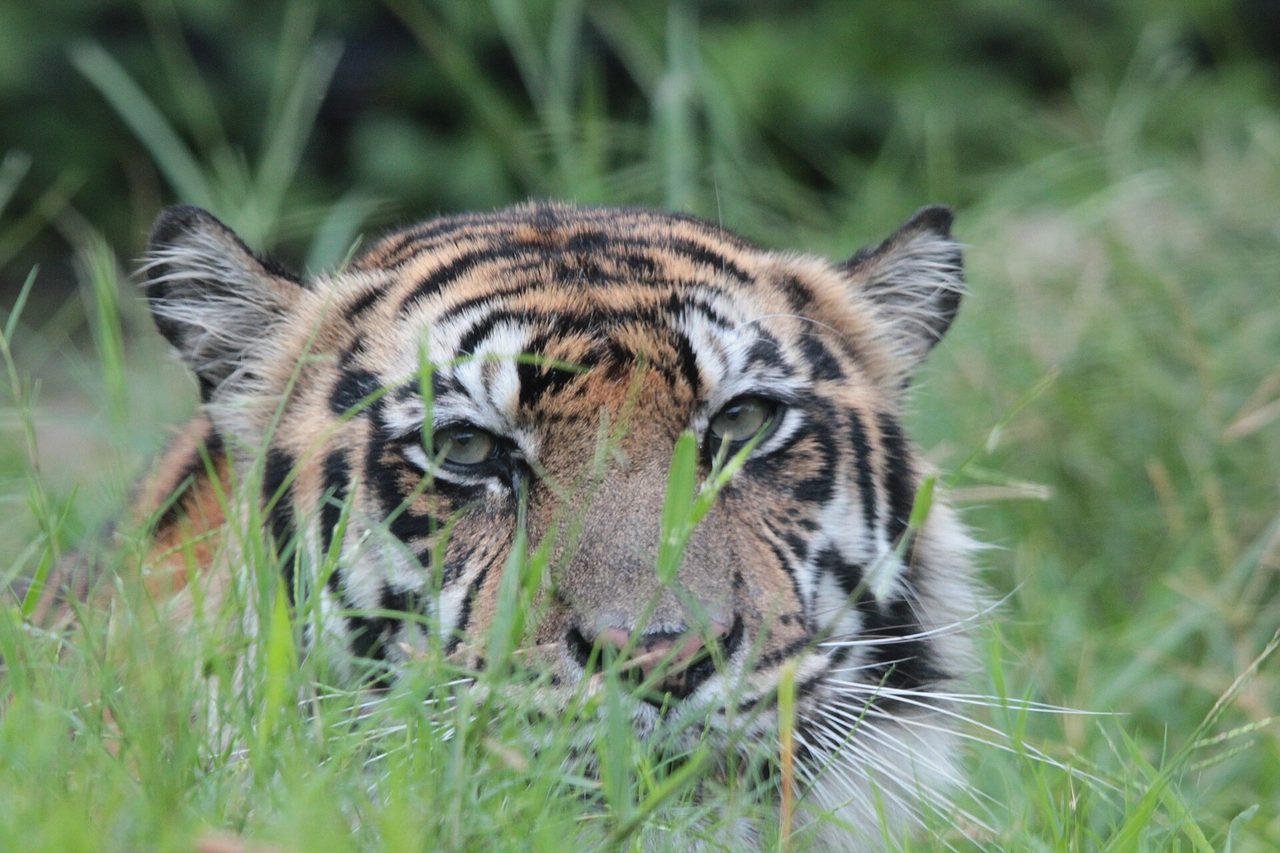
Sumatran tiger

Critically Endangered

Javan rhinoceros

Critically Endangered

Sumatran rhinoceros

Endangered

Komodo dragon

Vulnerable

Sun bear

Critically Endangered

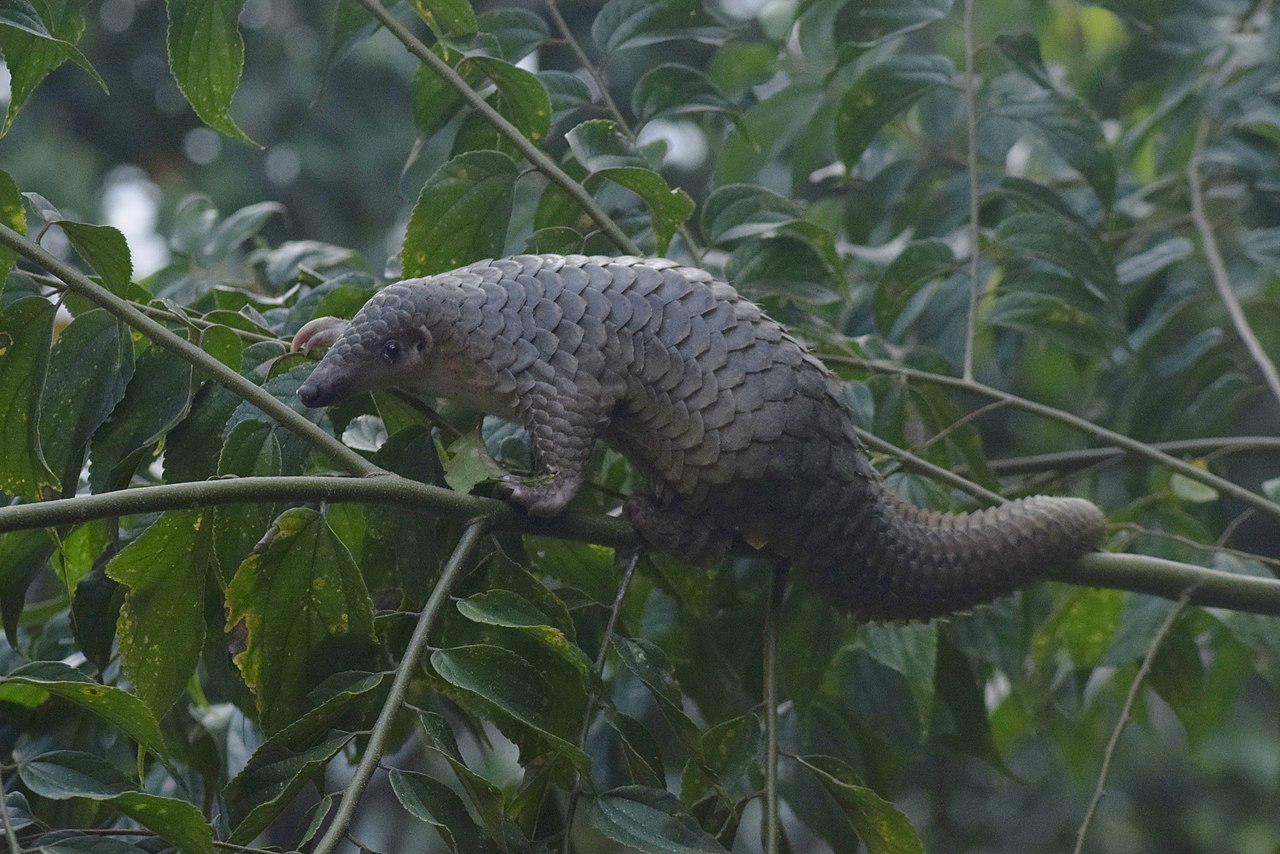
Sunda pangolin

Vulnerable / Endangered (species dependent)

Slow loris

Indonesia FAQ

What animal welfare issues does this Indonesia guide cover?
This guide covers community cats and dogs, wildlife capture and trade, animal encounters, forest fires and coastal pressures. You can browse by cause and region, find published help routes or read the terms of a relevant appeal. Region labels provide context rather than evidence of funded WARN work.
Does this page confirm WARN has funded work in Indonesia?
No. It provides country and animal welfare context. Recipient selection, approved grants, payments and reported outcomes must be checked in the public grant register. Records not yet published means the status is unknown.
Can I restrict a gift to Indonesia?
Read the selected appeal’s purpose and geographic scope before donating. A link from this guide does not create a country-specific fund. Contact WARN before giving if you need a narrower restriction agreed.
Can I donate to the proposed Indonesia community-animal or macaque cause?
No dedicated collection is open for either proposed cause. They are needs-assessment pages explaining the evidence, responsible delivery and costs that must be assessed. They must not be described as funded programmes, and a general donation should not be presented as restricted to either proposal.
How do I report a wild animal that needs help in Indonesia?
Use the official KSDAE directory to find the BKSDA or national park authority for the animal’s location, then follow that office’s current reporting instructions. Keep your distance and share the location privately with the relevant responder. WARN is not an emergency dispatch service.
How do I find urgent animal help in Indonesia?
Contact a suitable local veterinarian, animal rescue service or wildlife authority directly. Use the rescue help finder and directory to look for organisations, then verify their current contact details and ability to respond. WARN’s donation and contact pages are not emergency dispatch services.
Can I help by sharing this information?
Yes. Share the relevant guide or appeal with its sources, dates and recipient status. Do not describe an illustrative photograph as a current rescue or imply an organisation is a WARN partner without a published record.

Sources and how to use this guide

The CBD country profile provides background on biodiversity and habitat pressures. Its figures and policy sections include historical information, and some profiles are marked draft; it is not a live emergency feed. Follow dated original sources in the related appeals for incident information, and the linked species guides for assessment context.

Country-background sources reviewed 8 September 2026. Help-source pages and cause navigation checked 5 October 2026; the linked appeals and species guides carry their own evidence dates. Country coverage does not establish a partnership with the organisations cited.

Help the Animals of Indonesia

Choose a relevant appeal, share reliable information or find local animal help. The general donation page offers unrestricted support and available appeal choices; it does not automatically restrict a gift to this country.

Donate Now