Wildlife appeal · Slow loris welfare
How to Help Slow Lorises
A slow loris belongs in the forest. Support a careful response to trafficking, injury and the loss of safe routes through the canopy.
Slow loris photographed in Kaeng Krachan National Park, Thailand on 8 April 2016. This species photograph does not document a WARN rehabilitation programme.
Photo: Rushen / Thai National Parks. Resized; display may be cropped. Source CC BY-SA 2.0
- Understand the animal’s needs and the proposed support
- Choose a one-off or monthly gift, or share the evidence
- Read recipient selection and grant records before giving
In brief
Slow lorises are wild, nocturnal primates with specialist needs. Trafficking can cause severe injuries, while fragmented habitat creates further risks. This appeal seeks support for assessed welfare and conservation needs, with recipient decisions and grant records to be published as available.
By WARN Research & Conservation Team Last updated
Choose informed support
Support slow lorises
A slow loris belongs in the forest. Support a careful response to trafficking, injury and the loss of safe routes through the canopy.
Before you give
Your gift supports this appeal’s stated purpose. Activities described on this page are eligible or proposed support; published grant records show what has been agreed, paid or reported.
Choose an amount and frequency you can afford. No donation amount guarantees a particular rescue, treatment or release.
WARN is a UK community interest company, number 17298990. Gift Aid is unavailable.
Support slow lorises
Choose your amount and giving frequency
How often
Regular gifts help WARN plan ahead, and you can cancel any time.
Choose an amount
Your gift supports this appeal’s purpose. Grants depend on assessed needs, agreed budgets and available funds.
Where should it go?
Secure payment · You'll be directed to a secure checkout.
Secure donation · accepted methods
Secure card checkout powered by Stripe. Card details are entered on Stripe; available wallets depend on your device and browser.
Nocturnal
Active mainly at night
Wild
Specialist primates with complex needs
Individual
Health and release assessment
Connected
Habitat matters as well as rescue
Species context checked 8 September 2026. Conservation classifications describe a species or population; they do not measure WARN’s work.
How to support slow lorises
Gifts selected for this appeal are intended for eligible slow-loris welfare and conservation. WARN will assess the responsible organisation, proposed activities and costs before an award. The rehabilitation and research sources below describe other organisations’ work.
- 1
Read the purpose and assessment questions
Explore the needs below and read grant selection and where your money goes. A species photograph or an outside organisation’s report does not establish a WARN grant.
- 2
Choose a gift that suits you
Select this appeal, choose one-off or monthly and enter an amount. Review the purpose, currency and frequency before continuing to Stripe. Available wallets depend on your device.
- 3
Follow the published records
Keep your payment receipt and use the grant register for recipient decisions and payment records when published. A receipt confirms your gift; it is not evidence that a grant has already reached a field team.
- 4
Share the evidence
Share accurate information about slow-loris welfare without promoting pet-handling videos. Keep the source, date and species attached, and link to the proposed support and recipient-assessment information.
Why helping a slow loris means more than a rescue
A slow loris presented as a pet may already have suffered injuries that the viewer cannot see. International Animal Rescue describes trafficking cases involving clipped or removed teeth, infection and other trauma. Veterinary treatment can be the start of a lengthy recovery; it is not a guarantee of eventual release.
IAR’s account of YIARI’s work in Java explains how health, behaviour and suitable habitat inform decisions about rehabilitation and release. Some individuals need continued care. Those operator reports show why an appeal should explain the work behind a rescue image instead of equating one photograph with a finished outcome.
Wild lorises also need safe ways to move through their habitat. The Little Fireface Project studies lorises in human-used landscapes and reports on canopy connections developed with communities. Rescue, prevention and habitat work can complement each other, but each needs its own purpose, budget and evidence. WARN does not claim these organisations’ projects as its own.
Evidence: International Animal Rescue — Slow loris conservation and YIARI’s care pathway. External organisations describe their own work; citing them does not identify them as a WARN grantee.
What harms slow lorises?
Capture and dental injuries
Traffickers may damage teeth to make animals easier to handle. Care can involve treating pain, infection and other injuries, with the future of each animal assessed by appropriately qualified specialists.
Unsuitable captive conditions
A nocturnal wild primate needs more than a cage and fruit. Appropriate feeding, opportunities to climb and forage, and careful welfare assessment are part of responsible rehabilitation.
Gaps in the canopy
Fragmented habitat can force animals onto unsafe routes. Conservation research can help identify where appropriate connections and community work could reduce risks.
Species, geography and donor context
| Animal group | Wild nocturnal primates; several distinct species |
|---|---|
| Natural behaviour | Climbing, foraging and moving through connected vegetation |
| Rehabilitation | Needs depend on health, injuries and the animal’s history |
| Release | An individual specialist decision, never a donation guarantee |
| WARN’s proposed role | Assess eligible support and publish funding decisions |
What support could this appeal make possible?
Support could be considered where a credible proposal connects a documented need with authorised care or conservation activity. These examples do not imply that a WARN grant has already been made.
Focus 1
Veterinary and dental treatment
Assess requests for examinations, treatment and recovery care, with access to relevant veterinary expertise and records of the condition being addressed.
Focus 2
Appropriate rehabilitation or continuing care
Assess enclosures, feeding expertise and welfare monitoring. Where release is unsuitable, a proposal should explain the animal’s continuing care and how it will be sustained.
Focus 3
Reducing capture and habitat risks
Consider targeted education, research or habitat connections where the responsible team can explain the local problem, implementation and monitoring.
What would a useful slow-loris grant need to demonstrate?
A strong proposal should connect the animal’s immediate condition with a realistic welfare plan.
- Is the activity appropriate to the species?
- Confirm species identification, local expertise and the relevant permits. A project should not use 'slow loris' as a substitute for identifying the animals it serves.
- What determines a release decision?
- Ask who assesses health, behaviour and habitat, and what alternatives exist when release would compromise welfare.
- Will the work prevent repeat harm?
- Where prevention is proposed, request a clear audience, site or risk to address and a practical way to assess the response.
These are WARN’s assessment priorities for a proposed award. Read the recipient-selection policy.
How to help without donating
Avoid amplifying pet-handling content
Sharing videos of tickling or keeping a loris can spread the impression that it is an appropriate pet. Share a conservation explainer with context instead.
Use authorised help for a live animal
Do not purchase, handle or transport a loris yourself. Contact the relevant wildlife authority or authorised responder and follow their guidance.
Support forest-aware communities
Learn from the Little Fireface Project’s work on coexistence and canopy connections. Share the project’s own account while keeping WARN’s proposed funding separate.
How would support reach slow lorises?
Gifts selected for this appeal are intended for eligible slow-loris welfare and conservation. WARN will assess the responsible organisation, proposed activities and costs before an award. The rehabilitation and research sources below describe other organisations’ work.
WARN is building its grant-making work. Before an award, an organisation’s authority, welfare standards, budget and ability to report must be assessed. Recipient decisions and grant payments will be published as records become available.
The activities described on this page are eligible needs to assess. They are not a statement that WARN has already paid for a rescue, clinic, patrol or sanctuary place. A suggested gift amount does not guarantee a fixed outcome.
How responsible support works
From a gift to a grant
This is WARN’s grant-making process. Check the published records below for this appeal’s actual progress.
Assess the need
Review an organisation’s identity, local capacity, welfare practices, current request and proposed budget.
Agree the support
Choose a suitable purpose within the appeal, agree the budget and set proportionate reporting requirements.
Record the payment
Publish the recipient, amount, purpose and payment status when a grant record is available.
Follow the results
Report what the recipient can evidence, with dates and limitations. An approved grant and a completed outcome are different stages.
Grant register
Approved commitments and completed payments are different stages. Public records identify recipients and purposes without exposing donor details, banking information or sensitive wildlife locations.
Records not yet published
A reconciled financial summary and individual grant records have not yet been published here. This is a reporting status, not a statement that income, expenditure or grants are zero. Contact WARN for information about your gift.
Ask about a donation or grantLearn more and explore other ways to help
Explore the evidence, practical animal-welfare information and other relevant ways to support the cause.
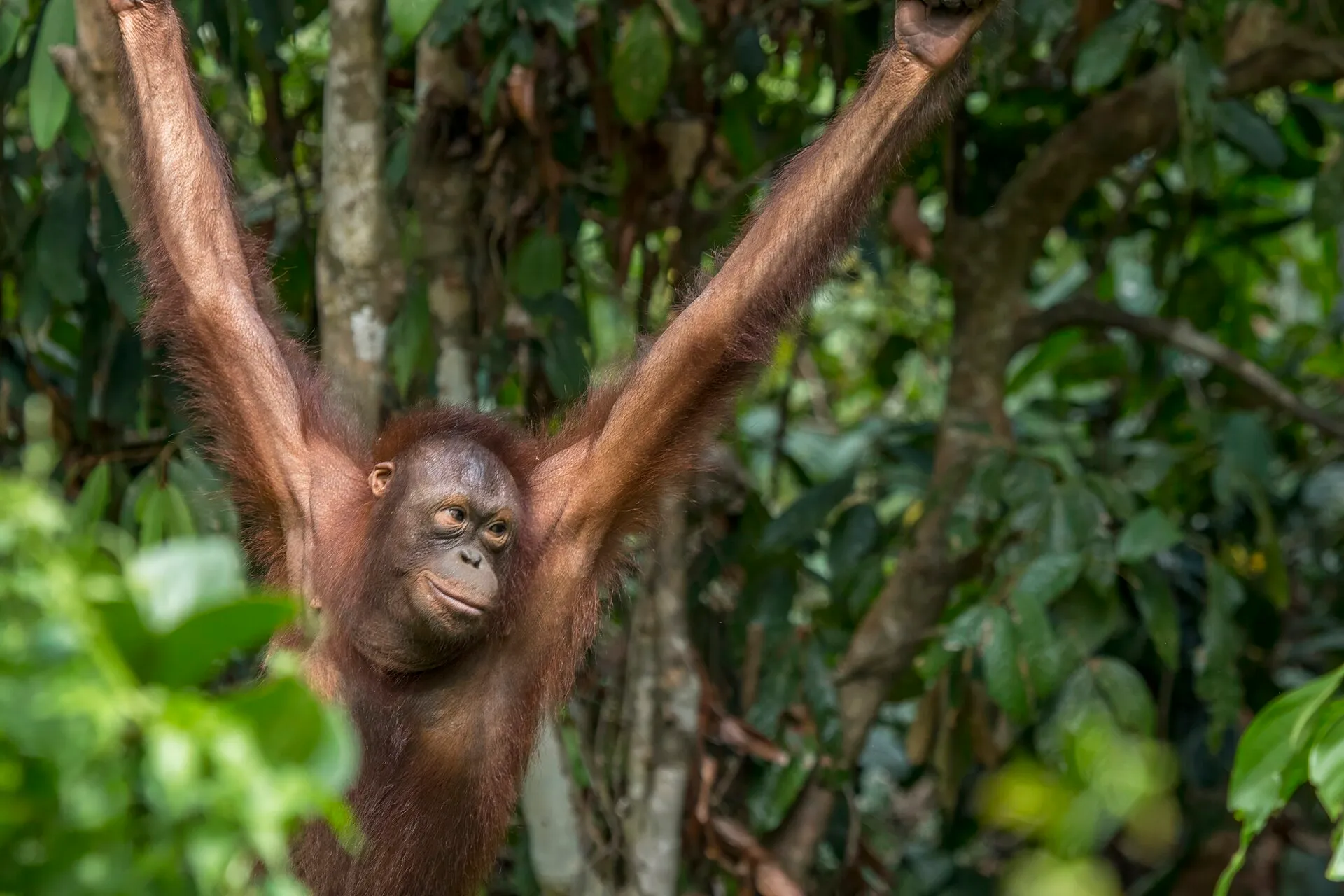
Help Orangutans
Explore how to help orangutans, compare donation purposes and symbolic adoption, and find practical ways to share and protect forests.
Open this page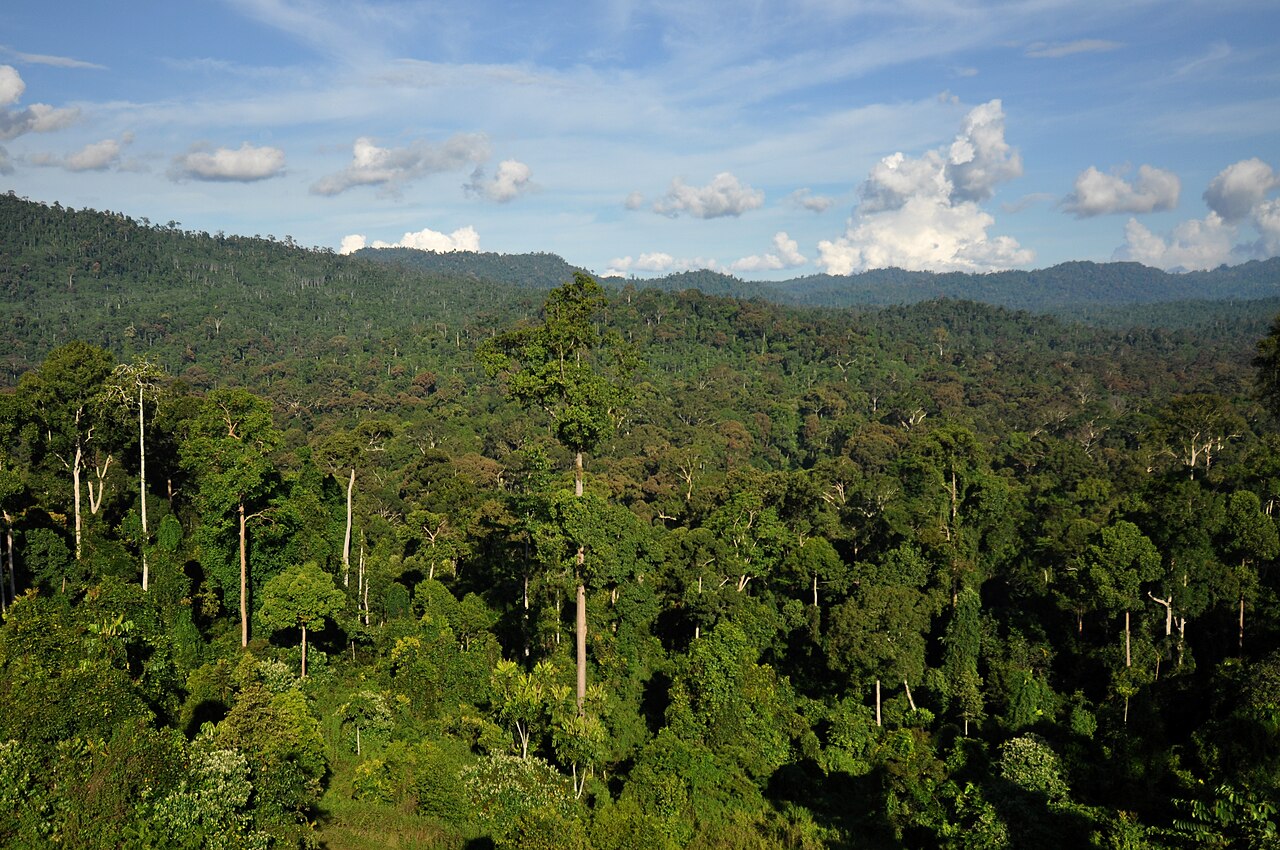
Protect Critical Habitats
Learn about habitat protection, ecological restoration and community stewardship, and how proposed work and its lasting benefit would be assessed.
Open this page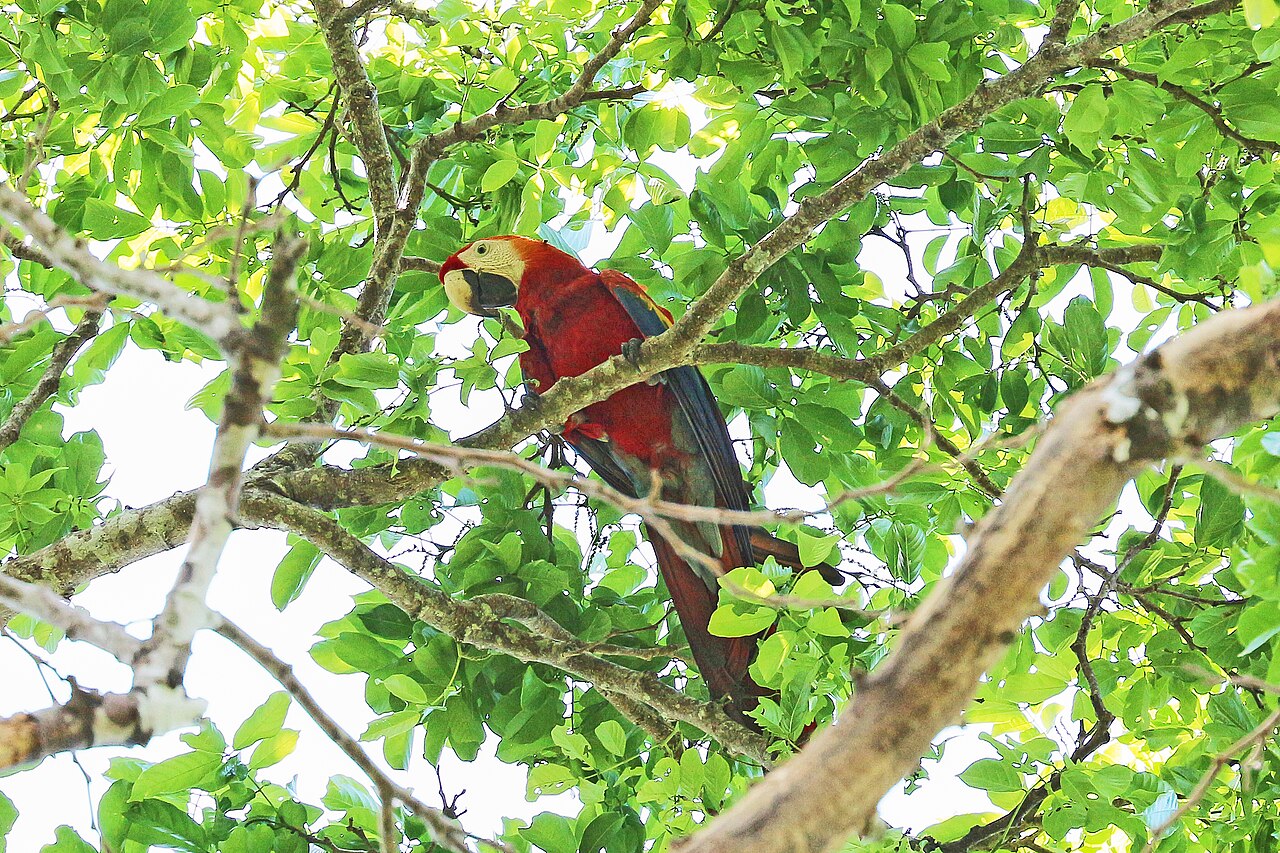
Help Trafficked Parrots
Explore care for parrots harmed by trafficking, safe rehabilitation decisions and habitat protection. Read the proposed support before donating or sharing.
Open this pageYour questions answered
Slow lorises: frequently asked questions
Can a slow loris be a suitable pet?
Can a loris with damaged teeth be released?
Why help habitat as well as rescue?
Are IAR or YIARI receiving WARN donations?
How do I donate to help slow lorises?
How can I help slow lorises from the UK?
Can I give monthly to help slow lorises?
How does my donation reach slow lorises?
Is this Gift Aid eligible or US tax-deductible?
Can I help without donating?
Help slow lorises recover and remain wild
Give towards assessed welfare and conservation needs, or share the evidence behind responsible help.
Help slow lorises