What is topeng monyet?
Topeng monyet refers to monkey performances associated with street entertainment in Indonesia. YIARI’s Si Monyet education project describes macaques made to wear clothes and perform with props while restrained. It asks the public not to support these performances or buy monkeys as pets. Its account is linked below.
A visitor can choose not to pay for a performance or posed photograph and can share the organisation’s explanation instead. Concern for the animal should not become a confrontation with a handler. Report a concern through appropriate local channels and let competent authorities decide what action is possible.
Guide 2
Why a familiar monkey still needs protection
Seeing macaques at a tourist site does not describe the welfare of a captive individual or the condition of wild populations elsewhere. Nor are all Indonesian macaques the same species. Long-tailed macaques, pig-tailed macaques and the crested black macaque have different identities and distributions. Use a specific species name when the identification is reliable.
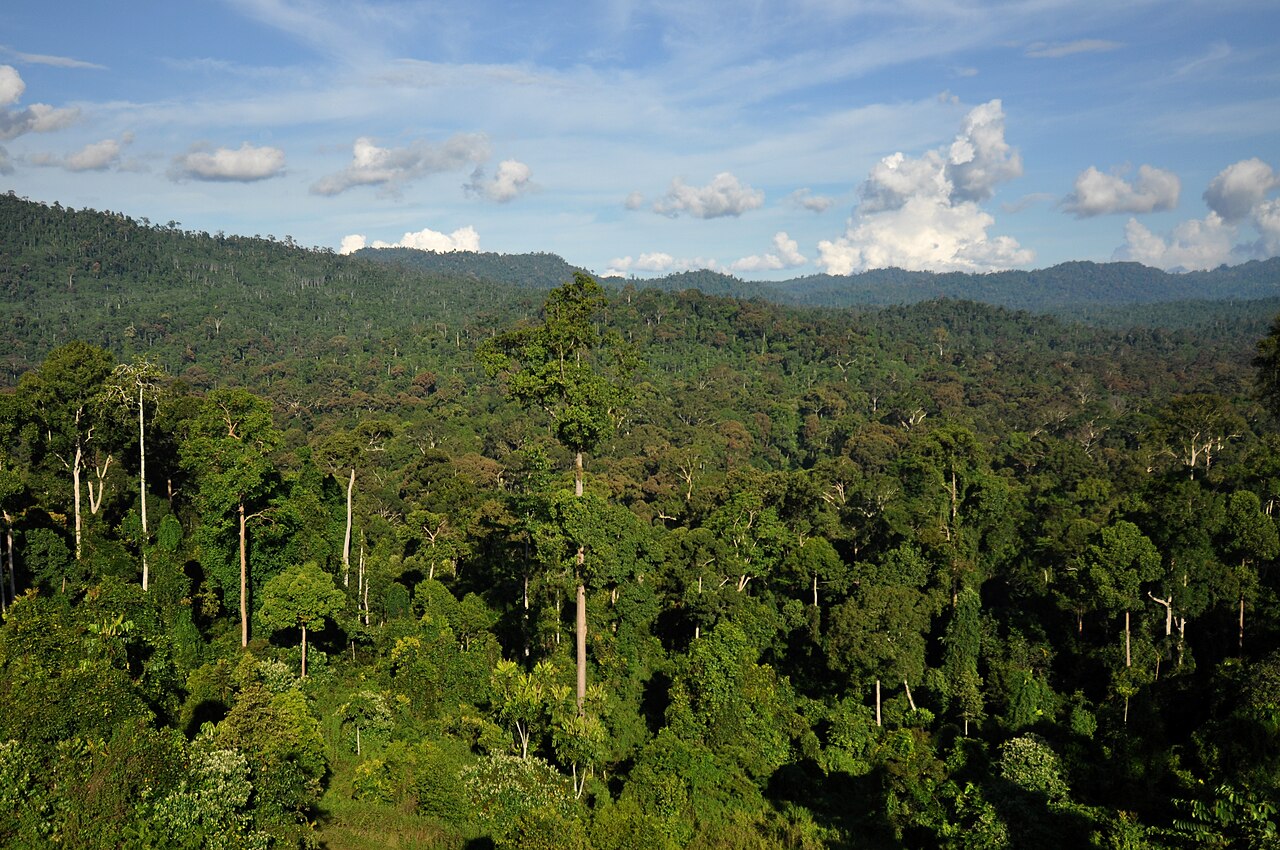
The rainforest photograph on this guide was taken in Sabah, Malaysia. It provides regional habitat context and does not document an Indonesian rescue or topeng monyet case. Our wildlife guides provides species background. Reports about a confiscation should use the identification and location given by the responsible authority, rather than a convenient stock image.
What happens after a macaque is rescued?
International Animal Rescue describes YIARI’s Java macaque work as involving veterinary care, behavioural assessment and rehabilitation. Its account explains that some animals can be prepared for release, while others require continuing sanctuary care. The needs extend beyond the moment of removal from captivity. These are the organisations’ reported activities, not WARN-funded results.
For a proposed grant, useful questions include: who is legally responsible for the animals, which care gap exists, what specialist capacity is available and how the organisation will report its use of funds? A centre’s public rescue story alone does not answer those questions or confirm that it is requesting a grant from WARN.
Guide 4
Why release cannot be promised with every rescue
Release is a conservation and welfare decision, not a reward for reaching a fundraising target. IUCN’s guidance on confiscated live organisms emphasises responsible management that considers both the individual and conservation. A donor should expect the responsible specialists and authorities to explain the placement decision.
A useful proposal allows for a justified outcome other than release and describes who will support ongoing care. It should not advertise an automatic release date for an animal that has not been assessed. Similarly, the number of animals admitted is a different measure from the number released or doing well after release.
Guide 5
Pets, performances and online content
YIARI’s education material connects the pet trade and entertainment demand with primate welfare concerns. A seemingly amusing video does not show how an animal was acquired or what happens outside the frame. Sharing the original educational material is more useful than circulating a distressing clip without its date or source.
When reporting an online concern, retain the original link and the information already publicly provided. Do not engage in a purchase or a private “rescue deal”. WARN does not arrange the buying, private transport or handover of macaques. The person or organisation with lawful responsibility must coordinate any intervention.
Guide 6
If you encounter a macaque in difficulty
Contact the relevant BKSDA office or an established specialist organisation and describe the location and concern. YIARI publishes contact details for its offices, but availability and jurisdiction must be checked directly. WARN is an information and fundraising organisation, not a wildlife dispatch service.
This page does not provide capture or treatment instructions. If there has been an injury to a person, seek professional medical help. For travel planning, read ethical wildlife tourism indonesia and ask operators about their animal-contact rules before booking.
Guide 7
How to assess a macaque rescue fundraiser
Look for a named responsible organisation, a specific unmet need, a realistic budget, permissions where required and a reporting plan. Check whether a dramatic case has already been funded by someone else. Ask how a proposed contribution fits the organisation’s wider care commitments and how any unused balance will be handled.
Avoid treating a fixed gift amount as the price of freedom for a named animal unless the fundraiser can evidence that claim. Recovery, continuing care and release preparation do not necessarily follow identical timelines or costs.
Guide 8
What WARN is proposing
Read indonesia macaques appeal for the proposed cause and assessment status. WARN has not confirmed a delivery recipient or costed proposal and is not collecting gifts for this candidate appeal. A dedicated fundraising launch would require published scope and terms.
You can read the independent organisations’ original accounts or share this guide with its status intact. For other issues and support routes, use Indonesia. A macaque cause should not be confused with an orangutan or slow-loris appeal simply because all concern primates.