Appeal · habitat protection and restoration
How to Help Protect Critical Habitats
Animals need places to feed, shelter and move. Help build support for protecting existing habitat and restoring damaged landscapes with local communities.
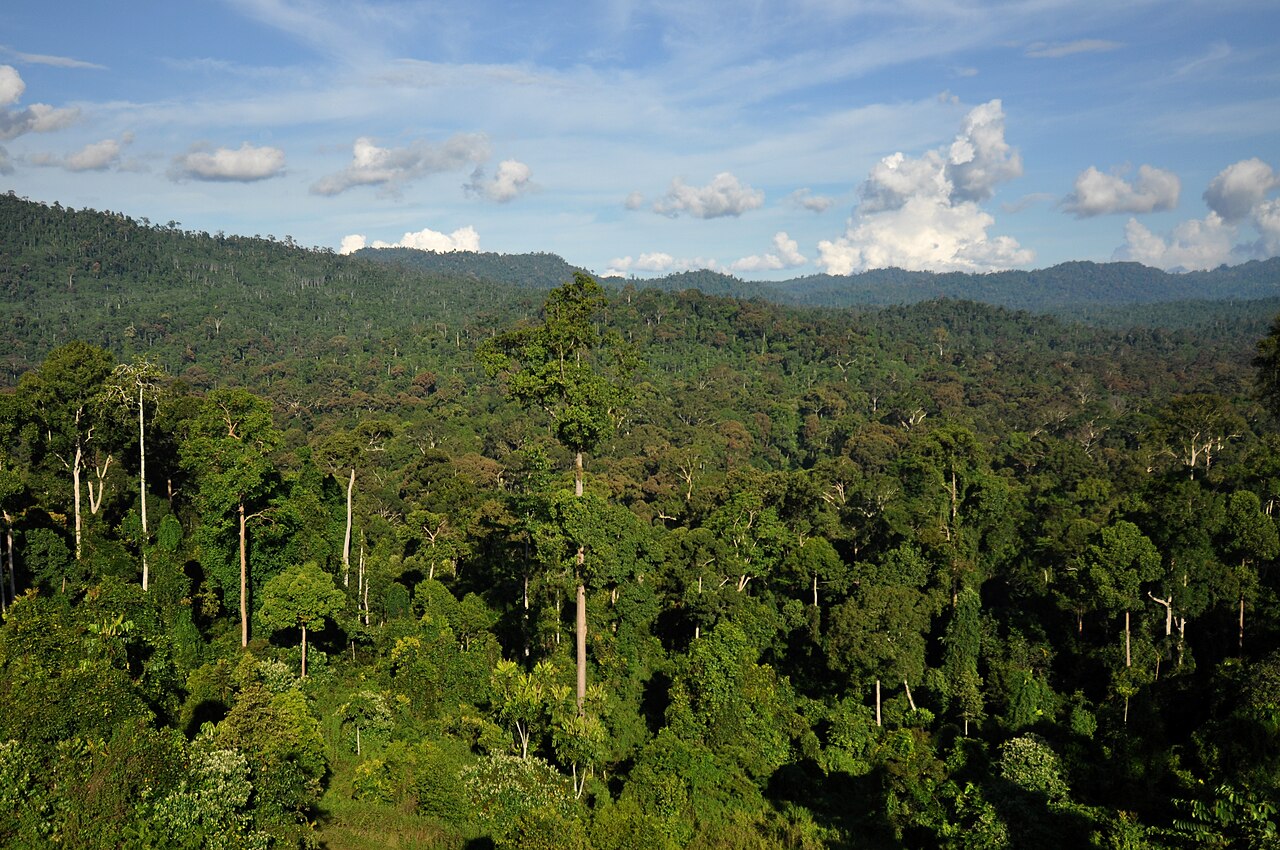
Mature dipterocarp rainforest photographed in Sabah, Malaysian Borneo on 25 May 2010. This habitat photograph does not show the Kalimantan fires or a WARN-supported restoration site.
Photo: T. R. Shankar Raman / Wikimedia Commons (CC BY-SA 4.0). Commons-generated thumbnail; no further image edits. Display may be cropped. Source CC BY-SA 4.0
- Support intended grants for wildlife habitat protection, ecological restoration and community stewardship. Read how proposed work would be assessed.
- Choose one-off or monthly support
- Read the grant status and how funds are allocated
In brief
Support intended grants for wildlife habitat protection, ecological restoration and community stewardship. Read how proposed work would be assessed. WARN is developing its grant-making work. Grant records have not yet been published; read the purpose, terms and reporting status before giving.
By WARN Research & Conservation Team Last updated
Choose informed support
Support critical habitats
Animals need places to feed, shelter and move. Help build support for protecting existing habitat and restoring damaged landscapes with local communities.
Before you give
Your gift supports this appeal’s stated purpose. Activities described on this page are eligible or proposed support; published grant records show what has been agreed, paid or reported.
Choose an amount and frequency you can afford. No donation amount guarantees a particular rescue, treatment or release.
WARN is a UK community interest company, number 17298990. Gift Aid is unavailable.
Give now
Appeal · habitat protection and restoration · one-off or monthly
How often
Choose an amount
Your gift supports this appeal’s purpose. Grants depend on assessed needs, agreed budgets and available funds.
Where should it go?
Secure payment · You'll be directed to a secure checkout.
Secure donation · accepted methods
Secure card checkout powered by Stripe. Card details are entered on Stripe; available wallets depend on your device and browser.
Protect
Address threats to existing habitat
Restore
Use methods suited to the ecosystem
Maintain
Plan for care beyond the first activity
The appeal focus describes intended support. Independent conservation and welfare sources are linked below.
How to Help Protect Critical Habitats
Support intended grants for wildlife habitat protection, ecological restoration and community stewardship. Read how proposed work would be assessed.
- 1
Read the appeal purpose and current funding status
Support intended grants for wildlife habitat protection, ecological restoration and community stewardship. Read how proposed work would be assessed. The grant register and allocation policy explain how to distinguish proposed support from published results.
- 2
Choose an affordable gift
Select an amount, currency and one-off or monthly frequency. Check this appeal is selected before continuing to Stripe checkout. Available wallets depend on your device and browser.
- 3
Consider regular support
Choose a frequency and amount that suit you. Recurring gifts support planning under this appeal’s terms; they do not guarantee a specific animal outcome.
- 4
Follow decisions and published results
Your receipt records the gift. Check /about/where-your-money-goes/#grant-register for published recipient decisions and payments, and manage for help with future monthly donations.
Why protect habitat as well as rescue animals?
Habitat loss can remove food and shelter and bring animals into greater contact with people. Caring for an injured animal addresses an immediate welfare need; protecting a suitable place to live addresses a different part of the problem.
This appeal seeks support for intended grants covering habitat protection, connections between habitat patches and ecological restoration. The location and method would be established through an assessed proposal, rather than inferred from a photograph or a species guide.
What kinds of habitat work could help?
Restoration includes more than planting trees. The UN Decade on Ecosystem Restoration describes approaches that remove damaging pressures and allow natural recovery, as well as active restoration. Forests, freshwater, grasslands, coasts and peatlands need different methods.
For a forest proposal, ask what prevents recovery and whether planting is actually necessary. For a wetland or peatland proposal, ask how water management and existing uses will be addressed. The right intervention should be chosen for that ecosystem, with suitable expertise and permissions.
How does habitat work connect to wildlife?
A useful proposal should name the wildlife need it addresses: a feeding area, a breeding site, a safe connection or a reduction in a specific threat. It should also explain how people use the landscape and how their rights and livelihoods will be respected.
For species context, explore the orangutan, elephant and jaguar appeals. These links explain related needs; they do not establish that WARN owns or protects the landscapes described.
What could habitat donations support?
Intended eligible support includes community stewardship, protection agreements, carefully planned restoration and monitoring linked to animal welfare or conservation. An agreement should identify the site, responsibilities, budget and maintenance beyond the initial activity.
WARN’s grant records have not yet been published. This appeal does not sell a plot of land, issue a title deed, promise a hectare per donation or offer a verified carbon offset. Those are distinct claims requiring evidence and, where relevant, specialist verification.
How would a responsible habitat grant be assessed?
Start with the legal right to work on the site and the informed involvement of affected communities. Check the ecological baseline, the main threats, locally suitable methods and whether the budget covers ongoing management.
Then agree what can realistically be measured. A planting total says little about survival or habitat quality. A stronger report could compare repeat observations of recovery, maintenance, remaining pressures and relevant wildlife use, while acknowledging what the monitoring cannot establish.
What progress should supporters expect to see?
Protection and restoration take time, and results vary with conditions. Reports should distinguish activities already completed from expected future benefits. They should also explain setbacks, changed methods and who will continue the work after the grant ends.
If you cannot donate, sharing a clear explanation of habitat protection can still help. Link people to the appeal and source material so they can understand both the need and the status of the proposed funding.
From your gift to accountable support
WARN intends to support eligible organisations through assessed grants. The recipient, scope, budget and reporting requirements need to be documented before a grant is treated as an approved commitment.
Grant records have not yet been published. Use the register and reporting pages for evidence of approved grants, transfers and results.
The appeal terms explain the funding purpose and allocation policy. Suggested gift amounts are contributions; they do not promise a fixed treatment, item or animal outcome.
How responsible support works
From a gift to a grant
This is WARN’s grant-making process. Check the published records below for this appeal’s actual progress.
Assess the need
Review an organisation’s identity, local capacity, welfare practices, current request and proposed budget.
Agree the support
Choose a suitable purpose within the appeal, agree the budget and set proportionate reporting requirements.
Record the payment
Publish the recipient, amount, purpose and payment status when a grant record is available.
Follow the results
Report what the recipient can evidence, with dates and limitations. An approved grant and a completed outcome are different stages.
Grant register
Approved commitments and completed payments are different stages. Public records identify recipients and purposes without exposing donor details, banking information or sensitive wildlife locations.
Records not yet published
A reconciled financial summary and individual grant records have not yet been published here. This is a reporting status, not a statement that income, expenditure or grants are zero. Contact WARN for information about your gift.
Ask about a donation or grantLearn more and explore other ways to help
Explore the evidence, practical animal-welfare information and other relevant ways to support the cause.

Help Orangutans
Learn why orangutans need secure forest habitat.
Open this page
Help Protect Jaguars
Explore connections between jaguar habitat and coexistence.
Open this page
Elephant Rescue & Protection
See how elephant welfare and habitat connections fit together.
Open this pageAlso: Rainforest animals · Help orangutans · How funds are allocated · How grants are assessed · All appeals
Your questions answered
Critical habitats: frequently asked questions
How can I donate to protect wildlife habitats?
Does habitat restoration always mean planting trees?
Will my donation buy a hectare?
Is this a carbon-offset scheme?
How will habitat results be measured?
Does WARN already own conservation land?
How do I donate to help critical habitats?
How can I help critical habitats from the UK?
Can I give monthly to help critical habitats?
How does my donation reach critical habitats?
Is this Gift Aid eligible or US tax-deductible?
Can I help without donating?
Help build support for critical habitats
Choose an affordable contribution to the purpose described here. Sharing this appeal can also help others learn about the need and decide how to support it.
Support critical habitats