
Accessible veterinary care
Consider a defined area where families or community carers cannot access necessary care. A proposal should identify veterinary oversight, how animals are selected and how urgent cases and follow-up are handled.
Indonesia · Proposed appeal
Better access to veterinary care, fewer unwanted litters and practical support for the people who care for animals. Help build a clear, accountable route to local support.
Planning stage · No dedicated collection open
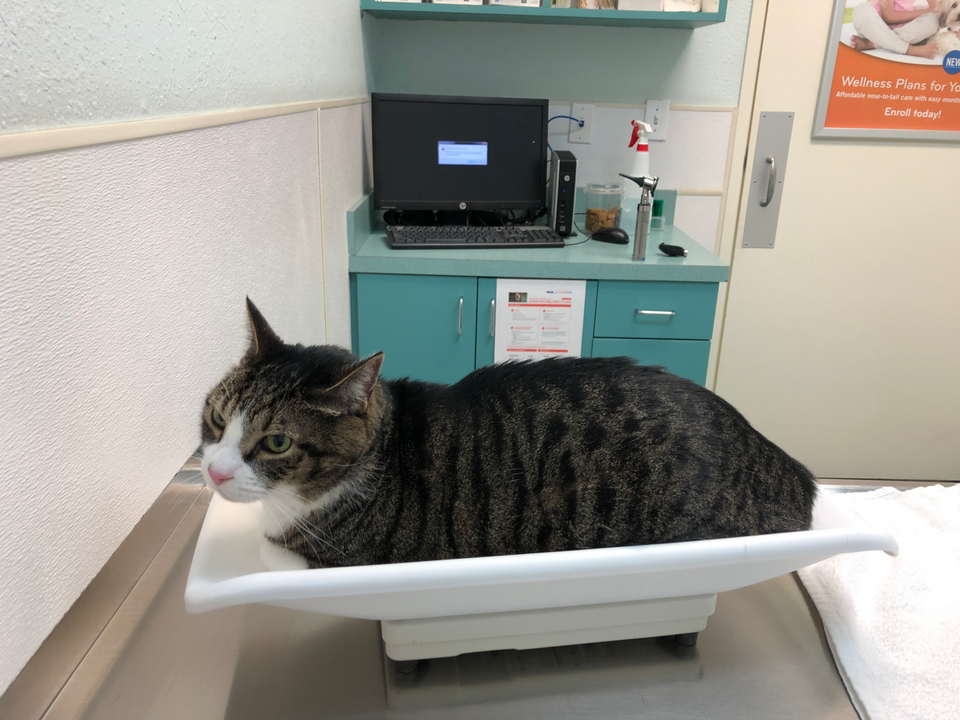
A cat during a veterinary visit on 10 September 2019. This photograph illustrates veterinary assessment; the source does not establish an Indonesian location or a WARN-funded project.
Photo: RL0919 / Wikimedia Commons (CC BY-SA 4.0). Commons-generated thumbnail; no further image edits. Display may be cropped. Original source · CC BY-SA 4.0
In brief
WARN is exploring a proposed appeal for community cats and dogs in Indonesia. Possible support includes locally led veterinary care, sterilisation, vaccination and carer support. A dedicated collection is not open: the location, recipient and budget still need assessment.
By WARN Editorial Team Checked against the primary sources listed below Last updated
Funding status
This is a proposed cause for WARN to assess. No dedicated fundraising collection is open, no recipient has been selected and no costed project or funding target has been approved.
The organisations cited below provide evidence of their own work. They are not named recipients of this proposal. Existing donations to WARN’s other appeals do not automatically become funds for this cause. Read our recipient-selection policy and grant register.
An animal’s immediate need may be an injury, illness or lack of safe care. A useful local programme also asks what would prevent the same problem recurring, who will provide follow-up and how carers can obtain help. The proposed WARN appeal would assess that whole pathway before asking people to fund it.
On 28 September 2026, Bali’s provincial government reported vaccination and sterilisation activities held in Denpasar the previous day for World Rabies Day. Its account emphasised veterinary services, responsible ownership and continuing cooperation between communities and public authorities. This is a recent example of local priorities, not evidence that WARN delivered or funded those activities. Read the government report.
BAWA describes village Animal Health Days combining sterilisation with government-provided rabies vaccination and some general treatment. Its model includes both animals brought by residents and unowned animals handled by its team. This illustrates why delivery involves local coordination and appropriate handling as well as clinical supplies. Read BAWA’s account.
Villa Kitty describes a different, cat-focused pathway: rescue, veterinary prevention, fostering and adoption. These activities show how a cat’s needs can extend beyond a single visit. The programme’s current capacity and availability must be checked directly; it is not a service commissioned by WARN. Read Villa Kitty’s account.
“Street animal” can include owned animals allowed outdoors, lost pets and animals supported by several people. A proposal should establish who already cares for them and what welfare concerns need addressing. Removing an animal without understanding that context can separate it from its family or carers.
Future support would therefore need a defined service area, qualified assessment, an appropriate recovery plan and a responsible person or team for follow-up. Any return or placement decision must consider local requirements, the animal’s welfare, community concerns and surrounding wildlife.
Possible support
These are proposed areas to assess, rather than funded activities or promised outcomes. A credible local proposal would determine the eventual location, scope and costs.
Consider a defined area where families or community carers cannot access necessary care. A proposal should identify veterinary oversight, how animals are selected and how urgent cases and follow-up are handled.
Assess locally coordinated programmes with suitable facilities, qualified teams, transport when needed, records and recovery care. Funding would need to cover a safe service, rather than an operation count alone.
Consider carer education, identification and reunification, appropriate foster or adoption support, and locally agreed management. A proposal should address ongoing responsibility and the animals’ surroundings.
A useful appeal needs an accountable route from a defined need to practical support. These questions guide the proposed assessment.
Name the village, neighbourhood or service area and distinguish owned, lost and unowned animals. Explain what existing services already cover and where further support could make a practical difference.
Check the responsible organisation, veterinary credentials, local coordination and welfare arrangements. The plan must explain assessment, recovery, follow-up, emergencies and what happens to each animal after treatment.
Request an itemised budget and proposed timetable, including necessary staff, transport, supplies, aftercare and record keeping. Establish what can proceed with a smaller award and what cannot be delivered safely without full funding.
Before a dedicated collection opens, publish the agreed geographical scope, recipient status, intended use of funds and collection terms. Any later award should have expenditure evidence and a proportionate report in the grant register.
Use WARN’s existing enquiry route to describe your organisation, the place and animals involved, the unmet need and an indicative budget. An enquiry does not guarantee a grant. Please leave bank details, identity documents and sensitive wildlife locations out of your initial message.
Share an organisation’s needsContact a local veterinary practice or an established animal-welfare service. Check its current coverage and capacity before travelling. WARN does not dispatch an emergency rescue team from this page.
Read local-help guidanceUse the organisations’ own official websites below to check whether they currently need funds, volunteers, foster homes or supplies. Any support given directly follows that organisation’s terms and is separate from WARN.
Read the original programme sourcesShare the community-cat guide and verified local service information. Keep the place and publication date attached, and avoid describing every outdoor dog or cat as abandoned.
Read the community-cat guideSources reviewed on . Publication dates describe the source reports; they do not establish a current WARN project or a funding agreement.
Reports the World Rabies Day activities held in Denpasar on 27 September. Evidence of local priorities, not a WARN-funded event.
BAWA describes its own community services. Availability and arrangements should be checked directly with the organisation.
The foundation explains its own work with Bali’s cats and kittens. This reference does not establish a WARN partnership.
Have a correction or a newer primary source? Contact WARN with the page address and supporting information.