Snake Species · Europe, Western Asia
Grass Snake
Europe's familiar garden snake — see WARN's dedicated grass snake guide.
By WARN Research & Conservation TeamLast updated
In brief
The Grass Snake is Europe's familiar harmless garden snake — olive or brown with yellow collar, swimming well and feigning death when handled. Its defining trait is semi-aquatic lifestyle hunting amphibians and fish in ponds and meadows. WARN publishes a dedicated European grass snake wildlife guide separate from this species library entry.
What are the key facts about a Grass Snake?
The Grass Snake is a snake species from Europe, Western Asia: medium (1–1.5 m), harmless, semi-aquatic, plays dead. Europe's familiar garden snake — see WARN's dedicated grass snake guide.
| Origin | Europe, Western Asia |
|---|---|
| Size | Medium (1–1.5 m) |
| Typical length | 80–150 cm (2.5–5 ft) typical; slender build weighing 100–400 g |
| Lifespan | 15–20 years (grass snake); 20–30 years (anaconda) |
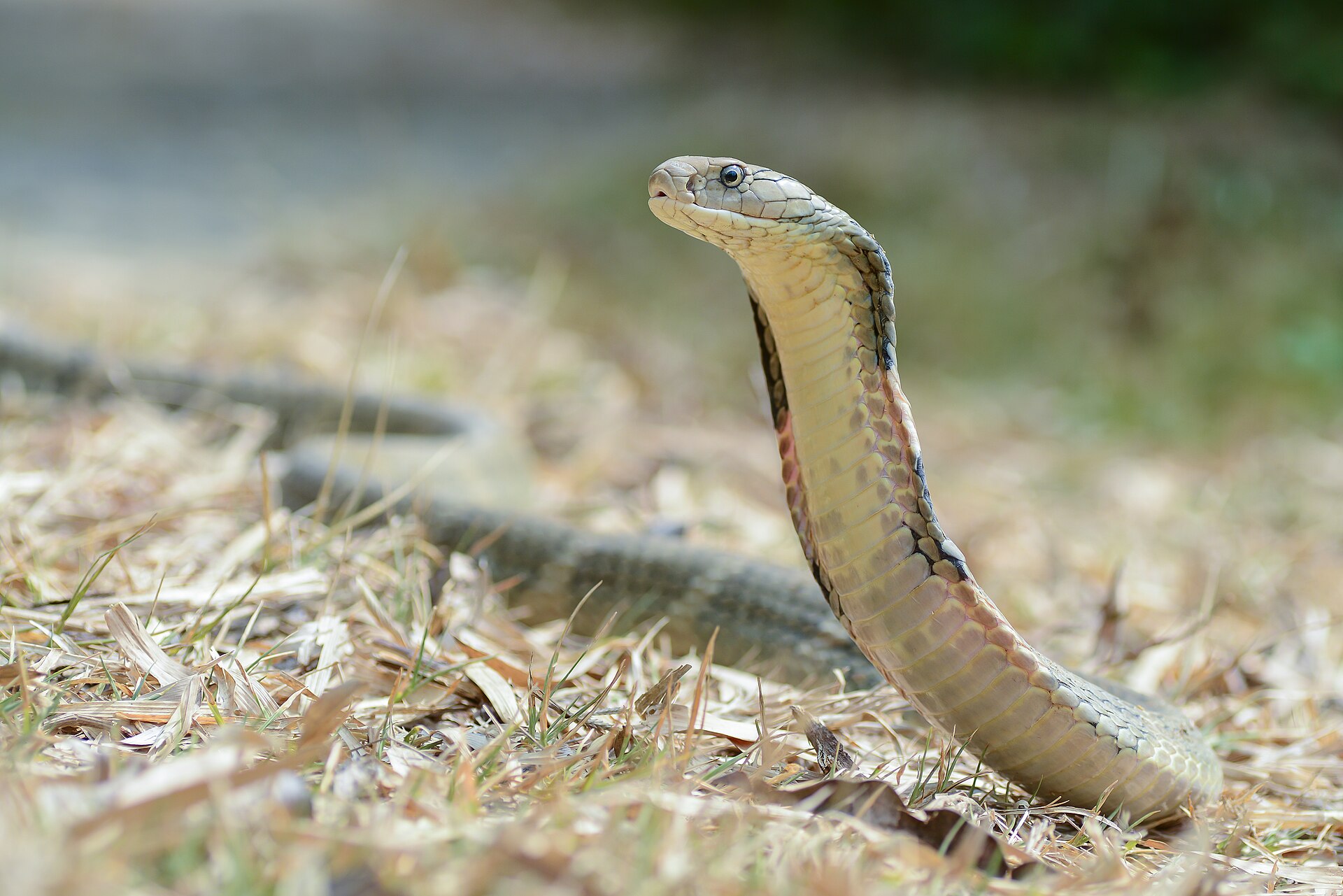
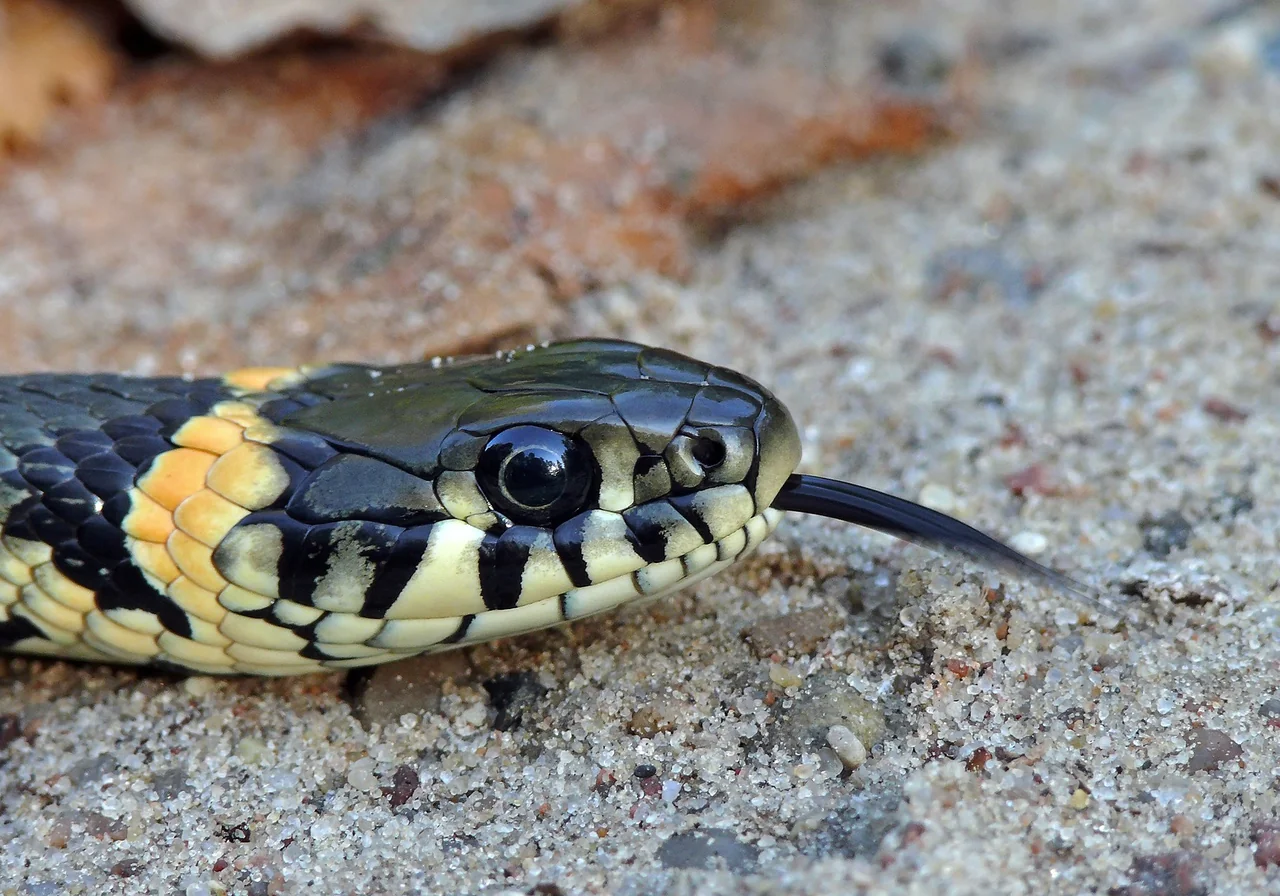
| Scales & pattern | Olive-green, brown or grey body with black-bordered yellow or white collar behind head — diagnostic in most populations. Some individuals lack the collar. Smooth scales with slight iridescence. Darker dorsal, pale ventral. Sheds in one piece; frequent incomplete sheds indicate dehydration or mite infestation. |
| Temperament | Harmless, semi-aquatic, plays dead |
| Conservation note | Wild grass snakes belong in European wetlands and gardens — indicators of healthy pond ecosystems. Provide log piles, compost heaps and pond access in wildlife-friendly gardens rather than attempting confinement. Relocate from buildings using trained handlers; never kill — completely harmless to humans and pets. |
Should you keep a Grass Snake?
A Grass Snake is a wild snake from Europe, Western Asia. This page is a species briefing, not a shopping guide. Most people should not keep one; many species here are unsafe, illegal, or both as pets.
Fear, fashion and the exotic-pet trade all distort this animal. The Grass Snake belongs in Europe, Western Asia, in the habitat that produced a medium (1–1.5 m) harmless, semi-aquatic, plays dead species. Killing “pests”, buying wild-caught animals, or posing with them for photos all make the conservation problem worse.
If a Grass Snake is already in accredited care, follow specialist veterinary and licensing rules. If it is not, do not start. The honest next step is the species guide and, where WARN funds relevant work, the appeal linked from this page.
What is a Grass Snake?
Europe's familiar garden snake — see WARN's dedicated grass snake guide. Origin is Europe, Western Asia; coat or markings are described as Olive-green, brown or grey body with black-bordered yellow or white collar behind head — diagnostic in most populations. Some individuals lack the collar. Smooth scales with slight iridescence. Darker dorsal, pale ventral. Sheds in one piece; frequent incomplete sheds indicate dehydration or mite infestation..
Treat “species” here as a library label for a wild species or distinct form, not as a kennel-club product.
Where does the Grass Snake come from?
Grass Snakes come from Europe, Western Asia. Grass snakes range across Europe from Britain and Scandinavia to Iran, in wetlands, meadows, gardens and woodland edge.
They hunt amphibians, fish and small mammals, swimming well and diving to escape predators. When handled, they feign death, excrete foul-smelling musk and may hiss — but never bite aggressively. WARN publishes a full European grass snake wildlife guide with ecology detail beyond this library entry. Pond drainage, agricultural intensification and road mortality reduce grass snake populations across Britain and continental Europe. They are legally protected in Britain under the Wildlife and Countryside Act. Grass snakes lay eggs in compost heaps and rotting vegetation — the only egg-laying snake in Britain. Warm compost incubation produces hatchlings without maternal care.
What does a Grass Snake actually need?
A wild Grass Snake needs the habitat and social system of Europe, Western Asia, not a spare room. Size (Medium (1–1.5 m)) and a harmless, semi-aquatic, plays dead life history are why private keeping fails.
In the wild that means connected habitat, a diet the species evolved with, and distance from the pet and selfie trades. Captive “care sheets” for wild snakes are how trafficking gets laundered as husbandry.
If you already work in accredited rescue, follow specialist protocols and licensing. Everyone else: do not acquire a Grass Snake. Support habitat and anti-trafficking work instead.
What surprises people about the Grass Snake?
A few details about the breed, alongside the practical care information in this guide.
- Grass snakes feign death with mouth open and tongue out when threatened — thanatosis behaviour.
- They are the only egg-laying snake native to Britain.
- Grass snakes swim well and hunt frogs and fish in garden ponds.
- The yellow collar behind the head is the easiest field mark for identification in most populations.
What health issues should you know about in a Grass Snake?
Health concerns to discuss with your vet, including changes to watch for and everyday care. This is general guidance, not veterinary advice — always speak to your vet.
Habitat loss
Pond drainage, agricultural intensification and garden paving remove grass snake foraging and egg-laying habitat across Europe.
Care: Create wildlife ponds and compost heaps in gardens. Support wetland protection and riparian corridor connectivity.
Road mortality
Grass snakes crossing roads near wetlands are killed by vehicles, especially during dispersal and migration to hibernation sites.
Care: Drive carefully near ponds and meadows. Support wildlife tunnels under roads in known snake crossing areas.
Pond drainage
Loss of garden and farmland ponds removes amphibian prey and aquatic refuge for grass snakes — a primary decline driver in Britain.
Care: Restore garden ponds without fish, which eat tadpoles. Support community pond creation schemes and wetland restoration.
Who should skip a Grass Snake?
Skip a Grass Snake if you are anyone hoping to keep a Grass Snake as a pet or photo prop. This Europe, Western Asia snake is medium (1–1.5 m) and harmless, semi-aquatic, plays dead — the mismatch is usually lifestyle, not a missing accessory.
This page is allowed to say no. Skip if you are anyone hoping to keep a Grass Snake as a pet or photo prop. Skip if you are anyone who will pay for a wild-caught or roadside animal. Skip if you are tourists looking for handling or selfies.
A different snake species on this site may fit. Wanting “a Grass Snake” after a film or a colour photo is not a reason to ignore the skip list.
What are the hidden catches with a Grass Snake?
The hidden cost of a Grass Snake is usually not the purchase price. It is years of care, the health list on this page, and the mismatch between a harmless, semi-aquatic, plays dead animal and a busy home.
The pet-trade catch
Cute infant Grass Snakes in ads were usually taken from wild families. The adult you cannot house is then dumped, euthanised, or passed on. Do not create that demand.
The tourism catch
Paying to hold, ride, or selfie with a Grass Snake funds the next capture or a stressed ambassador animal. Distance and accredited viewing are the ethical default.
The habitat loss catch
Pond drainage, agricultural intensification and garden paving remove grass snake foraging and egg-laying habitat across Europe. Create wildlife ponds and compost heaps in gardens. Support wetland protection and riparian corridor connectivity.
The road mortality catch
Grass snakes crossing roads near wetlands are killed by vehicles, especially during dispersal and migration to hibernation sites. Drive carefully near ponds and meadows. Support wildlife tunnels under roads in known snake crossing areas.
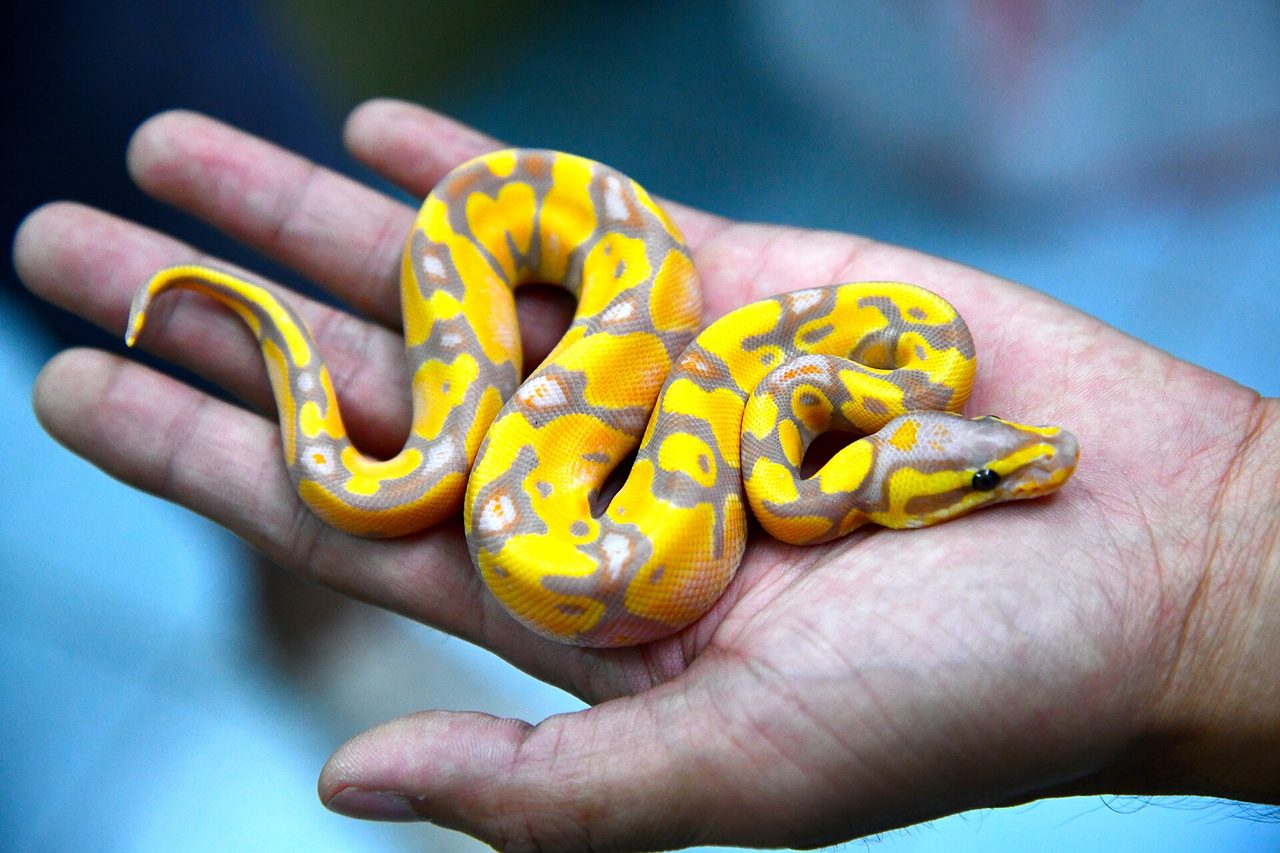
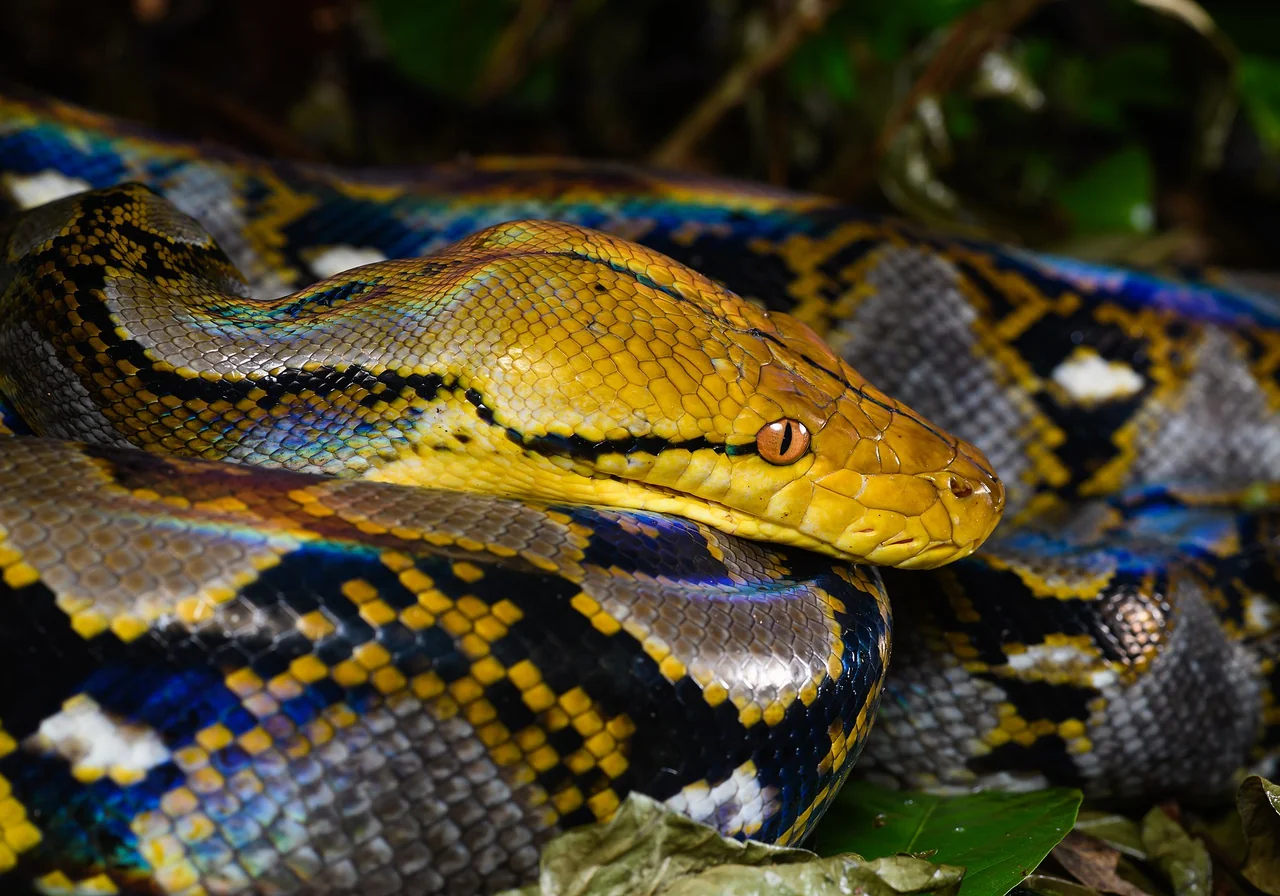
How does a Grass Snake compare with Ball Python and Reticulated Python?
A Grass Snake is not interchangeable with Ball Python and Reticulated Python. Compare origin, size, lifespan and temperament before you choose — those four lines prevent most regret.
| Snake fact | Grass Snake | Ball Python | Reticulated Python |
|---|---|---|---|
| Origin | Europe, Western Asia | West & Central Africa | South-east Asia |
| Size | Medium (1–1.5 m) | Medium (1.5–2 m) | Very large (6–8 m possible) |
| Lifespan | 15–20 years (grass snake); 20–30 years (anaconda) | 10–30 years depending on species | 10–30 years depending on species |
| Temperament | Harmless, semi-aquatic, plays dead | Docile, nocturnal, defensive curl | Powerful constrictor, aquatic when young |
What is the verdict on the Grass Snake?
A Grass Snake is a wild snake to understand and protect, not a pet to acquire. If you came here to buy one, the verdict is no. If you came here to learn, use the species guide next.
Help looks like habitat, enforcement and refusing the trade — not a cage in a spare room. WARN is a CIC, not a charity; donate only if you want to fund partner work in our network countries, and do not expect Gift Aid.
Snakes keep ecosystems healthy
Snakes control rodents and serve as prey for raptors — yet persecution and habitat loss remove them silently. WARN publishes these guides to reduce fear-driven killing in Pakistan, Brazil, Colombia and beyond.