Snake Species · Amazon & Orinoco basins
Green Anaconda
Heaviest snake on Earth — apex predator of South American wetlands.
By WARN Research & Conservation TeamLast updated
In brief
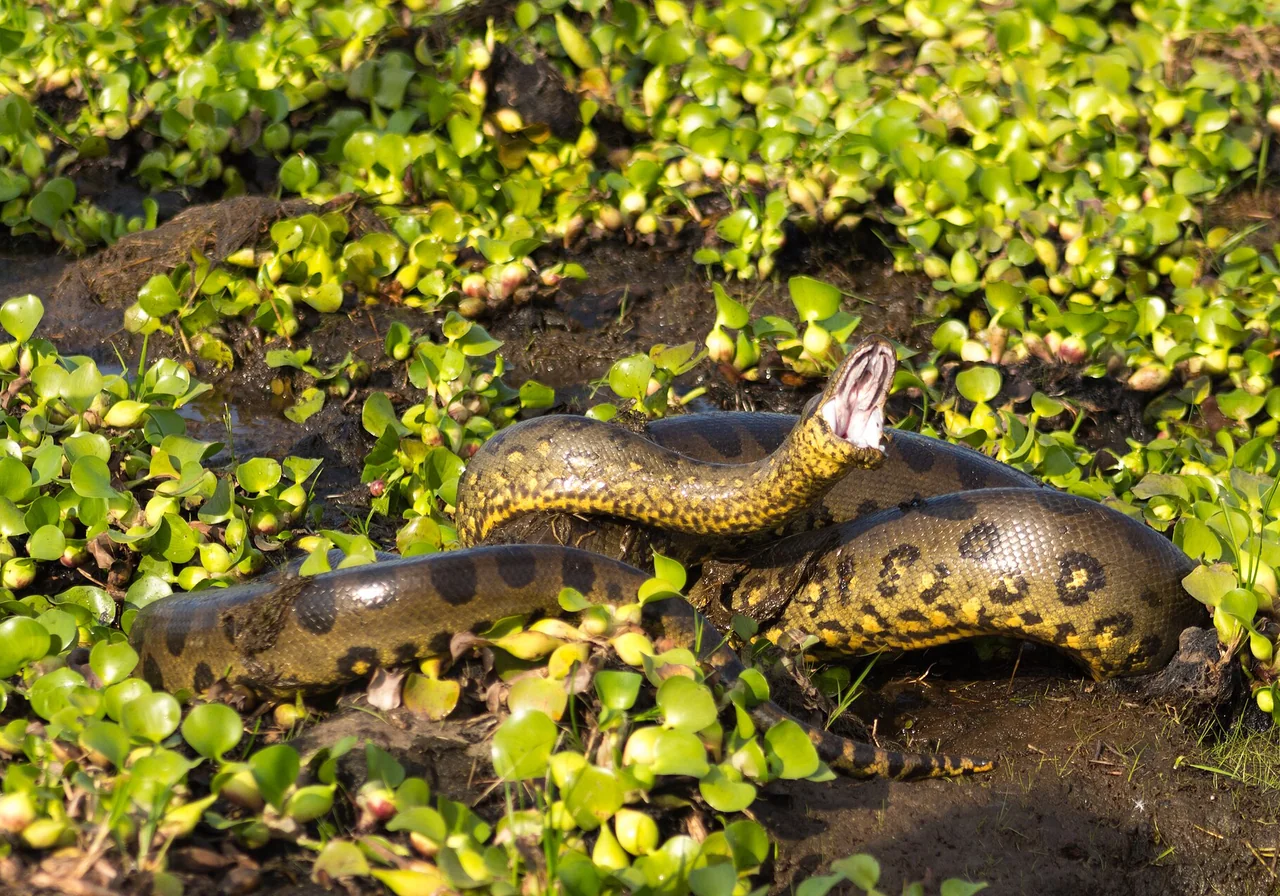
The Green Anaconda is the heaviest snake on Earth — bulky aquatic constrictor of Amazon and Orinoco wetlands including Brazil and Colombia, WARN partner regions. Its defining trait is extreme sexual size dimorphism with females reaching 5–6 m and over 200 kg. Apex predator of South American floodplains; see WARN's dedicated anaconda wildlife guide.
What are the key facts about a Green Anaconda?
The Green Anaconda is a snake species from Amazon & Orinoco basins: very large (5–6 m+), aquatic constrictor, heavy-bodied. Heaviest snake on Earth — apex predator of South American wetlands.
| Origin | Amazon & Orinoco basins |
|---|---|
| Size | Very large (5–6 m+) |
| Typical length | 4–6 m (13–20 ft) typical females; 100–200+ kg body mass — heaviest living snakes |
| Lifespan | 15–20 years (grass snake); 20–30 years (anaconda) |
| Scales & pattern | Olive green ground with dark oval dorsal blotches; orange or yellow underside. Smooth scales with dark eye stripes. Skin appears rougher than pythons due to scale texture. Darkens after shed; pale eyes precede moulting. Aquatic adaptation shows in eyes and nostrils positioned dorsally on the head. |
| Temperament | Aquatic constrictor, heavy-bodied |
| Conservation note | Wild green anacondas belong in Amazon and Orinoco floodplains — not domestic enclosures. Zoological collections maintain specimens under expert protocols. Support wetland protection in Brazil and Colombia; fishermen persecution and illegal collection threaten regional populations. |
Should you keep a Green Anaconda?
A Green Anaconda is a wild snake from Amazon & Orinoco basins. This page is a species briefing, not a shopping guide. Most people should not keep one; many species here are unsafe, illegal, or both as pets.
Fear, fashion and the exotic-pet trade all distort this animal. The Green Anaconda belongs in Amazon & Orinoco basins, in the habitat that produced a very large (5–6 m+) aquatic constrictor, heavy-bodied species. Killing “pests”, buying wild-caught animals, or posing with them for photos all make the conservation problem worse.
If a Green Anaconda is already in accredited care, follow specialist veterinary and licensing rules. If it is not, do not start. The honest next step is the species guide and, where WARN funds relevant work, the appeal linked from this page.
What is a Green Anaconda?
Heaviest snake on Earth — apex predator of South American wetlands. Origin is Amazon & Orinoco basins; coat or markings are described as Olive green ground with dark oval dorsal blotches; orange or yellow underside. Smooth scales with dark eye stripes. Skin appears rougher than pythons due to scale texture. Darkens after shed; pale eyes precede moulting. Aquatic adaptation shows in eyes and nostrils positioned dorsally on the head..
Treat “species” here as a library label for a wild species or distinct form, not as a kennel-club product.
Where does the Green Anaconda come from?
Green Anacondas come from Amazon & Orinoco basins. Green anacondas inhabit swamps, rivers, flooded forest and oxbow lakes of the Amazon and Orinoco basins — including Brazil and Colombia where WARN partners work on rainforest conservation.
Females are substantially larger than males — among the most extreme sexual size dimorphism in vertebrates. They ambush capybara, caiman, deer and fish at water's edge, constricting prey underwater. Green anacondas give birth to 20 to 40 live young. Hollywood exaggerations of 30 m anacondas exceed verified records — 6 m and 200 kg represent realistic maxima. Fishermen kill anacondas on sight across the Amazon; habitat loss from dam construction and deforestation reduces floodplain habitat. WARN publishes a dedicated anaconda wildlife guide with full species detail beyond this library entry.
What does a Green Anaconda actually need?
A wild Green Anaconda needs the habitat and social system of Amazon & Orinoco basins, not a spare room. Size (Very large (5–6 m+)) and a aquatic constrictor, heavy-bodied life history are why private keeping fails.
In the wild that means connected habitat, a diet the species evolved with, and distance from the pet and selfie trades. Captive “care sheets” for wild snakes are how trafficking gets laundered as husbandry.
If you already work in accredited rescue, follow specialist protocols and licensing. Everyone else: do not acquire a Green Anaconda. Support habitat and anti-trafficking work instead.
What surprises people about the Green Anaconda?
A few details about the breed, alongside the practical care information in this guide.
- Green anacondas are the heaviest snakes on Earth — not the longest, but the most massive.
- Females may be ten times heavier than males — extreme sexual size dimorphism.
- They can remain submerged for ten minutes while stalking prey at water's edge.
- Multiple males may coil in a breeding ball around a single large female during mating season.
What health issues should you know about in a Green Anaconda?
Health concerns to discuss with your vet, including changes to watch for and everyday care. This is general guidance, not veterinary advice — always speak to your vet.
Habitat loss
Dam construction, deforestation and wetland drainage in Brazil and Colombia reduce green anaconda floodplain habitat.
Care: Support Amazon and Orinoco wetland protection through WARN partner programmes. Oppose dam projects without environmental mitigation.
Persecution by fishermen
Amazon fishermen kill anacondas on sight, removing apex predators from aquatic ecosystems.
Care: Support community education on anaconda ecology. Tourism programmes in the Pantanal and Amazon generate income from live anacondas.
Illegal collection
Green anacondas are collected for zoos, film and the pet trade despite impracticality of home keeping.
Care: Never purchase anacondas for private keeping. Support in-situ conservation and responsible ecotourism in range countries.
Who should skip a Green Anaconda?
Skip a Green Anaconda if you are anyone hoping to keep a Green Anaconda as a pet or photo prop. This Amazon & Orinoco basins snake is very large (5–6 m+) and aquatic constrictor, heavy-bodied — the mismatch is usually lifestyle, not a missing accessory.
This page is allowed to say no. Skip if you are anyone hoping to keep a Green Anaconda as a pet or photo prop. Skip if you are anyone who will pay for a wild-caught or roadside animal. Skip if you are tourists looking for handling or selfies.
A different snake species on this site may fit. Wanting “a Green Anaconda” after a film or a colour photo is not a reason to ignore the skip list.
What are the hidden catches with a Green Anaconda?
The hidden cost of a Green Anaconda is usually not the purchase price. It is years of care, the health list on this page, and the mismatch between a aquatic constrictor, heavy-bodied animal and a busy home.
The pet-trade catch
Cute infant Green Anacondas in ads were usually taken from wild families. The adult you cannot house is then dumped, euthanised, or passed on. Do not create that demand.
The tourism catch
Paying to hold, ride, or selfie with a Green Anaconda funds the next capture or a stressed ambassador animal. Distance and accredited viewing are the ethical default.
The habitat loss catch
Dam construction, deforestation and wetland drainage in Brazil and Colombia reduce green anaconda floodplain habitat. Support Amazon and Orinoco wetland protection through WARN partner programmes. Oppose dam projects without environmental mitigation.
The persecution by fishermen catch
Amazon fishermen kill anacondas on sight, removing apex predators from aquatic ecosystems. Support community education on anaconda ecology. Tourism programmes in the Pantanal and Amazon generate income from live anacondas.
How does a Green Anaconda compare with Grass Snake and Ball Python?
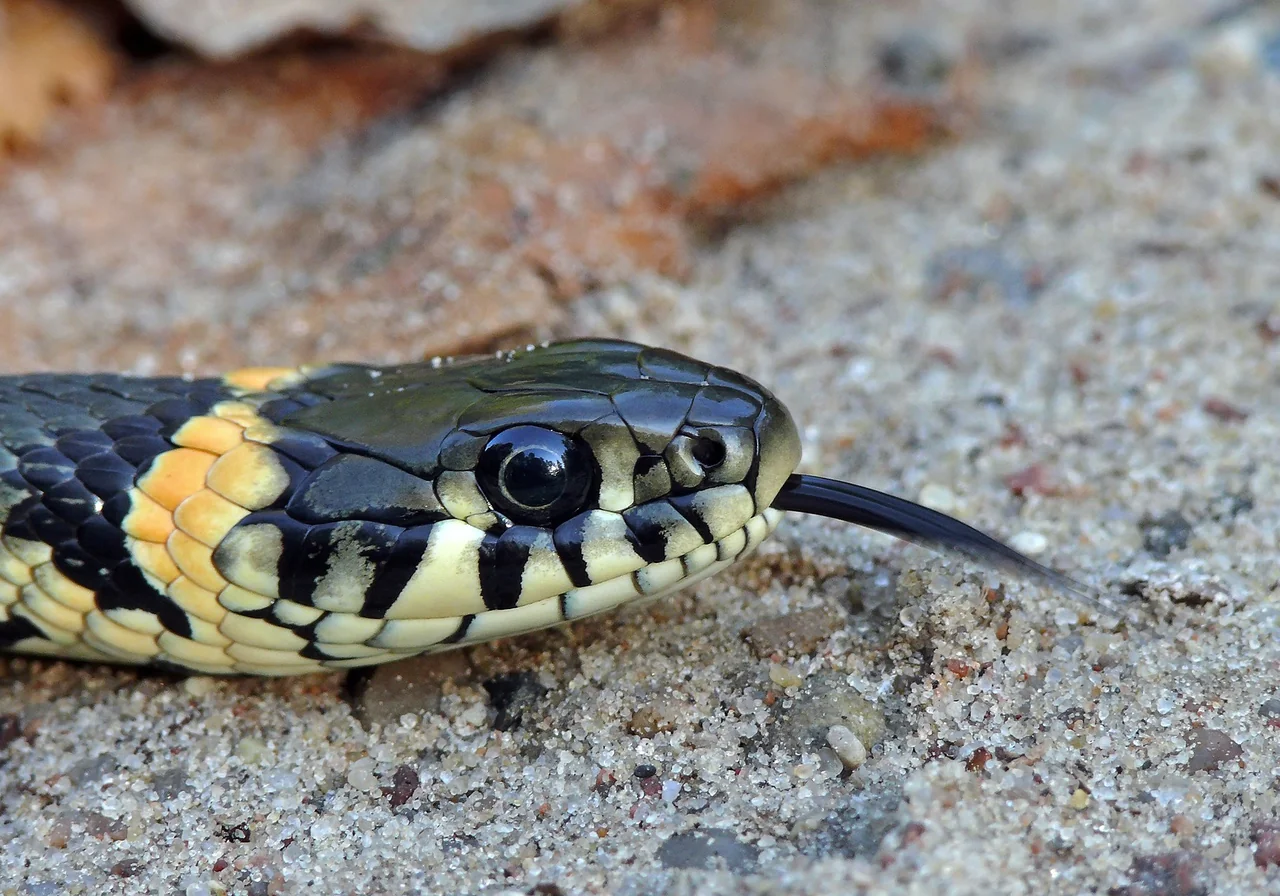
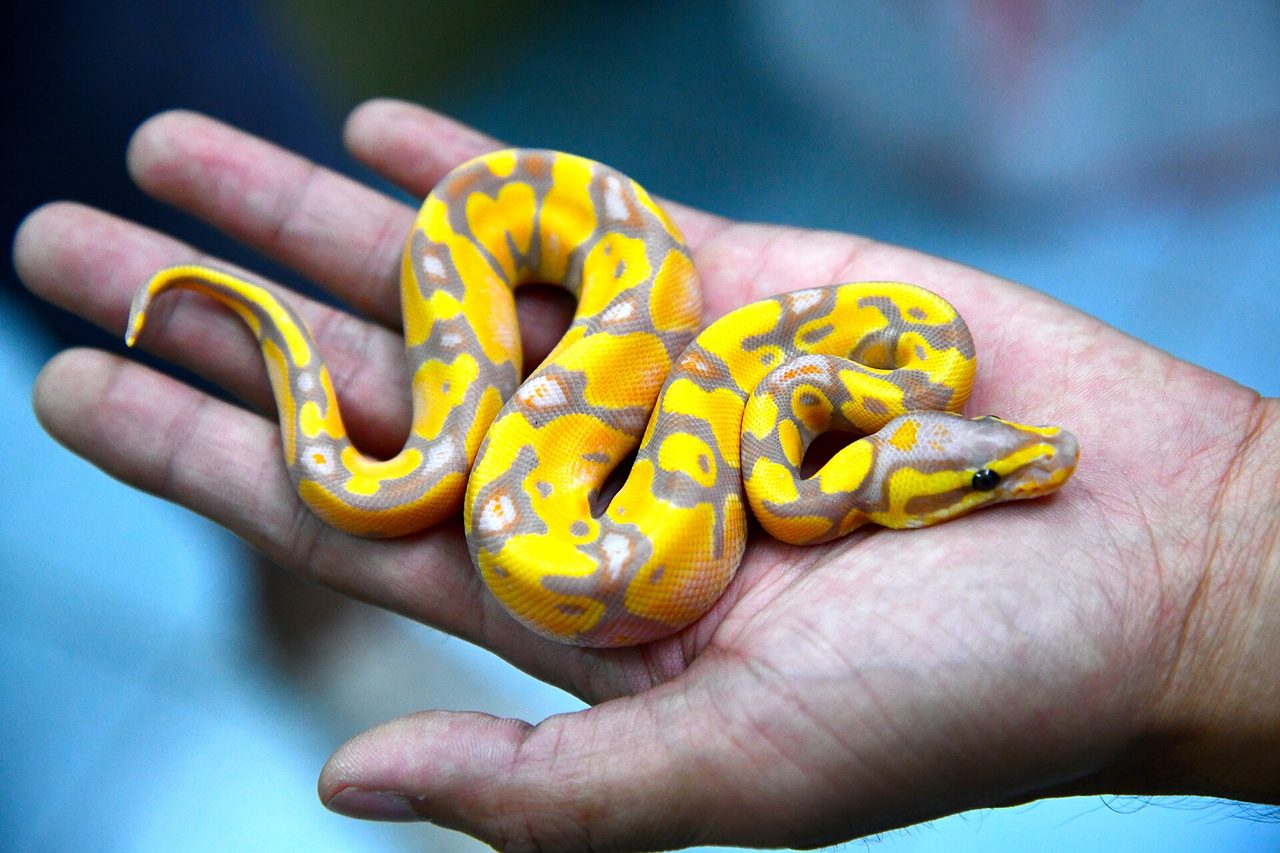
A Green Anaconda is not interchangeable with Grass Snake and Ball Python. Compare origin, size, lifespan and temperament before you choose — those four lines prevent most regret.
| Snake fact | Green Anaconda | Grass Snake | Ball Python |
|---|---|---|---|
| Origin | Amazon & Orinoco basins | Europe, Western Asia | West & Central Africa |
| Size | Very large (5–6 m+) | Medium (1–1.5 m) | Medium (1.5–2 m) |
| Lifespan | 15–20 years (grass snake); 20–30 years (anaconda) | 15–20 years (grass snake); 20–30 years (anaconda) | 10–30 years depending on species |
| Temperament | Aquatic constrictor, heavy-bodied | Harmless, semi-aquatic, plays dead | Docile, nocturnal, defensive curl |
What is the verdict on the Green Anaconda?
A Green Anaconda is a wild snake to understand and protect, not a pet to acquire. If you came here to buy one, the verdict is no. If you came here to learn, use the species guide next.
Help looks like habitat, enforcement and refusing the trade — not a cage in a spare room. WARN is a CIC, not a charity; donate only if you want to fund partner work in our network countries, and do not expect Gift Aid.
Snakes keep ecosystems healthy
Snakes control rodents and serve as prey for raptors — yet persecution and habitat loss remove them silently. WARN publishes these guides to reduce fear-driven killing in Pakistan, Brazil, Colombia and beyond.