Snake Species · South-western United States, Mexico
Western Diamondback Rattlesnake
Iconic rattlesnake of the American South-west — controls rodent populations.
By WARN Research & Conservation TeamLast updated
In brief
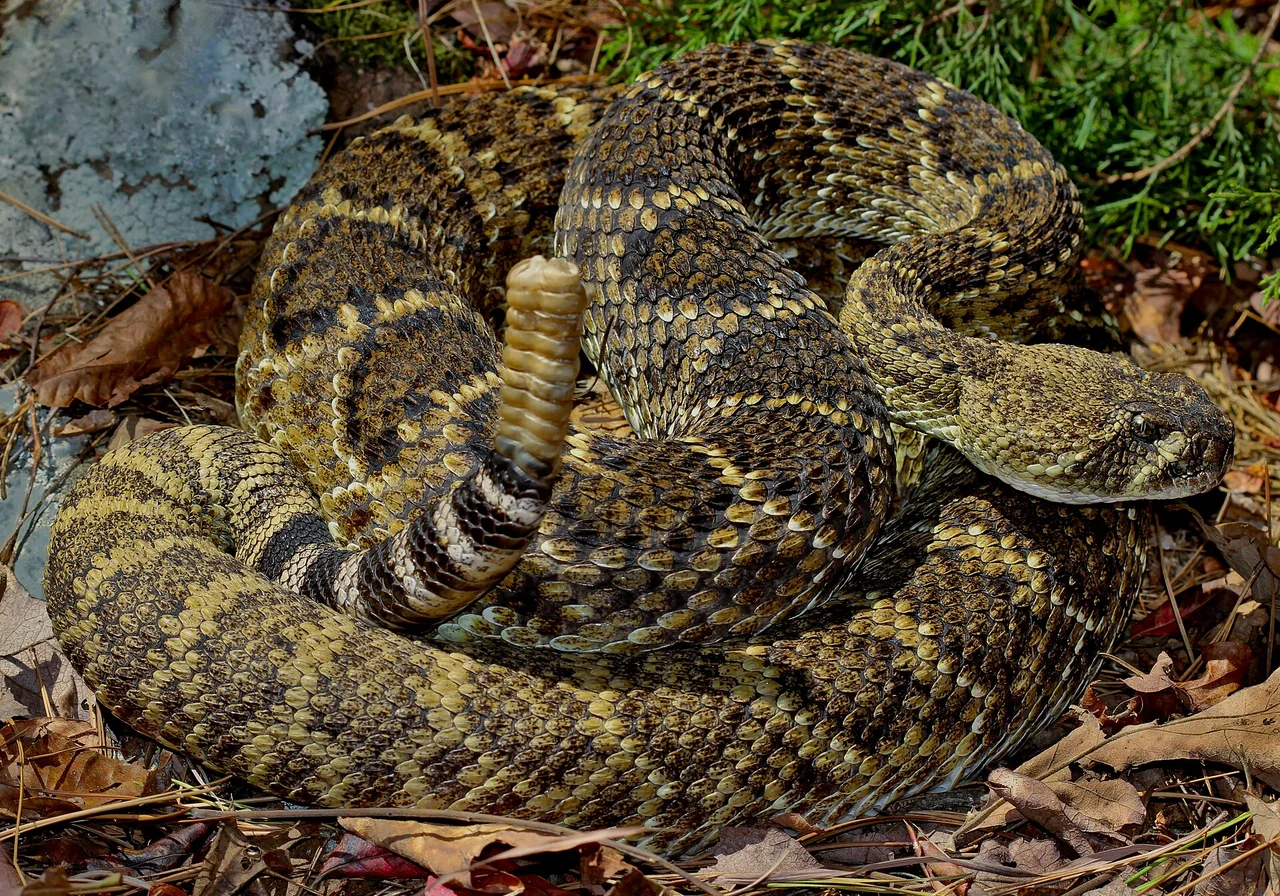
The Western Diamondback Rattlesnake is the iconic pit viper of the American South-west — heavy-bodied with diamond-shaped dorsal markings and a rattling tail warning. Its defining trait is heat-sensing pits guiding strikes at rodents and rabbits in desert, scrub and grassland. Rattles evolved as a warning device, yet snakes are still killed on sight during ranch work.
What are the key facts about a Western Diamondback Rattlesnake?
The Western Diamondback Rattlesnake is a snake species from South-western United States, Mexico: large (1.2–1.8 m), venomous, rattling warning, ambush predator. Iconic rattlesnake of the American South-west — controls rodent populations.
| Origin | South-western United States, Mexico |
|---|---|
| Size | Large (1.2–1.8 m) |
| Typical length | 1.2–1.8 m (4–6 ft) typical; robust build weighing 2–4 kg in large adults |
| Lifespan | 10–30 years depending on species |
| Scales & pattern | Grey-brown ground colour with dark diamond-shaped dorsal blotches outlined in lighter scales; tail bands above rattles. Keeled scales give rough texture. Heat-sensing pits between nostril and eye detect warm-blooded prey in darkness. Rattle segments added with each shed — age indicator though segments break off. |
| Temperament | Venomous, rattling warning, ambush predator |
| Conservation note | Wild western diamondbacks belong in desert ecosystems controlling rodent and rabbit populations — not domestic enclosures. Venomous and legally restricted; only licensed institutions maintain them. Support coexistence education in ranch country rather than round-up events that remove thousands annually. |
Should you keep a Western Diamondback Rattlesnake?
A Western Diamondback Rattlesnake is a wild snake from South-western United States, Mexico. This page is a species briefing, not a shopping guide. Most people should not keep one; many species here are unsafe, illegal, or both as pets.
Fear, fashion and the exotic-pet trade all distort this animal. The Western Diamondback Rattlesnake belongs in South-western United States, Mexico, in the habitat that produced a large (1.2–1.8 m) venomous, rattling warning, ambush predator species. Killing “pests”, buying wild-caught animals, or posing with them for photos all make the conservation problem worse.
If a Western Diamondback Rattlesnake is already in accredited care, follow specialist veterinary and licensing rules. If it is not, do not start. The honest next step is the species guide and, where WARN funds relevant work, the appeal linked from this page.
What is a Western Diamondback Rattlesnake?
Iconic rattlesnake of the American South-west — controls rodent populations. Origin is South-western United States, Mexico; coat or markings are described as Grey-brown ground colour with dark diamond-shaped dorsal blotches outlined in lighter scales; tail bands above rattles. Keeled scales give rough texture. Heat-sensing pits between nostril and eye detect warm-blooded prey in darkness. Rattle segments added with each shed — age indicator though segments break off..
Treat “species” here as a library label for a wild species or distinct form, not as a kennel-club product.
Where does the Western Diamondback Rattlesnake come from?
Western Diamondback Rattlesnakes come from South-western United States, Mexico. Western diamondbacks occupy desert, scrub, grassland and rocky hills from Arkansas and Oklahoma through Texas, New Mexico, Arizona and California into northern Mexico.
Heat-sensing pits evolved independently in pit vipers and boas, enabling accurate strikes in darkness. Rattlesnake round-ups in Texas and Oklahoma still remove thousands annually for festival meat and skin — controversial practices condemned by herpetological societies. Rattles evolved as a warning device reducing defensive bites — a rare example of aposematic sound in vertebrates. Nonetheless ranch workers and hikers kill diamondbacks on sight. The species remains Least Concern but local persecution and road mortality affect populations. Venom supports medical research including antivenom production and haemorrhagic enzyme studies.
What does a Western Diamondback Rattlesnake actually need?
A wild Western Diamondback Rattlesnake needs the habitat and social system of South-western United States, Mexico, not a spare room. Size (Large (1.2–1.8 m)) and a venomous, rattling warning, ambush predator life history are why private keeping fails.
In the wild that means connected habitat, a diet the species evolved with, and distance from the pet and selfie trades. Captive “care sheets” for wild snakes are how trafficking gets laundered as husbandry.
If you already work in accredited rescue, follow specialist protocols and licensing. Everyone else: do not acquire a Western Diamondback Rattlesnake. Support habitat and anti-trafficking work instead.
What surprises people about the Western Diamondback Rattlesnake?
A few details about the breed, alongside the practical care information in this guide.
- Western diamondbacks can strike at half their body length in under a second.
- Heat-sensing pits detect temperature differences of 0.003 °C — enough to strike accurately in total darkness.
- A new rattle segment is added with each shed; broken segments make age estimation imprecise.
- They give birth to live young — 10 to 25 neonates in a single litter.
What health issues should you know about in a Western Diamondback Rattlesnake?
Health concerns to discuss with your vet, including changes to watch for and everyday care. This is general guidance, not veterinary advice — always speak to your vet.
Persecution
Ranch workers, hikers and round-up events kill diamondbacks on sight, removing rodent-controlling predators from desert ecosystems.
Care: Support coexistence education. Relocate snakes from human habitation using trained handlers rather than killing.
Road mortality
Diamondbacks basking on warm roads at dawn and dusk are killed by vehicles across the South-west.
Care: Drive carefully in snake country during warm months. Support wildlife crossing structures on major roads.
Snakebite envenoming
Western diamondback bites cause pain, swelling, tissue necrosis and systemic effects. Antivenom is effective when administered promptly.
Care: Seek immediate hospital care. Carry communication devices when hiking in remote rattlesnake habitat.
Who should skip a Western Diamondback Rattlesnake?
Skip a Western Diamondback Rattlesnake if you are anyone hoping to keep a Western Diamondback Rattlesnake as a pet or photo prop. This South-western United States, Mexico snake is large (1.2–1.8 m) and venomous, rattling warning, ambush predator — the mismatch is usually lifestyle, not a missing accessory.
This page is allowed to say no. Skip if you are anyone hoping to keep a Western Diamondback Rattlesnake as a pet or photo prop. Skip if you are anyone who will pay for a wild-caught or roadside animal. Skip if you are tourists looking for handling or selfies.
A different snake species on this site may fit. Wanting “a Western Diamondback Rattlesnake” after a film or a colour photo is not a reason to ignore the skip list.
What are the hidden catches with a Western Diamondback Rattlesnake?
The hidden cost of a Western Diamondback Rattlesnake is usually not the purchase price. It is years of care, the health list on this page, and the mismatch between a venomous, rattling warning, ambush predator animal and a busy home.
The pet-trade catch
Cute infant Western Diamondback Rattlesnakes in ads were usually taken from wild families. The adult you cannot house is then dumped, euthanised, or passed on. Do not create that demand.
The tourism catch
Paying to hold, ride, or selfie with a Western Diamondback Rattlesnake funds the next capture or a stressed ambassador animal. Distance and accredited viewing are the ethical default.
The persecution catch
Ranch workers, hikers and round-up events kill diamondbacks on sight, removing rodent-controlling predators from desert ecosystems. Support coexistence education. Relocate snakes from human habitation using trained handlers rather than killing.
The road mortality catch
Diamondbacks basking on warm roads at dawn and dusk are killed by vehicles across the South-west. Drive carefully in snake country during warm months. Support wildlife crossing structures on major roads.
How does a Western Diamondback Rattlesnake compare with Corn Snake and Boa Constrictor?
A Western Diamondback Rattlesnake is not interchangeable with Corn Snake and Boa Constrictor. Compare origin, size, lifespan and temperament before you choose — those four lines prevent most regret.
| Snake fact | Western Diamondback Rattlesnake | Corn Snake | Boa Constrictor |
|---|---|---|---|
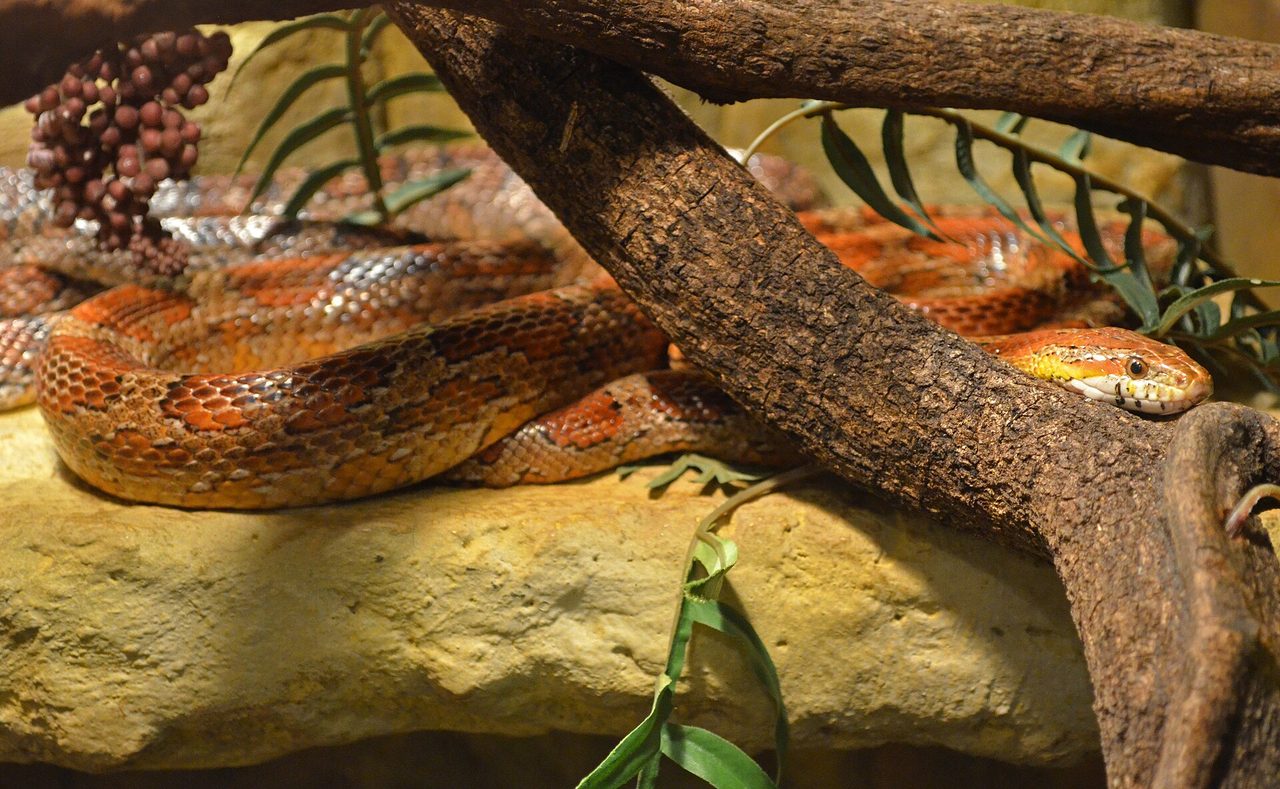
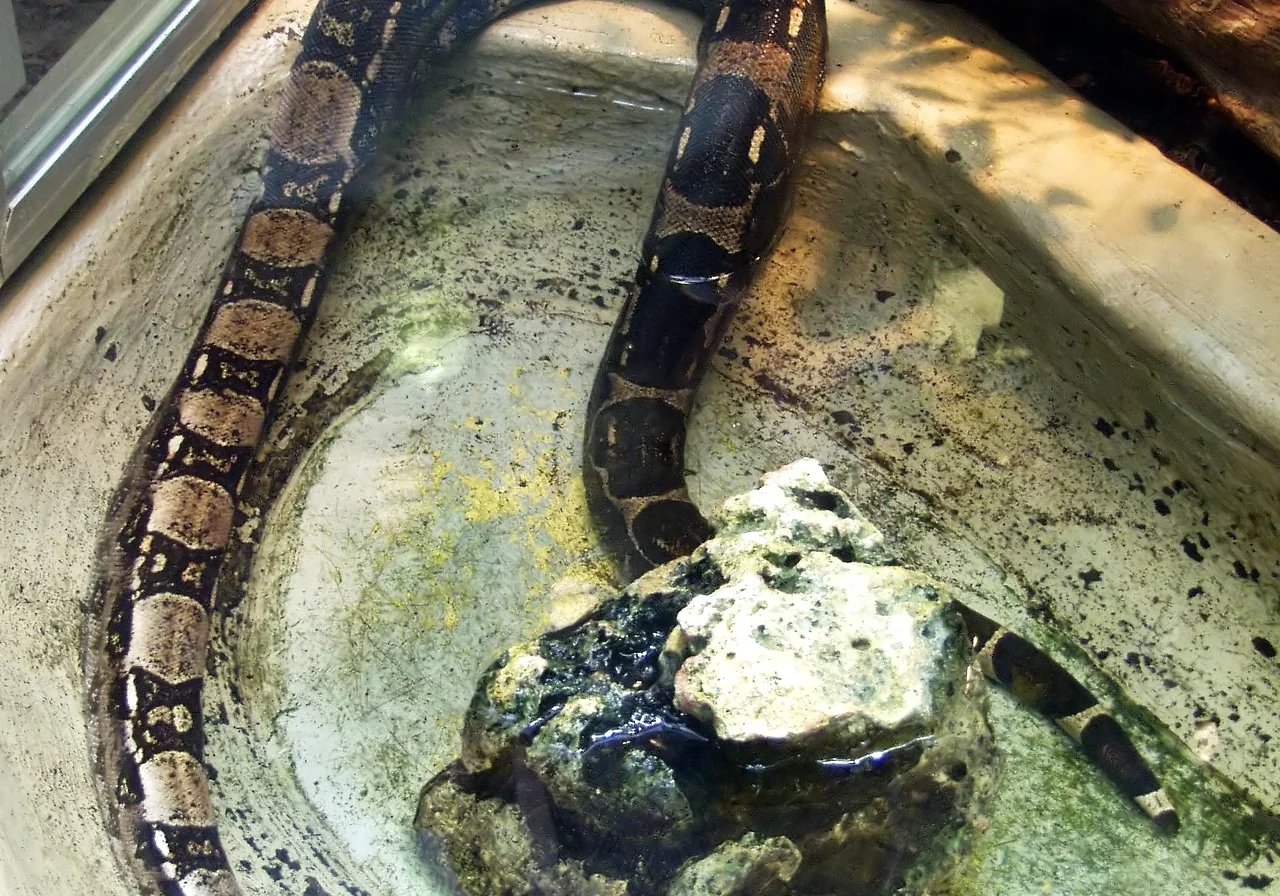
| Origin | South-western United States, Mexico | South-eastern United States | Central & South America |
| Size | Large (1.2–1.8 m) | Medium (1–1.5 m) | Large (2–4 m) |
| Lifespan | 10–30 years depending on species | 10–30 years depending on species | 10–30 years depending on species |
| Temperament | Venomous, rattling warning, ambush predator | Docile colubrid, popular in captivity | Slow constrictor, live-bearing |
What is the verdict on the Western Diamondback Rattlesnake?
A Western Diamondback Rattlesnake is a wild snake to understand and protect, not a pet to acquire. If you came here to buy one, the verdict is no. If you came here to learn, use the species guide next.
Help looks like habitat, enforcement and refusing the trade — not a cage in a spare room. WARN is a CIC, not a charity; donate only if you want to fund partner work in our network countries, and do not expect Gift Aid.
Snakes keep ecosystems healthy
Snakes control rodents and serve as prey for raptors — yet persecution and habitat loss remove them silently. WARN publishes these guides to reduce fear-driven killing in Pakistan, Brazil, Colombia and beyond.