Snake Species · South-eastern United States
Corn Snake
Harmless rat snake of barns and grain stores — cornerstone of ethical snake keeping.
By WARN Research & Conservation TeamLast updated
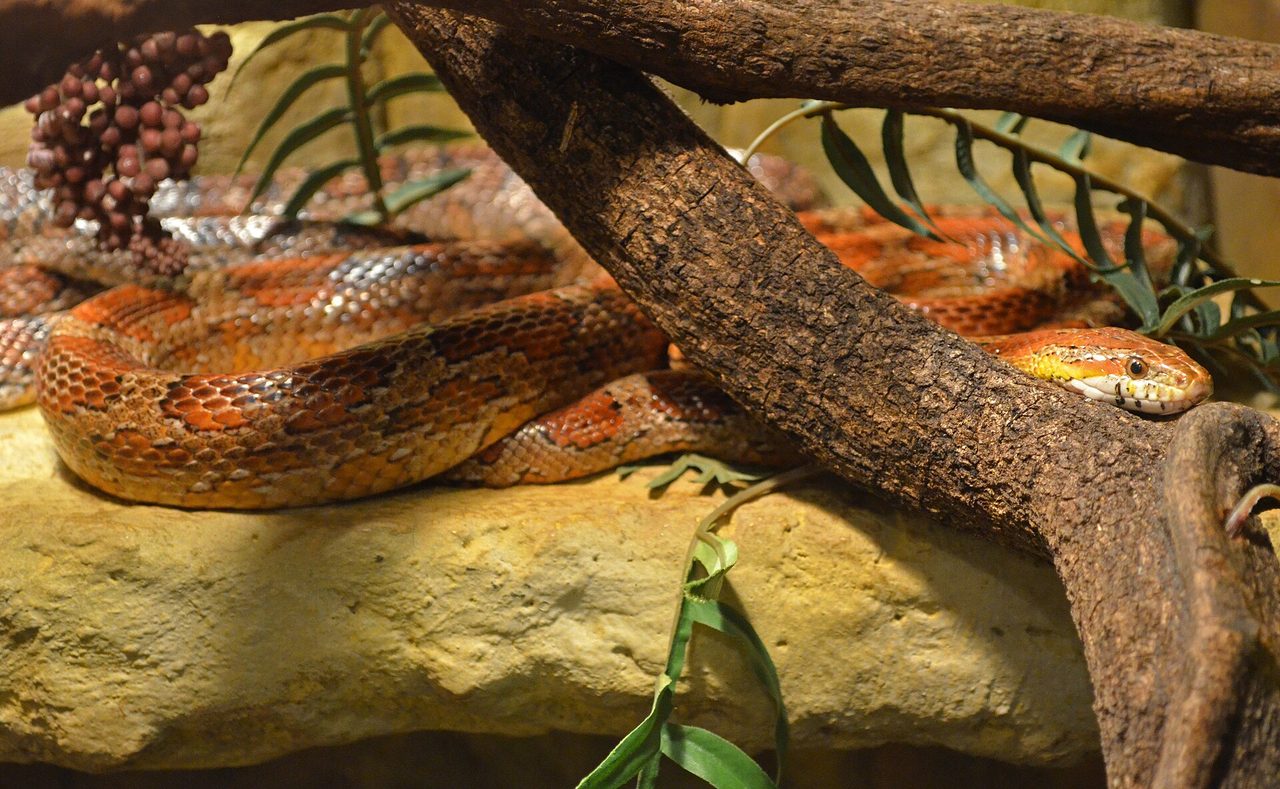
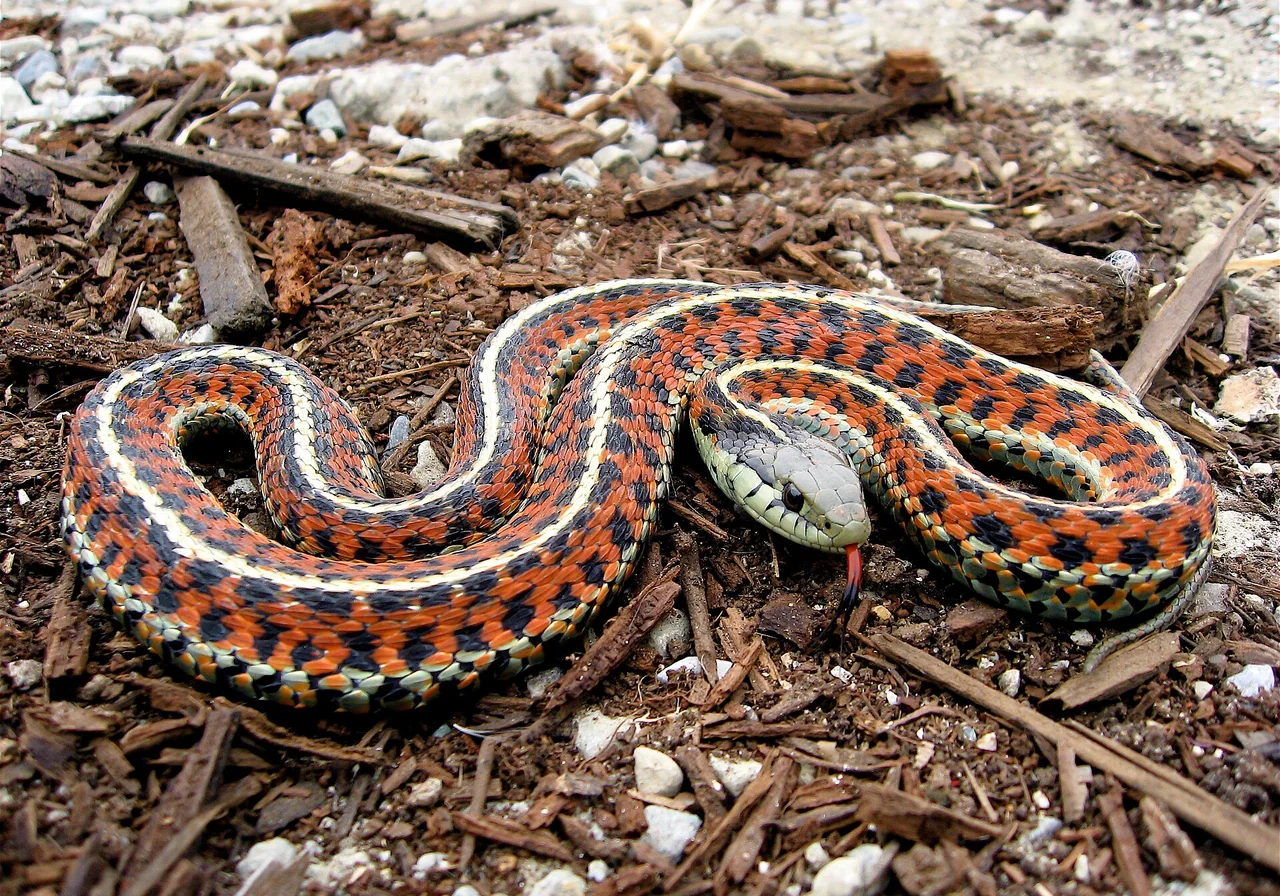
Photo: Selbymay / Wikimedia Commons (CC BY-SA 3.0)
In brief
The Corn Snake is a harmless rat snake of the American South-east — orange or brown with red dorsal blotches bordered in black, named for hunting rodents in corn stores. Its defining trait is docile temperament and readiness to breed in captivity, making it the cornerstone of ethical snake keeping. Hundreds of colour morphs exist from selective breeding.
What are the key facts about a Corn Snake?
The Corn Snake is a snake species from South-eastern United States: medium (1–1.5 m), docile colubrid, popular in captivity. Harmless rat snake of barns and grain stores — cornerstone of ethical snake keeping.
| Origin | South-eastern United States |
|---|---|
| Size | Medium (1–1.5 m) |
| Typical length | 1.2–1.8 m (4–6 ft) typical adult length; slender build weighing 300–800 g |
| Lifespan | 10–30 years depending on species |
| Scales & pattern | Wild-type: orange or brown ground with red dorsal blotches bordered in black; checkered belly pattern resembling maize kernels — hence 'corn snake'. Smooth scales in 27–29 dorsal rows. Captive morphs include albino, snow, lavender, stripe and hundreds more. Sheds in one piece every four to eight weeks when growing. |
| Temperament | Docile colubrid, popular in captivity |
| Conservation note | Well suited to responsible reptile keepers with appropriate licences who provide secure enclosures, thermal gradients and pre-killed rodent prey. Corn snakes tolerate regular handling when acclimatised and remain among the best colubrids for education programmes. Captive-bred only — never collect wild specimens. |
Is a Corn Snake a good pet?
A Corn Snake is only a good pet if you will keep heat, humidity and diet correct for years. This South-eastern United States type is medium (1–1.5 m), docile colubrid, popular in captivity, and typically lives 10–30 years depending on species.
Reptiles do not “ask” for attention the way a dog does, which is why they are impulse-bought and then neglected. A Corn Snake still needs a thermal gradient, hiding places, and a vet who actually sees reptiles. Corn snakes inhabit forest, farmland, barns and abandoned buildings across the south-eastern United States from New Jersey to Florida and Louisiana.
Skip wild-caught animals. Captive-bred, documented, and a setup that is ready before the animal arrives — or do not get one.
What is a Corn Snake?
Harmless rat snake of barns and grain stores — cornerstone of ethical snake keeping. Origin is South-eastern United States; coat or markings are described as Wild-type: orange or brown ground with red dorsal blotches bordered in black; checkered belly pattern resembling maize kernels — hence 'corn snake'. Smooth scales in 27–29 dorsal rows. Captive morphs include albino, snow, lavender, stripe and hundreds more. Sheds in one piece every four to eight weeks when growing..
Kennel and registry labels describe a type. Individual Corn Snakes still vary, and rescue animals may be mixes.
Where does the Corn Snake come from?
Corn Snakes come from South-eastern United States. Corn snakes inhabit forest, farmland, barns and abandoned buildings across the south-eastern United States from New Jersey to Florida and Louisiana.
They hunt rodents, birds and eggs, providing pest control in agricultural landscapes. European collectors imported the first corn snakes in the 1960s; American captive breeding from the 1980s produced the morph diversity defining modern hobby herpetoculture. Wild populations remain secure and Least Concern but face roadkill and habitat fragmentation. Corn snakes are sometimes confused with venomous copperheads and killed on sight — education reduces mistaken identity kills. The species breeds readily in captivity with clutches of 10 to 30 eggs. Corn snakes can live 15 to 20 years with proper thermoregulation and prey quality.
How do you care for a Corn Snake?
Corn Snake care is heat, humidity, hiding places and prey size — for 10–30 years depending on species. This South-eastern United States animal is medium (1–1.5 m) (1.2–1.8 m (4–6 ft) typical adult length; slender build weighing 300–800 g) and docile colubrid, popular in captivity.
Set up the enclosure before you buy the animal. A Corn Snake cannot “make do” with a heat mat and a water bowl. Wrong temperatures cause respiratory disease, stuck shed and refusal to feed.
Handle little, weigh often, and find a reptile vet in advance. Coat or pattern (Wild-type: orange or brown ground with red dorsal blotches bordered in black; checkered belly pattern resembling maize kernels — hence 'corn snake'. Smooth scales in 27–29 dorsal rows. Captive morphs include albino, snow, lavender, stripe and hundreds more. Sheds in one piece every four to eight weeks when growing.) is not a care substitute.
What surprises people about the Corn Snake?
A few details about the breed, alongside the practical care information in this guide.
- Corn snakes are named for the checkered belly pattern resembling maize kernels, not for living in cornfields alone.
- They are excellent climbers and often enter barn lofts hunting rodents.
- Corn snakes are the most popular pet colubrid in Britain and North America.
- They constrict prey with coils despite lacking the massive power of pythons.
What health issues should you know about in a Corn Snake?
Health concerns to discuss with your vet, including changes to watch for and everyday care. This is general guidance, not veterinary advice — always speak to your vet.
Respiratory infections
Incorrect temperatures, low humidity and stress cause bacterial pneumonia with open-mouth breathing and wheezing.
Care: Correct thermal gradient immediately. Seek reptile vet care — respiratory infections progress without treatment.
Mouth rot (infectious stomatitis)
Bacterial infection of mouth lining causes swelling, pus and refusal to eat. Often secondary to poor husbandry or injury.
Care: Improve enclosure hygiene and seek reptile vet treatment with antibiotics and mouth cleaning under anaesthesia if severe.
Retention of shed skin
Incomplete sheds leave eye caps and tail tip skin, restricting growth and causing infection if untreated.
Care: Increase humidity during shed. Soak in lukewarm water and gently remove retained skin; seek vet help for retained eye caps.
Who should skip a Corn Snake?
Skip a Corn Snake if you are homes that cannot match a docile colubrid, popular in captivity medium (1–1.5 m) snake from South-eastern United States. This South-eastern United States snake is medium (1–1.5 m) and docile colubrid, popular in captivity — the mismatch is usually lifestyle, not a missing accessory.
This page is allowed to say no. Skip if you are homes that cannot match a docile colubrid, popular in captivity medium (1–1.5 m) snake from South-eastern United States.
A different snake species on this site may fit. Wanting “a Corn Snake” after a film or a colour photo is not a reason to ignore the skip list.
What are the hidden catches with a Corn Snake?
The hidden cost of a Corn Snake is usually not the purchase price. It is years of care, the health list on this page, and the mismatch between a docile colubrid, popular in captivity animal and a busy home.
The impulse-buy catch
A Corn Snake from South-eastern United States is often sold on looks. Coat, colour and size are not a temperament test. Meet the adult animal, ask about health screening, and walk away from pressure sales.
The setup-last catch
Buying the Corn Snake before the enclosure is how respiratory infections and stuck sheds start. Hardware first, animal second.
The respiratory infections catch
Incorrect temperatures, low humidity and stress cause bacterial pneumonia with open-mouth breathing and wheezing. Correct thermal gradient immediately. Seek reptile vet care — respiratory infections progress without treatment.
The mouth rot (infectious stomatitis) catch
Bacterial infection of mouth lining causes swelling, pus and refusal to eat. Often secondary to poor husbandry or injury. Improve enclosure hygiene and seek reptile vet treatment with antibiotics and mouth cleaning under anaesthesia if severe.
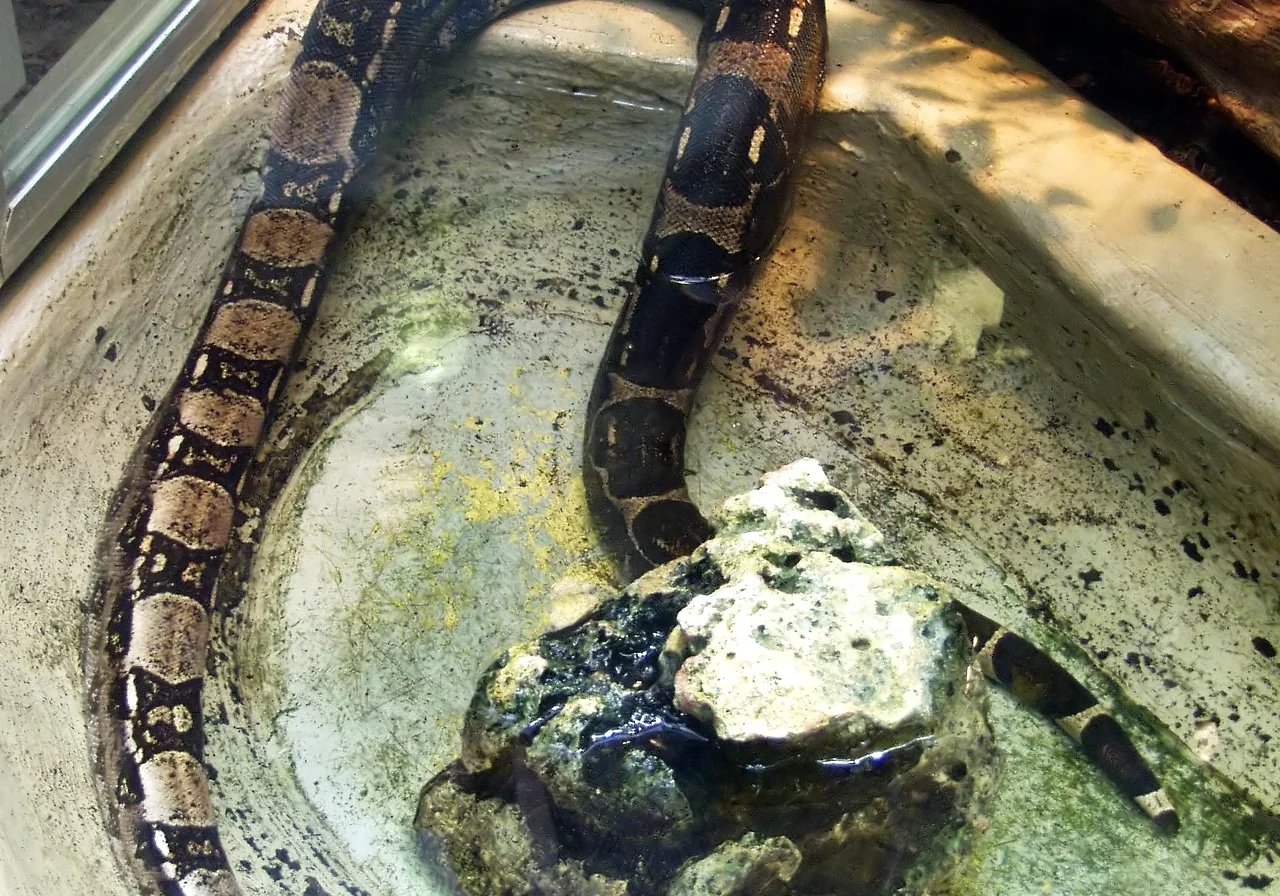
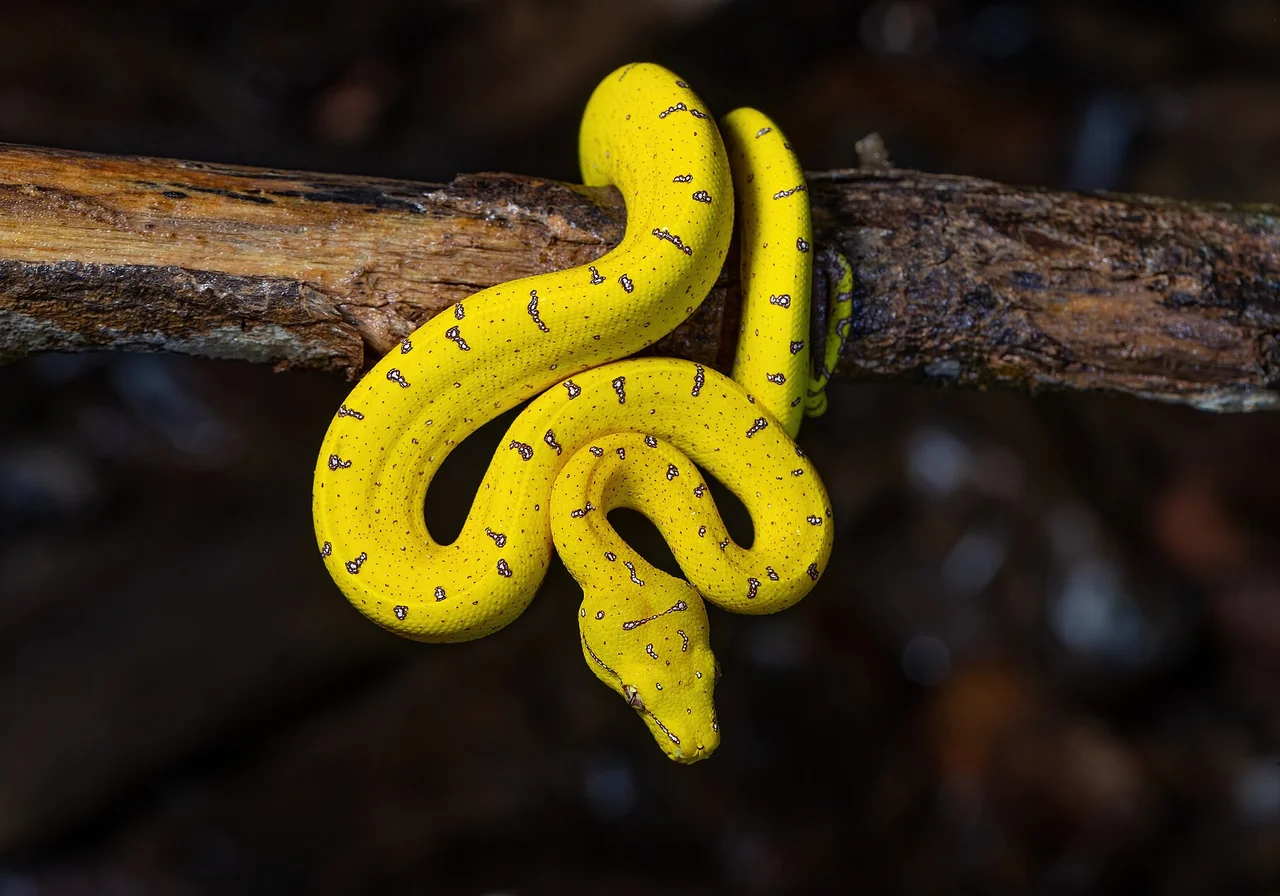
How does a Corn Snake compare with Boa Constrictor and Green Tree Python?
A Corn Snake is not interchangeable with Boa Constrictor and Green Tree Python. Compare origin, size, lifespan and temperament before you choose — those four lines prevent most regret.
| Snake fact | Corn Snake | Boa Constrictor | Green Tree Python |
|---|---|---|---|
| Origin | South-eastern United States | Central & South America | New Guinea, Indonesia, Australia |
| Size | Medium (1–1.5 m) | Large (2–4 m) | Medium (1.5–2 m) |
| Lifespan | 10–30 years depending on species | 10–30 years depending on species | 10–30 years depending on species |
| Temperament | Docile colubrid, popular in captivity | Slow constrictor, live-bearing | Arboreal, striking from branches |
What is the verdict on the Corn Snake?
Choose a Corn Snake only if the care, skip-if and health sections still look like your life after a week of thinking. Otherwise pick a different snake or wait. Rescue is usually the better first door than a waiting-list puppy or kitten.
If the match is real, budget for 10–30 years depending on species of vet care and do not skip health screening. If it is not, walking away is the kind choice — for you and for the animal.
Snakes keep ecosystems healthy
Snakes control rodents and serve as prey for raptors — yet persecution and habitat loss remove them silently. WARN publishes these guides to reduce fear-driven killing in Pakistan, Brazil, Colombia and beyond.