Snake Species · India, Pakistan, Bangladesh, Sri Lanka
Indian Cobra
Sacred cobra of the Indian subcontinent — medically significant venom.
By WARN Research & Conservation TeamLast updated
In brief
The Indian Cobra is the sacred hooded snake of the Indian subcontinent — including Pakistan, a WARN partner country — responsible for thousands of snakebite deaths yearly. Its defining trait is the expanded hood display with spectacle mark, paired with synanthropic adaptation to farmland and villages. Education and antivenom access matter more than indiscriminate killing.
What are the key facts about a Indian Cobra?
The Indian Cobra is a snake species from India, Pakistan, Bangladesh, Sri Lanka: medium (1.5–2 m), venomous, hood display, synanthropic. Sacred cobra of the Indian subcontinent — medically significant venom.
| Origin | India, Pakistan, Bangladesh, Sri Lanka |
|---|---|
| Size | Medium (1.5–2 m) |
| Typical length | 1.5–2.2 m (5–7 ft) typical; slender build relative to vipers |
| Lifespan | 10–30 years depending on species |
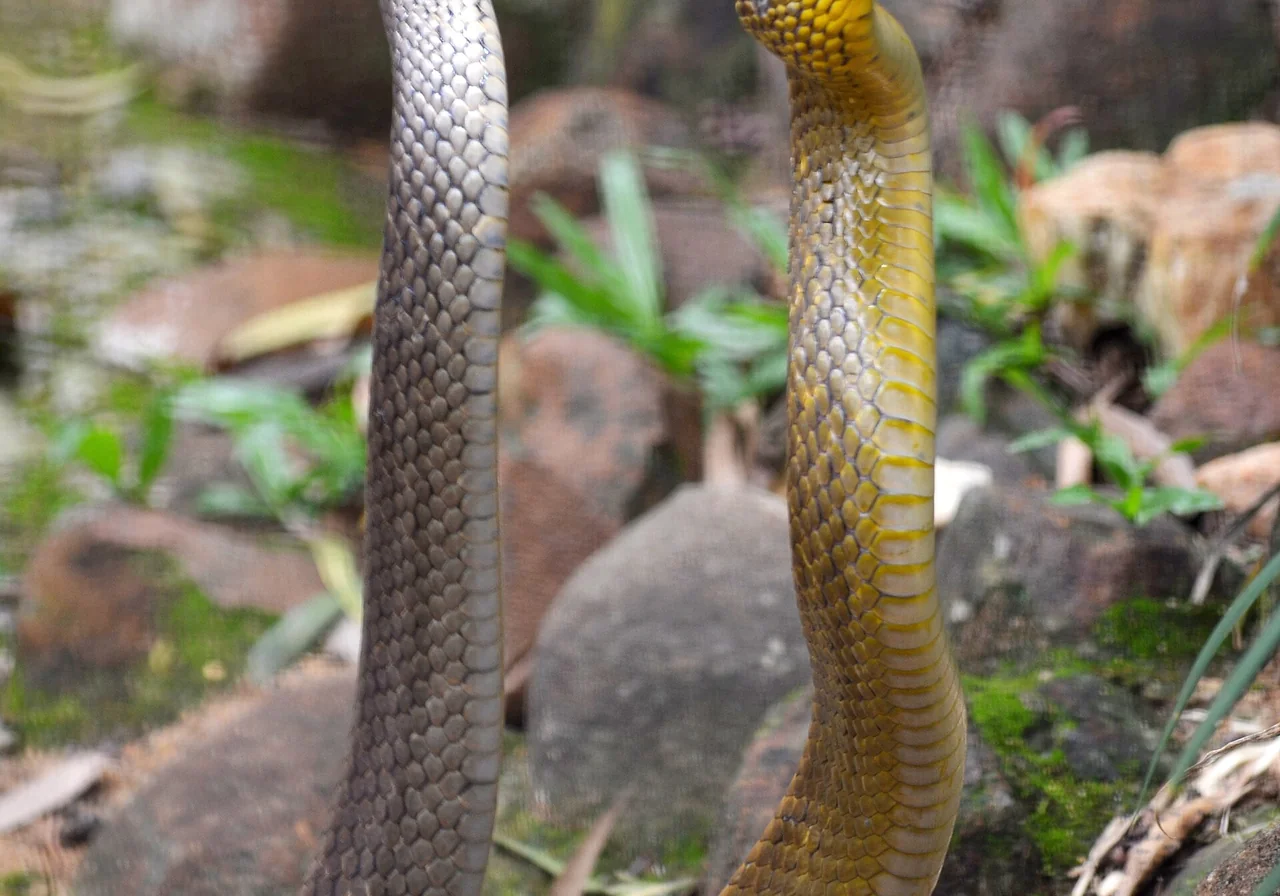
| Scales & pattern | Brown, black or grey body with hood showing circular or oval spectacle mark — varying by region. Smooth scales with slight iridescence. Pakistani and north-western forms may show lighter colouration. Hood expansion reveals rib-supported lateral flaps unique to cobras. |
| Temperament | Venomous, hood display, synanthropic |
| Conservation note | Wild Indian cobras belong in ecosystems controlling rodent populations — not domestic enclosures. Synanthropic populations indicate healthy farmland ecology. Support snake education and antivenom programmes in Pakistan and India rather than persecution. |
Should you keep a Indian Cobra?
A Indian Cobra is a wild snake from India, Pakistan, Bangladesh, Sri Lanka. This page is a species briefing, not a shopping guide. Most people should not keep one; many species here are unsafe, illegal, or both as pets.
Fear, fashion and the exotic-pet trade all distort this animal. The Indian Cobra belongs in India, Pakistan, Bangladesh, Sri Lanka, in the habitat that produced a medium (1.5–2 m) venomous, hood display, synanthropic species. Killing “pests”, buying wild-caught animals, or posing with them for photos all make the conservation problem worse.
If a Indian Cobra is already in accredited care, follow specialist veterinary and licensing rules. If it is not, do not start. The honest next step is the species guide and, where WARN funds relevant work, the appeal linked from this page.
What is a Indian Cobra?
Sacred cobra of the Indian subcontinent — medically significant venom. Origin is India, Pakistan, Bangladesh, Sri Lanka; coat or markings are described as Brown, black or grey body with hood showing circular or oval spectacle mark — varying by region. Smooth scales with slight iridescence. Pakistani and north-western forms may show lighter colouration. Hood expansion reveals rib-supported lateral flaps unique to cobras..
Treat “species” here as a library label for a wild species or distinct form, not as a kennel-club product.
Where does the Indian Cobra come from?
Indian Cobras come from India, Pakistan, Bangladesh, Sri Lanka. Indian cobras inhabit farmland, villages, forest edge, scrub and wetlands across the Indian subcontinent — India, Pakistan, Bangladesh, Nepal, Sri Lanka and Bhutan.
They feed on rodents, frogs, toads and other snakes, providing pest control in agricultural landscapes. Snakebite envenoming kills an estimated 50,000 people annually in India alone — among the highest human-snake conflict burdens worldwide. The species features prominently in Hindu mythology as Nag — revered yet feared. Snake charmers historically exploited cobras despite protection laws. Modern antivenom production uses venom from captive specimens in government institutes. Habitat modification and rodent abundance around human habitation increase encounter rates. WARN partner work in Pakistan includes community education reducing fear-driven killing of beneficial snakes.
What does a Indian Cobra actually need?
A wild Indian Cobra needs the habitat and social system of India, Pakistan, Bangladesh, Sri Lanka, not a spare room. Size (Medium (1.5–2 m)) and a venomous, hood display, synanthropic life history are why private keeping fails.
In the wild that means connected habitat, a diet the species evolved with, and distance from the pet and selfie trades. Captive “care sheets” for wild snakes are how trafficking gets laundered as husbandry.
If you already work in accredited rescue, follow specialist protocols and licensing. Everyone else: do not acquire a Indian Cobra. Support habitat and anti-trafficking work instead.
What surprises people about the Indian Cobra?
A few details about the breed, alongside the practical care information in this guide.
- Indian cobras are one of the 'Big Four' medically significant snake species in South Asia.
- They can spit venom toward eyes in some populations — a defensive adaptation causing pain and blindness if untreated.
- Female cobras lay 12 to 40 eggs in leaf litter, abandoning the clutch without parental care.
- The hood spectacle mark varies geographically — some populations show almost no visible mark.
What health issues should you know about in a Indian Cobra?
Health concerns to discuss with your vet, including changes to watch for and everyday care. This is general guidance, not veterinary advice — always speak to your vet.
Snakebite mortality (human)
Indian cobra envenoming causes respiratory paralysis and tissue necrosis. Delayed hospital access drives mortality in rural Pakistan and India.
Care: Improve rural antivenom supply chains and community first-aid training. Rodent-proof homes to reduce encounter frequency.
Persecution
Fear-driven killing during harvest and village encounters removes cobras that control crop-damaging rodents.
Care: Support education programmes distinguishing venomous from harmless species. Train local snake rescuers for safe relocation.
Road mortality
Indian cobras crossing roads at night are killed by vehicles across the subcontinent, removing breeding adults from populations.
Care: Drive carefully in rural areas at night. Support wildlife crossing initiatives and habitat connectivity in agricultural landscapes.
Who should skip a Indian Cobra?
Skip a Indian Cobra if you are anyone hoping to keep a Indian Cobra as a pet or photo prop. This India, Pakistan, Bangladesh, Sri Lanka snake is medium (1.5–2 m) and venomous, hood display, synanthropic — the mismatch is usually lifestyle, not a missing accessory.
This page is allowed to say no. Skip if you are anyone hoping to keep a Indian Cobra as a pet or photo prop. Skip if you are anyone who will pay for a wild-caught or roadside animal. Skip if you are tourists looking for handling or selfies.
A different snake species on this site may fit. Wanting “a Indian Cobra” after a film or a colour photo is not a reason to ignore the skip list.
What are the hidden catches with a Indian Cobra?
The hidden cost of a Indian Cobra is usually not the purchase price. It is years of care, the health list on this page, and the mismatch between a venomous, hood display, synanthropic animal and a busy home.
The pet-trade catch
Cute infant Indian Cobras in ads were usually taken from wild families. The adult you cannot house is then dumped, euthanised, or passed on. Do not create that demand.
The tourism catch
Paying to hold, ride, or selfie with a Indian Cobra funds the next capture or a stressed ambassador animal. Distance and accredited viewing are the ethical default.
The snakebite mortality (human) catch
Indian cobra envenoming causes respiratory paralysis and tissue necrosis. Delayed hospital access drives mortality in rural Pakistan and India. Improve rural antivenom supply chains and community first-aid training. Rodent-proof homes to reduce encounter frequency.
The persecution catch
Fear-driven killing during harvest and village encounters removes cobras that control crop-damaging rodents. Support education programmes distinguishing venomous from harmless species. Train local snake rescuers for safe relocation.
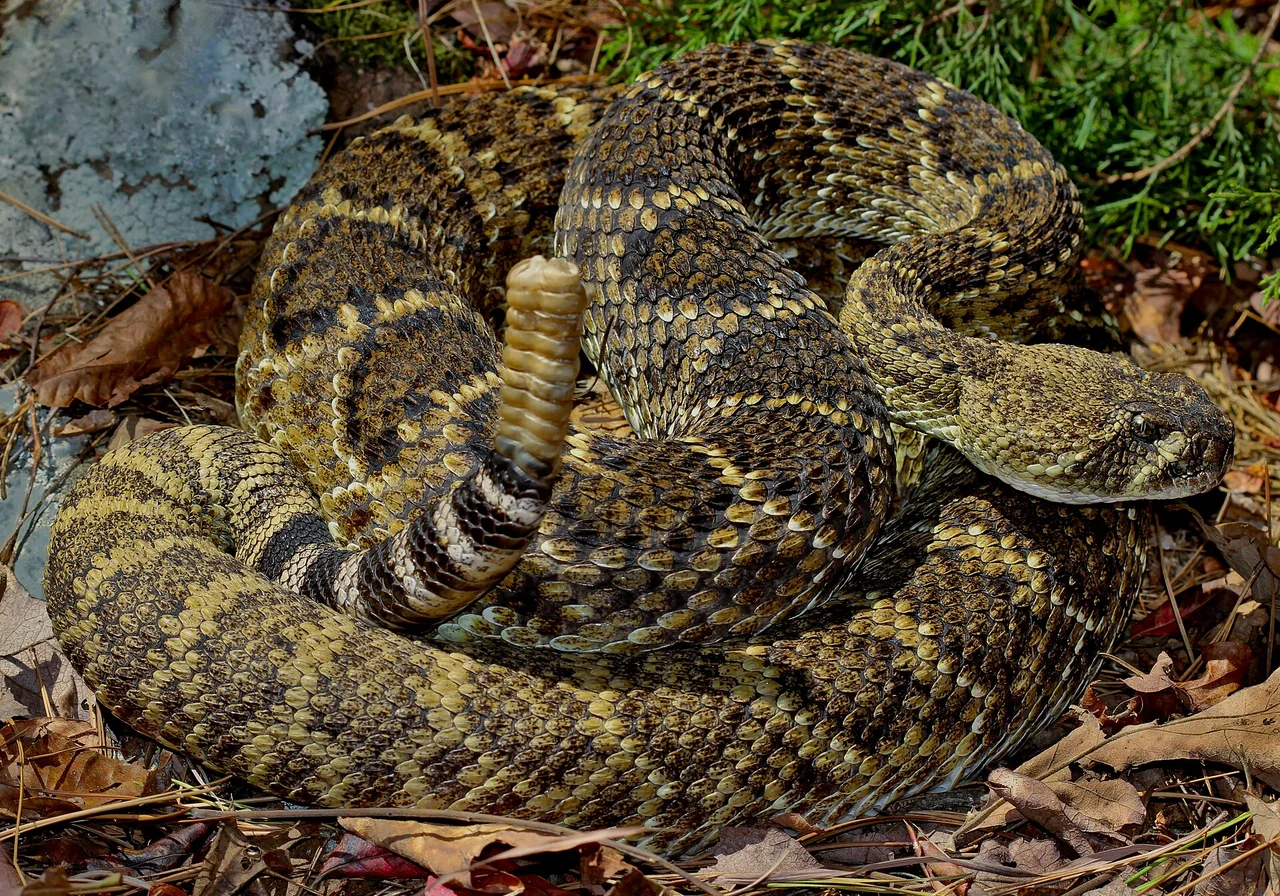
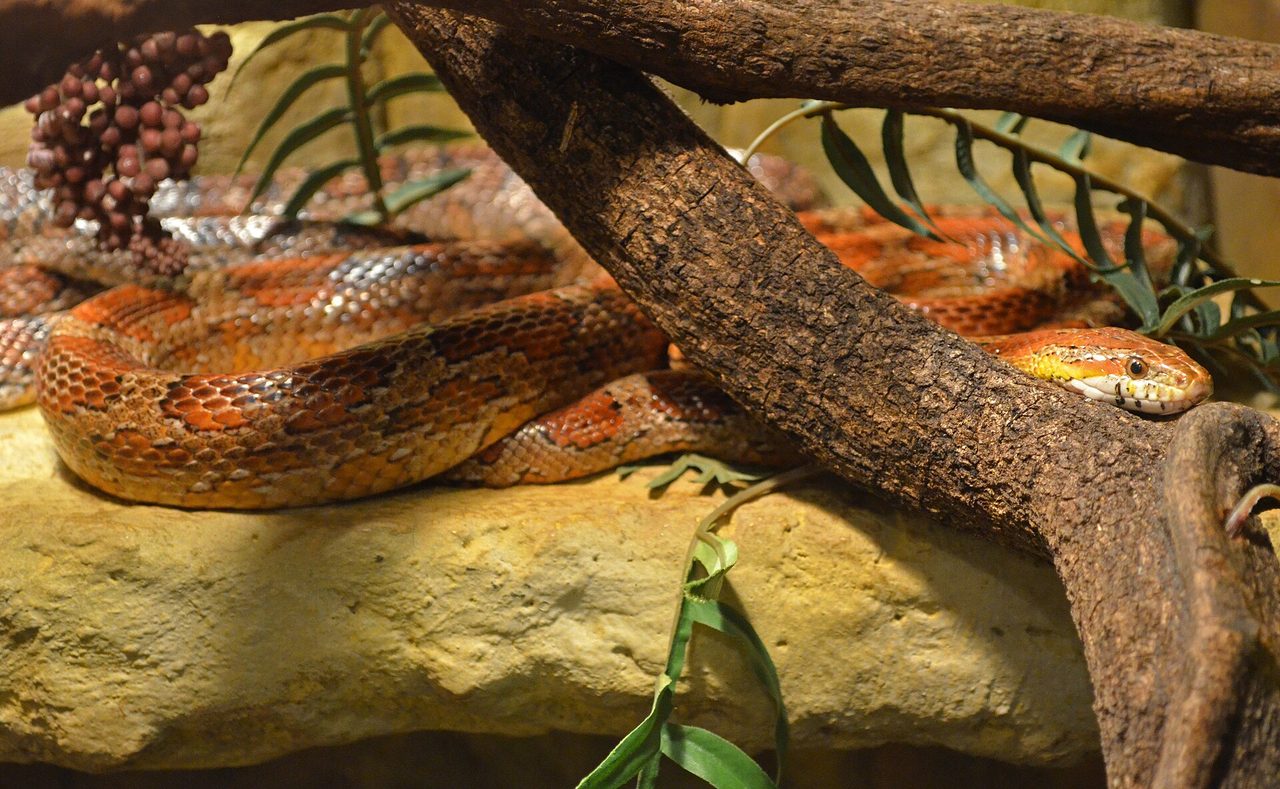
How does a Indian Cobra compare with Western Diamondback Rattlesnake and Corn Snake?
A Indian Cobra is not interchangeable with Western Diamondback Rattlesnake and Corn Snake. Compare origin, size, lifespan and temperament before you choose — those four lines prevent most regret.
| Snake fact | Indian Cobra | Western Diamondback Rattlesnake | Corn Snake |
|---|---|---|---|
| Origin | India, Pakistan, Bangladesh, Sri Lanka | South-western United States, Mexico | South-eastern United States |
| Size | Medium (1.5–2 m) | Large (1.2–1.8 m) | Medium (1–1.5 m) |
| Lifespan | 10–30 years depending on species | 10–30 years depending on species | 10–30 years depending on species |
| Temperament | Venomous, hood display, synanthropic | Venomous, rattling warning, ambush predator | Docile colubrid, popular in captivity |
What is the verdict on the Indian Cobra?
A Indian Cobra is a wild snake to understand and protect, not a pet to acquire. If you came here to buy one, the verdict is no. If you came here to learn, use the species guide next.
Help looks like habitat, enforcement and refusing the trade — not a cage in a spare room. WARN is a CIC, not a charity; donate only if you want to fund partner work in our network countries, and do not expect Gift Aid.
Snakes keep ecosystems healthy
Snakes control rodents and serve as prey for raptors — yet persecution and habitat loss remove them silently. WARN publishes these guides to reduce fear-driven killing in Pakistan, Brazil, Colombia and beyond.