Southeast Asia
Animal rescue in Vietnam
Vietnam’s forests, rivers and coasts face habitat and wildlife-trade pressures. Animal care after confiscation and longer-term habitat protection are related needs with different…
By WARN Research & Conservation Team Last updated
Find urgent animal help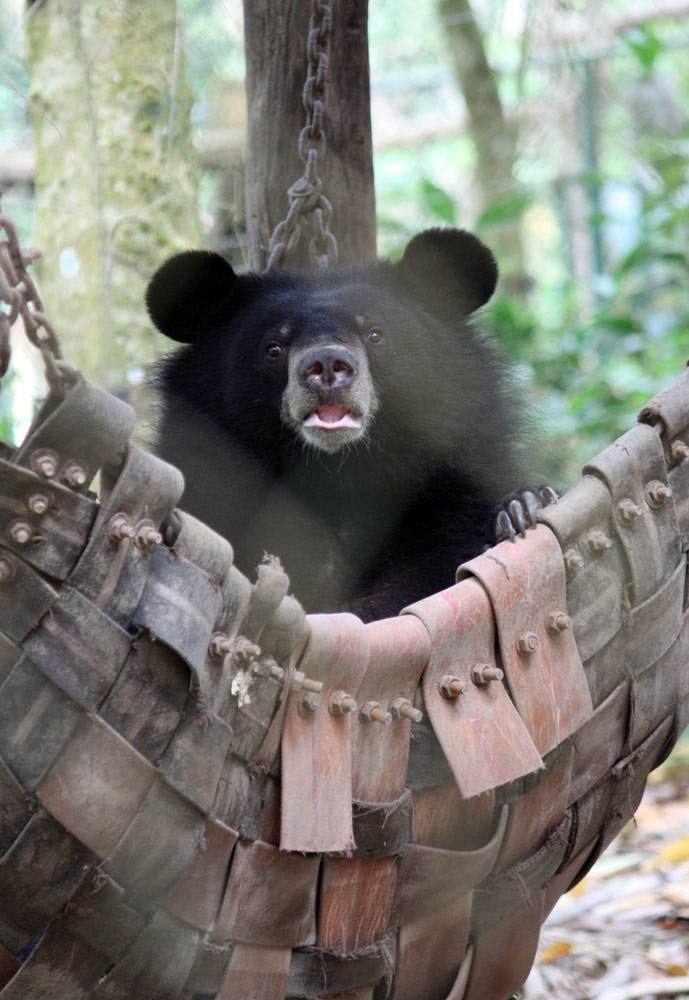
Asian black bear photographed at Kuangsi sanctuary, Laos on 1 March 2010. The photograph illustrates sanctuary care; it does not establish a WARN partnership, grant or this bear’s individual rescue history. Photo: Zoe Shuttleworth / Wikimedia Commons (CC BY 2.0). Original file; display may be cropped. Original source · CC BY 2.0
In brief
Vietnam’s forests, rivers and coasts face habitat and wildlife-trade pressures. Animal care after confiscation and longer-term habitat protection are related needs with different responsibilities.
Key Facts About Vietnam
- Habitat fragmentation is an important context for animal welfare and conservation.
- The related appeals explain proposed purposes and their geographic scope.
- Published grant records are separate from country and species information.
Forest and freshwater connections
The CBD country profile discusses habitat fragmentation, exploitation of natural resources and pressure on freshwater ecosystems. Its background includes historical and draft information; it should not be read as a live incident report or a current population census.
Care following wildlife confiscation
An intercepted animal may need specialist triage, suitable accommodation and an assessment of its longer-term needs. Ownership, health, legal authority and release suitability can all affect the outcome. A proposed grant should identify the responsible organisation and how continuing care would be funded.
How to assess a relevant appeal
Start with the stated purpose, its geographic scope and the current recipient status. Then look for a costed proposal, authority to do the work, an animal welfare approach and a reporting plan. Proposed support, an approved award and a completed payment are different stages. Country and species guides explain context; grant records establish what WARN has committed or paid.
Threats to Wildlife in Vietnam
Habitat fragmentation
Illegal hunting and wildlife trade
Unsustainable resource use
Water pollution
WARN’s role and funding status
WARN raises awareness and seeks funds for assessed animal welfare needs. Before an award, proposed recipients, activities, permissions, costs and reporting need review. This country guide is not a list of funded operations; check the public grant register for published decisions and payments.
Key Species in Vietnam
Vietnam FAQ
What animal welfare issues does this Vietnam guide cover?
Does this page confirm WARN has funded work in Vietnam?
Can I restrict a gift to Vietnam?
How do I find urgent animal help in Vietnam?
Can I help by sharing this information?
Rescue Guides for Vietnam
Explore animal welfare and conservation topics connected to Vietnam. These explain needs and possible responses, rather than confirming funded WARN operations.
Malaysia · Wildlife trafficking
Pangolin Rescue in Malaysia
Pangolin rescue in Malaysia focuses on intercepting trafficked Sunda pangolins, stabilising seized animals, and releasing suitable survivors into protected habitat through specialist rehabilitation partners.
Southeast Asia · Companion animal rescue
Dog and Cat Meat Trade in Southeast Asia
The dog and cat meat trade in Southeast Asia moves companion animals through high-stress capture, transport and slaughter routes; rescue depends on enforcement, shelter capacity and demand reduction.
Southeast Asia · Exotic pet trade
Slow Loris Pet Trade Rescue
Slow loris pet trade rescue is difficult because trafficked lorises often arrive with clipped teeth, stress injuries and specialist dietary needs after being taken from the wild for viral exotic pet demand.
Malaysia · Transit routes
Malaysia Wildlife Trafficking
Malaysia wildlife trafficking matters because the country sits on key regional routes for pangolins, birds, reptiles and big-cat parts, making customs detection and live-animal rescue capacity especially important.
Pangolin rescue · Seizure response
What Happens to Seized Pangolins?
Seized pangolins are assessed by specialist teams, stabilised in quiet quarantine, treated for stress or injury, and released only if they are healthy, wild-behaving and have safe habitat available.
Slow loris · Pet trade injury
Rescued Slow Loris Teeth Removed
Slow loris teeth are often cut or pulled by traders to prevent biting; rescued lorises with dental damage need urgent veterinary care and may be unable to return to the wild.
UK donors · International cat welfare
Help Stray Cats Abroad
From the UK, you can help stray cats abroad by funding neutering, vaccination, emergency treatment, community cat care and shelter support in countries where local capacity is limited.
Vietnam · Breaking enforcement
400+ Stolen Cats Rescued in Vietnam Police Raid (June 2026)
In June 2026, police in Tay Ninh Province and Ho Chi Minh City dismantled an alleged cat-theft ring, recovering more than 400 live cats, around 80 dead cats on ice, and arresting nine people; welfare groups later reunited 40+ cats with owners.
Vietnam · Cat rescue
Cat Meat Trade in Vietnam
The cat meat trade in Vietnam captures, transports and slaughters cats through high-stress trade routes; rescue support funds seizure response, quarantine, veterinary care and shelter placement.
UK donors · Dogs and cats abroad
Donate to Help Dogs and Cats Abroad
UK supporters can donate to help dogs and cats abroad by funding partner-led veterinary care, neutering, vaccination, emergency rescue, shelter capacity and humane alternatives to culling or meat-trade suffering.
UK donors · Meat trade intent
Donate to Stop the Dog and Cat Meat Trade
To help dogs and cats affected by the meat trade, read the sourced welfare context and choose the dog-and-cat meat-trade appeal if its purpose matches your gift. WARN is raising funds towards assessed support; the appeal covers both species and does not confirm a recipient by itself.
Vietnam · Bear bile farming
Donate to Moon Bear Bile Farm Rescue
To support bears affected by bile farming, examine the proposed recipient’s authority, veterinary care and long-term accommodation plan. WARN’s moon-bear appeal raises funds towards eligible support; read its scope and grant status before donating.
UK donors · Combined giving
How to Donate to a Local Animal Shelter — UK & Abroad
Donate to a local animal shelter by giving to a registered UK rescue near you. Give on this page as well if you also want partner-led CNVR and meat-trade quarantine abroad. WARN does not operate UK kennels, does not rehome pets, and is not a local animal protection society.
UK supporters · Cat welfare and giving
Adopt a Cat Symbolically from the UK
You can adopt a cat symbolically with WARN from £5 a month (about 16p a day) or with a one-off gift. Your donation supports WARN’s dog and cat meat-trade appeal, and you receive a personalised digital certificate that can name a gift recipient. It is symbolic: no individual animal is assigned to you.
UK supporters · Cat welfare and giving
Donate to Cat Welfare from the UK
To bring a cat into your UK home, contact a local registered rescue. WARN’s cat-welfare giving route supports the dog and cat meat-trade appeal, which covers both species. It does not create a cat-only fund, select a named animal or fund a separate community-cat neutering programme. WARN is a UK Community Interest Company, not a registered charity, and cannot claim Gift Aid.
US supporters · Cat welfare and giving
Adopt a Cat Symbolically from the US
You can adopt a cat symbolically with WARN from £5 a month (about 16p a day) or with a one-off gift. Your donation supports WARN’s dog and cat meat-trade appeal, and you receive a personalised digital certificate that can name a gift recipient. It is symbolic: no individual animal is assigned to you.
US supporters · Cat welfare and giving
Donate to Cat Welfare from the US
To bring a cat into your US home, contact a local shelter, humane society or cat rescue. WARN’s cat-welfare giving route supports the dog and cat meat-trade appeal, which covers both species. It does not create a cat-only fund, select a named animal or fund a separate community-cat neutering programme. WARN is a UK Community Interest Company, not a US 501(c)(3). Gifts to WARN are not US tax-deductible.
Donor intent · Shelter giving
How to Donate to an Animal Shelter
Give to a registered rescue or humane society near you if you want kennel rehoming. Give on this page if you want partner-led CNVR, rabies vaccination and meat-trade quarantine abroad. WARN does not operate local dog and cat shelters, and it is not a local animal protection society.



Related animal welfare appeals
Explore a related cause and read its stated purpose, geographic scope and recipient status before donating. A link from this guide does not create a fund restricted to Vietnam.
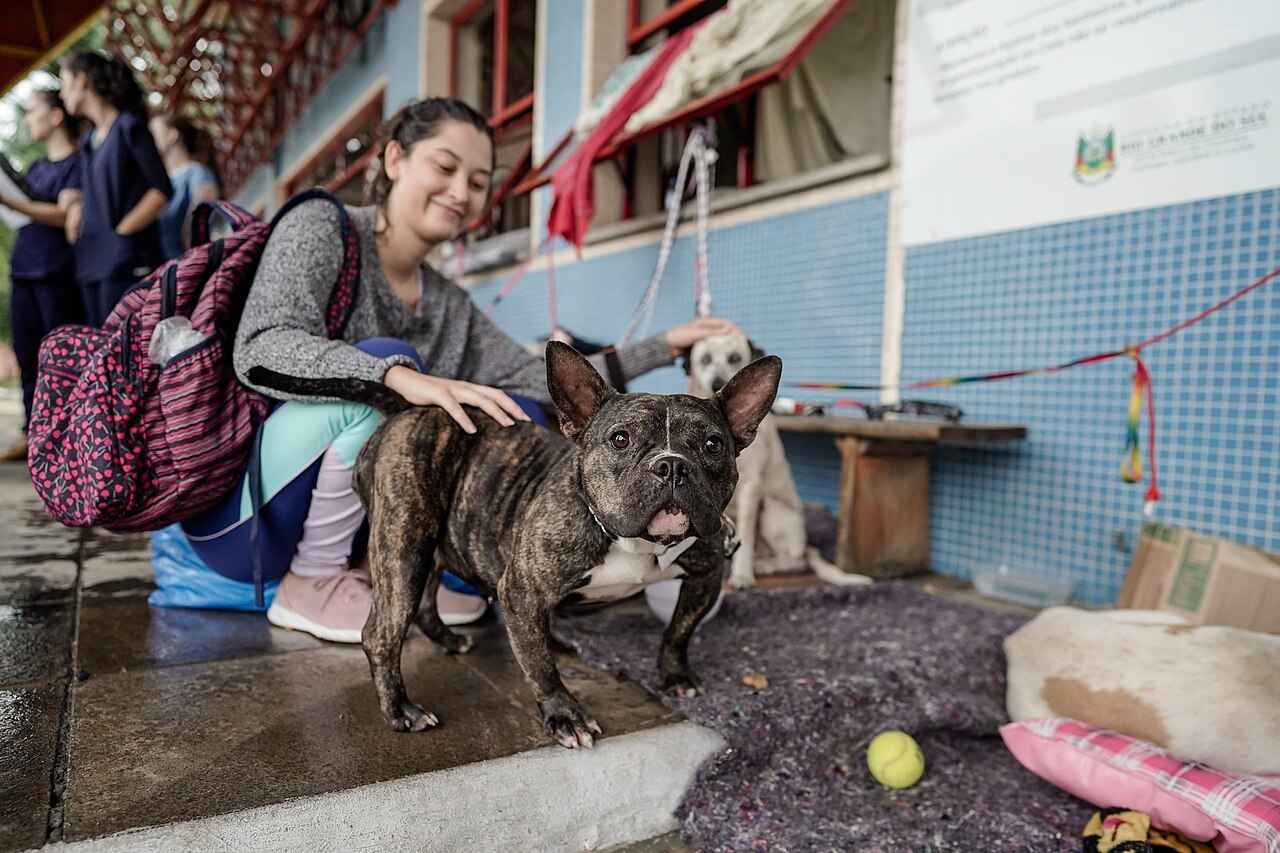
Animal disaster response and preparedness
Help Animals After a Disaster
Explore emergency veterinary care, safe water, feed, shelter and preparedness for animals affected by disasters, and read the appeal’s funding purpose.
Support this appeal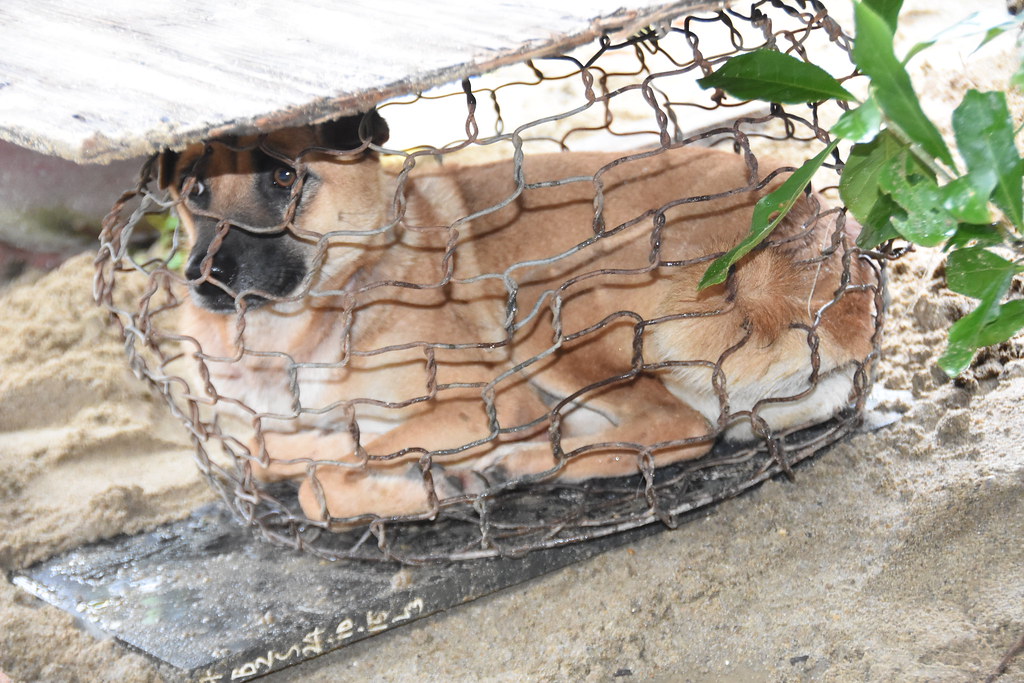
Dog and cat welfare · Southeast Asia
End the Dog & Cat Meat Trade
Explore lawful rescue support, veterinary care, suitable shelter and locally led reform for dogs and cats affected by the meat trade.
Support this appeal Asiatic black bear welfare
Help Moon Bears
Learn about moon-bear recovery and responsible long-term care, and understand how these bears differ from the sun bears of Borneo and Sumatra.
Support this appeal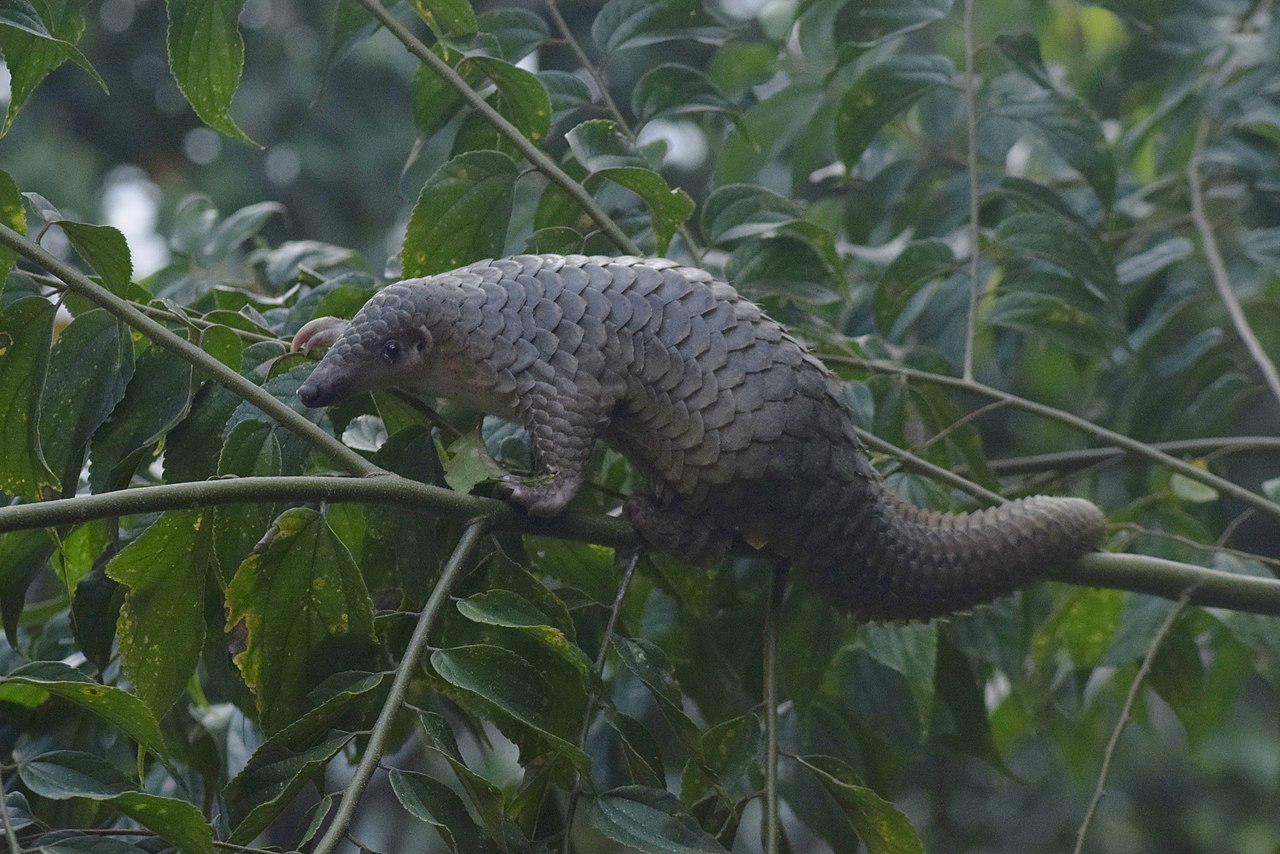
Pangolin welfare and conservation
Help Pangolins
Learn why pangolins affected by trafficking need specialist care, suitable habitat and careful release decisions. Explore assessed ways to help.
Support this appeal
Slow loris welfare and conservation
Help Slow Lorises
Explore the specialist needs of slow lorises affected by trafficking and habitat loss, from dental treatment to rehabilitation and safer habitat.
Support this appealSources and how to use this guide
The CBD country profile provides background on biodiversity and habitat pressures. Its figures and policy sections include historical information, and some profiles are marked draft; it is not a live emergency feed. Follow dated original sources in the related appeals for incident information, and the linked species guides for assessment context.
Sources reviewed 8 September 2026. Country coverage does not establish a partnership with the organisations cited.
Help the Animals of Vietnam
Choose a relevant appeal, share reliable information or find local animal help. The general donation page offers unrestricted support and available appeal choices; it does not automatically restrict a gift to this country.
Donate Now