Wildlife appeal · Asiatic black bears
How to Help Moon Bears
Freedom from a cage is the beginning of a bear’s recovery. Learn what safe sanctuary care involves and how to support this work responsibly.
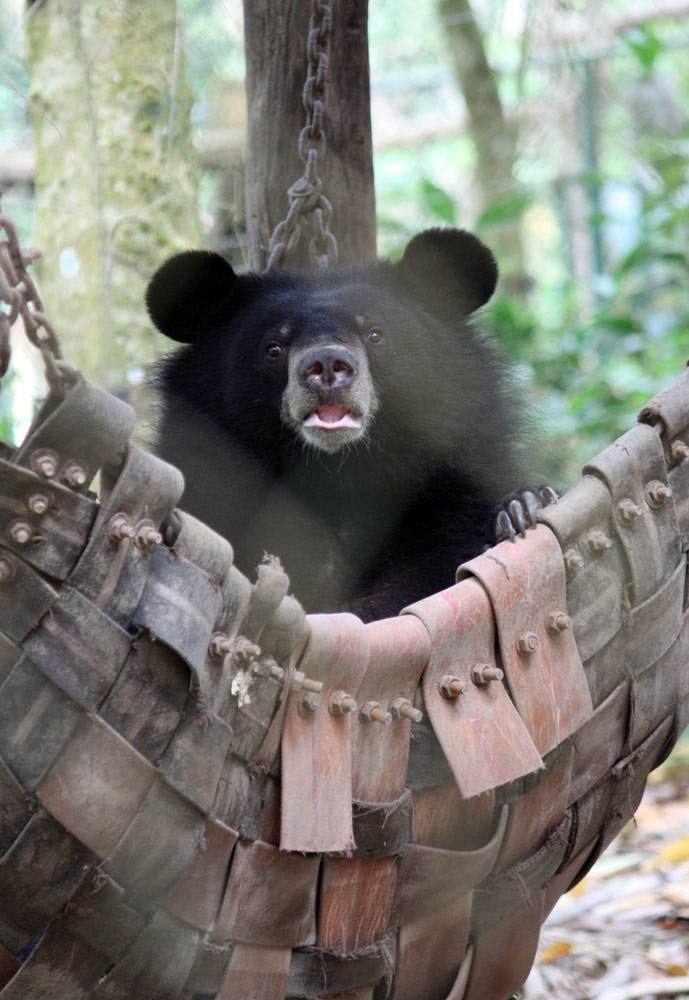
Asian black bear photographed at Kuangsi sanctuary, Laos on 1 March 2010. The photograph illustrates sanctuary care; it does not establish a WARN partnership, grant or this bear’s individual rescue history.
Photo: Zoe Shuttleworth / Wikimedia Commons (CC BY 2.0). Original file; display may be cropped. Source CC BY 2.0
- Understand the animal’s needs and the proposed support
- Choose a one-off or monthly gift, or share the evidence
- Read recipient selection and grant records before giving
In brief
Moon bears are Asiatic black bears. Exploitation, habitat loss and trafficking threaten their welfare. This appeal seeks support for assessed moon-bear welfare and conservation needs; no named recipient or completed WARN grant is claimed here. Read the proposed care and funding process before donating or sharing.
By WARN Research & Conservation TeamLast updated
Choose informed support
Support moon bears
Freedom from a cage is the beginning of a bear’s recovery. Learn what safe sanctuary care involves and how to support this work responsibly.
Before you give
Your gift supports this appeal’s stated purpose. Activities described on this page are eligible or proposed support; published grant records show what has been agreed, paid or reported.
Choose an amount and frequency you can afford. No donation amount guarantees a particular rescue, treatment or release.
WARN is a UK community interest company, number 17298990. Gift Aid is unavailable.
Support moon bears
Choose your amount and giving frequency
How often
Choose an amount
Your gift supports this appeal’s purpose. Grants depend on assessed needs, agreed budgets and available funds.
Where should it go?
Secure payment · You'll be directed to a secure checkout.
Secure donation · accepted methods
Secure card checkout powered by Stripe. Card details are entered on Stripe; available wallets depend on your device and browser.
Asiatic
Black bear — the moon bear
Vulnerable
IUCN species category
Long-term
Care can continue for life
Distinct
Moon bears and sun bears are different species
Species context checked 8 September 2026. Conservation classifications describe a species or population; they do not measure WARN’s work.
How to support moon bears
Gifts selected for this appeal are intended to support eligible moon-bear welfare and conservation. WARN will assess proposed recipients, locations, care plans and budgets before making awards. The sources explain the issue; they are not evidence of an existing WARN-funded programme.
- 1
Read the purpose and assessment questions
Explore the needs below and read grant selection and where your money goes. A species photograph or an outside organisation’s report does not establish a WARN grant.
- 2
Choose a gift that suits you
Select this appeal, choose one-off or monthly and enter an amount. Review the purpose, currency and frequency before continuing to Stripe. Available wallets depend on your device.
- 3
Follow the published records
Keep your payment receipt and use the grant register for recipient decisions and payment records when published. A receipt confirms your gift; it is not evidence that a grant has already reached a field team.
- 4
Share the evidence
Share this page with the correct species name and original source. Keep moon-bear stories distinct from sun-bear conservation in Borneo and Sumatra, and retain WARN’s recipient-assessment context.
Why moon bears need sustained help
A bear rescued after years of exploitation may need much more than transport to a new enclosure. Animals Asia describes survivors arriving with wounds, dental damage and other lasting health problems. A calm environment, veterinary assessment and room to explore can support recovery, while the length and intensity of care depend on the individual.
Moon bears are Ursus thibetanus, the Asiatic black bear. Their range extends across parts of mainland Asia and some Asian islands, including Japan. They should not be confused with sun bears, Helarctos malayanus, the native bears of Borneo and Sumatra. A Kalimantan fire story therefore cannot be relabelled as a moon-bear incident.
Animals Asia reports on its own sanctuaries in China and Vietnam. The Bornean Sun Bear Conservation Centre describes sun-bear care in Sabah, Malaysia. Those examples help donors understand different species and settings; neither establishes a WARN partnership. This appeal does not assert that WARN operates a sanctuary or has funded moon-bear rescue in Indonesia or Malaysia.
Evidence: Animals Asia — What is a moon bear?. External organisations describe their own work; citing them does not identify them as a WARN grantee.
What threatens moon bears and their recovery?
Exploitation and its lasting effects
Bear bile extraction and other forms of abusive confinement can leave injuries that persist after rescue. Treatment and appropriate long-term accommodation belong in a care plan alongside the initial transfer.
Forest loss and illegal capture
Pressure on habitat and illegal trade affect wild bears as well as individuals already held in captivity. Protecting wild populations and improving captive welfare require different activities and evidence.
A care commitment beyond the first photograph
A sanctuary place is an ongoing responsibility. Before proposing an award, WARN would need to understand veterinary provision, food, maintenance, staff capacity and what happens if an animal cannot be released.
Species, geography and donor context
| Species | Asiatic black bear (Ursus thibetanus), also called moon bear |
|---|---|
| Sun-bear distinction | Sun bears are a separate species native to Borneo and Sumatra |
| Conservation context | Moon bears are listed Vulnerable; welfare needs also affect captive individuals |
| WARN’s role | Assess proposed support and publish recipient and grant records |
| Donation outcome | A contribution to assessed needs, without a named-bear or release guarantee |
What support could this appeal make possible?
The following are possible areas for an assessed award. A suitable organisation, lawful purpose and documented budget would need to be established before a grant is agreed.
Focus1
Veterinary and recovery support
Consider documented needs for examinations, treatment, recovery accommodation and welfare monitoring at an appropriately authorised facility.
Focus2
Safe long-term sanctuary care
Assess the staff, facilities, food and enrichment needed for bears whose future is continued professional care. Expansion should be matched by a realistic plan for ongoing costs.
Focus3
Reducing future exploitation
Consider evidence-based public education or conservation activities with clear objectives, local expertise and a way to assess whether the work is changing the pressure on bears.
What should a credible bear-care proposal show?
The most moving image is not enough to judge a project. These questions turn concern for an animal into a specific, reviewable funding decision.
- Who has responsibility for the bear?
- Identify the legally responsible organisation and relevant authority, the care team, and whether the proposed transfer or treatment is authorised.
- Can care continue after the appeal?
- A proposal should explain ongoing staffing and operating costs, veterinary access and the capacity to accommodate animals already in care.
- What evidence can be shared safely?
- Ask for dated welfare and spending records that protect staff and animal security. An external sanctuary’s achievements must remain attributed to that operator.
These are WARN’s assessment priorities for a proposed award. Read the recipient-selection policy.
How to help without donating
Share recovery stories with context
Use the original date, organisation and species. A historical sanctuary photograph can explain long-term care when it is labelled honestly.
Choose respectful wildlife experiences
Avoid activities that require handling, feeding or close-contact photographs with bears. Use the operator’s published welfare information to assess a visit.
Learn the difference between Asia’s bears
The BSBCC source below explains sun-bear conservation in Sabah. Keep that information separate from this moon-bear appeal when raising awareness.
How would support reach moon bears?
Gifts selected for this appeal are intended to support eligible moon-bear welfare and conservation. WARN will assess proposed recipients, locations, care plans and budgets before making awards. The sources explain the issue; they are not evidence of an existing WARN-funded programme.
WARN is building its grant-making work. Before an award, an organisation’s authority, welfare standards, budget and ability to report must be assessed. Recipient decisions and grant payments will be published as records become available.
The activities described on this page are eligible needs to assess. They are not a statement that WARN has already paid for a rescue, clinic, patrol or sanctuary place. A suggested gift amount does not guarantee a fixed outcome.
How responsible support works
From a gift to a grant
This is WARN’s grant-making process. Check the published records below for this appeal’s actual progress.
Assess the need
Review an organisation’s identity, local capacity, welfare practices, current request and proposed budget.
Agree the support
Choose a suitable purpose within the appeal, agree the budget and set proportionate reporting requirements.
Record the payment
Publish the recipient, amount, purpose and payment status when a grant record is available.
Follow the results
Report what the recipient can evidence, with dates and limitations. An approved grant and a completed outcome are different stages.
Grant register
Approved commitments and completed payments are different stages. Public records identify recipients and purposes without exposing donor details, banking information or sensitive wildlife locations.
Records not yet published
A reconciled financial summary and individual grant records have not yet been published here. This is a reporting status, not a statement that income, expenditure or grants are zero. Contact WARN for information about your gift.
Ask about a donation or grantLearn more and explore other ways to help
Explore the evidence, practical animal-welfare information and other relevant ways to support the cause.
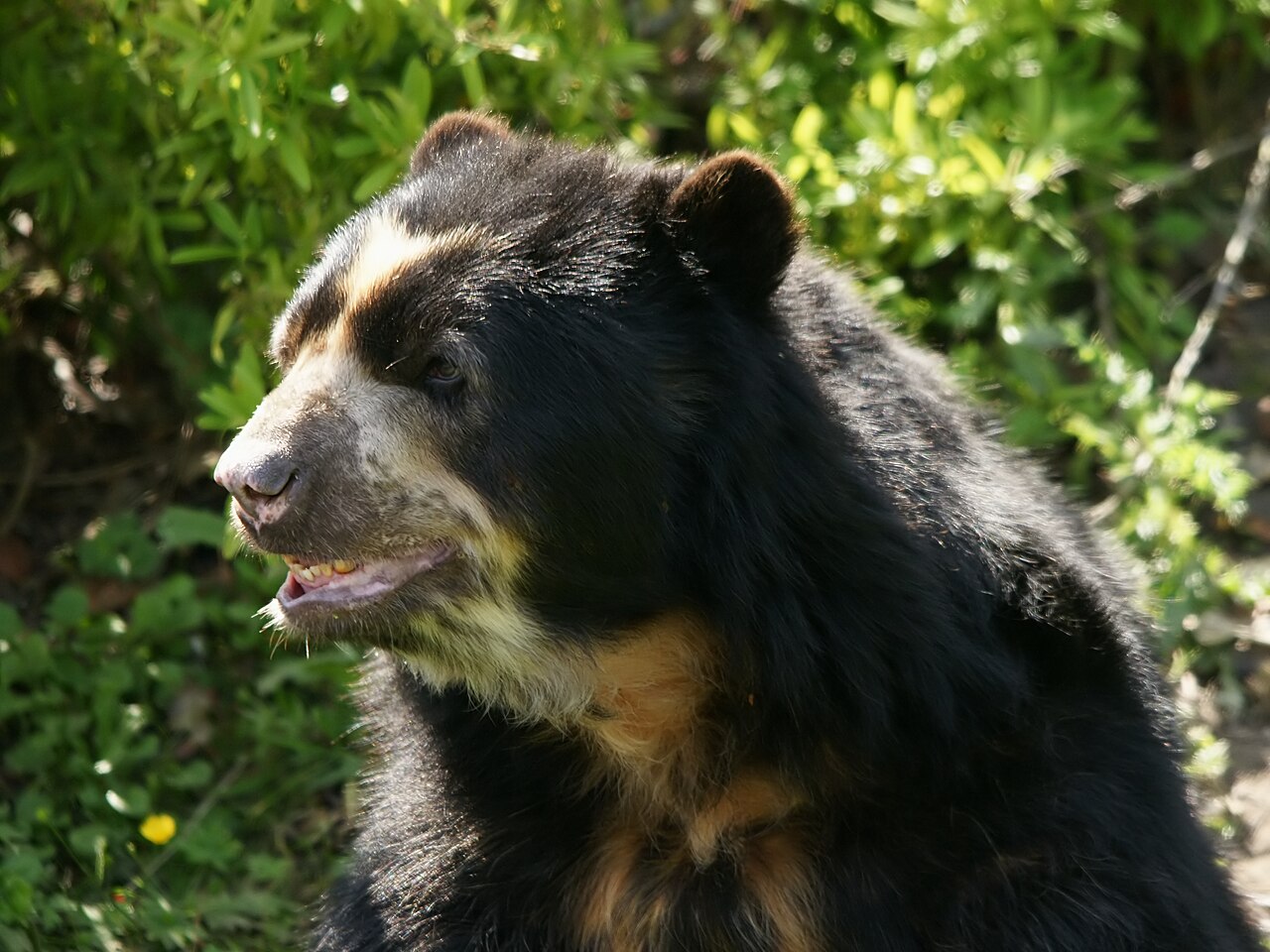
Help Andean Bears
Explore habitat protection and coexistence for Andean bears, with evidence from conservation research and clear questions for proposed support.
Open this page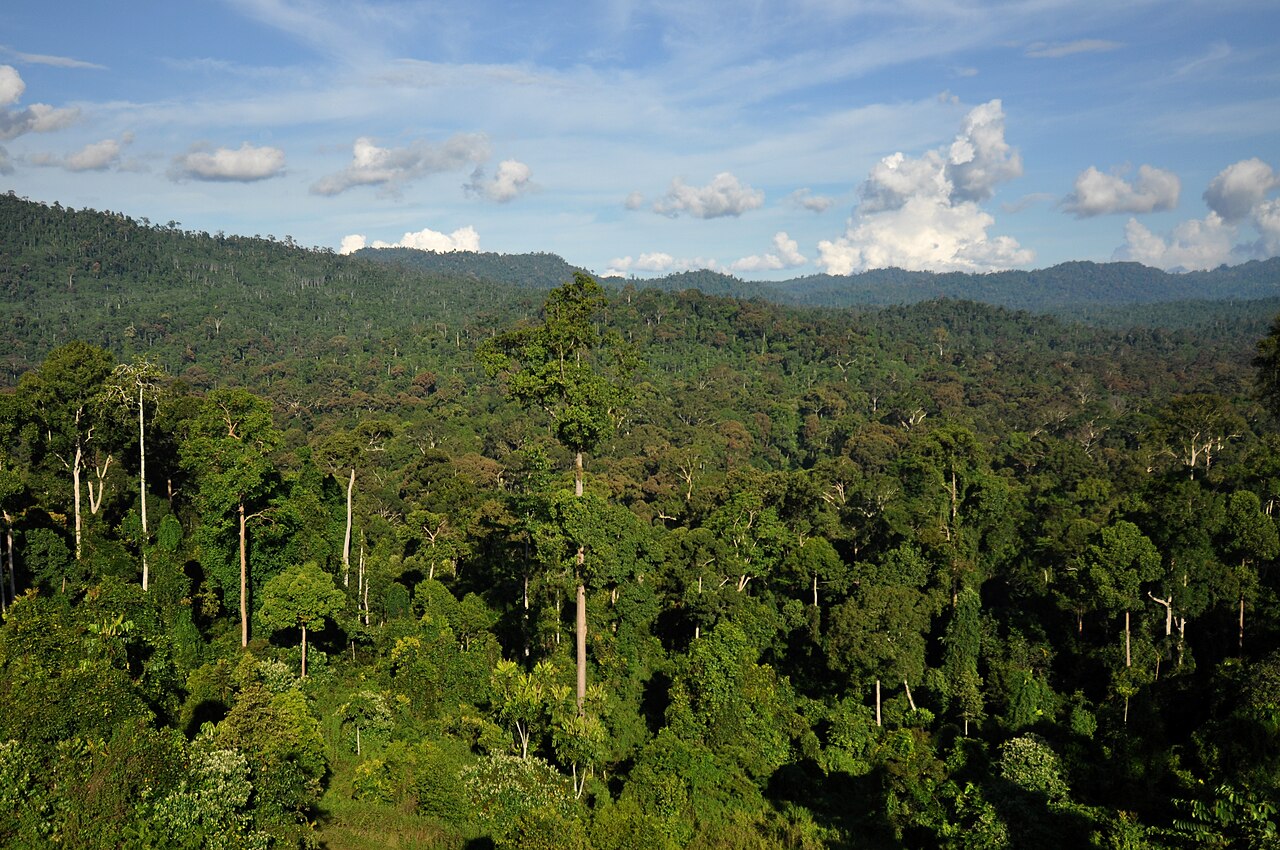
Protect Critical Habitats
Learn about habitat protection, ecological restoration and community stewardship, and how proposed work and its lasting benefit would be assessed.
Open this page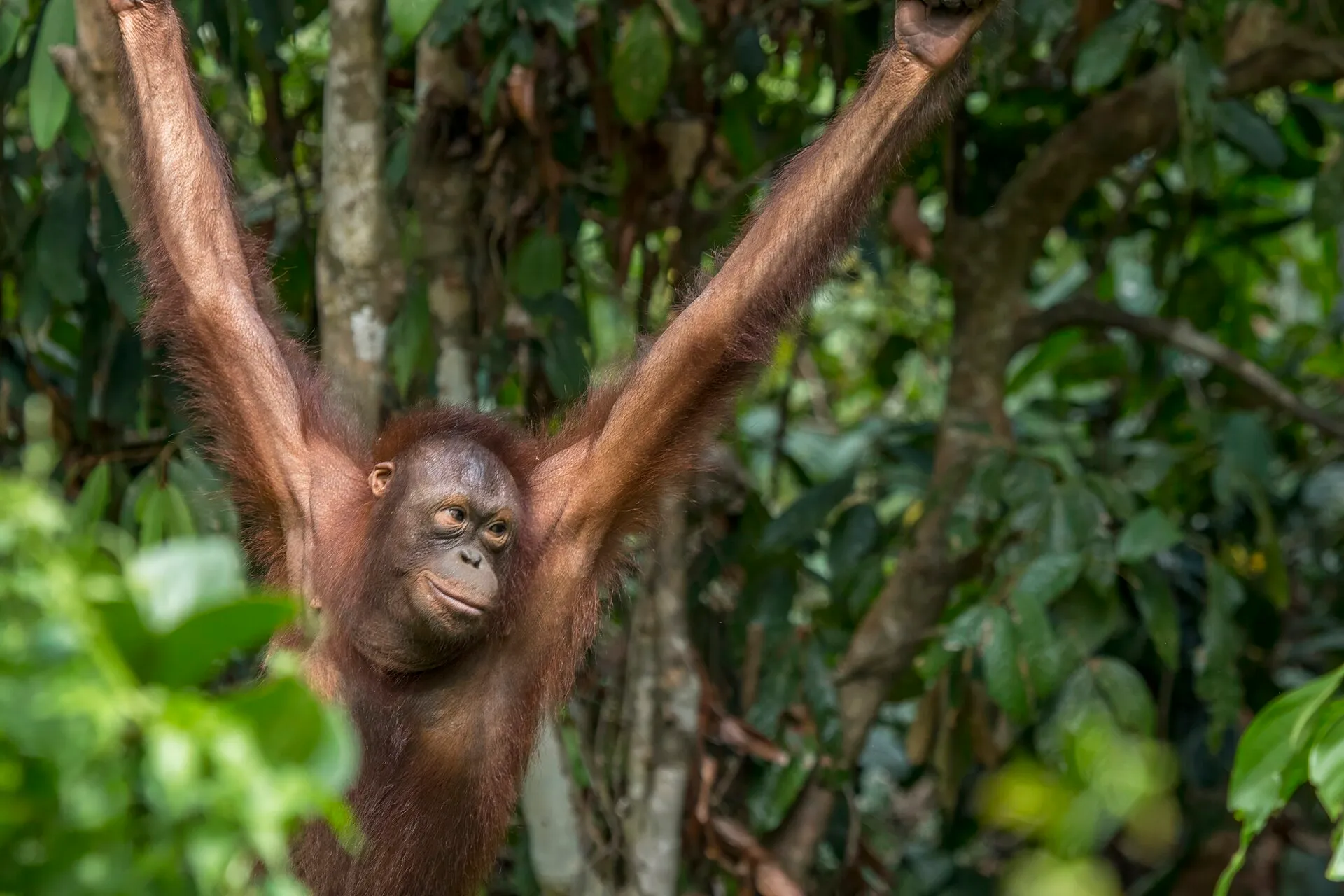
Help Orangutans
Explore how to help orangutans, compare donation purposes and symbolic adoption, and find practical ways to share and protect forests.
Open this pageYour questions answered
Moon bears: frequently asked questions
Are moon bears and sun bears the same animal?
Will every rescued moon bear return to the wild?
Does WARN run a moon-bear sanctuary?
Which moon-bear organisation will receive the funds?
How do I donate to help moon bears?
How can I help moon bears from the UK?
Can I give monthly to help moon bears?
How does my donation reach moon bears?
Is this Gift Aid eligible or US tax-deductible?
Can I help without donating?
Help make responsible bear care possible
Choose a contribution towards assessed moon-bear needs, or share the evidence so others can understand the issue.
Help moon bears