Appeal · emergency care and preparedness
How to Help Animals After a Disaster
A flood, fire or earthquake can cut animals off from care. Help build support for emergency needs and preparedness through assessed local organisations.
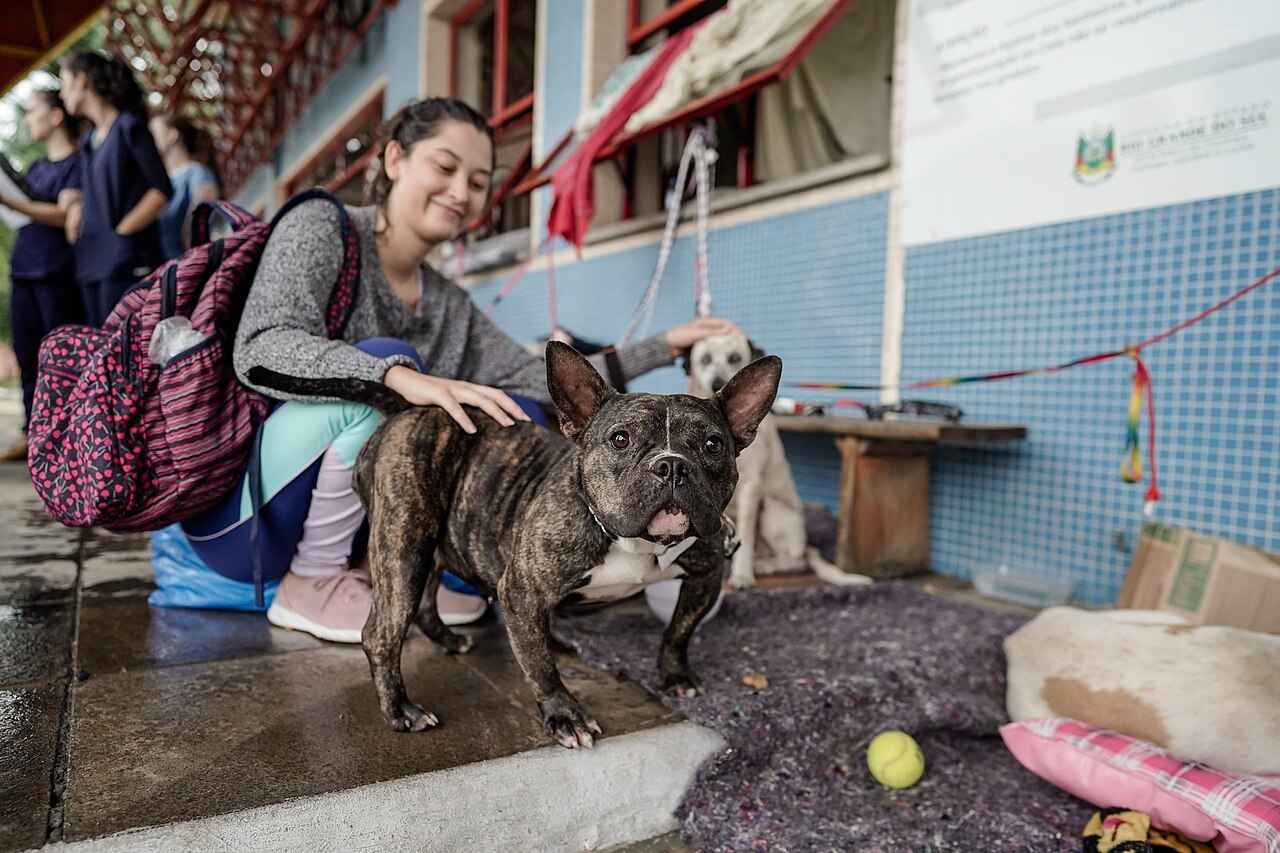
Dogs receiving care during the flood response in Porto Alegre, Rio Grande do Sul, Brazil, photographed on 10 May 2024. This historical image documents local emergency shelter care; it does not show a WARN operation or a current incident.
Photo: Cesar Lopes / PMPA. Reuse permitted by Agência Porto Alegre with photographer credit. Commons-generated thumbnail; no local image edits. Display may be cropped. Source Free reuse with photographer credit — PMPA
- Support intended animal disaster-relief grants for emergency veterinary care, safe water, feed, shelter and preparedness. Read the purpose and grant status.
- Choose one-off or monthly support
- Read the grant status and how funds are allocated
In brief
Support intended animal disaster-relief grants for emergency veterinary care, safe water, feed, shelter and preparedness. Read the purpose and grant status. WARN is developing its grant-making work. Grant records have not yet been published; read the purpose, terms and reporting status before giving.
By WARN Research & Conservation Team Last updated
Choose informed support
Support animals after a disaster
A flood, fire or earthquake can cut animals off from care. Help build support for emergency needs and preparedness through assessed local organisations.
Before you give
Your gift supports this appeal’s stated purpose. Activities described on this page are eligible or proposed support; published grant records show what has been agreed, paid or reported.
Choose an amount and frequency you can afford. No donation amount guarantees a particular rescue, treatment or release.
WARN is a UK community interest company, number 17298990. Gift Aid is unavailable.
Give now
Appeal · emergency care and preparedness · one-off or monthly
How often
Choose an amount
Your gift supports this appeal’s purpose. Grants depend on assessed needs, agreed budgets and available funds.
Where should it go?
Secure payment · You'll be directed to a secure checkout.
Secure donation · accepted methods
Secure card checkout powered by Stripe. Card details are entered on Stripe; available wallets depend on your device and browser.
Response
Care for an identified need
Preparedness
Plan before the next emergency
Recovery
Support beyond immediate rescue
The appeal focus describes intended support. Independent conservation and welfare sources are linked below.
How to Help Animals After a Disaster
Support intended animal disaster-relief grants for emergency veterinary care, safe water, feed, shelter and preparedness. Read the purpose and grant status.
- 1
Read the appeal purpose and current funding status
Support intended animal disaster-relief grants for emergency veterinary care, safe water, feed, shelter and preparedness. Read the purpose and grant status. The grant register and allocation policy explain how to distinguish proposed support from published results.
- 2
Choose an affordable gift
Select an amount, currency and one-off or monthly frequency. Check this appeal is selected before continuing to Stripe checkout. Available wallets depend on your device and browser.
- 3
Consider regular support
Choose a frequency and amount that suit you. Recurring gifts support planning under this appeal’s terms; they do not guarantee a specific animal outcome.
- 4
Follow decisions and published results
Your receipt records the gift. Check /about/where-your-money-goes/#grant-register for published recipient decisions and payments, and manage for help with future monthly donations.
Why do animals need disaster support?
Disasters can disrupt veterinary services, transport, shelter and access to food or water at the same time. Animals and the people who care for them may need support long after the immediate hazard has passed.
WOAH emphasises coordination between veterinary services and wider emergency planning. A useful funding response should therefore fit the local response plan and identify an actual gap, rather than assume that any offer of supplies is helpful.
Which needs could this appeal address?
For floods and storms, a proposal could identify safe shelter, animal feed, clean water and access to veterinary assessment. For fires and other incidents, priorities would depend on the conditions, species affected and advice of qualified responders.
Preparedness can also be eligible: appropriate storage, equipment maintenance, training and arrangements for moving or sheltering animals safely. The proposed expenses need to be connected to a credible plan and a named organisation with the capacity to use them.
Choose support that matches your intention
This is a general disaster-relief appeal covering intended response and preparedness grants. For the specific Kalimantan fire situation, use the separate Kalimantan wildlife fires appeal and read its additional fund terms.
If your own animal needs help now, contact local emergency or veterinary services and follow official instructions. A donation form is not a rescue-dispatch service. WARN’s preparedness guide can help you plan in advance, but an immediate incident requires local advice.
From immediate needs to recovery
A response proposal should explain who will assess animals, how needs will be prioritised and where care can be delivered safely. It should cover safe handling, appropriate clinical oversight and coordination with authorities.
Recovery requires its own plan. Temporary accommodation may need cleaning, ongoing feed, staffing and a route to reunification or other lawful placement. A delivery of crates is not evidence that the animals’ longer-term needs are met.
What could WARN support?
Intended eligible needs include veterinary services, feed and safe water, suitable temporary shelter, transport or essential equipment within an authorised response, and practical preparedness. Expenses should be requested and justified by an assessed organisation.
WARN does not operate an emergency dispatch service or its own disaster camps. Grant records have not yet been published. The appeal describes a funding purpose; it does not promise an immediate transfer, deployment or a fixed number of rescues for a suggested gift.
How would an emergency grant be assessed?
A responsible assessment should identify the affected area and animals, confirm the organisation’s role, check permissions and clinical responsibility, and establish what other support is already available. Urgency makes these questions important rather than optional.
Reporting should account for purchases or services, explain the period covered and distinguish animals assessed, treated, housed and reunited. These are different measures and should not be combined into an inflated rescue total.
From your gift to accountable support
WARN intends to support eligible organisations through assessed grants. The recipient, scope, budget and reporting requirements need to be documented before a grant is treated as an approved commitment.
Grant records have not yet been published. Use the register and reporting pages for evidence of approved grants, transfers and results.
The appeal terms explain the funding purpose and allocation policy. Suggested gift amounts are contributions; they do not promise a fixed treatment, item or animal outcome.
How responsible support works
From a gift to a grant
This is WARN’s grant-making process. Check the published records below for this appeal’s actual progress.
Assess the need
Review an organisation’s identity, local capacity, welfare practices, current request and proposed budget.
Agree the support
Choose a suitable purpose within the appeal, agree the budget and set proportionate reporting requirements.
Record the payment
Publish the recipient, amount, purpose and payment status when a grant record is available.
Follow the results
Report what the recipient can evidence, with dates and limitations. An approved grant and a completed outcome are different stages.
Grant register
Approved commitments and completed payments are different stages. Public records identify recipients and purposes without exposing donor details, banking information or sensitive wildlife locations.
Records not yet published
A reconciled financial summary and individual grant records have not yet been published here. This is a reporting status, not a statement that income, expenditure or grants are zero. Contact WARN for information about your gift.
Ask about a donation or grantLearn more and explore other ways to help
Explore the evidence, practical animal-welfare information and other relevant ways to support the cause.
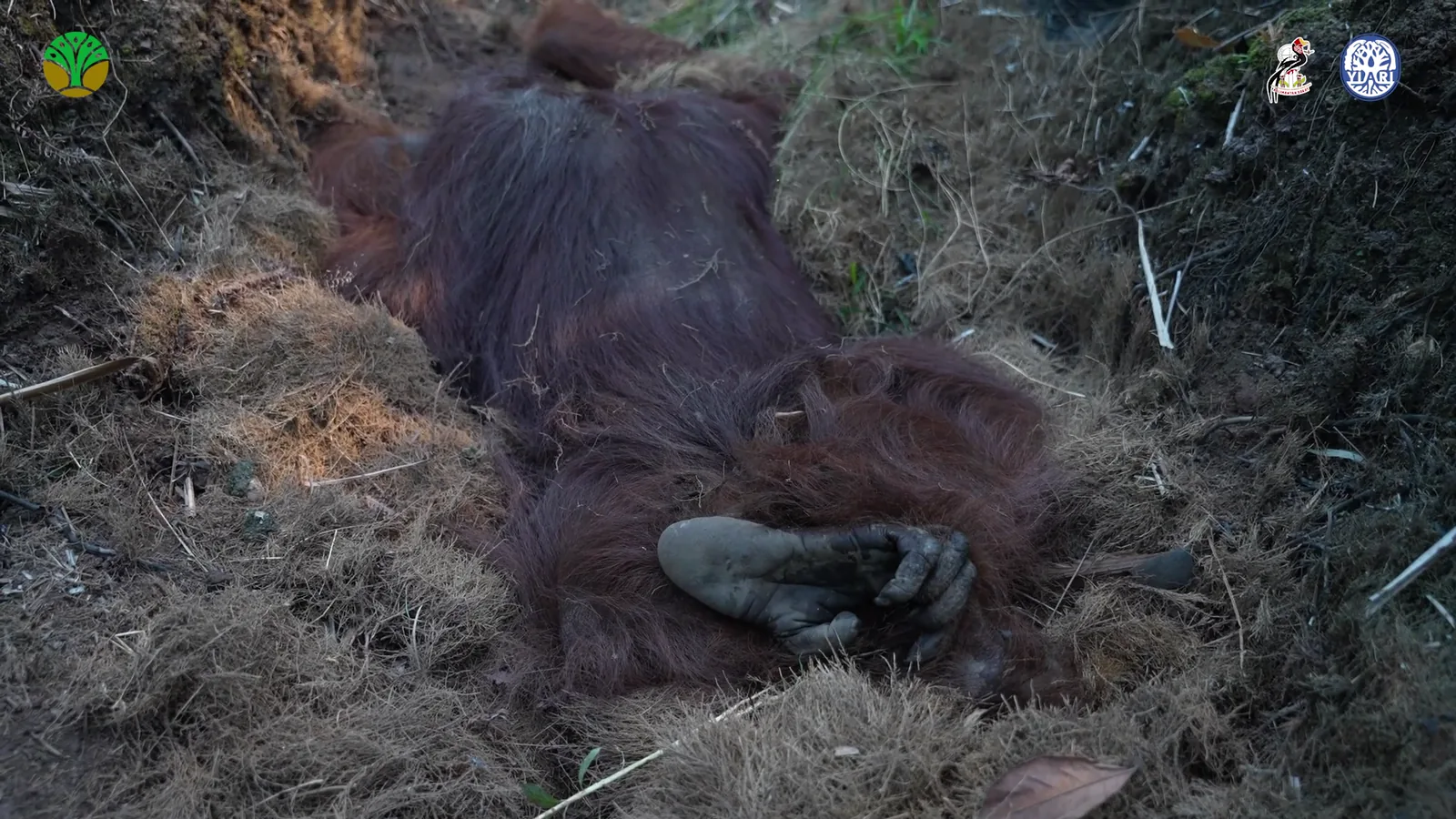
Kalimantan Wildlife Fire Appeal
Read the separate Kalimantan fire appeal and its specific terms.
Open this page
Help Working Donkeys
Understand working-animal welfare needs in Pakistan.
Open this pageAlso: Prepare for animal emergencies · Kalimantan fire appeal · How funds are allocated · How grants are assessed · All appeals
Your questions answered
Animals after a disaster: frequently asked questions
How can I donate to help animals after a disaster?
Does this donation specifically support the Kalimantan fires?
Does WARN send its own rescue team?
Can this fund be used before a disaster happens?
Should I send food or equipment?
How can I help if I cannot donate?
How do I donate to help animals after a disaster?
How can I help animals after a disaster from the UK?
Can I give monthly to help animals after a disaster?
How does my donation reach animals after a disaster?
Is this Gift Aid eligible or US tax-deductible?
Can I help without donating?
Help build support for animals after a disaster
Choose an affordable contribution to the purpose described here. Sharing this appeal can also help others learn about the need and decide how to support it.
Support animals after a disaster