Bushmeat and snares
Wire snares set for bushmeat are the most prolific and indiscriminate form of poaching across East African savanna and forest ecosystems. They are also the largest non-targeted cause of injury and dea
By WARN Research & Conservation TeamLast updated
Bushmeat refers to wild animals killed for local consumption; snares are the dominant tool used to catch them. Both are major drivers of biodiversity loss in East Africa, and snares regularly catch non-target species as bycatch.
Want to fund partner-led rescue on this issue? Browse donor rescue guides or give at donate.
Donate todayKey Facts
- Snares are cheap, silent and indiscriminate — a single poacher can set hundreds in one night.
- Major non-targeted victims include lions, elephants, wild dogs, leopards, hyenas and primates.
- Snared animals that escape often die slowly elsewhere of infected wounds.
- Community-led snare-removal patrols have proven more cost-effective than militarised approaches.
- WARN's planned East Africa programme would fund snare-removal patrols and veterinary darting in Kenya and Tanzania.
Why snares are so widespread
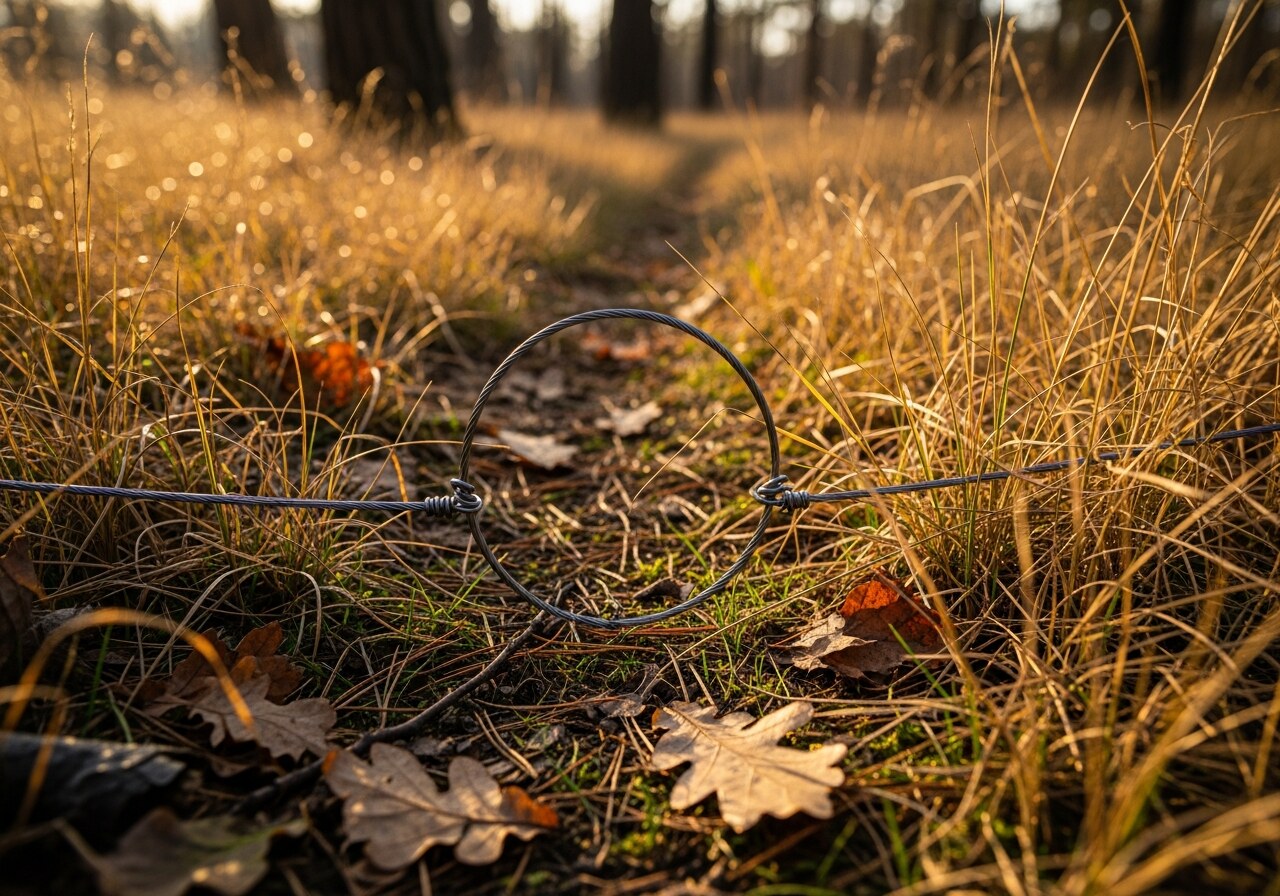
Wire snares can be made for almost nothing from fencing wire or motorcycle cables. They require no firearm, no training and no licence. A determined bushmeat hunter can set dozens of snares in a single day across a wide area of bushland, and they continue catching animals long after the hunter has left.
The bycatch problem
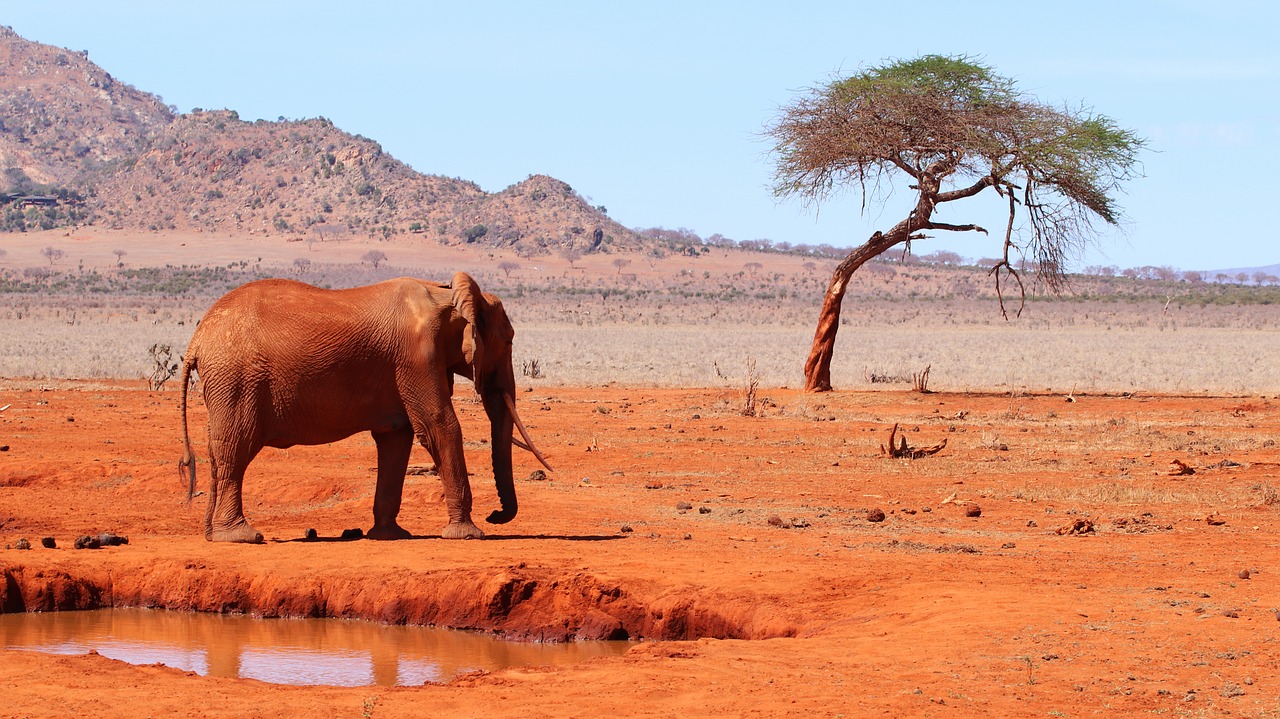
Snares set for medium-sized antelope routinely catch much larger animals — lions, leopards, elephants, hyenas — that walk through the wire and either die at the snare site or escape with the snare embedded in a limb. Snare-amputation injuries in elephants and lions are common in East Africa.
How rescue work responds
The standard response combines proactive snare-sweep patrols (often community-led), rapid-response veterinary darting teams who can sedate and treat snared animals in the field, and intelligence work to identify the supply chains feeding the bushmeat trade. WARN's planned East Africa programme contributes to all three.
Popular questions
Bushmeat and snares questions
Related search answers that connect this topic to WARN welfare guidance, rescue explainers and action routes.
Trafficking
What is bushmeat?
Bushmeat is wild-animal meat hunted for subsistence or commercial sale — often in tropical Africa and Amazonia. Unsustainable hunting threatens apes, antelope and forest species and can spread zoonotic disease. Bushmeat means wild-animal meat hunted for subsistence or commercial sale, often in tropical Africa and Amazonia.
Conservation
What is bushmeat hunting?
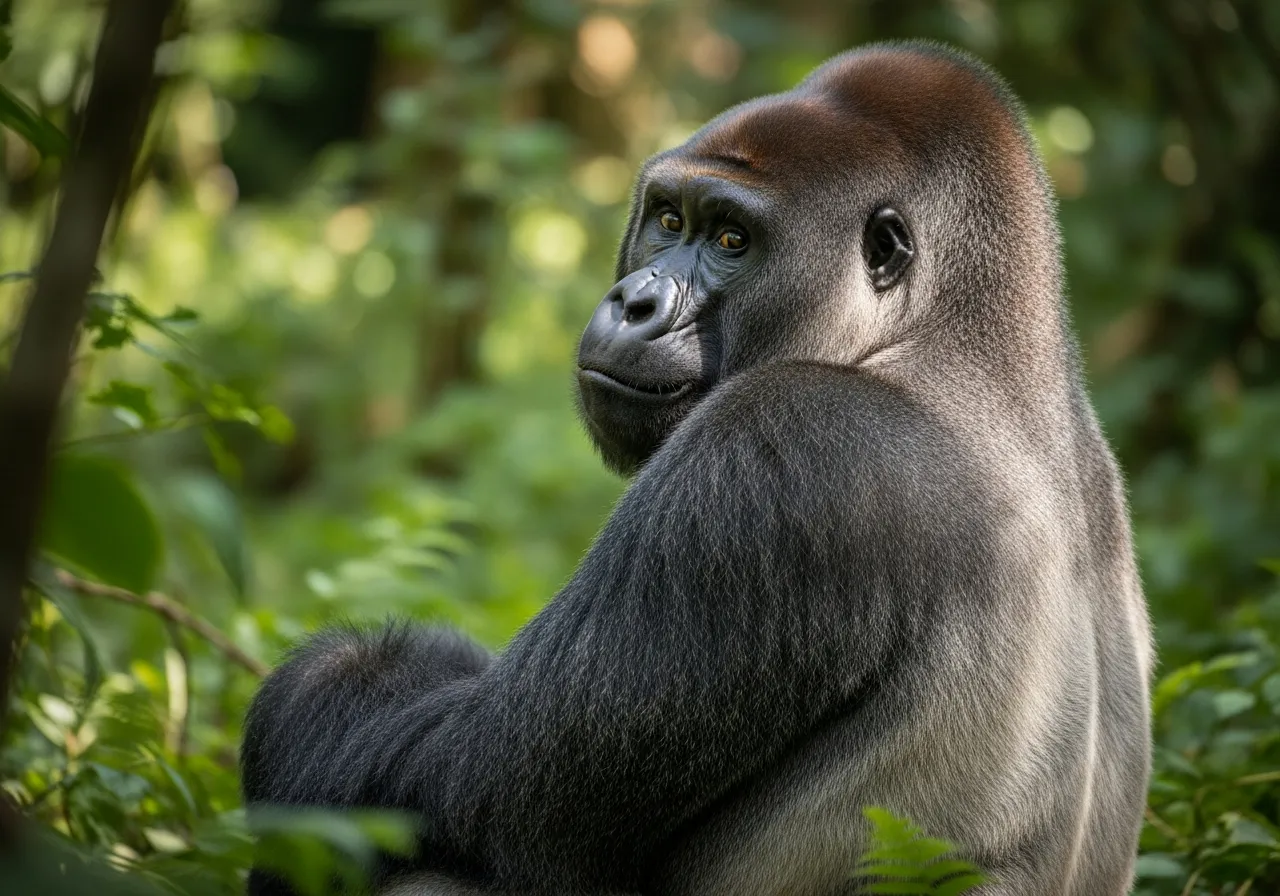
Bushmeat hunting is the capture of wild mammals (and other forest animals) for meat — from subsistence use to commercial urban trade. Unsustainable hunting threatens apes, antelope and forest species globally. Bushmeat hunting captures wild mammals, birds and reptiles for meat — from subsistence in rural communities to commercial supply of urban markets.
Rescue & Welfare
What is snaring and why is it a crisis?
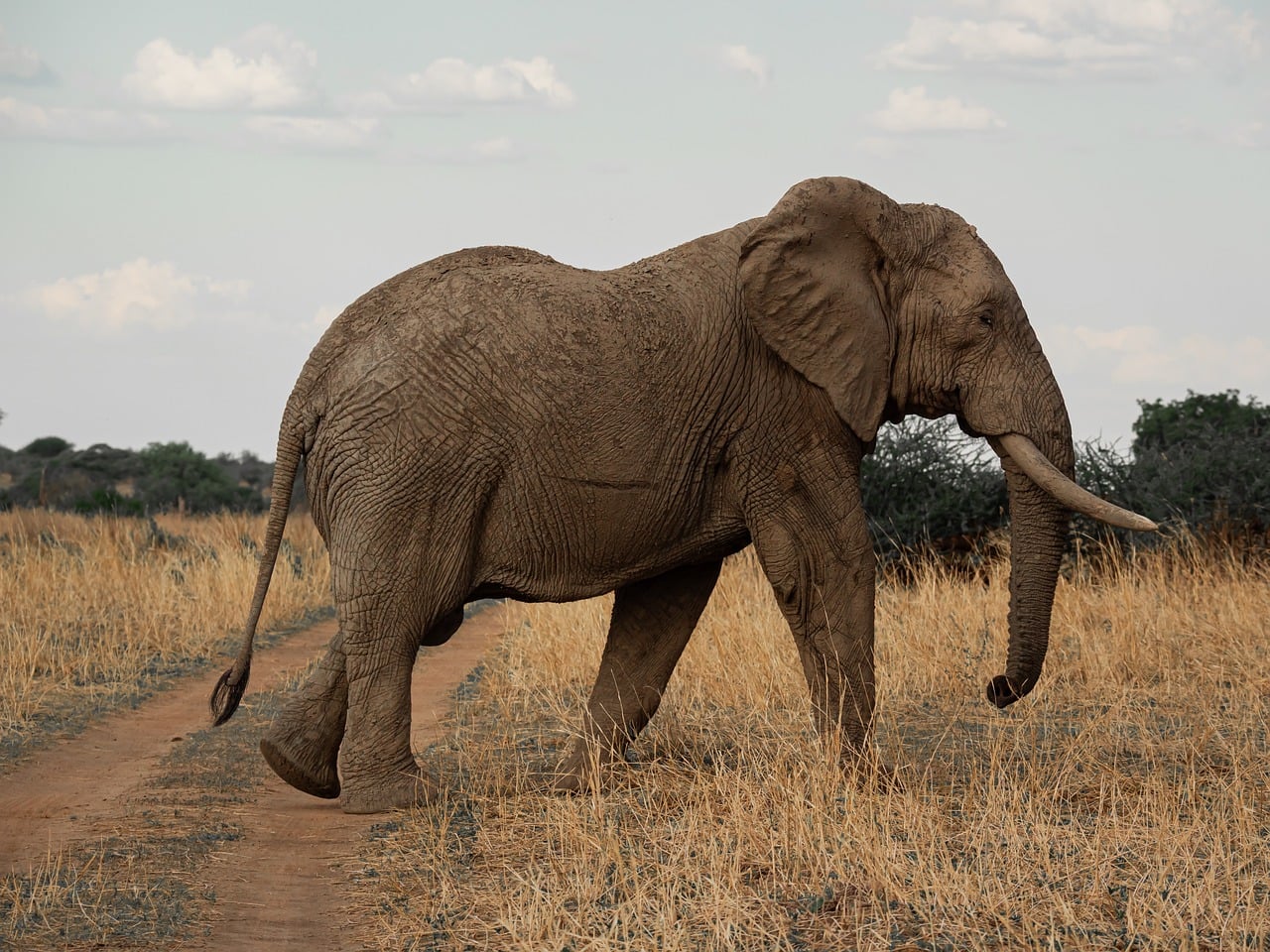
Snares are wire or cable loops set to catch bushmeat animals but often kill non-target species — elephants, lions, giraffes and rhinos — as bycatch. Snaring is the most widespread form of poaching in many African forests and savannas. Snares are wire or cable loops set to catch animals for bushmeat but indiscriminately kill any species that walks through them.
Trafficking
What are the most trafficked animals?
Pangolins are widely cited as the most trafficked mammal. Parrots, elephants (for ivory), big cats, turtles, reptiles and primates are also among the highest-volume illegal wildlife trades. Trafficking patterns vary by region: pangolins and songbirds in Asia, parrots and jaguars in Latin America, ivory and bushmeat in Africa.