Animal rescue in Asia
Asia is the front line of modern animal-rescue work — combining wildlife trafficking hotspots, large free-roaming dog populations, and the world's most-trafficked species. This hub maps where the cris
By WARN Research & Conservation TeamLast updated
Animal rescue in Asia spans wildlife trafficking interdiction, street-dog welfare, captive-wildlife rehabilitation and disaster response — concentrated across Indonesia, Malaysia, Vietnam, Thailand, Cambodia and Pakistan.
Want to fund partner-led rescue on this issue? Browse donor rescue guides or give at donate.
Donate todayKey Facts
- WARN's Asian partner-network countries include Pakistan, India, Sri Lanka, Indonesia, Malaysia, Vietnam, Thailand, Cambodia and the Philippines.
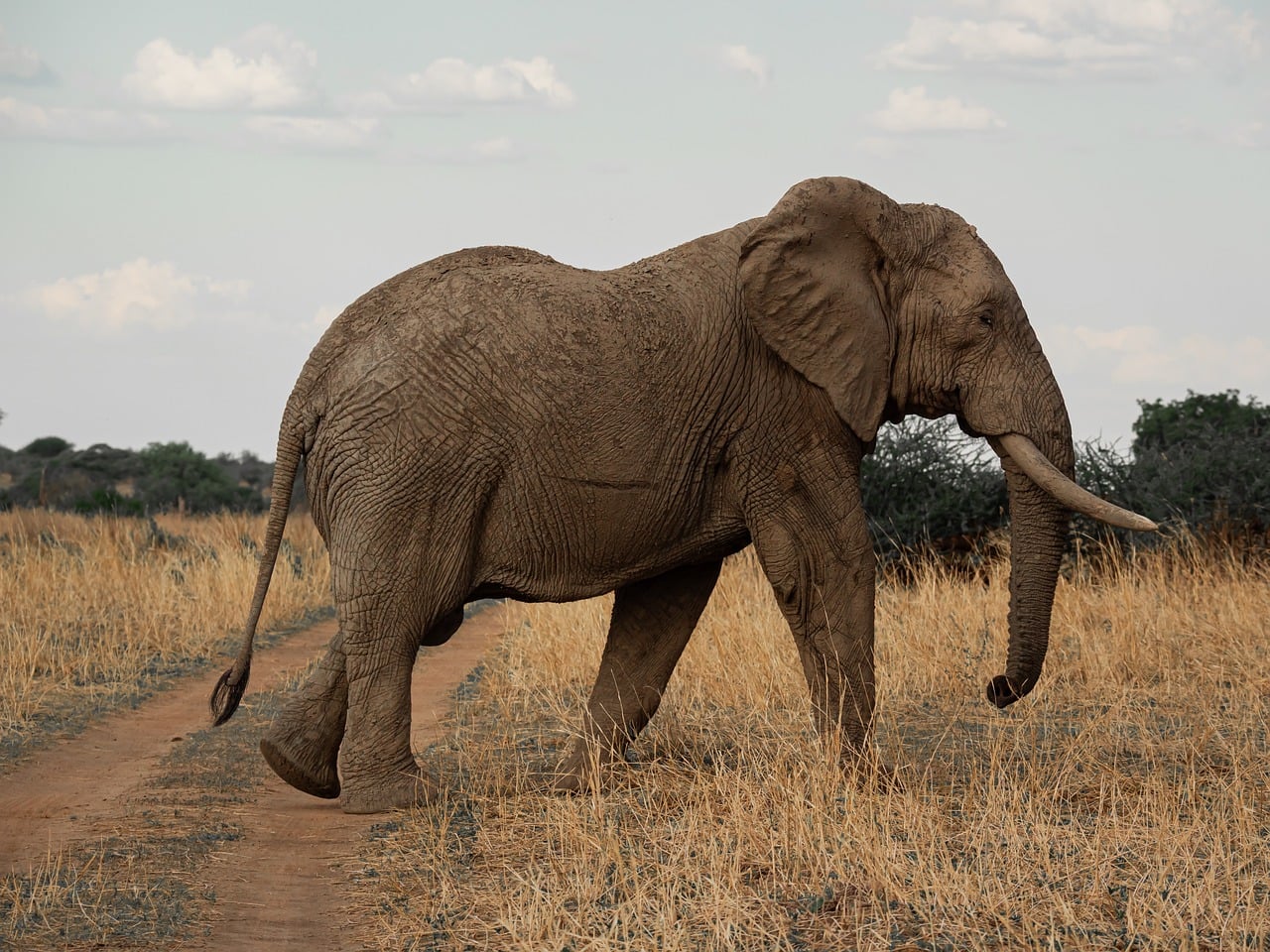
- Key issues: orangutan deforestation, pangolin trafficking, dog and cat meat trade, captive elephant welfare, street-dog rabies.
- Street-dog overpopulation drives rabies outbreaks; WHO estimates roughly 59,000 human rabies deaths each year worldwide, almost all from dog bites.
- The dog and cat meat trade in Southeast Asia handles tens of millions of animals annually.
- Rescue work requires both wildlife-veterinary expertise and community-engagement capacity.
Where is rescue needed most in Asia?
Indonesia and Malaysia for orangutans, pangolins and slow lorises; Vietnam, Thailand and Cambodia for the dog and cat meat trade, captive elephants and trafficked wildlife; Pakistan for street-dog welfare and rescued captive wildlife.
What makes Asian rescue work different?
The scale of the wild-caught pet trade, the cultural and economic context of free-roaming dogs, and the high density of captive wildlife in tourist attractions. Effective work combines welfare science with long-term community partnership, not external imposition.
How is WARN preparing?
WARN is building partnerships with established in-country welfare and rescue organisations in its current launch network. Country-level briefings and rescue guides may also cover neighbouring countries where the same threats shape animal welfare search intent.
Popular questions
Animal rescue in Asia questions
Related search answers that connect this topic to WARN welfare guidance, rescue explainers and action routes.

Rescue & Welfare
How do you report animal cruelty abroad?
Report animal cruelty abroad by documenting safely, noting the exact location, date, business name and species, then contacting local authorities, a recognised local rescue, tour operator, platform or embassy if there is immediate danger. Do not confront people or buy animals.
Trafficking
Can you keep a slow loris as a pet?
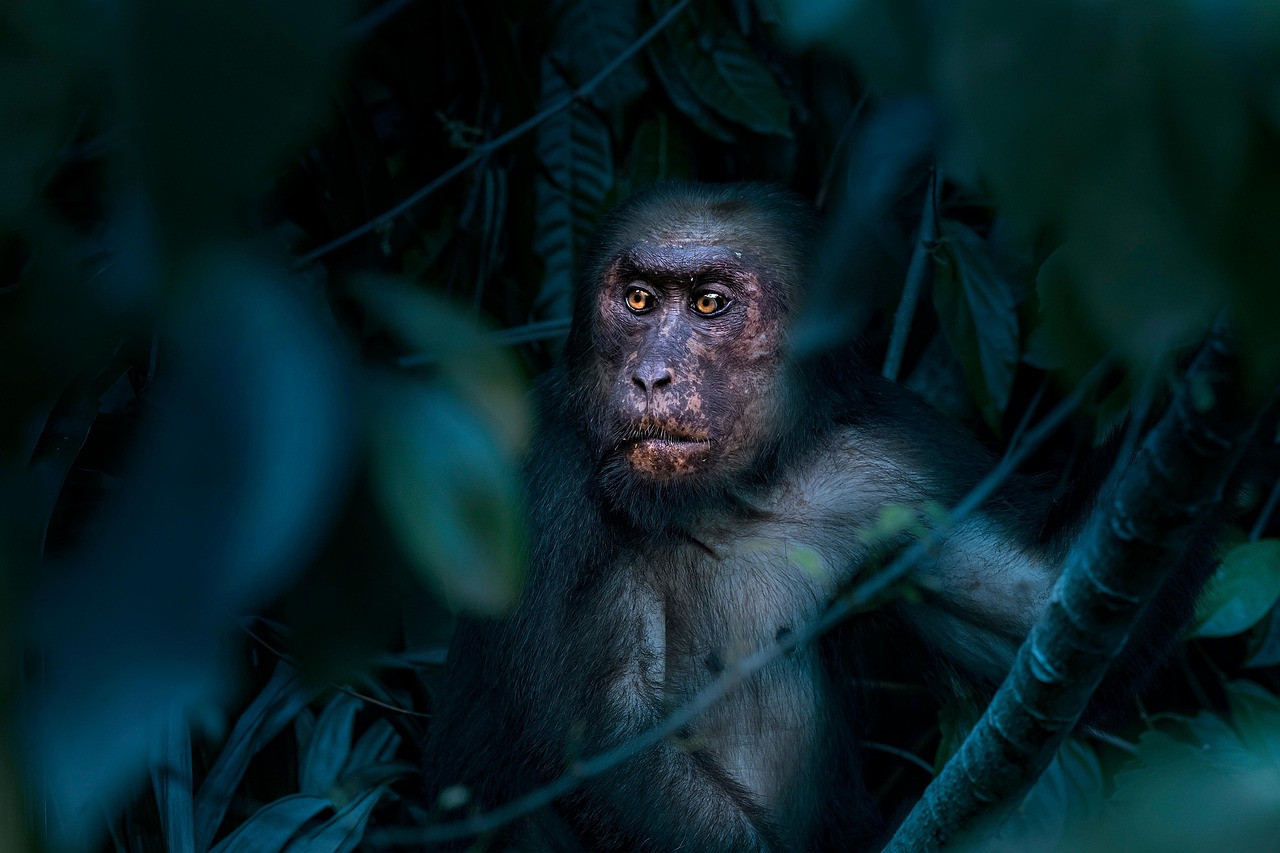
No responsible person should keep a slow loris as a pet. Slow lorises are venomous, nocturnal primates protected by wildlife trade rules, and the pet trade often involves tooth clipping, stress, injury and illegal capture. Slow loris pet searches are exactly where WARN should intercept demand.
Habitat
Why are orangutans losing their habitat?
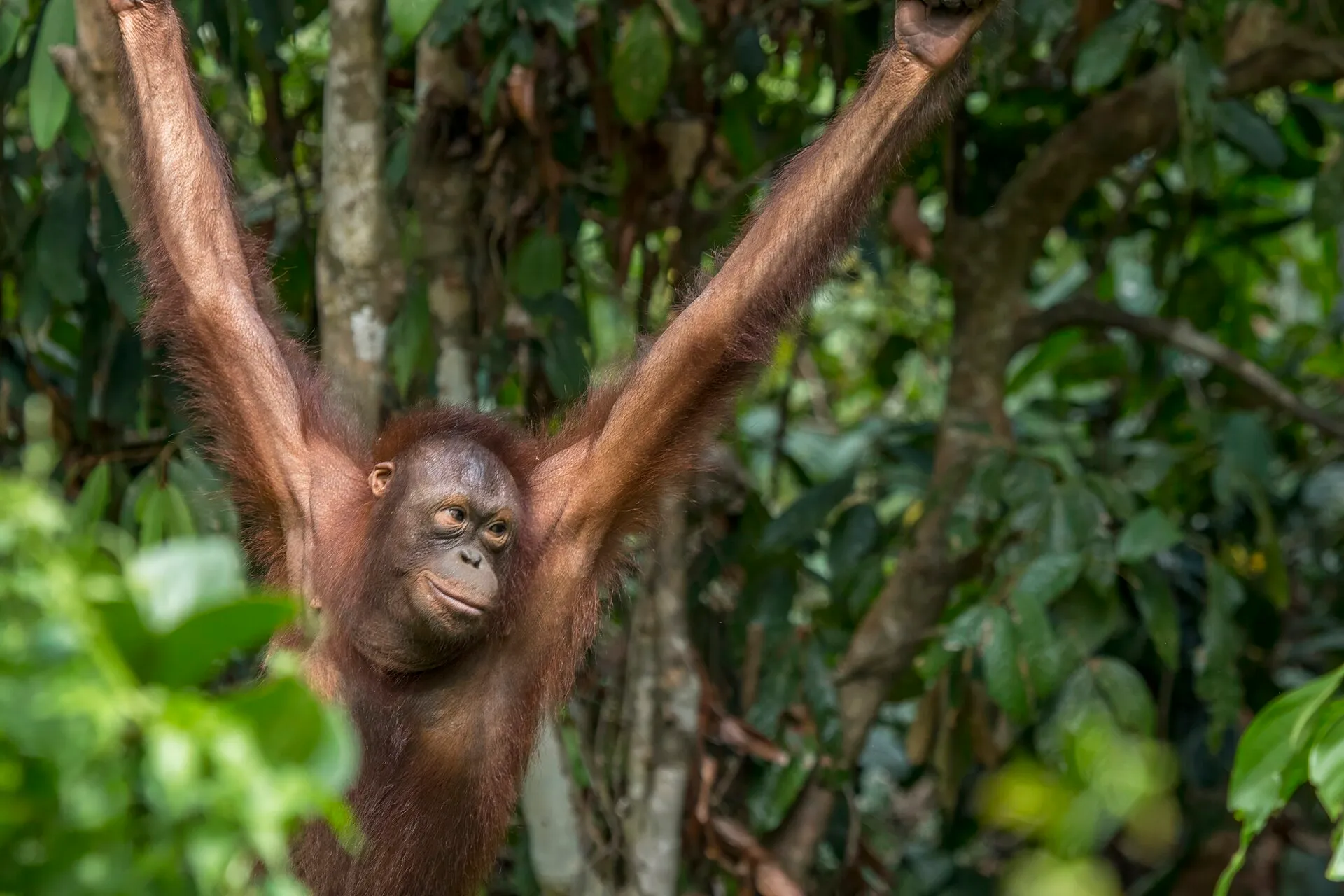
Orangutans are losing habitat because lowland rainforest in Borneo and Sumatra is cleared or fragmented for palm oil, timber, mining, roads, fires and agriculture. Fragmentation isolates animals and increases conflict with people. This answer extends WARN’s orangutan content into a search phrase that students, donors and animal lovers commonly ask.
Trafficking
Why are pangolins trafficked?
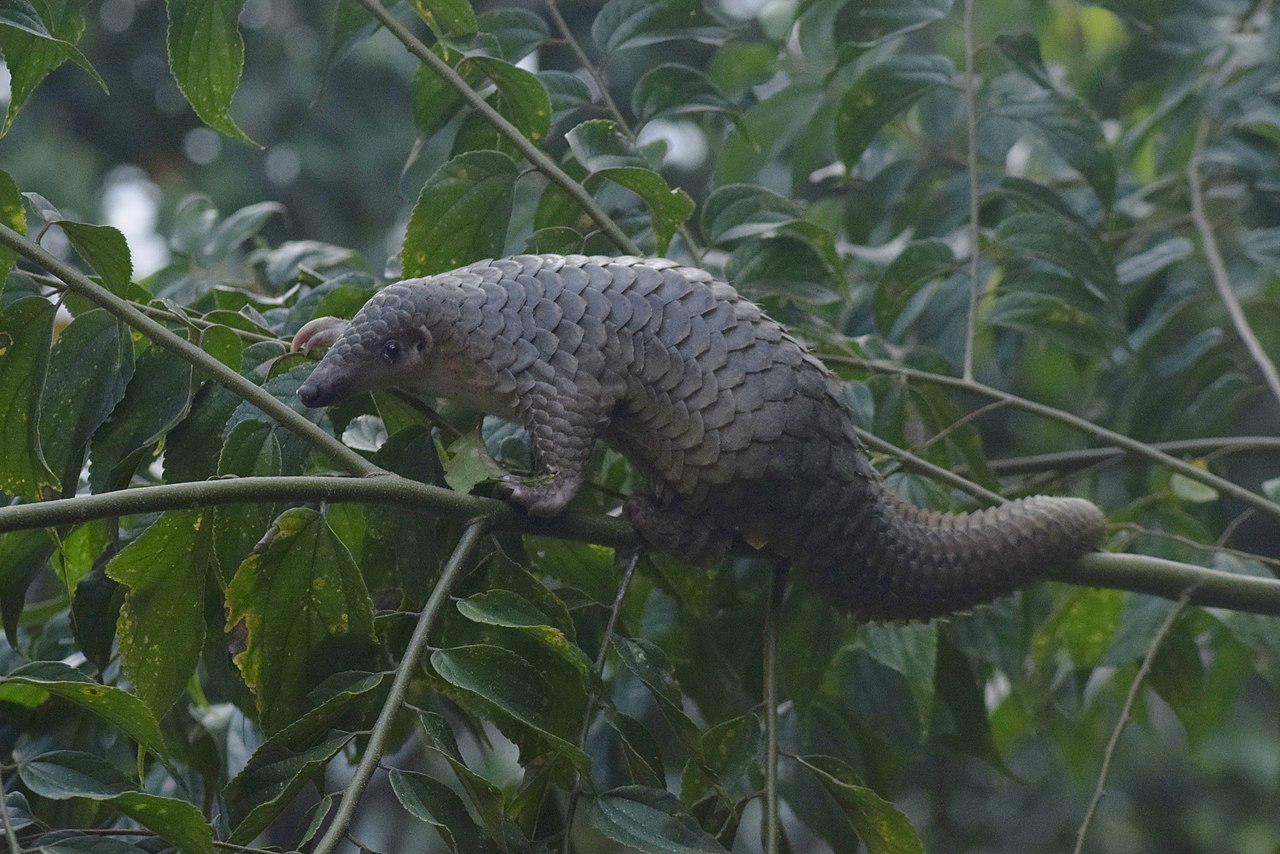
Pangolins are trafficked for their scales, meat and perceived medicinal value. Their keratin scales have no proven special medical benefit, but high demand has made pangolins among the most trafficked mammals in the world. This page deepens WARN’s pangolin cluster with a direct trafficking query that can capture searchers before they reach generic encyclopedias.
Rescue & Welfare
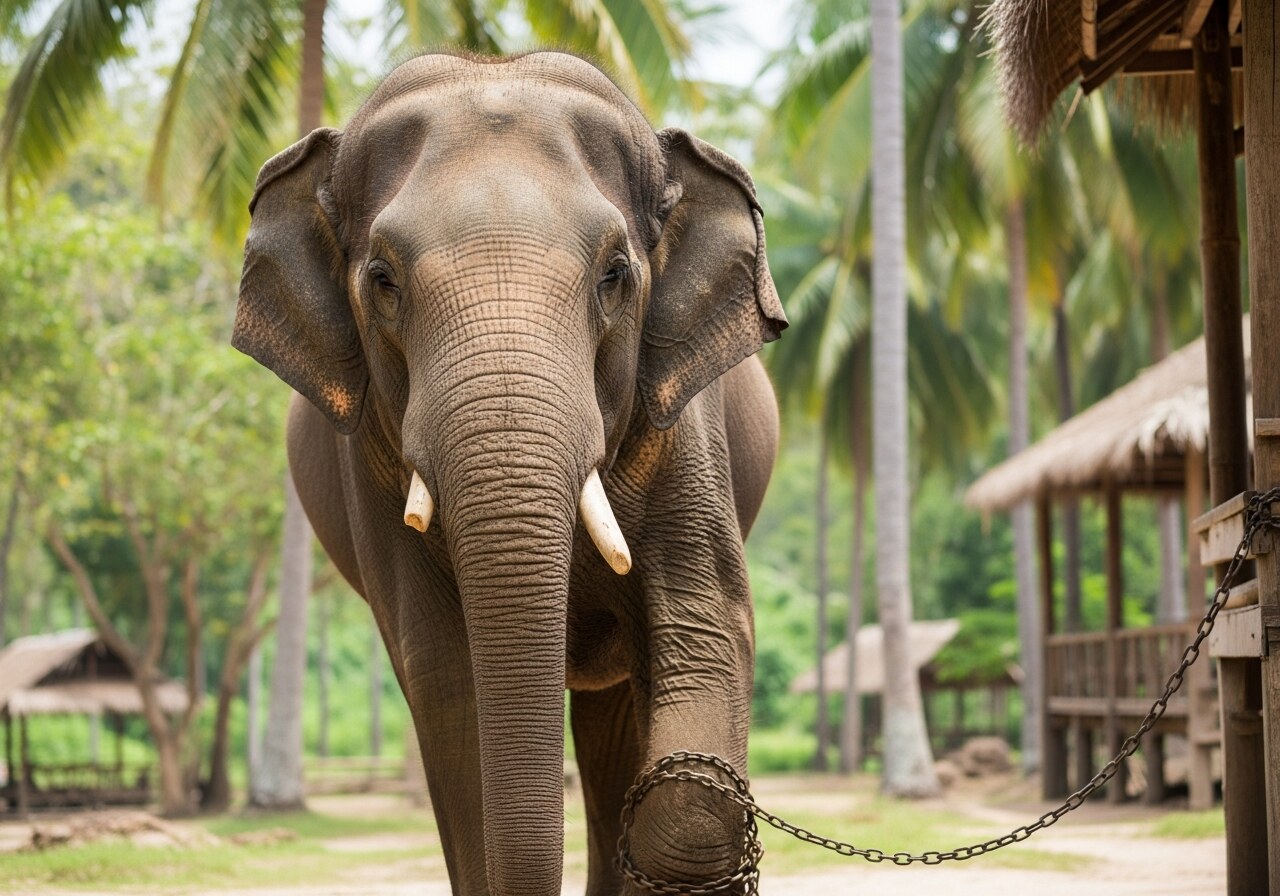
Is elephant riding cruel?
Elephant riding is widely considered cruel because elephants are often trained through fear, restrained for long periods and made to carry tourists despite complex social, movement and welfare needs. This answer targets a common travel question and gives a clear welfare-first recommendation.
Trafficking
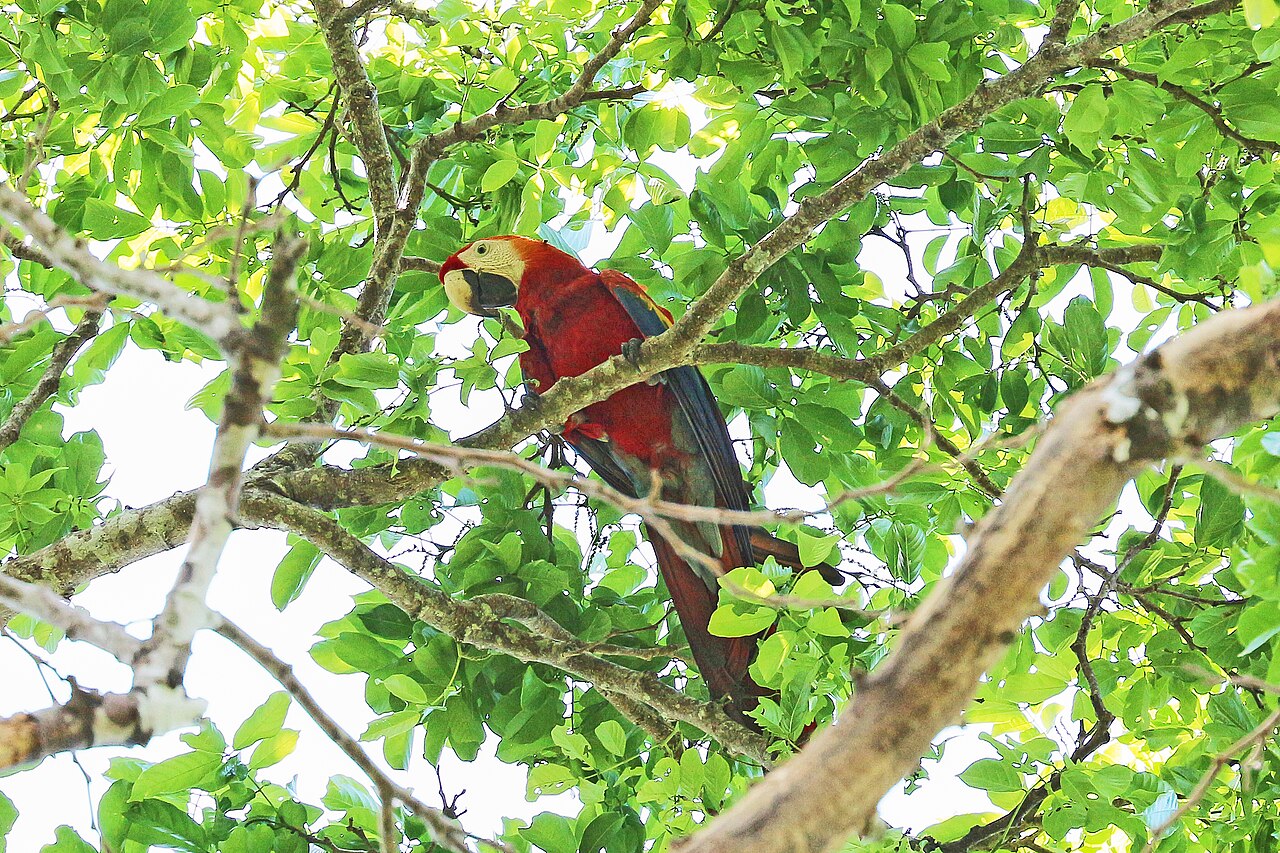
What animals are most affected by the illegal pet trade?
Animals heavily affected by the illegal pet trade include parrots, songbirds, reptiles, turtles, primates, slow lorises, big cats and some amphibians. Risk varies by region, rarity, price and online demand. This page functions as a broad answer and an internal link hub for species-specific trafficking pages.