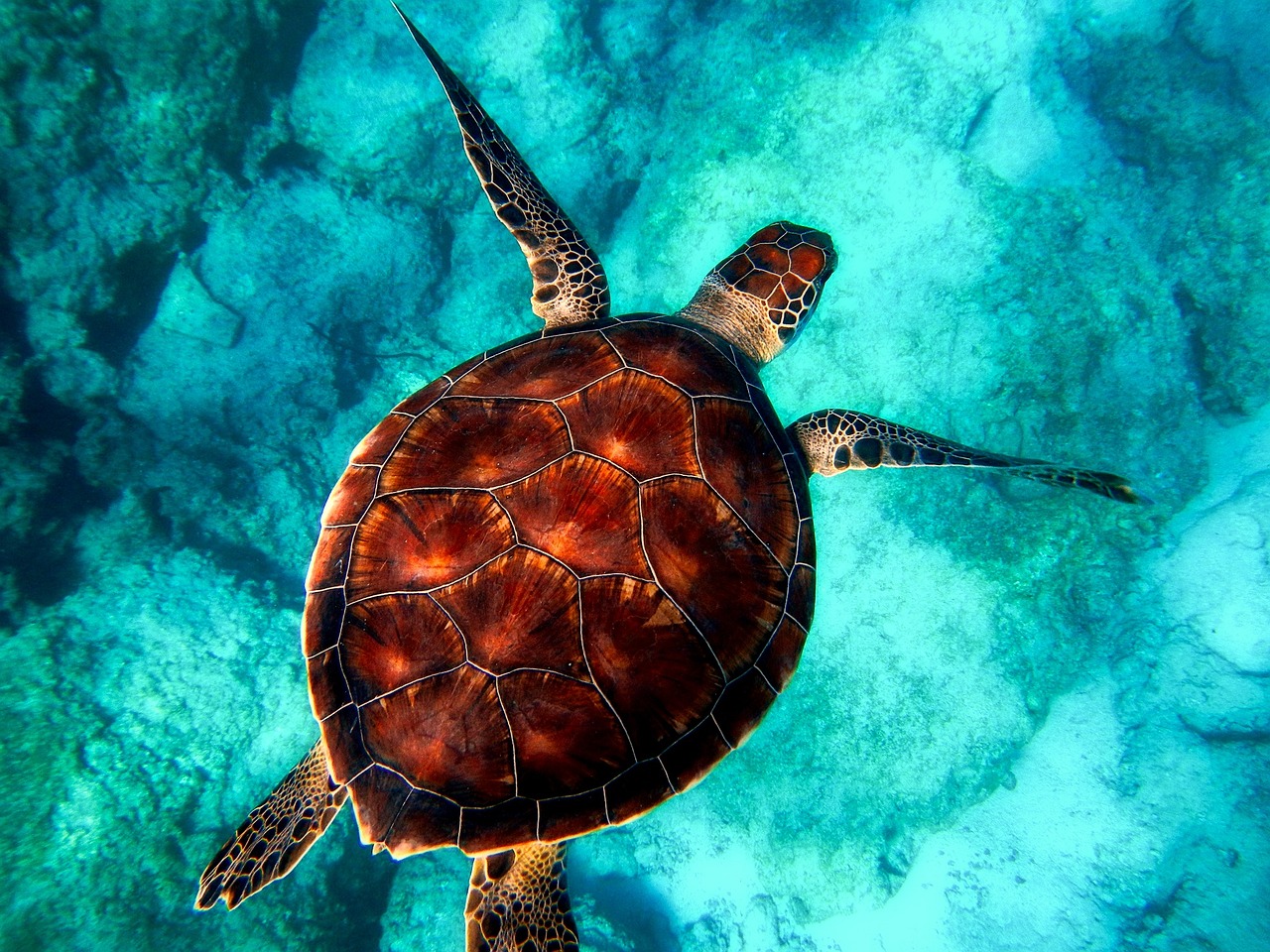
Marine plastic and animals
Marine plastic pollution is one of the fastest-growing welfare problems for sea turtles, marine mammals, seabirds and reef fish. Indonesia is one of the world's largest contributors of marine plastic;
By WARN Research & Conservation TeamLast updated
Marine plastic kills marine animals through entanglement, ingestion, ghost-net bycatch and habitat degradation; UNEP estimates that 11-19 million tonnes of plastic enter the world's oceans each year, with around 80% from land-based sources.
Want to fund partner-led rescue on this issue? Browse donor rescue guides or give at donate.
Donate todayKey Facts
- UNEP estimates 11-19 million tonnes of plastic enter the oceans each year.
- Around 80% comes from land-based sources — riverine input, coastal mismanaged waste, and stormwater runoff.
- Indonesia is consistently in the top three marine-plastic-contributing countries globally.
- Sea turtles, marine mammals and seabirds are the worst-affected groups.
- Ghost nets — abandoned fishing gear — continue catching marine life for decades after loss.
How plastic kills marine animals
Three main pathways: ingestion (plastic mistaken for food causes blockage and starvation), entanglement (six-pack rings, fishing gear, packaging tape) and ghost-net bycatch (abandoned commercial fishing gear that continues catching animals for decades). Microplastic ingestion adds a chronic-toxicity dimension that is not fully understood.
Where the problem is concentrated
Riverine input from a small number of major rivers — primarily in Asia — accounts for a disproportionate share of ocean plastic. Indonesia in particular has been the subject of intensive UNEP-supported source-reduction projects.
What rescue work looks like
Beach-stranded sea-turtle rehabilitation, ghost-net removal, seabird and marine-mammal triage. The work is welfare-intensive and the prognosis for entangled or plastic-ingesting animals is often poor. Prevention — through waste-management investment in source countries — is far more cost-effective than rescue alone.
Popular questions
Marine plastic and animals questions
Related search answers that connect this topic to WARN welfare guidance, rescue explainers and action routes.
Conservation
Why is ocean plastic bad for animals?
Marine animals ingest plastic mistaken for food, entangle in discarded fishing gear and absorb toxic chemicals that accumulate up the food chain. At least 800 species are affected. Microplastics appear in seabirds, whales, turtles and fish consumed by people. Plastic pollution harms marine animals at every scale — from microplastics in plankton to ghost nets drowning whales.
Habitat
What animals are threatened by plastic pollution?
Sea turtles, whales, dolphins, seals, seabirds, fish and coral reef animals are threatened by plastic pollution through ingestion, entanglement, microplastics and habitat contamination. This answer supports WARN’s marine content by turning a broad environmental search into animal-specific welfare impacts. Turtles can mistake plastic bags for jellyfish; seabirds may feed plastic fragments to chicks.
Rescue & Welfare
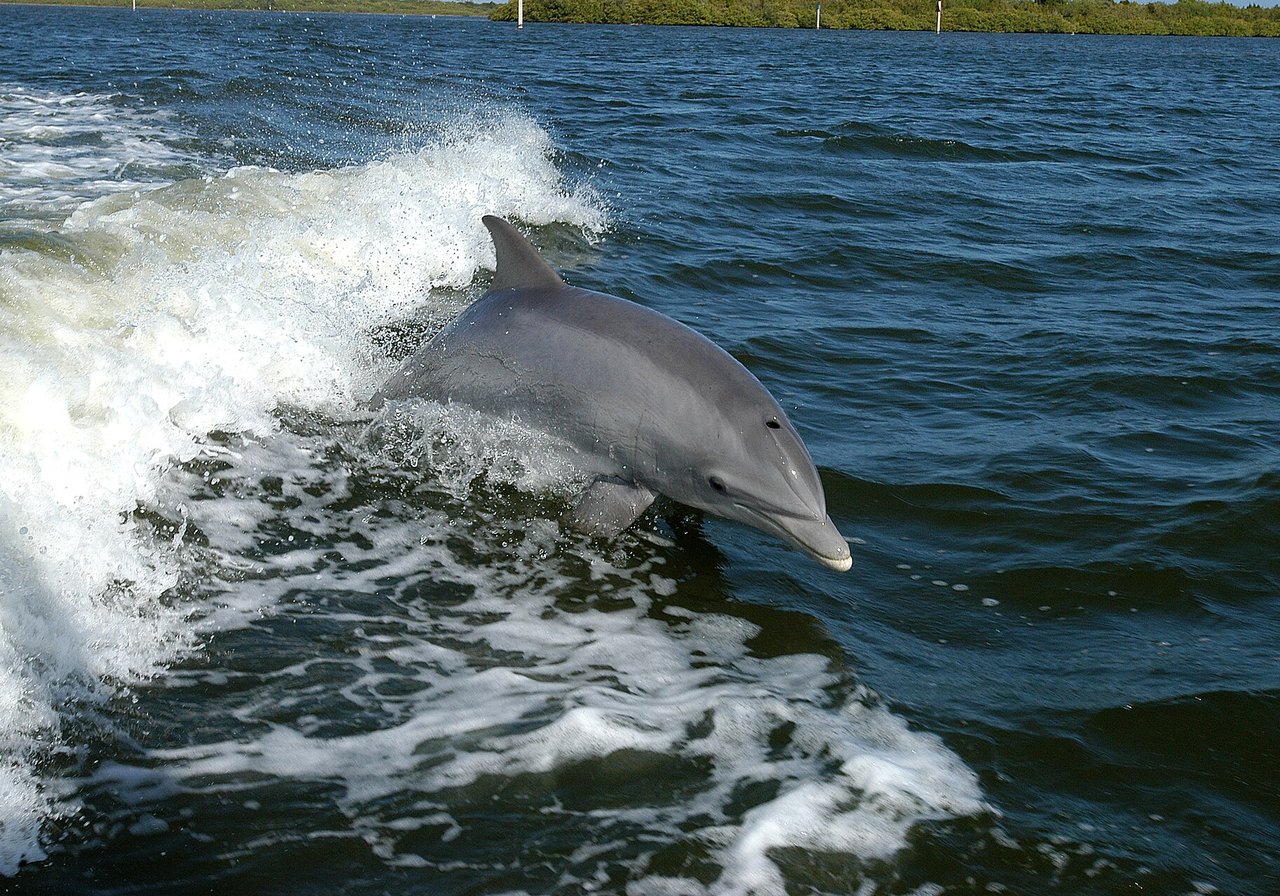
Is swimming with dolphins ethical?
Swimming with dolphins is usually not ethical when dolphins are captive, chased, baited or forced into close contact. Responsible dolphin watching keeps distance, limits time and never guarantees touching or swimming. This answer captures marine tourism traffic and keeps the advice clear for families planning holidays.
Wildlife
Are dolphins fish or mammals?
Dolphins are mammals. They breathe air through a blowhole, nurse their young with milk, and are warm-blooded — despite living in the sea. Dolphins belong to the order Cetacea alongside whales and porpoises. Like all mammals, they have lungs, mammary glands and hair follicles at birth — even though adults appear hairless and fish-like in shape.
Wildlife
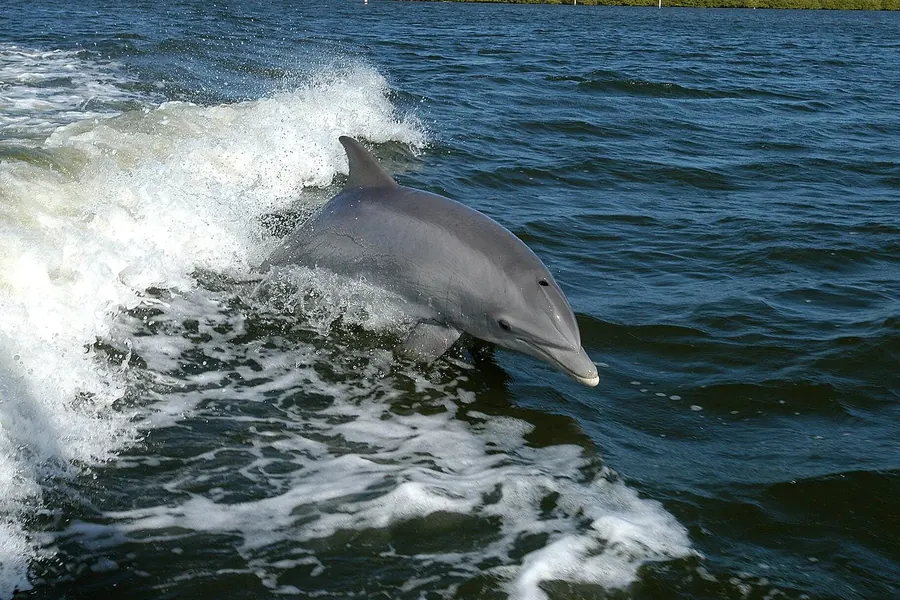
What is the difference between a dolphin and a porpoise?
Dolphins have elongated beak-like snouts and cone-shaped teeth; porpoises have shorter, rounded heads and spade-shaped teeth. Porpoises are generally smaller and shy; dolphins are often more acrobatic and social. Dolphins and porpoises look similar at a glance — both are cetaceans, breathe air and use echolocation.