Illegal wildlife trade
The illegal wildlife trade is one of the largest illicit industries in the world. It is also the single biggest direct driver of decline for many of the species WARN supporters care most about — pango
By WARN Research & Conservation TeamLast updated
The illegal wildlife trade is the unlawful capture, transport, sale and possession of wild animals or their parts in violation of national or international (CITES) law, repeatedly identified by UNODC as transnational organised crime.
Want to fund partner-led rescue on this issue? Browse donor rescue guides or give at donate.
Donate todayKey Facts
- UNODC consistently ranks wildlife trafficking among the largest illicit industries globally.
- CITES Appendix I lists species that may not be commercially traded internationally.
- Online marketplaces and social media now account for a substantial share of exotic-pet sales.
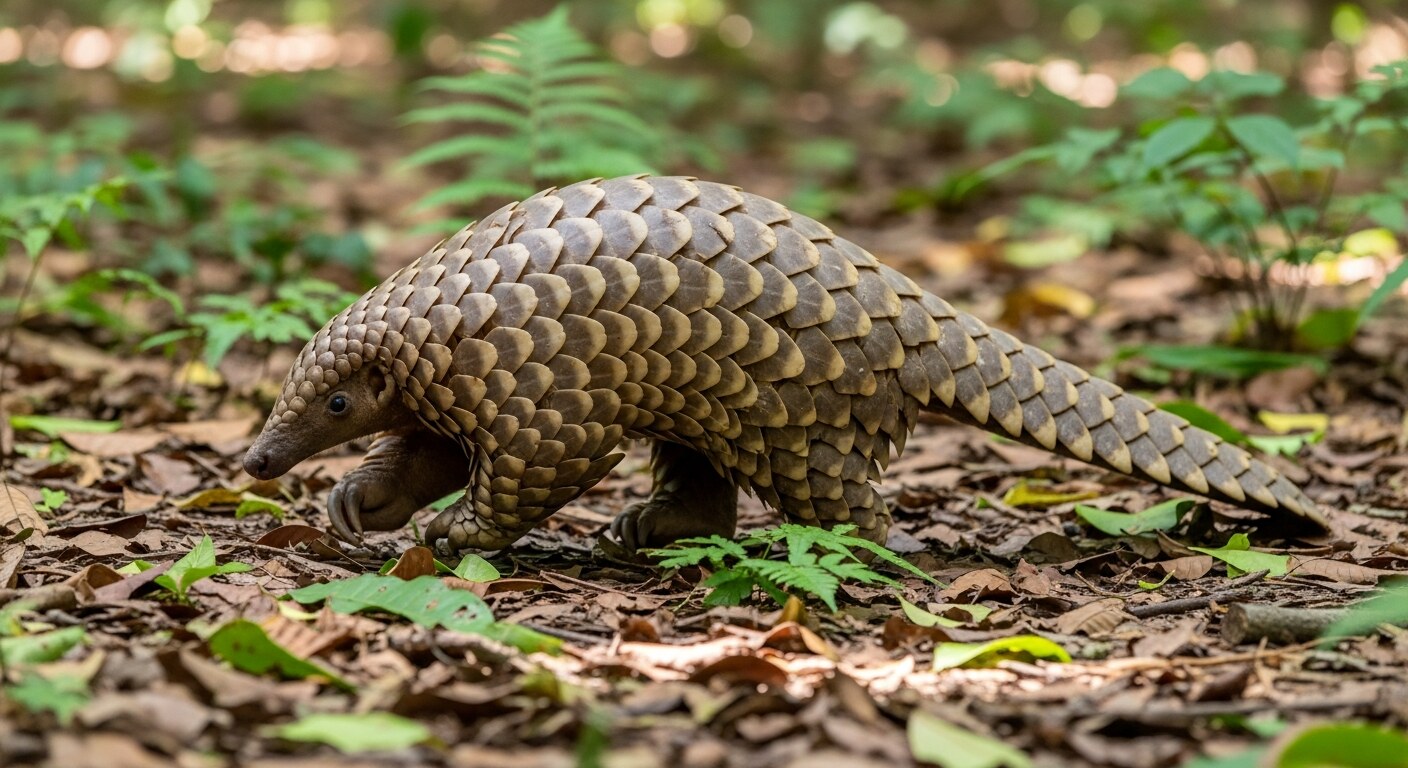
- Pangolins are the most trafficked mammals in the world by recorded tonnage.
- Effective response requires enforcement, demand reduction and welfare-first rescue capacity.
What counts as illegal wildlife trade
The legal authority is CITES — see our explainer on what CITES is for the framework. In essence: any cross-border movement of a CITES-listed species or part without the correct permits is illegal, and many countries also prohibit domestic trade in particular species (the UK Ivory Act 2018 is one example).
What drives the trade
Profit. Pangolin scales, rhino horn, ivory and tiger bone move at margins that rival those of narcotics. Demand markets are concentrated in East and Southeast Asia and the Gulf states, with source markets in Africa, Southeast Asia and Latin America.
What can be done
Three interventions consistently work: stronger enforcement at chokepoints (international airports, container ports), demand reduction in consumer markets, and welfare-grade rescue capacity for confiscated animals. The third is where WARN is being built to contribute.
Popular questions
Illegal wildlife trade questions
Related search answers that connect this topic to WARN welfare guidance, rescue explainers and action routes.
Conservation
What is CITES?
CITES (the Convention on International Trade in Endangered Species) regulates cross-border trade in wild plants and animals. Appendix I species cannot be commercially traded; Appendix II species need legal-origin permits. The Convention on International Trade in Endangered Species of Wild Fauna and Flora (CITES) is an international treaty signed by more than 180 countries.
Trafficking
How do I report wildlife trafficking?
Report suspected wildlife crime to your national wildlife enforcement unit or police. In the UK, contact the National Wildlife Crime Unit; internationally, use CITES authority contacts or INTERPOL’s reporting channels where available. Suspected wildlife trafficking should be reported to national wildlife enforcement or police — in the UK, the National Wildlife Crime Unit.
Trafficking
What are the most trafficked animals?
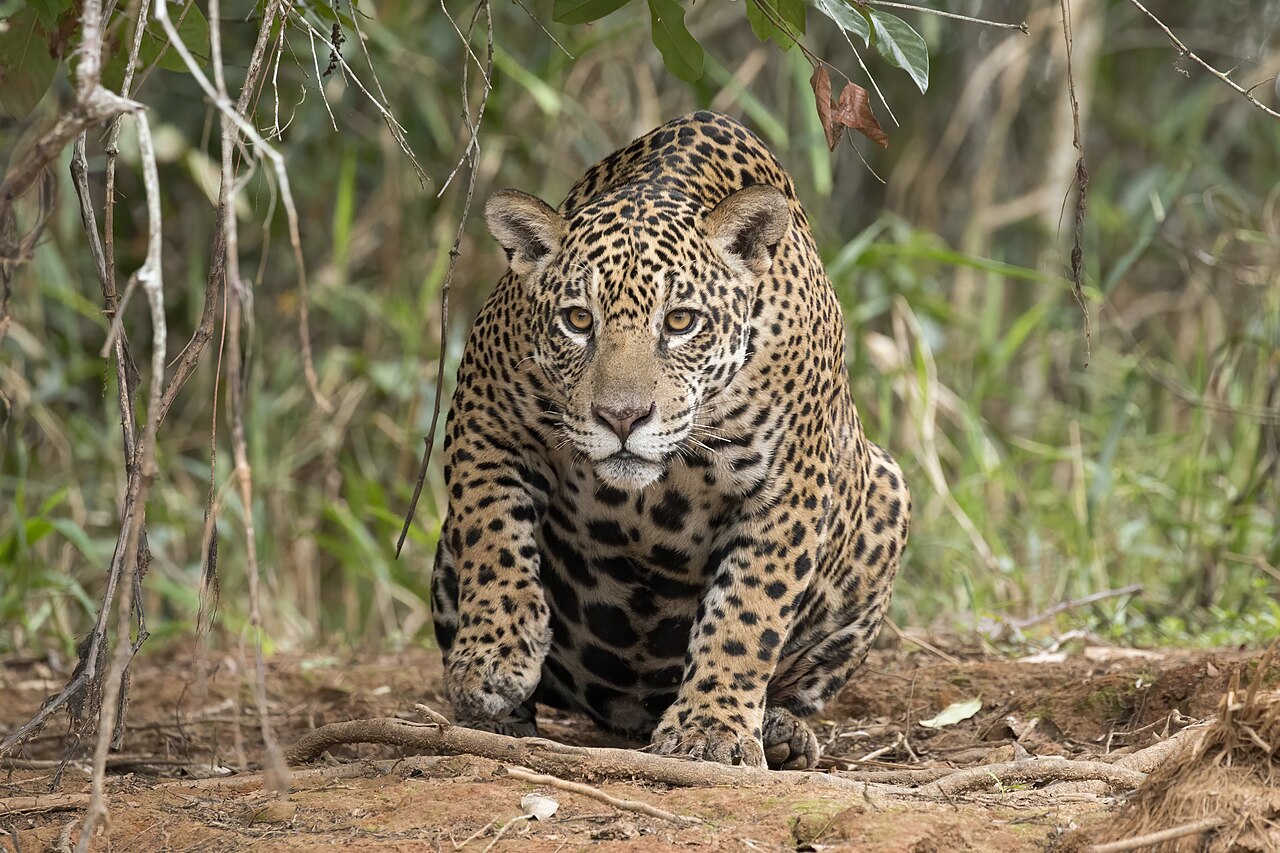
Pangolins are widely cited as the most trafficked mammal. Parrots, elephants (for ivory), big cats, turtles, reptiles and primates are also among the highest-volume illegal wildlife trades. Trafficking patterns vary by region: pangolins and songbirds in Asia, parrots and jaguars in Latin America, ivory and bushmeat in Africa.
Trafficking
Why are pangolins trafficked?
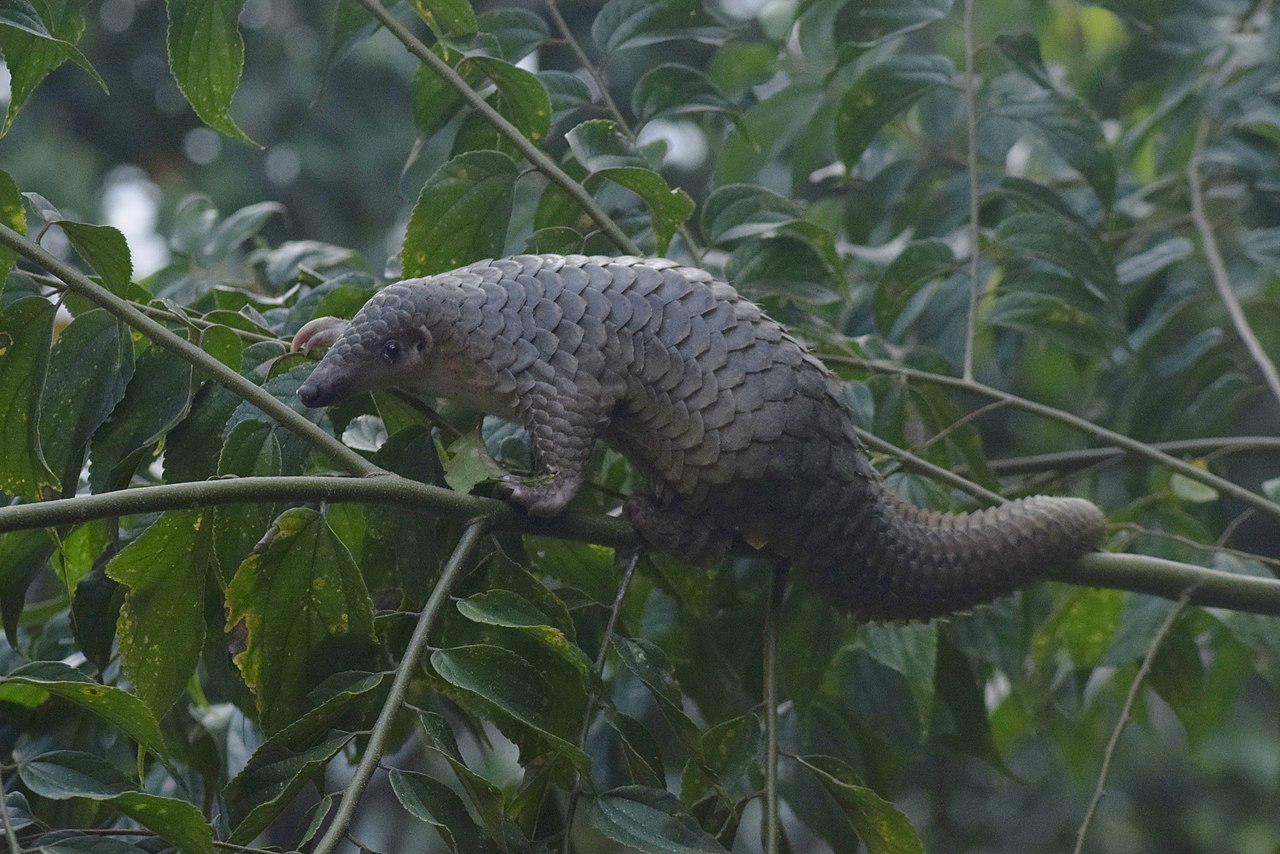
Pangolins are trafficked for their scales, meat and perceived medicinal value. Their keratin scales have no proven special medical benefit, but high demand has made pangolins among the most trafficked mammals in the world. This page deepens WARN’s pangolin cluster with a direct trafficking query that can capture searchers before they reach generic encyclopedias.
Trafficking
Are parrots trafficked for the pet trade?
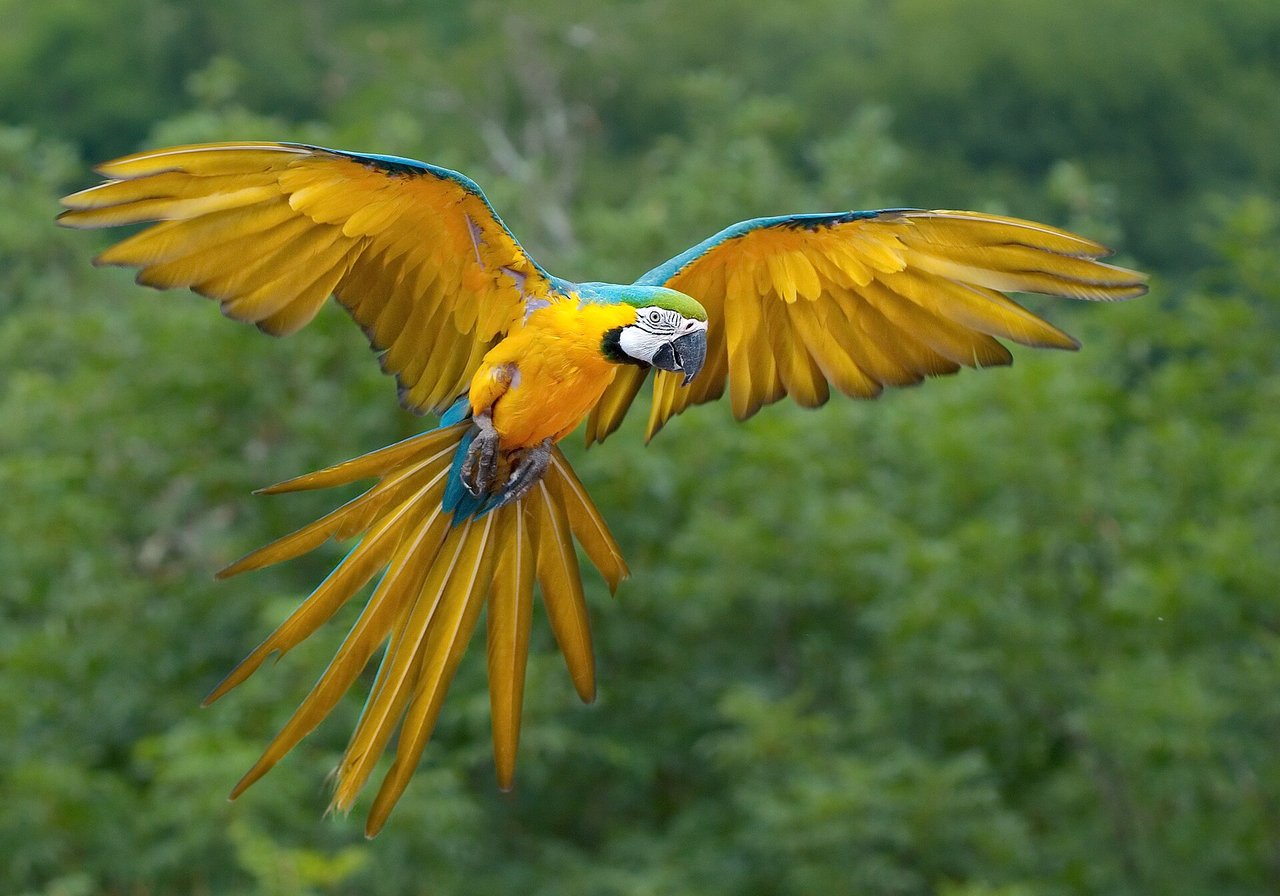
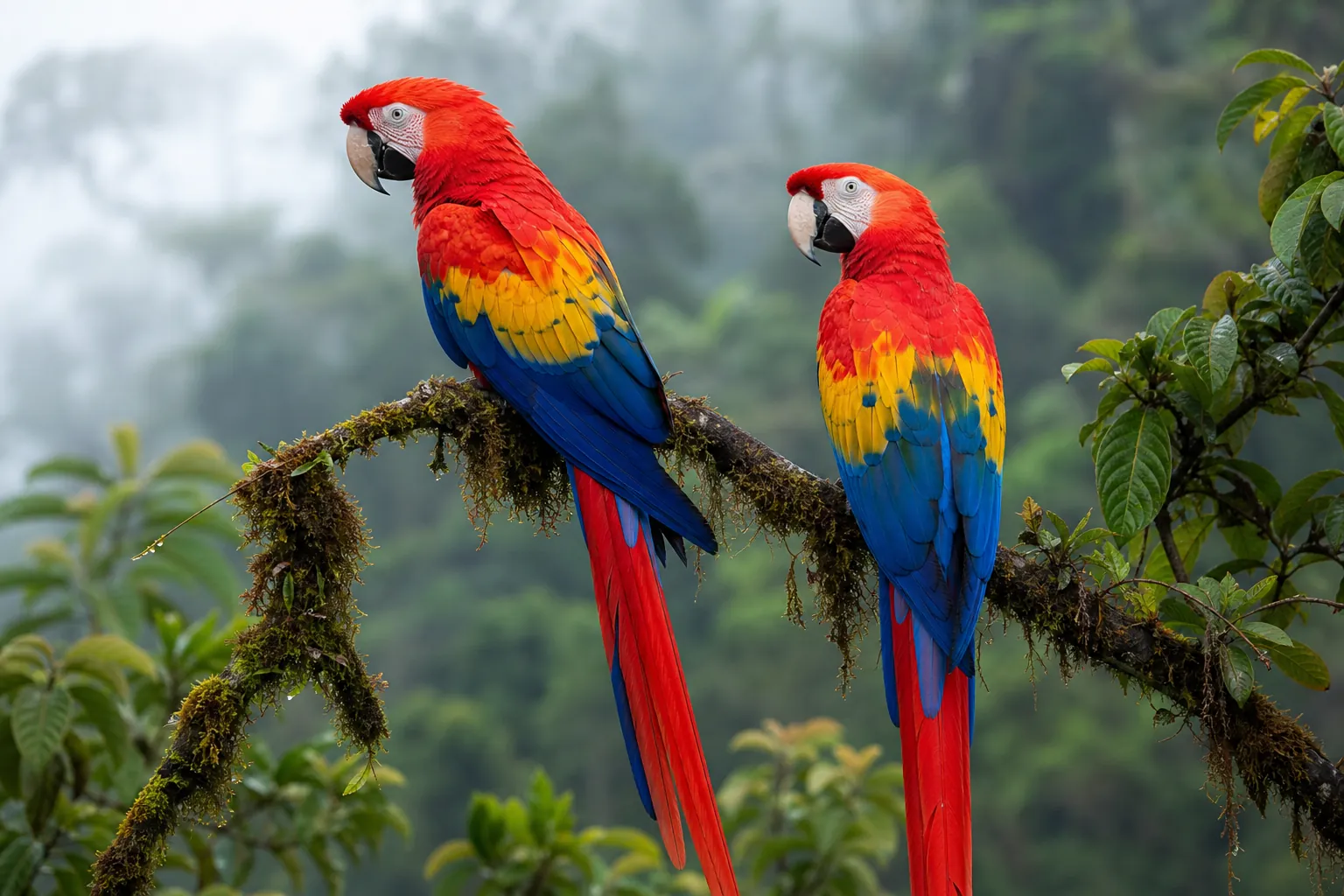
Yes. Parrots are trafficked for the pet trade because they are colourful, intelligent and valuable. Eggs, chicks and adults may be taken from nests, moved through illegal markets and falsely described as captive bred. This answer connects bird-pet searches to the trafficking reality behind some birds in trade.
Trafficking
What is the difference between captive-bred and wild-caught animals?
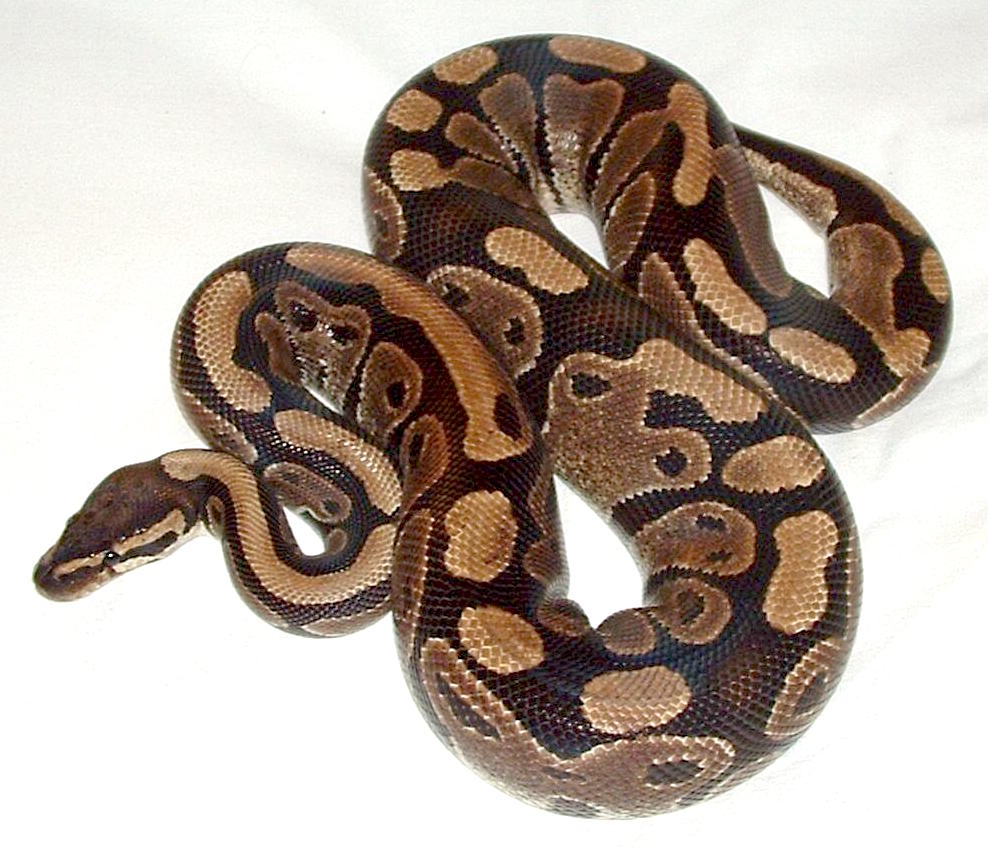
Captive-bred animals are born in controlled human care; wild-caught animals are taken from nature. Captive breeding can reduce wild pressure, but false “captive-bred” claims are used to launder trafficked wildlife. This answer explains a phrase people see in exotic pet listings and wildlife trade documents, then links it to the welfare and conservation risks behind the words.