Climate change and wildlife
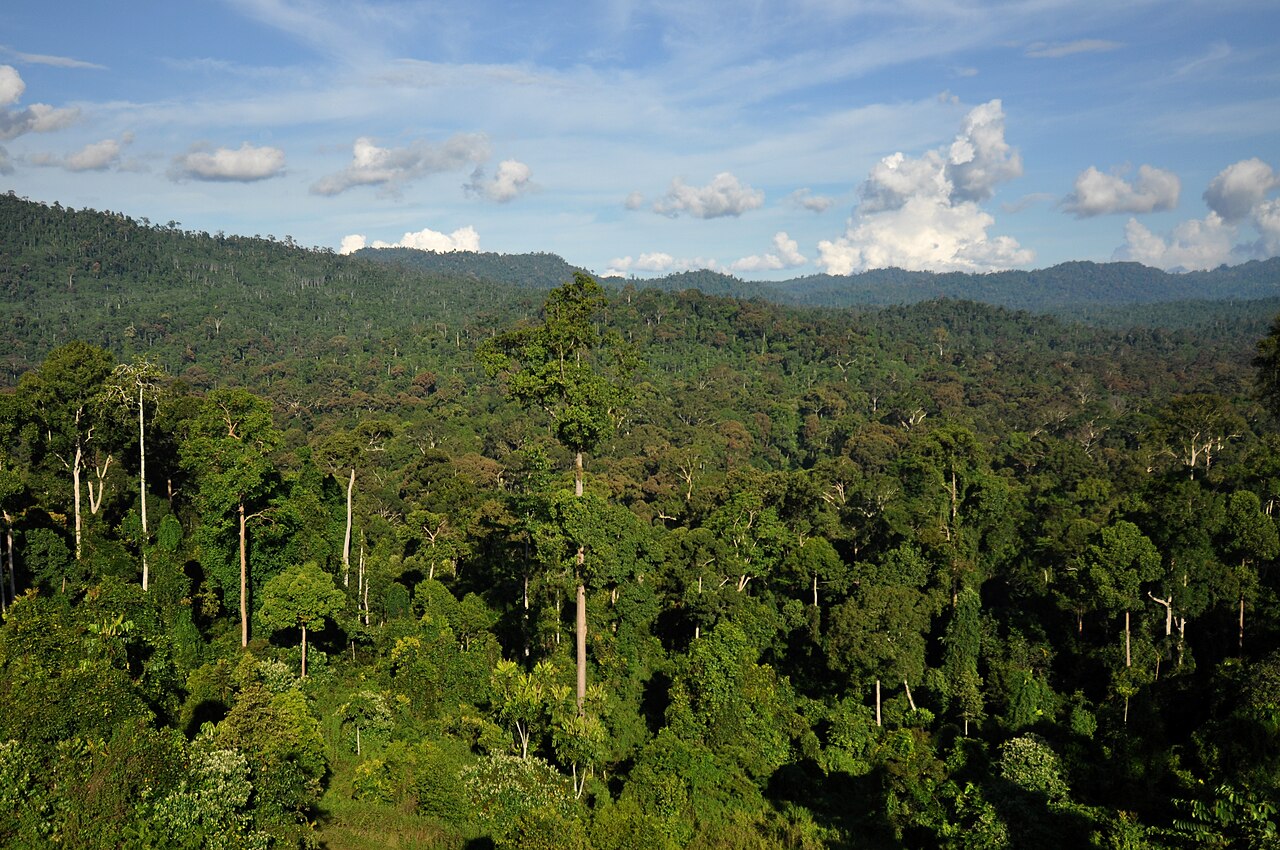
Climate change is now a leading driver of biodiversity loss in three of WARN's regions: Southeast Asia (sea-level rise, drought, fire), East Africa (drought, water-source loss) and the Andes (glacier
By WARN Research & Conservation TeamLast updated
Climate change drives wildlife loss through habitat shifts, drought, fire, sea-level rise, ocean warming and disrupted reproductive seasonality; IUCN now identifies climate change as a leading or contributing threat for an increasing share of species reassessments.
Want to fund partner-led rescue on this issue? Browse donor rescue guides or give at donate.
Donate todayKey Facts
- IUCN identifies climate change as a threat to a rapidly growing share of assessed species.
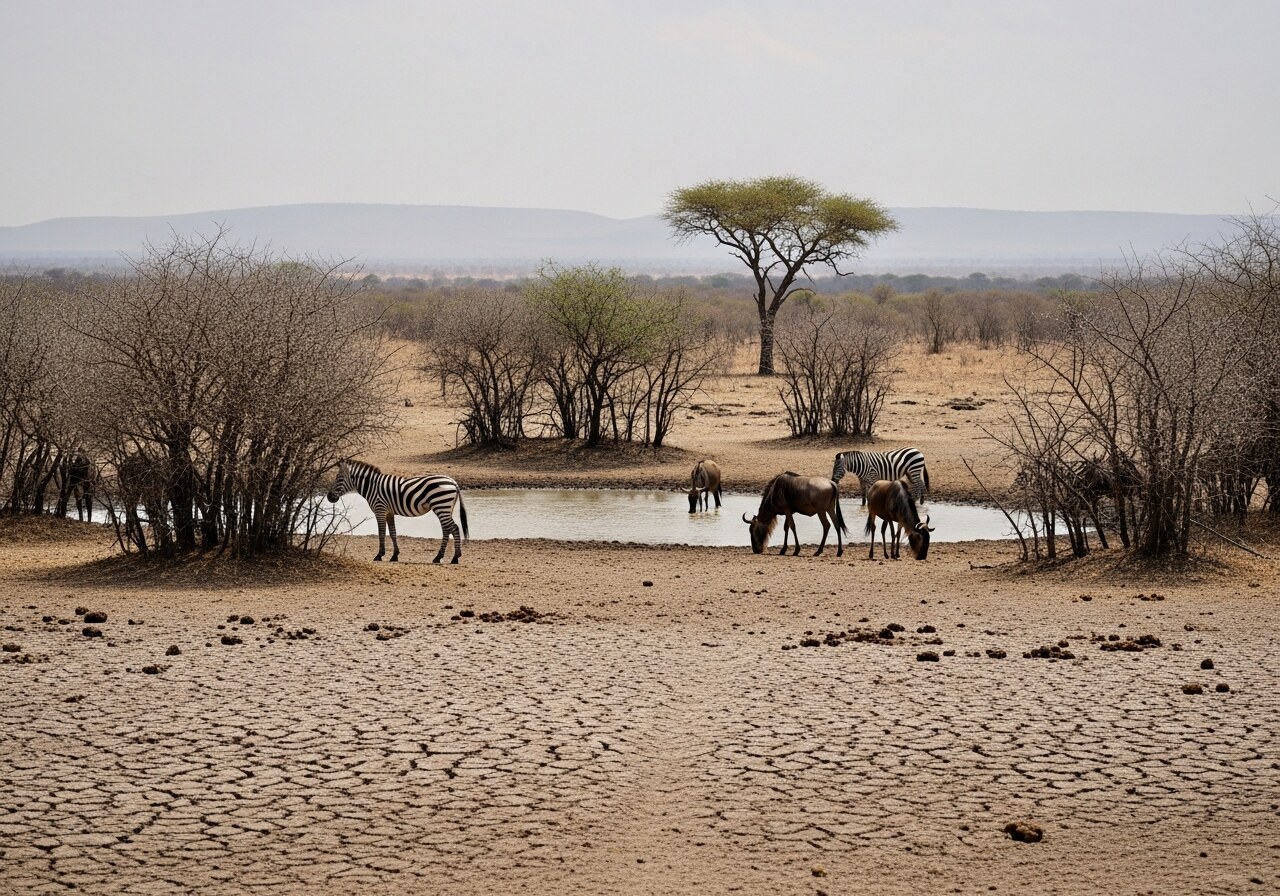
- East African drought has driven repeated mass mortality events in elephants, giraffes and zebras.
- Indonesian coastal habitat is among the most exposed to projected sea-level rise.
- Coral-reef bleaching events are now a permanent feature of tropical marine ecosystems.
- Welfare-grade response often means triage and emergency feeding during acute events.
How climate change drives wildlife loss
Direct mortality (drought, fire), habitat shift (species cannot move fast enough), phenological disruption (mismatch between breeding seasons and food availability), disease emergence (warmer temperatures expand the range of pathogens and vectors) and ocean acidification.
Where WARN's countries are exposed
East Africa: the 2020-2023 multi-year drought in Kenya and Tanzania drove mass mortality of large mammals. Southeast Asia: sea-level rise threatens low-lying coastal wildlife including the Komodo dragon. Andes: glacier retreat threatens high-altitude wildlife including the Andean bear and Andean condor.
What rescue work looks like
During acute events: emergency water provision, supplementary feeding and triage of weakened animals. Between events: corridor restoration, community-conservancy support and contributions to the wider IUCN-coordinated response.