Pet trade and exotic pets
The global trade in wild-caught and captive-bred exotic pets is one of the largest animal-welfare problems hiding in plain sight — both in the source countries covered by WARN's guides and in UK livin
By WARN Research & Conservation Team Last updated
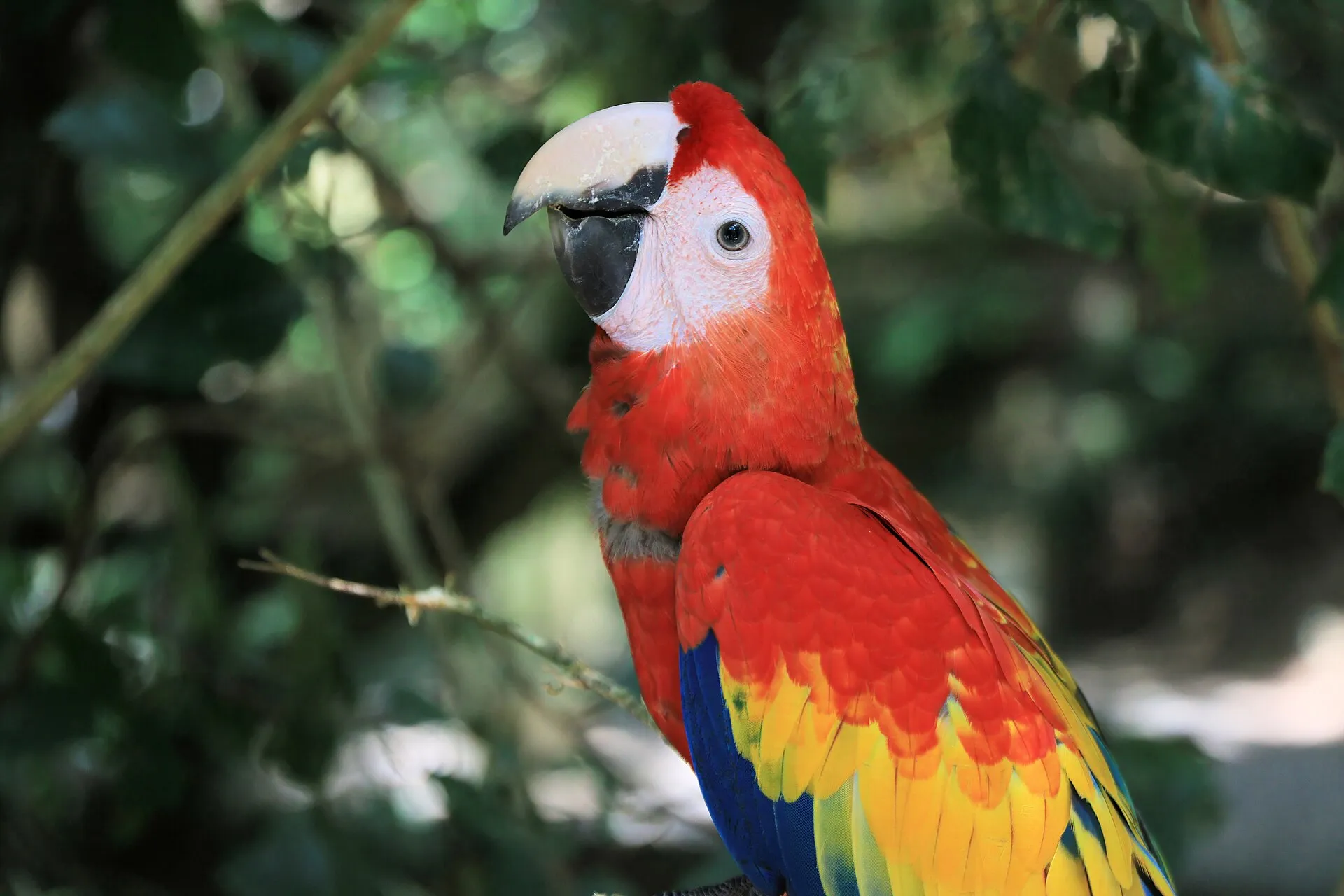
The exotic-pet trade encompasses the international and domestic trade in non-domesticated species kept as companion animals; it includes wild-caught and captive-bred parrots, reptiles, primates, big cats and small carnivores, and is a major driver of wild-population decline for many species.
Want to fund partner-led rescue on this issue? Browse donor rescue guides or give at donate.
Donate todayKey Facts
- The exotic-pet trade is a major driver of wild-population decline for parrots, slow lorises and many reptiles.
- Online marketplaces and social media now account for a substantial share of sales.
- Many "captive-bred" exotic pets are laundered wild-caught animals.
- Welfare outcomes are typically poor — most exotic pets fail in private homes and are abandoned or surrendered.
- WARN's parrot and slow loris appeals address two of the worst-affected species groups.
What counts as exotic-pet trade
Any keeping of non-domesticated species as companion animals. The most affected species groups are parrots and macaws, reptiles (particularly snakes, lizards and tortoises), primates (slow lorises, marmosets, lemurs), and increasingly small carnivores and rodents. CITES Appendix I species can never be legally traded commercially; Appendix II species require permits.
The laundering problem
Many exotic pets sold as captive-bred are in fact wild-caught animals with falsified paperwork. Genetic and isotopic analysis of seized animals has shown widespread laundering in the parrot trade in particular.
What welfare looks like
Most exotic pets fail in private homes. Parrots scream, slow lorises bite (their bite is venomous), reptiles need specialised lighting and humidity, primates cannot be socialised into a human family without trauma to both sides. Rescue centres in the UK and source countries are routinely full.
Popular questions
Pet trade and exotic pets questions
Related search answers that connect this topic to WARN welfare guidance, rescue explainers and action routes.
Trafficking
Are exotic pets ethical?
Some exotic pets can be kept responsibly, but many are unethical because their needs are hard to meet, their trade may involve wild capture, and poor demand fuels trafficking. Ethics depend on species, sourcing, welfare standards and lifetime care. Permission to keep an animal does not establish that a home can meet its needs.
Trafficking
Why is the exotic pet trade a problem?
The exotic pet trade is a problem when it removes animals from the wild, hides illegal sourcing, normalises unsuitable pets and leaves rescues with animals whose needs ordinary homes cannot meet. Taking wildlife for pets can harm animals during capture, transport and captivity.
Trafficking
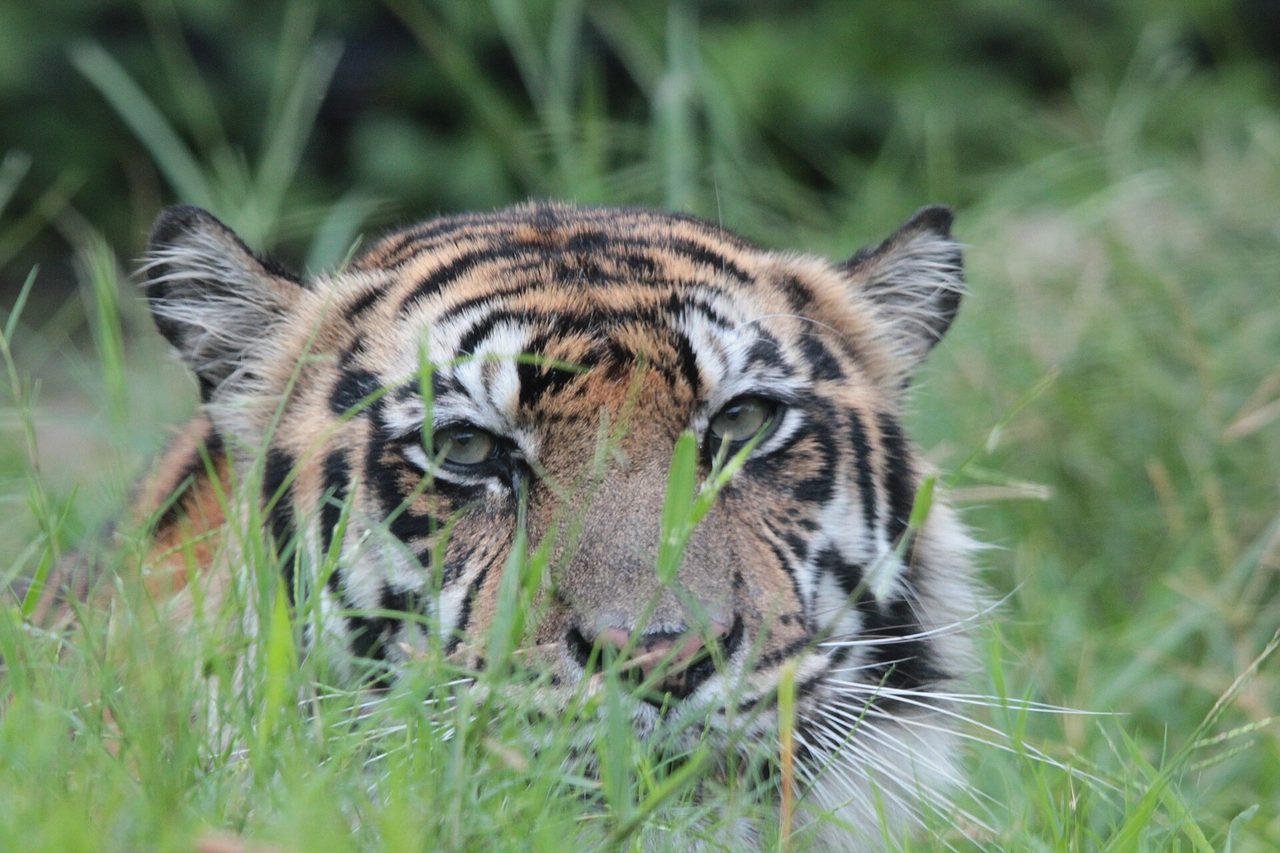
What pets should not be kept at home?
Animals that should not be kept in ordinary homes include primates, big cats, bears, most wild carnivores, venomous species without licensed facilities, slow lorises and other species whose welfare, safety or legal needs cannot realistically be met. Rule out animals whose adult needs, specialist care or safety requirements your household cannot meet.
Trafficking
Can you keep a slow loris as a pet?
No responsible person should keep a slow loris as a pet. Slow lorises are venomous, nocturnal primates protected by wildlife trade rules, and the pet trade often involves tooth clipping, stress, injury and illegal capture. Slow lorises need specialist care and should not be bought or handled as pets.
Trafficking
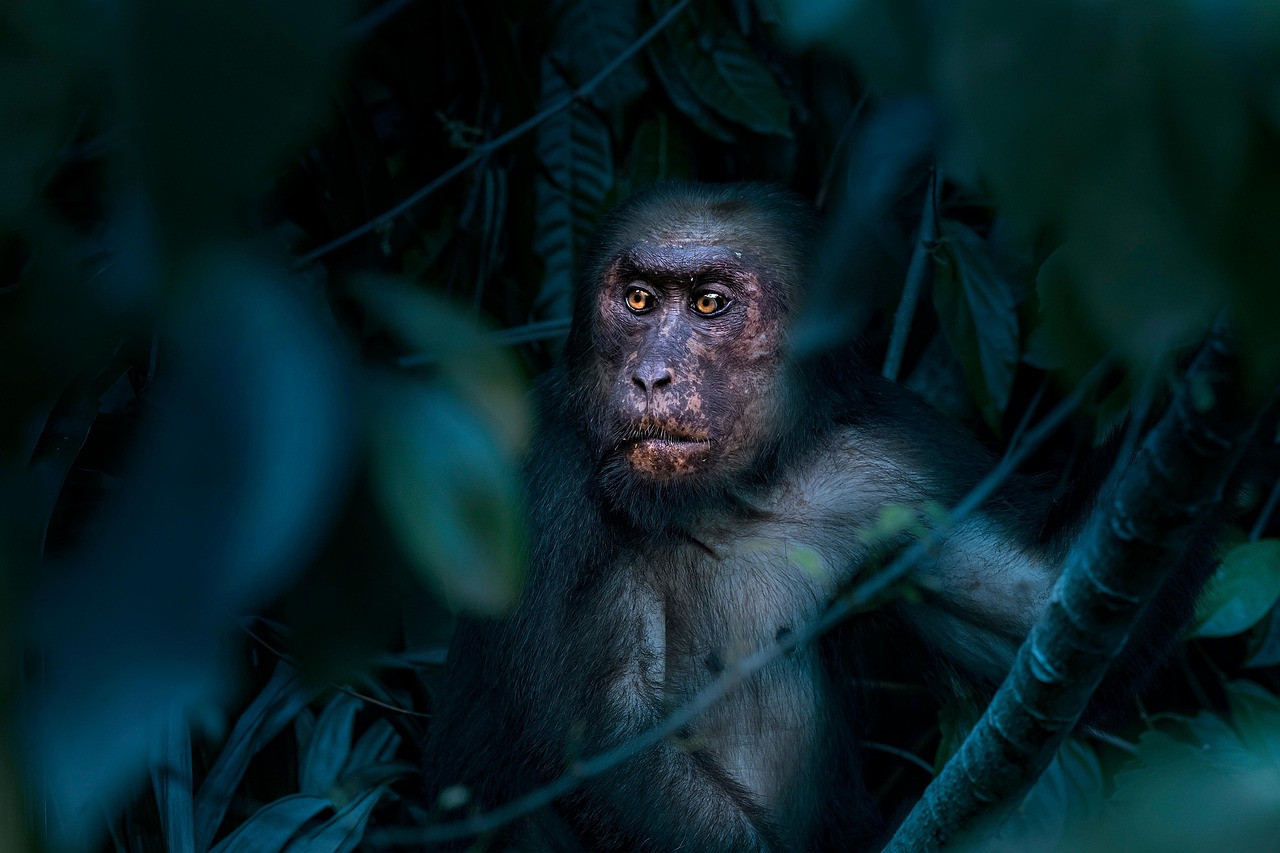
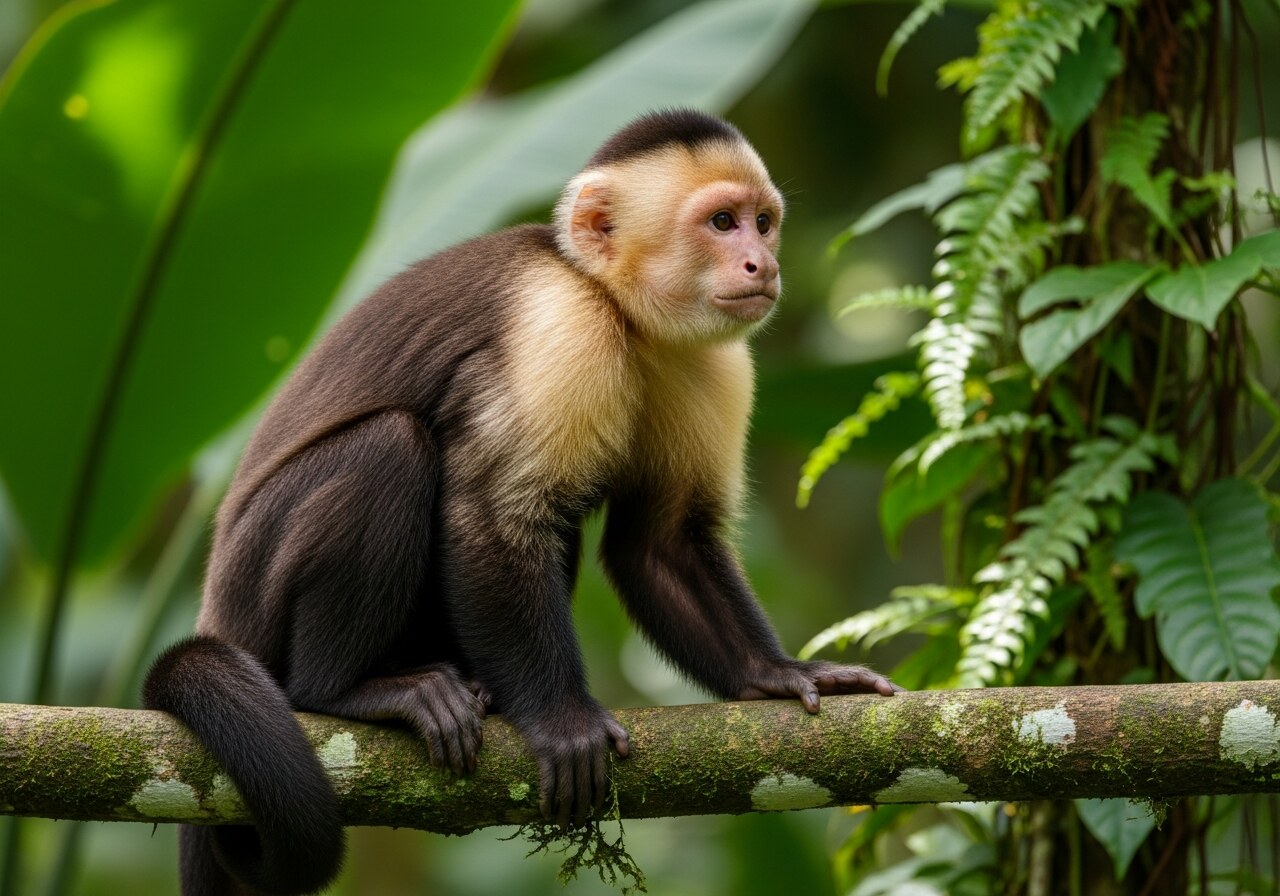
Can you keep a monkey as a pet?
Monkeys should not be kept as ordinary pets. Primates are intelligent social animals with complex space, diet, social and veterinary needs; many countries now restrict private keeping because household care is usually poor welfare. Monkeys have complex social and care needs that ordinary homes cannot meet.
Trafficking
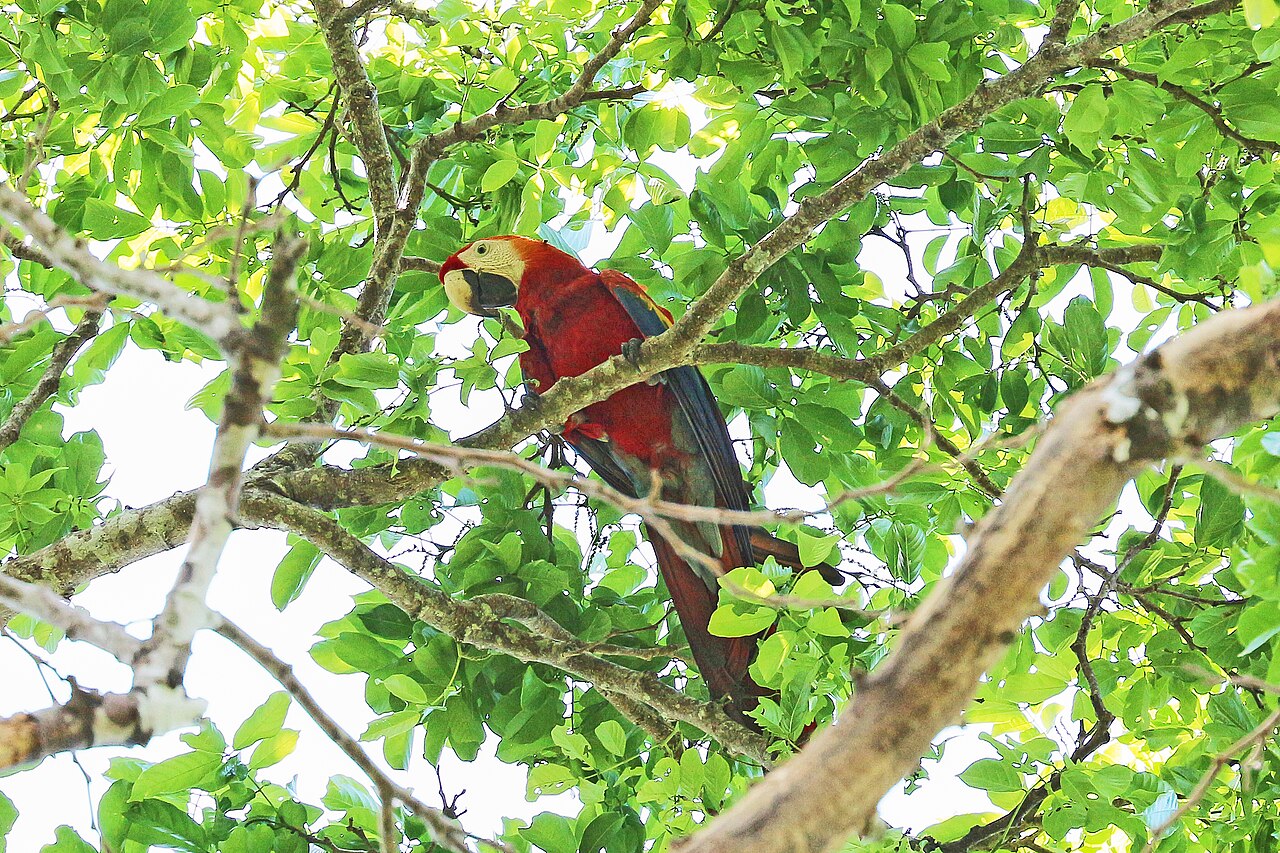
Should you keep a parrot as a pet?
Most people should not get a parrot unless they can meet decades of complex social, space, noise, diet and veterinary needs. Parrots are intelligent wild animals, not decorative cage pets, and many enter rescue after owners underestimate them. Before taking in a parrot, consider its social needs, space, noise and long-term care.