Wildlife tourism and welfare
Wildlife tourism funds a great deal of important conservation, and a great deal of welfare-compromised captive-animal exploitation. The two are not the same. This hub maps the difference.
By WARN Research & Conservation TeamLast updated
Wildlife tourism covers everything from ethical safari operations to welfare-compromised performance and contact experiences; the clearest welfare test is whether animals are free to perform natural behaviours without enforced human contact, riding, performing or restraint.
Want to fund partner-led rescue on this issue? Browse donor rescue guides or give at donate.
Donate todayKey Facts
- Captive wildlife tourism in Southeast Asia is one of the largest sources of welfare harm in the region.
- Riding, touching or hand-feeding wild species are all welfare red flags.
- Genuine non-contact sanctuaries do exist but are a small minority of facilities marketed as sanctuaries.
- Wild safari and birding tourism in established protected areas is largely net-positive for conservation.
- WARN's planned Thailand and Cambodia work focuses on retired captive-wildlife sanctuary support.
The captive-wildlife problem
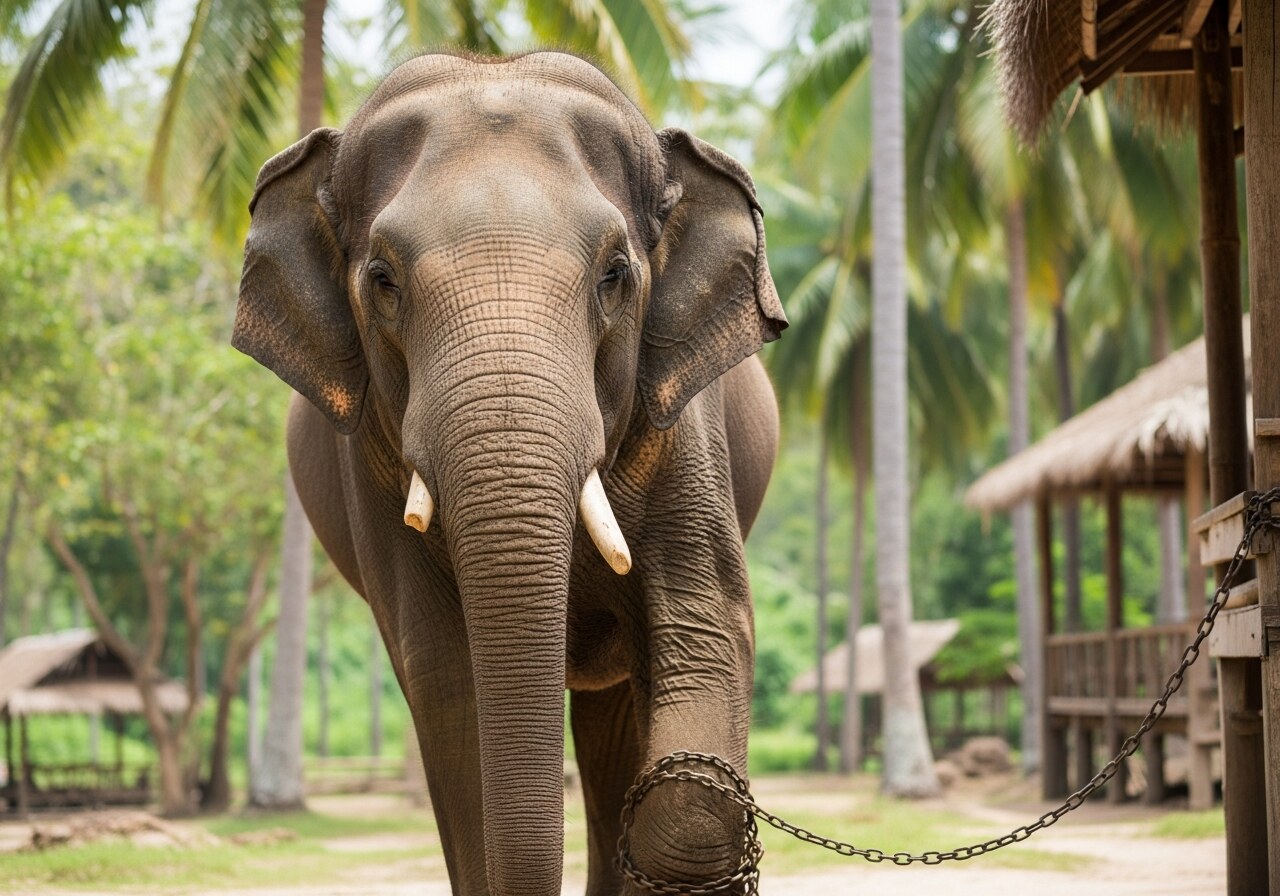
Thailand alone holds an estimated 3,000-4,000 captive elephants, the majority in tourism. Tiger and lion cub-petting facilities operate in several countries, often feeding into the canned-hunting or exotic-pet supply chain. Sloth, slow loris and monkey selfie tourism is a documented driver of wild population pressure.
What good tourism looks like
Distance observation, no contact, no riding, no performance, animals free to retreat from visitors. Sanctuary tourism that funds the operation but does not let visitors hold, ride or bathe the animals. Wild safaris with experienced guides in established national parks.
How to choose
See our ethical wildlife tourism checklist for the practical version. The short version: if you can hold it, ride it, or take a selfie with it, do not book.
Popular questions
Wildlife tourism and welfare questions
Related search answers that connect this topic to WARN welfare guidance, rescue explainers and action routes.
Rescue & Welfare
How do you choose an ethical wildlife sanctuary?
Choose an ethical wildlife sanctuary by avoiding riding, selfies, cub cuddling, forced bathing and constant handling. Look for rescue-only intake, no breeding for visitors, qualified veterinary care and animals who can avoid people. This page turns travel-planning traffic into a practical welfare checklist and routes readers to WARN’s sanctuary and tourism guidance.
Rescue & Welfare
How do you choose an ethical wildlife sanctuary?
Choose an ethical wildlife sanctuary by checking whether it rescues rather than buys animals, avoids breeding for visitors, bans hands-on encounters, provides veterinary care, publishes governance and lets animals hide from people. This page is designed to capture checklist-style search intent while keeping the answer rooted in welfare evidence, not tourist marketing.
Rescue & Welfare
Is elephant riding cruel?
Elephant riding is widely considered cruel because elephants are often trained through fear, restrained for long periods and made to carry tourists despite complex social, movement and welfare needs. This answer targets a common travel question and gives a clear welfare-first recommendation.
Rescue & Welfare
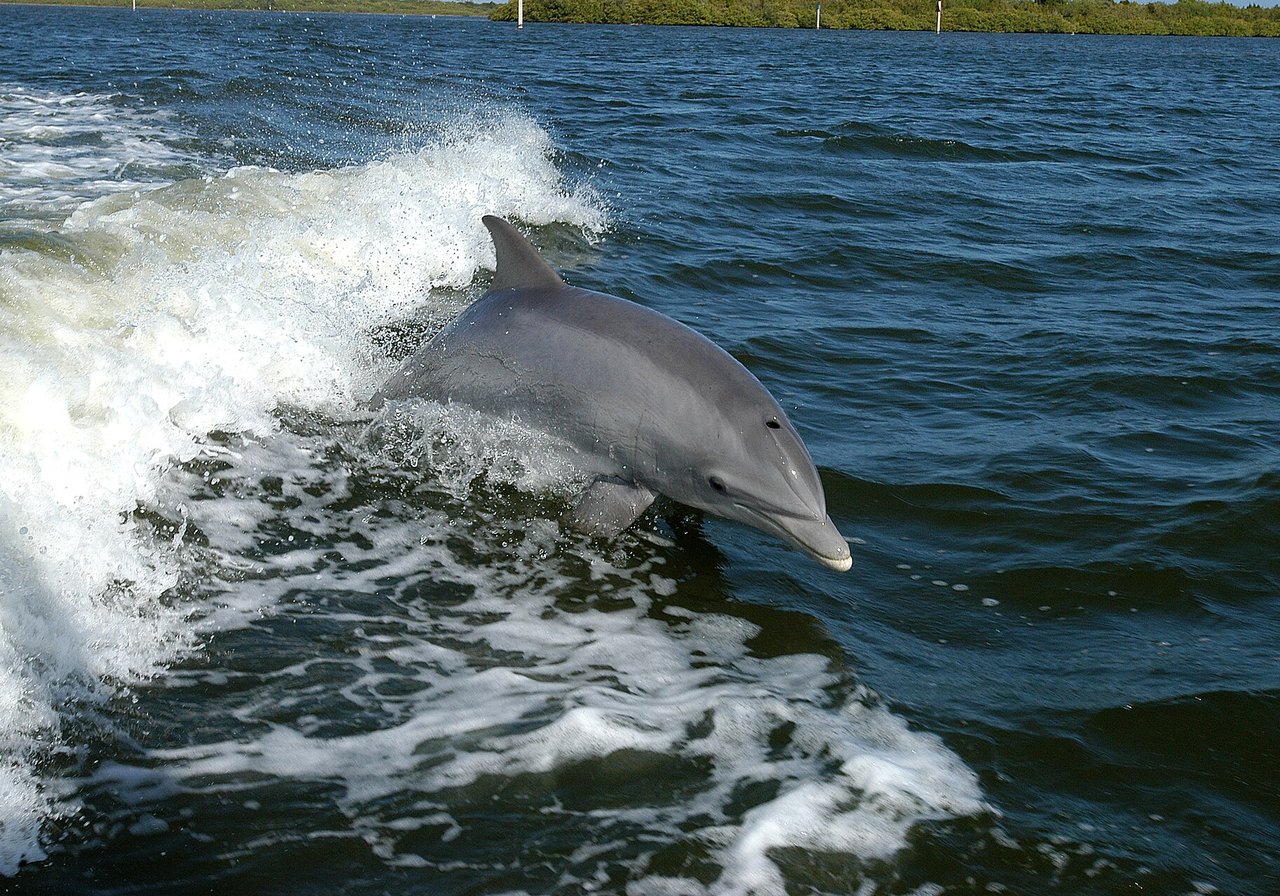
Is swimming with dolphins ethical?
Swimming with dolphins is usually not ethical when dolphins are captive, chased, baited or forced into close contact. Responsible dolphin watching keeps distance, limits time and never guarantees touching or swimming. This answer captures marine tourism traffic and keeps the advice clear for families planning holidays.
Rescue & Welfare
Should you take selfies with wild animals?
You should not take selfies that require holding, restraining, baiting or crowding wild animals. Wildlife selfies often hide stress, sedation, tooth clipping, maternal separation or illegal capture. Wildlife selfie searches are a powerful intervention point because people may not realise the hidden cruelty behind a photo.
Rescue & Welfare
Is volunteering abroad with animals ethical?
Volunteering abroad with animals can be ethical only when it supports qualified local teams, does not replace paid local jobs, avoids direct wildlife handling and puts animal welfare above tourist experience. This page captures ethical travel traffic and steers readers away from paid handling experiences disguised as help.